Loading Page
Anny
Loading Trailer Videos...
Loading Photos
Photo Type :Total items
Similar Movies
65%
A Marriage Story(cs)
2017-01-19
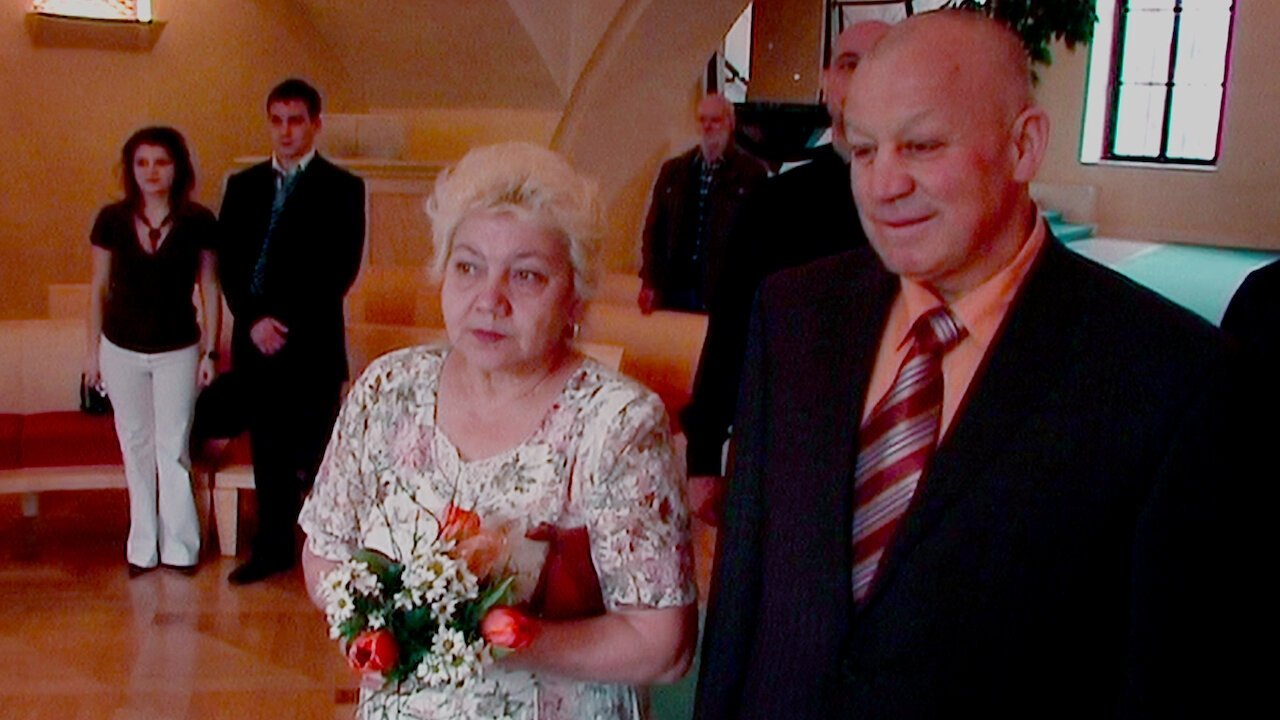
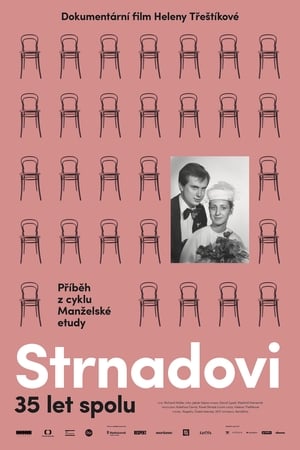
In 35 years of one couple's shared life, a lot of things happen: from the moments of an absolute harmony to the dramatic falls. For the most of the time, the couple cares for common daily life issues and joys that come together with raising the children, running the household or running a business. And this is exactly the life of furniture shop owners Ivana and Vaclav Strnadovi, 2 characters that a director Helena Trestíková follows with her camera as of the year 1980 within a project The Marriage Story. Her new feature documentary about Strnad family is linked to TV films from this cycle, but most importantly it shows further shocking twists, that life brought to the couple and their children.
58%
Marcela(cs)
2007-03-08
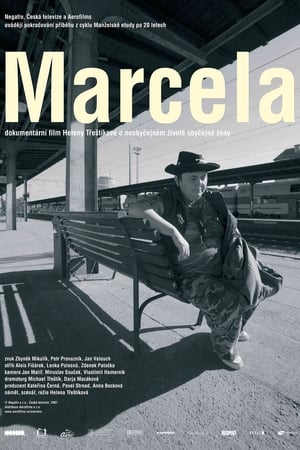
The life of Marcela, an ordinary Czech woman is explored throughout several decades of her life. We are engaged to struggle and fight back with Marcela as her tragic life unfolds before our eyes especially when dealing with her daughter’s unexpected death, which almost drives her to suicide. The film was initially part of a series about the fate of six married couples, but the events that happened throughout Marcela’s life were the reason why the director decided to focus solely on a documentary about her.
64%
Katka(cs)
2010-02-25
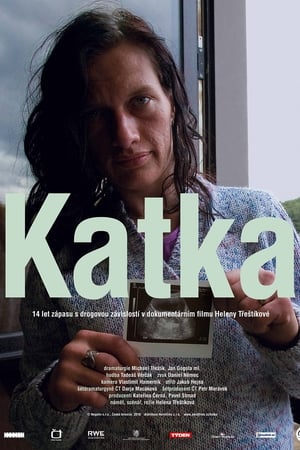
“You bet on someone in the beginning of the process and then you wait and see what life does with them.” This is how Czech director Helena Trestikova explains her long-term documentaries. Following on from the European Film Academy Award winning RENE (2008), Trestikova brings us KATKA – 14 years in the life of a drug addict. KATKA is an extraordinarily raw and uncensored character portrait of a troubled young woman living on the edge of human existence, desperately searching for love and salvation. Will she find it in the rehab? Will she find it in the arms of the man she loves? Or in the first cry of her long-desired baby? Tagging along with her through the back streets and squalors of Prague, Trestikova gets deep under the skin of a person most of us would cross the road to avoid, and shows us Katka’s profoundly human face. You might be angry with Katka, or your heart may go out to her. One thing is certain – you will never forget her.
49%
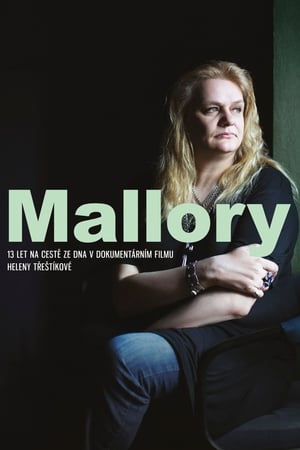
Mallory(cs)
2015-07-23
Life hasn't been easy on Mallory but after the birth of her son she tries desperately to kick her drug habit, and to stop living on the street. She wants to turn her back on her dark past and help those she knows best - people on the fringes of society.
0%
Eternal Jožo(cs)
2023-01-26
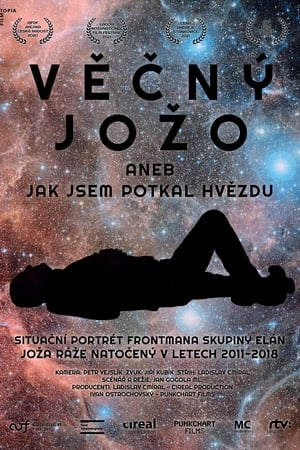
An untraditional documentary portrait reveals the complicated personality of the Slovak music legend Jožo Ráž, the singer for the pop-rock group Elán. From recordings of everyday situations, playful moments, intimate conversations about God and death, and memories of the past, the director composes a complex image of a man loved by the masses, who, despite all his life successes, feels lonely.
0%
René – The Prisoner of Freedom(cs)
2022-04-07
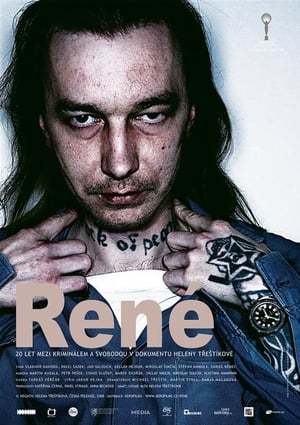
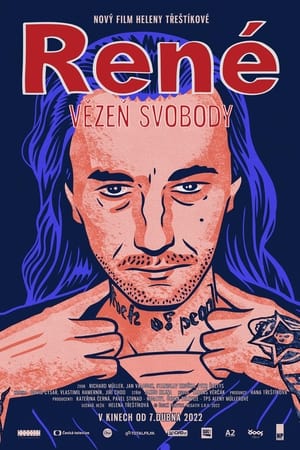
The Czech criminal René is finding it difficult to go straight. Roaming from job to shelter, from woman to woman, he discovers that living honestly is a lot more difficult than just stealing something every once in a while. In 1989, filmmaker Helena Třeštíková started filming the then 18-year-old delinquent, ultimately resulting in the 2008 film René, which follows his life inside and outside prison. This sequel to that film begins with the premiere of René and the ensuing storm of media attention.

50%
Havel Speaking, Can You Hear Me?(cs)
2024-04-11
This time-lapse documentary follows the last years of former President Václav Havel's life, creating a multi-layered portrait of a world-famous political icon and important playwright, but also an ordinary man plagued by health problems. Havel allows the filmmakers a glimpse behind the scenes of his life, revealing purely personal moments that present him in previously unrecognised contours. With a sense of humour, he reflects on his political legacy and universal human issues. The central motif is formed by the parallels between Havel's life and the successful play Leaving, which Havel always wanted to direct as a film adaptation.
40%
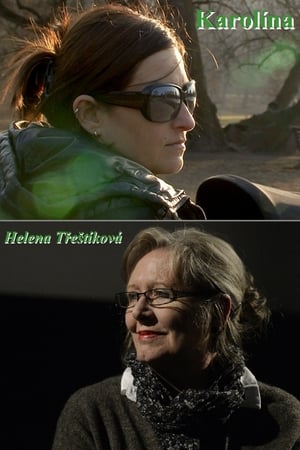
Karolína(cs)
2021-01-05
64%
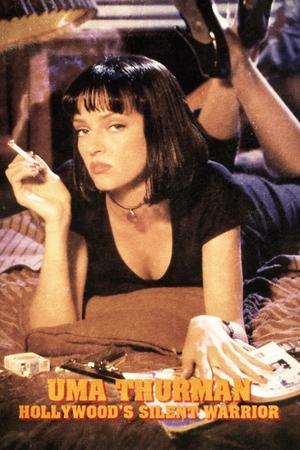
Uma Thurman: Hollywood's Silent Warrior(de)
2024-08-25
A portrait of American actress Uma Thurman, muse of legendary filmmaker Quentin Tarantino and courageous voice for the many victims of despotic producer Harvey Weinstein.
Recommendations Movies
60%
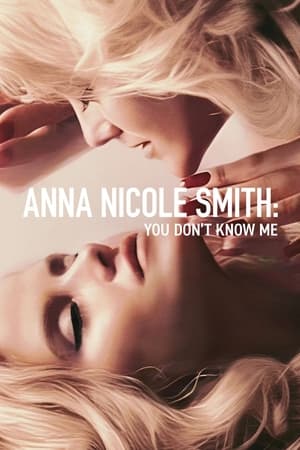
Anna Nicole Smith: You Don't Know Me(en)
2023-05-16
From the heights of her modeling fame to her tragic death, this documentary reveals Anna Nicole Smith through the eyes of the people closest to her.

80%
My Mom Jayne(en)
2025-06-20
Through deeply personal interviews with her siblings and an examination of the photographs, letters, and belongings left behind, Mariska assembles a new portrait of her mother Jayne Mansfield, an extraordinary and complex woman.

76%
Night Will Fall(en)
2014-06-07
When Allied forces liberated the Nazi concentration camps in 1944-45, their terrible discoveries were recorded by army and newsreel cameramen, revealing for the first time the full horror of what had happened. Making use of British, Soviet and American footage, the Ministry of Information’s Sidney Bernstein (later founder of Granada Television) aimed to create a documentary that would provide lasting, undeniable evidence of the Nazis’ unspeakable crimes. He commissioned a wealth of British talent, including editor Stewart McAllister, writer and future cabinet minister Richard Crossman – and, as treatment advisor, his friend Alfred Hitchcock. Yet, despite initial support from the British and US Governments, the film was shelved, and only now, 70 years on, has it been restored and completed by Imperial War Museums under its original title "German Concentration Camps Factual Survey".
69%
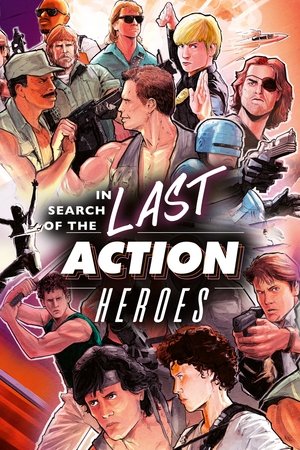
In Search of the Last Action Heroes(en)
2019-09-01
The most comprehensive retrospective of the '80s action film genre ever made.
71%
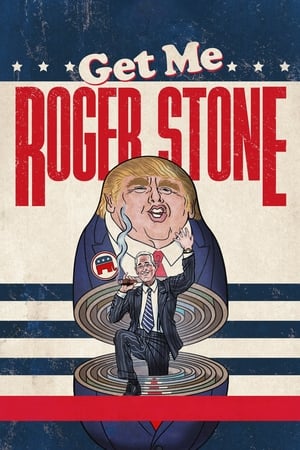
Get Me Roger Stone(en)
2017-04-23
From his days of testifying at the Watergate hearings to advising recent presidential candidate Donald Trump, Roger Stone has long offended people on both sides of the political fence as a force in conservative America. Outspoken author, pundit, ahead of his time election strategist, this is his story.
69%
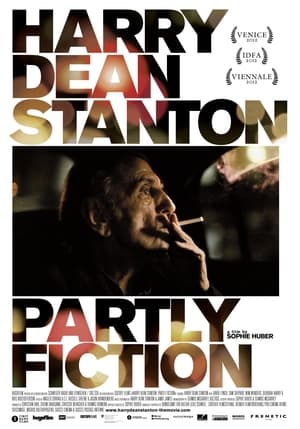
Harry Dean Stanton: Partly Fiction(en)
2013-09-11
An impressionistic portrait of the iconic actor Harry Dean Stanton comprised of intimate moments, film clips from some of his 250 films and his renditions of American folk songs.

75%
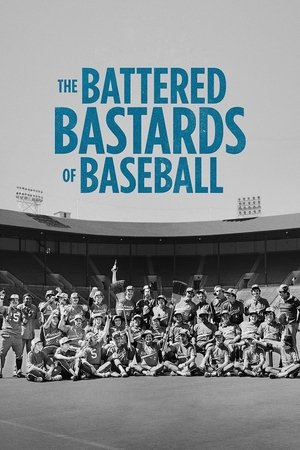
The Battered Bastards of Baseball(en)
2014-01-20
Hollywood veteran Bing Russell creates the only independent baseball team in the country—alarming the baseball establishment and sparking the meteoric rise of the 1970s Portland Mavericks.

67%
Gilbert(en)
2017-04-20
The life and career of one of comedy's most inimitable modern voices, Mr. Gilbert Gottfried.
75%
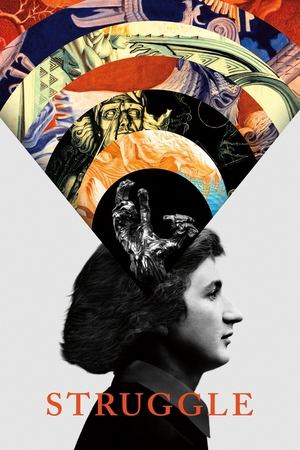
Struggle: The Life and Lost Art of Szukalski(en)
2018-12-20
Artists in LA discover the work of forgotten Polish sculptor Stanislav Szukalski, a mad genius whose true story unfolds chapter by astounding chapter.
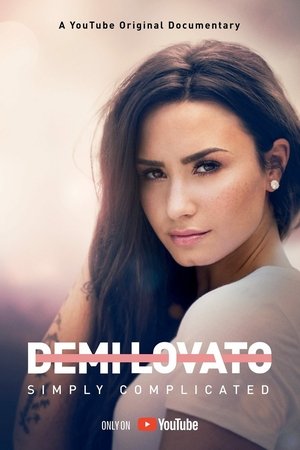
77%
Demi Lovato: Simply Complicated(en)
2017-10-17
A personal and intimate look into Demi Lovato's life as not only a regular 25 year old, but also one of the biggest pop stars in the world.

61%
Orgasm Inc: The Story of OneTaste(en)
2022-11-05
A sexual wellness company gains fame and followers, then members come forward with shocking allegations.
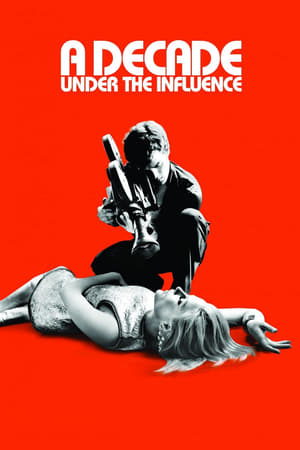
79%
A Decade Under the Influence(en)
2003-04-25
A documentary examining the decade of the 1970s as a turning point in American cinema. Some of today's best filmmakers interview the influential directors of that time.
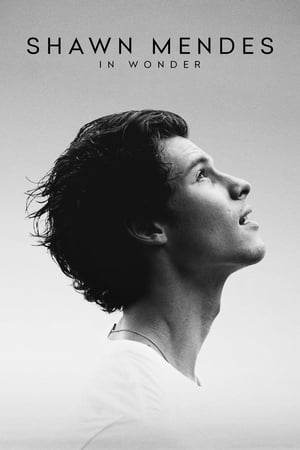
82%
Shawn Mendes: In Wonder(en)
2020-11-23
A portrait of singer-songwriter Shawn Mendes' life, chronicling the past few years of his rise and journey.
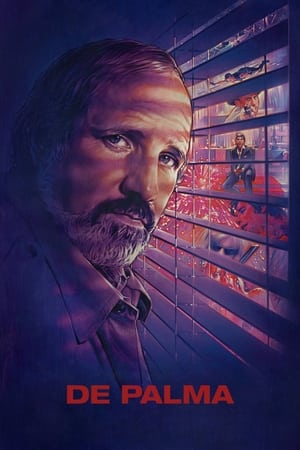
70%
De Palma(en)
2016-06-10
An intimate conversation between filmmakers, chronicling De Palma’s 55-year career, his life, and his filmmaking process, with revealing anecdotes and, of course, a wealth of film clips.
74%
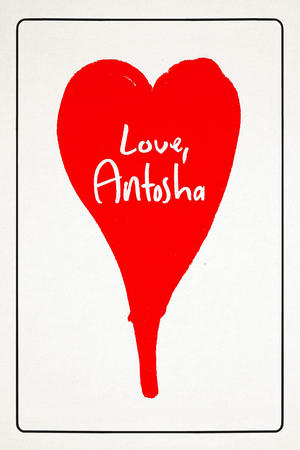
Love, Antosha(en)
2019-08-02
From a prolific career in film and television, Anton Yelchin left an indelible legacy as an actor. Through his journals and other writings, his photography, the original music he wrote, and interviews with his family, friends, and colleagues, this film looks not just at Anton's impressive career, but at a broader portrait of the man.

64%
Studio 54(en)
2018-06-15
Studio 54 was the epicenter of 70s hedonism - a place that not only redefined the nightclub, but also came to symbolize an entire era. Its co-owners, Ian Schrager and Steve Rubell, two friends from Brooklyn, seemed to come out of nowhere to suddenly preside over a new kind of New York society. Now, 39 years after the velvet rope was first slung across the club's hallowed threshold, a feature documentary tells the real story behind the greatest club of all time.
74%
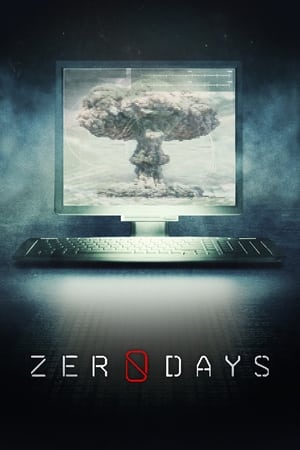
Zero Days(en)
2016-07-08
Alex Gibney explores the phenomenon of Stuxnet, a self-replicating computer virus discovered in 2010 by international IT experts. Evidently commissioned by the US and Israeli governments, this malware was designed to specifically sabotage Iran’s nuclear programme. However, the complex computer worm ended up not only infecting its intended target but also spreading uncontrollably.
75%
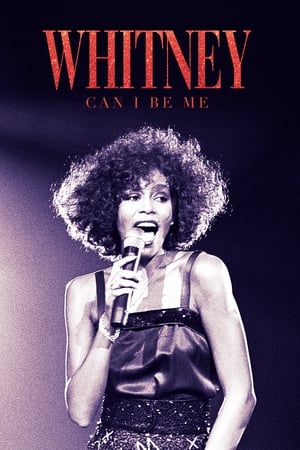
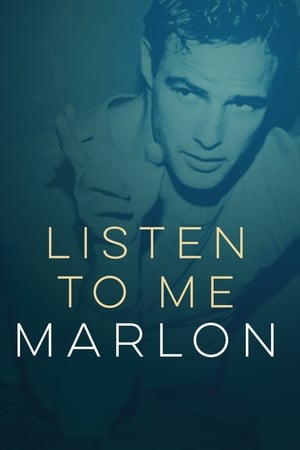
Listen to Me Marlon(en)
2015-07-29
With exclusive access to his extraordinary unseen and unheard personal archive including hundreds of hours of audio recorded over the course of his life, this is the definitive Marlon Brando cinema documentary. Charting his exceptional career as an actor and his extraordinary life away from the stage and screen with Brando himself as your guide, the film will fully explore the complexities of the man by telling the story uniquely from Marlon's perspective, entirely in his own voice. No talking heads, no interviewees, just Brando on Brando and life.