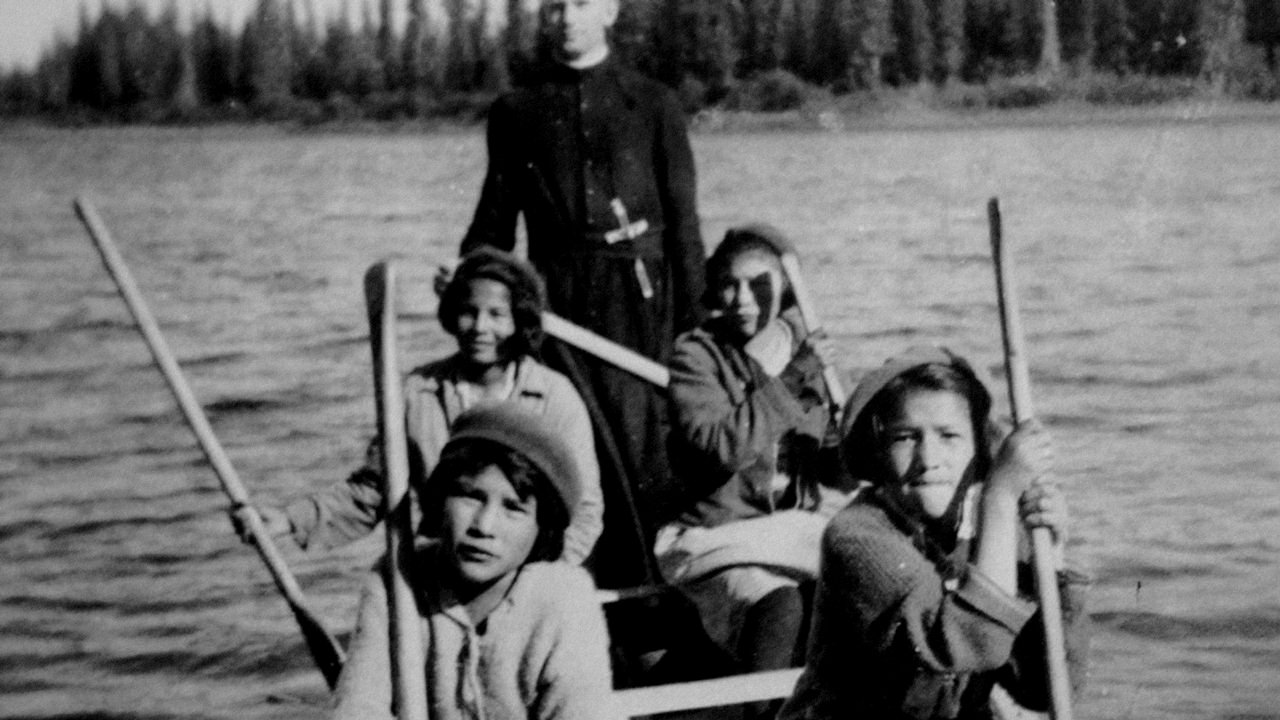
Killing the Indian in the Child
Top 5 Billed Cast
Self - Politician (archive footage)
Similar Movies
Frantz Fanon: His Life, His Struggle, His Work(fr)
It is the evocation of a life as brief as it is dense. An encounter with a dazzling thought, that of Frantz Fanon, a psychiatrist of West Indian origin, who will reflect on the alienation of black people. It is the evocation of a man of reflection who refuses to close his eyes, of the man of action who devoted himself body and soul to the liberation struggle of the Algerian people and who will become, through his political commitment, his fight, and his writings, one of the figures of the anti-colonialist struggle. Before being killed at the age of 36 by leukemia, on December 6, 1961. His body was buried by Chadli Bendjedid, who later became Algerian president, in Algeria, at the Chouhadas cemetery (cemetery of war martyrs ). With him, three of his works are buried: “Black Skin, White Masks”, “L’An V De La Révolution Algérien” and “The Wretched of the Earth”.
Tylko nie mów nikomu(pl)
Documentary film about sexual abuse in the Catholic Church in Poland.
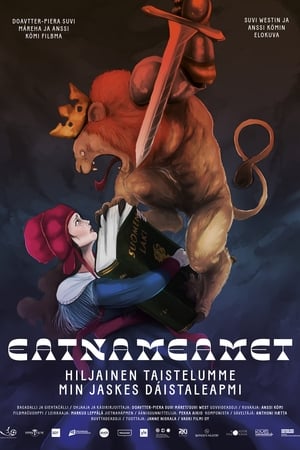
Eatnameamet – Our Silent Struggle(fi)
The AssimiNation is a political pamphlet portraying the indigenous Sámi people fighting for their existence. The film follows the on going cultural genocide of the Sámi which the current Governmental politics allow. This film is a cry for help for the last indigenous people living in the EU.
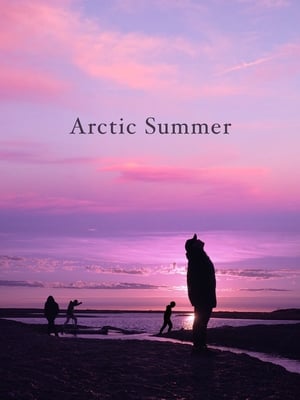
Arctic Summer(en)
ARCTIC SUMMER is a poetic meditation on Tuktoyaktuk, an Indigenous community in the Arctic. The film captures Tuk during one of the last summers before climate change forced Tuk's coastal population to relocate to more habitable land.
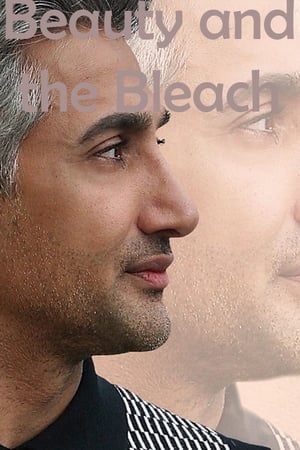
Tan France: Beauty and the Bleach(en)
When he was only 9-years-old Tan France tried to lighten his own skin with bleaching cream. He faces up to his own experiences in an attempt to explore perceptions of beauty, skin tone and colourism.
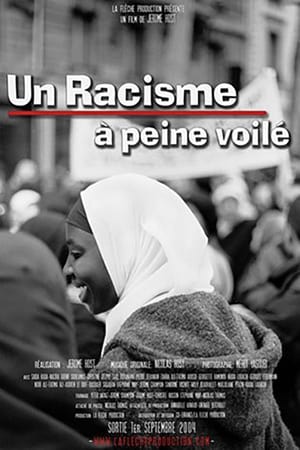
Un racisme à peine voilé(en)
October 2003, Alma and Lila Levy are excluded from the Lycée Henri Wallon in Aubervilliers solely because they were wearing a headscarf. What follows is a deafening political and media debate, justifying in most cases the exclusion of girls wearing head-scarves to school. February 2004, a law was eventually passed by the National Assembly. "A thinly veiled racism" is about this controversy since the affair of Creil in 1989 (where two schoolgirls were excluded for the same reasons) and attempts to "reveal" that maybe what hides behind is the desire to exclude these girls. This film gives them a voice as well as others - teachers, community activists, feminists, researchers - gathered around the group "A School for You-All" fighting for the repeal of this law they consider sexist and racist ... This movie was censured in Septembre 2004 in France.
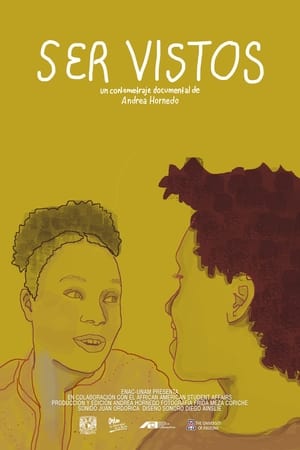
Being Seen(en)
A group of African American students at the University of Arizona reveals the importance of political spaces within Universities in times of intolerance.
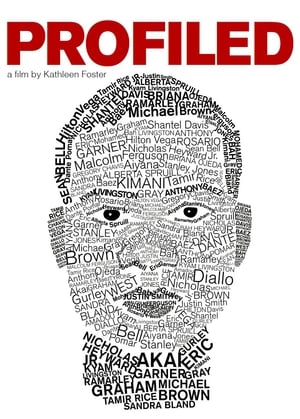
Profiled(en)
Profiled is a feature length documentary that knits the stories of mothers of Black and Latin unarmed youth murdered by the NYPD into a powerful indictment of racial profiling and police brutality, and places them within a historical context of the roots of racism in the U.S. Driven by anger when their demands for justice are ignored the women transition from grieving parents to activists participating in the grass roots movement now spreading across the country since the much-publicized deaths of Michael Brown and Eric Garner.
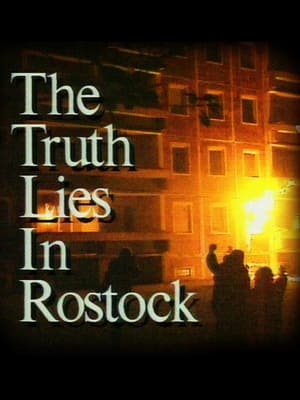
The Truth lies in Rostock(de)
August 1992, Rostock-Lichtenhagen. The police look on as fascists bomb the Central Reception Center for Refugees (ZAST) and a hostel for Vietnamese contract workers with Molotov cocktails. A montage of video footage shot from the attacked houses, interviews with anti-fascists, the Vietnamese contract workers, the police, bureaucrats, neo-Nazis and local residents. A documentary about the collusion of politics and widespread fear.
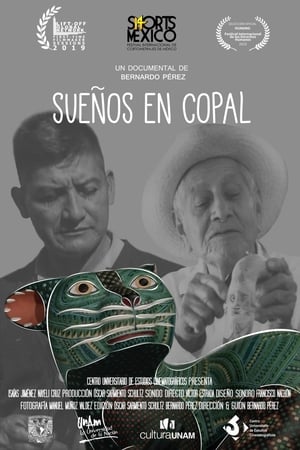
Copal Dreams(es)
The communities of San Martin Tilcajete and San Antonio Arrazola in Oaxaca, Mexico are best known for being the main source of the "Alebrijes" (wood carving) in the state; a relatively new but powerful tradition in mexican folklore. In both communities, there is a family that claims they're father started this tradition in all the state of Oaxaca.
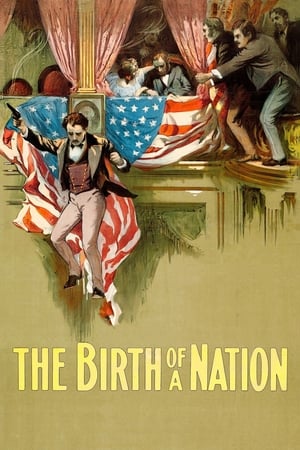
The Birth of a Nation(en)
Two families, abolitionist Northerners the Stonemans and Southern landowners the Camerons, intertwine. When Confederate colonel Ben Cameron is captured in battle, nurse Elsie Stoneman petitions for his pardon. In Reconstruction-era South Carolina, Cameron founds the Ku Klux Klan, battling Elsie's congressman father and his African-American protégé, Silas Lynch.
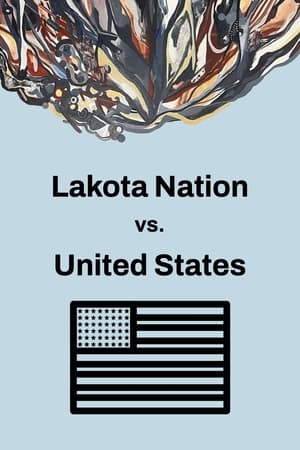
Lakota Nation vs. United States(en)
Poet Layli Long Soldier crafts a searing portrait of her Oyate’s connection to the Black Hills, through first contact and broken treaties to the promise of the Land Back movement, in this lyrical testament to resilience of a nation.

Rap Dixon: Beyond Baseball(en)
Rap Dixon was a legendary African American baseball player who played in what were known as the Negro Leagues. This film chronicles his life and baseball accomplishments while exploring how racism and segregation affect how people are remembered in history.

Voices of Muslim Women from the US South(en)
When one thinks of the American Deep South, the image of veiled Muslim students strolling the University of Alabama campus is the last thing that comes to mind. VOICES OF MUSLIM WOMEN FROM THE US SOUTH is a documentary that explores the Muslim culture through the lens of five University of Alabama Muslim students. The film tackles how Muslim women carve a space for self-expression in the Deep South and how they negotiate their identities in a predominantly Christian society that often has unflattering views about Islam and Muslims. Through interviews with students and faculty at Alabama, this film examines representations and issues of agency by asking: How do Muslim female students carve a space in a culture that thinks of Muslims as terrorists and Muslim women as backward?
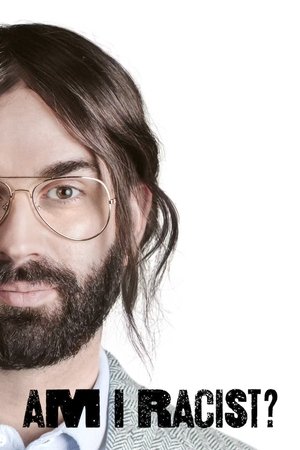
Am I Racist?(en)
Matt Walsh goes deep undercover in the world of diversity, equity, and inclusion. Prepare to be shocked by how far race hustlers will go and how much further Matt Walsh will go to expose the grift, uncovering absurdities that will leave you laughing.
General Hercules(en)
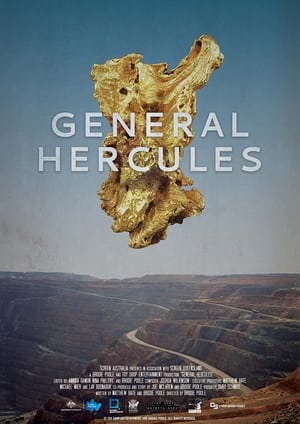
In June 1893, European prospectors unlawfully took claim to ‘The Golden Mile’ on Aboriginal land. In little over a hundred years the natural landscape has been transformed into the industrial hellscape of Kalgoorlie-Boulder. As incumbent Mayor John Bowler starts to campaign for a second term, independent prospector John ‘General Hercules’ Katahanas decides to run against him on an anti-corruption ticket. What starts out as a quirky David-vs-Goliath political battle, unravels into a portrait of a man, a town and a country sent mad by the timeless cycles of exploitation, racism and greed.
Shudra: The Rising(hi)
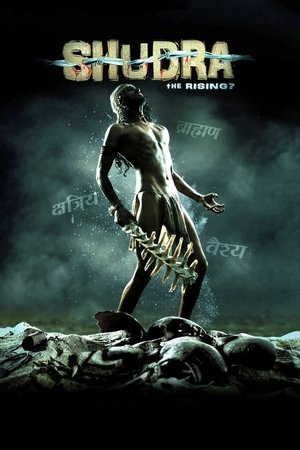
Shudra: The Rising is a Hindi language film with a storyline based on the caste system in ancient India, and more specifically the Hindu Varna system. It is directed by Sanjiv Jaiswal and dedicated to Bhim Rao Ambedkar. The film depicts the four basic units of the caste system - the Brahmins, Kshatriyas, Vaishyas and the Shudras. The film shows various rules imposed on the Shudras such as waking with a bell around their ankles and a long leaf behind their back,and a pot hanging around their neck.
The Blinding of Isaac Woodard(en)
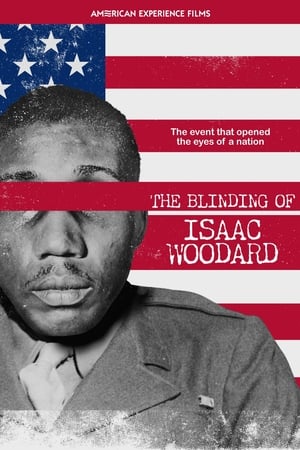
In 1946, Isaac Woodard, a Black army sergeant on his way home to South Carolina after serving in WWII, was pulled from a bus for arguing with the driver. The local chief of police savagely beat him, leaving him unconscious and permanently blind. The shocking incident made national headlines and, when the police chief was acquitted by an all-white jury, the blatant injustice would change the course of American history. Based on Richard Gergel’s book Unexampled Courage, the film details how the crime led to the racial awakening of President Harry Truman, who desegregated federal offices and the military two years later. The event also ultimately set the stage for the Supreme Court’s landmark 1954 Brown v. Board of Education decision, which finally outlawed segregation in public schools and jumpstarted the modern civil rights movement.
Lillian Smith: Breaking the Silence(en)
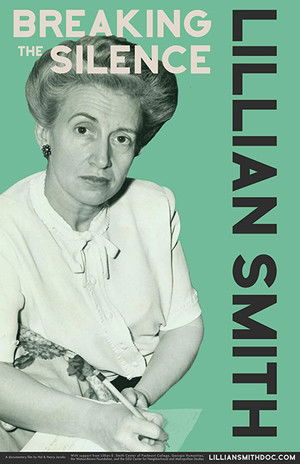
Lillian Smith: Breaking the Silence is a 50-minute documentary about the life and work of Georgia writer and activist Lillian Smith (1887 – 1966). This documentary explores her legacy and the life journey that led to her awakening, from her childhood experiences in a small southern town, to her years of living abroad in China, to directing a girls' summer camp in North Carolina. By the time she published a bestselling novel in 1944, her moral compass was finely tuned to the changes needed in the southern U.S., and she spent the next two decades confronting the ugly institution of segregation, saying that it harmed whites as much as blacks. In the decade before her death she wrote about the need for freedom and respect for everyone everywhere.
Recommendations Movies
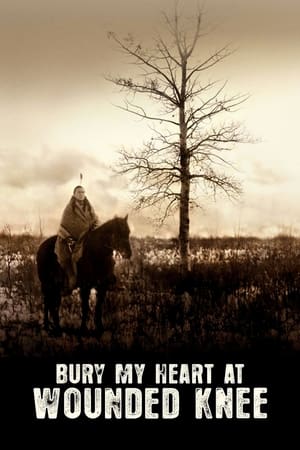
Bury My Heart at Wounded Knee(en)
Beginning just after the bloody Sioux victory over General Custer at Little Big Horn, the story is told through two unique perspectives: Charles Eastman, a young, white-educated Sioux doctor held up as living proof of the alleged success of assimilation, and Sitting Bull the proud Lakota chief whose tribe won the American Indians’ last major victory at Little Big Horn.

Night Will Fall(en)
When Allied forces liberated the Nazi concentration camps in 1944-45, their terrible discoveries were recorded by army and newsreel cameramen, revealing for the first time the full horror of what had happened. Making use of British, Soviet and American footage, the Ministry of Information’s Sidney Bernstein (later founder of Granada Television) aimed to create a documentary that would provide lasting, undeniable evidence of the Nazis’ unspeakable crimes. He commissioned a wealth of British talent, including editor Stewart McAllister, writer and future cabinet minister Richard Crossman – and, as treatment advisor, his friend Alfred Hitchcock. Yet, despite initial support from the British and US Governments, the film was shelved, and only now, 70 years on, has it been restored and completed by Imperial War Museums under its original title "German Concentration Camps Factual Survey".
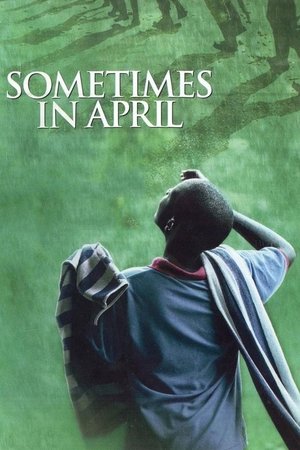
Sometimes in April(en)
Two brothers are divided by marriage and fate during the 100 horrifying days of the 1994 Rwandan genocide.
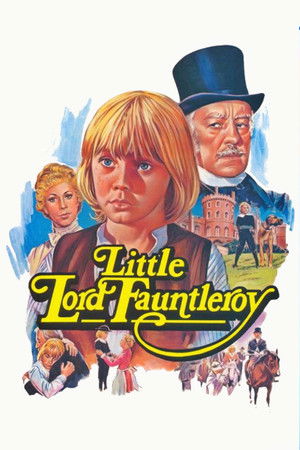
Little Lord Fauntleroy(en)
Young Cedric Errol and his widowed mother live in genteel poverty in 1880s Brooklyn after the death of his father. Cedric's grandfather, the Earl of Dorincourt, has long ago disowned his son for marrying an American. But after the death of the Earl's remaining son, he decides to accept Cedric as his heir.
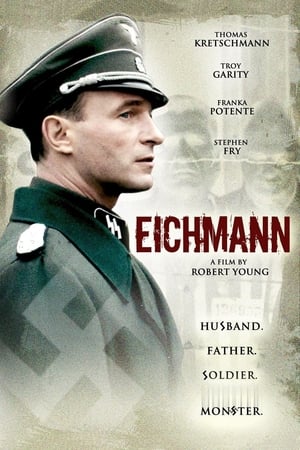
Eichmann(en)
Based upon the final confession of Adolf Eichmann, made before his execution in Israel, of his role in Hitler's plan for the final solution.
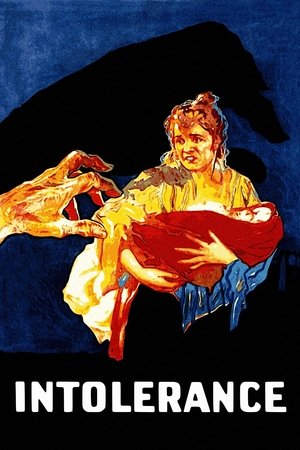
Intolerance: Love's Struggle Throughout the Ages(en)
The story of a poor young woman, separated by prejudice from her husband and baby, is interwoven with tales of intolerance from throughout history.
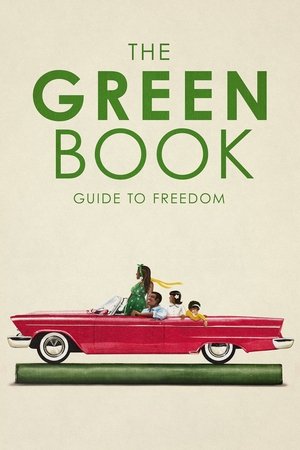
The Green Book: Guide to Freedom(en)
In 1936, Victor H. Green (1892-1960) published The Negro Motorist Green Book, a book that was both a travel guide and a survival manual, to help African-Americans navigate safe those regions of the United States where segregation and Jim Crow laws were disgracefully applied.
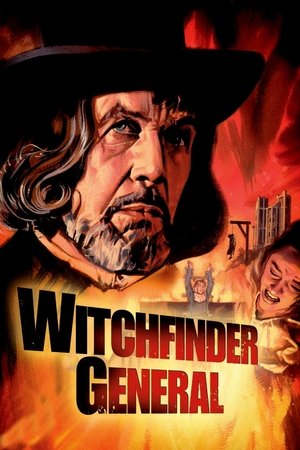
Witchfinder General(en)
England, 1645. The cruel civil war between Royalists and Parliamentarians that is ravaging the country causes an era of chaos and legal arbitrariness that allows unscrupulous men to profit by exploiting the absurd superstitions of the peasants; like Matthew Hopkins, a monster disguised as a man who wanders from town to town offering his services as a witch hunter.
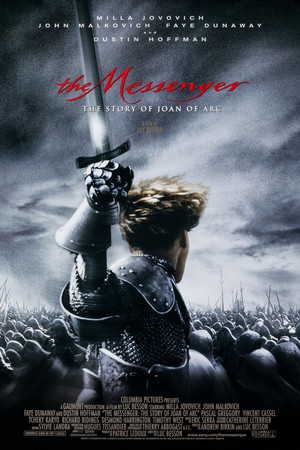
The Messenger: The Story of Joan of Arc(en)
In 1429, a French teenager stood before her King with a message she claimed came from God; that she would defeat the world's greatest army and liberate her country from its political and religious turmoil. As she reclaims God's diminished kingdom, this courageous young woman has various amazing victories until her violent and untimely death.
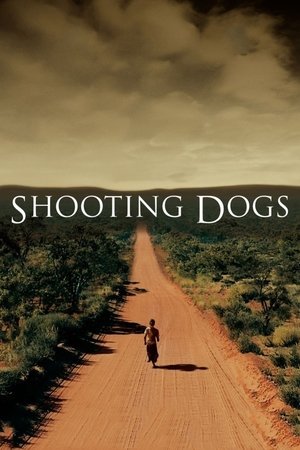
Shooting Dogs(en)
Two westerners, a priest and a teacher find themselves in the middle of the Rwandan genocide and face a moral dilemna. Do they place themselves in danger and protect the refugees, or escape the country with their lives? Based on a true story.
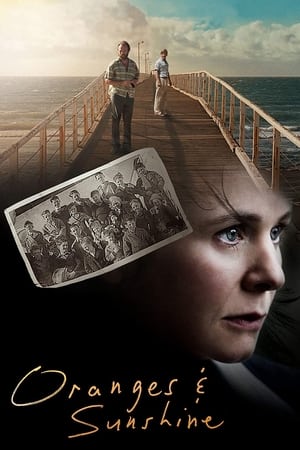
Oranges and Sunshine(en)
The story of Margaret Humphreys, a social worker from Nottingham, who uncovers one of the most significant social scandals in recent times – the forced migration of children from the United Kingdom to Australia and other Commonwealth countries. Almost singlehandedly, Margaret reunited thousands of families, brought authorities to account and worldwide attention to an extraordinary miscarriage of justice.
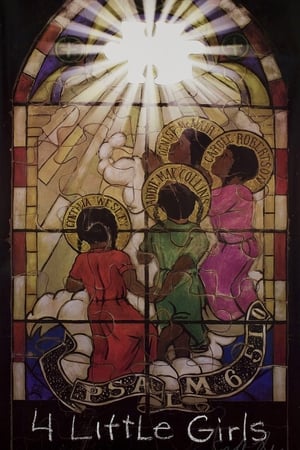
4 Little Girls(en)
On September 15, 1963, a bomb destroyed a black church in Birmingham, Alabama, killing four young girls who were there for Sunday school. It was a crime that shocked the nation--and a defining moment in the history of the civil-rights movement. Spike Lee re-examines the full story of the bombing, including a revealing interview with former Alabama Governor George Wallace.
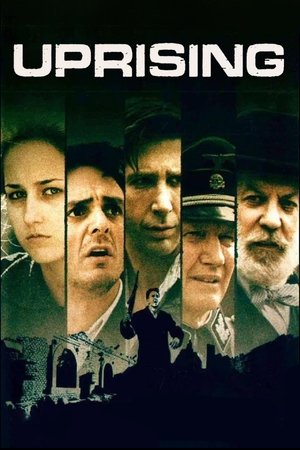
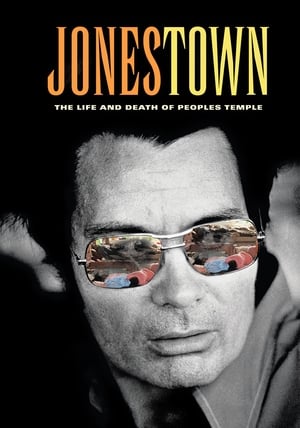
Jonestown: The Life and Death of Peoples Temple(en)
Featuring never-before-seen footage, this documentary delivers a startling new look at the Peoples Temple, headed by preacher Jim Jones who, in 1978, led more than 900 members to Guyana, where he orchestrated a mass suicide via tainted punch.
Farewell, Mr. Haffmann(fr)
Paris 1942. François Mercier is an ordinary man who only aspires to start a family with the woman he loves, Blanche. He is also the employee of a talented jeweler, Mr. Haffmann. But faced with the German occupation, the two men will have no other choice but to conclude an agreement whose consequences, over the months, will upset the fate of our three characters.
Outlaws - For Greater Glory(en)
A chronicle of the Cristeros War (1926-1929), which was touched off by a rebellion against the Mexican government's attempt to secularize the country.
Shoah(fr)
Director Claude Lanzmann spent 11 years on this sprawling documentary about the Holocaust, conducting his own interviews and refusing to use a single frame of archival footage. Dividing Holocaust witnesses into three categories – survivors, bystanders, and perpetrators – Lanzmann presents testimonies from survivors of the Chelmno concentration camp, an Auschwitz escapee, and witnesses of the Warsaw Ghetto Uprising, as well as a chilling report of gas chambers from an SS officer at Treblinka.
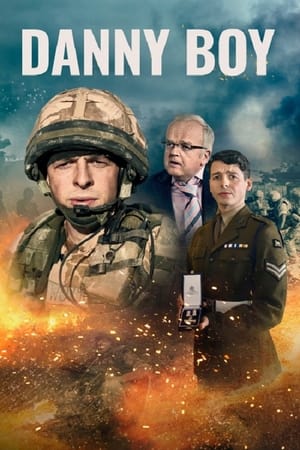
Danny Boy(en)
Soldier Brian Wood, is accused of war crimes in Iraq by the human rights lawyer Phil Shiner. The two men go head to head in a legal and moral conflict that takes us from the battlefield, at so-called Checkpoint Danny Boy, to the courtroom and one of Britain’s biggest ever public inquiries, the Al-Sweady Inquiry.
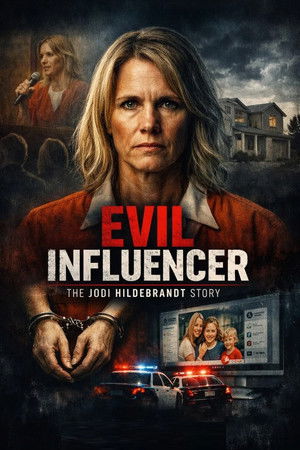
Evil Influencer: The Jodi Hildebrandt Story(en)
Unravel the case of Utah therapist Jodi Hildebrandt, whose child abuse arrest with parenting YouTuber Ruby Franke exposed a twisted tale of manipulation.
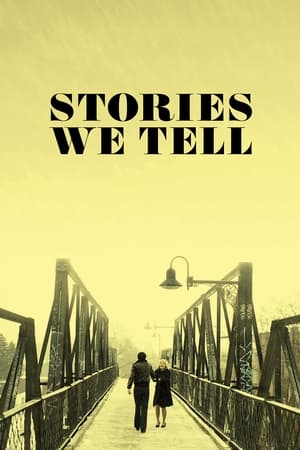
Stories We Tell(en)
Canadian actress and filmmaker Sarah Polley investigates certain secrets related to her mother, interviewing a group of family members and friends whose reliability varies depending of their implication in the events, which are remembered in different ways; so a trail of questions remains to be answered, because memory is always changing and the discovery of truth often depends on who is telling the tale.