Loading Page
Za život radostný
Top 3 Billed Cast
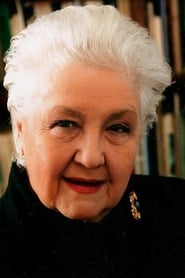
Antonie Hegerliková
Commentary (voice)
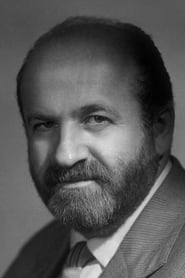
Felix le Breux
Commentary (voice)
Loading Trailer Videos...

HomePage
Overview
Release Date
1951-04-06
Average
0
Rating:
0.0 startsTagline
Genres
Languages:
ČeskýKeywords
Similar Movies
40%
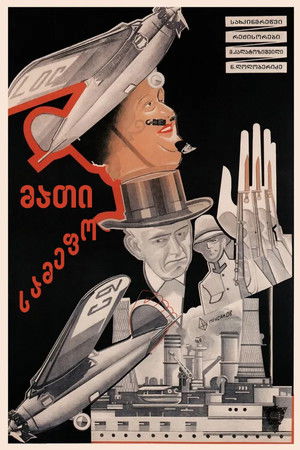
Their Kingdom(ka)
1928-07-22
The documentary Their Kingdom, co-directed in 1928 by Nutsa Gogoberidze and Mikhail Kalatozishvili (Kalatozov) for Soviet Georgia’s Cinema Trust, was considered lost until 2008, when there appeared a possibility that this important film – Georgia’s first documentary feature and Kalatozov’s directorial debut – had not disappeared irretrievably.
76%
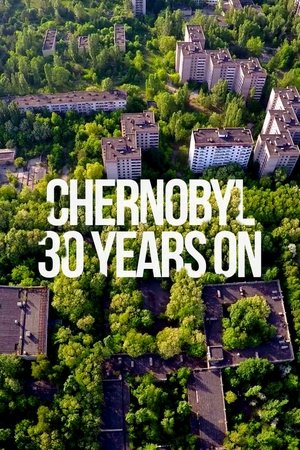
Chernobyl 30 Years On: Nuclear Heritage(en)
2015-05-06
Thirty years after the Chernobyl disaster, which occurred on the night of April 26, 1986, its causes and consequences are examined. In addition, a report on efforts to strengthen the structures covering the core of the nuclear plant in order to better protect the population and the environment is offered.
70%
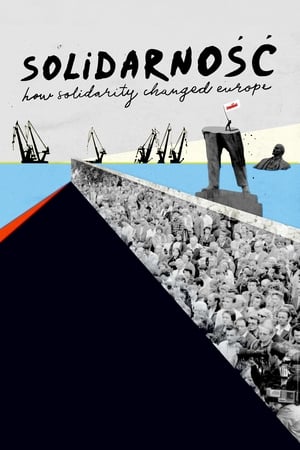
Solidarność: How Solidarity Changed Europe(de)
2019-10-01
Gdańsk, Poland, September 1980. Lech Wałęsa and other Lenin shipyard workers found Solidarność (Solidarity), the first independent trade union behind the Iron Curtain. The long and hard battle to bring down communist dictatorship has begun.
63%
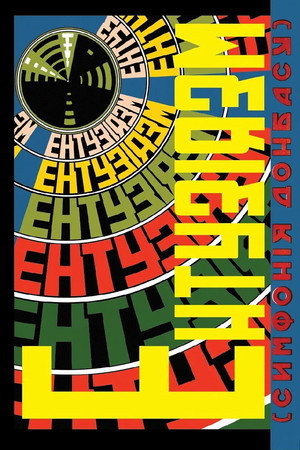
Enthusiasm. Symphony of Donbas(ru)
1930-11-06
An audiovisual symphony that delves into the industrial, agrarian, and cultural fabric of the Donbas region during the inaugural Soviet Five Year Plan. It spotlights anti-religious campaigns, propagandistic marches, and the vibrant athletic culture of its time
0%
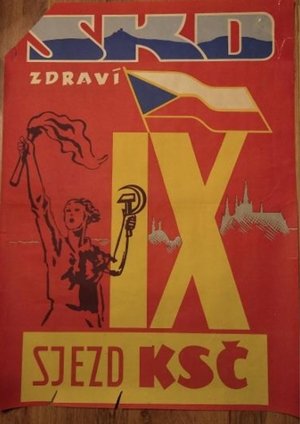
Vítězný lid(cs)
1949-01-01
74%
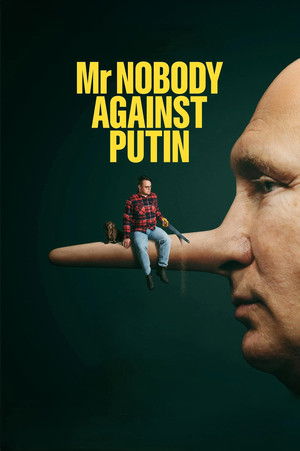
Mr. Nobody Against Putin(da)
2025-06-06
As Russia launches its full-scale invasion of Ukraine, primary schools across Russia’s hinterlands are transformed into recruitment stages for the war. Facing the ethical dilemma of working in a system defined by propaganda and violence, a brave teacher goes undercover to film what’s really happening in his own school.
77%
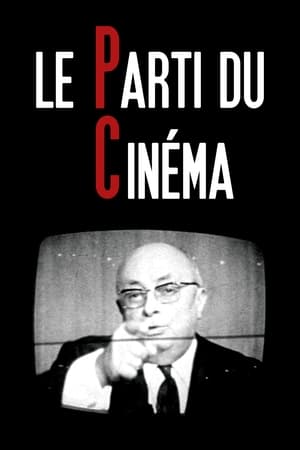
Le Parti du cinéma(fr)
2021-02-01

34%
The History of the Civil War(ru)
1921-06-01
The epic story of the Russian Civil War (1918-21): the White Terror, the counterrevolutionary uprisings, the guerrilla war, the Kolchak front, the Wrangel front and the Kronstadt rebellion. Chaos and violence, devastation and death.
72%
Under the Sun(de)
2015-10-30
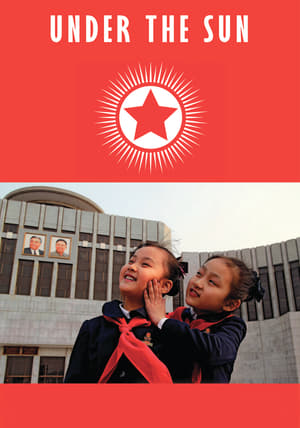
Over the course of one year, this film follows the life of an ordinary Pyongyang family whose daughter was chosen to take part in Day of the Shining Star (Kim Jong-il's birthday) celebration. While North Korean government wanted a propaganda film, the director kept on filming between the scripted scenes. The ritualized explosions of color and joy contrast sharply with pale everyday reality, which is not particularly terrible, but rather quite surreal.

69%
The Lovers and the Despot(en)
2016-09-22
Hong Kong, 1978. South Korean actress Choi Eun-hee is kidnapped by North Korean operatives following orders from dictator Kim Jong-il.

36%
Amazing China(zh)
2018-03-02
Amazing China is a documentary film edited and produced based on the six-episode documentary series "Brilliant China" broadcasted on China Central Television (CCTV). The film is a joint production of China Central Television and China Film Co., Ltd. It premiered on March 2, 2018, in major cinemas across the People's Republic of China. The documentary highlights the achievements of the Communist Party of China (CPC) led by General Secretary Xi Jinping since the 18th National Congress of the CPC in 2012.
0%
Stalin: Man of Steel(en)
2003-01-01
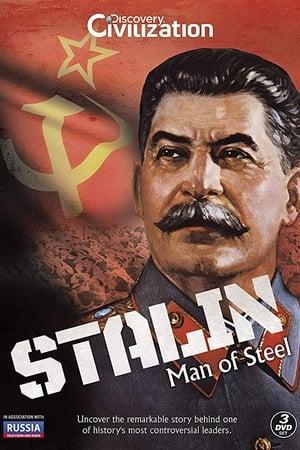
Emmy Awards nominee for "Outstanding Individual Achievement in a Craft: Research: Multi-faceted portrait of the man who succeeded Lenin as the head of the Soviet Union. With a captivating blend of period documents, newly-released information, newsreel and archival footage and interviews with experts, the program examines his rise to power, deconstructs the cult of personality that helped him maintain an iron grip over his vast empire, and analyzes the policies he introduced, including the deadly expansion of the notorious gulags where he banished so many of his countrymen to certain death.

59%
The Eleventh Year(ru)
1928-05-15
The film is dedicated to the achievements of the Ukrainian SSR for the eleventh anniversary of the October Revolution.
66%
Anniversary of the Revolution(ru)
1918-11-07
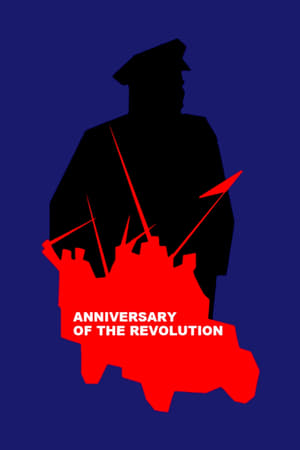
A chronicle of the Russian Revolution of 1917, from the bourgeois democratic February Revolution to the great socialist October Revolution and the final triumph.

80%
Propaganda(en)
2013-02-14
An anti-western propaganda film about the influences of American visual and consumption culture on the rest of the world, as told from a North Korean perspective.
60%
China: The Uighur Tragedy(fr)
2022-02-01
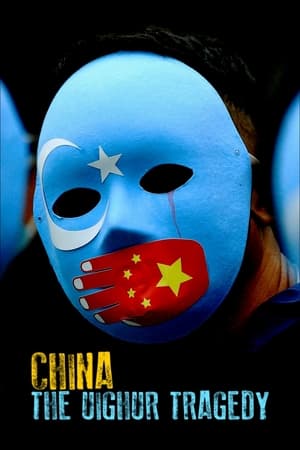
A relentless chronicle of the tragedy of the Uighurs, an ethnic minority of some eleven million people who live in the Xinjiang region of northwest China, speak a Turkic language and practice the Muslim religion. The Uighurs suffer brutal cultural and political oppression by Xin Jinping's tyrannical government: torture, disappearances, forced labor, re-education of children and adults, mass sterilizations, extensive surveillance and destruction of historical heritage.
66%
A Sixth Part of the World(ru)
1926-12-31
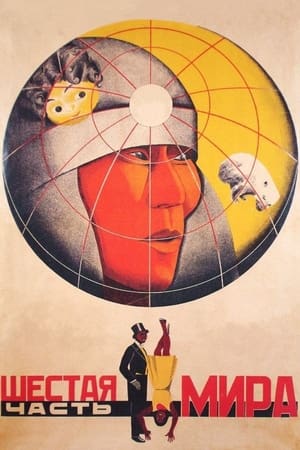
Through the travelogue format, it depicts the multitude of Soviet peoples in remote areas of USSR and details the entirety of the wealth of the Soviet land. Focusing on cultural and economic diversity, the film is in fact a call for unification in order to build a "complete socialist society".
62%
Stride, Soviet!(ru)
1926-07-23
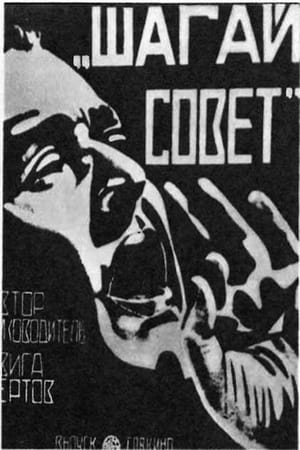
Commissioned by the Moscow Soviet as a documentary and information film for the citizens of Moscow prior to municipal elections, film is a tableau of Soviet life and achievements in the period of reconstruction following the Civil War of 1917-1921.
Recommendations Movies
71%
Zeitgeist: Moving Forward(en)
2011-01-15
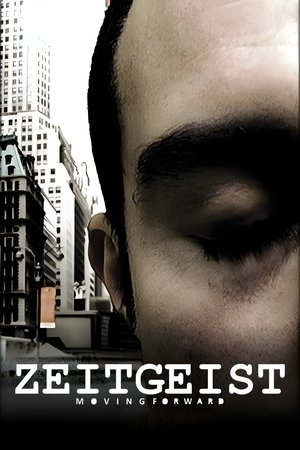
A presentation of a case for a needed transition out of the current socioeconomic monetary paradigm which governs the entire world society. This subject matter will transcend the issues of cultural relativism and traditional ideology and move to relate the core, empirical 'life ground' attributes of human and social survival, extrapolating those immutable natural laws into a new sustainable social paradigm called a 'Resource-Based Economy'.

65%
Downloaded(en)
2013-06-20
A documentary that explores the downloading revolution; the kids that created it, the bands and the businesses that were affected by it, and its impact on the world at large.
65%
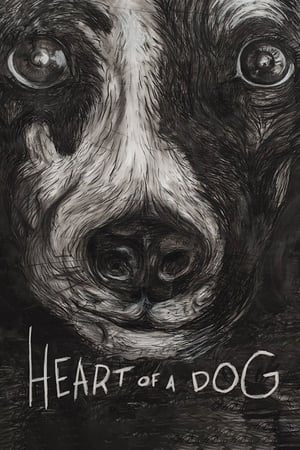
Heart of a Dog(en)
2015-10-21
Lyrical and powerfully personal essay film that reflects on the deaths of her husband Lou Reed, her mother, her beloved dog, and such diverse subjects as family memories, surveillance, and Buddhist teachings.


76%
Night Will Fall(en)
2014-06-07
When Allied forces liberated the Nazi concentration camps in 1944-45, their terrible discoveries were recorded by army and newsreel cameramen, revealing for the first time the full horror of what had happened. Making use of British, Soviet and American footage, the Ministry of Information’s Sidney Bernstein (later founder of Granada Television) aimed to create a documentary that would provide lasting, undeniable evidence of the Nazis’ unspeakable crimes. He commissioned a wealth of British talent, including editor Stewart McAllister, writer and future cabinet minister Richard Crossman – and, as treatment advisor, his friend Alfred Hitchcock. Yet, despite initial support from the British and US Governments, the film was shelved, and only now, 70 years on, has it been restored and completed by Imperial War Museums under its original title "German Concentration Camps Factual Survey".
64%
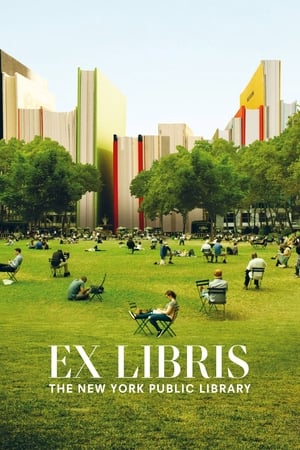
Ex Libris: The New York Public Library(en)
2017-09-13
A documentary about how a dominant cultural and demographic institution both sustains their traditional activities and adapts to the digital revolution.
59%
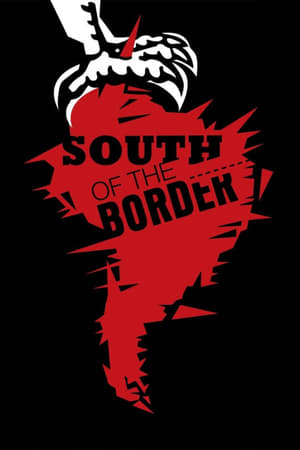
South of the Border(en)
2009-09-07
A road trip across five countries to explore the social and political movements as well as the mainstream media's misperception of South America while interviewing seven of its elected presidents.
69%
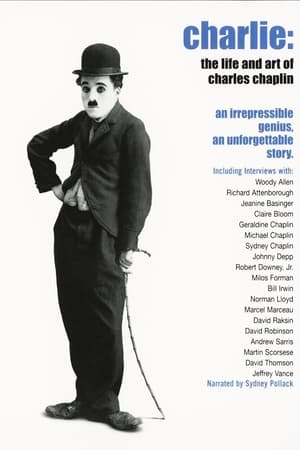
Charlie: The Life and Art of Charles Chaplin(en)
2003-05-01
Brilliant, long in-the-works story of the life and art of the world's greatest comedian and the cinema's first genius, Charlie Chaplin. Produced, written and directed by renowned film critic Richard Schickel.
69%
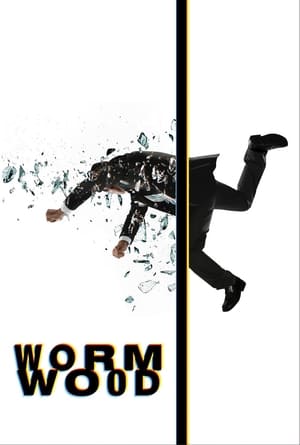
Wormwood(en)
2017-10-22
In this genre-bending tale, Errol Morris explores the mysterious death of a U.S. scientist entangled in a secret Cold War program known as MK-Ultra.

80%
My Mom Jayne(en)
2025-06-20
Through deeply personal interviews with her siblings and an examination of the photographs, letters, and belongings left behind, Mariska assembles a new portrait of her mother Jayne Mansfield, an extraordinary and complex woman.
69%
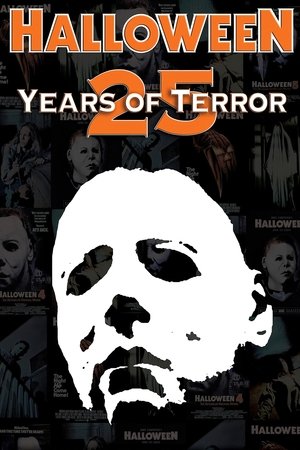
Halloween: 25 Years of Terror(en)
2006-07-26
Follow the evolution of the 'Halloween' movies over the past twenty-five years. It examines why the films are so popular and revisits many of the original locations used in the films - seeing the effects on the local community. For the first time, cast, crew, critics and fans join together in the ultimate 'Halloween' retrospective.
67%
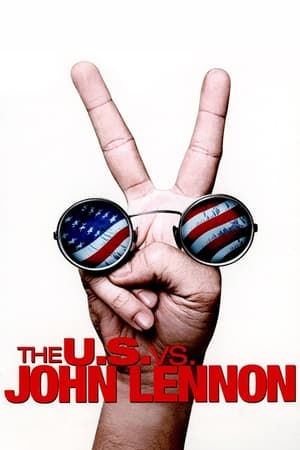
The U.S. vs. John Lennon(en)
2006-09-15
A documentary on the life of John Lennon, with a focus on the time in his life when he transformed from a musician into an antiwar activist.
71%
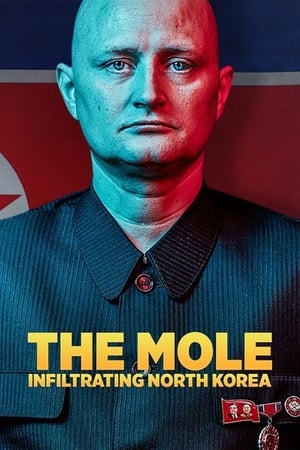
The Mole: Undercover in North Korea(en)
2020-10-11
A real-life undercover thriller about two ordinary men who embark on an outrageously dangerous ten-year mission to penetrate the world's most secretive and brutal dictatorship: North Korea.
70%
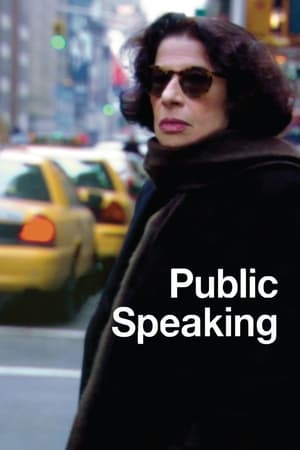
Public Speaking(en)
2011-02-23
Martin Scorsese’s portrait of writer and social commentator Fran Lebowitz, celebrated for her sharp wit and observations on modern life. Filmed at New York’s Waverly Inn and intercut with archival footage and interviews, the documentary captures Lebowitz’s distinctive worldview through her spontaneous monologues and public appearances.
67%
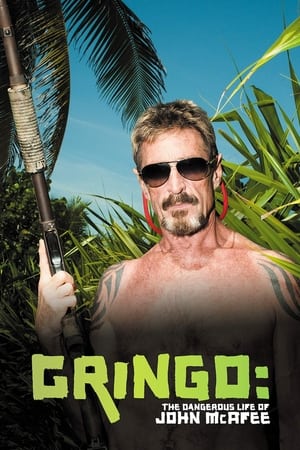
Gringo: The Dangerous Life of John McAfee(en)
2016-09-24
The strange story of John McAfee, who went from millionaire software mogul to yogi, Kurtz-like jungle recluse to potential murderer, and most recently a prospective presidential candidate for the American Libertarian Party.
67%
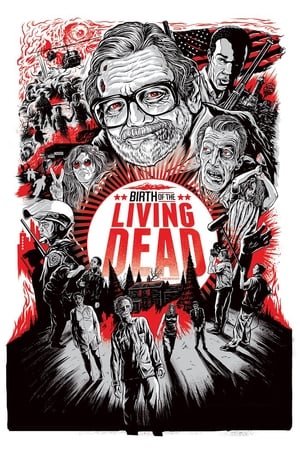
Birth of the Living Dead(en)
2013-10-18
A behind the scenes look into George Romero's groundbreaking horror classic Night of the Living Dead.
75%
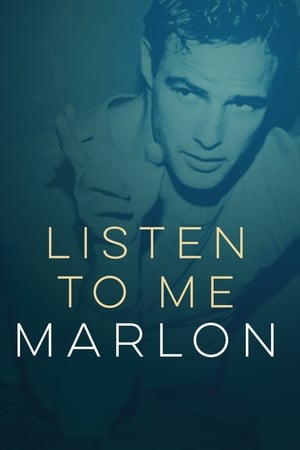
Listen to Me Marlon(en)
2015-07-29
With exclusive access to his extraordinary unseen and unheard personal archive including hundreds of hours of audio recorded over the course of his life, this is the definitive Marlon Brando cinema documentary. Charting his exceptional career as an actor and his extraordinary life away from the stage and screen with Brando himself as your guide, the film will fully explore the complexities of the man by telling the story uniquely from Marlon's perspective, entirely in his own voice. No talking heads, no interviewees, just Brando on Brando and life.

61%
The Battle of San Pietro(en)
1945-05-03
This documentary movie is about the battle of San Pietro, a small village in Italy. Over 1,100 US soldiers were killed while trying to take this location, that blocked the way for the Allied forces from the Germans. Preserved by the Academy Film Archive in 2005.