D'un Céline l'autre
Top 10 Billed Cast
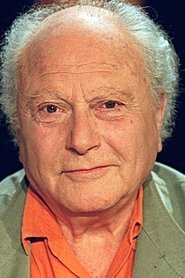
Self - Interviewer
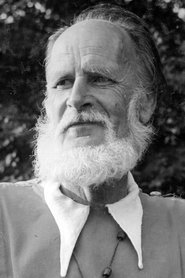
Self
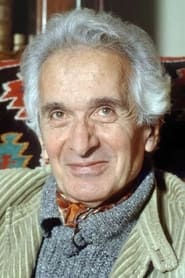
Self

Self
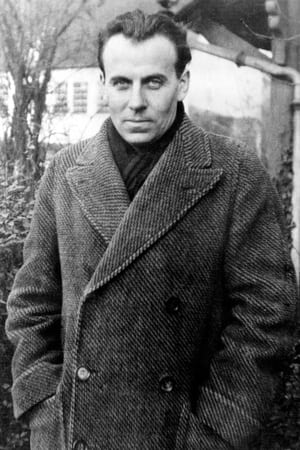
HomePage
Overview
Passers-by, those who knew him in his youth, René Barjavel, witness of his beginnings, his wife, his doctor, writers ... By questioning them Michel Polac tries to better understand the troubled personality of Louis-Ferdinand Céline, Notorious anti-Semite and genius writer.
Release Date
1969-05-08
Average
7
Rating:
3.5 startsTagline
Genres
Languages:
FrançaisKeywords
Similar Movies
Art: By Any Means Necessary(ht)
Follows the defiance of two art institutions in the Caribbean: one closed but squatted by artists, the other fighting to stay open. Against the backdrop of political strife, Haitian and Guadeloupean artists grapple with the concept of freedom in their battle to preserve their spaces.
Super Seducer 2 - The Dark Side of Seduction?(en)
The Dark Side of Seduction is the Super Seducer 2 documentary. Culled from over 200 hours of footage, the documentary follows Richard La Ruina and the team as they go from pre-production to completion. See behind the scenes footage and interviews with the cast and crew, as they struggle with making a sequel to one of the most controversial games ever. Get unparalleled access to the team, and gain insight into the process of making the world's biggest ever FMV game. The team battle with the question of whether they are doing something evil or actually doing something that will make the world a better place.
Grizzly Man(en)
Follows the story of "Grizzly Man" Timothy Treadwell and what the thirteen summers in a National Park in Alaska were like in his attempt to protect the grizzly bears. The film is full of unique images and a look into the spirit of a man who sacrificed himself for nature.
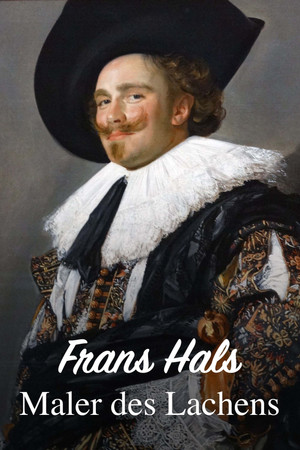
Frans Hals - Maler des Lachens(de)
Alongside Rembrandt and Vermeer, Frans Hals was one of the key figures in 17th century Dutch art. But unlike his contemporaries, who tended to paint gloomy or pensive pictures, Hals was entirely devoted to joy. He painted people who could barely conceal their zest for life - at a time when it was frowned upon to show teeth.
Finding Forrester(en)
Gus Van Sant tells the story of a young African American man named Jamal who confronts his talents while living on the streets of the Bronx. He accidentally runs into an old writer named Forrester who discovers his passion for writing. With help from his new mentor Jamal receives a scholarship to a private school.
Oh Les Filles!(fr)
What if French Rock were born with Edith Piaf? From sweet sixties pop to today's gender-indifferent anthems, from feminist rebels of the seventies to fashion icons of the social media age, from Françoise Hardy to Christine & The Queens, via Vanessa Paradis, Catherine Ringer, Charlotte Gainsbourg and many more, Oh Les Filles! tells the untold story of French female rock stars. Narrated by Clémence Poésy, this groundbreaking documentary combines interviews and iconic footage to radically reverse perspectives and give the patriarchy a kick!
Yogi Vemana(te)
It chronicles the legend of the progressive Telugu poet-saint Vemana from his being a rebellious and hedonistic youth from a landed elite to a renunciate.
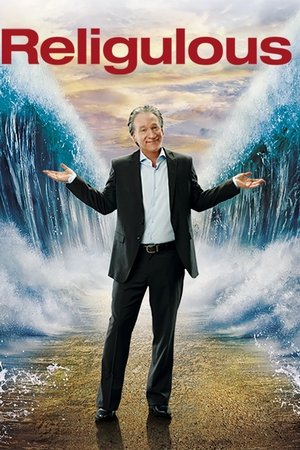
Religulous(en)
Commentator-comic Bill Maher plays devil's advocate with religion as he talks to believers about their faith. Traveling around the world, Maher examines the tenets of Christianity, Judaism and Islam and raises questions about homosexuality, proof of Christ's existence, Jewish Sabbath laws, violent Muslim extremists.
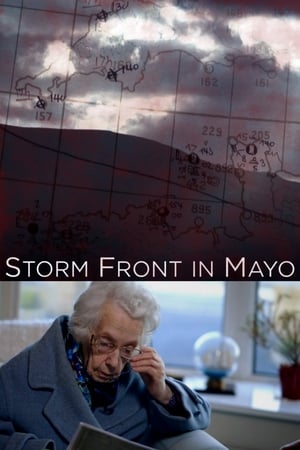
Storm Front in Mayo(en)
Ireland, June 1944. The crucial decision about the right time to start Operation Overlord on D-Day comes to depend on the readings taken by Maureen Flavin, a young girl who works at a post office, used as a weather station, in Blacksod, in County Mayo, the westernmost promontory of Europe, far from the many lands devastated by the iron storms of World War II.
Pornocracy: The New Sex Multinationals(fr)
Never before have we watched as much porn as today yet the traditional porn industry is dying. The arrival of web sites showing amateur clips has transformed the way porn is made and consumed. Behind this transformation lies one opaque multinational.

Neukölln Spiderman(tr)
Facing the risk of deportation from Germany, Altay learns that he must present a valid reason to the immigration office to stay. On his way home, he encounters a man wearing a Spider-Man mask and, curious about his valid reason, conducts a brief interview. During their conversation, Altay realizes that a series of encounters has been helping him make sense of his recent anxieties. Inspired by this, he begins recording conversations with people who share a similar sense of delusion and brings strangers into organic dialogues. Through a blend of fiction, documentary, and animation, the film explores ...
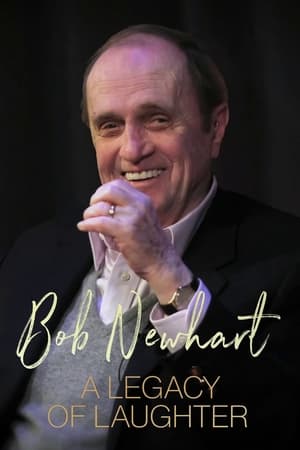
Bob Newhart: A Legacy of Laughter(en)
Nischelle Turner hosts a tribute to the late comic with a look back at his 70-year career, featuring never-before-seen interviews and his final interview from his home in Los Angeles.
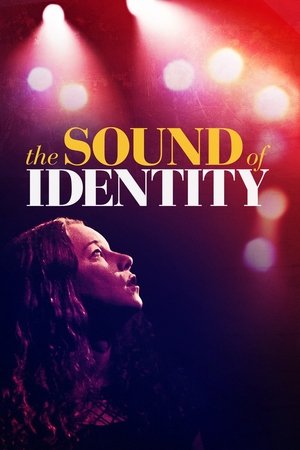
The Sound of Identity(en)
In the spotlight of global media coverage, the first transgender woman ever to perform as Don Giovanni in a professional opera, makes her historic debut in one of the reddest states in the U.S.

Cologne Cathedral: The French Cathedral on the Rhine(de)
An exploration of Cologne Cathedral, an emblematic monument and world heritage site. The towering place of worship took over 600 years to complete. Once the tallest building in the world, its ornate facade remains a masterpiece of Gothic architecture - and a reflection of the evolution of Franco-German relations.
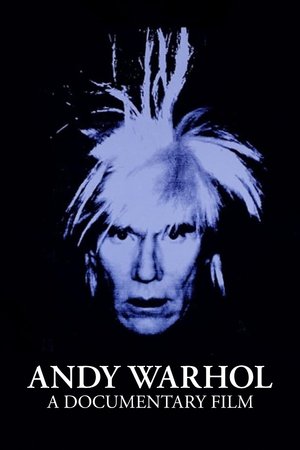
Andy Warhol: A Documentary Film(en)
Ric Burns unearths rarely seen footage and offers keen observations on the life and artistic influence of Andy Warhol. [Made for and aired on PBS's American Masters series.]
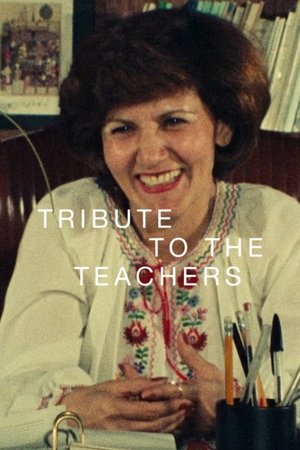
Tribute to the Teachers(fa)
A documentary featuring interviews with teachers and officials on the profession of teaching and what it means to them.
Recommendations Movies
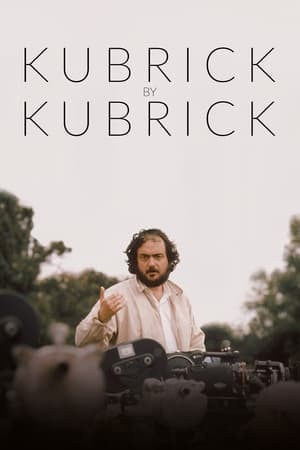
Kubrick by Kubrick(fr)
American filmmaker Stanley Kubrick (1928–1999), one of the greatest in history, but also one of the most reserved, gave few interviews throughout his long career, and none of them were filmed. A first-person journey through his life and work, based on a recorded conversation with French film critic Michel Climent.
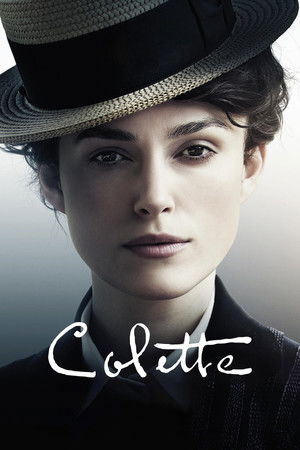
Colette(en)
After marrying a successful Parisian writer known commonly as Willy, Sidonie-Gabrielle Colette is transplanted from her childhood home in rural France to the intellectual and artistic splendor of Paris. Soon after, Willy convinces Colette to ghostwrite for him. She pens a semi-autobiographical novel about a witty and brazen country girl named Claudine, sparking a bestseller and a cultural sensation. After its success, Colette and Willy become the talk of Paris and their adventures inspire additional Claudine novels.
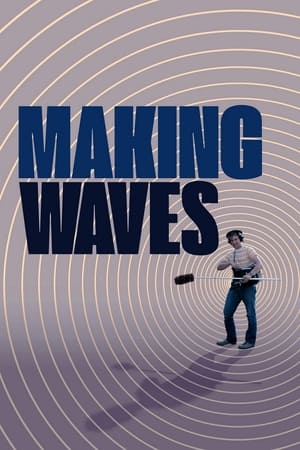
Making Waves: The Art of Cinematic Sound(en)
The history of cinematic sound, told by legendary sound designers and visionary filmmakers.
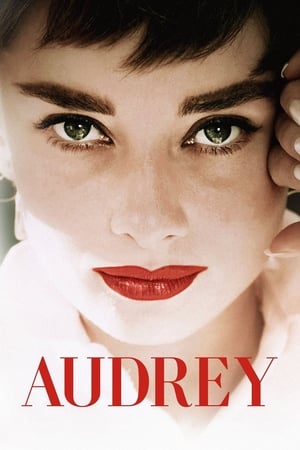
Audrey(en)
An unprecedented and intimate look at the life, work and enduring legacy of British actress Audrey Hepburn (1929-1993).
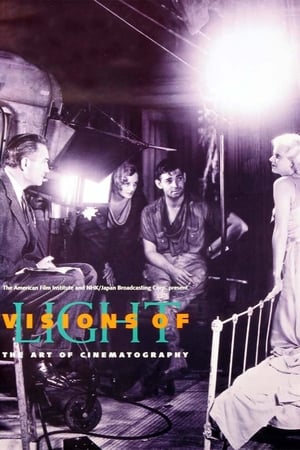
Visions of Light(en)
Cameramen and women discuss the craft and art of cinematography and of the "DP" (the director of photography), illustrating their points with clips from 100 films, from Birth of a Nation to Do the Right Thing. Themes: the DP tells people where to look; changes in movies (the arrival of sound, color, and wide screens) required creative responses from DPs; and, these artisans constantly invent new equipment and try new things, with wonderful results. The narration takes us through the identifiable studio styles of the 30s, the emergence of noir, the New York look, and the impact of Europeans. Citizen Kane, The Conformist, and Gordon Willis get special attention.
Shoah(fr)
Director Claude Lanzmann spent 11 years on this sprawling documentary about the Holocaust, conducting his own interviews and refusing to use a single frame of archival footage. Dividing Holocaust witnesses into three categories – survivors, bystanders, and perpetrators – Lanzmann presents testimonies from survivors of the Chelmno concentration camp, an Auschwitz escapee, and witnesses of the Warsaw Ghetto Uprising, as well as a chilling report of gas chambers from an SS officer at Treblinka.
Love, Antosha(en)
From a prolific career in film and television, Anton Yelchin left an indelible legacy as an actor. Through his journals and other writings, his photography, the original music he wrote, and interviews with his family, friends, and colleagues, this film looks not just at Anton's impressive career, but at a broader portrait of the man.
Nouvelle Vague(fr)
After writing for Cahiers du cinéma, a young Jean-Luc Godard decides making films is the best film criticism. He convinces producer Georges de Beauregard to fund a low-budget feature, and creates a treatment with fellow New Wave filmmaker François Truffaut about a gangster couple. The result? Breathless, one of the first features of the Nouvelle Vague era of French cinema.
Love, Gilda(en)
Diaries, audiotapes, videotapes and testimonials from friends and colleagues offer insight into the life and career of Gilda Radner -- the beloved comic and actress who became an icon on Saturday Night Live.
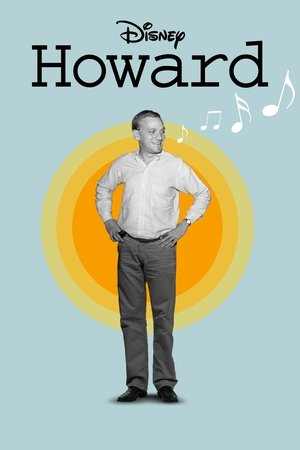
Howard(en)
Though legendary lyricist Howard Ashman died far too young, his impact on Broadway, movies, and the culture at large were incalculable. Told entirely through rare archival footage and interviews with Ashman’s family, friends, associates, and longtime partner Bill Lauch, Howard is an intimate tribute to a once-in-a-generation talent and a rousing celebration of musical storytelling itself.

Red Army(en)
A documentary highlighting the Soviet Union's legendary and enigmatic hockey training culture and world-dominating team through the eyes of the team's Captain Slava Fetisov, following his shift from hockey star and celebrated national hero to political enemy.
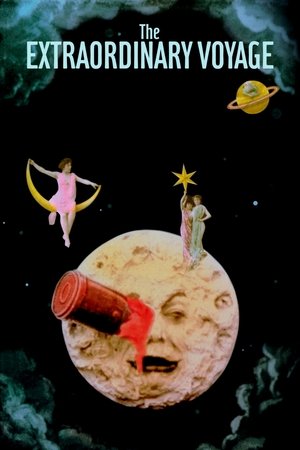
The Extraordinary Voyage(fr)
An account of the extraordinary life of film pioneer Georges Méliès (1861-1938) and the amazing story of the copy in color of his masterpiece A Trip to the Moon (1902), unexpectedly found in Spain and restored thanks to the heroic efforts of a group of true cinema lovers.
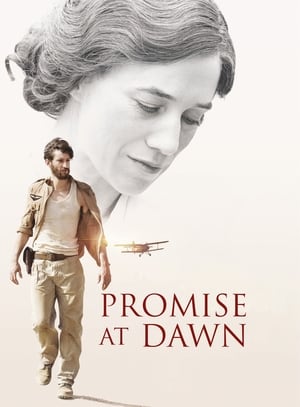
Promise at Dawn(fr)
From his childhood in Poland to his adolescence in Nice to his years as a student in Paris and his tough training as a pilot during World War II, this tragi-comedy tells the romantic story of Romain Gary, one of the most famous French novelists and sole writer to have won the Goncourt Prize for French literature two times.
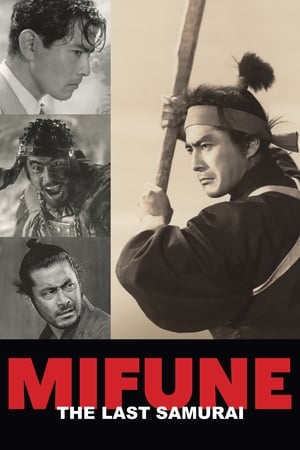
Mifune: The Last Samurai(en)
An account of the life and work of legendary Japanese actor Toshirō Mifune (1920-97), the most prominent actor of the Golden Age of Japanese cinema.


Camille Claudel(fr)
The life of Camille Claudel, a French sculptor who becomes the apprentice of Auguste Rodin and later his lover. Her passion for her art and Rodin drive her further away from reason and rationality.
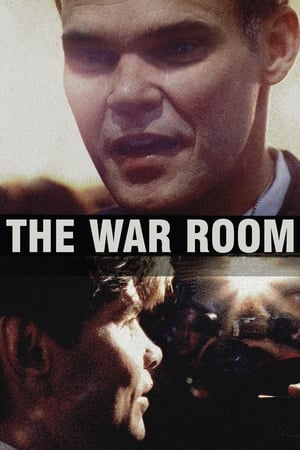
The War Room(en)
A behind-the-scenes documentary about the Clinton for President campaign, focusing on the adventures of spin doctors James Carville and George Stephanopoulos.
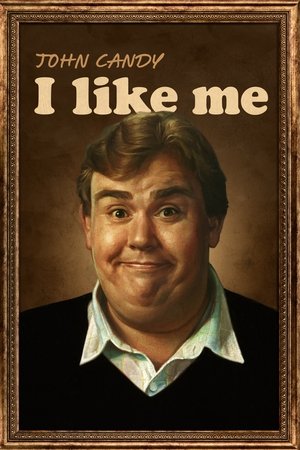
John Candy: I Like Me(en)
Those who knew iconic funnyman John Candy best share his story, in their own words, through never-before-seen archival footage, imagery, and interviews.
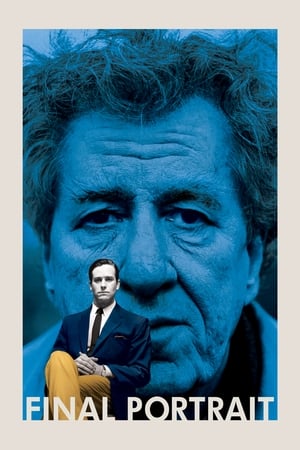
Final Portrait(en)
Paris, 1964. The Swiss sculptor and painter Alberto Giacometti, one of the most accomplished and respected artists of his generation, asks his friend, the American writer James Lord, to sit for a portrait, assuring him that it will take no longer than two or three hours, an afternoon at the most.
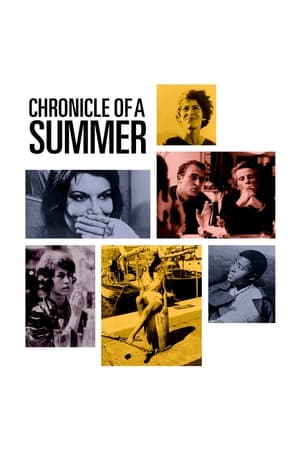
Chronicle of a Summer(fr)
Paris, summer 1960. Anthropologist and filmmaker Jean Rouch and sociologist and film critic Edgar Morin wander through the crowded streets asking passersby how they cope with life's misfortunes.