Loading Page
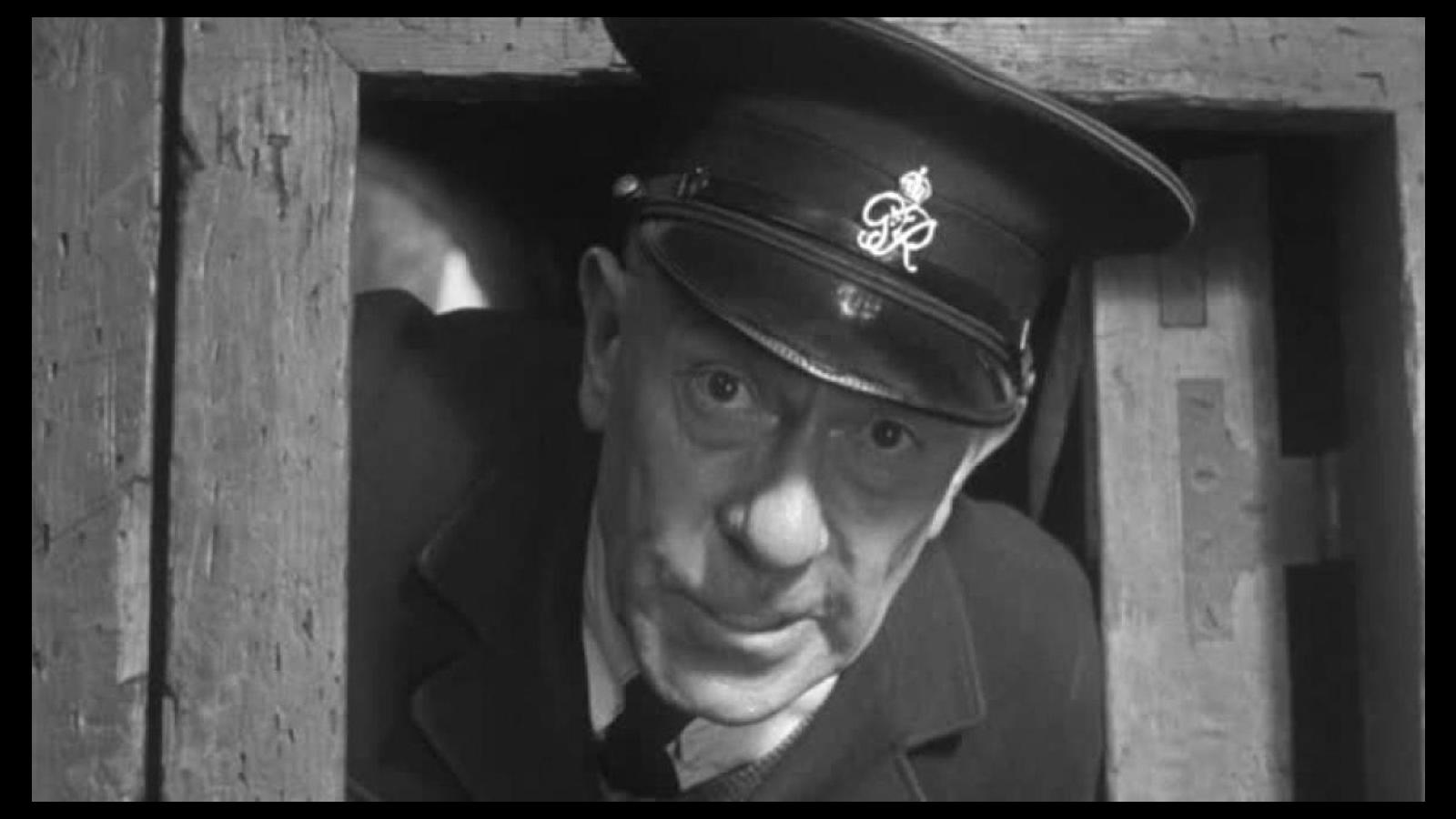
Dover, Spring 1947
Top 1 Billed Cast
Loading Trailer Videos...
HomePage
Overview
Dover made over: this quirky and pointed public information film reveals how the heavily-bombed and shelled Kent town was being replanned after the war. The filmmakers cleverly and entertainintly capture our attention by opening on travelogue cliches that they quickly undercut. It's not white cliffs and rolling hills they want to tell us about. It's present-day Dover - remaking itself in the crisp freshness of a postwar spring.
Release Date
1947-07-15
Average
0
Rating:
0.0 startsTagline
Genres
Languages:
EnglishKeywords
Similar Movies
80%
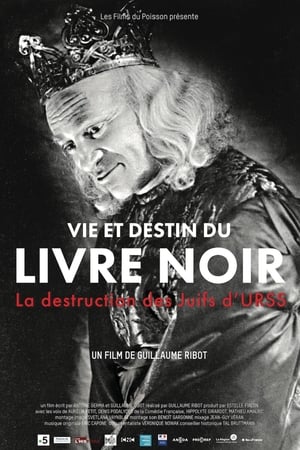
The Black Book(fr)
2020-12-13
The Black Book, drafted during World War II, gathers numerous unique historical testimonies, in an effort to document Nazi abuses against Jews in the USSR . Initially supported by the regime and aimed at providing evidence during the executioners’ trials in the post-war era, the Black Book was eventually banned and most of its authors executed on Stalin’s order. Told through the voices of its most famous instigators, soviet intellectuals Vassilli Grossman, Ilya Ehrenburg and Solomon Mikhoels, the documentary, provides a detailed account of the tragic destiny of this cursed book and puts the Holocaust and Stalinism in a new light.
100%
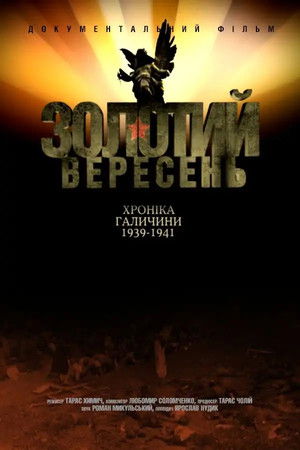
Golden September. The Chronicle of Galicia 1939-1941(uk)
2010-09-23
The film tells the story of the events in Western Ukraine before the outbreak of World War II, the rise of Soviet rule, changes in borders, and the disappearance of entire states from the world map. The film is based on archival documents, materials and memoirs of witnesses, representatives of the Ukrainian, Polish and Jewish peoples of pre-war Galicia.
100%
Old Man River(en)
1999-03-03
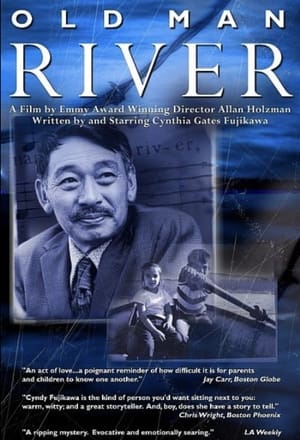
Documentary film version of the stage show in which actress Cynthia Gates Fujikawa explores the story of her father, actor Jerry Fujikawa, who had a long career in films and television, most often as a stereotyped Asian. The daughter, in the course of searching out her late father's history, discovers many things that she had not known, among them that her father had spent time in Manzanar, the internment camp for Japanese-Americans during World War II, that he had had a family prior to hers, and that somewhere out there was a sister she had never known existed.
0%
Zoot Suit Riots(en)
2002-03-01
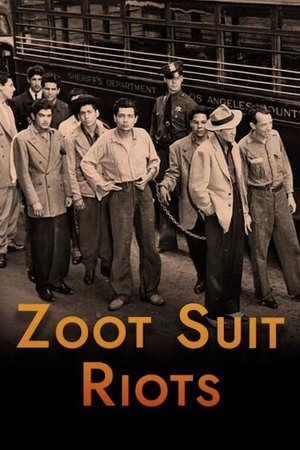
On August 1, 1942, a 22-year-old Mexican American man was stabbed to death at a party. To white Los Angelenos, the murder was just more proof that Mexican American crime was spiraling out of control. The police fanned out across LA, netting 600 young Mexican American suspects. Almost all those taken into custody were wearing the distinctive uniform of their generation: Zoot Suits. The tragic murder and the injustice of the trial that followed, coupled with sensational news coverage of both, fanned the flames of the racial hostility that was already running rife in the city. Within months of the verdict, Los Angeles was in the grip of some of the worst violence in its history.
62%
Babi Yar. Context(ru)
2021-11-04
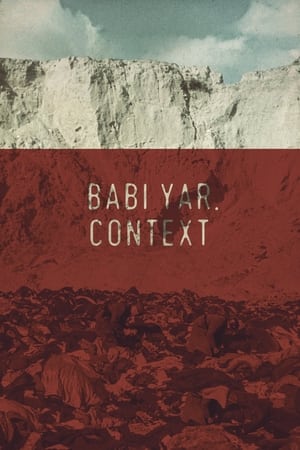
Nazi troops massacre 30,000 Jews over a three-day period in September 1941. Babyn Yar ravine in Kyiv, Ukraine.

70%
Hitler's Evil Science(fr)
2019-05-25
In 1935, German scientists dug for bones; in 1943, they murdered to get them. How the German scientific community supported Nazism, distorted history to legitimize a hideous system and was an accomplice to its unspeakable crimes. The story of the Ahnenerbe, a sinister organization created to rewrite the obscure origins of a nation.

0%
Akiko's Piano: Chords Played by the Surviving Piano(ja)
2020-08-15
1940, Kawamoto Akiko lives in Hiroshima with her father and mother, Genkichi and Shizuko, as well as her two younger brothers. Akiko loves playing her favourite piano. As the war situation worsens, she is busy helping out the war efforts. On the morning of August 6, 1945, she disobeys her father and heads into the centre of town for work. In Hiroshima 75 years later, her favourite piano remains, restored and playable following its survival of the atomic bombing
65%
Filmmakers for the Prosecution(fr)
2023-01-27
In 1945, two young American soldiers, brothers Budd and Stuart Schulberg, are commissioned to collect filmed and recorded evidence of the horrors committed by the infamous Third Reich in order to prove Nazi war crimes during the Nuremberg trials (1945-46). The story of the making of Nuremberg: Its Lesson for Today, a paramount historic documentary, released in 1948.

0%
Esther Williams: Hollywood's Mermaid(fr)
2024-08-11
The story of Esther Williams is that of an improbable encounter. That of the glamorous Hollywood of the 1940s with a swimming champion. A meeting that gave birth to the most kitsch and flamboyant genre films in Technicolor: the Aqua-musicals! A dive into the troubled waters of post-war Hollywood, where only her qualities as an athlete allow an extraordinary actress to fight to emancipate herself and avoid the traps of the predators who lurk around her
77%
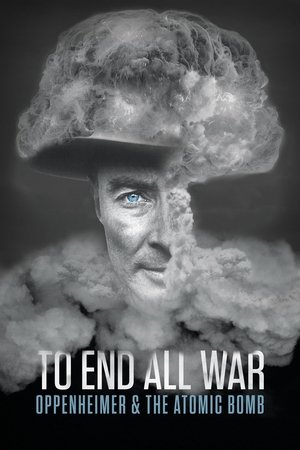
To End All War: Oppenheimer & the Atomic Bomb(en)
2023-07-09
Explore how one man's relentless drive and invention of the atomic bomb changed the nature of war forever, led to the deaths of hundreds of thousands of people and unleashed mass hysteria.
75%
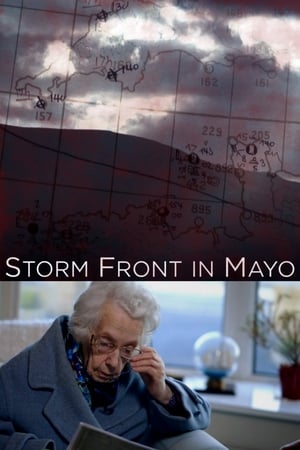
Storm Front in Mayo(en)
2019-05-28
Ireland, June 1944. The crucial decision about the right time to start Operation Overlord on D-Day comes to depend on the readings taken by Maureen Flavin, a young girl who works at a post office, used as a weather station, in Blacksod, in County Mayo, the westernmost promontory of Europe, far from the many lands devastated by the iron storms of World War II.

90%
Frères de la forêt, des résistants face à l'URSS(fr)
2025-01-21
Between 1944 and 1953, 170,000 Estonians, Latvians, and Lithuanians put up fierce resistance to the Soviet invasion, hiding deep in the vast Baltic forests. Driven by a dream of freedom, they defied a ruthless empire with few resources but unwavering determination. Through previously unseen archives and the poignant accounts of the last survivors, this documentary reveals their clandestine struggle, their heroic sacrifices, and their legacy, timeless symbols of a desperate fight to escape the Soviet stranglehold and preserve the flame of independence.
0%
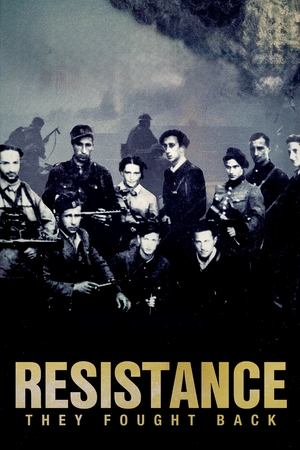
Resistance: They Fought Back(en)
2024-04-12
We’ve all heard of the Warsaw Ghetto Uprising, but most people have no idea how widespread and prevalent Jewish resistance to Nazi barbarism was. Instead, it’s widely believed “Jews went to their deaths like sheep to the slaughter.” Filmed in Poland, Lithuania, Latvia, Israel, and the U.S., Resistance – They Fought Back provides a much-needed corrective to this myth of Jewish passivity. There were uprisings in ghettos large and small, rebellions in death camps, and thousands of Jews fought Nazis in the forests. Everywhere in Eastern Europe, Jews waged campaigns of non-violent resistance against the Nazis.
75%
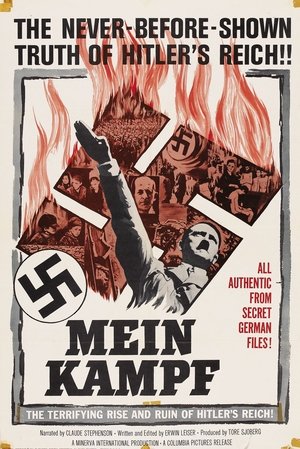
Mein Kampf(sv)
1960-04-24
Using exclusively archival footage, Erwin Leiser traces the rise and collapse of the Third Reich, from Adolf Hitler’s early years to the devastation of Europe and his suicide in 1945. The film draws heavily on material produced and preserved by the Nazi propaganda apparatus to confront the mechanisms, imagery, and consequences of totalitarian power.
80%
The Phoney War(fr)
2019-08-27
September 3rd, 1939. Britain and France declare war on Nazi Germany, only two days after the Wehrmacht invades Poland. This day, the sad date when the fate of the world changed forever, the Phoney War began: eight months of uncertainty, preparations, evacuations and skirmishes.
69%
Bombshell: The Hedy Lamarr Story(en)
2018-06-06
The life and career of the hailed Hollywood movie star and underappreciated genius inventor, Hedy Lamarr.
64%
Gene Tierney: A Forgotten Star(fr)
2017-05-13
Martin Scorsese is among those paying tribute to Gene Tierney, the Academy Award-nominated American actress who was a leading lady in Hollywood throughout the 1940s and '50s.
78%
The Rape of Recy Taylor(en)
2019-05-30
Recy Taylor, a 24-year-old black mother and sharecropper, was gang raped by six white boys in 1944 Alabama. Common in Jim Crow South, few women spoke up in fear for their lives. Not Recy Taylor, who bravely identified her rapists. The NAACP sent its chief rape investigator Rosa Parks, who rallied support and triggered an unprecedented outcry for justice. The film exposes a legacy of physical abuse of black women and reveals Rosa Parks’ intimate role in Recy Taylor’s story.
64%
Chaplin Today: The Great Dictator(en)
2003-12-30
A short documentary about the making of "The Great Dictator."
Recommendations Movies
70%
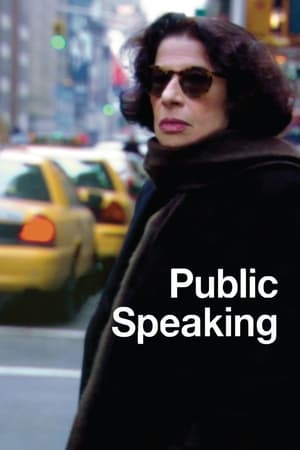
Public Speaking(en)
2011-02-23
Martin Scorsese’s portrait of writer and social commentator Fran Lebowitz, celebrated for her sharp wit and observations on modern life. Filmed at New York’s Waverly Inn and intercut with archival footage and interviews, the documentary captures Lebowitz’s distinctive worldview through her spontaneous monologues and public appearances.

61%
Naqoyqatsi(en)
2002-09-02
A visual montage portrait of our contemporary world dominated by globalized technology and violence.

75%
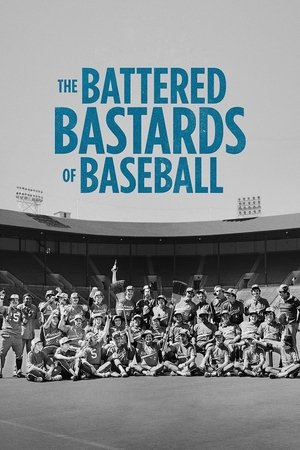
The Battered Bastards of Baseball(en)
2014-01-20
Hollywood veteran Bing Russell creates the only independent baseball team in the country—alarming the baseball establishment and sparking the meteoric rise of the 1970s Portland Mavericks.
70%
The Curious Birth of Benjamin Button(en)
2009-05-05
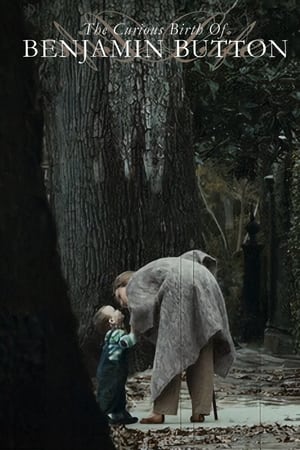
A documentary about the making of David Fincher's 2008 film THE CURIOUS CASE OF BENJAMIN BUTTON. Virtually every element in the evolution of the Fincher's film is documented here, from the project's attachment to numerous other directors during the 1990s, to its shoot in 2006 and 2007 in New Orleans, to its complex, CGI-intensive postproduction process.

66%
Love, Marilyn(en)
2013-05-30
Using the book 'Fragments', which collects Marilyn Monroe's poems, notes and letters, and with participation from the Arthur Miller and Truman Capote estates who have contributed more material, each of the actresses will embody the legend at various stages in her life.

76%
Night Will Fall(en)
2014-06-07
When Allied forces liberated the Nazi concentration camps in 1944-45, their terrible discoveries were recorded by army and newsreel cameramen, revealing for the first time the full horror of what had happened. Making use of British, Soviet and American footage, the Ministry of Information’s Sidney Bernstein (later founder of Granada Television) aimed to create a documentary that would provide lasting, undeniable evidence of the Nazis’ unspeakable crimes. He commissioned a wealth of British talent, including editor Stewart McAllister, writer and future cabinet minister Richard Crossman – and, as treatment advisor, his friend Alfred Hitchcock. Yet, despite initial support from the British and US Governments, the film was shelved, and only now, 70 years on, has it been restored and completed by Imperial War Museums under its original title "German Concentration Camps Factual Survey".
70%
Visions of Light(en)
1992-09-17
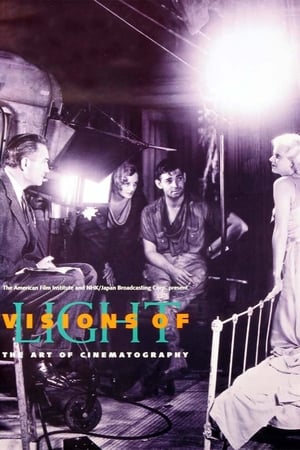
Cameramen and women discuss the craft and art of cinematography and of the "DP" (the director of photography), illustrating their points with clips from 100 films, from Birth of a Nation to Do the Right Thing. Themes: the DP tells people where to look; changes in movies (the arrival of sound, color, and wide screens) required creative responses from DPs; and, these artisans constantly invent new equipment and try new things, with wonderful results. The narration takes us through the identifiable studio styles of the 30s, the emergence of noir, the New York look, and the impact of Europeans. Citizen Kane, The Conformist, and Gordon Willis get special attention.
69%
Harry Dean Stanton: Partly Fiction(en)
2013-09-11
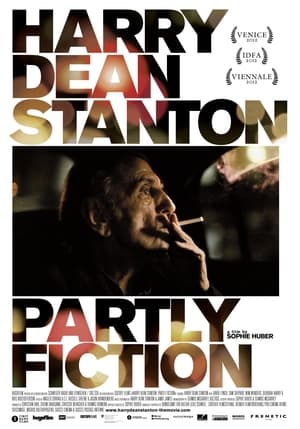
An impressionistic portrait of the iconic actor Harry Dean Stanton comprised of intimate moments, film clips from some of his 250 films and his renditions of American folk songs.

68%
Nothing Like a Dame(en)
2018-05-02
BBC Arena's documentary on the Dames of British Theatre and film featuring Maggie Smith, Eileen Atkins, Judi Dench and Joan Plowright on screen together for the first time as they reminisce over a long summer weekend in a house Joan once shared with Sir Laurence Olivier.

72%
To Be Takei(en)
2014-08-22
Over seven decades, actor and activist George Takei journeyed from a World War II internment camp to the helm of the Starship Enterprise, and then to the daily news feeds of five million Facebook fans. Join George and his husband, Brad, on a wacky and profound trek for life, liberty, and love.

65%
Downloaded(en)
2013-06-20
A documentary that explores the downloading revolution; the kids that created it, the bands and the businesses that were affected by it, and its impact on the world at large.
68%
Making Waves: The Art of Cinematic Sound(en)
2019-10-25
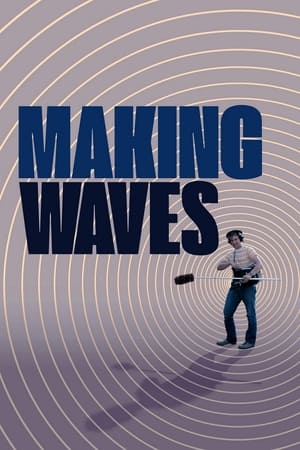
The history of cinematic sound, told by legendary sound designers and visionary filmmakers.
72%
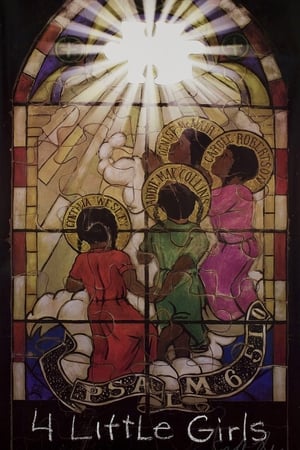
4 Little Girls(en)
1997-07-09
On September 15, 1963, a bomb destroyed a black church in Birmingham, Alabama, killing four young girls who were there for Sunday school. It was a crime that shocked the nation--and a defining moment in the history of the civil-rights movement. Spike Lee re-examines the full story of the bombing, including a revealing interview with former Alabama Governor George Wallace.
71%
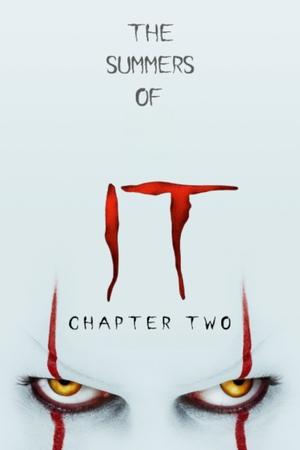
The Summers of It - Chapter Two: It Ends(en)
2019-12-10
This documentary focuses on the actors and their journey over two summers to create the remake to the original IT, by Stephen King. The documentary originally released as bonus material, bundled with IT: Chapter Two.

64%
Avatar: Creating the World of Pandora(en)
2010-02-07
The Making-of James Cameron's Avatar. It shows interesting parts of the work on the set.
77%
Oprah Winfrey Presents: When They See Us Now(en)
2019-06-13
Oprah Winfrey talks with the exonerated men once known as the Central Park Five, plus the cast and producers who tell their story in "When They See Us."

71%
In the Realms of the Unreal(en)
2004-01-15
In the Realms of the Unreal is a documentary about the reclusive Chicago-based artist Henry Darger. Henry Darger was so reclusive that when he died his neighbors were surprised to find a 15,145-page manuscript along with hundreds of paintings depicting The Story of the Vivian Girls, in What is Known as the Realms of the Unreal, of the Glodeco-Angelinnian War Storm, Cased by the Child Slave Rebellion.
65%
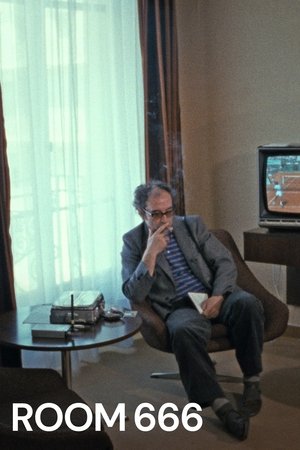
Room 666(en)
1982-06-02
During the 1982 Cannes Film Festival, Wim Wenders asked a number of global film directors to, one at a time, go into a hotel room, turn on the camera, and answer a simple question: "What is the future of cinema?"