Loading Page
1940-41: Greece, the First Victory
Top 1 Billed Cast

Χρήστος Σιμαρδάνης
Narrator
Loading Trailer Videos...
All 1 videos

1940-41: Greece, the First Victory| WW2 Documentary| National Geographic| English Subtitles - Featurette
Similar Movies
39%
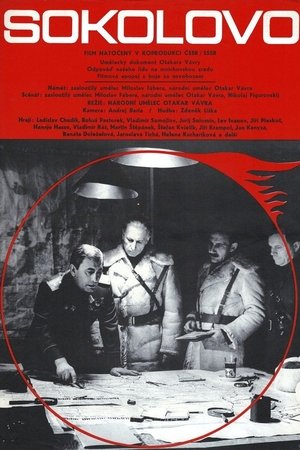
Sokolovo(cs)
1975-05-09
The plot begins in the Soviet Union showing first efforts to establish the Czechoslovak legion in 1942. The film also shows the assassination of Heydrich and the subsequent annihilation of Lidice. The main topis of the film is battles with German troops for Sokolovo.

70%
The Girl with the Instagram(he)
2019-05-01
Nagyvárad, Hungary, 1944. From February to June, Eva Heyman, a 13-year-old Jewish girl, wrote a diary describing the harsh conditions of her life under Nazi occupation. How would she have told her story if she had used Instagram?
76%
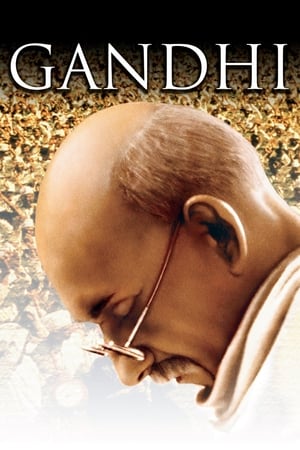
Gandhi(en)
1982-12-01
In the early years of the 20th century, Mohandas K. Gandhi, a British-trained lawyer, forsakes all worldly possessions to take up the cause of Indian independence. Faced with armed resistance from the British government, Gandhi adopts a policy of 'passive resistance', endeavouring to win freedom for his people without resorting to bloodshed.
72%
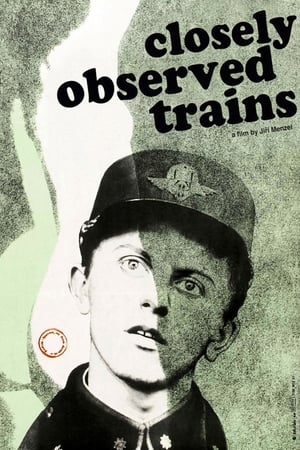
Closely Watched Trains(cs)
1966-11-18
At a village railway station in occupied Czechoslovakia, a bumbling dispatcher’s apprentice longs to liberate himself from his virginity. Oblivious to the war and the resistance that surrounds him, this young man embarks on a journey of sexual awakening and self-discovery, encountering a universe of frustration, eroticism, and adventure within his sleepy backwater depot.
83%
Night and Fog(fr)
1956-01-29
Filmmaker Alain Resnais documents the atrocities behind the walls of Hitler's concentration camps.

80%
Judgment at Nuremberg(en)
1961-12-18
In 1947, four German judges who served on the bench during the Nazi regime face a military tribunal to answer charges of crimes against humanity. Chief Justice Haywood hears evidence and testimony not only from lead defendant Ernst Janning and his defense attorney Hans Rolfe, but also from the widow of a Nazi general, an idealistic U.S. Army captain and reluctant witness Irene Wallner.

80%
Bella Ciao! - German Soldiers in the Italian Resistance(de)
2025-06-10
When Italy capitulated 1943 and joined the allied forces, some soldiers from the German Wehrmacht also changed sides and joined the Italians in their fight to liberate the country. This film tells the story of Rudolf Jacobs, Walter Fischer and Heinz Brauers, three of the ‘Good Germans’ remembered in Italy for their efforts in fighting the Nazis.
72%
Seven Years in Tibet(en)
1997-09-12
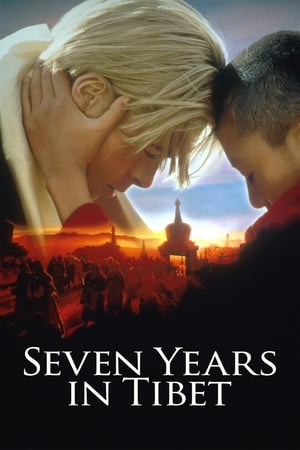
Austrian mountaineer Heinrich Harrer journeys to the Himalayas without his family to head an expedition in 1939. But when World War II breaks out, the arrogant Harrer falls into Allied forces' hands as a prisoner of war. He escapes with a fellow detainee and makes his way to Lhasa, Tibet, where he meets the 14-year-old Dalai Lama, whose friendship ultimately transforms his outlook on life.

78%
The Bridge on the River Kwai(en)
1957-10-11
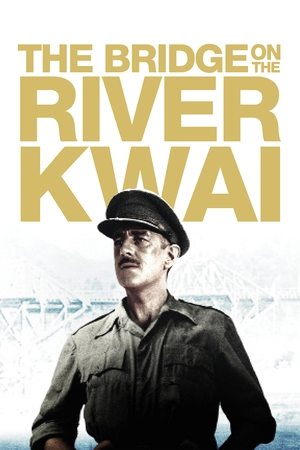
The classic story of English POWs in Burma forced to build a bridge to aid the war effort of their Japanese captors. British and American intelligence officers conspire to blow up the structure, but Col. Nicholson, the commander who supervised the bridge's construction, has acquired a sense of pride in his creation and tries to foil their plans.
68%
Panfilov's 28 Men(ru)
2016-11-24
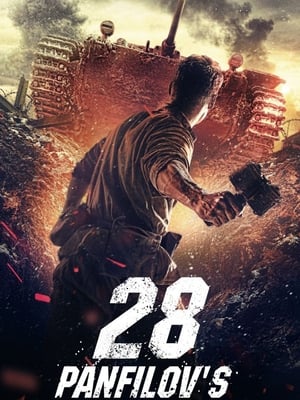
USSR, November, 1941. Based on the account by Vasiliy Koroteev this is the story of Panifilov's Twenty-Eight, a group of twenty-eight Red Army soldiers commanded by General Ivan Panfilov, that stopped the advance on Moscow of a column of fifty-four Nazi tanks of the 11th Panzer Division for several days. Though lightly armed they fight tirelessly and defiantly, with uncommon bravery and unwavering dedication, to protect Moscow and their Motherland.
74%
Enemy at the Gates(en)
2001-02-28
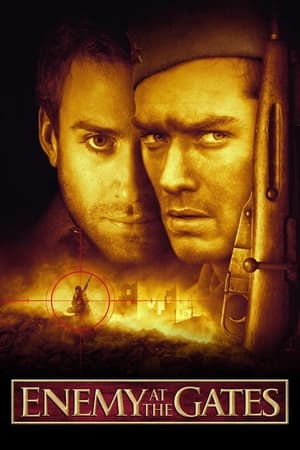
A Russian and a German sniper play a game of cat-and-mouse during the Battle of Stalingrad in WWII.
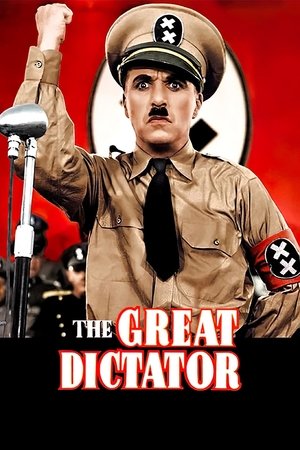
83%
The Great Dictator(en)
1940-10-15
Dictator Adenoid Hynkel tries to expand his empire while a poor Jewish barber tries to avoid persecution from Hynkel's regime.
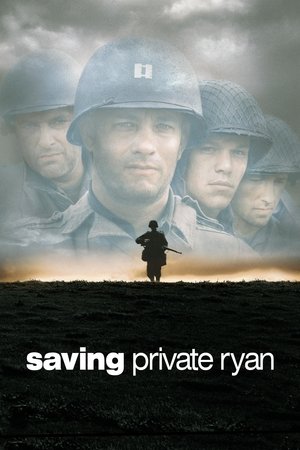
82%
Saving Private Ryan(en)
1998-07-24
As U.S. troops storm the beaches of Normandy, three brothers lie dead on the battlefield, with a fourth trapped behind enemy lines. Ranger captain John Miller and seven men are tasked with penetrating German-held territory and bringing the boy home.
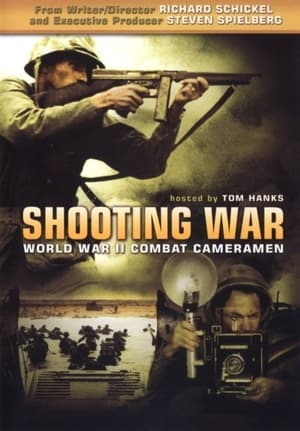
59%
Shooting War(en)
2000-12-07
A remarkable film that takes a special look at the first war to be truly reported and recorded by one of the more unsung heroes of World War II: the combat photographer. Through the unflinching eye of their camera's lenses, these courageous soldiers continually risked their lives in their brave attempts to capture history.
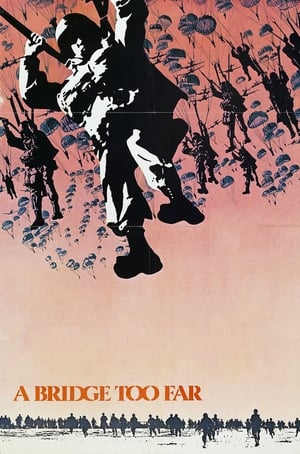
72%
A Bridge Too Far(en)
1977-06-15
The story of Operation Market Garden—a failed attempt by the allies in the latter stages of WWII to end the war quickly by securing three bridges in Holland allowing access over the Rhine into Germany. A combination of poor allied intelligence and the presence of two crack German panzer divisions meant that the final part of this operation (the bridge in Arnhem over the Rhine) was doomed to failure.
79%
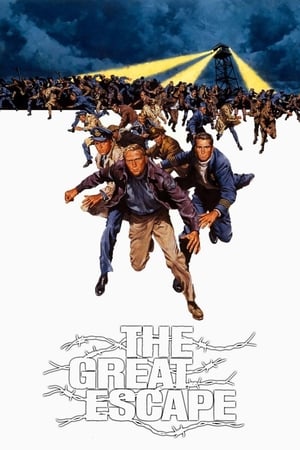
The Great Escape(en)
1963-07-03
The Nazis, exasperated at the number of escapes from their prison camps by a relatively small number of Allied prisoners, relocate them to a high-security 'escape-proof' camp to sit out the remainder of the war. Undaunted, the prisoners plan one of the most ambitious escape attempts of World War II. Based on a true story.
62%
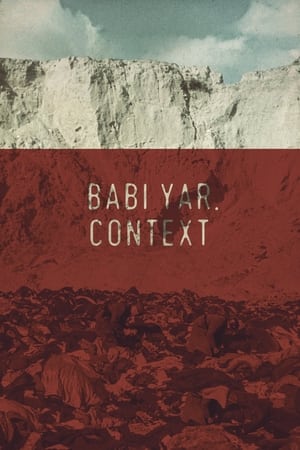
Babi Yar. Context(ru)
2021-11-04
Nazi troops massacre 30,000 Jews over a three-day period in September 1941. Babyn Yar ravine in Kyiv, Ukraine.
65%
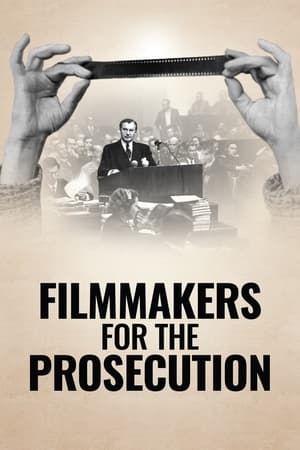
Filmmakers for the Prosecution(fr)
2023-01-27
In 1945, two young American soldiers, brothers Budd and Stuart Schulberg, are commissioned to collect filmed and recorded evidence of the horrors committed by the infamous Third Reich in order to prove Nazi war crimes during the Nuremberg trials (1945-46). The story of the making of Nuremberg: Its Lesson for Today, a paramount historic documentary, released in 1948.
Recommendations Movies

61%
The Battle of San Pietro(en)
1945-05-03
This documentary movie is about the battle of San Pietro, a small village in Italy. Over 1,100 US soldiers were killed while trying to take this location, that blocked the way for the Allied forces from the Germans. Preserved by the Academy Film Archive in 2005.
75%
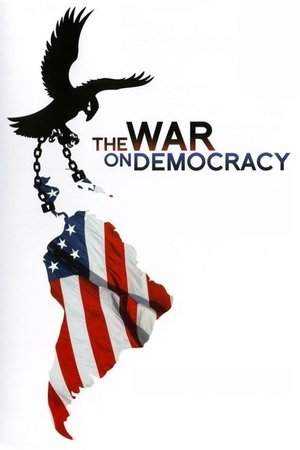
The War on Democracy(en)
2007-06-15
Set both in Latin America and the United States, the film explores the historic and current relationship of Washington with countries such as Venezuela, Bolivia and Chile. Pilger says that the film "...tells a universal story... analysing and revealing, through vivid testimony, the story of great power behind its venerable myths. It allows us to understand the true nature of the so-called "war on terror". According to Pilger, the film’s message is that the greed and power of empire is not invincible and that people power is always the "seed beneath the snow".
78%
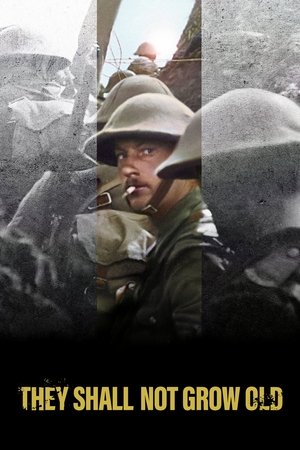
They Shall Not Grow Old(en)
2018-11-09
A documentary about World War I with never-before-seen footage to commemorate the centennial of Armistice Day, and the end of the war.
69%
Battle of the Bulge(en)
1965-12-16
In the winter of 1944, the Allied Armies stand ready to invade Germany at the coming of a New Year. To prevent it, Hitler orders an all-out offensive to re-take French territory and capture the major port city of Antwerp.
66%
The Last Rifleman(en)
2023-12-07
A WWII veteran escapes his care home in Northern Ireland and embarks on an arduous but inspirational journey to France to attend the 75th anniversary of the D-Day landings, finding the courage to face the ghosts of his past.

60%
Captain Corelli's Mandolin(en)
2001-04-18
When a fisherman leaves to fight with the Greek army during World War II, his fiancée falls in love with the local Italian commander.
59%
Hurricane(en)
2018-09-07
Polish pilots overcome prejudice to fight against the Luftwaffe with the Royal Air Force during the Second World War, in the hope of protecting both Great Britain and their own Poland from the German advance.
72%
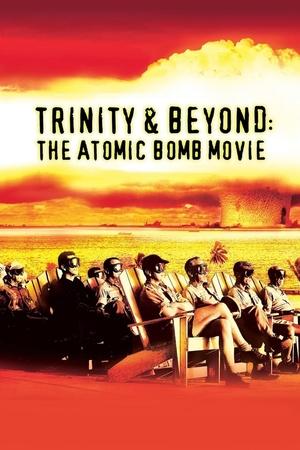
Trinity and Beyond: The Atomic Bomb Movie(en)
1995-09-29
"Trinity and Beyond" is an unsettling yet visually fascinating documentary presenting the history of nuclear weapons development and testing between 1945-1963. Narrated by William Shatner and featuring an original score performed by the Moscow Symphony Orchestra, this award-winning documentary reveals previously unreleased and classified government footage from several countries.
69%
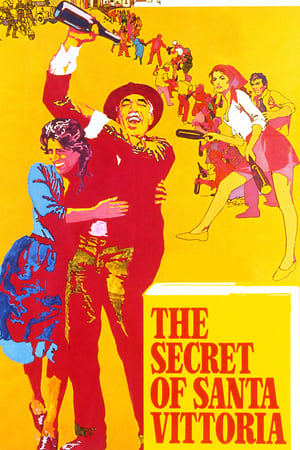
The Secret of Santa Vittoria(en)
1970-01-02
During World War II, Italian villagers hide their wine from the German army.
58%
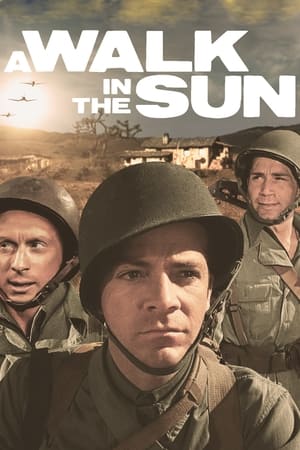
A Walk in the Sun(en)
1945-12-25
In the 1943 invasion of Italy, one American platoon lands, digs in, then makes its way inland to attempt to take a fortified farmhouse, as tension and casualties mount.
72%
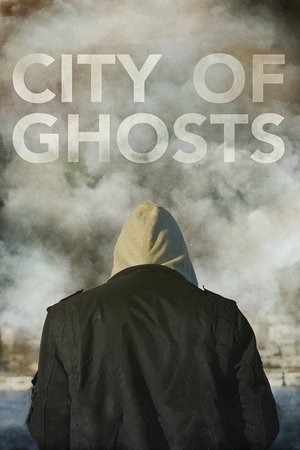
City of Ghosts(en)
2017-07-14
With unprecedented access, this documentary follows the extraordinary journey of “Raqqa is Being Slaughtered Silently”—a group of anonymous citizen journalists who banded together after their homeland was overtaken by ISIS—as they risk their lives to stand up against one of the greatest evils in the world today.

69%
The Cruel Sea(en)
1953-02-24
At the start of World War II, Cmdr. Ericson is assigned to convoy escort HMS Compass Rose with inexperienced officers and men just out of training. The winter seas make life miserable enough, but the men must also harden themselves to rescuing survivors of U-Boat attacks, while seldom able to strike back. Traumatic events afloat and ashore create a warm bond between the skipper and his first officer.
64%
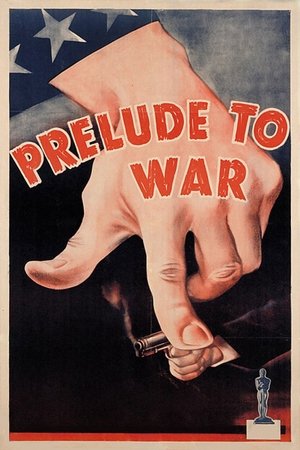
Why We Fight: Prelude to War(en)
1942-05-27
Prelude to War was the first film of Frank Capra's Why We Fight propaganda film series, commissioned by the Pentagon and George C. Marshall. It was made to convince American troops of the necessity of combating the Axis Powers during World War II. This film examines the differences between democratic and fascist states.
69%
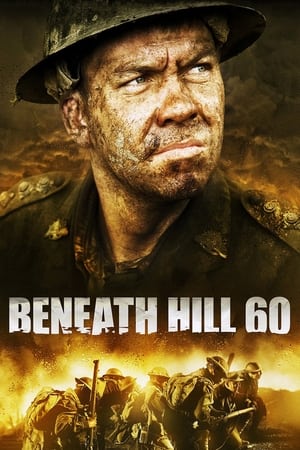
Beneath Hill 60(en)
2010-04-15
The true story of Australia's cat-and-mouse underground mine warfare—one of the most misunderstood, misrepresented and mystifying conflicts of WW I. It was secret struggle BENEATH the Western Front that combined daring engineering, technology and science. Few on the surface knew of the brave, claustrophobic and sometimes barbaric work of these tunnellers.
67%
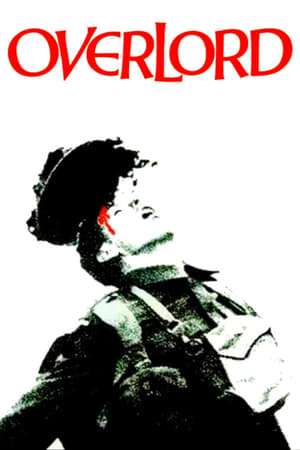
Overlord(en)
1975-07-01
During World War II, a young man is called up and, with an increasing sense of foreboding, undertakes his army training ready for D-Day, June 6th, 1944.
75%
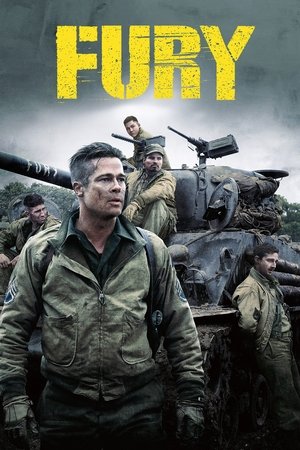
Fury(en)
2014-10-15
April, 1945. As the Allies make their final push in the European Theatre, a battle-hardened army sergeant named Wardaddy commands a Sherman tank and her five-man crew on a deadly mission behind enemy lines. Outnumbered and outgunned, and with a rookie soldier thrust into their platoon, Wardaddy and his men face overwhelming odds in their heroic attempts to strike at the heart of Nazi Germany.
64%
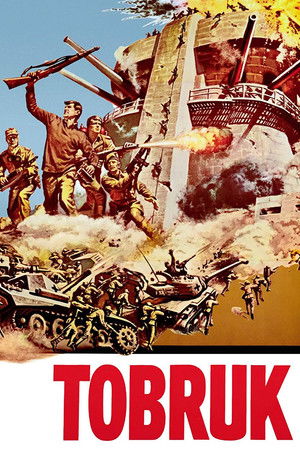
Tobruk(en)
1967-02-07
In September 1942, the German Afrika Korps under Rommel have successfully pushed the Allies back into Egypt. A counter-attack is planned, for which the fuel dumps at Tobruk are a critical impediment. In order to aid the attack, a group of British commandos and German Jews make their way undercover through 800 miles of desert, to destroy the fuel dumps starving the Germans of fuel.
71%
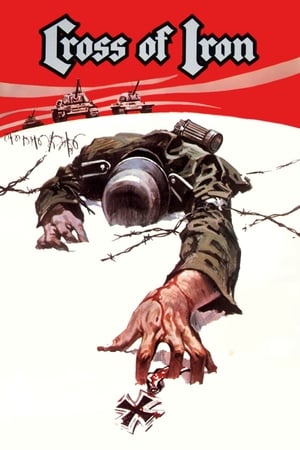
Cross of Iron(en)
1977-01-28
It is 1943, and the German army—ravaged and demoralised—is hastily retreating from the Russian front. In the midst of the madness, conflict brews between the aristocratic yet ultimately pusillanimous Captain Stransky and the courageous Corporal Steiner. Stransky is the only man who believes that the Third Reich is still vastly superior to the Russian army. However, within his pompous persona lies a quivering coward who longs for the Iron Cross so that he can return to Berlin a hero. Steiner, on the other hand is cynical, defiantly non-conformist and more concerned with the safety of his own men rather than the horde of military decorations offered to him by his superiors.
77%
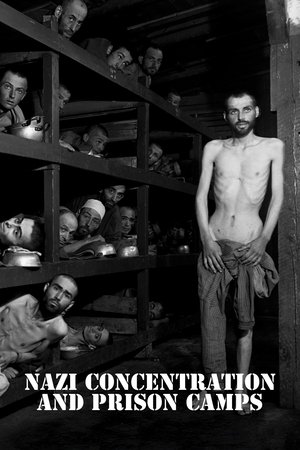
Nazi Concentration Camps(en)
1945-11-29
Produced and presented as evidence at the Nuremberg war crimes trial of Hermann Göring and twenty other Nazi leaders, this film consists primarily of dead and surviving prisoners and of facilities used to kill and torture during the World War II.
63%
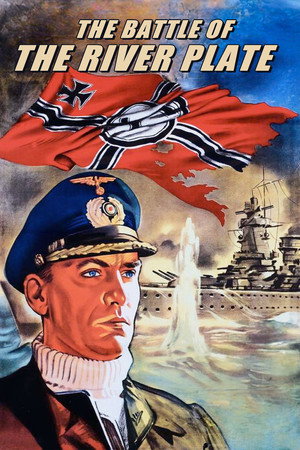
The Battle of the River Plate(en)
1956-10-30
In the early years of the World War II, the Royal Navy is fighting a desperate battle to keep the Atlantic convoy routes open to supply the British Isles, facing the great danger posed by the many German warships, such as the Admiral Graf Spee, which are scouring the ocean for cargo ships to sink.