Loading Page
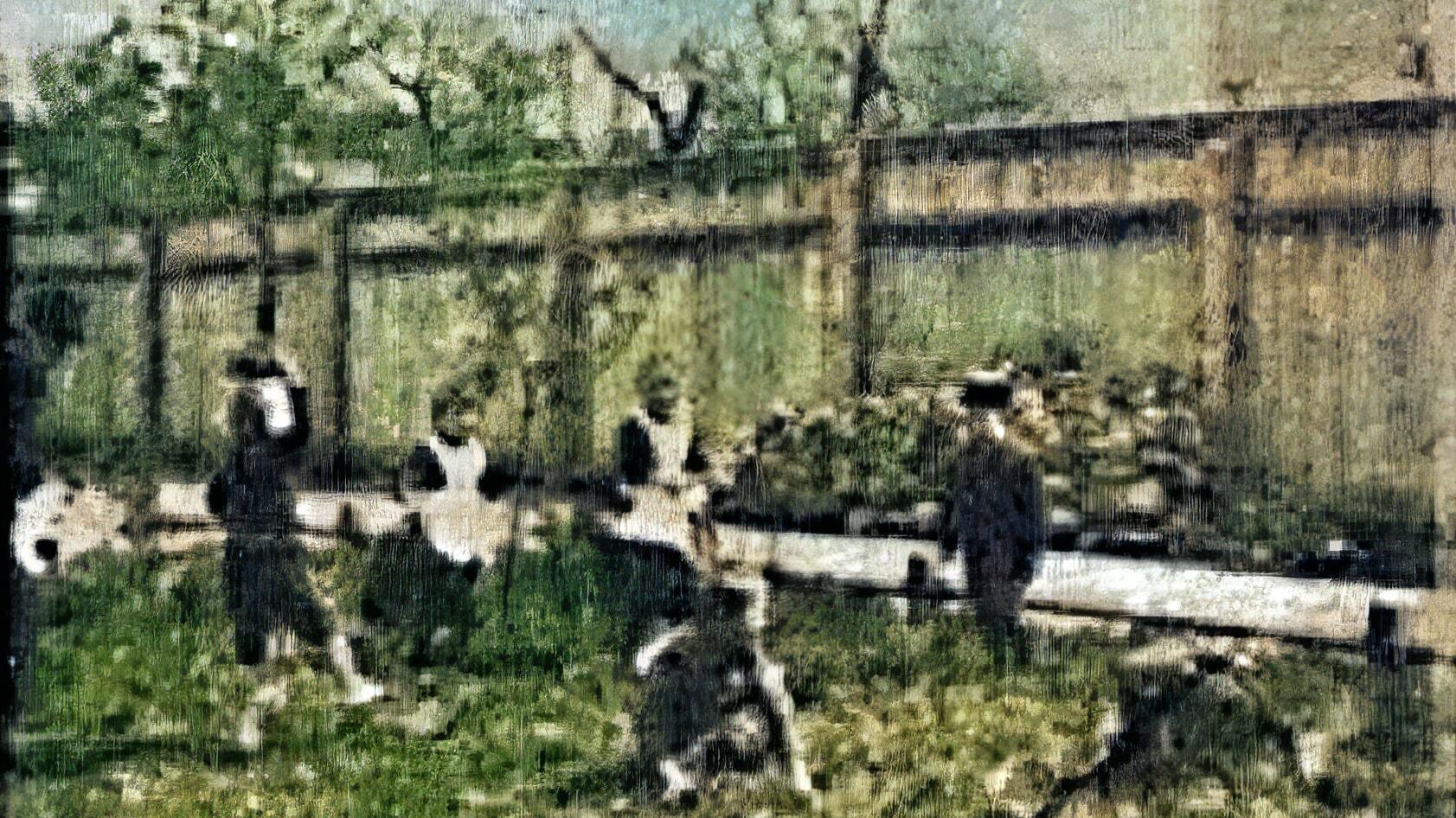
Children Playing in the Garden
Loading Trailer Videos...
All 1 videos
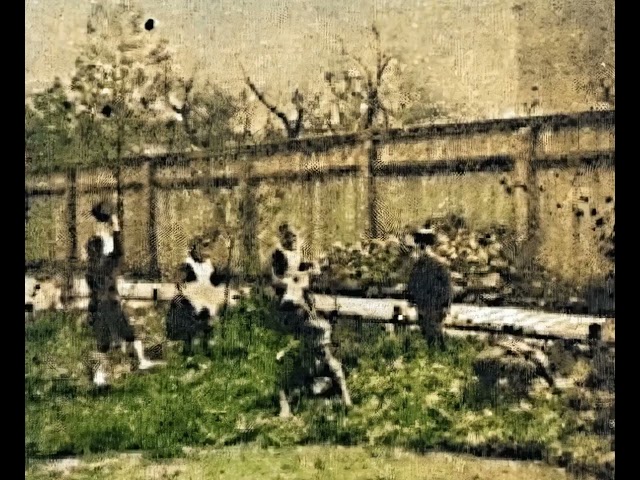
ZAGINIONY FILM KAZIMIERZA PRÓSZYŃSKIEGO – "DZIECI BAWIĄCE SIĘ W OGRODZIE" (1894) - Featurette
Similar Movies
80%
Flowing Water(en)
2017-07-15
This documentary tells the story of the revitalization of the Longwood Garden's (Kennett Square, Pennsylvania) Main Fountain Garden, a lavish jewel in the crown of one of the greatest collections of fountains in the United States.
0%
Abschied vom Garten(en)
2020-01-15
The early retired Gert spends the last summer in his garden, a place that has become a real home for him. The garden will be demolished to create a shopping center on its grounds. The only thing Gert can do is remember memories of happy times he spent with his family in the garden.

89%
Life is Fruity(ja)
2017-01-02
90-year-old architect Shuichi Tsubata and his 87-year-old wife Hideko live in Aichi Prefecture. Their garden is bursting with 70 types of vegetables and 50 types of fruits, and they live in harmony with nature.
72%
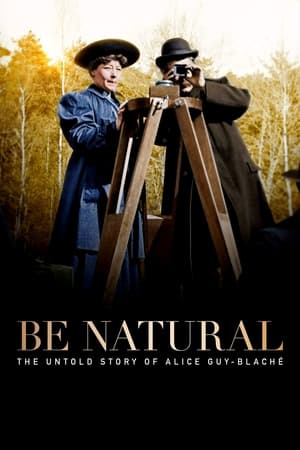
Be Natural: The Untold Story of Alice Guy-Blaché(en)
2018-12-07
The epic life story of Alice Guy-Blaché (1873–1968), a French screenwriter, director and producer, true pioneer of cinema, the first person who made a narrative fiction film; author of hundreds of movies, but banished from history books. Ignored and forgotten. At last remembered.

32%
The Meeting of President Taft and President Díaz at El Paso, Texas(es)
1909-10-16
The first meeting of a U.S. president and a Mexican president took place when William Howard Taft met Porfirio Díaz on 16 October 1909, in El Paso. The meeting was celebrated in both El Paso and Juárez with parades, elaborate receptions, lavish gifts and large crowds. Shot by the pioneers of Mexican Cinema the brothers Alva. This is a typical example of newsreel material prior to the Mexican revolution. By hemerographical references we know that this footage was presented to the then president of Mexico General Porfirio Díaz in the Castle of Chapultepec, then residence of the president.

63%
Memory: The Origins of Alien(en)
2019-01-24
The untold origin story behind Ridley Scott's Alien - rooted in Greek and Egyptian mythologies, underground comics, the art of Francis Bacon, and the dark visions of Dan O'Bannon and H.R. Giger. A contemplation on the symbiotic collaborative process of movie-making, the power of myth, and our collective unconscious.

67%
Iron Fists and Kung Fu Kicks(en)
2019-08-14
The fantastic story of how an ancient martial art, Chinese kung fu, conquered the world through the hundreds of films that were produced in Hong Kong over the decades, transformed Western action cinema and inspired the birth of cultural movements such as blaxploitation, hip hop music, parkour and Wakaliwood cinema.
40%
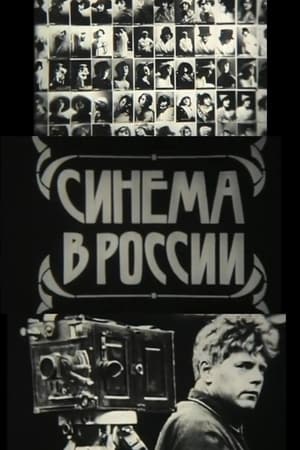
Cinema in Russia(ru)
1979-08-27
Documentary film about early years of Russian cinema: its first directors, cameramen, producers and actors. Includes rare fragments of pre-revolutionary feature films, newsreels and Starewicz's animation.

0%
Enchanting Bournemouth(en)
1961-01-01
Bournemouth offers a variety of sports, pastimes, steamer trips, and fine dining for holidaymakers, competing with cheaper foreign holidays and offering a variety of transportation options.
52%
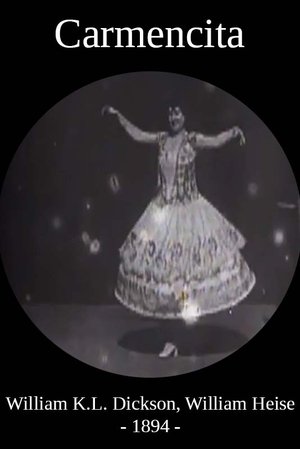
Carmencita(xx)
1894-03-14
The first woman to appear in front of an Edison motion picture camera and possibly the first woman to appear in a motion picture within the United States. In the film, Carmencita is recorded going through a routine she had been performing at Koster & Bial's in New York since February 1890.
64%
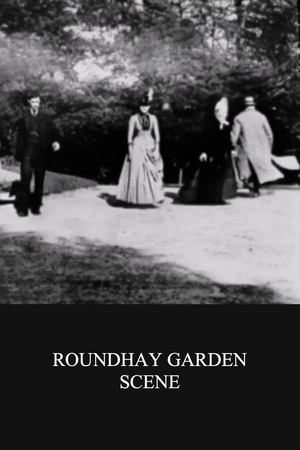
Roundhay Garden Scene(en)
1888-10-14
The earliest surviving motion-picture film, and believed to be one of the very first moving images ever created, was shot by Louis Aimé Augustin Le Prince using the LPCCP Type-1 MkII single-lens camera. It was taken on paper-based photographic film in the garden of Oakwood Grange, the Whitley family house in Roundhay, Leeds, West Riding of Yorkshire (UK), on 14 October 1888. The film shows Adolphe Le Prince (Le Prince’s son), Mrs. Sarah Whitley (Le Prince’s mother-in-law), Joseph Whitley, and Miss Harriet Hartley walking around in circles, laughing to themselves, and staying within the area framed by the camera. Roundhay Garden Scene is often associated with a recording speed of around 12 frames per second and runs for about 2 to 3 seconds.
67%
Workers Leaving the Lumière Factory(fr)
1895-03-22
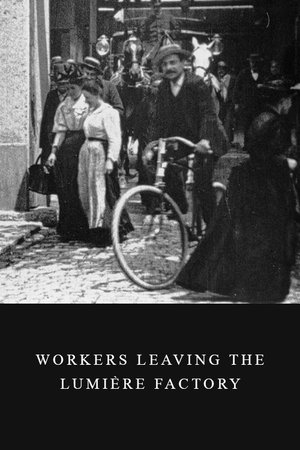
Working men and women leave through the main gate of the Lumière factory in Lyon, France. Filmed on 22 March 1895, it is often referred to as the first real motion picture ever made, although Louis Le Prince's 1888 Roundhay Garden Scene pre-dated it by seven years. Three separate versions of this film exist, which differ from one another in numerous ways. The first version features a carriage drawn by one horse, while in the second version the carriage is drawn by two horses, and there is no carriage at all in the third version. The clothing style is also different between the three versions, demonstrating the different seasons in which each was filmed. This film was made in the 35 mm format with an aspect ratio of 1.33:1, and at a speed of 16 frames per second. At that rate, the 17 meters of film length provided a duration of 46 seconds, holding a total of 800 frames.
71%
The Arrival of a Train at La Ciotat(fr)
1896-06-30
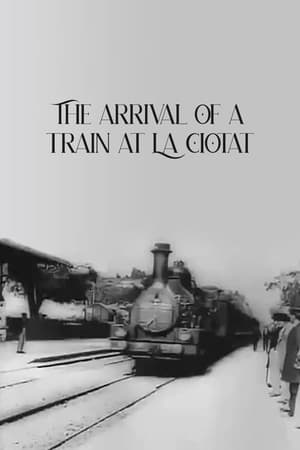
A group of people are standing along the platform of a railway station in La Ciotat, waiting for a train. One is seen coming, at some distance, and eventually stops at the platform. Doors of the railway-cars open and attendants help passengers off and on. Popular legend has it that, when this film was shown, the first-night audience fled the café in terror, fearing being run over by the "approaching" train. This legend has since been identified as promotional embellishment, though there is evidence to suggest that people were astounded at the capabilities of the Lumières' cinématographe.
72%
The Cinematograph: Birth of an Art(fr)
2021-10-17
Throughout the 19th century, imaginative and visionary artists and inventors brought about the advent of a new look, absolutely modern and truly cinematographic, long before the revolutionary invention of the Lumière brothers and the arrival of December 28, 1895, the historic day on which the first cinema performance took place.

70%
Midnight Ramble(en)
1994-10-26
A documentary chronicling the pioneering efforts of black filmmaker William D. Foster in the early years of the industry and Oscar Micheaux's controversial impact on the subsequent "race movies".

85%
The Artist’s Garden: American Impressionism(en)
2017-03-26
Taking its lead from French artists like Renoir and Monet, the American impressionist movement followed its own path which over a forty-year period reveals as much about America as a nation as it does about its art as a creative power-house. It’s a story closely tied to a love of gardens and a desire to preserve nature in a rapidly urbanizing nation. Travelling to studios, gardens and iconic locations throughout the United States, UK and France, this mesmerising film is a feast for the eyes. The Artist’s Garden: American Impressionism features the sell-out exhibition The Artist’s Garden: American Impressionism and the Garden Movement, 1887–1920 that began at the Pennsylvania Academy of the Fine Arts and ended at the Florence Griswold Museum, Old Lyme, Connecticut.
0%
A Day on the Broads(xx)
1929-07-01
With their gramophone perched on the back of their launch, the family set off for a day of rest and relaxation on the Broads and Suffolk coast.
72%
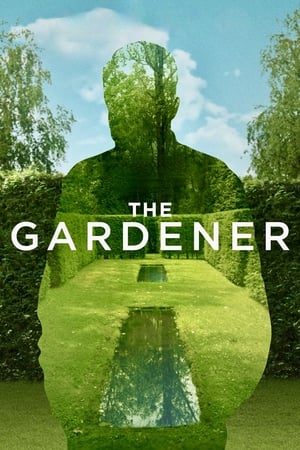
The Gardener(en)
2018-03-28
Created over 75 years and three generations, Les Quatre Vents stands as an enchanted place of beauty and surprise, a horticultural masterpiece of the 21st century. See how Frank Cabot gave birth to one of the greatest gardens in the world.
78%
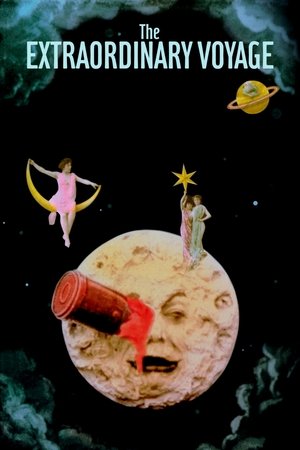
The Extraordinary Voyage(fr)
2011-12-08
An account of the extraordinary life of film pioneer Georges Méliès (1861-1938) and the amazing story of the copy in color of his masterpiece A Trip to the Moon (1902), unexpectedly found in Spain and restored thanks to the heroic efforts of a group of true cinema lovers.