Under African Skies: Ethiopia
Top 10 Billed Cast

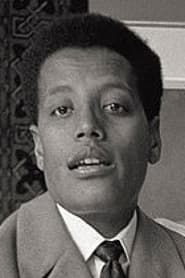
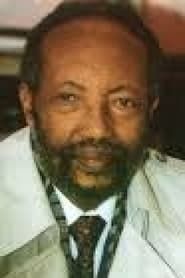
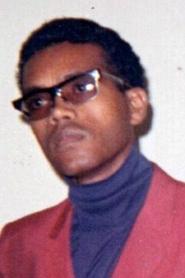

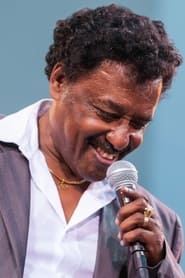


All 1 videos
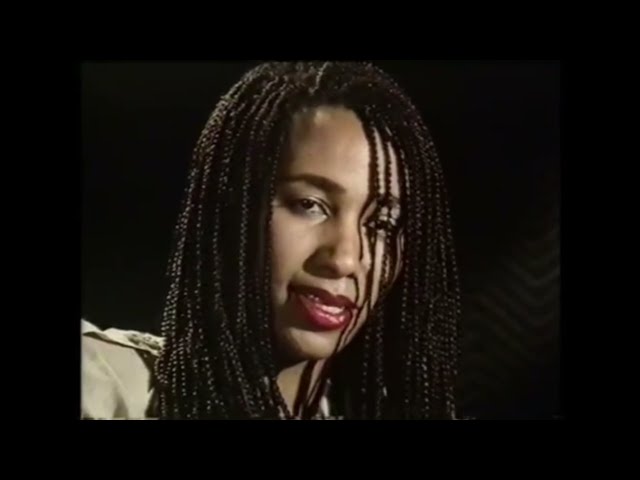
Under African skies Ethiopia Documentary - Trailer
Similar Movies


Report on the History of Ethiopia(en)
This is the second part of a four parts series of documentaries on Ethiopia made by the German television journalist Klaus Stephan in the mid 60ies.
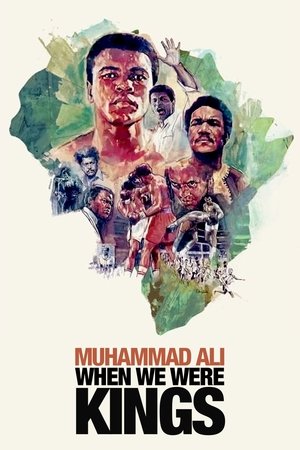
When We Were Kings(en)
It's 1974. Muhammad Ali is 32 and thought by many to be past his prime. George Foreman is ten years younger and the heavyweight champion of the world. Promoter Don King wants to make a name for himself and offers both fighters five million dollars apiece to fight one another, and when they accept, King has only to come up with the money. He finds a willing backer in Mobutu Sese Suko, the dictator of Zaire, and the "Rumble in the Jungle" is set, including a musical festival featuring some of America's top black performers, like James Brown and B.B. King.
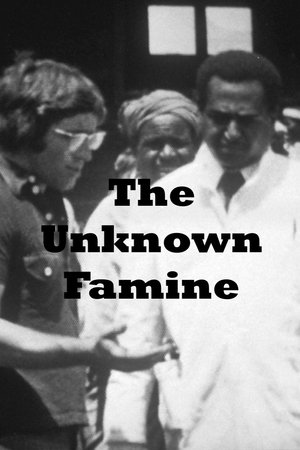
The Unknown Famine(en)
Jonathan Dimbleby’s landmark 1973 documentary “The Unknown Famine” stands as a pivotal moment in Ethiopian history—a journalistic endeavour that not only exposed a humanitarian crisis but inadvertently helped precipitate the end of Africa’s oldest monarchy. The footage was broadcast by ITV for its flagship affairs series named "This Week".

Africa Rising(de)
How African artists have spread African culture all over the world, especially music, since the harsh years of decolonization, trying to offer a nicer portrait of this amazing continent, historically known for tragic subjects, such as slavery, famine, war and political chaos.

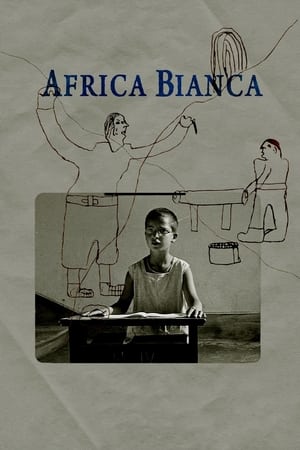
The Imperial Lullaby(it)
The armies of Fascist Italy conquered Addis Ababa, capital of Abyssinia, in May 1936, thus culminating the African colonial adventure of the ruthless dictator Benito Mussolini, by then lord of Libya, Eritrea and Somalia; a bloody and tragic story told through the naive drawings of Pietro Dall'Igna, an Italian schoolboy born in 1925.

Amakki(om)
A dream-like exploration of the interconnected lives of two women and two children, celebrating the profound moments of love, loss, and resilience that shape the tapestry of womanhood. Set to the backdrop of Sidama's coffee-growing hills, 'Amakki', meaning 'your mother', captures the intricate threads that bind these women to the land, to each other, and to the unspoken essence of motherhood. The language spoken in this film is Sidaamu Afoo.
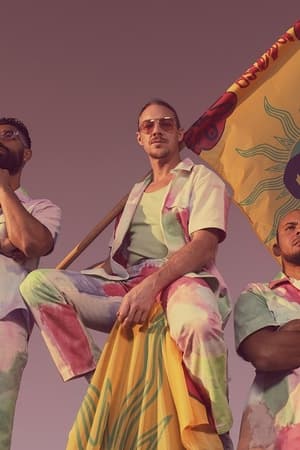
Chasing the Sound(en)
Travel with Major Lazer to Ghana and Nigeria to make the world smaller by making the party bigger. They are collaborating with cutting-edge Afrobeats artists including Mr.Eazi, Efya, Teni, Sarkodie and Amaarae as they explore the culture and history of Africa. Chasing the Sound: Major Lazer, watch now only on YouTube.
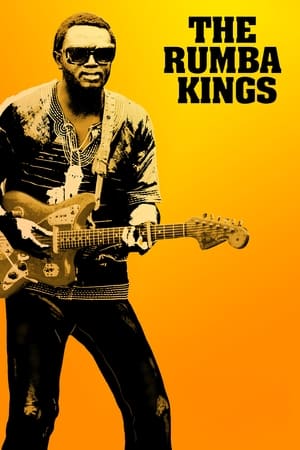
The Rumba Kings(en)
In the fifties, when the future Democratic Republic of Congo was still a Belgian colony, an entire generation of musicians fused traditional African tunes with Afro-Cuban music to create the electrifying Congolese rumba, a style that conquered the entire continent thanks to an infectious rhythm, captivating guitar sounds and smooth vocals.

Ethiopiques Magnetic Suite(fr)
Dazzled by the surrealist movement, Francis Falceto decided at the age of 17 to live an extraordinary life. In the 1980s, co-created l'Oreille est Hardie and Le Confort Moderne in Poitiers, leaving his mark on French underground culture. A record he discovered by chance opened another important chapter in his life: Ethiopian music, of which he became a great champion. "Ethiopiques Magnetic Suite" is the portrait of a discreet and essential man, a plunge into the counterculture, an invitation to live his his life.
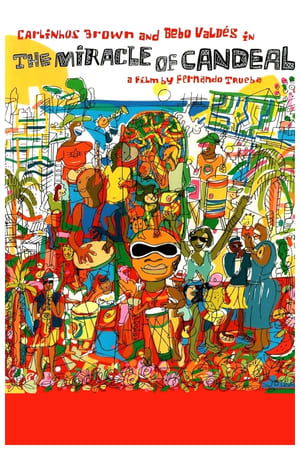
The Miracle of Candeal(es)
The story of the Candeal favela in Salvador de Bahia, Brazil, where musician Carlinhos Brown carries out social and cultural initiatives that protect and enrich the lives of its inhabitants every day.
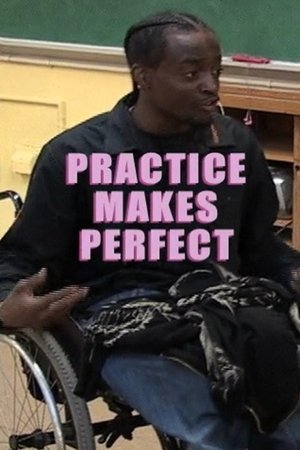
Practice Makes Perfect(en)
The film is primarily a portrait of Kam Kelly, who teaches West African drumming to students at various New York schools, including Intermediate School 292 in Brooklyn. One of his students, Jessica Jackson, is featured. The piece was commissioned for the “Crossing Brooklyn Ferry” festival at the Brooklyn Academy of Music in 2012.
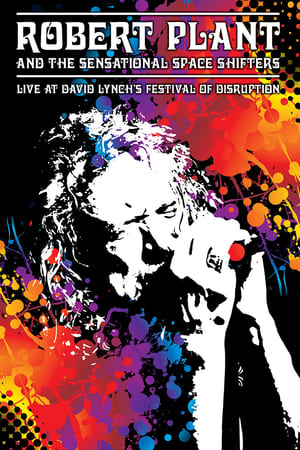
Robert Plant and the Sensational Space Shifters: Live at David Lynch's Festival of Disruption - 2016(en)
Robert Plant formed his current band The Sensational Space Shifters in 2012 and has been recording and touring with them ever since. Robert Plant has always introduced music from many cultures into his work and the Sensational Space Shifters blend of African rhythms and melodies, rock music, and folk roots is his latest incarnation. In October 2016 they took part in David Lynch's inaugural Festival of Disruption at the Ace Hotel Theater in Los Angeles, an event that raised funds for The David Lynch Foundation. The set featured tracks from the band's 2014 album Lullaby and...The Ceaseless Roar alongside fascinating Space Shifters re-workings of Led Zeppelin classics.
Recommendations Movies
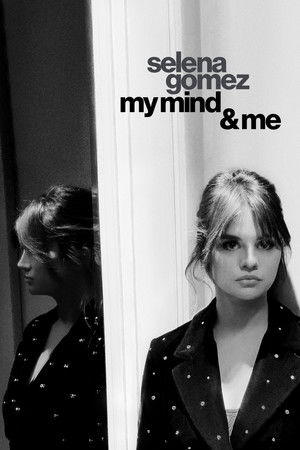
Selena Gomez: My Mind & Me(en)
After years in the limelight, Selena Gomez achieves unimaginable stardom. But just as she reaches a new peak, an unexpected turn pulls her into darkness. This uniquely raw and intimate documentary spans her six-year journey into a new light.
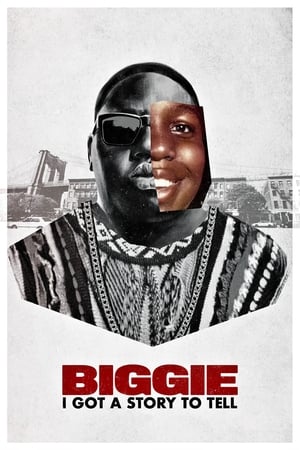
Biggie: I Got a Story to Tell(en)
Christopher Wallace, AKA The Notorious B.I.G., remains one of Hip-Hop’s icons, renowned for his distinctive flow and autobiographical lyrics. This documentary celebrates his life via rare behind-the-scenes footage and the testimonies of his closest friends and family.
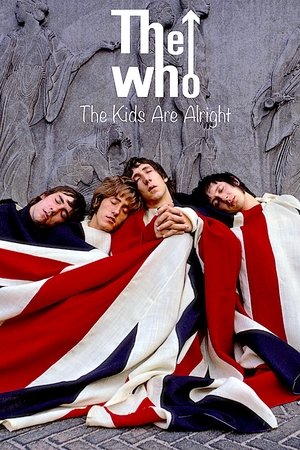
The Who: The Kids Are Alright(en)
Through concert performances and interviews, this film offers us a comprehensive look at the British pioneer rock group, The Who. It captures their zany craziness and outrageous antics from the initial formation of the group in 1964 to 1978. It notably features the band's last performance with long-term drummer Keith Moon, filmed at Shepperton Studios in May 1978, three months before his death.
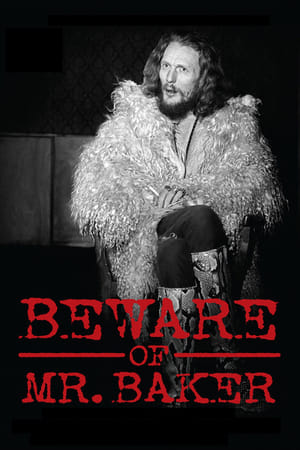
Beware of Mr. Baker(en)
Ginger Baker is known for playing in Cream and Blind Faith, but the world's greatest drummer didn’t hit his stride until 1972, when he arrived in Nigeria and discovered Fela Kuti's Afrobeat. After leaving Nigeria, Ginger returned to his pattern of drug-induced self-destruction, and countless groundbreaking musical works, eventually settling in South Africa, where the 73-year-old lives with his young bride and 39 polo ponies. This documentary includes interviews with Eric Clapton, Steve Winwood, Carlos Santana and more. Beware of Mr. Baker! With every smash of the drum is a man smashing his way through life.
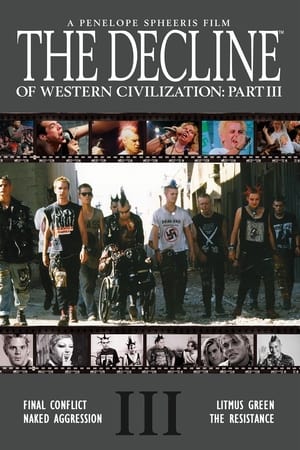
The Decline of Western Civilization Part III(en)
A musical study of Los Angeles in the late 90s, where homeless teens roam the streets and profess to live a punk lifestyle of music, drugs, and flouting authority.
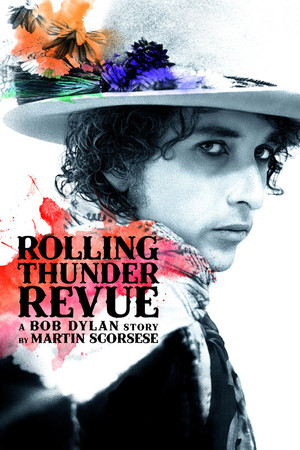
Rolling Thunder Revue: A Bob Dylan Story by Martin Scorsese(en)
Part documentary, part concert film, part fever dream, this film captures the troubled spirit of America in 1975 and the joyous music that Dylan performed during the fall of that year.
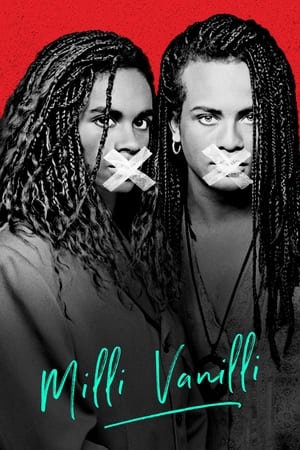
Milli Vanilli(en)
The story of Robert Pilatus and Fabrice Morvan, who became fast friends during their youth in Germany. With Rob coming from a broken home and Fabrice having left an abusive household, they shared a similar upbringing, as well as a future goal: to become famous superstars. In a few short years, their dreams came true. Rob and Fab, better known as Milli Vanilli, became the world's most popular pop duo in 1990 and won the GRAMMY for Best New Artist. However, their ascension to success came with a devastating price that ultimately led to their infamous undoing.
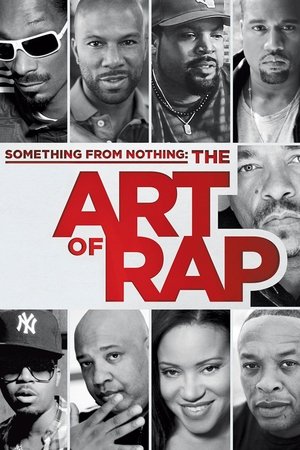
Something from Nothing: The Art of Rap(en)
SOMETHING FROM NOTHING: THE ART OF RAP is a feature length performance documentary about the runaway juggernaut that is Rap music. At the wheel of this unstoppable beast is the film's director and interviewer Ice-T. Taking us on a deeply personal journey Ice-T uncovers how this music of the street has grown to dominate the world. Along the way Ice-T meets a whole spectrum of Hip-Hop talent, from founders, to new faces, to the global superstars like Eminem, Dr Dre, Snoop Dogg and Kanye West. He exposes the roots and history of Rap and then, through meeting many of its most famous protagonists, studies the living mechanism of the music to reveal 'The Art Of Rap'. This extraordinary film features unique performances from the entire cast, without resorting to archive material, to build a fresh and surprising take on the phenomenon that is Rap.
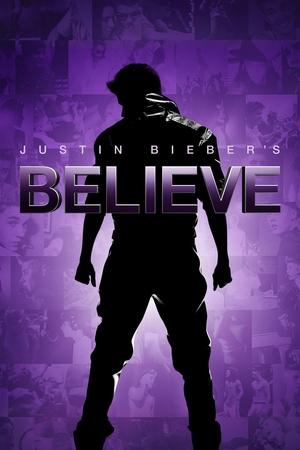
Justin Bieber's Believe(en)
A backstage and on-stage look at Justin Bieber during his rise to super stardom.
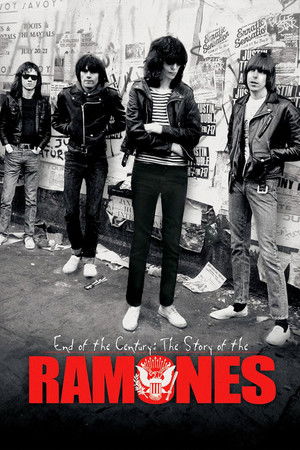
End of the Century: The Story of the Ramones(en)
A years-in-the-making documentary on the legendary punk band the Ramones. Through a mixture of archival footage, archival and new interviews with all members of the band's various lineups, and new interviews with a number of their contemporaries, the film traces the peaks and valleys the band experienced over the course of its 20-plus year career before disbanding in 1995.
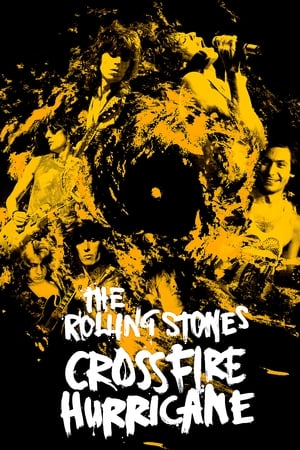
Crossfire Hurricane(en)
This film is released as part of the ongoing 50th anniversary celebration of the Rolling Stones. It tells the story of the Stones' unparalleled journey from blues obsessed teens in the early 60s to their undisputed status as rock royalty. All of the Stones have been newly interviewed and their words form the narrative arc that links together archive footage of performances, news coverage, and interviews, much of it previously unseen. Taking its title from a lyric in "Jumpin' Jack Flash," this film gives the viewer an intimate insight into exactly what it's like to be part of the Rolling Stones as they overcome denunciation, drugs, dissensions, and death to become the definitive survivors. Over a year in the making and produced with the full cooperation and involvement of the Stones, this film is and will remain the definitive story of the world's greatest rock 'n' roll band
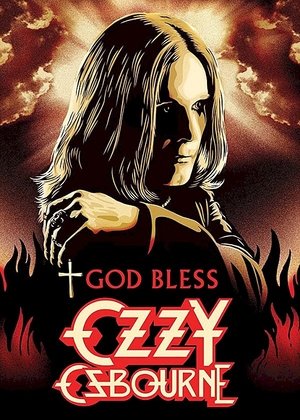
God Bless Ozzy Osbourne(en)
Featuring never before seen footage uncovered from the archives and interviews with Paul McCartney, Tommy Lee and others, God Bless Ozzy Osbourne is the first documentary to take viewers inside the complex mind of rock's great icon.
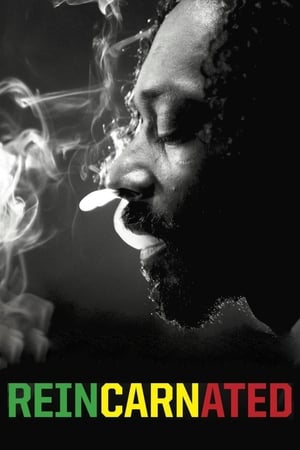
Reincarnated(en)
Evolution as an artist is often times what separates legends from the more mundane. After being heavily influenced by his experience in Jamaica – and his subsequent name change from Snoop Dogg to Snoop Lion – the LBC showman prepares his latest reggae-infused album Reincarnated. As part of the process, VICE followed Snoop to the island nation as he recorded various songs with backing from Diplo, Ariel Reichtshaid and Dre Skull of Major Lazer. Having grown tired of what rap provided him, the documentary reveals the rebirth and inspiration for his latest project.

Katy Perry: Part of Me(en)
Giving fans unprecedented access to the real life of the music sensation, Katy Perry: Part of Me exposes the hard work, dedication and phenomenal talent of a girl who remained true to herself and her vision in order to achieve her dreams. Featuring rare behind-the-scenes interviews, personal moments between Katy and her friends, and all-access footage of rehearsals, choreography, Katy’s signature style and more, Katy Perry: Part of Me reveals the singer’s unwavering belief that if you can be yourself, then you can be anything.
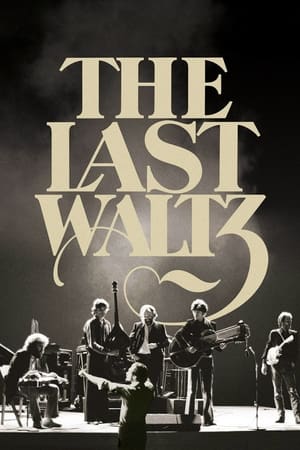
The Last Waltz(en)
Martin Scorsese's documentary intertwines footage from The Band's incredible farewell tour with probing backstage interviews and featured performances by Eric Clapton, Bob Dylan, Joni Mitchell, Van Morrison, and other rock legends.
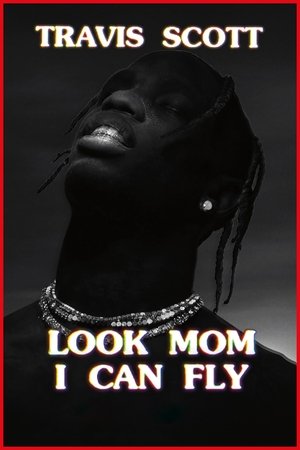
Travis Scott: Look Mom I Can Fly(en)
While crafting his Grammy-nominated album "Astroworld," Travis Scott juggles controversy, fatherhood and career highs in this intimate documentary.
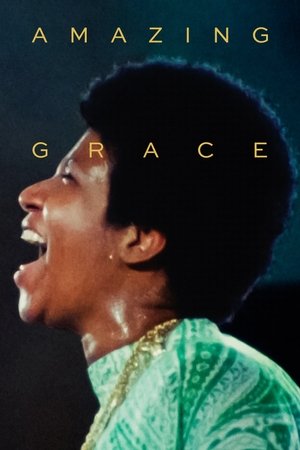
Amazing Grace(en)
A behind-the-scenes documentary about the recording of Aretha Franklin's best-selling album finally sees the light of day more than four decades after the original footage was shot.
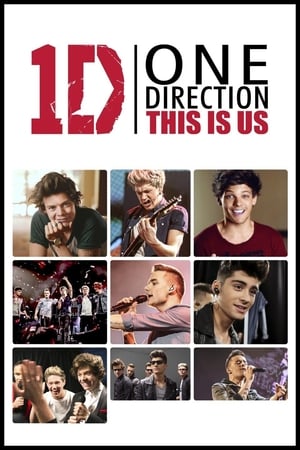
One Direction: This Is Us(en)
"One Direction: This Is Us" is a captivating and intimate all-access look at life on the road for the global music phenomenon. Weaved with stunning live concert footage, this inspiring feature film tells the remarkable story of Niall, Zayn, Liam, Harry and Louis' meteoric rise to fame, from their humble hometown beginnings and competing on the X-Factor, to conquering the world and performing at London’s famed O2 Arena. Hear it from the boys themselves and see through their own eyes what it's really like to be One Direction.
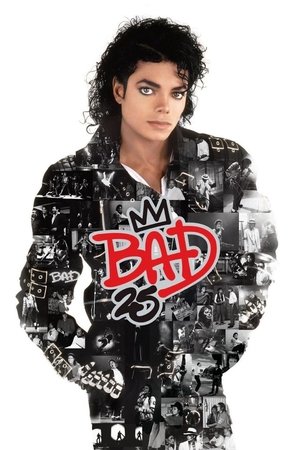
Bad 25(en)
Spike Lee pays tribute to Michael Jackson's Bad on the twenty-fifth anniversary of the epochal album, offering behind-the-scenes footage of Jackson recording the album and interviews with confidants, musicians, choreographers, and such music-world superstars as Kanye West, Sheryl Crow, Cee Lo Green and Mariah Carey.