Loading Page
Søren Kam: Nazisten, der aldrig fortrød
Top 4 Billed Cast
Loading Trailer Videos...
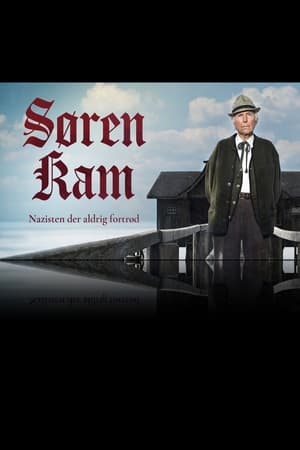
HomePage
Overview
Release Date
2017-04-12
Average
7
Rating:
3.5 startsTagline
Genres
Languages:
DanskKeywords
Similar Movies
79%
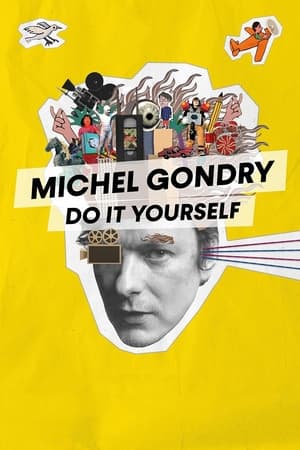
Michel Gondry: Do It Yourself(fr)
2023-09-04
A portrait of French filmmaker Michel Gondry, creator, for three decades, of an imperfect, astonishing, fascinating, damaged and poetic work.
10%
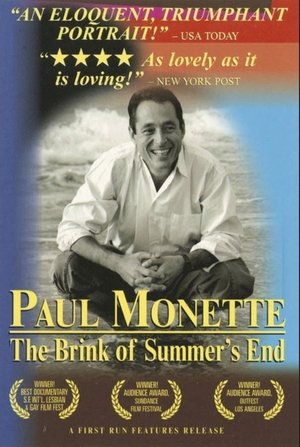
Paul Monette: The Brink of Summer's End(en)
1997-01-01
Narrated by Linda Hunt, this documentary examines the life of the late author and gay rights activist Paul Monette. Born in 1945 to a well-off Massachusetts family, Monette grows up unable to accept his homosexuality, for years hiding it from his loved ones while struggling to develop as a writer. In 1978, Monette publishes his first novel, which allows him to come out to his parents. After losing one lover to AIDS in 1986, he becomes a ferocious advocate for awareness of the disease.
72%
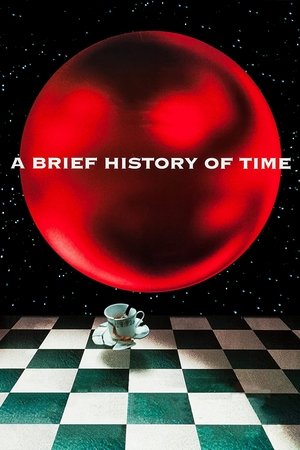
A Brief History of Time(en)
1991-10-01
This shows physicist Stephen Hawking's life as he deals with the ALS that renders him immobile and unable to speak without the use of a computer. Hawking's friends, family, classmates, and peers are interviewed not only about his theories but the man himself.
100%
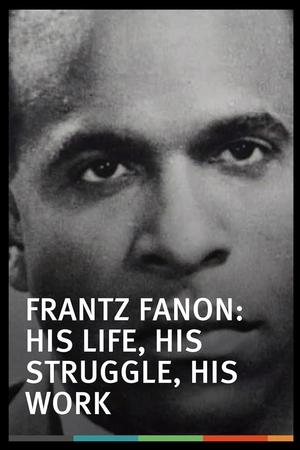
Frantz Fanon: His Life, His Struggle, His Work(fr)
2001-11-30
It is the evocation of a life as brief as it is dense. An encounter with a dazzling thought, that of Frantz Fanon, a psychiatrist of West Indian origin, who will reflect on the alienation of black people. It is the evocation of a man of reflection who refuses to close his eyes, of the man of action who devoted himself body and soul to the liberation struggle of the Algerian people and who will become, through his political commitment, his fight, and his writings, one of the figures of the anti-colonialist struggle. Before being killed at the age of 36 by leukemia, on December 6, 1961. His body was buried by Chadli Bendjedid, who later became Algerian president, in Algeria, at the Chouhadas cemetery (cemetery of war martyrs ). With him, three of his works are buried: “Black Skin, White Masks”, “L’An V De La Révolution Algérien” and “The Wretched of the Earth”.

0%
OKINAWA PHILADELPHIA(en)
2024-08-15
An Okinawan photographer, Mao Ishikawa was 33 years old when she crossed the ocean to Philadelphia in order to photograph the life of her friend, Myron Carr, a former US marine whom she met during his service in Okinawa in the 1970s. The subsequent photo book, “Life in Philly”, is filled with raw and vivid images, capturing the atmosphere and the culture of the predominantly African American neighborhood of downtown Philadelphia in the late 80s. This film looks back on those days, bringing Myron to remembrance as Mao and his surviving family try to find the missing pieces.
0%
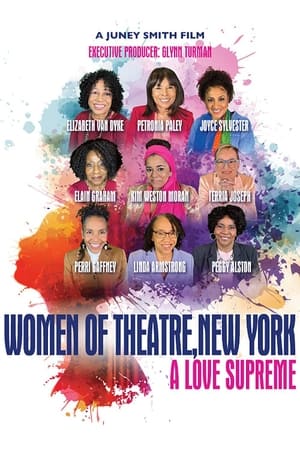
Women of Theatre, New York(en)
2022-09-01
A documentary film about the life, times and experiences of eight theatre artists and a theatre critic in the theatre of New York City.
0%
Salir de casa(es)
2016-01-15
After almost thirty years of his career, the musician Fran Nixon joins film director David Trueba for a travel around Spain in which they'll talk about it and meet some friends.
73%
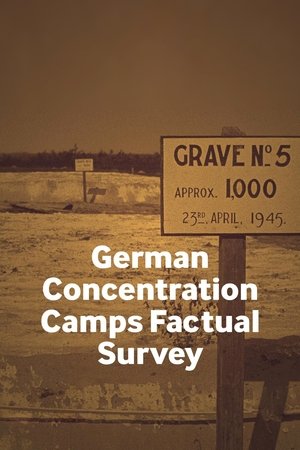
German Concentration Camps Factual Survey(en)
2017-01-06
On the 29th September 1945, the incomplete rough cut of a brilliant documentary about concentration camps was viewed at the MOI in London. For five months, Sidney Bernstein had led a small team – which included Stewart McAllister, Richard Crossman and Alfred Hitchcock – to complete the film from hours of shocking footage. Unfortunately, this ambitious Allied project to create a feature-length visual report that would damn the Nazi regime and shame the German people into acceptance of Allied occupation had missed its moment. Even in its incomplete form (available since 1984) the film was immensely powerful, generating an awed hush among audiences. But now, complete to six reels, this faithfully restored and definitive version produced by IWM, is being compared with Alain Resnais’ Night and Fog (1955).
68%
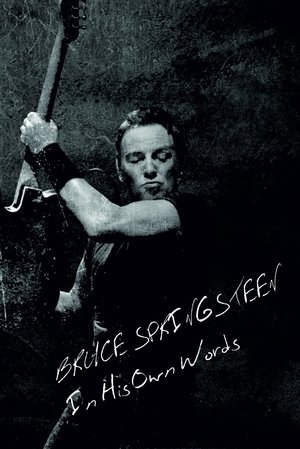
Bruce Springsteen: In His Own Words(en)
2017-01-01
Revealing bio-documentary giving an exclusive look into the life of one of the world's most admired and respected musicians as Bruce Springsteen explores and explains his greatest influences
68%
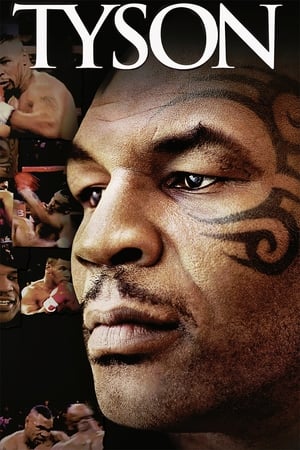
Tyson(en)
2008-05-16
Director James Toback takes an unflinching, uncompromising look at the life of Mike Tyson--almost solely from the perspective of the man himself. TYSON alternates between the controversial boxer addressing the camera and shots of the champion's fights to create an arresting picture of the man.

80%
White Man with Black Bread(de)
2007-01-13
Christof Wackernagel, best known in Germany as an actor and former member of the Red Army Faction ("RAF") lives in Mali. In his compelling portrait, Jonas Grosch shows a man who simply cannot stand still if he senses injustice. The courage to stand up for one’s beliefs coupled with vanity? However one chooses to look at it, it is easy to imagine what made him connect with the "RAF". With his irrepressible will for freedom, Christof Wackernagel gets entangled in the horrors of day-to-day life in Africa.
0%
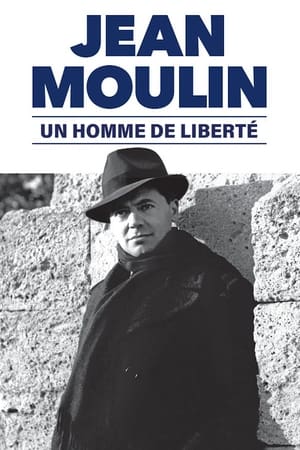
Jean Moulin, un homme de liberté(fr)
1983-12-13
This exceptional documentary gives a voice to those who knew Jean Moulin, his friends and comrades-in-arms and fellow resistance fighters. The valuable testimonies of Lucie and Raymond Aubrac, Claude Bourdet, Jean-Pierre Lévy, and Daniel Cordier, among others, bring to life this young prefect steeped in republican values, recounting his difficult but decisive task of unifying the resistance movements, his actions and role within Free France, until his arrest on June 21, 1943.

80%
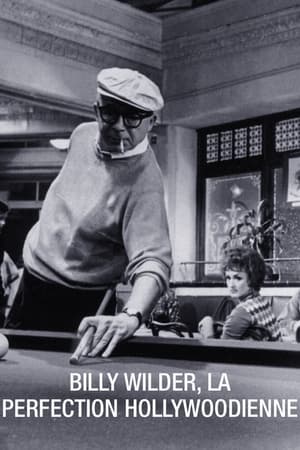
Jane Birkin et nous(fr)
2022-09-16
Jane Birkin has forged a unique bond with France and the French. Between the small Englishwoman, muse of Gainsbourg, then of Doillon or Chéreau, and her adopted country, love at first sight was immediate and lasted for more than fifty years. This documentary goes back, through the prism of this unique bond, to the life and career of a peculiar artist in the French musical and cinematographic landscape. The intimate portrait of a freedom-loving woman.
75%
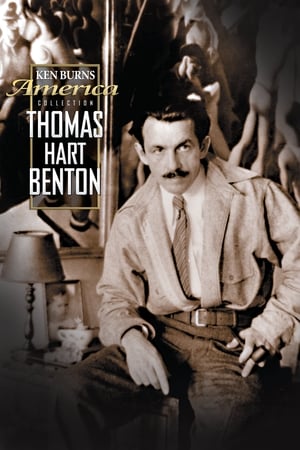
Thomas Hart Benton(en)
1989-10-31
Thomas Hart Benton's paintings were energetic and uncompromising. Today his works are in museums, but Benton hung them in saloons for ordinary people to appreciate.
Recommendations Movies

76%
Night Will Fall(en)
2014-06-07
When Allied forces liberated the Nazi concentration camps in 1944-45, their terrible discoveries were recorded by army and newsreel cameramen, revealing for the first time the full horror of what had happened. Making use of British, Soviet and American footage, the Ministry of Information’s Sidney Bernstein (later founder of Granada Television) aimed to create a documentary that would provide lasting, undeniable evidence of the Nazis’ unspeakable crimes. He commissioned a wealth of British talent, including editor Stewart McAllister, writer and future cabinet minister Richard Crossman – and, as treatment advisor, his friend Alfred Hitchcock. Yet, despite initial support from the British and US Governments, the film was shelved, and only now, 70 years on, has it been restored and completed by Imperial War Museums under its original title "German Concentration Camps Factual Survey".
68%
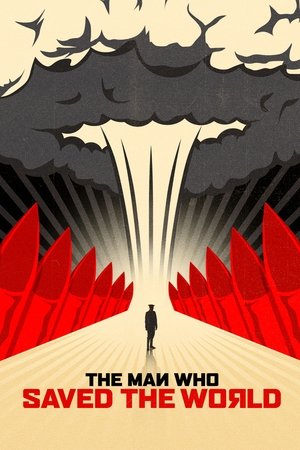
The Man Who Saved the World(da)
2014-08-13
A documentary film about Stanislav Petrov, a former lieutenant colonel of the Soviet Air Defence Forces.
65%
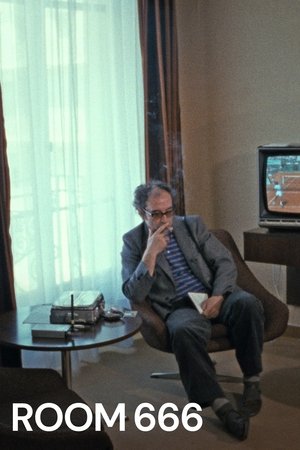
Room 666(en)
1982-06-02
During the 1982 Cannes Film Festival, Wim Wenders asked a number of global film directors to, one at a time, go into a hotel room, turn on the camera, and answer a simple question: "What is the future of cinema?"

72%
Love, Gilda(en)
2018-04-18
Diaries, audiotapes, videotapes and testimonials from friends and colleagues offer insight into the life and career of Gilda Radner -- the beloved comic and actress who became an icon on Saturday Night Live.
77%
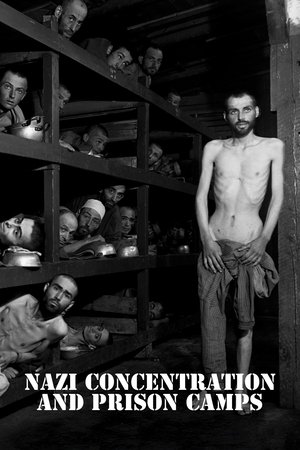
Nazi Concentration Camps(en)
1945-11-29
Produced and presented as evidence at the Nuremberg war crimes trial of Hermann Göring and twenty other Nazi leaders, this film consists primarily of dead and surviving prisoners and of facilities used to kill and torture during the World War II.
67%
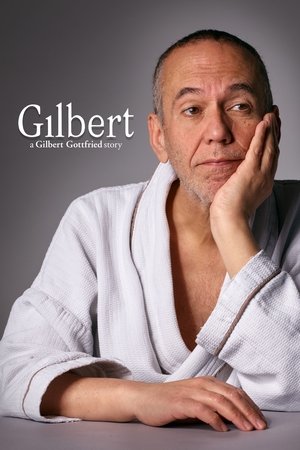
Gilbert(en)
2017-04-20
The life and career of one of comedy's most inimitable modern voices, Mr. Gilbert Gottfried.
75%
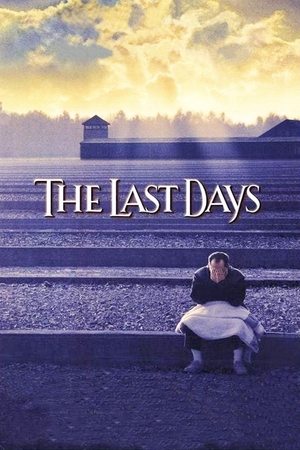
The Last Days(en)
1998-10-23
Five Jewish Hungarians, now US citizens, tell their stories: before March 1944, when Nazis began to exterminate Hungarian Jews, months in concentration camps, and visiting childhood homes more than 50 years later. An historian, a Sonderkommando, a doctor who experimented on Auschwitz prisoners, and US soldiers who were part of the liberation in April 1945.
64%
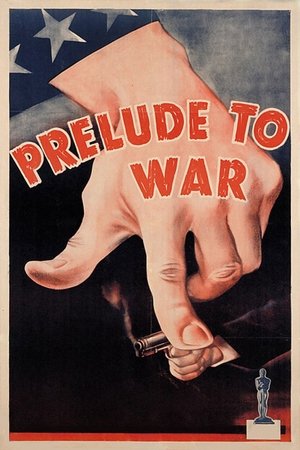
Why We Fight: Prelude to War(en)
1942-05-27
Prelude to War was the first film of Frank Capra's Why We Fight propaganda film series, commissioned by the Pentagon and George C. Marshall. It was made to convince American troops of the necessity of combating the Axis Powers during World War II. This film examines the differences between democratic and fascist states.
63%
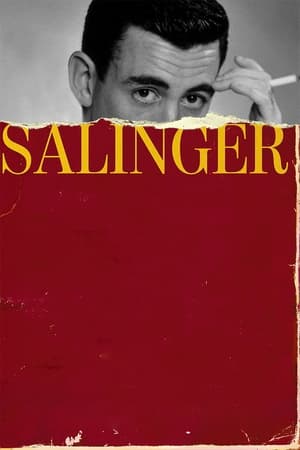
Salinger(en)
2013-09-06
An in-depth investigation into the private world of the American writer J. D. Salinger (1919-2010), who lived most of his life behind the impenetrable wall of a self-imposed seclusion: how his dramatic experiences during World War II influenced his life and work, his relationships with very young women, his obsessive writing methods, his many literary secrets.
72%
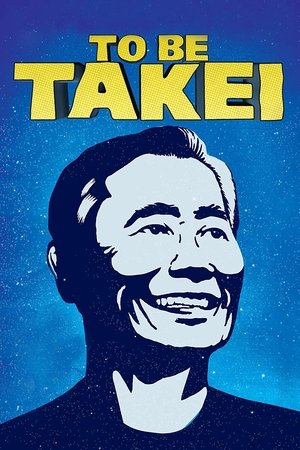
To Be Takei(en)
2014-08-22
Over seven decades, actor and activist George Takei journeyed from a World War II internment camp to the helm of the Starship Enterprise, and then to the daily news feeds of five million Facebook fans. Join George and his husband, Brad, on a wacky and profound trek for life, liberty, and love.

61%
The Battle of San Pietro(en)
1945-05-03
This documentary movie is about the battle of San Pietro, a small village in Italy. Over 1,100 US soldiers were killed while trying to take this location, that blocked the way for the Allied forces from the Germans. Preserved by the Academy Film Archive in 2005.

74%
Sidney(en)
2022-09-10
This revealing documentary honors the legendary Sidney Poitier—iconic actor, filmmaker, and civil rights activist. Featuring interviews with Denzel Washington, Spike Lee, Halle Berry, and more.

68%
Spider-Man: All Roads Lead to No Way Home(en)
2022-05-03
JB Smoove and Martin Starr host a celebration of 20 years of "Spider-Man" movies, from the Sam Raimi trilogy to Marc Webb's movies and the trio from Jon Watts.
62%
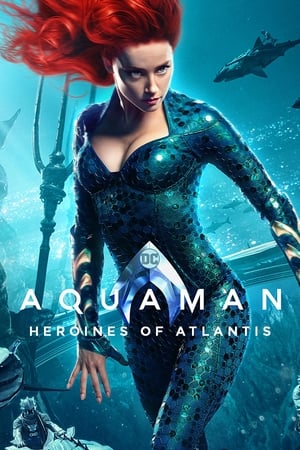
Aquaman: Heroines of Atlantis(en)
2019-03-26
Amber Heard and Nicole Kidman discuss their characters Mera and Atlanna.
71%
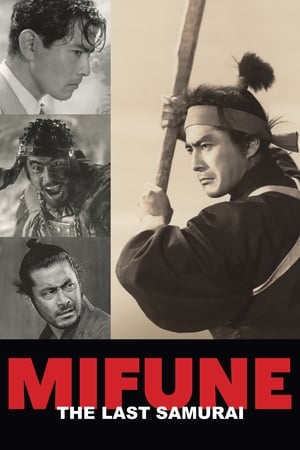
Mifune: The Last Samurai(en)
2016-12-02
An account of the life and work of legendary Japanese actor Toshirō Mifune (1920-97), the most prominent actor of the Golden Age of Japanese cinema.
69%
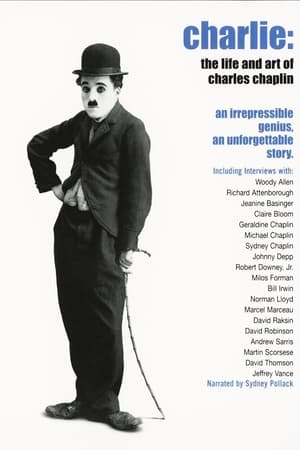
Charlie: The Life and Art of Charles Chaplin(en)
2003-05-01
Brilliant, long in-the-works story of the life and art of the world's greatest comedian and the cinema's first genius, Charlie Chaplin. Produced, written and directed by renowned film critic Richard Schickel.
71%
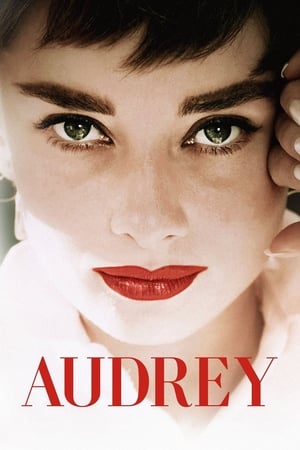
Audrey(en)
2020-11-30
An unprecedented and intimate look at the life, work and enduring legacy of British actress Audrey Hepburn (1929-1993).
74%
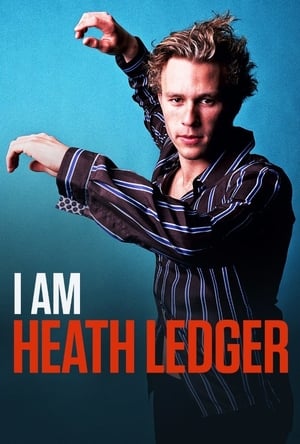
I Am Heath Ledger(en)
2017-04-23
The life and career of an actor, artist, and icon. His own journey through his own camera.

72%
Brené Brown: The Call to Courage(en)
2019-04-19
Brené Brown is a research professor at the University of Houston Graduate College of Social Work. She has spent more than a decade studying vulnerability, courage, authenticity and shame. With two TED talks under her belt, Brené Brown brings her humor and empathy to Netflix to discuss what it takes to choose courage over comfort in a culture defined by scarcity, fear and uncertainty.