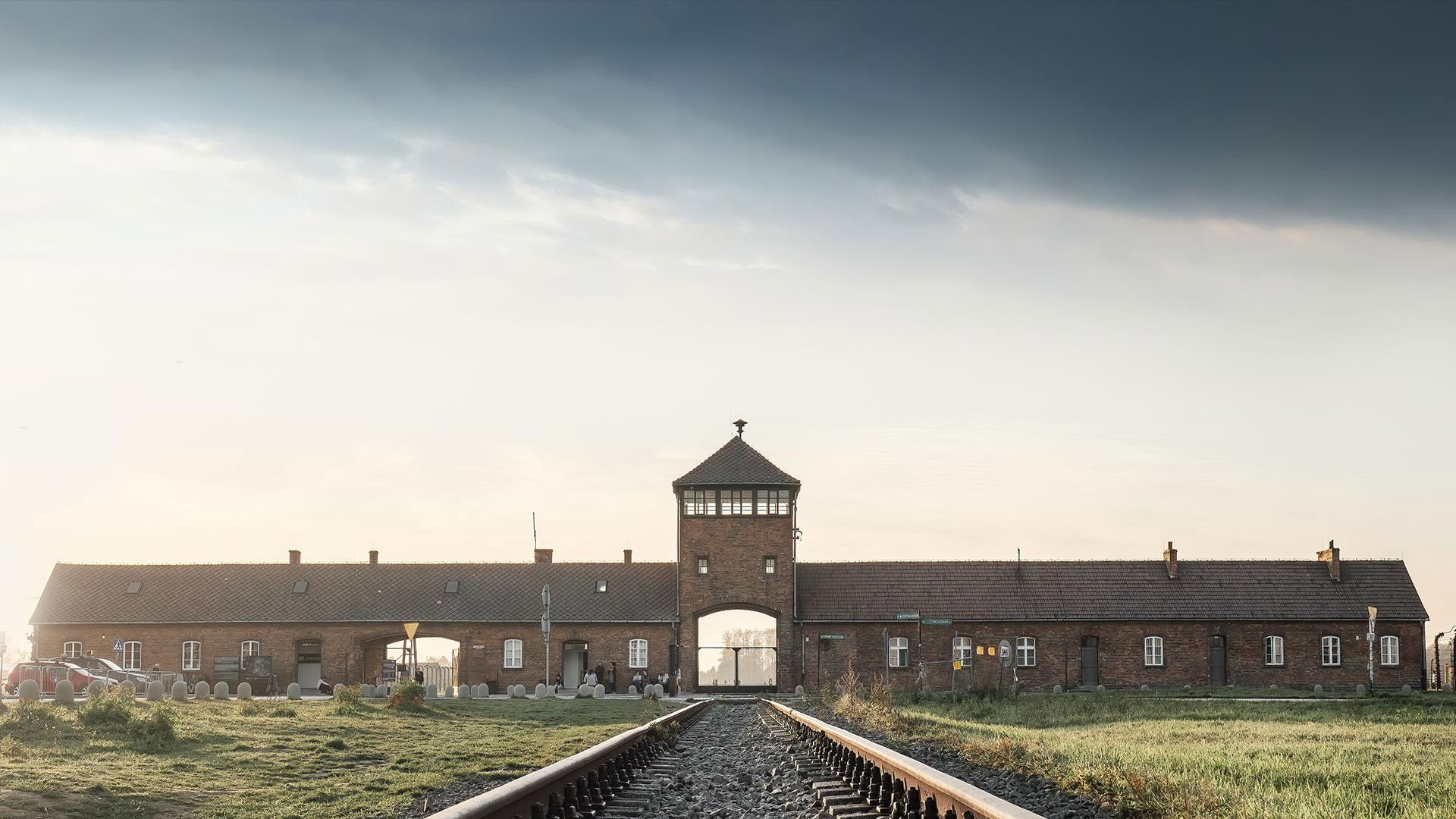
Auschwitz, la machine de mort nazie
HomePage
Overview
Release Date
2021-09-01
Average
7
Rating:
3.5 startsTagline
Genres
Languages:
DeutschKeywords
Similar Movies
Silver City(en)
After World War II, 4,000 Polish families came to Australia. They were Jews, Fascists, anti-Communists, and others dispossessed. In a large hostel, where even married men and women were housed in separate barracks, the adults lived for two years while they worked off the government's payment of their passage. Even though he is married to Anna and has a son, Julian falls in love with Nina and she with him. As they and others face the new situations and prejudices that await immigrants and as they take on aspects of Australian culture, old-country values reassert themselves. Julian decides what to do about love and family, and Nina must find a way to move on.
The English Patient(en)
In the 1930s, Count Almásy is a Hungarian map maker employed by the Royal Geographical Society to chart the vast expanses of the Sahara Desert along with several other prominent explorers. As World War II unfolds, Almásy enters into a world of love, betrayal, and politics.
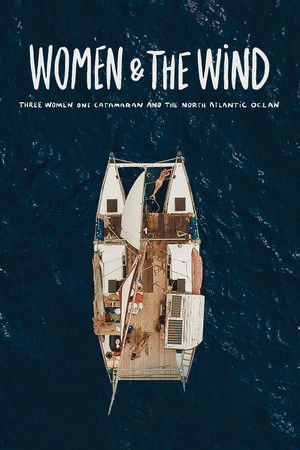
Women & the Wind(en)
Shot over the course of 30 days at sea, filmmaker Alizé Jireh documents the group’s voyage across the North Atlantic—from moments of stillness and calm to the chaos of storms and setbacks. With an observational approach and an eye for the emotional and physical rhythms of life at sea, Jireh captures not just the external landscape, but the internal shifts that come with navigating the vast unknown.
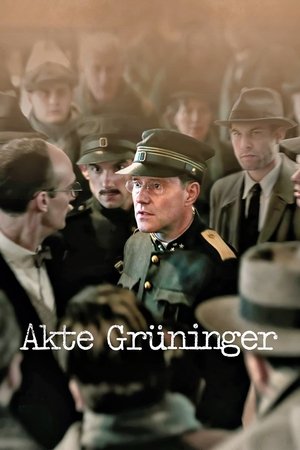
The Grüninger File(de)
1938. Austria has been annexed by Nazi Germany, and Switzerland has closed its borders for Jewish refugees - a death sentence for thousands. But not all Swiss officials observe this inhuman order.
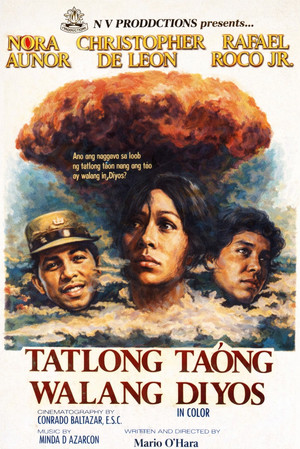
Three Years Without God(tl)
Set during World War II, Rosario, a school teacher, enters a forbidden relationship with a Japanese soldier, Masugi.
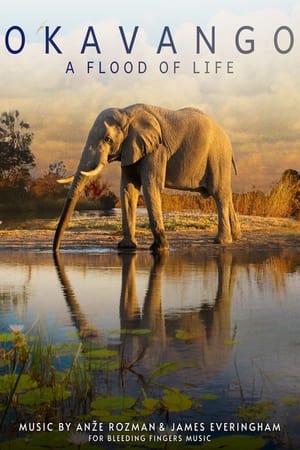
Okavango: A Flood of Life(en)
A great flood arrives in a desert kingdom, transforming a dustbowl into a vast and lush wetland, in one of the most diverse habitats on earth. This breath-taking blue-chip natural history film is a journey through Okavango’s seasons, seen through the eyes of an indigenous River Bushman. Our storyteller guides us through the course of Okavango’s flood and into a savage drought, interweaving intimate and spectacular wildlife stories. The arrival and disappearance of precious water determines the destiny of the millions of animals that call Okavango home. For many, the flood is a lifeline. For others, it brings the greatest challenges. Everyone lives or dies by this epic event. It is the heartbeat of the Kalahari.
Rome, Open City(it)
During the Nazi occupation of 1944 Rome, Resistance leader Giorgio Manfredi is pursued by the Nazis as he seeks refuge and a means of escape.
Two Mothers(de)
The story of two women, one French and the other German, who fight for a child who has been mistakenly taken by the Germans after a bomb raid.
Death Race(en)
In the North African desert in World War II, a crippled American fighter plane that is unable to take off tries to evade and destroy a pursuing Nazi tank.
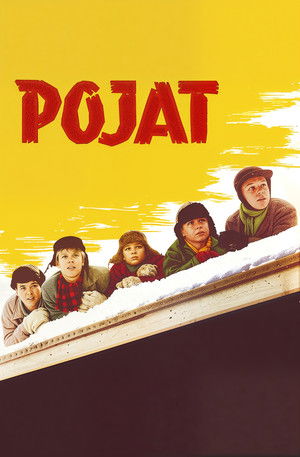
The Boys(fi)
When Continuation War started in Summer 1941, German soldiers arrived to Oulu. With their charm they conquered women and town boys. Finnish boys communicated with them on many levels: had trades, worked as interpreters, rotated business, spied on German love adventures and fought with each other about the favor of soldiers. In autumn 1944, the war was ending. Germans left Oulu by leaving behind fragile relationships, bastard kids and unfinished businesses. The most shocking of all was the faith of young Jake...
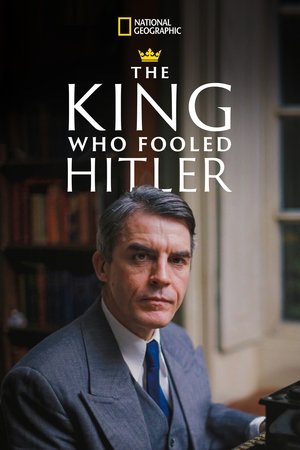
The King Who Fooled Hitler(en)
In a tale of double agents and decoys, this documentary reveals, for the first time, the story of King George VI's elaborate ruse to divert German attention away from the Normandy landings in 1944.
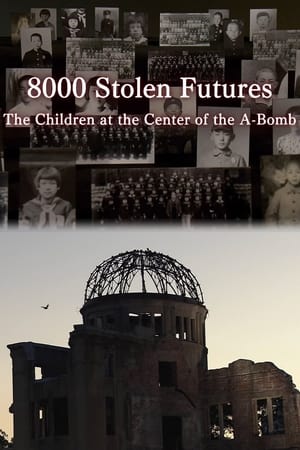
8000 Stolen Futures: The Children at the Center of the A-Bomb(en)
On August 6, 1945, the first-ever nuclear bomb deployed in war was dropped on the city of Hiroshima Prefecture, leaving an estimated 140,000 dead in its wake by the end of that year. Among the victims, one particular age group stands out for the sheer number of fatalities sustained: 12 and 13 year-olds, children of first year junior high school age. We investigate the tragedy of this lost generation, piecing together surviving records and speaking with survivors, for whom the memories of children robbed of their futures that day are still burned deep in their memories, nearly eight decades on.


The Pianist(en)
The true story of pianist Władysław Szpilman's experiences in Warsaw during the Nazi occupation. When the Jews of the city find themselves forced into a ghetto, Szpilman finds work playing in a café; and when his family is deported in 1942, he stays behind, works for a while as a laborer, and eventually goes into hiding in the ruins of the war-torn city.
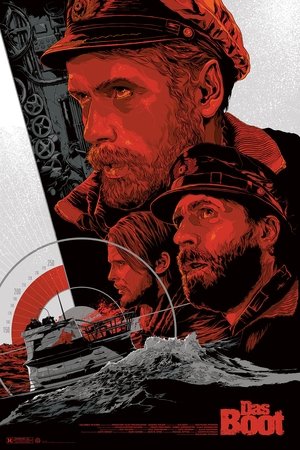
Das Boot(de)
A German submarine hunts allied ships during the Second World War, but it soon becomes the hunted. The crew tries to survive below the surface, while stretching both the boat and themselves to their limits.
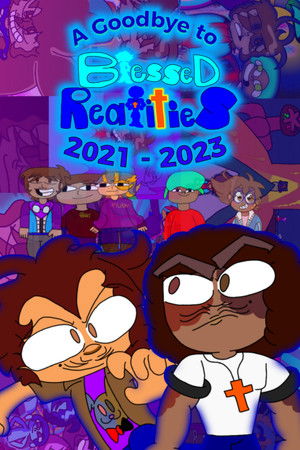
A Goodbye to Blessed Realities(en)
A video essay that despite, multiple delays, finally released to document the story and cancellation of solo-dev Heavenly Den!'s game, Blessed Realities, as a way to bring closure to the game and the studio's story. The story is over.
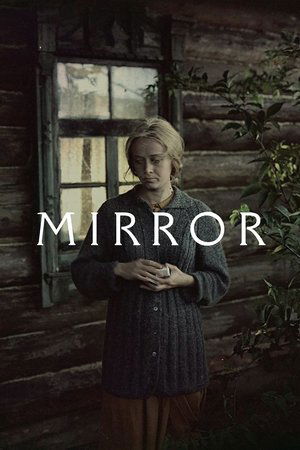
Mirror(ru)
A dying man in his forties recalls his childhood, his mother, the war and personal moments that tell of and juxtapose pivotal moments in Soviet history with daily life.
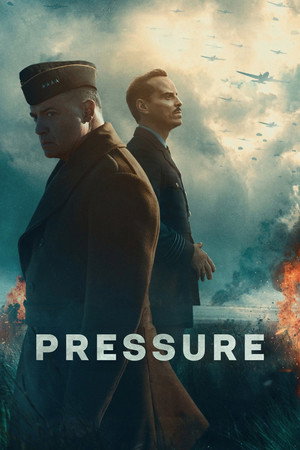
Pressure(en)
In the tense 72 hours before D-Day, and the fate of the free world hanging in the balance, General Dwight D. Eisenhower and Captain James Stagg face an impossible choice—launch the largest and most dangerous seaborne invasion in history or risk losing the war altogether.
Recommendations Movies
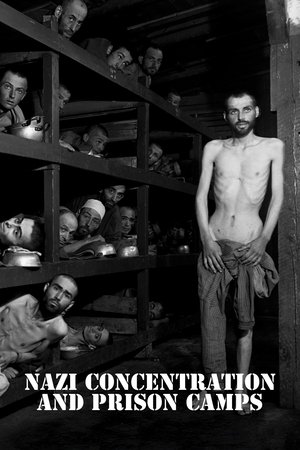
Nazi Concentration Camps(en)
Produced and presented as evidence at the Nuremberg war crimes trial of Hermann Göring and twenty other Nazi leaders, this film consists primarily of dead and surviving prisoners and of facilities used to kill and torture during the World War II.
Night and Fog(fr)
Filmmaker Alain Resnais documents the atrocities behind the walls of Hitler's concentration camps.
Shoah(fr)
Director Claude Lanzmann spent 11 years on this sprawling documentary about the Holocaust, conducting his own interviews and refusing to use a single frame of archival footage. Dividing Holocaust witnesses into three categories – survivors, bystanders, and perpetrators – Lanzmann presents testimonies from survivors of the Chelmno concentration camp, an Auschwitz escapee, and witnesses of the Warsaw Ghetto Uprising, as well as a chilling report of gas chambers from an SS officer at Treblinka.

Night Will Fall(en)
When Allied forces liberated the Nazi concentration camps in 1944-45, their terrible discoveries were recorded by army and newsreel cameramen, revealing for the first time the full horror of what had happened. Making use of British, Soviet and American footage, the Ministry of Information’s Sidney Bernstein (later founder of Granada Television) aimed to create a documentary that would provide lasting, undeniable evidence of the Nazis’ unspeakable crimes. He commissioned a wealth of British talent, including editor Stewart McAllister, writer and future cabinet minister Richard Crossman – and, as treatment advisor, his friend Alfred Hitchcock. Yet, despite initial support from the British and US Governments, the film was shelved, and only now, 70 years on, has it been restored and completed by Imperial War Museums under its original title "German Concentration Camps Factual Survey".
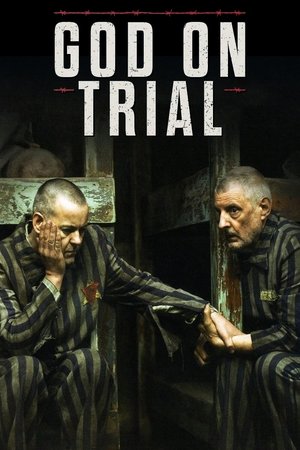
God on Trial(en)
In the Jewish tradition of arguing with God, Jewish prisoners in Auschwitz decide to put God on Trial.
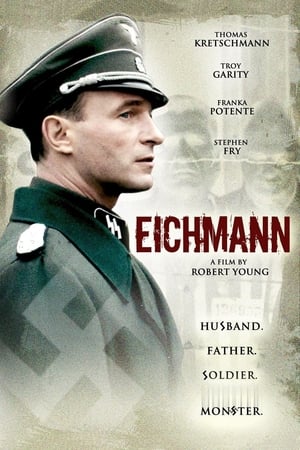
Eichmann(en)
Based upon the final confession of Adolf Eichmann, made before his execution in Israel, of his role in Hitler's plan for the final solution.
2000 Meters to Andriivka(en)
Amid the failing counteroffensive, a journalist follows a Ukrainian platoon on their mission to traverse one mile of heavily fortified forest and liberate a strategic village from Russian occupation. But the farther they advance through their destroyed homeland, the more they realize that this war may never end.
Escape from Sobibor(en)
The true story of WWII's notorious Sobibor Nazi death camp, where a courageous inmate orchestrates and leads the escape of over 300 prisoners.

The Battle of San Pietro(en)
This documentary movie is about the battle of San Pietro, a small village in Italy. Over 1,100 US soldiers were killed while trying to take this location, that blocked the way for the Allied forces from the Germans. Preserved by the Academy Film Archive in 2005.
Einstein and the Bomb(en)
What happened after Einstein fled Nazi Germany? Using archival footage and his own words, this docudrama dives into the mind of a tortured genius.
City of Ghosts(en)
With unprecedented access, this documentary follows the extraordinary journey of “Raqqa is Being Slaughtered Silently”—a group of anonymous citizen journalists who banded together after their homeland was overtaken by ISIS—as they risk their lives to stand up against one of the greatest evils in the world today.
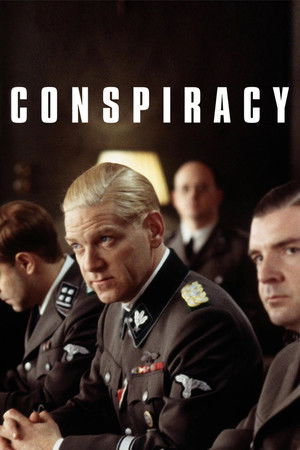
Conspiracy(en)
At the Wannsee Conference on January 20, 1942, senior Nazi officials meet to determine the manner in which the so-called "Final Solution to the Jewish Question" can be best implemented.
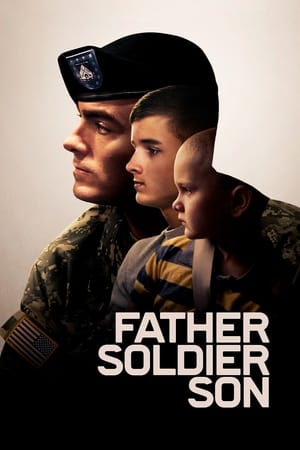
Father Soldier Son(en)
When Sgt. First Class Brian Eisch is critically wounded in Afghanistan, it sets him and his sons on a journey of love, loss, redemption and legacy.
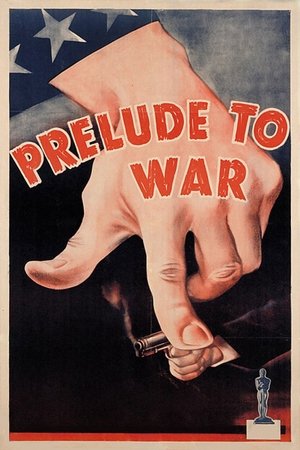
Why We Fight: Prelude to War(en)
Prelude to War was the first film of Frank Capra's Why We Fight propaganda film series, commissioned by the Pentagon and George C. Marshall. It was made to convince American troops of the necessity of combating the Axis Powers during World War II. This film examines the differences between democratic and fascist states.
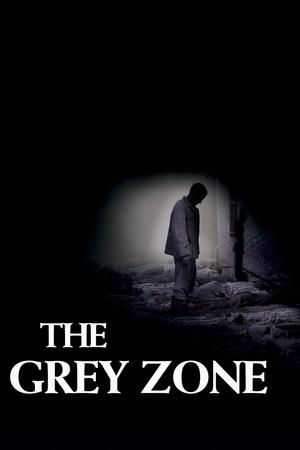
The Grey Zone(en)
The story of Auschwitz's twelfth Sonderkommando — one of the thirteen consecutive "Special Squads" of Jewish prisoners placed by the Nazis in the excruciating moral dilemma of assisting in the extermination of fellow Jews in exchange for a few more months of life.
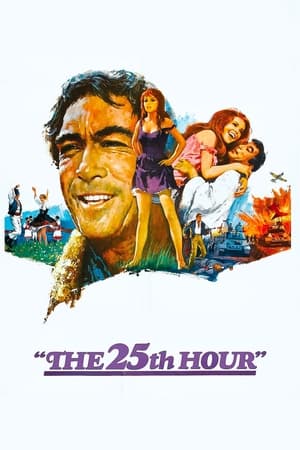
The 25th Hour(fr)
A Romanian peasant fights to get back to his family after he's imprisoned by the Nazis.The picture is based on real events. It includes Hungary's government in collaboration with the Nazis, the encroachment of Romania by Stalin's troopers, and other happenings.
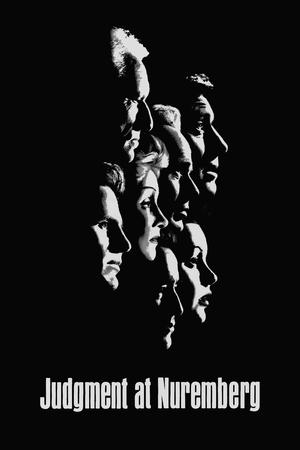
Judgment at Nuremberg(en)
In 1947, four German judges who served on the bench during the Nazi regime face a military tribunal to answer charges of crimes against humanity. Chief Justice Haywood hears evidence and testimony not only from lead defendant Ernst Janning and his defense attorney Hans Rolfe, but also from the widow of a Nazi general, an idealistic U.S. Army captain and reluctant witness Irene Wallner.
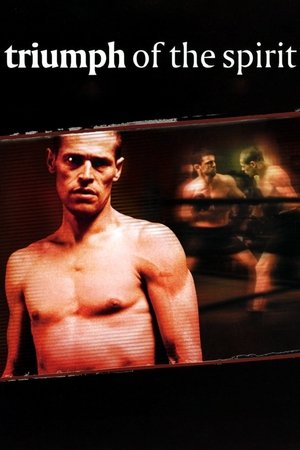
Triumph of the Spirit(en)
During World War II, Salamo Arouch, a passionate boxer, is arrested and sent to a concentration camp. Soon, he is forced to box against his fellow prisoners for the sake of entertainment.
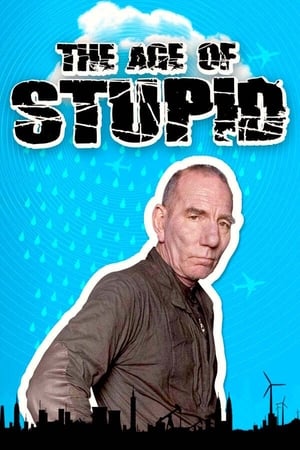
The Age of Stupid(en)
Pete Postlethwaite stars as a man living alone in the devastated future world of 2055, looking at old footage from 2008 and asking: why didn’t we stop climate change when we had the chance?
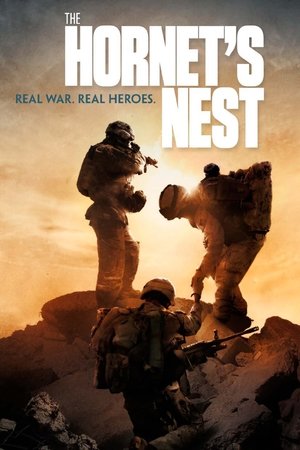
The Hornet's Nest(en)
Armed only with their cameras, Peabody and Emmy Award-winning conflict Journalist Mike Boettcher, and his son, Carlos, provide unprecedented access into the longest war in U.S. history: they are embed with U.S. troops during nine days of intense combat in Afghanistan.