Loading Page
The Great Famine
Loading Trailer Videos...
Loading Photos
Photo Type :Total items
Similar Movies
67%
The 11th Hour(en)
2007-08-17
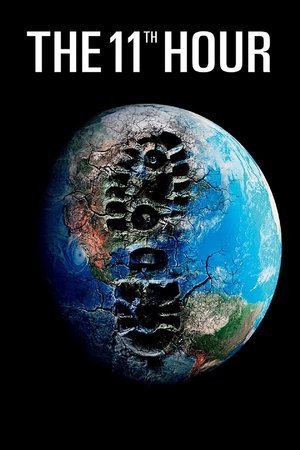
A look at the state of the global environment including visionary and practical solutions for restoring the planet's ecosystems. Featuring ongoing dialogues of experts from all over the world, including former Soviet Prime Minister Mikhail Gorbachev, renowned scientist Stephen Hawking, former head of the CIA R. James Woolse
0%
Afrique-France : le divorce ?(fr)
2025-06-22
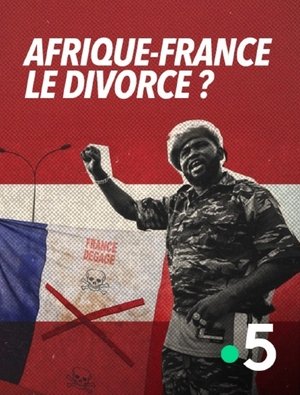
At a time when French flags are being burned and French embassies targeted, this documentary delves into the growing disaffection between French-speaking Africa and the former colonial power. Through the voices of African leaders, pan-African activists, and committed young people, the film questions the persistence of a relationship marked by the aftermath of colonization, the opaque agreements of "Françafrique," and a military presence deemed paternalistic.
85%
Okavango: A Flood of Life(en)
2021-02-15
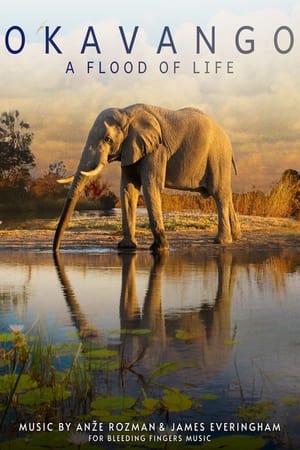
A great flood arrives in a desert kingdom, transforming a dustbowl into a vast and lush wetland, in one of the most diverse habitats on earth. This breath-taking blue-chip natural history film is a journey through Okavango’s seasons, seen through the eyes of an indigenous River Bushman. Our storyteller guides us through the course of Okavango’s flood and into a savage drought, interweaving intimate and spectacular wildlife stories. The arrival and disappearance of precious water determines the destiny of the millions of animals that call Okavango home. For many, the flood is a lifeline. For others, it brings the greatest challenges. Everyone lives or dies by this epic event. It is the heartbeat of the Kalahari.
62%
Women & the Wind(en)
2025-12-18
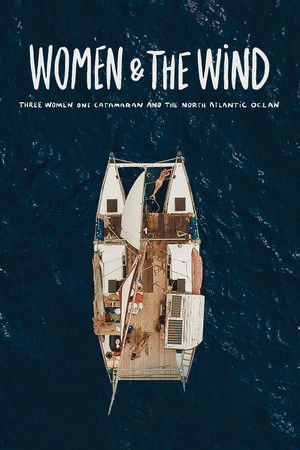
Shot over the course of 30 days at sea, filmmaker Alizé Jireh documents the group’s voyage across the North Atlantic—from moments of stillness and calm to the chaos of storms and setbacks. With an observational approach and an eye for the emotional and physical rhythms of life at sea, Jireh captures not just the external landscape, but the internal shifts that come with navigating the vast unknown.

0%
Knockhatch Animal Conservation: A Short Documentary(en)
A short documentary where we learn about the endangered lemurs, owls and otters from the Knockhatch Conservation staff.
0%
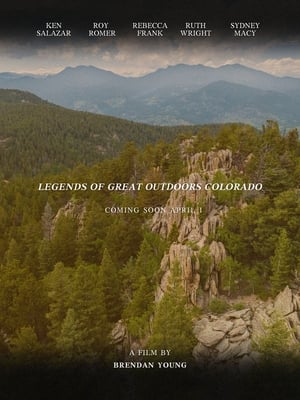
Legends of Great Outdoors Colorado(en)
2024-04-01
The short documentary Legends of Great Outdoors Colorado celebrates the visionaries who put Great Outdoors Colorado (GOCO) into motion three decades ago, creating a unique-in-the-nation resource and an enduring legacy of protecting and enhancing Colorado’s wildlife, parks, rivers, trails, and open spaces. In-depth conversations with legendary Coloradans, including GOCO co-founders Roy Romer and Ken Salazar, tell the origin story, and how the mission is possible thanks to passionate partners across the state, the people of Colorado, and GOCO's funding source, the Colorado Lottery. A combination of intimate interviews, archival footage, present-day scenes, and 8-mm film pays homage to Colorado’s outdoor heritage and GOCO’s continued commitment to conservation and recreation.
70%
An Inconvenient Truth(en)
2006-05-24
A documentary on Al Gore's campaign to make the issue of global warming a recognized problem worldwide.
80%
Kasparov: Chess Rebel(fr)
2024-08-18
The extraordinary life and career of the Russian chess grandmaster Garry Kasparov, a brilliant and charismatic, but also rebellious, favorite son of the Soviet Union.
77%
Breakpoint: A Counter History of Progress(fr)
2019-07-14
An account of the last two centuries of the Anthropocene, the Age of Man. How human beings have progressed so much in such a short time through war and the selfish interests of a few, belligerent politicians and captains of industry, damaging the welfare of the majority of mankind, impoverishing the weakest, greedily devouring the limited resources of the Earth.
50%
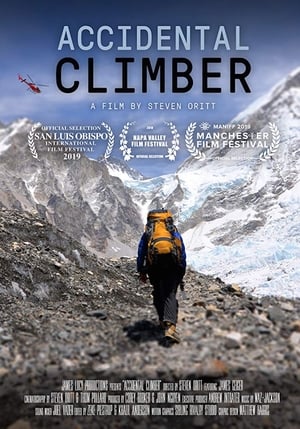
Accidental Climber(en)
2019-07-27
Jim Geiger, a retired forest ranger and amateur mountaineer, attempts to become the oldest American and first great grandfather to summit Mt. Everest, aged 68. His transformation from a weekend hiker to attempting one of the most extreme and physically demanding feats known to man is driven by a desire to prove that age is just a number. What ensued, however, forever changed Jim's life.
0%
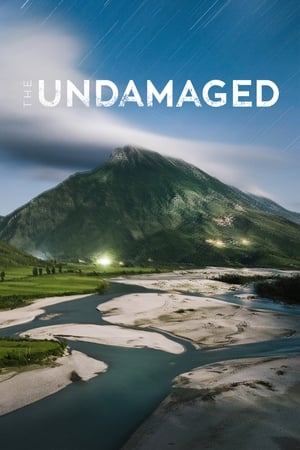
The Undamaged(sl)
2018-10-06
The Balkans cradles Europe's last wild rivers and supports abundant wildlife and healthy, intact ecosystems. These rivers are "The Undamaged" – clean, pristine, and undammed. With over 2,700 small and large hydro power plants planned or under construction in the Balkans, corruption and greed are destroying the last free-flowing rivers of Europe. Follow the Balkan Rivers Tour, a rowdy crew of whitewater kayakers, filmers, photographers and friends who decided to stand up for the rivers, travelling from Slovenia to Albania for 36 days, kayaking 23 rivers in 6 countries to protest the dams and show the world the secret wild rivers of the Balkans. The film honours everyday people and local activists who are fighting to defend rivers and aims to spread the word of the plight of these rivers, showing a new style of nature conservation that is fun, energetic and effective.
63%
Atlantis(fr)
1991-08-21
Atlantis is filmmaker Luc Besson's celebration of the beauty and wonder of the world beneath the sea, expanding upon themes touched on in his film The Big Blue. Combining stunning underwater cinematography and a hypnotic score by Eric Serra, Besson's singular vision defies dialogue or narrative structure to explore ocean life as you've never seen it before. Following the colossal success of The Big Blue, Luc Besson crisscrossed the world's seas and oceans to film the beauty and diversity of marine life: from the giant octopuses of Vancouver to the manta rays of the Pacific (New Caledonia), and the grey sharks of Tahiti. A film with no actors or sets other than the underwater world. A breathtaking view of marine species: sharks, dolphins, manatees, octopuses. An exploration of the seabed in the Bahamas, the Galapagos, Vancouver, and Tahiti.

0%
Their light(th)
2023-10-28
Director confronts with his grandfather who used to work in Mae Moh power plant, exploring the atmosphere of local conflict and the many debates that arise from the existence of the power plant, including issues of toxic leaks, eviction from mining sites, and the future of Mae Moh when coal runs out in the future.

72%
Ferrum(sv)
1963-01-01
Unconventional portrayal of mining in the Swedish Lapland ore fields, a powerful image and sound symphony that can be experienced both as a documentary and symbolic work.
76%
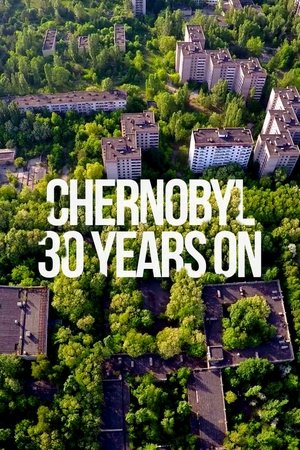
Chernobyl 30 Years On: Nuclear Heritage(en)
2015-05-06
Thirty years after the Chernobyl disaster, which occurred on the night of April 26, 1986, its causes and consequences are examined. In addition, a report on efforts to strengthen the structures covering the core of the nuclear plant in order to better protect the population and the environment is offered.
0%
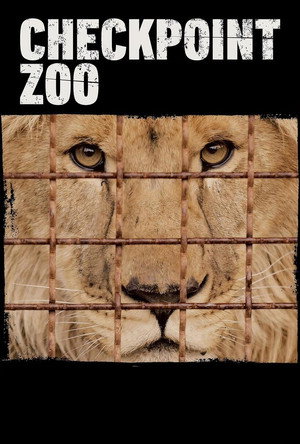
Checkpoint Zoo(en)
2024-06-06
Checkpoint Zoo documents a daring rescue led by a heroic team of zookeepers and volunteers, who risked their lives to save thousands of animals trapped in a zoo behind enemy lines in the Russian Invasion of Ukraine.
79%
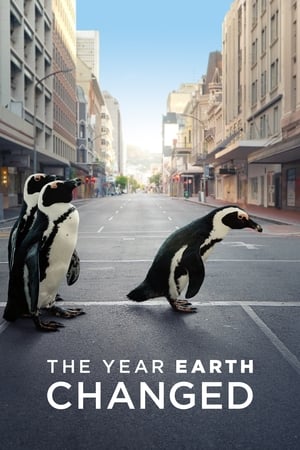
The Year Earth Changed(en)
2021-04-15
Never-before-seen footage shows how our living in lockdown opened the door for nature to bounce back and thrive. Across the seas, skies, and lands, Earth found its rhythm when we came to a stop.
0%
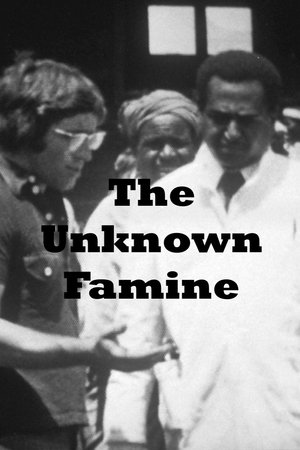
The Unknown Famine(en)
1973-10-18
Jonathan Dimbleby’s landmark 1973 documentary “The Unknown Famine” stands as a pivotal moment in Ethiopian history—a journalistic endeavour that not only exposed a humanitarian crisis but inadvertently helped precipitate the end of Africa’s oldest monarchy. The footage was broadcast by ITV for its flagship affairs series named "This Week".
Recommendations Movies

71%
Audrey(en)
2020-11-30
An unprecedented and intimate look at the life, work and enduring legacy of British actress Audrey Hepburn (1929-1993).
79%
The Year Earth Changed(en)
2021-04-15
Never-before-seen footage shows how our living in lockdown opened the door for nature to bounce back and thrive. Across the seas, skies, and lands, Earth found its rhythm when we came to a stop.
77%
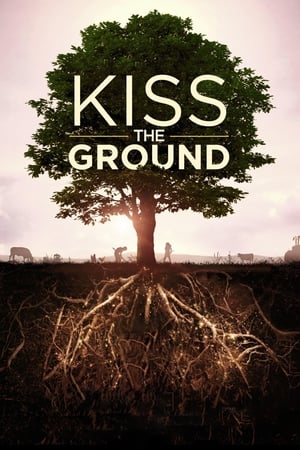
Kiss the Ground(en)
2020-09-22
Sheds light on an alternative approach to farming called “regenerative agriculture” that could balance our climate, replenish our vast water supplies, and feed the world.
85%
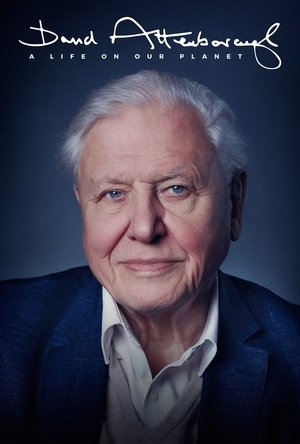
David Attenborough: A Life on Our Planet(en)
2020-09-28
The story of life on our planet by the man who has seen more of the natural world than any other. In more than 90 years, Attenborough has visited every continent on the globe, exploring the wild places of our planet and documenting the living world in all its variety and wonder. Addressing the biggest challenges facing life on our planet, the film offers a powerful message of hope for future generations.
67%
The 11th Hour(en)
2007-08-17
A look at the state of the global environment including visionary and practical solutions for restoring the planet's ecosystems. Featuring ongoing dialogues of experts from all over the world, including former Soviet Prime Minister Mikhail Gorbachev, renowned scientist Stephen Hawking, former head of the CIA R. James Woolse
71%
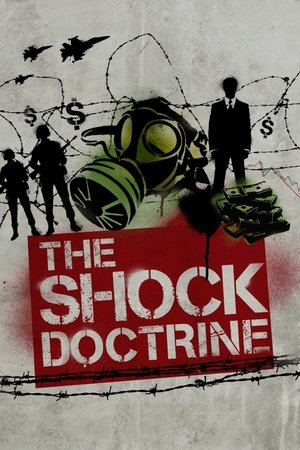
The Shock Doctrine(en)
2009-09-01
An investigation of "disaster capitalism", based on Naomi Klein's proposition that neo-liberal capitalism feeds on natural disasters, war and terror to establish its dominance.

76%
Night Will Fall(en)
2014-06-07
When Allied forces liberated the Nazi concentration camps in 1944-45, their terrible discoveries were recorded by army and newsreel cameramen, revealing for the first time the full horror of what had happened. Making use of British, Soviet and American footage, the Ministry of Information’s Sidney Bernstein (later founder of Granada Television) aimed to create a documentary that would provide lasting, undeniable evidence of the Nazis’ unspeakable crimes. He commissioned a wealth of British talent, including editor Stewart McAllister, writer and future cabinet minister Richard Crossman – and, as treatment advisor, his friend Alfred Hitchcock. Yet, despite initial support from the British and US Governments, the film was shelved, and only now, 70 years on, has it been restored and completed by Imperial War Museums under its original title "German Concentration Camps Factual Survey".

69%
All That Breathes(en)
2022-10-21
Against the darkening backdrop of New Delhi's apocalyptic air and escalating violence, two brothers devote their lives to protecting one casualty of the turbulent times: the bird known as the black kite.
73%
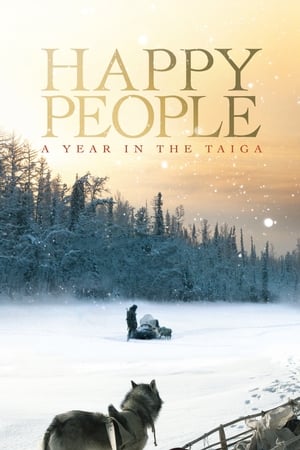
Happy People: A Year in the Taiga(en)
2010-09-03
In the center of the story is the life of the indigenous people of the village Bakhtia at the river Yenisei in the Siberian Taiga. The camera follows the protagonists in the village over a period of a year. The natives, whose daily routines have barely changed over the last centuries, keep living their lives according to their own cultural traditions.

73%
Chernobyl: The Lost Tapes(en)
2022-02-28
Thirty-six years after the Chernobyl nuclear reactor exploded in Soviet Ukraine, newly uncovered archival footage and recorded interviews with those who were present paint an emotional and gripping portrait of the extent and gravity of the disaster and the lengths to which the Soviet government went to cover up the incident, including the soldiers sent in to “liquidate” the damage. Chernobyl: The Lost Tapes is the full, unvarnished true story of what happened in one of the least understood tragedies of the twentieth century.
70%
An Inconvenient Truth(en)
2006-05-24
A documentary on Al Gore's campaign to make the issue of global warming a recognized problem worldwide.
75%
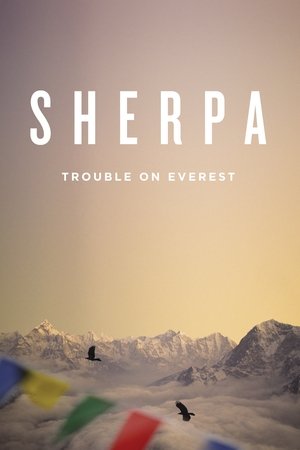
Sherpa(en)
2015-10-02
In 2013, the world's media reported on a shocking mountain-high brawl as European climbers fled a mob of angry Sherpas. Director Jennifer Peedom and her team set out to uncover the cause of this altercation, intending to film the 2014 climbing season from the Sherpa's point-of-view. Instead, they captured Everest's greatest tragedy, when a huge block of ice crashed down onto the climbing route...
77%
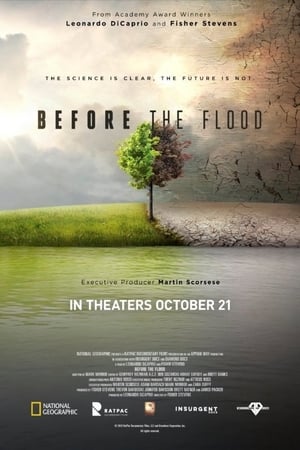
Before the Flood(en)
2016-10-21
A look at how climate change affects our environment and what society can do to prevent the demise of endangered species, ecosystems, and native communities across the planet.
69%
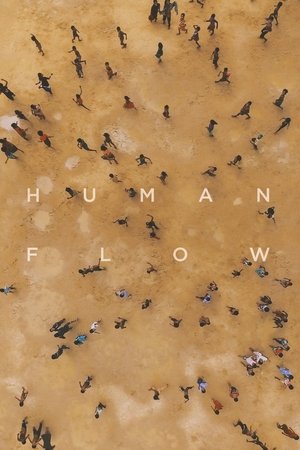
Human Flow(en)
2017-10-02
More than 65 million people around the world have been forced from their homes to escape famine, climate change and war, the greatest displacement since World War II. Filmmaker Ai Weiwei examines the staggering scale of the refugee crisis and its profoundly personal human impact. Over the course of one year in 23 countries, Weiwei follows a chain of urgent human stories that stretch across the globe, including Afghanistan, France, Greece, Germany and Iraq.
70%
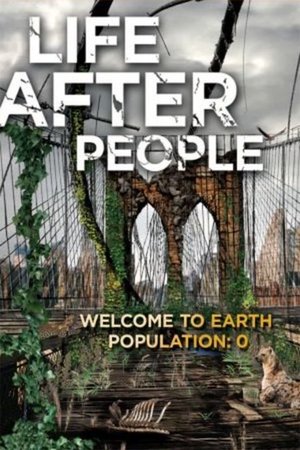
Life After People(en)
2008-01-21
In this special documentary that inspired a two-season television series, scientists and other experts speculate about what the Earth, animal life, and plant life might be like if, suddenly, humanity no longer existed, as well as the effect humanity's disappearance might have on the artificial aspects of civilization.
68%
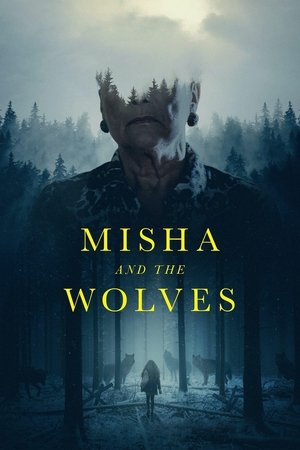
Misha and the Wolves(en)
2021-09-03
A woman’s Holocaust memoir takes the world by storm, but a fallout with her publisher-turned-detective reveals her story as an audacious deception created to hide a darker truth.
79%
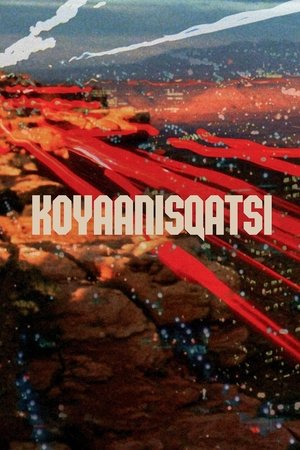
Koyaanisqatsi(en)
1983-04-27
Takes us to locations all around the US and shows us the heavy toll that modern technology is having on humans and the earth. The visual tone poem contains neither dialogue nor a vocalized narration: its tone is set by the juxtaposition of images and the exceptional music by Philip Glass.
80%
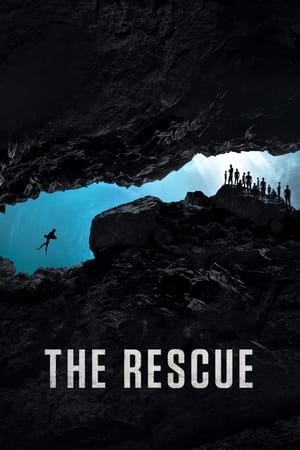
The Rescue(en)
2021-10-08
The enthralling, against-all-odds story that transfixed the world in 2018: the daring rescue of twelve boys and their coach from deep inside a flooded cave in Northern Thailand.
78%
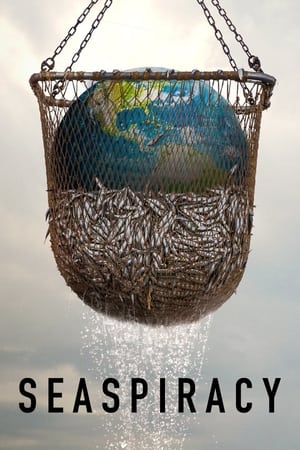
Seaspiracy(en)
2021-03-24
Passionate about ocean life, a filmmaker sets out to document the harm that humans do to marine species — and uncovers an alarming global conspiracy.

65%
Room 666(en)
1982-06-02
During the 1982 Cannes Film Festival, Wim Wenders asked a number of global film directors to, one at a time, go into a hotel room, turn on the camera, and answer a simple question: "What is the future of cinema?"