Loading Page

Wiebo's War(2011)
Status: Released
Date: 2011-04-28
0%
0 Votes
Time: 1h 33m
How far would you go to protect your land?
Overview:
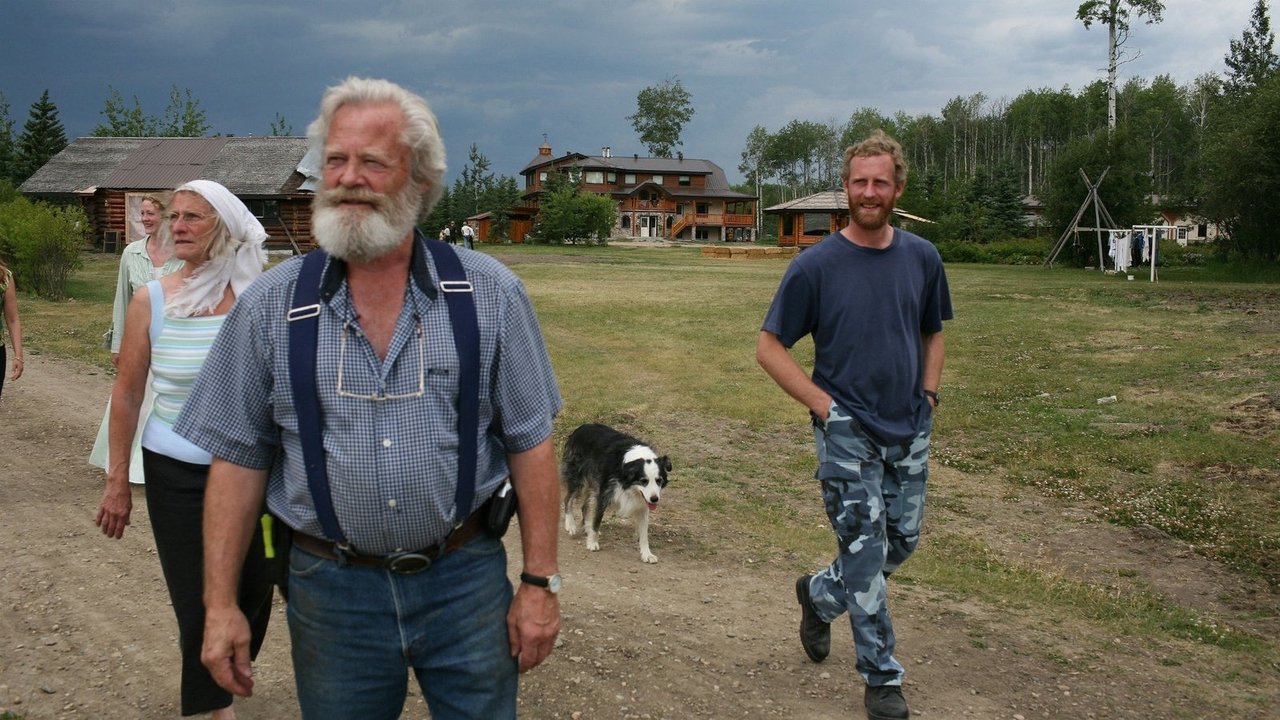
Wiebo Ludwig is the leader of a Christian group who brought his family to live in Alberta, Canada, 25 years ago in order live a life according to scripture. They built a small, self-sufficient community in a place that they did not realize was one of the largest undeveloped natural gas fields in North America. Unlike others who lived in the area, Wiebo and his family refused to sell their land and move, and now Wiebo is the prime suspect in a series of pipeline bombings and other acts of sabotage against the local oil industry.
Languages: English.
Countries:
Canada
ProductionCompanies: 
Media 52
Movie: Wiebo's War
Top 1 Billed Cast
Video Trailer Wiebo's War
All 1 videos

Wiebo's War - Official Trailer - Trailer
Similar Movies

76%
Cowspiracy: The Sustainability Secret(en)
2014-07-01
Follow the shocking, yet humorous, journey of an aspiring environmentalist, as he daringly seeks to find the real solution to the most pressing environmental issues and true path to sustainability.

0%
Poison City(en)
2003-03-09
Dzerzhinsk, a Russian city 240 miles east of Moscow, is considered the most chemically polluted town on Earth. Factories producing industrial chemicals (and in Soviet times, chemical weapons) employ a quarter of the 300,000 residents in a city where life expectancy has fallen to 42-47 years, the death rate is 2.6 times higher than the birth rate, and the men are close to impotence. Reporter Tim Samuels recorded a series of in-depth interviews with the inhabitants of Dzerzhinsk for the Correspondent strand, revealing what life is like for the beleaguered populace.

100%
The Sun Queen(en)
2023-04-04
Chemical engineer and inventor Maria Telkes worked for nearly 50 years to harness the power of the sun, designing and building the world's first successful solar-heated modern residence and identifying a new chemical that could store solar heat like a battery. Telkes was undercut and thwarted by her (male) boss and colleagues at MIT, but she persevered. Upon her death in 1995 Telkes held more than 20 patents, and now she is recognized as a visionary pioneer in the field of sustainable energy whose work continues to shape how we power our lives today.

0%
Decommissioning Fukushima: The Battle to Contain Radioactivity(en)
2014-01-01
TEPCO's Fukushima Daiichi Nuclear Power Plant is the site of one of history's worst nuclear disasters: the meltdown of three nuclear reactors. The decommissioning program in Japan learns from the Three Mile Island decommissioning in the US after the nuclear plant accident in 1976 in Pennsylvania.

20%
Guardian(en)
2019-08-06
Guardian chronicles the work of wildlife stewards amid sweeping legislative rollbacks of environmental protections in Canada. Part hermit, part biologist, Guardians live on boats, full-time, in one of the last pristine frontiers of the world to monitor salmon, the backbone of the ecosystem, economy, and culture along British Columbia's coast. But, in an age of science censorship and soaring resource extraction in the form of fracking for oil and natural gas, Guardians and the wildlife they have dedicated their lives to protect are now disappearing.

60%
Plan B(en)
2011-03-30
Narrated by Matt Damon, Plan B is a 90 minute documentary based on the book by environmental visionary Lester Brown. Shot on location around the world, the film's message is clear and unflinching -- either confront the realities of climate change or suffer the consequences of lost civilizations and failed states. Ultimately Plan B provides audiences with a glimpse into a new and emerging economy based upon renewable resources as well as strategies to avoid the growing threat of global warming. Appearing with Lester Brown are Nobel Laureate Paul Krugman, Pulitzer Prize winner Tom Friedman, former Governor and Secretary of the Interior Bruce Babbitt, along with other scholars and scientists. Locations include: China, Japan, South Korea, India, Italy, Turkey, Bangladesh, Zambia, Haiti, and the U.S.

71%
How to Change the World(en)
2014-12-12
In 1971, a group of friends sail into a nuclear test zone, and their protest captures the world's imagination. Using never before seen archive that brings their extraordinary world to life, How To Change The World is the story of the pioneers who founded Greenpeace and defined the modern green movement.

69%
Atomic Homefront(en)
2017-11-17
Revealing St. Louis, Missouri's atomic past as a uranium processing center for the atomic bomb and the governmental and corporate negligence that lead to the illegal dumping of Manhattan Project radioactive waste throughout North County neighborhoods.

80%
Tipping Point: The End of Oil(en)
2011-09-16
In an oil-scarce world, we know there are sacrifices to be made in the pursuit of energy. What no one expected was that a tiny Native community, living down the river from Canada's tar sands, would reach out to the world for help — and be heard.

0%
Amazonia Inc(en)
2019-01-01
This documentary explores an unknown civilization of the Brazilian Amazon, who risk their lives to protect their forest. In order to save the exploitation of the environment by big corporations, they have to create legal institutions.


70%
The Giants(en)
2023-04-20
A portrait of environmental folk hero & gay icon Bob Brown, who took green politics to the center of power. His story is interwoven with the life cycle of the ancient trees he's fighting for.

70%
A Cidade do Salvador (Petróleo Jorrou na Bahia)(pt)
1981-01-01
Documentary about power and class relations in the sociocultural context of Bahia, considering the history of oil extraction in the state.

68%
Psychohydrography(en)
2010-10-01
An analysis of the flow of water from mountain to aqueduct, city to sea. Shot at and around the Eastern Sierra Nevada, Owens Valley, Los Angeles Aqueduct, Los Angeles River and Pacific Ocean.

0%
Brave New River(fr)
2013-05-02
Brave New River (directed by Nicolas Renaud) is a feature documentary exploring the paradoxes of our control over nature, the meeting between two worlds and the dilemmas of those taking part in the transformation of the land.

0%
Heritage(az)
2018-12-21
Miras (Heritage) looks at the activities of the Nobel Brothers in the oil industry of Azerbaijan, one of the world’s oldest oil producers. After founding the first foreign company in the city of Baku at the end of the 19th century, the Nobel brothers name was glorified; yet few people know about the deep connection of the Nobel Prizes with Baku’s oil.

0%
Deep Time(en)
2015-03-14
Director Noah Hutton returns to the same landowners, state officials, and oil workers he captured at the beginning of the Bakken oil boom six years ago in his 2009 debut documentary feature Crude Independence. A new focus on the relationship of the indigenous peoples of North Dakota to their surging fossil wealth casts the ongoing boom in the context of paleo-cycles, climate change, and the dark ecology of the future.

55%
Topophilia(en)
2015-02-25
An exploration of built and natural environments along the 800-mile length of the Trans-Alaska Pipeline.

0%
One Word(en)
2020-05-31
A documentary about the impacts of climate change on the Republic of the Marshall Islands and its people. Most parts of the Marshall Islands are less than 5.9 feet above sea level. Forecasts predict the uninhabitability of the country by 2050.