Loading Page
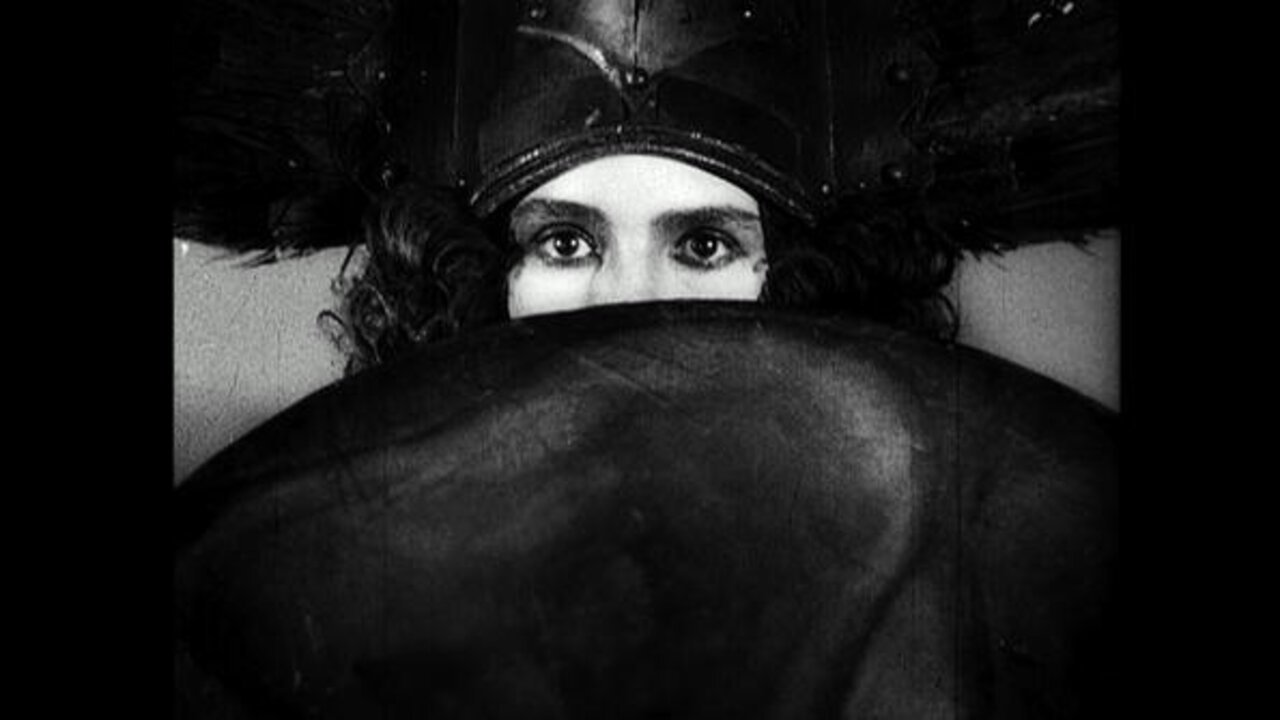

Auge in Auge - Eine deutsche Filmgeschichte(2008)
Status: Released
Date: 2008-07-03
63%
3 Votes
Time: 1h 46m
Overview:
This is not merely another film about cinema history; it is a film about the love of cinema, a journey of discovery through over a century of German film history. Ten people working in film today remember their favourite films of yesteryear.
Languages: German.
Countries:
Germany
ProductionCompanies:
Transit Film
Goethe-Institut
Movie: Auge in Auge - Eine deutsche Filmgeschichte
Top 10 Billed Cast
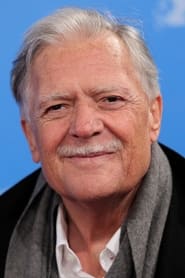
Michael Ballhaus
Self
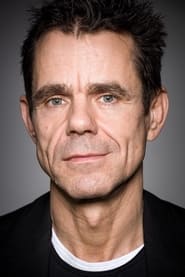
Tom Tykwer
Self

Doris Dörrie
Self

Andreas Dresen
Self

Dominik Graf
Self

Wolfgang Kohlhaase
Self

Caroline Link
Self

Christian Petzold
Self

Wim Wenders
Self

Hanns Zischler
Self
HomePage
Overview
This is not merely another film about cinema history; it is a film about the love of cinema, a journey of discovery through over a century of German film history. Ten people working in film today remember their favourite films of yesteryear.
Release Date
2008-07-03
Average
6.3
Rating:
3.1 startsTagline
Genres
Languages:
DeutschKeywords
Recommendations Movies
68%
Making Waves: The Art of Cinematic Sound(en)
2019-10-25
The history of cinematic sound, told by legendary sound designers and visionary filmmakers.
78%
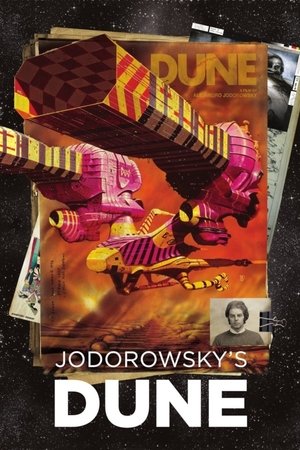
Jodorowsky's Dune(en)
2013-08-30
In 1974, Chilean-French director Alejandro Jodorowsky embarked on the quixotic project of adapting Frank Herbert's influential novel Dune (1969) for the big screen. After investing two years, and millions of dollars, the gigantic project ended in failure; but the artists Jodorowsky brought together to carry it out continued to work together, and ended up laying the foundations for modern science fiction cinema.
65%
Skin: A History of Nudity in the Movies(en)
2020-08-18
The definitive documentary on the history of nudity in feature films from the early silent days to the present, studying the changes in morality that led to the use of nudity in films while emphasizing the political, sociological and artistic changes that shaped that history. Skin will also study the gender inequality in presenting nude images in motion pictures and will follow the revolution that has created nude gender equality in feature films today.

65%
Heart of a Dog(en)
2015-10-21
Lyrical and powerfully personal essay film that reflects on the deaths of her husband Lou Reed, her mother, her beloved dog, and such diverse subjects as family memories, surveillance, and Buddhist teachings.
74%
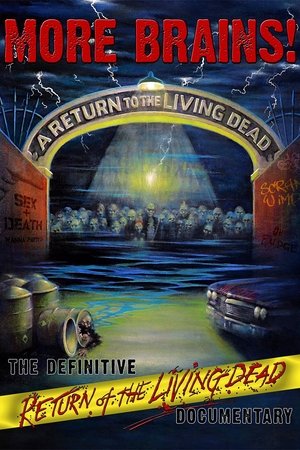
More Brains! A Return to the Living Dead(en)
2011-10-18
Retrospective documentary about the making of the horror cult classic "The Return of the Living Dead."
72%
Side by Side(en)
2012-08-19
Since the invention of cinema, the standard format for recording moving images has been film. Over the past two decades, a new form of digital filmmaking has emerged, creating a groundbreaking evolution in the medium. Keanu Reeves explores the development of cinema and the impact of digital filmmaking via in-depth interviews with Hollywood masters, such as James Cameron, David Fincher, David Lynch, Christopher Nolan, Martin Scorsese, George Lucas, Steven Soderbergh, and many more.
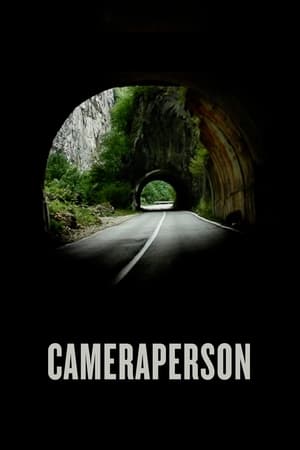
67%
Cameraperson(en)
2016-09-09
As a visually radical memoir, CAMERAPERSON draws on the remarkable footage that filmmaker Kirsten Johnson has shot and reframes it in ways that illuminate moments and situations that have personally affected her. What emerges is an elegant meditation on the relationship between truth and the camera frame, as Johnson transforms scenes that have been presented on Festival screens as one kind of truth into another kind of story—one about personal journey, craft, and direct human connection.
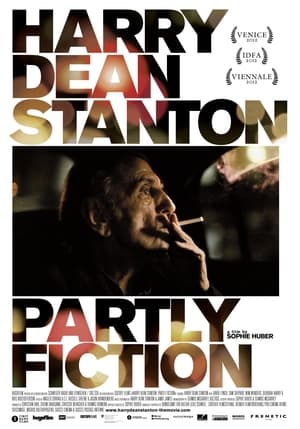
69%
Harry Dean Stanton: Partly Fiction(en)
2013-09-11
An impressionistic portrait of the iconic actor Harry Dean Stanton comprised of intimate moments, film clips from some of his 250 films and his renditions of American folk songs.

72%
Hitchcock/Truffaut(en)
2015-09-05
Filmmakers discuss the legacy of Alfred Hitchcock and the book “Hitchcock/Truffaut” (“Le cinéma selon Hitchcock”), written by François Truffaut and published in 1966.
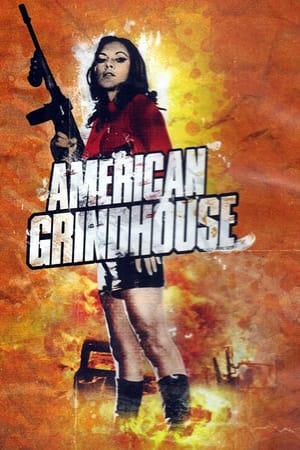
67%
American Grindhouse(en)
2011-02-04
This documentary explores the hidden history of the American Exploitation Film. The movie digs deep into this often overlooked category of U.S. cinema and unearths the shameless and occasionally shocking origins of this popular entertainment.
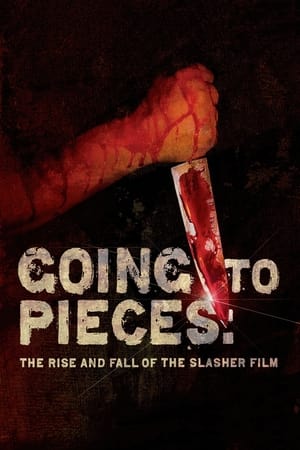
68%
Going to Pieces: The Rise and Fall of the Slasher Film(en)
2006-10-13
This historical and critical look at slasher films, which includes dozens of clips, begins with Halloween, Friday the 13th, and Prom Night. The films' directors, writers, producers, and special effects creators comment on the films' making and success. During the Reagan years, the films get gorier, budgets get smaller, and their appeal wanes. Then, Nightmare on Elm Street revives the genre. Jump to the late 90s, when Scream brings humor and TV stars into the mix.
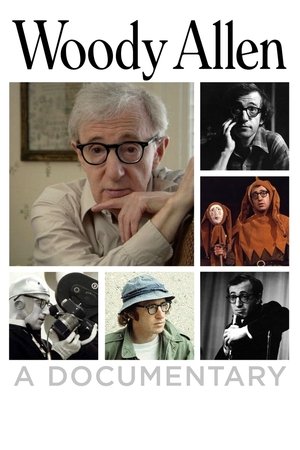
69%
Woody Allen: A Documentary(en)
2011-11-20
An intense portrait of the iconic filmmaker, writer, actor, comedian and musician Woody Allen: his life, family and friends; his writing and directing habits, and his relationship with performers.
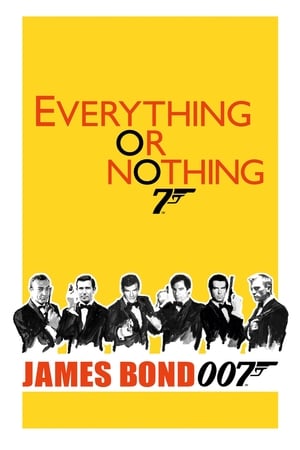
72%
Everything or Nothing(en)
2012-10-05
The story of three men with a shared dream: James Bond franchise producers Albert R. Broccoli and Harry Saltzman, and Bond creator and author Ian Fleming. It’s the thrilling and inspiring narrative behind the longest running film franchise in cinema history, which began in 1962.
76%
The Pixar Story(en)
2007-08-28
A look at the first years of Pixar Animation Studios - from the success of "Toy Story" and Pixar's promotion of talented people, to the building of its East Bay campus, the company's relationship with Disney, and its remarkable initial string of eight hits. The contributions of John Lasseter, Ed Catmull and Steve Jobs are profiled. The decline of two-dimensional animation is chronicled as three-dimensional animation rises. Hard work and creativity seem to share the screen in equal proportions.
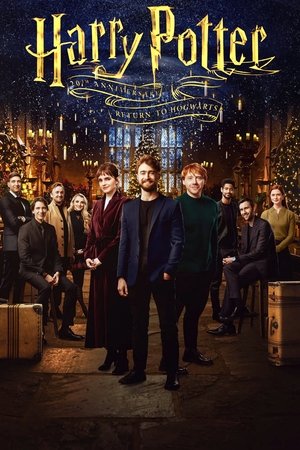
73%
Harry Potter 20th Anniversary: Return to Hogwarts(en)
2022-01-01
An enchanting making-of story told through all-new in-depth interviews and cast conversations, inviting fans on a magical first-person journey through one of the most beloved film franchises of all time.
78%
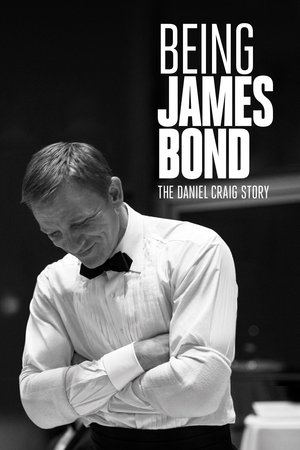
Being James Bond(en)
2021-08-29
Daniel Craig candidly reflects on his 15 year adventure as James Bond. Including never-before-seen archival footage from Casino Royale to the upcoming 25th film No Time To Die, Craig shares his personal memories in conversation with 007 producers, Michael G Wilson and Barbara Broccoli.
74%
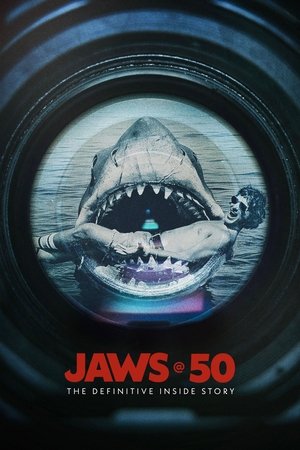
Jaws @ 50: The Definitive Inside Story(en)
2025-06-20
The authorized documentary celebrating the film that redefined Hollywood, 50 years after its premiere. Featuring rare archival footage and interviews with acclaimed Hollywood directors alongside Steven Spielberg, top shark scientists, and conservationists, the film uncovers the behind-the-scenes chaos and how the film launched the summer blockbuster, inspired a new wave of filmmakers, and paved the way for shark conservation that continues today.

74%
I Am Heath Ledger(en)
2017-04-23
The life and career of an actor, artist, and icon. His own journey through his own camera.

73%
Maria by Callas(en)
2017-12-13
Told through performances, TV interviews, home movies, family photographs, private letters and unpublished memoirs, the film reveals the essence of an extraordinary woman who rose from humble beginnings in New York City to become a glamorous international superstar and one of the greatest artists of all time.
68%
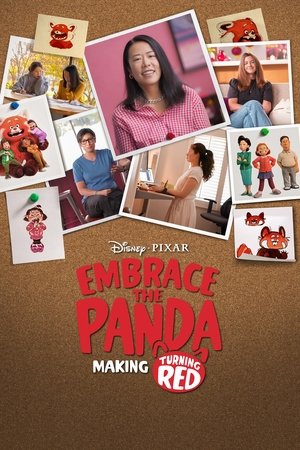
Embrace the Panda: Making Turning Red(en)
2022-03-11
A feature length documentary about the all-women team at the helm of Pixar's original feature, Turning Red. With unprecedented behind-the-scenes access to Director Domee Shi and her core leadership crew, this story shines a light on the powerful professional and personal journeys that brought this incredibly comical, utterly relatable, and deeply heartfelt story to the screen.
Similar Movies

64%
Decasia: The State of Decay(en)
2002-01-24
A meditation on the human quest to transcend physicality, constructed from decaying archival footage and set to an original symphonic score.
0%
Blade of a Father, Soul of a Sword(ja)
2005-01-01
A documentary about the making of the Lone Wolf and Cub film series.
67%
Robert Redford: The Golden Look(fr)
2019-07-28
More than anyone in the cynical film industry, legendary artist Robert Redford embodies the United States' brightest side: perseverance, independence, idealism, and integrity. A champion of active environmentalism and the right to openly criticize any institutional abuse, he has put his artistic work at the service of his political commitments, whether as an actor, director, producer, or founder of the Sundance Festival, a formidable forum for his struggles since 1985.
40%
Homage to Satoshi Kon with Masao Maruyama(ca)
2021-02-27
Japanese Masao Maruyama, co-founder of the Madhouse studio and producer of the cult films Perfect Blue and Tokyo Godfathers talks about the fantastic universe of mangaka and filmmaker Satoshi Kon (1963-2010), one of the most brilliant and fascinating authors of world animation, ten years after his death.
64%
The Memory of Cinema: A Film About Fernando Méndez-Leite(es)
2023-11-10
A look at the life and work of Spanish filmmaker and film critic Fernando Méndez-Leite, as he writes his memoirs and a novel with autobiographical resonances.
67%
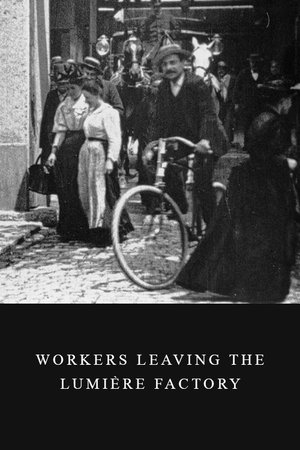
Workers Leaving the Lumière Factory(fr)
1895-03-22
Working men and women leave through the main gate of the Lumière factory in Lyon, France. Filmed on 22 March 1895, it is often referred to as the first real motion picture ever made, although Louis Le Prince's 1888 Roundhay Garden Scene pre-dated it by seven years. Three separate versions of this film exist, which differ from one another in numerous ways. The first version features a carriage drawn by one horse, while in the second version the carriage is drawn by two horses, and there is no carriage at all in the third version. The clothing style is also different between the three versions, demonstrating the different seasons in which each was filmed. This film was made in the 35 mm format with an aspect ratio of 1.33:1, and at a speed of 16 frames per second. At that rate, the 17 meters of film length provided a duration of 46 seconds, holding a total of 800 frames.
60%
Vivement Truffaut(fr)
1985-07-12
A tribute to the late, great French director Francois Truffaut, this documentary was undoubtedly named after his last movie, Vivement Dimanche!, released in 1983. Included in this overview of Truffaut's contribution to filmmaking are clips from 14 of his movies arranged according to the themes he favored. These include childhood, literature, the cinema itself, romance, marriage, and death.
65%
Monsieur Truffaut Meets Mr. Hitchcock(en)
1999-08-05
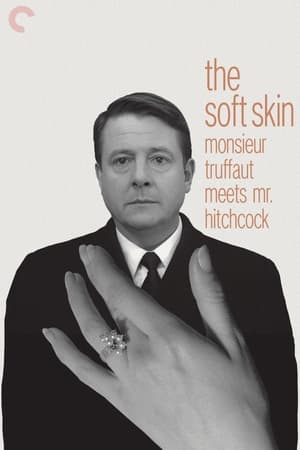
When Francois Truffaut approached Alfred Hitchcock in 1962 with the idea of having a long conversation with him about his work and publishing this in book form, he didn't imagine that more than four years would pass before Le Cinéma selon Hitchcock finally appeared in 1966. Not only in France but all over the world, Truffaut's Hitchcock interview developed over the years into a standard bible of film literature. In 1983, three years after Hitchcock's death, Truffaut decided to expand his by now legendary book to include a concluding chapter and have it published as the "Edition définitive". This film describes the genesis of the "Hitchbook" and throws light on the strange friendship between two completely different men. The centrepieces are the extracts from the original sound recordings of the interview with the voices of Alfred Hitchcock, Francois Truffaut, and Helen Scott – recordings which have never been heard in public before.
60%
Clawing! A Journey Through the Spanish Horror(es)
2014-06-20
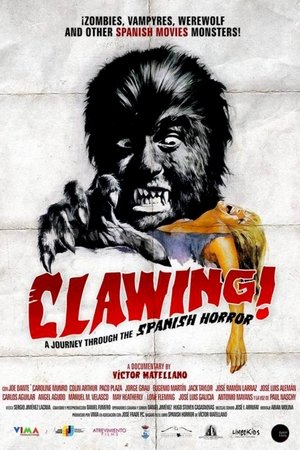
In the late sixties, Spanish cinema began to produce a huge amount of horror genre films: international markets were opened, the production was continuous, a small star-system was created, as well as a solid group of specialized directors. Although foreign trends were imitated, Spanish horror offered a particular approach to sex, blood and violence. It was an extremely unusual artistic movement in Franco's Spain.
72%
La La La(fr)
2018-11-25
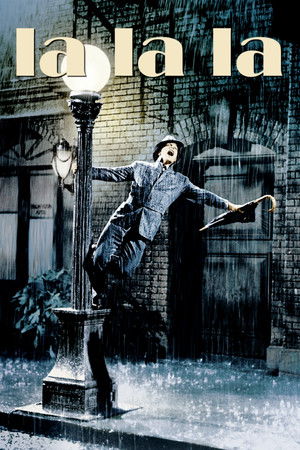
When the silent cinema learned to speak, the audience was surprised not only by the voices of the actors and the sound effects, but also by a new element, the music, which, combined with the dance and an unprejudiced imagination, gave rise to a new genre, as important to Hollywood cinema as the western was: the musical. A journey through the history of this genre, from its beginnings to the present day.
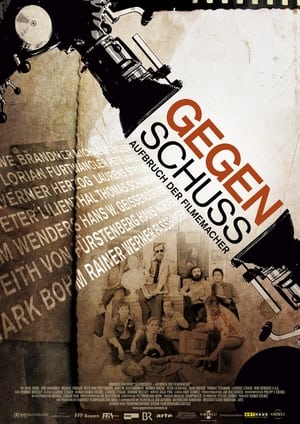
67%
Counter Shot: Departure of the Filmmakers(de)
2008-02-14
Documentary about filmmakers of the New German Cinema who were members of the legendary Filmverlag für Autoren (Film Publishing House for Authors). Among them are Werner Herzog, Rainer Werner Fassbinder, and Wim Wenders.
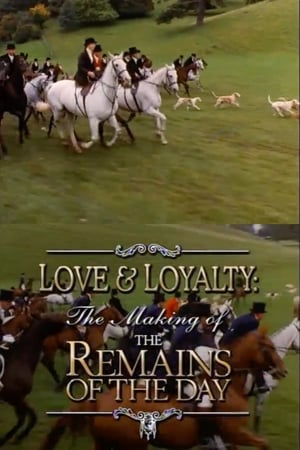
60%
Love & Loyalty: The Making of 'The Remains of the Day'(en)
2001-10-22
The filmmakers and lead actors of The Remains of the Day (1993) discuss how they came to make the film, and the subtle power of its execution.
67%
Caligari: When Horror Came to Cinema(de)
2014-02-12
On February 26, 1920, Robert Wiene's world-famous film The Cabinet of Dr. Caligari premiered at the Marmorhaus in Berlin. To this day, it is considered a manifesto of German expressionism; a legend of cinema and a key work to understand the nature of the Weimar Republic and the constant political turmoil in which a divided society lived after the end of the First World War.
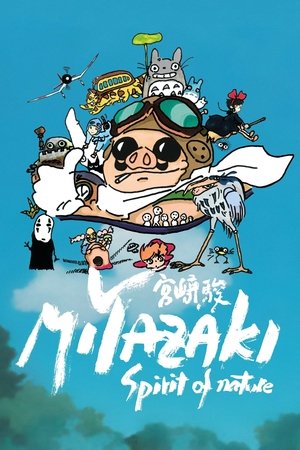
80%
Miyazaki, Spirit of Nature(fr)
2025-05-09
A documentary that focuses on Hayao Miyazaki’s deep connection to nature and the environmental themes expressed through his films.
77%
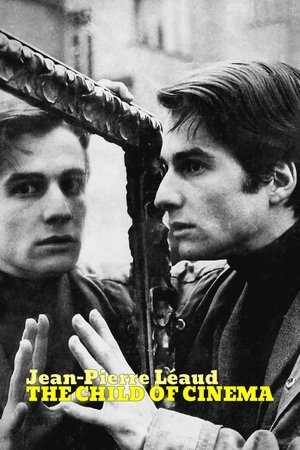
Jean-Pierre Léaud: The Child of Cinema(fr)
2024-09-04
A portrait of the legendary actor Jean-Pierre Léaud, icon of the French New Wave and closely linked to the work of François Truffaut and Jean-Luc Goddard.
60%
The Dinosaur and the Baby(fr)
1967-03-15
An hour-long discussion between Fritz Lang and Jean-Luc Godard in which they discuss a variety of art forms, the role of the cinema, their collaboration together, and much more. (Filmed in 1964 but released for TV in 1967.)
72%
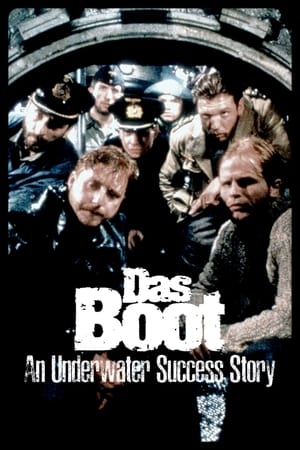
Das Boot Revisited: An Underwater Success Story(de)
2021-01-10
In 1981, a film about the misadventures of a German U-boat crew in 1941 becomes a worldwide hit almost four decades after the end of the World War II. Millions of viewers worldwide make Das Boot the most internationally successful German film of all time. But due to disputes over the script, accidents on the set, and voices accusing the makers of glorifying the war, the project was many times on the verge of being cancelled.
72%
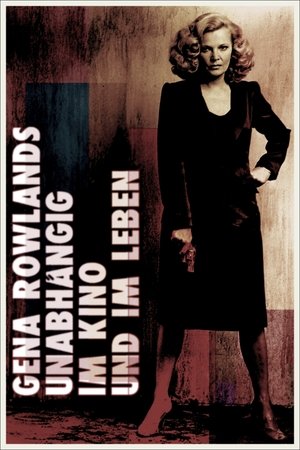
Gena Rowlands: A Life on Film(de)
2019-06-05
An intimate portrait of the superb actress Gena Rowlands, icon of independent cinema. Together with her husband, legendary director John Cassavetes (1929-89), she lived an unusual life beyond the dream factory, a life in which reality and fiction were so perfectly intertwined that it made possible films that still today seem incredibly real.