Loading Page


The Germany of Today(1967)
Status: Released
Date: 1967-01-01
0%
0 Votes
Time: 0h 15m
Overview:
This film surveys the history of Germany's political systems from Charlemagne to modern times, looking at the regional differences that were the inheritance of the independent states of the 18th century and considering the 19th-century wars of unification, World War I, and Nazism.
Languages:
Countries:
United States of America
ProductionCompanies:
International Film Bureau
Movie: The Germany of Today
Top 1 Billed Cast
HomePage
Overview
This film surveys the history of Germany's political systems from Charlemagne to modern times, looking at the regional differences that were the inheritance of the independent states of the 18th century and considering the 19th-century wars of unification, World War I, and Nazism.
Release Date
1967-01-01
Average
0
Rating:
0.0 startsTagline
Genres
Languages:
Keywords
Recommendations Movies
65%
Capital in the Twenty-First Century(en)
2019-09-12
Film adaptation of French economist Thomas Piketty's ground-breaking global bestseller of the same name: an eye-opening journey through wealth and power.
65%
Heart of a Dog(en)
2015-10-21
Lyrical and powerfully personal essay film that reflects on the deaths of her husband Lou Reed, her mother, her beloved dog, and such diverse subjects as family memories, surveillance, and Buddhist teachings.

65%
Downloaded(en)
2013-06-20
A documentary that explores the downloading revolution; the kids that created it, the bands and the businesses that were affected by it, and its impact on the world at large.
74%
I Am Heath Ledger(en)
2017-04-23
The life and career of an actor, artist, and icon. His own journey through his own camera.
69%
Wormwood(en)
2017-10-22
In this genre-bending tale, Errol Morris explores the mysterious death of a U.S. scientist entangled in a secret Cold War program known as MK-Ultra.

61%
Naqoyqatsi(en)
2002-09-02
A visual montage portrait of our contemporary world dominated by globalized technology and violence.
78%
Being James Bond(en)
2021-08-29
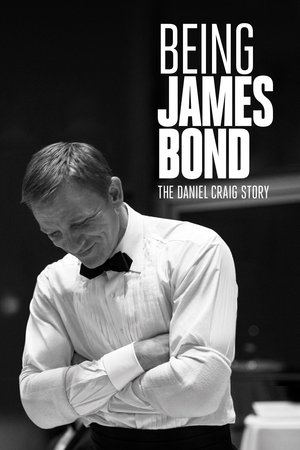
Daniel Craig candidly reflects on his 15 year adventure as James Bond. Including never-before-seen archival footage from Casino Royale to the upcoming 25th film No Time To Die, Craig shares his personal memories in conversation with 007 producers, Michael G Wilson and Barbara Broccoli.

68%
Spider-Man: All Roads Lead to No Way Home(en)
2022-05-03
JB Smoove and Martin Starr host a celebration of 20 years of "Spider-Man" movies, from the Sam Raimi trilogy to Marc Webb's movies and the trio from Jon Watts.

80%
My Mom Jayne(en)
2025-06-20
Through deeply personal interviews with her siblings and an examination of the photographs, letters, and belongings left behind, Mariska assembles a new portrait of her mother Jayne Mansfield, an extraordinary and complex woman.

74%
Above Majestic(en)
2018-10-30
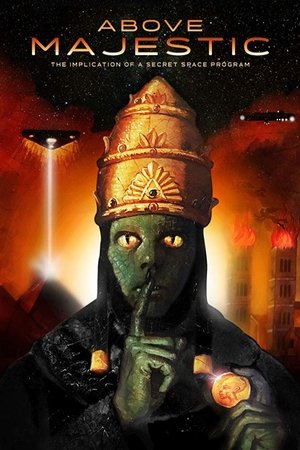
A look at the origins, history and conspiracies behind the "Majestic 12", a clandestine group of military and corporate figureheads charged with reverse-engineering extraterrestrial technology.
68%
Looking for Richard(en)
1996-10-11
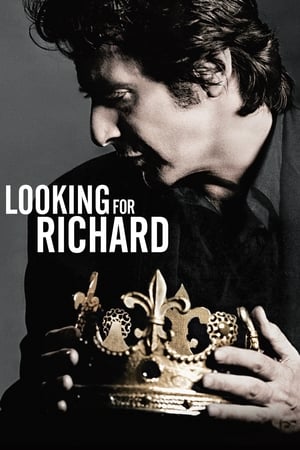
Al Pacino's deeply-felt rumination on Shakespeare's significance and relevance to the modern world through interviews and an in-depth analysis of "Richard III."

72%
Hitchcock/Truffaut(en)
2015-09-05
Filmmakers discuss the legacy of Alfred Hitchcock and the book “Hitchcock/Truffaut” (“Le cinéma selon Hitchcock”), written by François Truffaut and published in 1966.
76%
Hawking(en)
2013-03-11
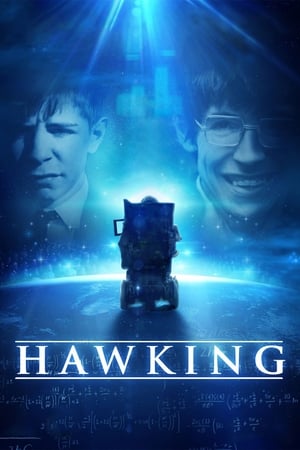
The extraordinary story of the planet’s most famous contemporary scientist, told in his own words and by those closest to him. Made with unique access to Hawking’s private life, this is an intimate and moving journey into Stephen's world, both past and present.

74%
For the Love of Spock(en)
2016-09-09
The life of Mr. Spock, as well as that of Leonard Nimoy, the actor who played him for almost fifty years, written and directed by his son: Adam.
60%
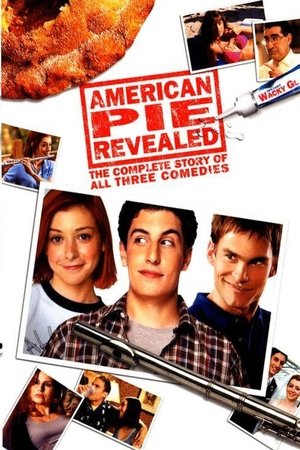
American Pie: Revealed(en)
2004-01-02
Documentary about the making of American Pie (1999), American Pie 2 (2001) and American Wedding (2003).
59%
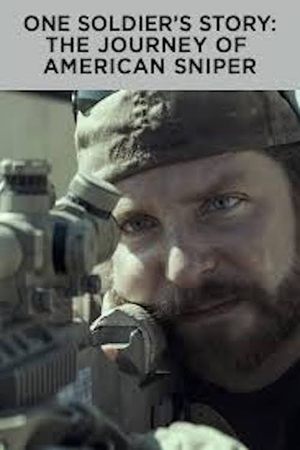
One Soldier's Story: The Journey of American Sniper(en)
2015-05-19
Join director Clint Eastwood and his creative team, along with Bradley Cooper and Sienna Miller, as they overcome enormous creative and logistic obstacles to make a film that brings the truth of Navy SEAL Chris Kyle's story to the screen.

66%
Love, Marilyn(en)
2013-05-30
Using the book 'Fragments', which collects Marilyn Monroe's poems, notes and letters, and with participation from the Arthur Miller and Truman Capote estates who have contributed more material, each of the actresses will embody the legend at various stages in her life.

67%
The U.S. vs. John Lennon(en)
2006-09-15
A documentary on the life of John Lennon, with a focus on the time in his life when he transformed from a musician into an antiwar activist.
74%
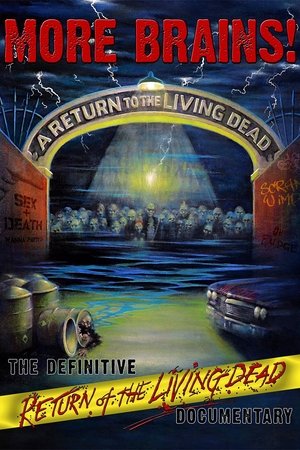
More Brains! A Return to the Living Dead(en)
2011-10-18
Retrospective documentary about the making of the horror cult classic "The Return of the Living Dead."
Similar Movies
67%
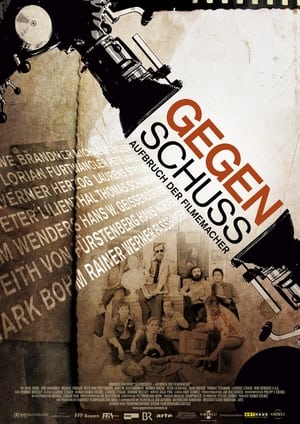
Counter Shot: Departure of the Filmmakers(de)
2008-02-14
Documentary about filmmakers of the New German Cinema who were members of the legendary Filmverlag für Autoren (Film Publishing House for Authors). Among them are Werner Herzog, Rainer Werner Fassbinder, and Wim Wenders.

80%
White Man with Black Bread(de)
2007-01-13
Christof Wackernagel, best known in Germany as an actor and former member of the Red Army Faction ("RAF") lives in Mali. In his compelling portrait, Jonas Grosch shows a man who simply cannot stand still if he senses injustice. The courage to stand up for one’s beliefs coupled with vanity? However one chooses to look at it, it is easy to imagine what made him connect with the "RAF". With his irrepressible will for freedom, Christof Wackernagel gets entangled in the horrors of day-to-day life in Africa.
0%
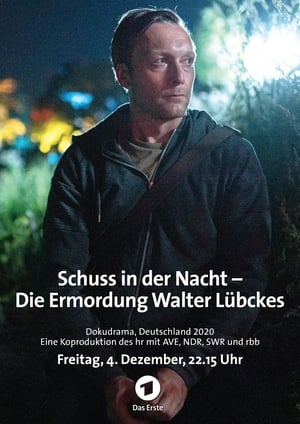
Schuss in der Nacht - Die Ermordung Walter Lübckes(de)
2020-12-04
On June 1st, 2019, around 11:30pm, the shoot which represents a turning point in the federal republic falls. In the hessian small town Wolfhagen-Istha, the district president of Kassel, Walter Lübcke, is murdered during this night, while, just a few meters away, the annual carnival is putting the locals into a festive mood. It is DNA-evidence on the clothes of Walter Lübcke which leads the investigators on June 15th, 2019, to his presumptive murderer: Stephan Ernst. The previously convicted right-wing extremist Ernst gets arrested by a SEK unit in Kassel. A first background check reveals: Stephan Ernst was known to the security authorities, but they did not have him on their radar for six years. Now he is back. And a person is dead. The docu-drama “Schuss in der Nacht” („Shoot in the dark“) tells emotionally, and simultaneously factually, how the deadly attack on Lübcke came to be. It tells about the first far-right motivated murder of a politician since the era of national socialism.
62%
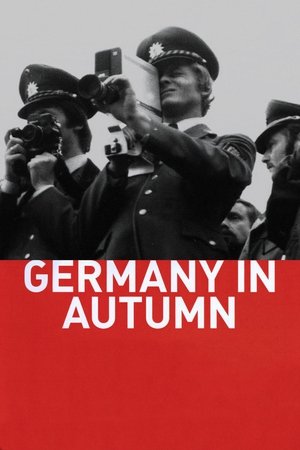
Germany in Autumn(de)
1978-03-03
Nine fictitious documentaries and films reflect the mood of late 1970s Germany, particularly the two-month period in 1977 when a businessman was kidnapped by the RAF (Red Army Faction). The kidnap had been made to orchestrate the release of the original leaders of the RAF, aka the Baader-Meinhof.

0%
Into the Forest: Reptiles & Amphibians(en)
2019-01-01
This visually stunning nature documentary explores a mystical European forest to meet animals like Badger, Red Deer, Wild Boar, and especially the Reptiles & Amphibians. Bryan Maltais journeys for 90 consecutive days into this forest from winter to summer to chronicle nature's most secretive events.
0%
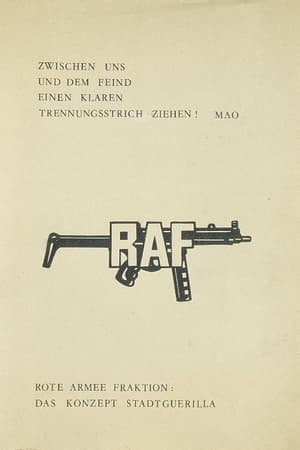
The RAF: The Red Army Fraction(de)
2007-03-25
From the inner workings of the RAF. Former RAF-member Peter-Jürgen Boock reveal the many secrets and myths about the Baader-Meinhof gang a.k.a. RAF - Rote Armee Fraktion.

68%
Germany: A Summer's Fairytale(de)
2006-10-03
A documentary of the German national soccer team’s 2006 World Cup experience that changed the face of modern Germany.
83%
Night and Fog(fr)
1956-01-29
Filmmaker Alain Resnais documents the atrocities behind the walls of Hitler's concentration camps.
40%
Liberators Take Liberties(de)
1992-02-22
Helke Sander interviews multiple German women who were raped in Berlin by Soviet soldiers in May 1945. Most women never spoke of their experience to anyone, due largely to the shame attached to rape in German culture at that time.
60%
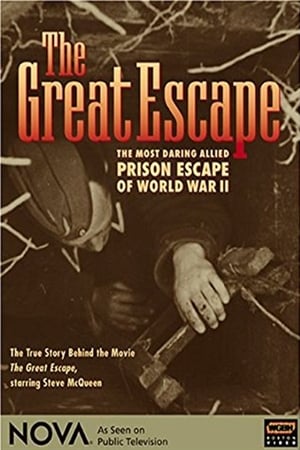
Great Escape(en)
2004-11-16
The real Great Escape didn't feature Steve McQueen racing through the Third Reich on a motorcycle like in the 1963 movie, but the big breakout was still thrilling in every way. This program sheds new light on the audacious escape of 76 Allied airmen from a Nazi POW camp during World War II.
100%
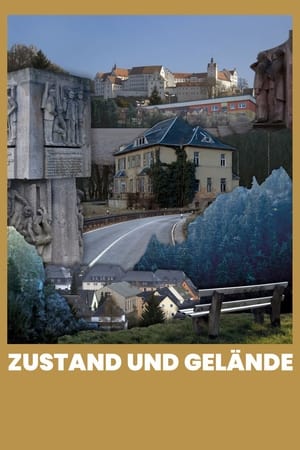
Status and Terrain(de)
2019-07-13
Exploring the mechanisms of the Nazi seizure of power and focusing on forgotten sites in Saxony and Thuringia, the film investigates early "wild" concentration camps established after 1933 for the suppression of political opponents.
65%
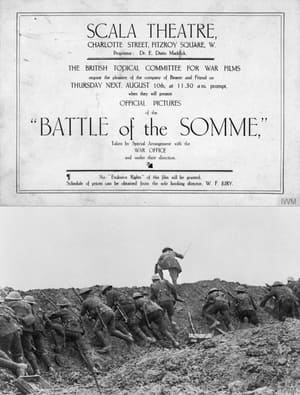
The Battle of the Somme(en)
1916-08-21
A documentary and propaganda film which shows the British Army's preparations for, and the early stages of, the battle of the Somme.

66%
Paragraph 175(de)
2000-01-22
During the Nazi regime, there was widespread persecution of homosexual men, which started in 1871 with the Paragraph 175 of the German Penal Code. Thousands were murdered in concentration camps. This powerful and disturbing documentary, narrated by Rupert Everett, presents for the first time the largely untold testimonies of some of those who survived.
0%
Breath of Freedom(en)
2014-02-17
In World War II. African-American GIs liberate Germany from Nazi rule while racism prevailed in their own army and home country. Returning home they continue fighting for their own rights in the civil rights movement.
60%
The Pity of War(en)
2014-02-28
Professor Niall Ferguson argues that Britain's decision to enter the First World War was a catastrophic error that unleashed an era of totalitarianism and genocide.
80%
The Nuremberg Trials(en)
2006-01-30
One journalist described it as a chance "to see justice catch up with evil." On November 20, 1945, the twenty-two surviving representatives of the Nazi elite stood before an international military tribunal at the Palace of Justice in Nuremberg, Germany; they were charged with the systematic murder of millions of people. The ensuing trial pitted U.S. chief prosecutor and Supreme Court judge Robert Jackson against Hermann Göring, the former head of the Nazi air force, whom Adolf Hitler had once named to be his successor. Jackson hoped that the trial would make a statement that crimes against humanity would never again go unpunished. Proving the guilt of the defendants, however, was more difficult than Jackson anticipated. This American Experience production draws upon rare archival material and eyewitness accounts to recreate the dramatic tribunal that defines trial procedure for state criminals to this day.