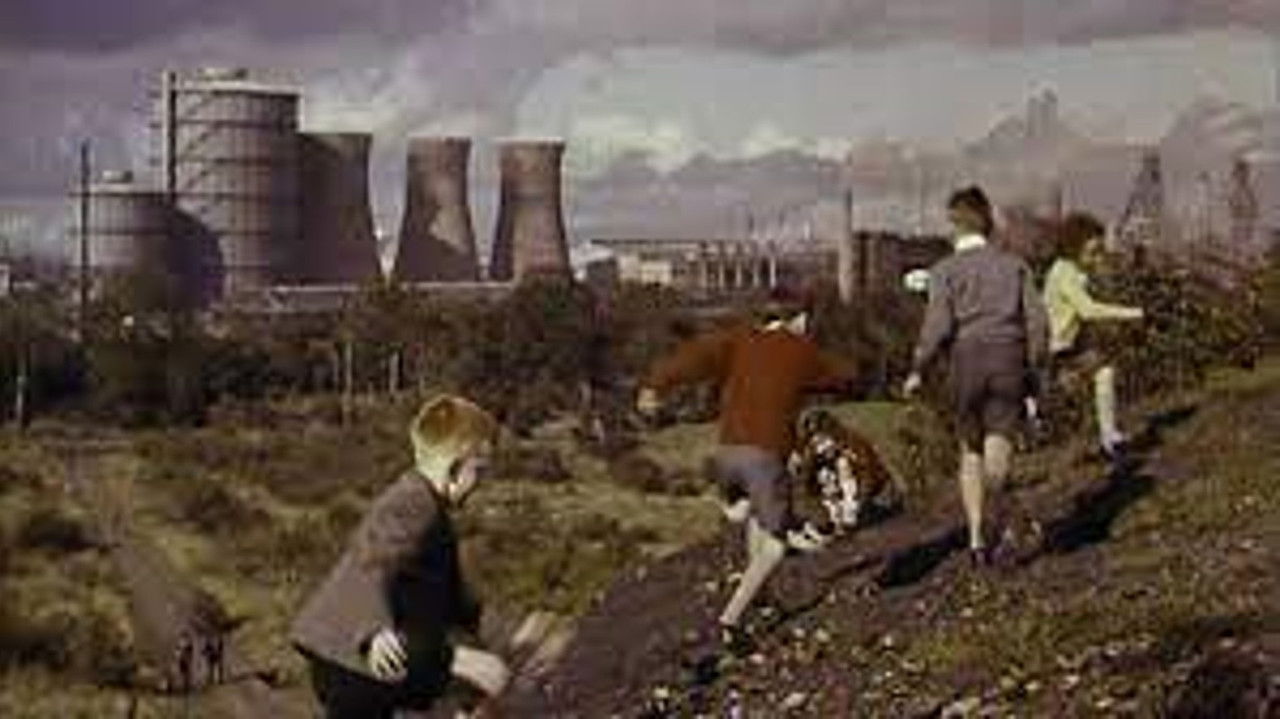
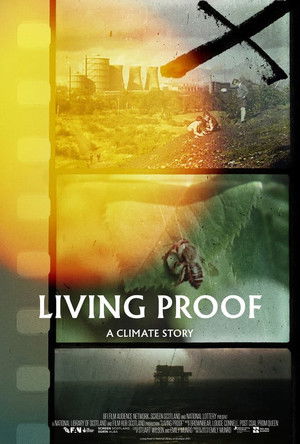
Living Proof: A Climate Story(2021)
The film reveals Scotland's post-war history as seen through the lens of current debate, inviting audiences on a journey to revisit the promises of the past and consider how they relate to our future on this planet. Was climate change inevitable? Can we break free from a boom-and-bust mentality?

Movie: Living Proof: A Climate Story
Video Trailer Living Proof: A Climate Story
All 1 videos
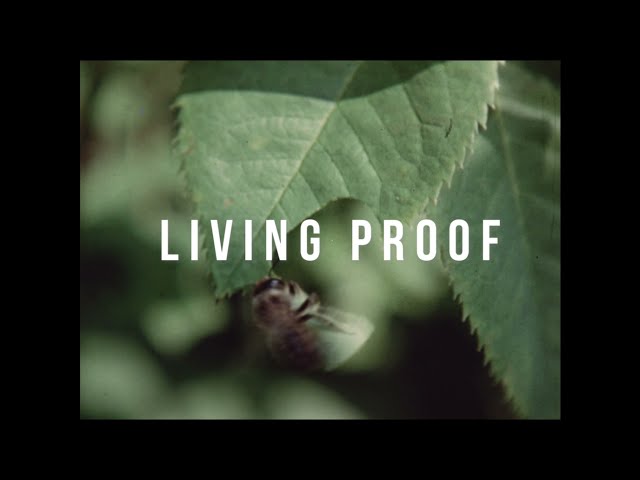
Living Proof - coming soon - Trailer
Recommendations Movies
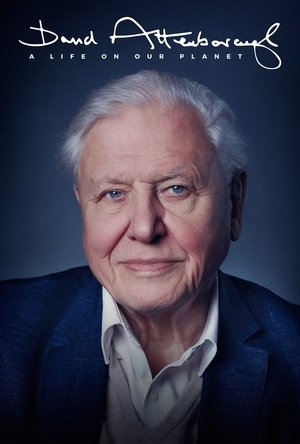
David Attenborough: A Life on Our Planet(en)
The story of life on our planet by the man who has seen more of the natural world than any other. In more than 90 years, Attenborough has visited every continent on the globe, exploring the wild places of our planet and documenting the living world in all its variety and wonder. Addressing the biggest challenges facing life on our planet, the film offers a powerful message of hope for future generations.

Naqoyqatsi(en)
A visual montage portrait of our contemporary world dominated by globalized technology and violence.
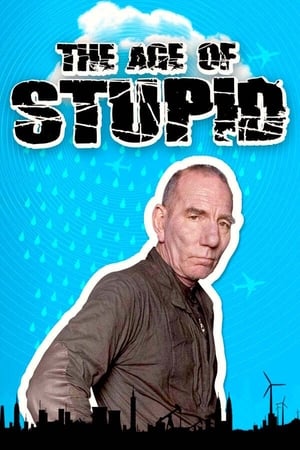
The Age of Stupid(en)
Pete Postlethwaite stars as a man living alone in the devastated future world of 2055, looking at old footage from 2008 and asking: why didn’t we stop climate change when we had the chance?
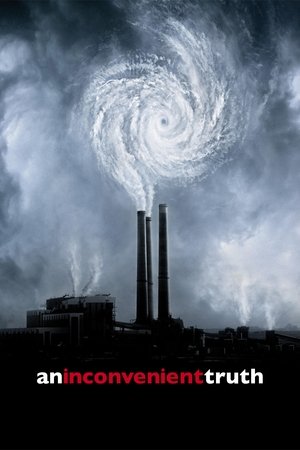
An Inconvenient Truth(en)
A documentary on Al Gore's campaign to make the issue of global warming a recognized problem worldwide.


Downloaded(en)
A documentary that explores the downloading revolution; the kids that created it, the bands and the businesses that were affected by it, and its impact on the world at large.
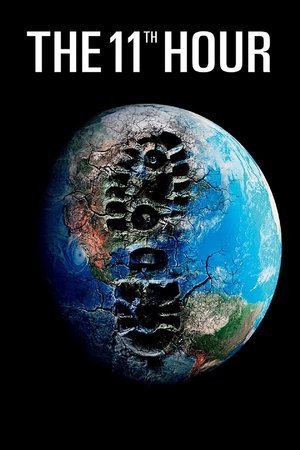
The 11th Hour(en)
A look at the state of the global environment including visionary and practical solutions for restoring the planet's ecosystems. Featuring ongoing dialogues of experts from all over the world, including former Soviet Prime Minister Mikhail Gorbachev, renowned scientist Stephen Hawking, former head of the CIA R. James Woolse
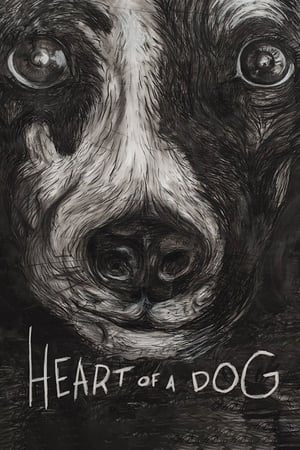
Heart of a Dog(en)
Lyrical and powerfully personal essay film that reflects on the deaths of her husband Lou Reed, her mother, her beloved dog, and such diverse subjects as family memories, surveillance, and Buddhist teachings.

Night Will Fall(en)
When Allied forces liberated the Nazi concentration camps in 1944-45, their terrible discoveries were recorded by army and newsreel cameramen, revealing for the first time the full horror of what had happened. Making use of British, Soviet and American footage, the Ministry of Information’s Sidney Bernstein (later founder of Granada Television) aimed to create a documentary that would provide lasting, undeniable evidence of the Nazis’ unspeakable crimes. He commissioned a wealth of British talent, including editor Stewart McAllister, writer and future cabinet minister Richard Crossman – and, as treatment advisor, his friend Alfred Hitchcock. Yet, despite initial support from the British and US Governments, the film was shelved, and only now, 70 years on, has it been restored and completed by Imperial War Museums under its original title "German Concentration Camps Factual Survey".
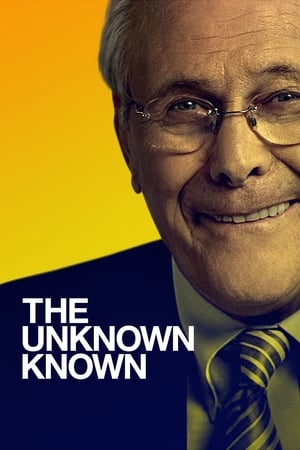
The Unknown Known(en)
Former United States Secretary of Defense, Donald Rumsfeld, discusses his career in Washington D.C. from his days as a congressman in the early 1960s to planning the invasion of Iraq in 2003.

The U.S. vs. John Lennon(en)
A documentary on the life of John Lennon, with a focus on the time in his life when he transformed from a musician into an antiwar activist.

Anna Nicole Smith: You Don't Know Me(en)
From the heights of her modeling fame to her tragic death, this documentary reveals Anna Nicole Smith through the eyes of the people closest to her.
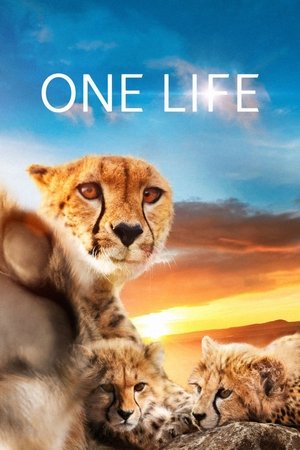
One Life(en)
One Life captures unprecedented and beautiful sequences of animal behaviour guaranteed to bring you closer to nature than ever before, as well as a second disc packed full of never before seen extras including an exclusive making of featurette narrated by Daniel Craig.
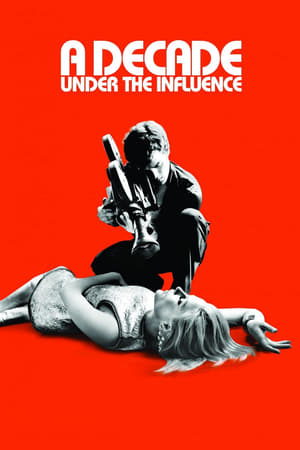
A Decade Under the Influence(en)
A documentary examining the decade of the 1970s as a turning point in American cinema. Some of today's best filmmakers interview the influential directors of that time.
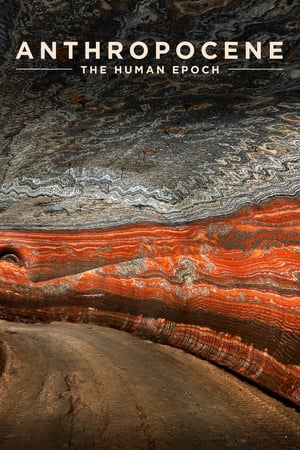
Anthropocene: The Human Epoch(en)
Documentary on psychedelic potash mines, expansive concrete seawalls, mammoth industrial machines, and other examples of humanity’s massive, destructive reengineering of the planet.
Powaqqatsi(en)
An exploration of technologically developing nations and the effect the transition to Western-style modernization has had on them.
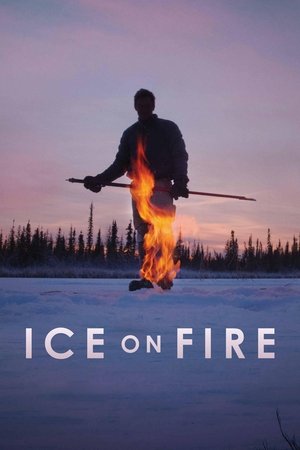
Ice on Fire(en)
An eye-opening documentary that asks the question: Are we going to let climate change destroy civilization, or will we act on technologies that can reverse it? Featuring never-before-seen solutions on the many ways we can reduce carbon in the atmosphere thus paving the way for temperatures to go down, saving civilization.
As I Was Moving Ahead, Occasionally I Saw Brief Glimpses of Beauty(en)
A compilation of over 30 years of private home movie footage shot by Lithuanian-American avant-garde director Jonas Mekas, assembled by Mekas "purely by chance", without concern for chronological order.
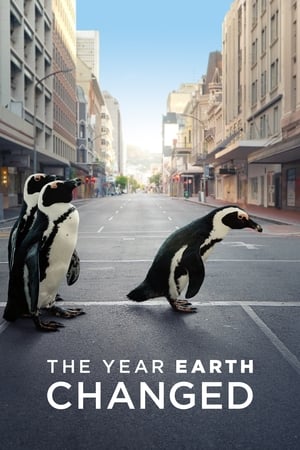
The Year Earth Changed(en)
Never-before-seen footage shows how our living in lockdown opened the door for nature to bounce back and thrive. Across the seas, skies, and lands, Earth found its rhythm when we came to a stop.
Similar Movies
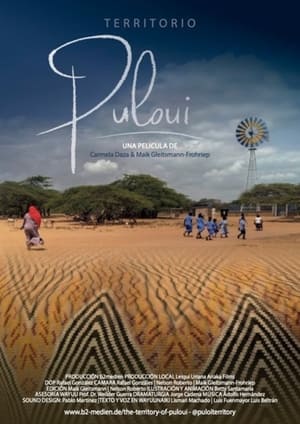
The Territory of Puloui(es)
“Territorio Puloui” is a documentary that explores the relationship between the indigenous Wayuu community and water. It tells the journey of Carmela, who visits the La Guajira peninsula for the first time, her father's home region and ancestral territory of the Wayuu people. Carmela listens to the voices of indigenous leaders and sheds light on the environmental impact of coal mining in the region. At the same time, she discovers the strategies used by the women of the community to survive the lack of water. The documentary immerses us in the Wayuu cosmogony through their myths, legends and beliefs, depicted in a series of animations that explore their dream universe.

Knockhatch Animal Conservation: A Short Documentary(en)
A short documentary where we learn about the endangered lemurs, owls and otters from the Knockhatch Conservation staff.
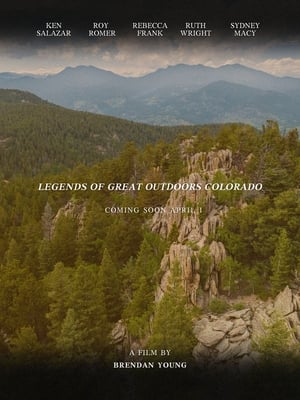
Legends of Great Outdoors Colorado(en)
The short documentary Legends of Great Outdoors Colorado celebrates the visionaries who put Great Outdoors Colorado (GOCO) into motion three decades ago, creating a unique-in-the-nation resource and an enduring legacy of protecting and enhancing Colorado’s wildlife, parks, rivers, trails, and open spaces. In-depth conversations with legendary Coloradans, including GOCO co-founders Roy Romer and Ken Salazar, tell the origin story, and how the mission is possible thanks to passionate partners across the state, the people of Colorado, and GOCO's funding source, the Colorado Lottery. A combination of intimate interviews, archival footage, present-day scenes, and 8-mm film pays homage to Colorado’s outdoor heritage and GOCO’s continued commitment to conservation and recreation.
An Inconvenient Truth(en)
A documentary on Al Gore's campaign to make the issue of global warming a recognized problem worldwide.
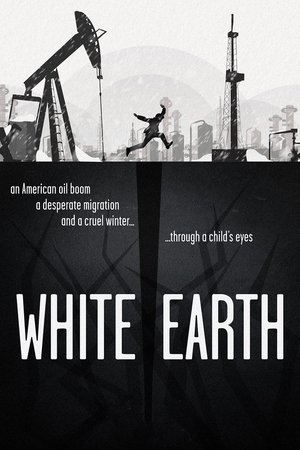
White Earth(en)
An oil boom has drawn thousands to America’s Northern Plains in search of work. Against the backdrop of a cruel North Dakota winter, the stories of three children and an immigrant mother intertwine among themes of innocence, home, and the American Dream.

Axolotl(es)
Through a choral diversity of testimonies, the documentary explores the myth of the axolotl, transporting us from the story of a chinampero whose lifestyle reflects the environmental decay of Mexico City, to the efforts of a group of scientists racing against the consequences of the extinction of our symbols and ecological heritage.
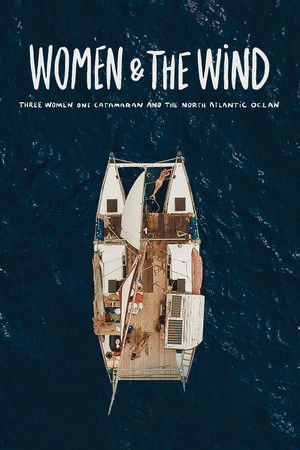
Women & the Wind(en)
Shot over the course of 30 days at sea, filmmaker Alizé Jireh documents the group’s voyage across the North Atlantic—from moments of stillness and calm to the chaos of storms and setbacks. With an observational approach and an eye for the emotional and physical rhythms of life at sea, Jireh captures not just the external landscape, but the internal shifts that come with navigating the vast unknown.
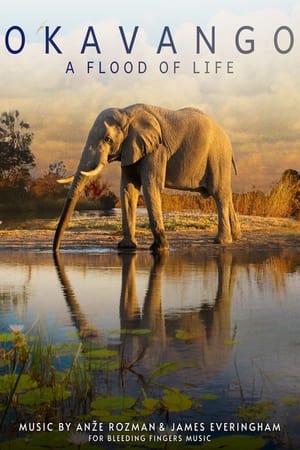
Okavango: A Flood of Life(en)
A great flood arrives in a desert kingdom, transforming a dustbowl into a vast and lush wetland, in one of the most diverse habitats on earth. This breath-taking blue-chip natural history film is a journey through Okavango’s seasons, seen through the eyes of an indigenous River Bushman. Our storyteller guides us through the course of Okavango’s flood and into a savage drought, interweaving intimate and spectacular wildlife stories. The arrival and disappearance of precious water determines the destiny of the millions of animals that call Okavango home. For many, the flood is a lifeline. For others, it brings the greatest challenges. Everyone lives or dies by this epic event. It is the heartbeat of the Kalahari.

10/21/23(en)
A GROUP OF YOUNG PARANORMAL INVESTIGATORS HAVE TO DO A PARANORMAL RESEARCH OF THE OLD ELMER ESTATE THEN LATER THEY HAD GONE MISSING

That's the Price(en)
What happens to two dying coal towns in British Columbia when an American corporation provides a contract for millions of tons of coking coal? The film follows the consequences for the towns of Natal and Michel, suggesting that industrial growth has its price, especially with regard to the environment.
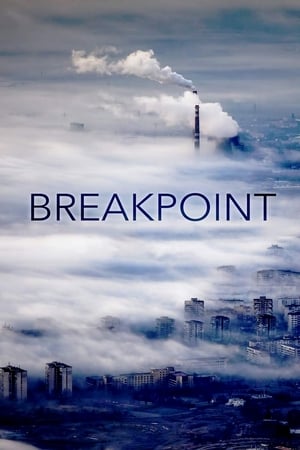
Breakpoint: A Counter History of Progress(fr)
An account of the last two centuries of the Anthropocene, the Age of Man. How human beings have progressed so much in such a short time through war and the selfish interests of a few, belligerent politicians and captains of industry, damaging the welfare of the majority of mankind, impoverishing the weakest, greedily devouring the limited resources of the Earth.
The 11th Hour(en)
A look at the state of the global environment including visionary and practical solutions for restoring the planet's ecosystems. Featuring ongoing dialogues of experts from all over the world, including former Soviet Prime Minister Mikhail Gorbachev, renowned scientist Stephen Hawking, former head of the CIA R. James Woolse
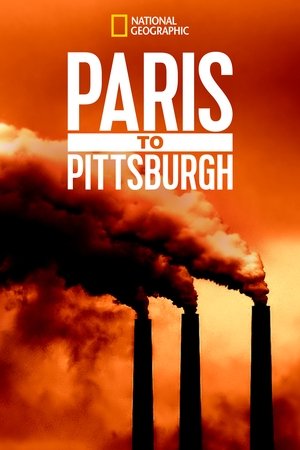
Paris to Pittsburgh(en)
Paris to Pittsburgh brings to life the impassioned efforts of individuals who are battling the most severe threats of climate change in their own backyards. Set against the national debate over the United States' energy future - and the Trump administration's explosive decision to exit the Paris Climate Agreement - the film captures what's at stake for communities around the country and the inspiring ways Americans are responding.
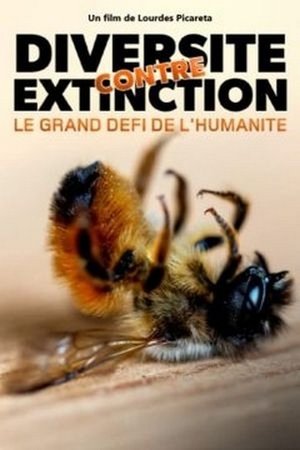
Vielfalt statt Artensterben(en)
The loss of biodiversity is highly alarming: our planet is currently experiencing the greatest extinction since the age of the dinosaurs. This film documents the extinction of species currently happening around the world. But it also highlights hopeful initiatives as committed men and women on every continent fight to save endangered species and work towards improving biodiversity.
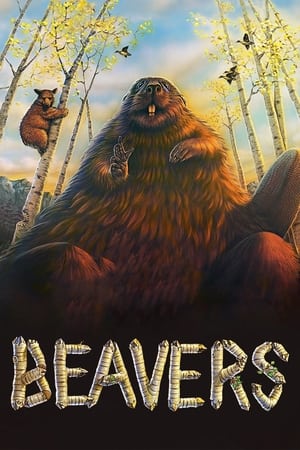
Beavers(en)
A story about several beaver families in their wild surroundings. The interesting process of building a dam can be watched as well as the dangers arising from hungry bears and other influences on the new-built home.
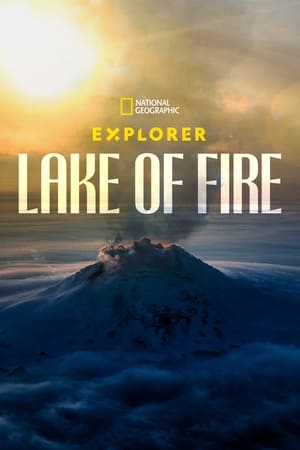
Explorer: Lake of Fire(en)
In 2001, satellite imagery captured a mysterious “thermal anomaly” on an unexplored volcano at the ends of the Earth. What lies inside could provide new clues to help predict volcanic eruptions around the globe. But the island is so remote with conditions that are so extreme. No one has ever been able to reach the top to investigate what lies inside.. until now.

W : A Return to Oz(en)
Witness the rise and fall of The Warehouse, a rave venue from Plymouth and times gone by now reduced to a derelict shell. We explore its history, its people and the future. An amateur filmmaker-explorer finds the building in an empty derelict state, long after the prosperous life and energy it endured through the 90s. Through a combination of archives and stories of people who lived there, the film explores through the medium of analogue what once was and how even a now silent derelict shell can become the centre of the universe.
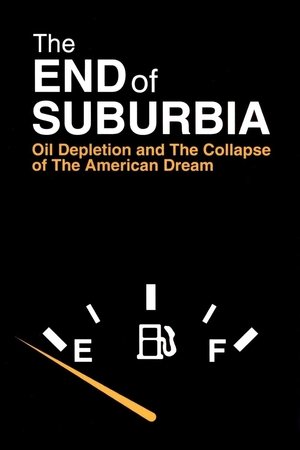
The End of Suburbia: Oil Depletion and the Collapse of the American Dream(en)
Since World War II North Americans have invested much of their newfound wealth in suburbia. It has promised a sense of space, affordability, family life and upward mobility. As the population of suburban sprawl has exploded in the past 50 years Suburbia, and all it promises, has become the American Dream. But as we enter the 21st century, serious questions are beginning to emerge...
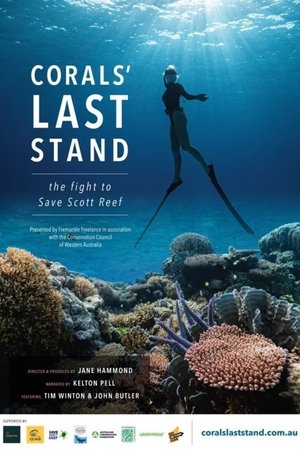
Corals’ Last Stand(en)
Perched on the edge of the continental shelf, 300km from the Australian mainland lies Scott Reef. This ancient coral atoll, isolated for millions of years from other reef systems and mainland influences, has developed its own sub populations of unique species. Formed more than 15 million years ago Scott Reef is home to more than 1200 species including endangered seas snakes, green turtles and spectacular corals. Endangered pygmy whales and other rare cetaceans stop at Scott Reef on their annual migrations to feed on the abundant krill. It is one of only a few spots along the west coast of Australia where krill can be found in sufficient quantities to replenish the needs of these large creatures. But Scott Reef is under threat.