

That's the Price(1970)
What happens to two dying coal towns in British Columbia when an American corporation provides a contract for millions of tons of coking coal? The film follows the consequences for the towns of Natal and Michel, suggesting that industrial growth has its price, especially with regard to the environment.

Movie: That's the Price
Top 1 Billed Cast
Recommendations Movies
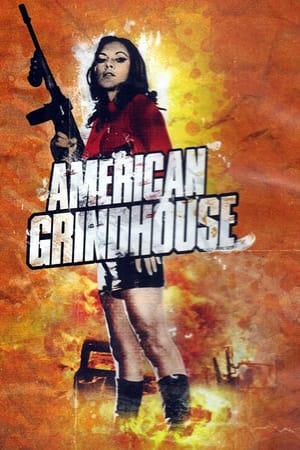
American Grindhouse(en)
This documentary explores the hidden history of the American Exploitation Film. The movie digs deep into this often overlooked category of U.S. cinema and unearths the shameless and occasionally shocking origins of this popular entertainment.
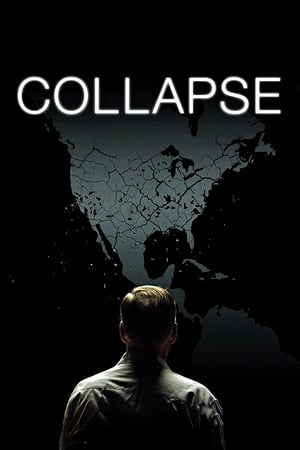
Collapse(en)
From the acclaimed director of American Movie, the documentary follows former Los Angeles police officer turned independent reporter Michael Ruppert. He recounts his career as a radical thinker and spells out his apocalyptic vision of the future, spanning the crises in economics, energy, environment and more.

Downloaded(en)
A documentary that explores the downloading revolution; the kids that created it, the bands and the businesses that were affected by it, and its impact on the world at large.
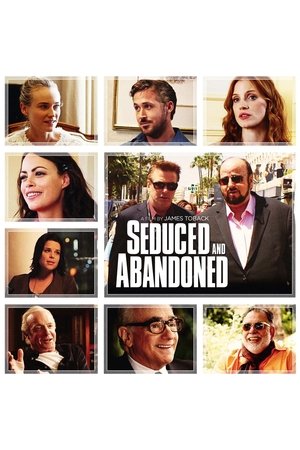
Seduced and Abandoned(en)
SEDUCED AND ABANDONED combines acting legend Alec Baldwin with director James Toback as they lead us on a troublesome and often hilarious journey of raising financing for their next feature film. Moving from director to financier to star actor, the two players provide us with a unique look behind the curtain at the world's biggest and most glamourous film festival, shining a light on the bitter-sweet relationship filmmakers have with Cannes and the film business. Featuring insights from directors Martin Scorsese, 'Bernando Bertolucci' and Roman Polanski; actors Ryan Gosling and Jessica Chastain and a host of film distribution luminaries.
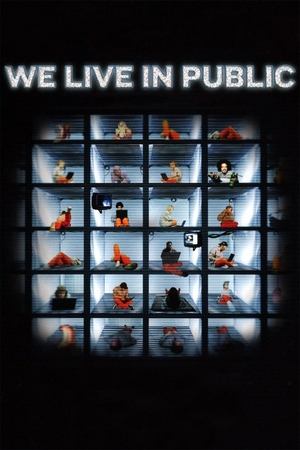
We Live in Public(en)
In 1999, Internet entrepreneur Josh Harris recruits dozens of young men and women who agree to live in underground apartments for weeks at a time while their every movement is broadcast online. Soon, Harris and his girlfriend embark on their own subterranean adventure, with cameras streaming live footage of their meals, arguments, bedroom activities, and bathroom habits. This documentary explores the role of technology in our lives, as it charts the fragile nature of dot-com economy.

Anna Nicole Smith: You Don't Know Me(en)
From the heights of her modeling fame to her tragic death, this documentary reveals Anna Nicole Smith through the eyes of the people closest to her.
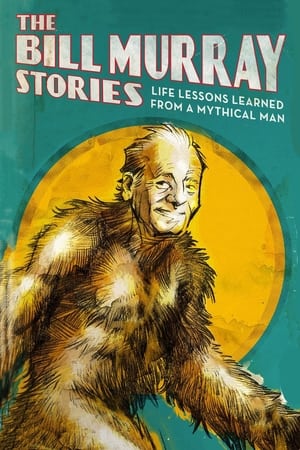
The Bill Murray Stories: Life Lessons Learned from a Mythical Man(en)
One man’s journey to find meaning in Bill Murray’s many unexpected adventures with everyday people, rare and never-before seen footage of the comedic icon participating in stories previously presumed to be urban legend.
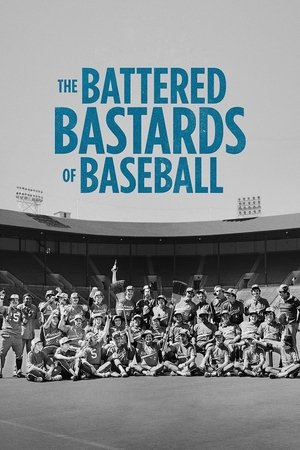
The Battered Bastards of Baseball(en)
Hollywood veteran Bing Russell creates the only independent baseball team in the country—alarming the baseball establishment and sparking the meteoric rise of the 1970s Portland Mavericks.
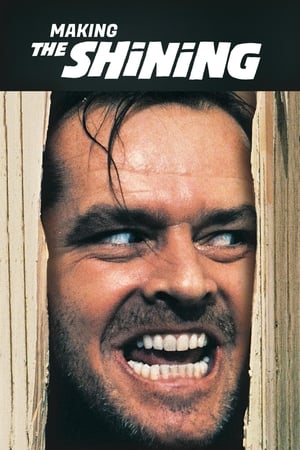
Making 'The Shining'(en)
Directed and edited by Stanley Kubrick's daughter Vivian Kubrick, this film offers a look behind the scenes during the making of The Shining.
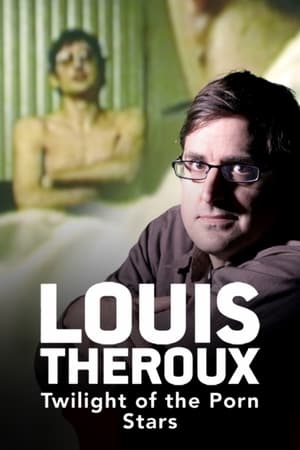
Louis Theroux: Twilight of the Porn Stars(en)
In 1997, Louis Theroux made a documentary about the world of male porn performers in Los Angeles. 15 years later, he returns to find a business struggling with the deluge of free porn on the internet. Louis revisits some of the original programme's contributors as well as meeting the latest crop of porn performers dreaming of porn stardom.
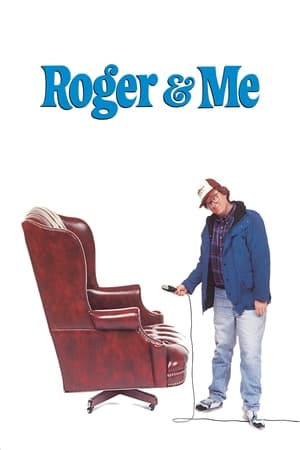
Roger & Me(en)
A documentary about the closure of General Motors' plant at Flint, Michigan, which resulted in the loss of 30,000 jobs. Details the attempts of filmmaker Michael Moore to get an interview with GM CEO Roger Smith.
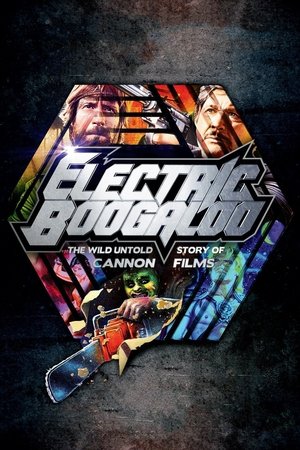
Electric Boogaloo: The Wild, Untold Story of Cannon Films(en)
A documentary about the rise and fall of the Cannon Film Group, the legendary independent film company helmed by Israeli cousins Menahem Golan and Yoram Globus.

Girl Model(en)
A documentary on the modeling industry's 'supply chain' between Siberia, Japan, and the U.S., told through the experiences of the scouts, agencies, and a 13-year-old model.

Halloween: 25 Years of Terror(en)
Follow the evolution of the 'Halloween' movies over the past twenty-five years. It examines why the films are so popular and revisits many of the original locations used in the films - seeing the effects on the local community. For the first time, cast, crew, critics and fans join together in the ultimate 'Halloween' retrospective.
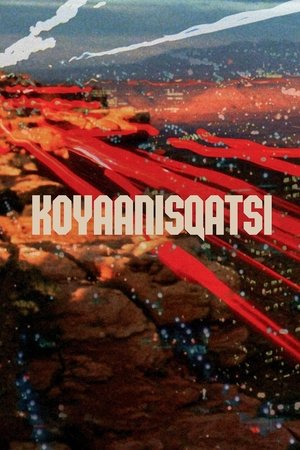
Koyaanisqatsi(en)
Takes us to locations all around the US and shows us the heavy toll that modern technology is having on humans and the earth. The visual tone poem contains neither dialogue nor a vocalized narration: its tone is set by the juxtaposition of images and the exceptional music by Philip Glass.
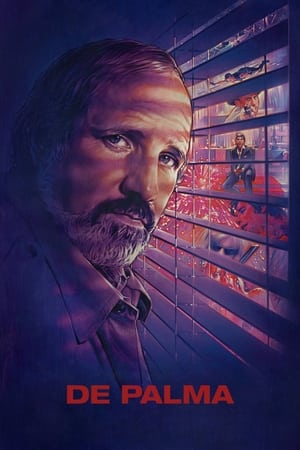
De Palma(en)
An intimate conversation between filmmakers, chronicling De Palma’s 55-year career, his life, and his filmmaking process, with revealing anecdotes and, of course, a wealth of film clips.
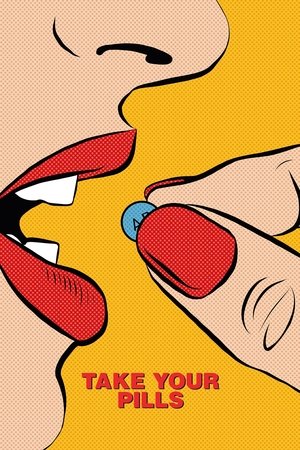
Take Your Pills(en)
In a hypercompetitive world, drugs like Adderall offer students, athletes, coders and others a way to do more -- faster and better. But at what cost?
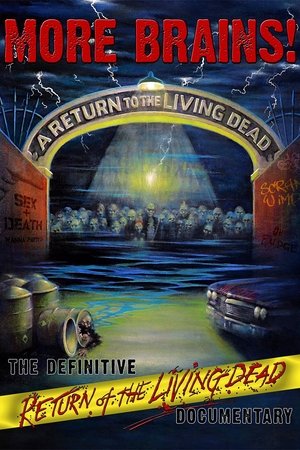
More Brains! A Return to the Living Dead(en)
Retrospective documentary about the making of the horror cult classic "The Return of the Living Dead."

End Game(en)
Filmed and edited in intimate vérité style, this movie follows visionary medical practitioners who are working on the cutting edge of life and death and are dedicated to changing our thinking about both.
Similar Movies
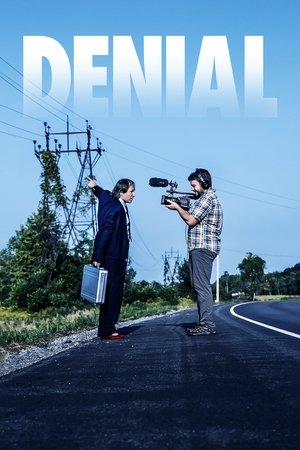
Denial(en)
Every day our changing climate pushes us closer to an environmental catastrophe, but for most the problem is easy to ignore. David Hallquist, a Vermont utility executive, has made it his mission to take on one of the largest contributors of this global crisis-our electric grid. But when his son Derek tries to tell his father's story, the film is soon derailed by a staggering family secret, one that forces Derek and David to turn their attention toward a much more personal struggle, one that can no longer be ignored. - Written by Aaron Woolf
Roger & Me(en)
A documentary about the closure of General Motors' plant at Flint, Michigan, which resulted in the loss of 30,000 jobs. Details the attempts of filmmaker Michael Moore to get an interview with GM CEO Roger Smith.
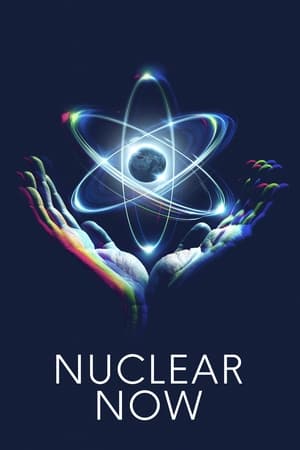
Nuclear Now(en)
With unprecedented access to the nuclear industry in France, Russia, and the United States, Nuclear Now explores the possibility for the global community to overcome the challenges of climate change and energy poverty to reach a brighter future through the power of nuclear energy. Beneath our feet, Uranium atoms in the Earth’s crust hold incredibly concentrated energy. Science unlocked this energy in the mid-20th century, first for bombs and then to power submarines. The United States led the effort to generate electricity from this new source. Yet in the mid-20th century as societies began the transition to nuclear power and away from fossil fuels, a long-term PR campaign to scare the public began, funded in part by coal and oil interests.
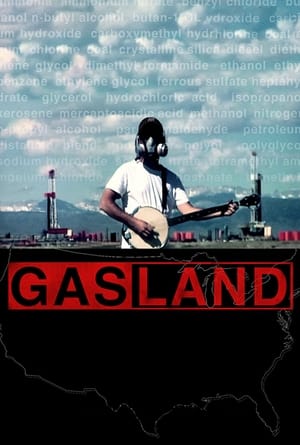
Gasland(en)
It is happening all across America-rural landowners wake up one day to find a lucrative offer from an energy company wanting to lease their property. Reason? The company hopes to tap into a reservoir dubbed the "Saudi Arabia of natural gas." Halliburton developed a way to get the gas out of the ground-a hydraulic drilling process called "fracking"-and suddenly America finds itself on the precipice of becoming an energy superpower.
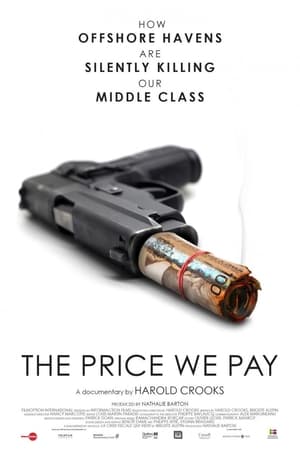
The Price We Pay(en)
A documentary on the history and present-day reality of big-business tax avoidance, which has seen multinationals depriving governments of trillions of dollars in tax revenues by harboring profits in offshore havens.
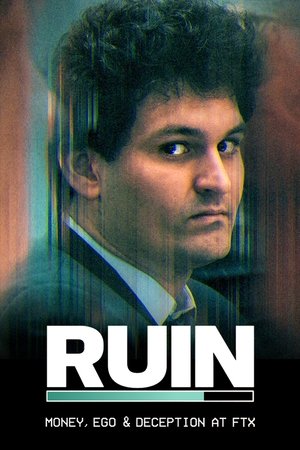
RUIN: Money, Ego and Deception at FTX(en)
RUIN is a feature documentary about Sam Bankman-Fried and the stunning collapse of his cryptocurrency exchange, FTX, as narrated by Bloomberg journalists and some of the central players in the rise of digital assets.
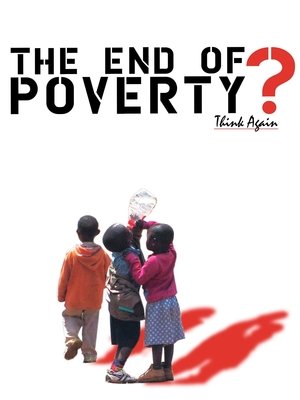
The End of Poverty?(en)
The End of Poverty? asks if the true causes of poverty today stem from a deliberate orchestration since colonial times which has evolved into our modern system whereby wealthy nations exploit the poor. People living and fighting against poverty answer condemning colonialism and its consequences; land grab, exploitation of natural resources, debt, free markets, demand for corporate profits and the evolution of an economic system in in which 25% of the world's population consumes 85% of its wealth. Featuring Nobel Prize winner Amartya Sen and Joseph Stiglitz, authors/activist Susan George, Eric Toussaint, Bolivian Vice President Alvaro Garcia Linera and more.
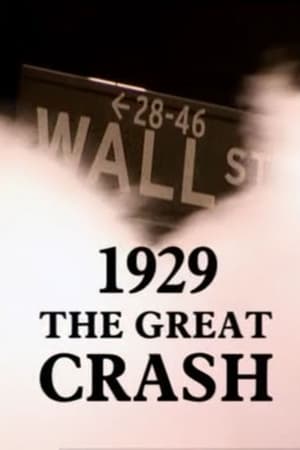
1929: The Great Crash(en)
A documentary exploring the causes of the 1929 Wall Street Crash.Over six terrifying, desperate days in October 1929, shares crashed by a third on the New York Stock Exchange. More than $25 billion in individual wealth was lost. Later, three thousand banks failed, taking people's savings with them. Surviving eyewitnesses describe the biggest financial catastrophe in history.
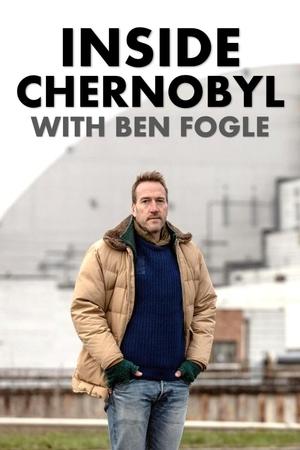
Inside Chernobyl with Ben Fogle(en)
Ben Fogle spends a week living inside the Chernobyl Exclusion Zone, gaining privileged access to the doomed Control Room 4 where the disaster first began to unfold.

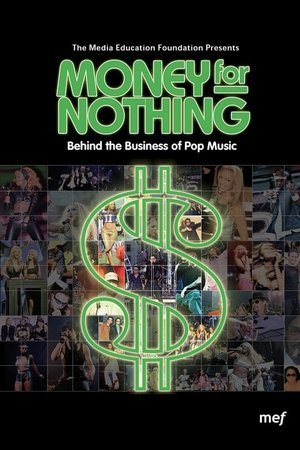
Money for Nothing: Behind the Business of Pop Music(en)
The hallmarks of popular music - artist independence and diversity of voices - are threatened by a contracting marketplace of record companies, radio ownership and playlists, as well as increased use in advertising. Big-name artists, historians and economists explain how popular music is produced and marketed and critique its current state.
La zuppa del demonio(it)
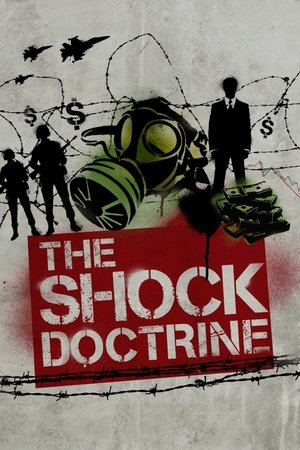
The Shock Doctrine(en)
An investigation of "disaster capitalism", based on Naomi Klein's proposition that neo-liberal capitalism feeds on natural disasters, war and terror to establish its dominance.
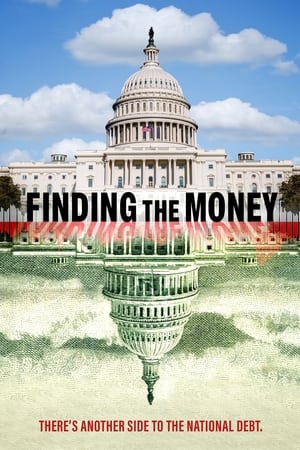
Finding the Money(en)
FINDING THE MONEY follows economist Stephanie Kelton on a journey through Modern Money Theory or “MMT”. Kelton provocatively asserts the National Debt Clock that ticks ominously upwards in New York City is not actually a debt for us taxpayers at all, nor a burden for our grandchildren to pay back. Instead, Kelton describes the national debt as simply a historical record of the number of dollars created by the US federal government currently being held in pockets, as assets, by the rest of us. MMT bursts into the media with journalists asking, “Have we been thinking about how the government spends money, all wrong?” But top economists from across the political spectrum condemn the theory as “voodoo economics”, “crazy” and “a crackpot theory”. FINDING THE MONEY traces the conflict all the way back to the story we tell about money, injecting new hope and empowering countries around the world to tackle the biggest challenges of the 21st century: from climate change to inequality.
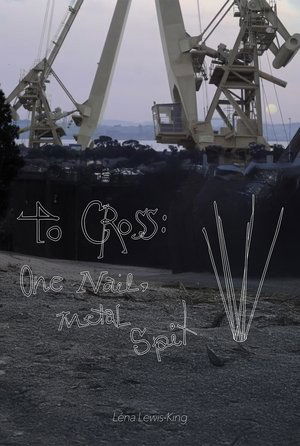
To Cross; One Nail, Metal Spit(en)
Filmed over a period of 3 years, this video work is a meditation on the borderline of the river Tejo, between Marvila and Barreiro. A psychogeographic piece that seeks out a feeling of doubt, inertia, and waiting. "Two sides, along the boundary line All the weight of the water above Metal arms extended to the heavens As if the sky was tilting to meet them And those giants again; Four by four . . . . all in a line, up against the tide."
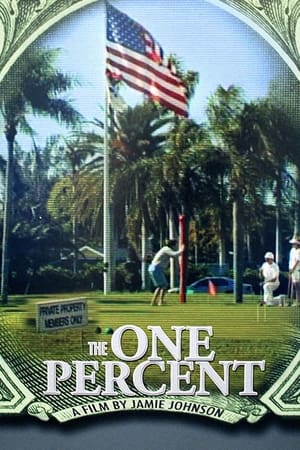
The One Percent(en)
Jamie Johnson takes the exploration of wealth that he began in Born Rich one step further. The One Percent, refers to the tiny percentage of Americans who control nearly half the wealth of the U.S. Johnson's thesis is that this wealth in the hands of so few people is a danger to our very way of life.
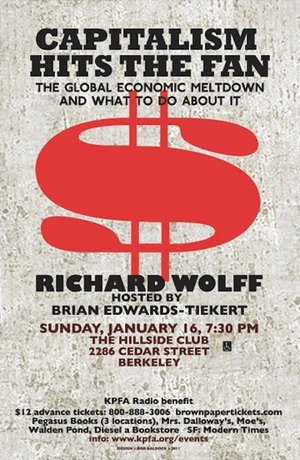
Capitalism Hits the Fan(en)
With breathtaking clarity, renowned University of Massachusetts Economics Professor Richard Wolff breaks down the root causes of today's economic crisis, showing how it was decades in the making and in fact reflects seismic failures within the structures of American-style capitalism itself. Wolff traces the source of the economic crisis to the 1970s, when wages began to stagnate and American workers were forced into a dysfunctional spiral of borrowing and debt that ultimately exploded in the mortgage meltdown. By placing the crisis within this larger historical and systemic frame, Wolff argues convincingly that the proposed government "bailouts," stimulus packages, and calls for increased market regulation will not be enough to address the real causes of the crisis, in the end suggesting that far more fundamental change will be necessary to avoid future catastrophes.
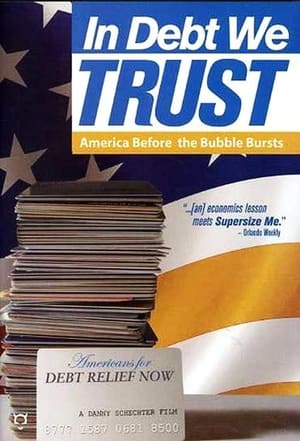
In Debt We Trust: America Before the Bubble Bursts(en)
Emmy-winning journalist Danny Schechter investigates America's mounting debt crisis in this latest hard-hitting expose. The film reveals the unknown cabal of credit card companies, lobbyists, media conglomerates and the Bush administration itself who have colluded to deregulate the lending industry, ensuring that a culture of credit dependency can flourish. Schechter exposes the hidden financial and political complex that allows the lowest wage earners to indebt themselves so heavily that even house repossessions are commonplace.
Maxed Out(en)
Maxed Out takes us on a journey deep inside the American debt-style, where everything seems okay as long as the minimum monthly payment arrives on time. Sure, most of us may have that sinking feeling that something isn't quite right, but we're told not to worry. After all, there's always more credit!