Loading Page

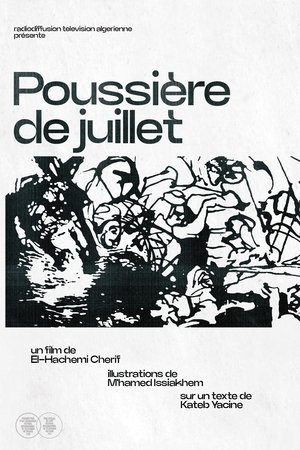
July Dust(1967)
Status: Released
Date: 1967-01-01
100%
1 Votes
Overview:
“Poussières de Juillet”, produced in 1967 by Hachemi El-Chérif, is taken from a poem by Kateb Yacine. "We made a film on the return of the ashes of Emir Abdelkader, to Algeria. It was the opportunity to make a film on the ancestors with M'hamed Issiakhem. He designed glass plates on the basis of my texts. Then we had actors collaborate. It was a film which cost us a total of 300 dinars, proof that we could do work for television without too much money. We won two first international prizes at the Belgrade festival. We left the original of the film with the Egyptians in Alexandria and they lost it. We kept a copy but over time I wonder what happened to it, because there is no not even had a screening, they say it still exists, but I don't know in what state." Kateb Yacine, July 28, 1986, interview with Arlette Casas.
Languages: French.
Countries:
Algeria
ProductionCompanies: 
Movie: July Dust
Top 2 Billed Cast
HomePage
Overview
“Poussières de Juillet”, produced in 1967 by Hachemi El-Chérif, is taken from a poem by Kateb Yacine. "We made a film on the return of the ashes of Emir Abdelkader, to Algeria. It was the opportunity to make a film on the ancestors with M'hamed Issiakhem. He designed glass plates on the basis of my texts. Then we had actors collaborate. It was a film which cost us a total of 300 dinars, proof that we could do work for television without too much money. We won two first international prizes at the Belgrade festival. We left the original of the film with the Egyptians in Alexandria and they lost it. We kept a copy but over time I wonder what happened to it, because there is no not even had a screening, they say it still exists, but I don't know in what state." Kateb Yacine, July 28, 1986, interview with Arlette Casas.
Release Date
1967-01-01
Average
10
Rating:
5.0 startsTagline
Genres
Languages:
FrançaisKeywords
Recommendations Movies
69%
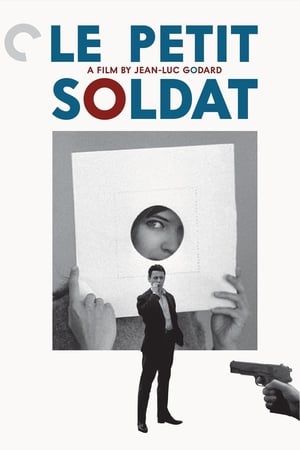
The Little Soldier(fr)
1963-01-25
Despite his lack of political convictions, photojournalist Bruno Forestier is roped into a paramilitary group waging a shadow war in Geneva against the Algerian independence movement.
63%
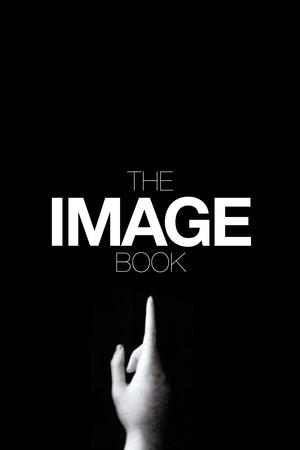
The Image Book(fr)
2018-10-11
In Le Livre d’Image, Jean-Luc Godard recycles existing images (films, documentaries, paintings, television archives, etc.), quotes excerpts from books, uses fragments of music. The driving force is poetic rhyme, the association or opposition of ideas, the aesthetic spark through editing, the keystone. The author performs the work of a sculptor. The hand, for this, is essential. He praises it at the start. “There are the five fingers. The five senses. The five parts of the world (…). The true condition of man is to think with his hands. Jean-Luc Godard composes a dazzling syncopation of sequences, the surge of which evokes the violence of the flows of our contemporary screens, taken to a level of incandescence rarely achieved. Crowned at Cannes, the last Godard is a shock film, with twilight beauty.
68%
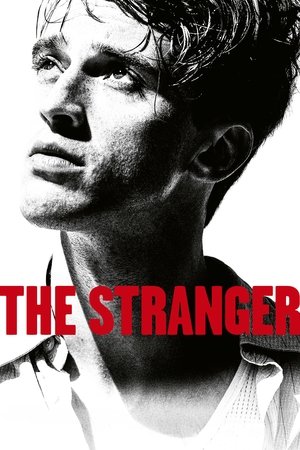
The Stranger(fr)
2025-10-29
Algiers, 1938. Meursault, a quiet and unassuming employee in his early thirties, attends his mother's funeral without shedding a tear. The next day, he begins a casual affair with Marie, a work colleague. He quickly slips back into his usual routine.

71%
Blue(en)
1993-08-19
Against a plain, unchanging blue screen, a densely interwoven soundtrack of voices, sound effects and music attempt to convey a portrait of Derek Jarman's experiences with AIDS, both literally and allegorically, together with an exploration of the meanings associated with the colour blue.
77%
Cléo from 5 to 7(fr)
1962-04-11
Agnès Varda eloquently captures Paris in the sixties with this real-time portrait of a singer set adrift in the city as she awaits test results of a biopsy. A chronicle of the minutes of one woman’s life, Cléo from 5 to 7 is a spirited mix of vivid vérité and melodrama, featuring a score by Michel Legrand and cameos by Jean-Luc Godard and Anna Karina.
59%
A View of Love(fr)
2010-12-15
Happily married with a daughter, Marc is a successful real estate agent in Aix-en-Provence. One day, he has an appointment with a woman to view a traditional country house. A few hours later, Marc finally puts a name to her face. It's Cathy, the girl he was in love with growing up in Oran, Algeria, in the last days of the French colonial regime. Marc hurries to her hotel. They spend the night together. Then she's gone again. And Marc's mother tells him Cathy never left Algeria. She was killed with her father in a bombing just before independence...

70%
Wild Reeds(fr)
1994-06-01
As the Algerian War draws to a close, a teenager with a girlfriend starts feeling homosexual urges for two of his classmates: a country boy, and a French-Algerian intellectual.
64%
Intimate Enemies(fr)
2007-10-03
A drama following a French platoon during Algeria's war of independence.
66%
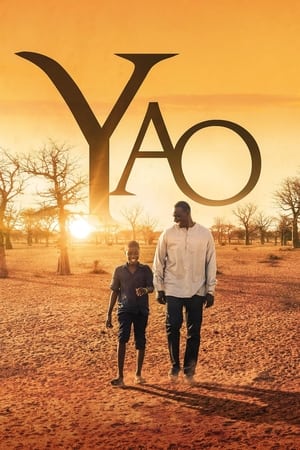
Yao(fr)
2019-01-23
From his village in northern Senegal, Yao is a 13-year-old boy ready to do anything to meet his hero: Seydou Tall, a famous French actor. Invited to Dakar to promote his new book, the latter goes to his country of origin for the first time. To fulfill his dream, the young Yao organizes his fugue and brave 387 kilometers alone to the capital. Touched by this child, the actor decides to flee his obligations and to accompany him home. But on the dusty and uncertain roads of Senegal, Seydou understands that while rolling towards the village of the child, it also rolls towards its roots.
77%
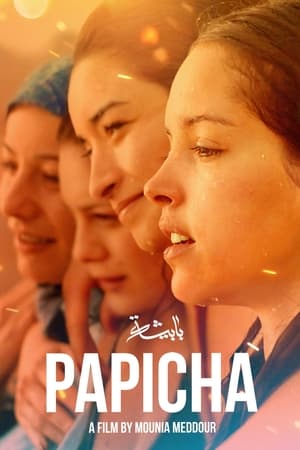
Papicha(fr)
2019-10-09
Nedjma, an 18-year-old student passionate about fashion design refuses to let the tragic events of the Algerian Civil War keep her from experiencing a normal life. As the social climate becomes more conservative, she rejects the new bans set by the radicals and decides to put on a fashion show.
72%
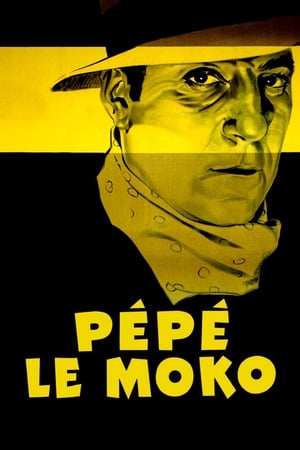
Pépé le Moko(fr)
1937-01-28
Pépé le Moko, one of France's most wanted criminals, hides out in the Casbah section of Algiers. He knows police will be waiting for him if he tries to leave the city. When Pépé meets Gaby, a gorgeous woman from Paris who is lost in the Casbah, he falls for her.
72%
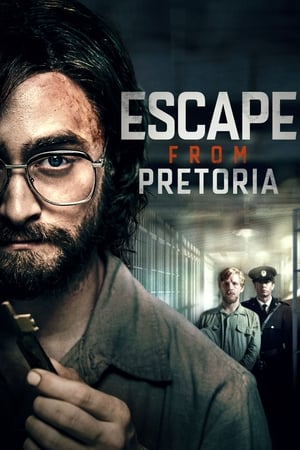
Escape from Pretoria(en)
2020-03-06
South Africa, 1978. Tim Jenkin and Stephen Lee, two white political activists from the African National Congress imprisoned by the apartheid regime, put a plan in motion to escape from the infamous Pretoria Prison.
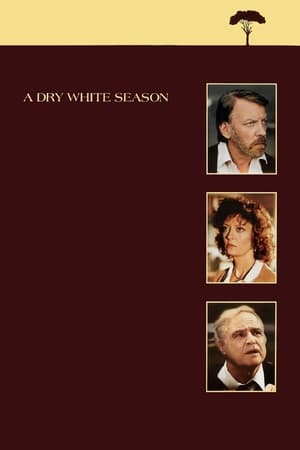
66%
A Dry White Season(en)
1989-09-20
During the 1976 Soweto uprising, a white school teacher's life and values are threatened when he asks questions about the death of a young black boy who died in police custody.
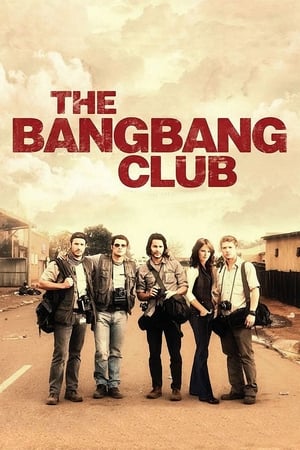
66%
The Bang Bang Club(en)
2011-04-22
In the early to mid '90s, when the South African system of apartheid was in its death throes, four photographers - Greg Marinovich, Kevin Carter, Ken Oosterbroek and João Silva - bonded by their friendship and a sense of purpose, worked together to chronicle the violence and upheaval leading up to the 1994 election of Nelson Mandela as president. Their work is risky and dangerous, potentially fatally so, as they thrust themselves into the middle of chaotic clashes between forces backed by the government (including Inkatha Zulu warriors) and those in support of Mandela's African National Congress.
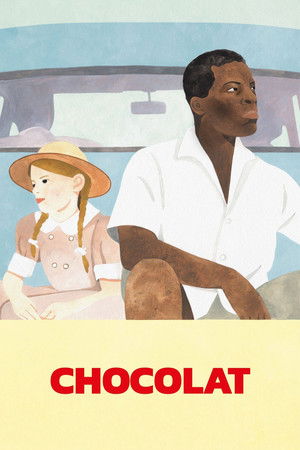
69%
Chocolat(fr)
1988-05-18
On her way to visit her childhood home in a colonial outpost in Northern Cameroon, a young French woman recalls her childhood, her memories concentrating on her family's houseboy.
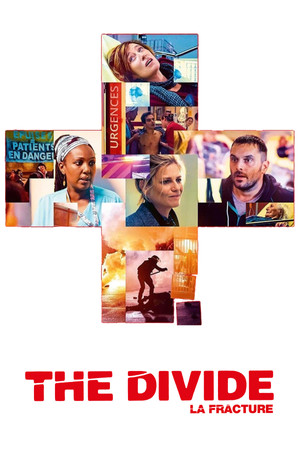
66%
The Divide(fr)
2021-10-27
Raf and Julie, a couple on the verge of breaking up, find themselves in an emergency ward bordering on collapse on the evening of a Parisian Yellow Vest protest. Their encounter with Yann, an angry and injured demonstrator, will shatter each person's certainties and prejudices. Outside, the tension escalates.
75%
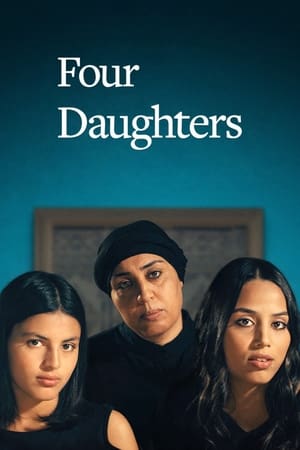
Four Daughters(fr)
2023-07-05
Between light and darkness stands Olfa, a Tunisian woman and the mother of four daughters. One day, her two older daughters disappear. To fill in their absence, the filmmaker Kaouther Ben Hania invites professional actresses and invents a unique cinema experience that will lift the veil on Olfa and her daughters' life stories. An intimate journey of hope, rebellion, violence, transmission and sisterhood that will question the very foundations of our societies.
69%
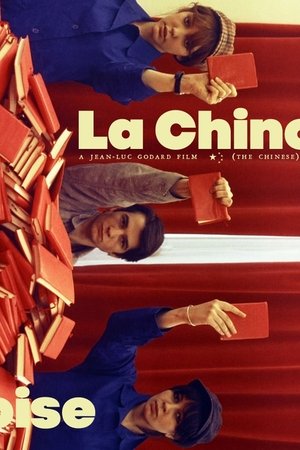
La Chinoise(fr)
1967-08-30
A small group of French students are studying Mao, trying to find out their position in the world and how to change the world to a Maoistic community using terrorism.

61%
Lux Æterna(fr)
2020-09-23
Charlotte Gainsbourg agrees to play a witch condemned to be burned at the stake in the first film directed by Béatrice Dalle. But the chaotic production, technical problems, and psychotic breakdowns gradually plunge the shoot into a chaos of pure light.
Similar Movies
60%
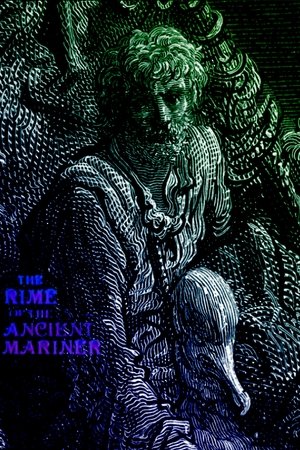
The Rime of the Ancient Mariner(en)
1977-01-01
Orson Welles reads the poem especially for this film by Larry Jordan, which is dedicated to the late Wallace Berman, and is made possible by a grant from The National Endowment Of The Arts.
100%
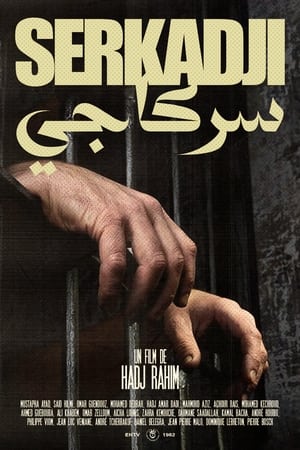
Serkadji(ar)
1982-01-01
In 1982, Hadj Rahim directed "Serkadji", a fiction film about the men's quarters of the Barberousse military prison in Algiers, where hundreds of FLN fighters were incarcerated and executed during the war of independence. Algeria between 1954 and 1962.
0%
Aetherrise(lt)
2025-12-31
Aetherrise (lt. Aukštynpakylėjimas) is a feature film — a experimental psychological surrealistic drama. Mija exists between silent conversations and inner stillness. Things take an unexpected change as her distant friendship with Ieva shifts. Reality slowly starts to connect with dreams, memories and what could be projections of her own mind. This is a visually sensitive and atmospheric story about inner worlds, human connections and how easily one can become lost between reality and illusion.
100%
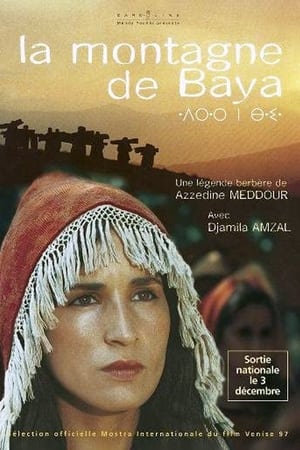
Baya's Mountain(ar)
1997-12-03
Set in the 1800s among the Berbers of North Africa, this 1997 Algerian feature concerns a noble widow who receives a customary purse of gold coins from the enemy tribe that murdered her husband; the gift puts her in conflict with her kinsmen, who want the money to buy back land taken by the enemy in cahoots with French colonials.
60%
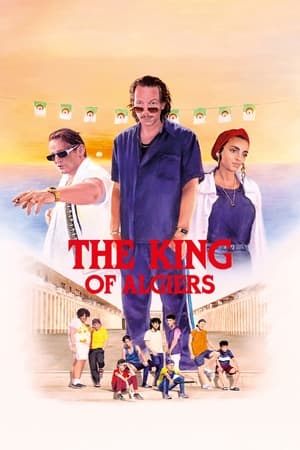
The King of Algiers(fr)
2023-05-24
Omar, better known as Omar the Strawberry, is an old-fashioned bandit. Forced to flee to Algeria, he makes a living out of petty crime, accompanied by his famous sidekick Roger. After decades of ruling the French criminal underworld, they must come to terms with their new life together, which until now has been one of debauchery and violence.
100%
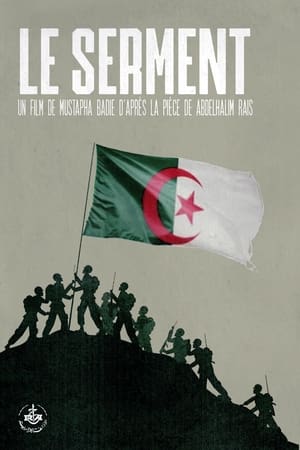
Le Serment(ar)
1963-01-01
The Oath, a TV film produced by Algerian television in 1963 following the end of the war of independence, tells the story of young Algerians who joined the resistance after the bloody repressions of May 1945 in Constantinois by the French colonial army .
66%
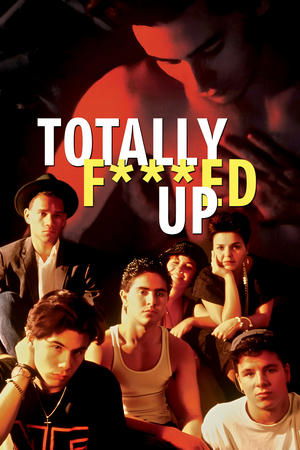
Totally F***ed Up(en)
1994-08-19
Gay, alienated Los Angeles teens have a hard time as their parents kick them out of their homes, they don’t have money, their lovers cheat, and they are harassed by gay-bashers.
64%
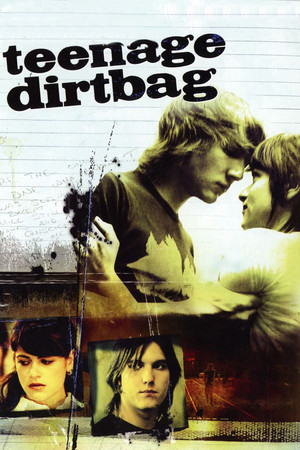
Teenage Dirtbag(en)
2009-10-20
A popular high school girl is harassed by a delinquent boy until they are placed in creative writing class together. Through written words, they create a bond, but tragically a bond that cannot withstand her social pressures or his brutal home life.
100%
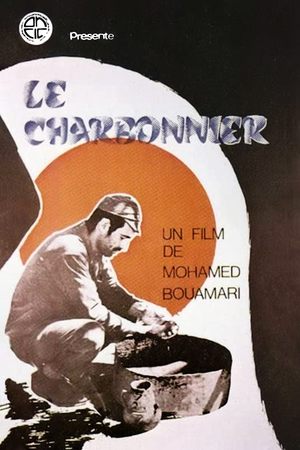
The Charcoal Maker(ar)
1973-01-02
Film describes the miserable existence of a charcoal-burner who is barely able to feed his family. His search for work in town ends in failure and he is forced to return to his village.
56%
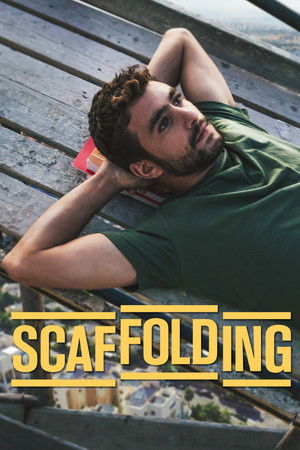
Scaffolding(he)
2017-07-17
17-year-old Asher is split between his charismatic teacher and his brash father, who wants him to take over his scaffolding business.
80%
Ababooned(fr)
2024-08-23
Set in the Faubourg à mélasse district of Montreal, Quebec, in the 1950s, the film centres on a conflict between the Roman Catholic Church and a young team of baseball players.
57%
The Harem of Madame Osmane(fr)
2000-07-12
In Algiers in 1993, while the civil war is starting, Mrs Osmane's tenants have to endure her bad temper. Her husband left her and the fear to lose her respectability haunt her. The former member of the Resistance during the Independence War persists in controlling the slightest moves of the households rather than struggle against her own frustrations. Learning her daughter is in love, the possibility of finding herself alone will push her to the limit: The symbolical Mrs Osmane "harem" is about to collapse.

100%
The Cork(ar)
1980-01-01
On his return to Algeria, Belkacem Hadjadj, a young graduate of INSAS in Brussels, joined Algerian television and signed "Le Bouchon", his first feature in the register of an Italian comedy, around the misadventures of a tenant experiencing a water leak.
100%
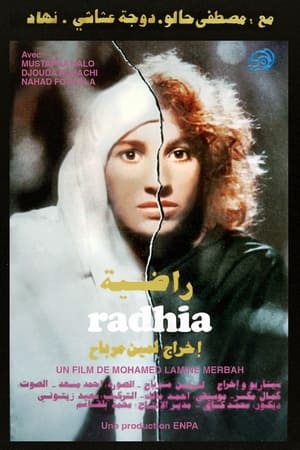
Radhia(ar)
1992-10-02
The story of a family divided ideologically and politically in Algeria in the 1990s, under the helpless gaze of the mother, played by the brilliant Doudja Achachi, the bearer of centuries-old traditions.
70%
Wild Reeds(fr)
1994-06-01
As the Algerian War draws to a close, a teenager with a girlfriend starts feeling homosexual urges for two of his classmates: a country boy, and a French-Algerian intellectual.
73%
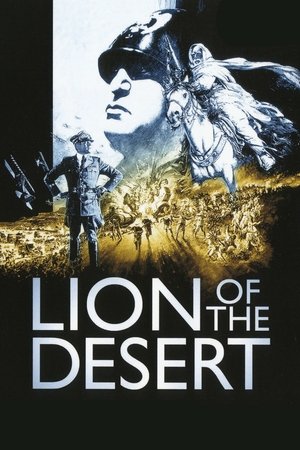
Lion of the Desert(en)
1981-04-17
Resistance leader Omar Mukhtar opposes Italian colonization before World War II. The brutal guerrilla war against Italian General Rodolfo Graziani and the Fascist forces of Benito Mussolini highlights the struggle for Libyan independence and the harsh tactics utilised by the colonisers.

57%
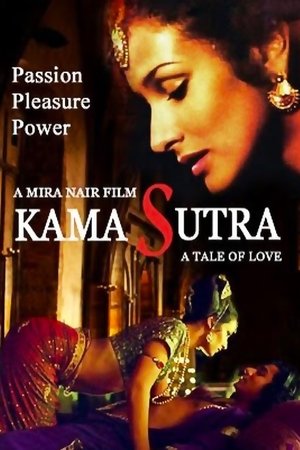
Kama Sutra: A Tale of Love(en)
1997-02-28
Tara and Maya are inseparable, with the same tastes, habits, and hobbies. Years later, the two have matured but have maintained their friendship. Tara marries local prince Raj Singh, who succeeds the throne as the sole heir. After the marriage, Raj seeks another female to satisfy his sexual desires, with his sights settling on Maya, putting a perhaps unforgivable strain on a longtime friendship.