Loading Page
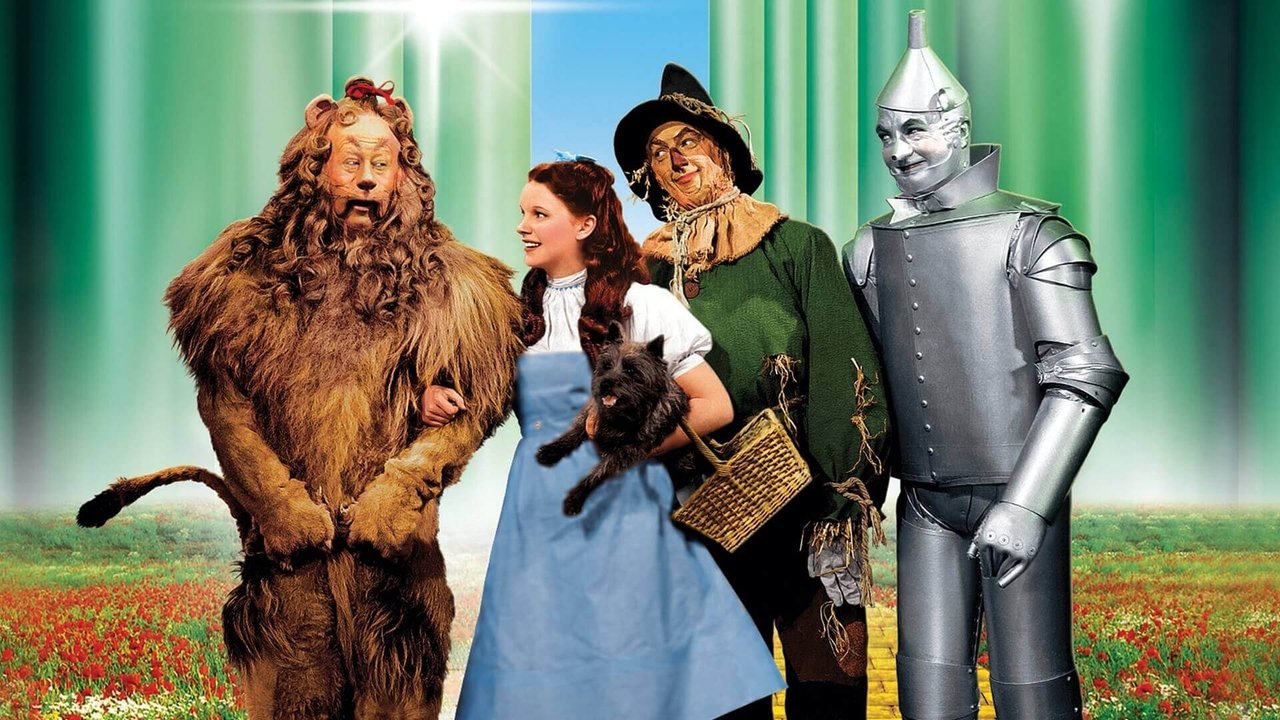

Glorious Technicolor(1998)
Status: Released
Date: 1998-12-07
69%
13 Votes
Time: 1h 0m
A century of film and how it has shaped us.
Overview:
The history of color photography in motion pictures, in particular the Technicolor company's work.
Languages: English.
Countries:
United States of America
ProductionCompanies: 

Movie: Glorious Technicolor
Top 10 Billed Cast

Angela Lansbury
Narrator (voice)

Esther Williams
Self

Arlene Dahl
Self

Evelyn Keyes
Self
Jack Cardiff
Self
Vittorio Storaro
Self

Robert Gitt
Self (voice)
Loading Photos
Photo Type :Total items
Recommendations Movies

71%
Making The Witcher(en)
2020-08-25
Journey into the extraordinary world of "The Witcher" — from casting the roles to Jaskier's catchy song — in this behind-the-scenes look at the series.
69%
In Search of the Last Action Heroes(en)
2019-09-01
The most comprehensive retrospective of the '80s action film genre ever made.

69%
The Bad Seed Returns(en)
2022-09-05
Several years after the murderous events of the first movie left her father dead, Emma is now living with her aunt Angela and navigating high school. Angela’s husband begins to suspect that Emma may not be as innocent as she appears and suggests sending her off to boarding school. Meanwhile, a new girl at school seems to know Emma’s secrets, leaving Emma no choice but to slip back to her old ways and take care of her enemies by any means necessary.

68%
Iron Jawed Angels(en)
2004-01-16
Defiant young activists take the women's suffrage movement by storm, putting their lives at risk to help American women win the right to vote.

62%
Love Blossoms(en)
2017-02-18
Violet is a chemist who is carrying on the legacy of her Belgian family's perfume company by recreating her late father's secret formula.
58%
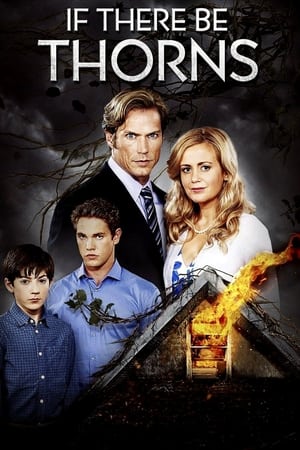
If There Be Thorns(en)
2015-04-05
Christopher and Cathy Dollanganger live together as man and wife with Cathy's two sons who are unaware of the incestuous nature of their parents' relationship. But when a mysterious woman moves in next door and befriends the younger boy, Bart, he begins a strange transformation and displays accusatory behavior towards Cathy and Christopher. When Christopher discovers their mysterious neighbor is, in fact, his mother Corrine Dollanganger, all of the family's long-hidden secrets are revealed in a tragic climax.

60%
Stalked by My Doctor(en)
2015-12-26
When a teenage girl is miraculously saved by a heart surgeon, the doctor begins to flirt with her. Her father doesn’t believe her and unbeknownst to all, the doctor is obsessed with the girl.
72%
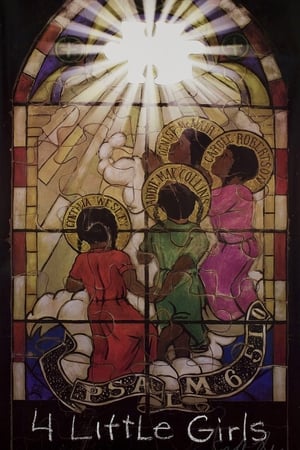
4 Little Girls(en)
1997-07-09
On September 15, 1963, a bomb destroyed a black church in Birmingham, Alabama, killing four young girls who were there for Sunday school. It was a crime that shocked the nation--and a defining moment in the history of the civil-rights movement. Spike Lee re-examines the full story of the bombing, including a revealing interview with former Alabama Governor George Wallace.
64%
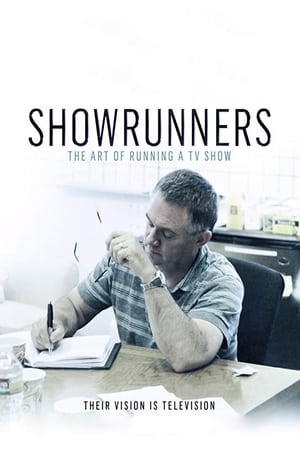
Showrunners: The Art of Running a TV Show(en)
2014-10-17
“Showrunners” is the first ever feature length documentary film to explore the fascinating world of US television showrunners and the creative forces aligned around them. These are the people responsible for creating, writing and overseeing every element of production on one of the United State’s biggest exports – television drama and comedy series. Often described as the most complex job in the entertainment business, a showrunner is the chief writer / producer on a TV series and, in most instances, the show’s creator. Battling daily between art and commerce, showrunners manage every aspect of a TV show’s development and production: creative, financial and logistical.
71%
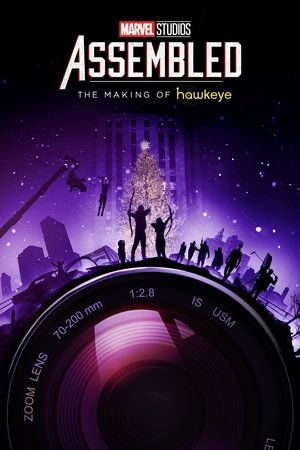
Marvel Studios Assembled: The Making of Hawkeye(en)
2022-02-09
Join the likes of Jeremy Renner, Hailee Steinfeld, Florence Pugh, and Vincent D’Onofrio as they reveal how Marvel Studios’ “Hawkeye” was conceived and created. Witness firsthand what it took to pull off the show’s pulse-pounding action set pieces, and discover how iconic characters from the pages of Marvel Comics such as Kate Bishop were adapted and brought to life for the six-episode series.
72%
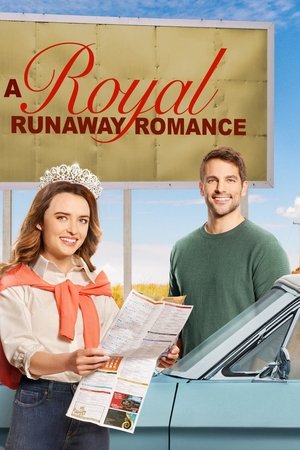
A Royal Runaway Romance(en)
2022-04-09
Princess Amelia of Bundbury travels across America to explore a budding romance with an artist, only to fall in love with her bodyguard, Grady.
78%
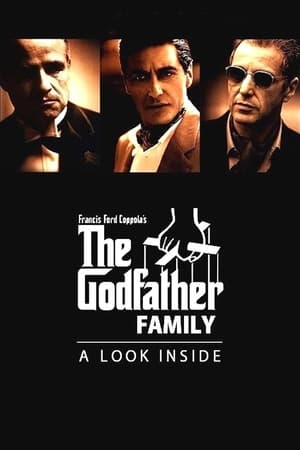
The Godfather Family: A Look Inside(en)
1990-07-12
A documentary on the making of the three Godfather films, with interviews and recollections from the film makers and cast. This feature also includes the original screen tests of some of the actors for "The Godfather" film, and some candid moments on the set of "The Godfather: Part III."

65%
Abducted: The Mary Stauffer Story(en)
2019-10-05
High school teacher Mary Stauffer and her eight-year old daughter, Beth are held captive for 53 days by an obsessed former student. Based on a true story.
68%
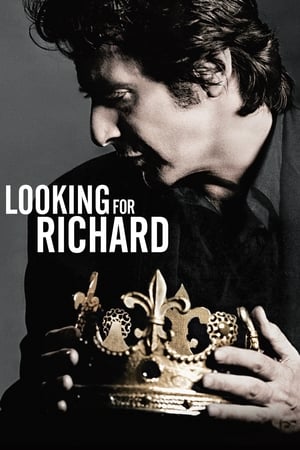
Looking for Richard(en)
1996-10-11
Al Pacino's deeply-felt rumination on Shakespeare's significance and relevance to the modern world through interviews and an in-depth analysis of "Richard III."
78%
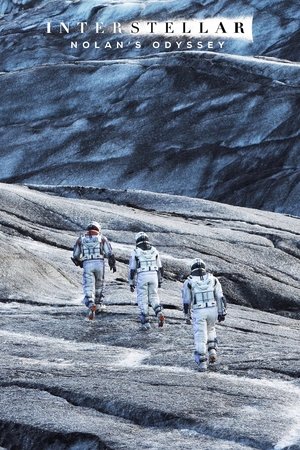
Interstellar: Nolan's Odyssey(en)
2014-11-05
A look behind the lens of Christopher Nolan's space epic.

79%
John Candy: I Like Me(en)
2025-09-04
Those who knew iconic funnyman John Candy best share his story, in their own words, through never-before-seen archival footage, imagery, and interviews.
63%
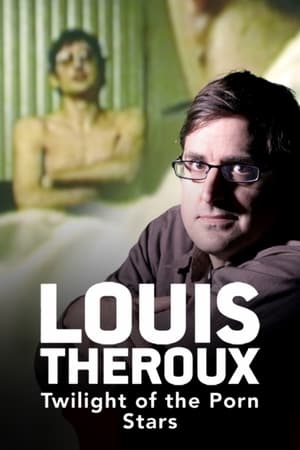
Louis Theroux: Twilight of the Porn Stars(en)
2012-06-10
In 1997, Louis Theroux made a documentary about the world of male porn performers in Los Angeles. 15 years later, he returns to find a business struggling with the deluge of free porn on the internet. Louis revisits some of the original programme's contributors as well as meeting the latest crop of porn performers dreaming of porn stardom.
64%
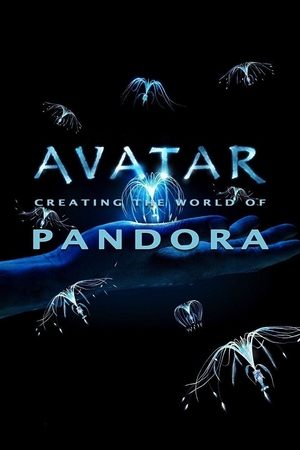
Avatar: Creating the World of Pandora(en)
2010-02-07
The Making-of James Cameron's Avatar. It shows interesting parts of the work on the set.
63%
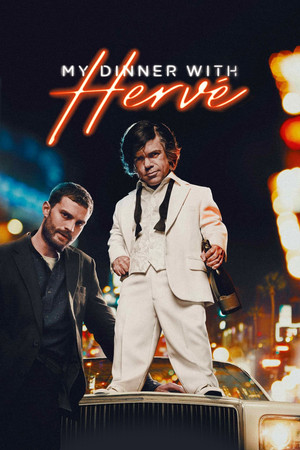
My Dinner with Hervé(en)
2018-10-20
An unlikely friendship evolves over one wild night in LA between a struggling journalist and actor Hervé Villechaize, the world's most famous gun-toting dwarf, resulting in life-changing consequences for both.

70%
Blackadder: Back & Forth(en)
1999-03-29
What was a cunning plan from Lord Edmund Blackadder V to fake a time machine on his gullibly incompetent friends, turns out to be the real thing and hurls him and his imbecile underling, Baldrick, through the course of human history.
Similar Movies
54%
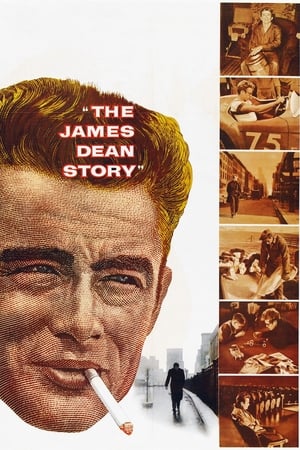
The James Dean Story(en)
1957-08-13
Released two years after James Dean's death, this documentary chronicles his short life and career via black-and-white still photographs, interviews with the aunt and uncle who raised him, his paternal grandparents, a New York City cabdriver friend, the owner of his favorite Los Angeles restaurant, outtakes from East of Eden, footage of the opening night of Giant, and Dean's ironic PSA for safe driving.
57%
Chaplin Today: The Kid(en)
2003-03-02
This documentary is featured on the two-disc Chaplin Collection DVD for "The Kid" (1921), released in 2004.
67%
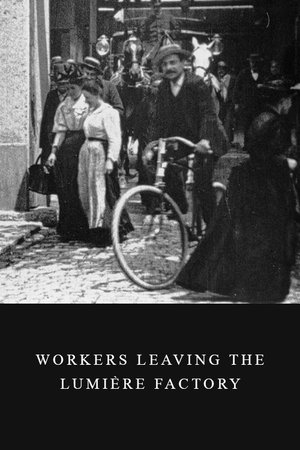
Workers Leaving the Lumière Factory(fr)
1895-03-22
Working men and women leave through the main gate of the Lumière factory in Lyon, France. Filmed on 22 March 1895, it is often referred to as the first real motion picture ever made, although Louis Le Prince's 1888 Roundhay Garden Scene pre-dated it by seven years. Three separate versions of this film exist, which differ from one another in numerous ways. The first version features a carriage drawn by one horse, while in the second version the carriage is drawn by two horses, and there is no carriage at all in the third version. The clothing style is also different between the three versions, demonstrating the different seasons in which each was filmed. This film was made in the 35 mm format with an aspect ratio of 1.33:1, and at a speed of 16 frames per second. At that rate, the 17 meters of film length provided a duration of 46 seconds, holding a total of 800 frames.

0%
Afro Promo(en)
1997-01-31
Co-curated by Jenni Olson and the late Black gay activist Karl Knapper, this entertaining showcase of vintage movie trailers traces the evolution of African American cinema through its most crucial period, 1952-1976. Filled with insights on race and social dynamics, this fascinating compendium of coming attractions explores an extensive range of stylistic approaches—Blaxploitation, Comedy, Music Bio, Plantation Drama and more—offering an outrageous joyride through motion picture history. Beyond mere camp, these marvelously condensed gems crystallize a range of African American identities and personalities, tracking the meteoric careers of Sidney Poitier, James Earl Jones, Billy Dee Williams, Richard Pryor, Pam Grier and others through their bold performances in movies both hugely popular and practically forgotten. Afro Promo provides a compact glimpse at the representation of African Americans through twenty-five dynamic years of American cinema history.

75%
Woodstock(en)
1970-03-26
An intimate look at the Woodstock Music & Art Festival held in Bethel, NY in 1969, from preparation through cleanup, with historic access to insiders, blistering concert footage, and portraits of the concertgoers; negative and positive aspects are shown, from drug use by performers to naked fans sliding in the mud, from the collapse of the fences by the unexpected hordes to the surreal arrival of National Guard helicopters with food and medical assistance for the impromptu city of 500,000.
79%
D'un film à l'autre(fr)
2011-04-13
On April 13, 2011, Les Films 13 production company turned 50. How can one celebrate an anniversary of this sort ? By simply making "another" film that would sum up all the earlier ones. D'un film à l'autre is hence a kind of anthology of the films produced Les Films 13 since the 1960s (short and feature films written and directed for the main part by Claude Lelouch), a best-of of half a century of cinema, going from Le Propre de l'homme to What Love May Bring. A biography in images of a filmmaker as admired as he is criticized. In reality, D'un film à l'autre is more than a series of film excerpts, interviews, and making-of documents (some of which possess an undeniable historical value, like that from A Man and A Woman, or the final performances of Patrick Dewaere).
0%
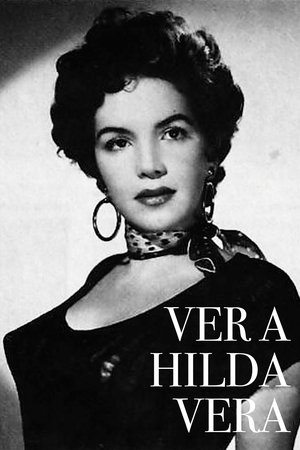
Ver a Hilda Vera(es)
1998-10-22
A living room, two video cameras, an armchair, two televisions and a mirror: domestic daily life in which colleagues, family and friends come together to decipher the life, personality and artistic trajectory of one of the most important actresses of Venezuelan Cinema: Hilda Vera
43%
Mi gitana(es)
2012-01-01
65%
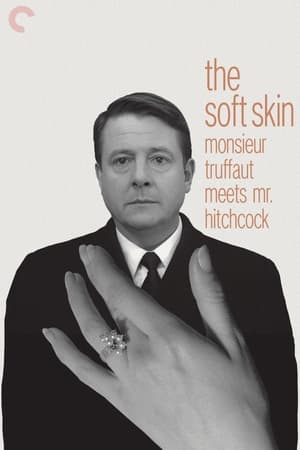
Monsieur Truffaut Meets Mr. Hitchcock(en)
1999-08-05
When Francois Truffaut approached Alfred Hitchcock in 1962 with the idea of having a long conversation with him about his work and publishing this in book form, he didn't imagine that more than four years would pass before Le Cinéma selon Hitchcock finally appeared in 1966. Not only in France but all over the world, Truffaut's Hitchcock interview developed over the years into a standard bible of film literature. In 1983, three years after Hitchcock's death, Truffaut decided to expand his by now legendary book to include a concluding chapter and have it published as the "Edition définitive". This film describes the genesis of the "Hitchbook" and throws light on the strange friendship between two completely different men. The centrepieces are the extracts from the original sound recordings of the interview with the voices of Alfred Hitchcock, Francois Truffaut, and Helen Scott – recordings which have never been heard in public before.
60%
Vivement Truffaut(fr)
1985-07-12
A tribute to the late, great French director Francois Truffaut, this documentary was undoubtedly named after his last movie, Vivement Dimanche!, released in 1983. Included in this overview of Truffaut's contribution to filmmaking are clips from 14 of his movies arranged according to the themes he favored. These include childhood, literature, the cinema itself, romance, marriage, and death.
53%
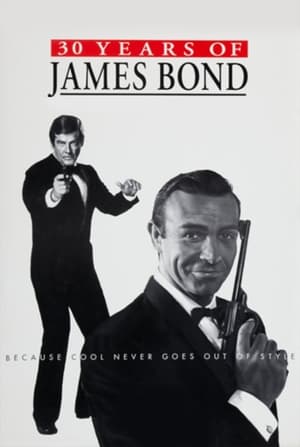
30 Years of James Bond(en)
1992-10-03
An examination of why the James Bond films have proved so popular including a discussion between the four actors who have played Bond, an interview with Cubby Broccoli and contributions from the directors, production designers, special effects and stuntmen.
30%
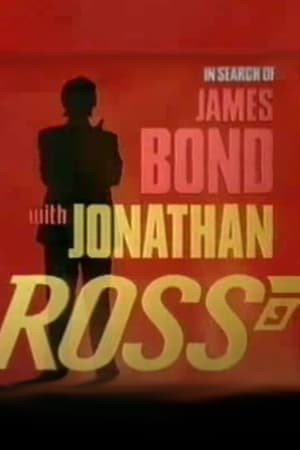
In Search of James Bond with Jonathan Ross(en)
1995-12-10
Jonathan Ross delves into the world of James Bond and meets with new and former cast members who reveal humorous stories and anecdotes in a series of interviews. All the 5 Bonds at the time are featured, though only Lazenby (reflecting in the usual frank, self criticizing manner), Moore and Brosnan granted an interview. Connery and Dalton are featured through some unused footage from LWT's 30 years of James Bond program. The ever faithful Desmond Llewelyn turns up in character as well as some other less related peeps like Christopher Lee, Paul McCartney and the ultimate playboy: Hugh Hefner -- who all give an interesting perspective on the worlds most famous spy.
65%
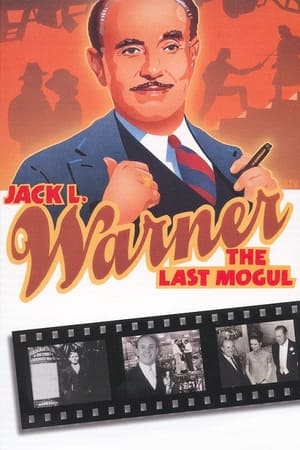
Jack L. Warner: The Last Mogul(en)
1993-05-14
An insider's account of Jack Warner, a founding father of the American film industry. This feature length documentary provides the rags to riches story of the man whose studio - Warner Bros - created many of Hollywood's most classic films. Includes extensive interviews with family members and friends, film clips, rare home movies and unique location footage.

64%
Decasia: The State of Decay(en)
2002-01-24
A meditation on the human quest to transcend physicality, constructed from decaying archival footage and set to an original symphonic score.

70%
The Latino List(en)
2011-09-29
Documentary film interviews leading Latinos on race, identity, and achievement.
67%
Chaplin Today: City Lights(en)
2003-05-14
In 1928, as the talkies threw the film industry and film language into turmoil, Chaplin decided that his Tramp character would not be heard. City Lights would not be a talking picture, but it would have a soundtrack. Chaplin personally composed a musical score and sound effects for the picture. With Peter Lord, the famous co-creator of Chicken Run and Wallace & Gromit, we see how Chaplin became the king of slapstick comedy and the superstar of the movies.
38%
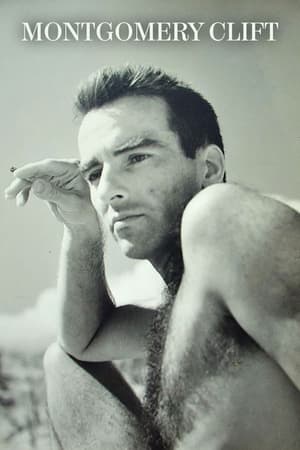
Montgomery Clift(en)
1983-01-01
A documentary incorporating footage of Montgomery Clift’s most memorable films; interviews with family and friends, and rare archival material stretching back to his childhood. What develops is the story of an intense young boy who yearned for stardom, achieved notable success in such classic films as From Here to Eternity and I Confess, only to be ruined by alcohol addiction and his inability to face his own fears and homosexual desires. Montgomery Clift, as this film portrays him, may not have been a happy man but he never compromised his acting talents for Hollywood.