Loading Page
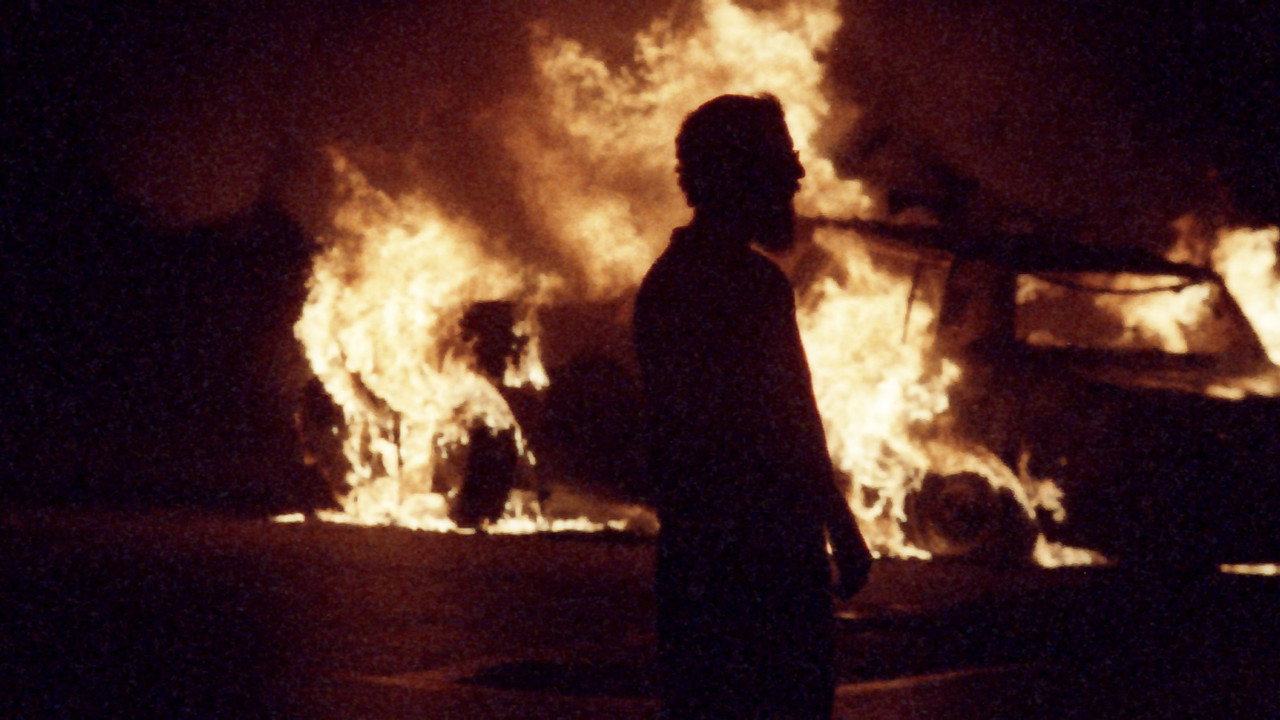

"Get the Jew": The Crown Heights Riot Revisited (WSJ Opinion Documentary)(2024)
Status: Released
Date: 2024-10-07
0%
0 Votes
Time: 0h 24m
Overview:
"This 20 minute documentary sheds light on the worst antisemitic riot in American history, which occurred in Crown Heights, Brooklyn, in 1991. Triggered by a Hasidic man running a red light and accidentally hitting and killing a young black child, the riot led to attacks on Jews. Stores and police cars were burned and a Hasidic man was killed. David Dinkins, New York’s mayor at the time, allowed the riot to go on for three full days, while the media downplayed the antisemitism at the heart of the violence. The film’s interviews include Rev. Al Sharpton and then-Deputy Police Chief Ray Kelly as well as WSJ Opinion writer Elliot Kaufman. The current wave of antisemitism makes these events newly relevant and worthy of reconsideration" (The Wall Street Journal).
Languages:
Countries:
United States of America
ProductionCompanies: 
Movie: "Get the Jew": The Crown Heights Riot Revisited (WSJ Opinion Documentary)
Top 4 Billed Cast

Al Sharpton
Self
Video Trailer "Get the Jew": The Crown Heights Riot Revisited (WSJ Opinion Documentary)
All 1 videos
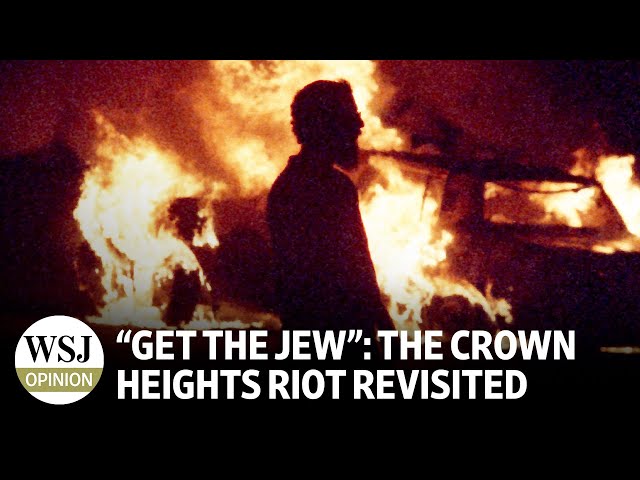
"Get the Jew": The Crown Heights Riot Revisited - Featurette
Recommendations Movies

69%
One of Us(en)
2017-09-10
Penetrating the insular world of New York's Hasidic community, focusing on three individuals driven to break away despite threats of retaliation.
65%
Heart of a Dog(en)
2015-10-21
Lyrical and powerfully personal essay film that reflects on the deaths of her husband Lou Reed, her mother, her beloved dog, and such diverse subjects as family memories, surveillance, and Buddhist teachings.
74%
More Brains! A Return to the Living Dead(en)
2011-10-18
Retrospective documentary about the making of the horror cult classic "The Return of the Living Dead."
75%
McQueen(en)
2018-06-08
Alexander McQueen's rags-to-riches story is a modern-day fairy tale, laced with the gothic. Mirroring the savage beauty, boldness and vivacity of his design, this documentary is an intimate revelation of McQueen's own world, both tortured and inspired, which celebrates a radical and mesmerizing genius of profound influence.

73%
Mea Maxima Culpa: Silence in the House of God(en)
2012-11-16
Alex Gibney explores the charged issue of pedophilia in the Catholic Church, following a trail from the first known protest against clerical sexual abuse in the United States and all way to the Vatican.
70%
This Place Rules(en)
2022-12-30
Acclaimed for his unfiltered reporting and deadpan humor, Andrew Callaghan brings his gonzo style reporting to the undercurrents that led to the January 6 Capitol Riot. As one of the best-known and hardest working journalists of his generation, the 25-year-old ventures on a wild RV journey through America to take the pulse of a divided nation.

76%
Night Will Fall(en)
2014-06-07
When Allied forces liberated the Nazi concentration camps in 1944-45, their terrible discoveries were recorded by army and newsreel cameramen, revealing for the first time the full horror of what had happened. Making use of British, Soviet and American footage, the Ministry of Information’s Sidney Bernstein (later founder of Granada Television) aimed to create a documentary that would provide lasting, undeniable evidence of the Nazis’ unspeakable crimes. He commissioned a wealth of British talent, including editor Stewart McAllister, writer and future cabinet minister Richard Crossman – and, as treatment advisor, his friend Alfred Hitchcock. Yet, despite initial support from the British and US Governments, the film was shelved, and only now, 70 years on, has it been restored and completed by Imperial War Museums under its original title "German Concentration Camps Factual Survey".
65%
Capital in the Twenty-First Century(en)
2019-09-12
Film adaptation of French economist Thomas Piketty's ground-breaking global bestseller of the same name: an eye-opening journey through wealth and power.
70%
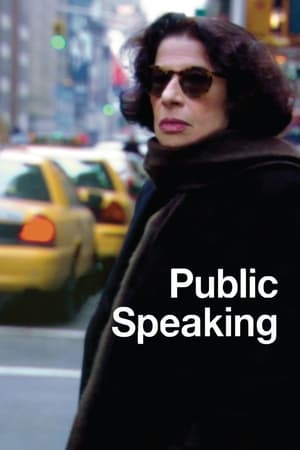
Public Speaking(en)
2011-02-23
Martin Scorsese’s portrait of writer and social commentator Fran Lebowitz, celebrated for her sharp wit and observations on modern life. Filmed at New York’s Waverly Inn and intercut with archival footage and interviews, the documentary captures Lebowitz’s distinctive worldview through her spontaneous monologues and public appearances.

64%
Ex Libris: The New York Public Library(en)
2017-09-13
A documentary about how a dominant cultural and demographic institution both sustains their traditional activities and adapts to the digital revolution.
70%
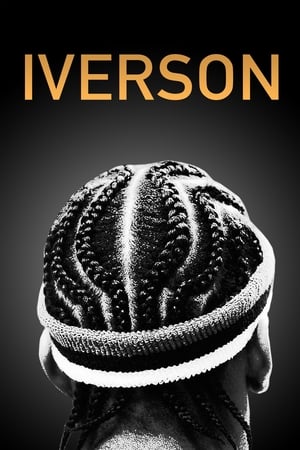
Iverson(en)
2014-04-27
Iverson is the ultimate legacy of NBA legend Allen Iverson, who rose from a childhood of crushing poverty in Hampton, Virginia, to become an 11-time NBA All-Star and universally recognized icon of his sport. Off the court, his audacious rejection of conservative NBA convention and unapologetic embrace of hip hop culture sent shockwaves throughout the league and influenced an entire generation. Told largely in Iverson's own words, the film charts the career highs and lows of one of the most distinctive and accomplished figures the sport of basketball has ever seen.
70%
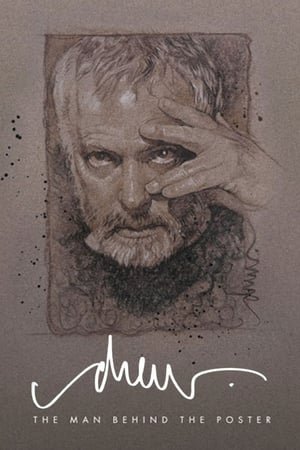
Drew: The Man Behind the Poster(en)
2013-07-19
A documentary on legendary movie-poster artist Drew Struzan.

80%
My Mom Jayne(en)
2025-06-20
Through deeply personal interviews with her siblings and an examination of the photographs, letters, and belongings left behind, Mariska assembles a new portrait of her mother Jayne Mansfield, an extraordinary and complex woman.
67%
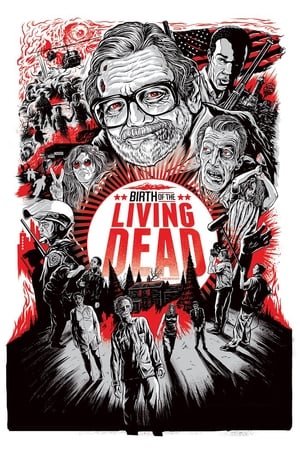
Birth of the Living Dead(en)
2013-10-18
A behind the scenes look into George Romero's groundbreaking horror classic Night of the Living Dead.
66%
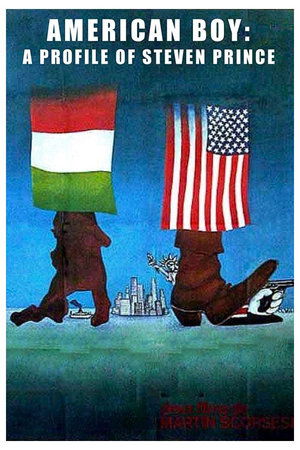
American Boy: A Profile of Steven Prince(en)
1978-09-16
Martin Scorsese spends an evening with larger-than-life raconteur Steven Prince—a former drug addict, road manager for Neil Diamond, and actor—as he recounts stories from his colorful life.
66%
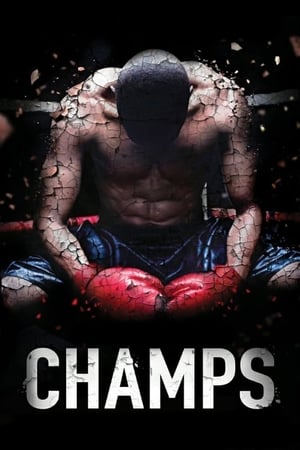
Champs(en)
2015-03-13
A documentary about the sport of boxing, as seen through the eyes of champions Mike Tyson, Evander Holyfield and Bernard Hopkins.
62%
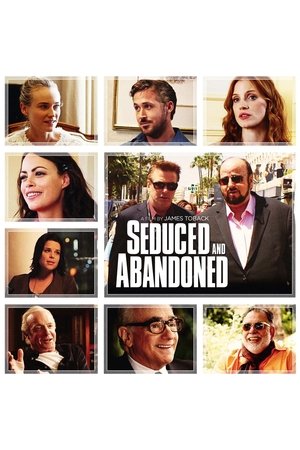
Seduced and Abandoned(en)
2013-05-20
SEDUCED AND ABANDONED combines acting legend Alec Baldwin with director James Toback as they lead us on a troublesome and often hilarious journey of raising financing for their next feature film. Moving from director to financier to star actor, the two players provide us with a unique look behind the curtain at the world's biggest and most glamourous film festival, shining a light on the bitter-sweet relationship filmmakers have with Cannes and the film business. Featuring insights from directors Martin Scorsese, 'Bernando Bertolucci' and Roman Polanski; actors Ryan Gosling and Jessica Chastain and a host of film distribution luminaries.

61%
Naqoyqatsi(en)
2002-09-02
A visual montage portrait of our contemporary world dominated by globalized technology and violence.

65%
Downloaded(en)
2013-06-20
A documentary that explores the downloading revolution; the kids that created it, the bands and the businesses that were affected by it, and its impact on the world at large.
Similar Movies
65%
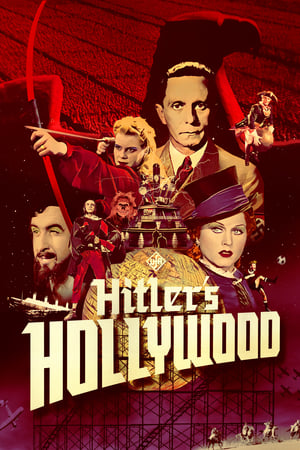
Hitler's Hollywood(de)
2017-02-23
Film journalist and critic Rüdiger Suchsland examines German cinema from 1933, when the Nazis came into power, until 1945, when the Third Reich collapsed. (A sequel to From Caligari to Hitler, 2015.)
60%
Your Mum and Dad(nl)
2019-10-03
The film follows Michael Moskowitz’s work with a New York-based therapist named Kirkland Vaughns, one of the few African-American Freudian therapists in the United States, while the director reveals her own family’s devastating trauma.
73%
The Smuggler and Her Charges(fr)
2016-11-14
A captivating and personal detective story that uncovers the truth behind the childhood of Michaël Prazan's father, who escaped from Nazi-occupied France in 1942 thanks to the efforts of a female smuggler with mysterious motivations.

80%
A Home on the Range: The Jewish Chicken Ranchers of Petaluma(en)
2002-07-31
"A Home On The Range" tells the little-known story of Jews who fled the pogroms and hardships of Eastern Europe and traveled to California to become chicken ranchers. Even in the sweatshops of New York they heard about Petaluma where the Jews were not the shopkeepers and the professionals, they were the farmers. Meet this fractious, idealistic, intrepid group of Eastern European Jews and their descendants as they confront obstacles of language and culture on their journey towards becoming Americans. Jack London, California vigilantes, McCarthyism, the Cold War and agribusiness all come to life in this quintessentially American story of how a group of immigrants found their new home, a home on the range.
90%
Monument to the Murderers(hu)
2021-01-26
A film about a district in Buda, which to this day cannot face the inconceivably cruel crimes committed by its former inhabitants.

0%
Peter Eisenman: Building Germany's Holocaust Memorial(en)
2009-02-20
This documentary explores the creation of the Holocaust Memorial in Berlin as designed by architect Peter Eisenman. Reaction of the German public to the completed memorial is also shown.

71%
Feels Good Man(en)
2020-09-04
When indie comic character Pepe the Frog becomes an unwitting icon of hate, his creator, artist Matt Furie, fights to bring Pepe back from the darkness and navigate America's cultural divide.

71%
Defamation(en)
2009-05-01
Intent on shaking up the ultimate 'sacred cow' for Jews, Israeli director Yoav Shamir embarks on a provocative - and at times irreverent - quest to answer the question, "What is anti-Semitism today?"
63%
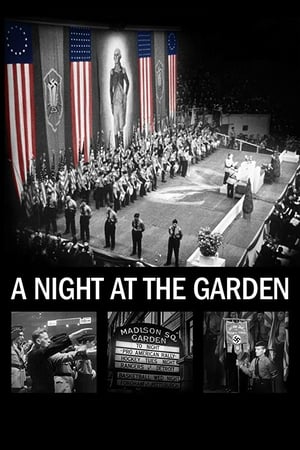
A Night at the Garden(en)
2017-09-24
Archival footage of an American Nazi rally that attracted 20,000 people at Madison Square Garden in 1939, shortly before the beginning of World War II.
73%
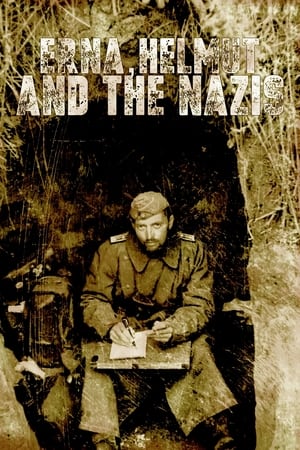
Erna, Helmut and the Nazis(de)
2021-04-29
Germany, 1929. Helmut Machemer and Erna Schwalbe fall madly in love and marry in 1932. Everything indicates that a bright future awaits them; but then, in 1933, Adolf Hitler and the Nazi Party rise to power and their lives are suddenly put in danger because of Erna's Jewish ancestry.
66%
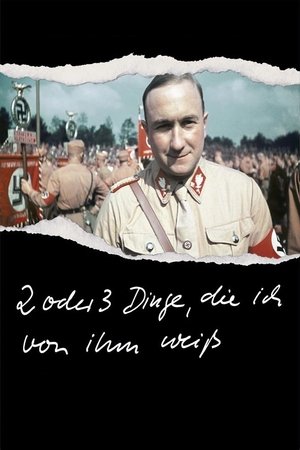
2 or 3 Things I Know About Him(de)
2005-04-07
What would your family reminiscences about dad sound like if he had been an early supporter of Hitler’s, a leader of the notorious SA and the Third Reich’s minister in charge of Slovakia, including its Final Solution? Executed as a war criminal in 1947, Hanns Ludin left behind a grieving widow and six young children, the youngest of whom became a filmmaker. It's a fascinating, maddening, sometimes even humorous look at what the director calls "a typical German story." (Film Forum)
65%
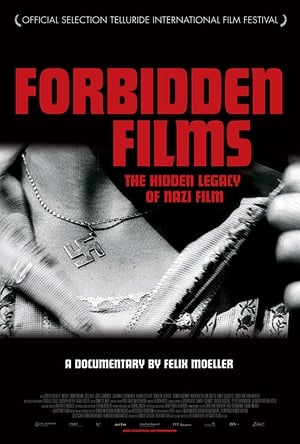
Forbidden Films(de)
2014-03-06
Between 1933 and 1945 roughly 1200 films were made in Germany, of which 300 were banned by the Allied forces. Today, around 40 films, called "Vorbehaltsfilme", are locked away from the public with an uncertain future. Should they be re-released, destroyed, or continue to be neglected? Verbotene Filme takes a closer look at some of these forbidden films.
70%
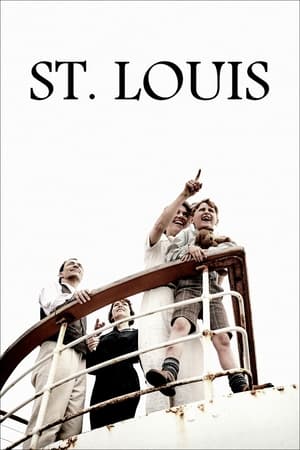
St. Louis(de)
2019-10-21
Hamburg, Germany, 1939. Getting a passage aboard the passenger liner St. Louis seems to be the last hope of salvation for more than nine hundred German Jews who, desperate to escape the atrocious persecution to which they are subjected by the Nazi regime, intend to emigrate to Cuba.

0%
Bullets And Blueberries(en)
2025-09-23
The Holocaust began with the indiscriminate mass shootings by the Einsatzgruppen in the bloodlands of Eastern Europe and was perfected in the gas chambers at Auschwitz. “Bullets And Blueberries” explores the motives, methods and madness of the perpetrators, using never-before-seen images captured by the killers themselves — images that fully capture the banality of evil.
60%
The Paper Brigade(fr)
2018-03-15
Lithuania, 1941, during World War II. Hundreds of thousands of texts on Jewish culture, stolen by the Germans, are gathered in Vilnius to be classified, either to be stored or to be destroyed. A group of Jewish scholars and writers, commissioned by the invaders to carry out the sorting operations, but reluctant to collaborate and determined to save their legacy, hide many books in the ghetto where they are confined. This is the epic story of the Paper Brigade.
80%
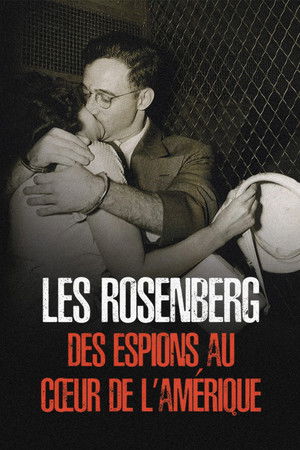
The Rosenbergs: Atomic Spies(fr)
2025-02-08
Based on testimony by Ethel’s brother, David Greenglass, the Rosenbergs are arrested by the FBI. The couple is accused of passing secret information about the atomic bomb to the USSR. Though the Rosenbergs maintain their innocence from the start, the media and public opinion seem to have condemned them from day one. The trial does nothing to change this and ends in a death sentence. On Friday June 19, 1953, Julius and Ethel Rosenberg are executed in the electric chair. Julius first, then Ethel. 30 years later, the truth finally comes out. Declassified FBI archives reveal that Ethel was not guilty of being a spy; she was merely married to one. Julius did indeed commit espionage for the Soviet Union, though primarily as a recruiter, nothing at all like the fictional James Bond. This documentary, made entirely of archival footage and animated illustrations, offers a tale of espionage as well as a complex family tragedy.

64%
Pope Pius XII and the Holocaust(de)
2024-10-08
A portrait of Pope Pius XII (1876-1958), head of the Catholic Church from 1939 until his death, who, during World War II, and while European Jews were being exterminated by the Nazis, was accused of keeping a disconcerting and shameful silence.
75%
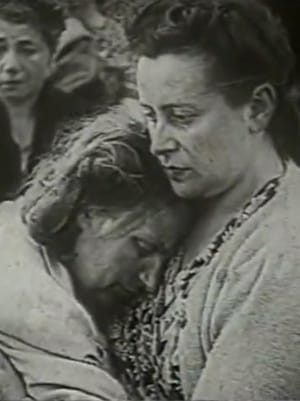
Witnesses(pl)
1987-07-01
On July 4th, 1946, the crowd in Kielce, Poland, slaughtered forty-two Jews and wounded many others. Forty years later, in 1987, Marcel Łoziński visited those places and met some witnesses of the carnage.