Loading Page
General Report(1977)
Status: Released
Date: 1977-12-07
62%
8 Votes
Time: 2h 45m
Overview:
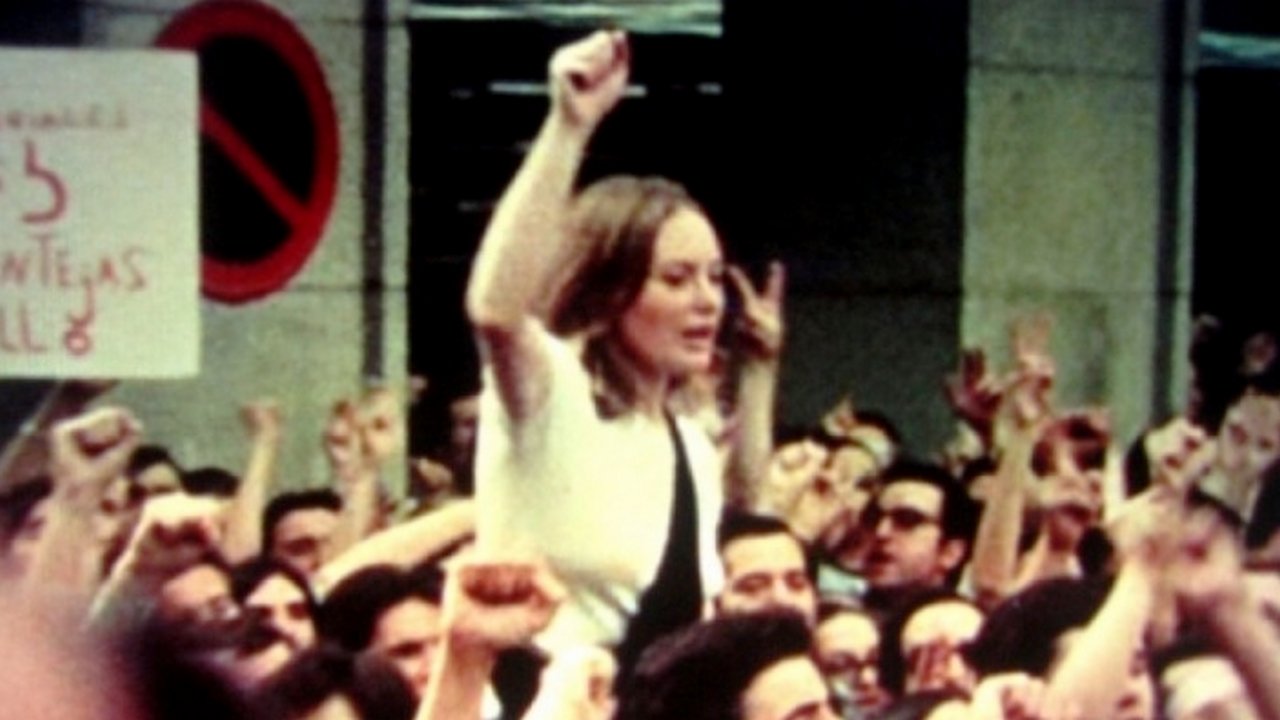
How does a country go from a dictatorship to a democracy? A detailed report on the political representation in the heart of the Spanish Transition, only a few months after General Franco’s death, when the sincere democratic vocation of Spanish people must effort to destroy, one heavy brick after another, the wall that those who supported the dictatorship and those who fought it from the exile built with resentment, hatred and prejudices.
Languages: Basque, Catalan, Spanish, French.
Countries:
Spain
ProductionCompanies: 
Movie: General Report
Top 10 Billed Cast
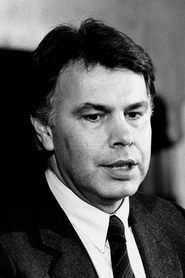
Felipe González
Self - Politician

Marcelino Camacho
Self - Labor Union Leader

Nicolás Redondo
Self - Labor Union Leader
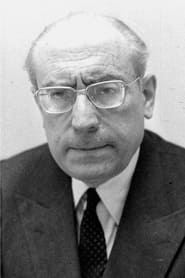
Enrique Tierno Galván
Self - Politician
HomePage
Informe general sobre unas cuestiones de interés para una proyección pública
Overview
How does a country go from a dictatorship to a democracy? A detailed report on the political representation in the heart of the Spanish Transition, only a few months after General Franco’s death, when the sincere democratic vocation of Spanish people must effort to destroy, one heavy brick after another, the wall that those who supported the dictatorship and those who fought it from the exile built with resentment, hatred and prejudices.
Release Date
1977-12-07
Average
6.2
Rating:
3.1 startsTagline
Genres
Languages:
euskeraCatalàEspañolFrançaisKeywords
Recommendations Movies
80%
The Silence of Others(es)
2019-01-25
The story of the tortuous struggle against the silence of the victims of the dictatorship imposed by General Franco after the victory of the rebel side in the Spanish Civil War (1936-1975). In a democratic country, but still ideologically divided, the survivors seek justice as they organize the so-called “Argentinian lawsuit” and denounce the legally sanctioned pact of oblivion that intends to hide the crimes they were subjects of.

78%
The Revolution Will Not Be Televised(en)
2003-03-07
Hugo Chavez was a colourful, unpredictable folk hero who was beloved by his nation’s working class. He was elected president of Venezuela in 1998, and proved to be a tough, quixotic opponent to the power structure that wanted to depose him. When he was forcibly removed from office on 11 April 2002, two independent filmmakers were inside the presidential palace.
66%
Comandante(en)
2003-02-14
Oliver Stone spends three days filming with Fidel Castro in Cuba, discussing an array of subjects with the president such as his rise to power, fellow revolutionary Che Guevara, the Cuban Missile crisis, and the present state of the country.
59%
South of the Border(en)
2009-09-07
A road trip across five countries to explore the social and political movements as well as the mainstream media's misperception of South America while interviewing seven of its elected presidents.
73%
One Day in September(en)
1999-10-22
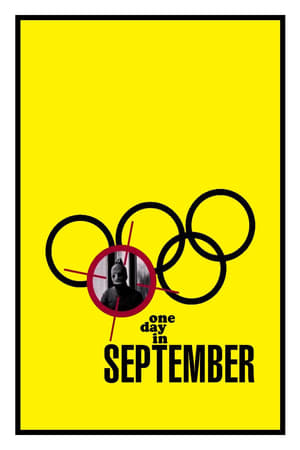
The full story of the 1972 Munich Olympics Massacre and the Israeli revenge operation 'Wrath of God.' The 1972 Munich Olympics were interrupted by Palestinian terrorists taking Israeli athletes hostage. Besides footage taken at the time, we see interviews with the surviving terrorist, Jamal Al Gashey, and various officials detailing exactly how the police, lacking an anti-terrorist squad and turning down help from the Israelis, botched the operation.
74%
Messi(es)
2014-09-06
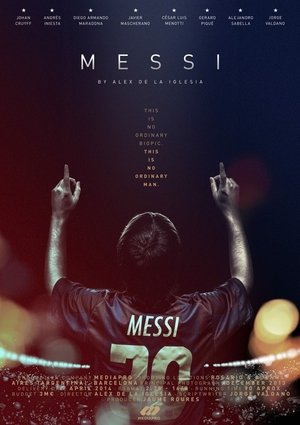
His teachers, coaches, childhood friends and Barça teammates, together with journalists, writers and prominent figures from the history of football, come together in a restaurant to analyze and pick apart Messi's personality both on and off the field, and to look back at some of the most significant moments in his life. Viewed from Álex de la Iglesia's unique perspective, Messi recreates the player's childhood and teenage years, from his very first steps, with a football always at his feet, through to the decision to leave Rosario for Barcelona, the separation from his family, and the role played in his career by individuals such as Ronaldinho, Rijkaard, Rexach and Guardiola.
67%
The Weather Underground(en)
2002-11-17
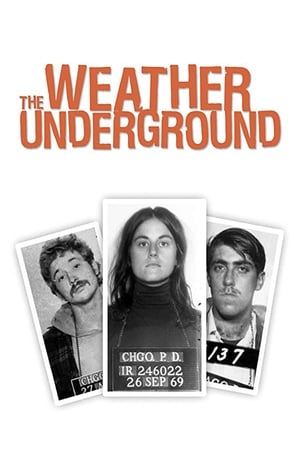
The remarkable story of The Weather Underground, radical activists of the 1970s, and of radical politics at its best and most disastrous.
75%
The Battered Bastards of Baseball(en)
2014-01-20
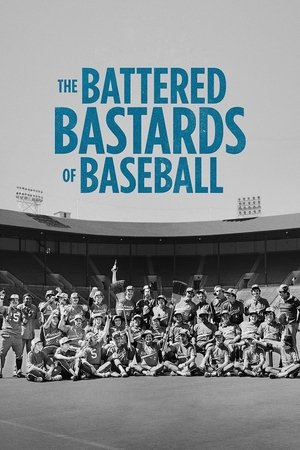
Hollywood veteran Bing Russell creates the only independent baseball team in the country—alarming the baseball establishment and sparking the meteoric rise of the 1970s Portland Mavericks.
73%
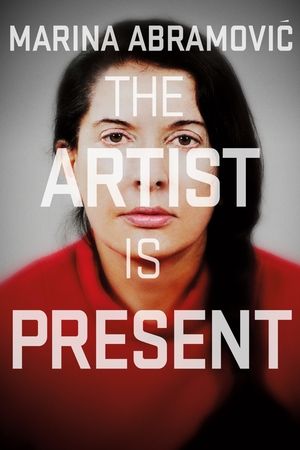
Marina Abramović: The Artist Is Present(en)
2012-06-13
Performance artist Marina Abramovic prepares for a major retrospective of her work at the Museum of Modern Art in New York.
70%
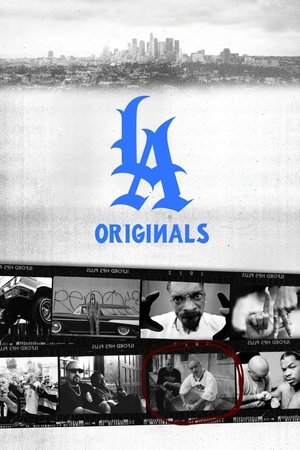
LA Originals(en)
2020-04-10
Photographer Estevan Oriol and artist Mister Cartoon turned their Chicano roots into gritty art, impacting street culture, hip hop and beyond.
75%
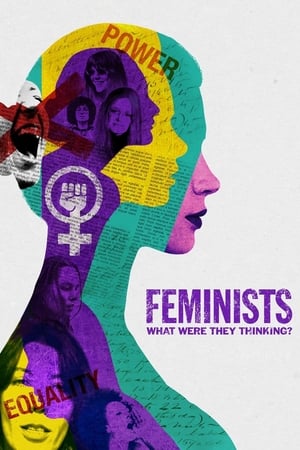
Feminists: What Were They Thinking?(en)
2018-02-19
In 1977, a book of photographs captured an awakening - women shedding the cultural restrictions of their childhoods and embracing their full humanity. This documentary revisits those photos, those women and those times and takes aim at our culture today that alarmingly shows the need for continued change.

71%
The Class of ‘92(en)
2013-12-01
A detailing of the rise to prominence and global sporting superstardom of six supremely talented young Manchester United football players (David Beckham, Nicky Butt, Ryan Giggs, Paul Scholes, Phil and Gary Neville). The film covers the period 1992-1999, culminating in Manchester United's European Cup triumph.
70%
Lake of Fire(en)
2006-09-09
An unflinching look at the how the battle over abortion rights has played out in the United States over the last 15 years.
70%
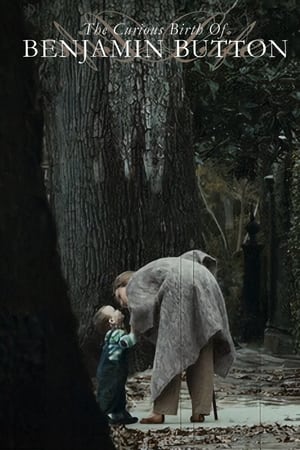
The Curious Birth of Benjamin Button(en)
2009-05-05
A documentary about the making of David Fincher's 2008 film THE CURIOUS CASE OF BENJAMIN BUTTON. Virtually every element in the evolution of the Fincher's film is documented here, from the project's attachment to numerous other directors during the 1990s, to its shoot in 2006 and 2007 in New Orleans, to its complex, CGI-intensive postproduction process.
62%
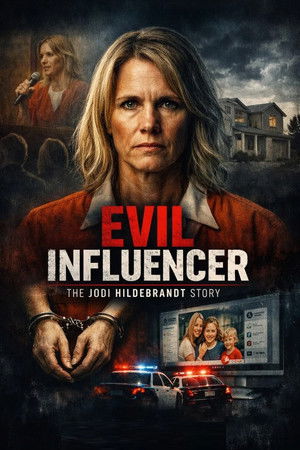
Evil Influencer: The Jodi Hildebrandt Story(en)
2025-12-30
Unravel the case of Utah therapist Jodi Hildebrandt, whose child abuse arrest with parenting YouTuber Ruby Franke exposed a twisted tale of manipulation.
67%
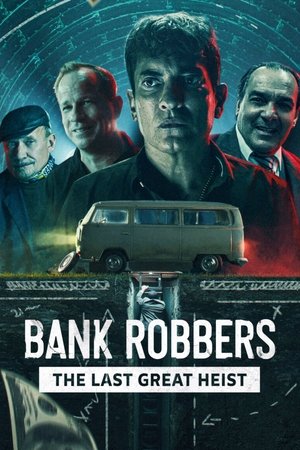
Bank Robbers: The Last Great Heist(es)
2022-08-10
Through candid interviews, the perpetrators of Argentina's most notorious bank heist detail how — and why — they carried out the radical 2006 operation.
70%
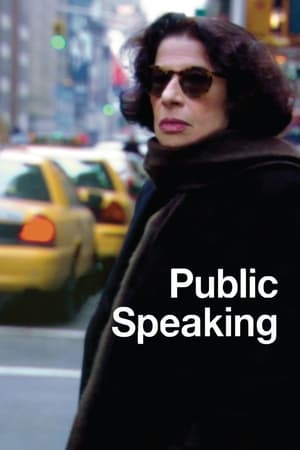
Public Speaking(en)
2011-02-23
Martin Scorsese’s portrait of writer and social commentator Fran Lebowitz, celebrated for her sharp wit and observations on modern life. Filmed at New York’s Waverly Inn and intercut with archival footage and interviews, the documentary captures Lebowitz’s distinctive worldview through her spontaneous monologues and public appearances.
64%
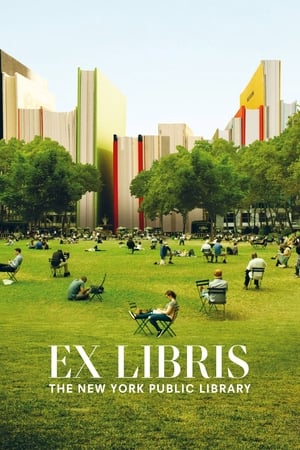
Ex Libris: The New York Public Library(en)
2017-09-13
A documentary about how a dominant cultural and demographic institution both sustains their traditional activities and adapts to the digital revolution.
72%
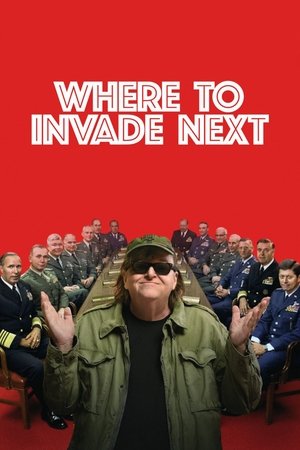
Where to Invade Next(en)
2015-12-23
To understand firsthand what the United States of America can learn from other nations, Michael Moore playfully “invades” some to see what they have to offer.
Similar Movies
100%
Cría, reza, ama(es)
2019-12-09
70%
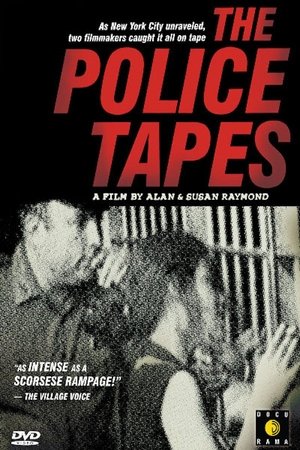
The Police Tapes(en)
1977-01-02
Filmmakers Alan and Susan Raymond spent three months in 1976 riding along with patrol officers in the 44th Precinct of the South Bronx, which had the highest crime rate in New York City at that time.
0%
Ngā Tamatoa: 40 Years On(en)
2012-09-14
Actor Rawiri Paratene was 16 years old when he joined Māori activist group Ngā Tamatoa (Young Warriors) in the early 1970s. "Those years helped shape the rest of my life," says Paratene in this 2012 Māori TV documentary, directed by Kim Webby. The programme is richly woven with news archive from the 1970s, showing protests about land rights and the Treaty of Waitangi, and a campaign for te reo to be taught in schools. Several ex Ngā Tamatoa members — including Hone Harawira, Tame Iti and Larry Parr— are interviewed by Paratene, who also presents the documentary.
100%
CAP: 2 Intentos(es)
2016-12-02
A full on examination of the two presidential terms of Carlos Andres Perez in which he led the venezuelan fates: 1974-1979 and 1989-1993, known respectively as "La Gran Venezuela" and "El Gran Viraje". Two models of government that, separated by ten years, were very different but produced a change in the history of the country.
60%
Clawing! A Journey Through the Spanish Horror(es)
2014-06-20
In the late sixties, Spanish cinema began to produce a huge amount of horror genre films: international markets were opened, the production was continuous, a small star-system was created, as well as a solid group of specialized directors. Although foreign trends were imitated, Spanish horror offered a particular approach to sex, blood and violence. It was an extremely unusual artistic movement in Franco's Spain.

80%
Punk Girls - Die weibliche Geschichte des britischen Punk(de)
2024-04-12
London 1976: Between economic crises and the Silver Jubilee, something is brewing in the squats and basement clubs of West London: Punk. A promise, a new beginning. Punk meant self-empowerment, especially for the women in the scene. For the first time, women picked up guitar, bass and drums, formed bands and wrote their own songs.
0%
The RAF: The Red Army Fraction(de)
2007-03-25
From the inner workings of the RAF. Former RAF-member Peter-Jürgen Boock reveal the many secrets and myths about the Baader-Meinhof gang a.k.a. RAF - Rote Armee Fraktion.

85%
Filhos de João, O Admirável Mundo Novo Baiano(pt)
2011-07-22
A panorama of Brazilian popular music from the 60s and 70s through the musical group Novos Baianos. A retrospective of the community lifestyle adopted by its members and the influence inherited from singer João Gilberto.
65%
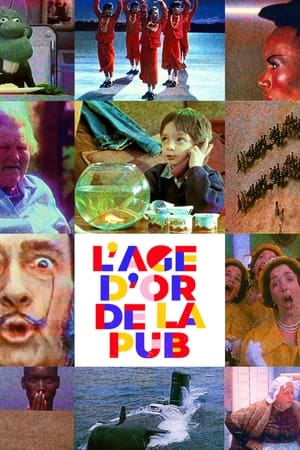
L'Âge d'or de la pub(fr)
2023-06-02
55 years ago, on October 1 1968, the first brand advertising spot appeared on the French television screen. Over the next three decades, thousands of creative little films would seduce and build our collective memory. Kitschy or cult spots, humor, slogans, music, stars, gimmicks, grand spectacle or sex appeal: during its golden age, how did advertising convince? Thierry Ardisson has brought together almost 400 advertising clips to relive the era of the conquest of minds and wallets.
48%
Hollywood Rated 'R'(en)
1997-06-19
A roller-coaster ride through the history of American exploitation films, ranging from Roger Corman's sci-fi and horror monster movies, 1960s beach movies, H.G. Lewis' gore-fests, William Castle's schlocky theatrical gimmicks, to 1970s blaxploitation, pre-"Deep Throat" sex tease films, Russ Meyer's bosom-heavy masterpieces, etc, etc. Over 25 interviews of the greatest purveyors of weird films of all kind from 1940 to 1975. Illustrated with dozens of films clips, trailers, extra footage, etc. This documentary as a shorter companion piece focusing on exploitation king David F. Friedman.
71%
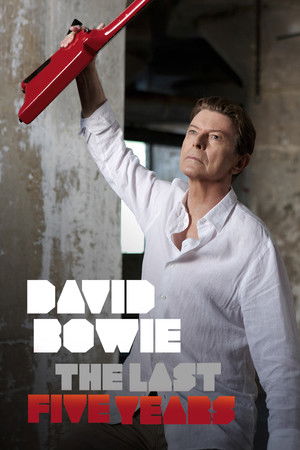
David Bowie: The Last Five Years(en)
2017-01-07
In the last five years of his life, David Bowie ended nearly a decade of silence to engage in an extraordinary burst of activity, producing two groundbreaking albums and a musical. David Bowie: The Last Five Years explores this unexpected end to a remarkable career. Made with remarkable access, Francis Whately’s documentary is a revelatory follow-up to his acclaimed 2013 documentary David Bowie: Five Years, which chronicled Bowie’s golden ‘70s and early-‘80s period.
64%
Inside Deep Throat(en)
2005-02-11
In 1972, a seemingly typical shoestring budget pornographic film was made in a Florida hotel: "Deep Throat," starring Linda Lovelace. This film would surpass the wildest expectation of everyone involved to become one of the most successful independent films of all time. It caught the public imagination which met the spirit of the times, even as the self-appointed guardians of public morality struggled to suppress it, and created, for a brief moment, a possible future where sexuality in film had a bold artistic potential. This film covers the story of the making of this controversial film, its stunning success, its hysterical opposition along with its dark side of mob influence and allegations of the on set mistreatment of the film's star.
71%
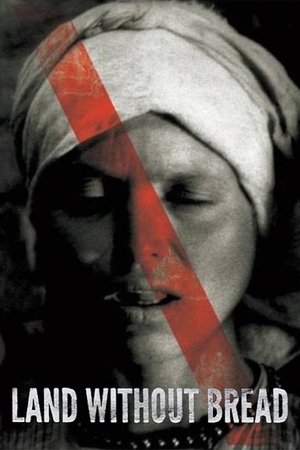
Land Without Bread(es)
1933-12-01
An exploration —manipulated and staged— of life in Las Hurdes, in the province of Cáceres, in Extremadura, Spain, as it was in 1932. Insalubrity, misery and lack of opportunities provoke the emigration of young people and the solitude of those who remain in the desolation of one of the poorest and least developed Spanish regions at that time.
100%
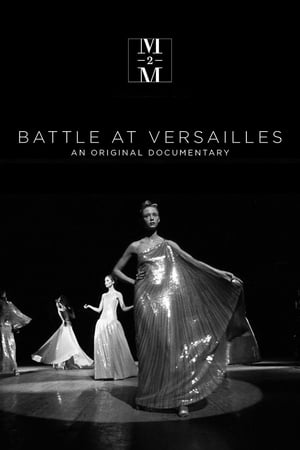
Battle at Versailles(en)
2016-05-05
M2M's first original long-form documentary, Battle at Versailles, follows an event in 1973 at Palace of Versailles where top French designers such as Yves Saint Laurent and Pierre Cardin faced of against American newcomers Oscar de la Renta, Bill Blass, Anne Klein and Halston. That pitted France’s best designers against the best America had to offer. It was the first time the fashion world's gaze was fixated on American design.
0%
Las mañanitas(fr)
2025-01-27
Writing a letter to Paul B. Preciado, trans philosopher and filmmaker, as one would write to a friend. Undertake a healing process as a queer child growing up in a Spanish evangelical family. From Lausanne to New York, Lézio Schiffke-Rodriguez follows in the footsteps of revolutions that invite us to redefine our vision of binary bodies.
80%
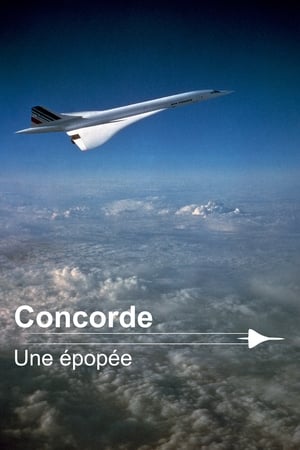
Concode, an Epic Saga(fr)
2019-03-26
Fifty years ago, on Sunday, 2 March 1969, Concorde flew for the first time. Starting from this inaugural flight, the film goes back in time to the origin of the conception of Concorde.
40%
Las Hurdes, país de leyenda(es)
1922-01-01
An account of the journey that King Alfonso XIII of Spain made to the impoverished shire of Las Hurdes, in the province of Cáceres, in the region of Extremadura, in 1922.