
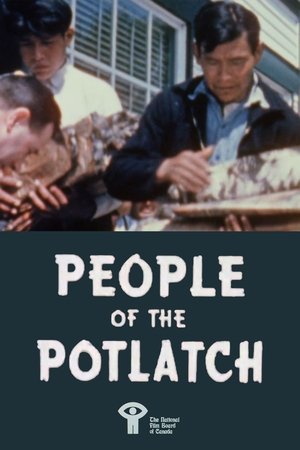
People of the Potlatch(1944)
The Indigenous peoples of northern British Columbia still hunt and fish, using a combination of traditional ways and modern equipment and techniques where appropriate. Lumbering and trapping bring them money and goods. Their traditional arts and crafts, however, remain essentially unchanged. This archival film reflects the social and cultural values and beliefs prevalent at the time of production.

Movie: People of the Potlatch
Recommendations Movies
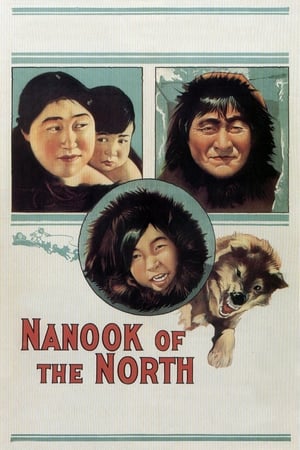
Nanook of the North(en)
This pioneering documentary film depicts the lives of the indigenous Inuit people of Canada's northern Quebec region. Although the production contains some fictional elements, it vividly shows how its resourceful subjects survive in such a harsh climate, revealing how they construct their igloo homes and find food by hunting and fishing. The film also captures the beautiful, if unforgiving, frozen landscape of the Great White North, far removed from conventional civilization.
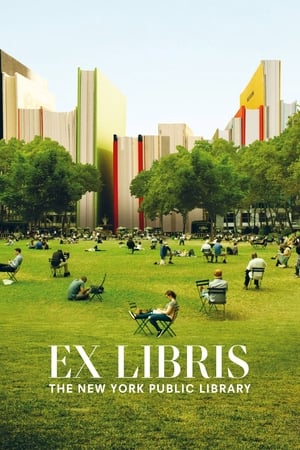
Ex Libris: The New York Public Library(en)
A documentary about how a dominant cultural and demographic institution both sustains their traditional activities and adapts to the digital revolution.
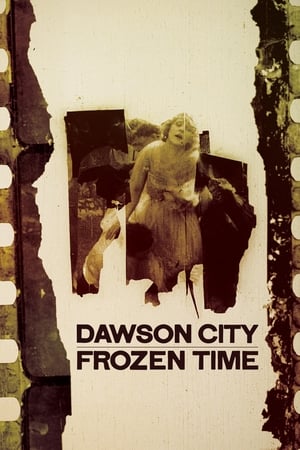
Dawson City: Frozen Time(en)
The true history of a collection of some 500 films dating from 1910s to 1920s, which were lost for over 50 years until being discovered buried in a sub-arctic swimming pool deep in the Yukon Territory, in Dawson City, located about 350 miles south of the Arctic Circle.

In the Realms of the Unreal(en)
In the Realms of the Unreal is a documentary about the reclusive Chicago-based artist Henry Darger. Henry Darger was so reclusive that when he died his neighbors were surprised to find a 15,145-page manuscript along with hundreds of paintings depicting The Story of the Vivian Girls, in What is Known as the Realms of the Unreal, of the Glodeco-Angelinnian War Storm, Cased by the Child Slave Rebellion.

One of Us(en)
Penetrating the insular world of New York's Hasidic community, focusing on three individuals driven to break away despite threats of retaliation.

Naqoyqatsi(en)
A visual montage portrait of our contemporary world dominated by globalized technology and violence.
Baraka(en)
A paralysingly beautiful documentary with a global vision—an odyssey through landscape and time—that attempts to capture the essence of life.
Heart of a Dog(en)
Lyrical and powerfully personal essay film that reflects on the deaths of her husband Lou Reed, her mother, her beloved dog, and such diverse subjects as family memories, surveillance, and Buddhist teachings.
End Game(en)
Filmed and edited in intimate vérité style, this movie follows visionary medical practitioners who are working on the cutting edge of life and death and are dedicated to changing our thinking about both.

To Be Takei(en)
Over seven decades, actor and activist George Takei journeyed from a World War II internment camp to the helm of the Starship Enterprise, and then to the daily news feeds of five million Facebook fans. Join George and his husband, Brad, on a wacky and profound trek for life, liberty, and love.
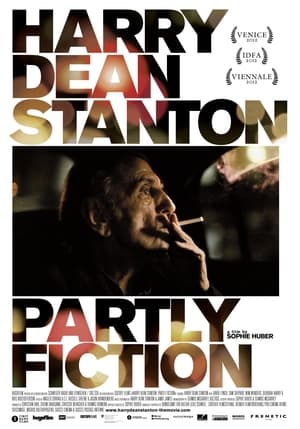
Harry Dean Stanton: Partly Fiction(en)
An impressionistic portrait of the iconic actor Harry Dean Stanton comprised of intimate moments, film clips from some of his 250 films and his renditions of American folk songs.

DMT: The Spirit Molecule(en)
THE SPIRIT MOLECULE weaves an account of Dr. Rick Strassman's groundbreaking DMT research through a multifaceted approach to this intriguing hallucinogen found in the human brain and hundreds of plants, including the sacred Amazonian brew, ayahuasca. Utilizing interviews with a variety of experts to explain their thoughts and experiences with DMT, and ayahuasca, within their respective fields, and discussions with Strassman’s research volunteers, brings to life the awesome effects of this compound, and introduces us to far-reaching theories regarding its role in human consciousness.
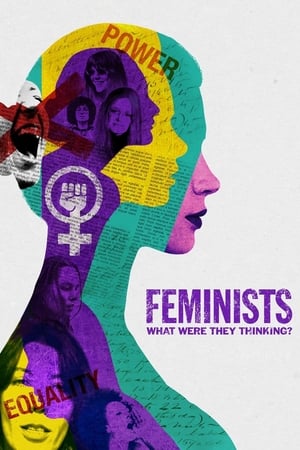
Feminists: What Were They Thinking?(en)
In 1977, a book of photographs captured an awakening - women shedding the cultural restrictions of their childhoods and embracing their full humanity. This documentary revisits those photos, those women and those times and takes aim at our culture today that alarmingly shows the need for continued change.

My Mom Jayne(en)
Through deeply personal interviews with her siblings and an examination of the photographs, letters, and belongings left behind, Mariska assembles a new portrait of her mother Jayne Mansfield, an extraordinary and complex woman.
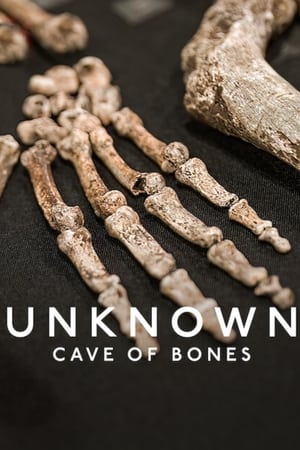
Unknown: Cave of Bones(en)
Scientists examine underground clues from over 250,000 years ago that raise questions about our early relatives — and what it truly means to be human.

Anna Nicole Smith: You Don't Know Me(en)
From the heights of her modeling fame to her tragic death, this documentary reveals Anna Nicole Smith through the eyes of the people closest to her.
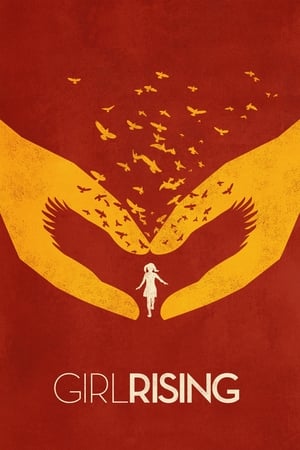
Girl Rising(en)
Nine filmmakers each profile a young girl from a different part of the world to weave a global tapestry of youth in the 21st century.
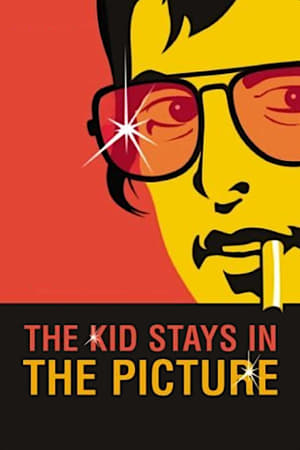
The Kid Stays in the Picture(en)
Documentary about legendary Paramount producer Robert Evans, based on his famous 1994 autobiography.
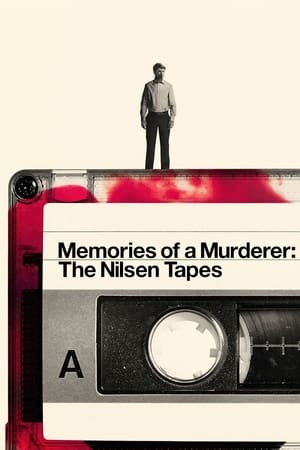
Memories of a Murderer: The Nilsen Tapes(en)
Serial killer Dennis Nilsen narrates his life and horrific crimes via a series of chilling audiotapes recorded from his jail cell.
Similar Movies
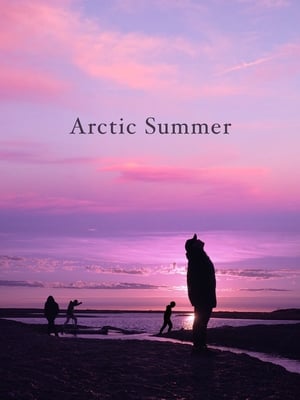
Arctic Summer(en)
ARCTIC SUMMER is a poetic meditation on Tuktoyaktuk, an Indigenous community in the Arctic. The film captures Tuk during one of the last summers before climate change forced Tuk's coastal population to relocate to more habitable land.
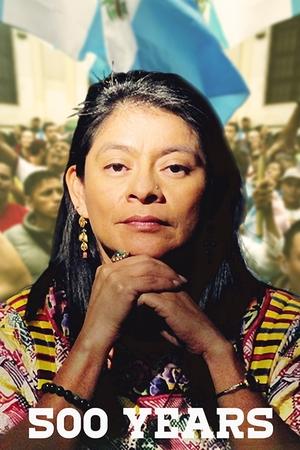
500 Years(es)
From a historic genocide trial to the overthrow of a president, the sweeping story of mounting resistance played out in Guatemala’s recent history is told through the actions and perspectives of the majority indigenous Mayan population, who now stand poised to reimagine their society.
When the Mountains Tremble(es)
A documentary on the war between the Guatemalan military and the Mayan population, with first hand accounts by Nobel Peace Prize winner Rigoberta Menchú.
INAATE/SE/(en)
INAATE/SE/ re-imagines an ancient Ojibway story, the Seven Fires Prophecy, which both predates and predicts first contact with Europeans. A kaleidoscopic experience blending documentary, narrative, and experimental forms, INAATE/SE/ transcends linear colonized history to explore how the prophecy resonates through the generations in their indigenous community within Michigan’s Upper Peninsula. With acute geographic specificity, and grand historical scope, the film fixes its lens between the sacred and the profane to pry open the construction of contemporary indigenous identity.
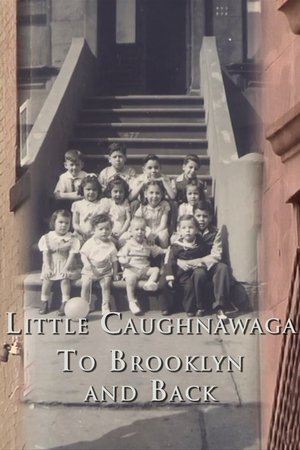
Little Caughnawaga: To Brooklyn and Back(en)
For over 50 years, the Kahnawake Mohawks, of Quebec, Canada occupied a 10 square block area in the North Gowanus section of Brooklyn, which became known as Little Caughnawaga. The men, skilled ironworkers, came to New York in search of work and brought their wives, children and often, extended family with them. The story of the Mohawk ironworkers is an important one and is one that has been told and continues to be told through documentaries, newspaper and magazine articles. Yet the stories of Kahnawake Mohawk women who lived in Brooklyn have gone untold.
Lakota Nation vs. United States(en)
Poet Layli Long Soldier crafts a searing portrait of her Oyate’s connection to the Black Hills, through first contact and broken treaties to the promise of the Land Back movement, in this lyrical testament to resilience of a nation.
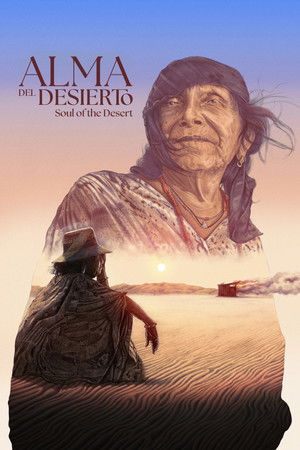
Soul of the Desert(es)
A documentary on the road that tracks the journey by Georgina, an elderly transgender woman forced to cross the sandy peninsula Guajira, on foot, to obtain the thing she has desired for almost half a century: a document that will hand her the right to be what she has always felt she was, and will allow her, at long last, to vote.

Despertar de los restos(es)
A stop-motion documentary that describes the artificial mummification (black and red mummies) of the Chinchorro culture, a pre-hispanic society of fishermen and hunter-gatherers who practiced funeral rites with sophisticated techniques for body preservation 7,000 years ago, originating on the Camarones coast of Chile.
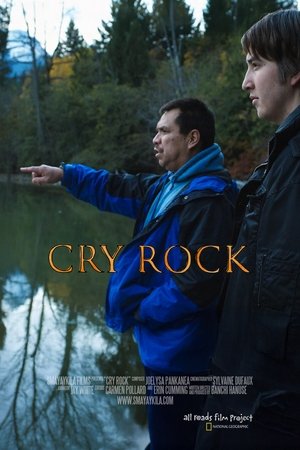
Cry Rock(en)
In the Bella Coola Valley, a haunting legend endures through generations as a filmmaker reckons with whether the stories of her ancestors can survive being held or if they were never meant to be captured.
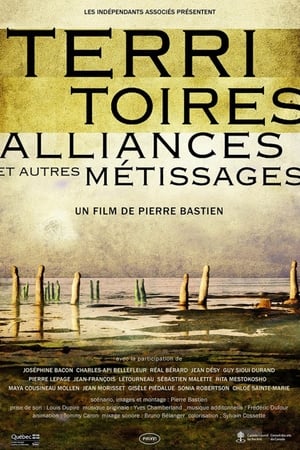
Territoires, alliances et autres métissages(fr)
By retracing the mixed heritage of First Nations peoples and Quebecers, painting a modern portrait, and sketching a human geography, this film helps us (re)discover the beauty and strength of our common territory: the Americas.
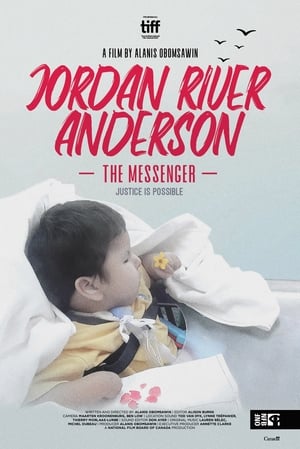
Jordan River Anderson, The Messenger(en)
The story of a young boy forced to spend all five years of his short life in hospital while the federal and provincial governments argued over which was responsible for his care, as well as the long struggle of Indigenous activists to force the Canadian government to enforce “Jordan’s Principle” — the promise that no First Nations children would experience inequitable access to government-funded services again.
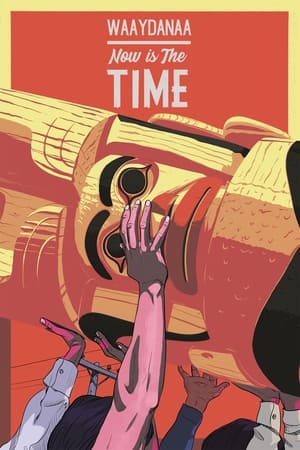
Now Is the Time(en)
When internationally renowned Haida carver Robert Davidson was only 22 years old, he carved the first new totem pole on British Columbia’s Haida Gwaii in almost a century. On the 50th anniversary of the pole’s raising, Haida filmmaker Christopher Auchter steps easily through history to revisit that day in August 1969, when the entire village of Old Massett gathered to celebrate the event that would signal the rebirth of the Haida spirit.
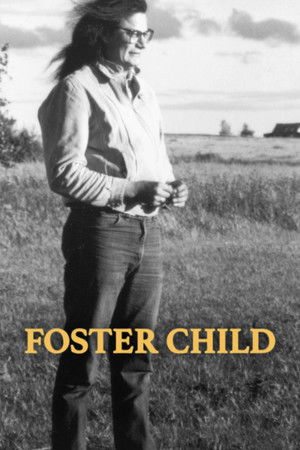
Foster Child(en)
Gil Cardinal searches for his natural family and an understanding of the circumstances that led to his becoming a foster child. An important figure in the history of Canadian Indigenous filmmaking, Gil Cardinal was born to a Métis mother but raised by a non-Indigenous foster family, and with this auto-biographical documentary he charts his efforts to find his biological mother and to understand why he was removed from her. Considered a milestone in documentary cinema, it addressed the country’s internal colonialism in a profoundly personal manner, winning a Special Jury Prize at Banff and multiple international awards.
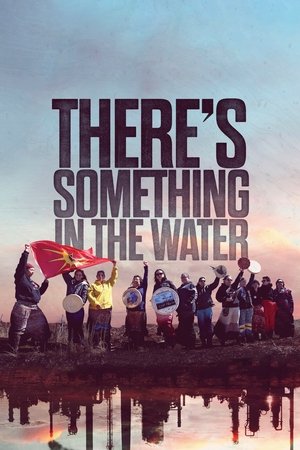
There's Something in the Water(en)
Elliot Page brings attention to the injustices and injuries caused by environmental racism in his home province, in this urgent documentary on Indigenous and African Nova Scotian women fighting to protect their communities, their land, and their futures.
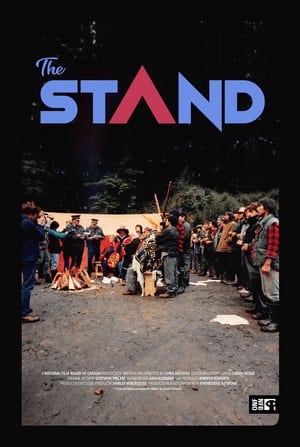
The Stand(en)
On a misty morning in the fall of 1985, a small group of Haida people blockaded a muddy dirt road on Lyell Island, demanding the government work with Indigenous people to find a way to protect the land and the future. In a riveting new feature documentary drawn from more than a hundred hours of archival footage and audio, award-winning director Christopher Auchter (Now Is the Time) recreates the critical moment when the Haida Nation’s resolute act of vision and conscience changed the world.
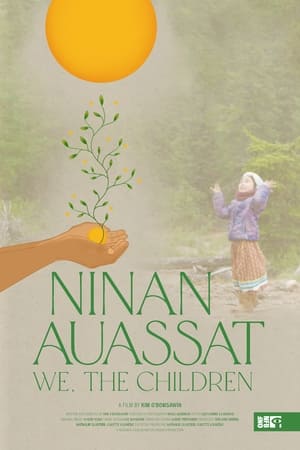
Ninan Auassat: We, the Children(fr)
Known for her intimate films, director Kim O’Bomsawin (Call Me Human) invites viewers into the lives of Indigenous youth in this absorbing new documentary. Shot over six years, the film brings us the moving stories, dreams, and experiences of three groups of children and teens from different Indigenous nations: Atikamekw, Eeyou Cree, and Innu. In following these young people through the formative years of their childhood and right through their high school years, we witness their daily lives, their ideas, and aspirations for themselves and their communities, as well as some of the challenges they face.