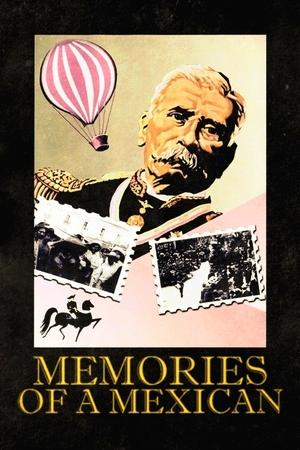
Memories of a Mexican(1950)
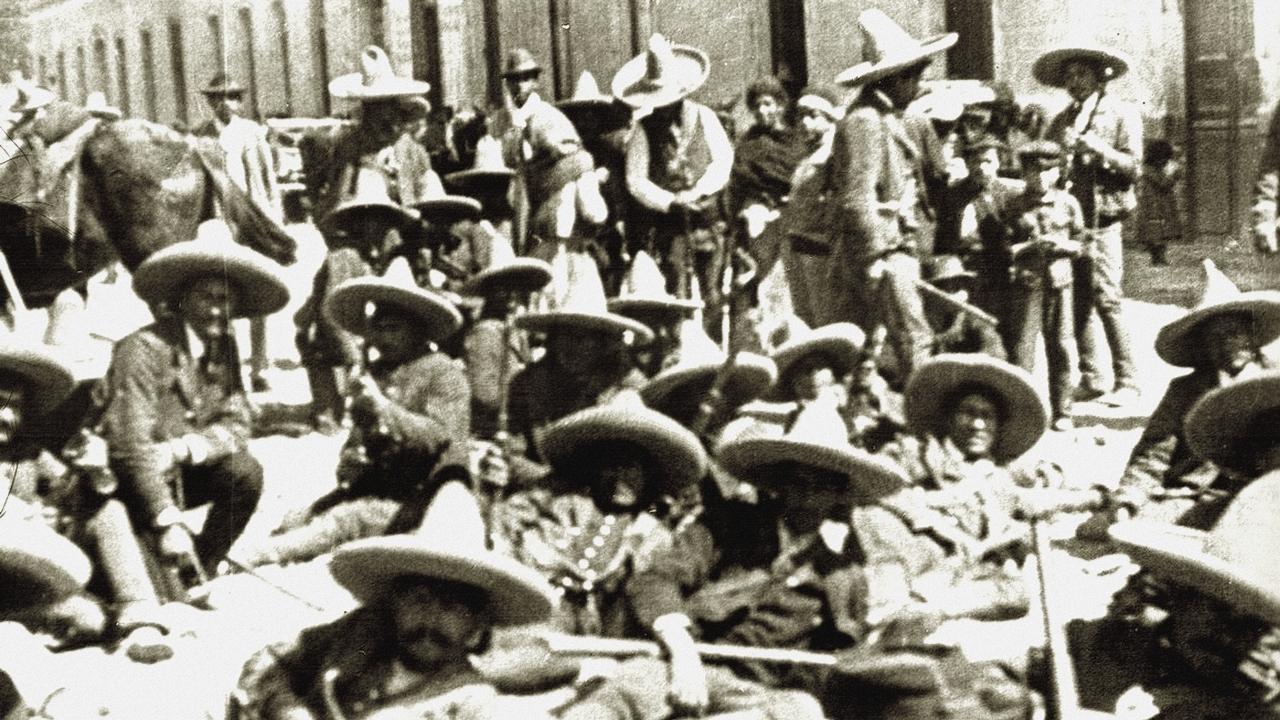
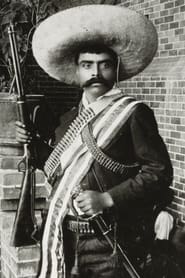
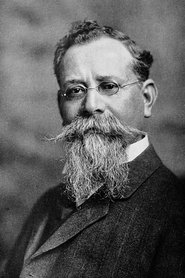
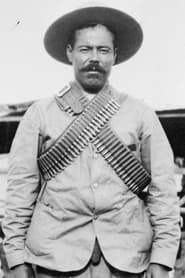
A history of the Mexican Revolution (1910-17), narrated through the striking images of the enormous film archive of Salvador Toscano (1872-1947), pioneer of Mexican cinema, compiled by his daughter, Carmen Toscano.
Movie: Memories of a Mexican
Top 8 Billed Cast
Self (archive footage)
Self (archive footage)
Self (archive footage)
Self (archive footage)
Self (archive footage)
Recommendations Movies
Making Waves: The Art of Cinematic Sound(en)
The history of cinematic sound, told by legendary sound designers and visionary filmmakers.
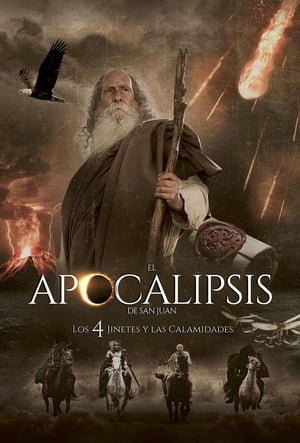
The Apocalypse of St John(es)
Embark on an epic journey through time and faith with 'The Apocalypse of Saint John.' Join the Apostle John in a stunning visual narrative that unravels the visions of the End Times. Experience each vision like never before, with striking visual effects and epic scenes that immerse you in the apocalyptic narrative.
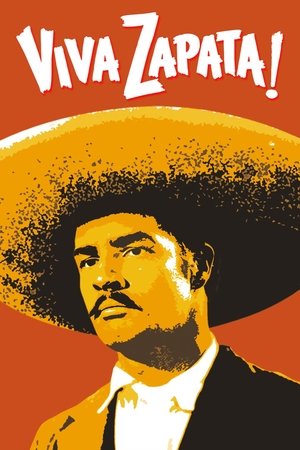
Viva Zapata!(en)
The story of Mexican revolutionary Emiliano Zapata, who led a rebellion against the corrupt, oppressive dictatorship of president Porfirio Díaz in the early 20th century.

Banking on Bitcoin(en)
Not since the invention of the Internet has there been such a disruptive technology as Bitcoin. Bitcoin's early pioneers sought to blur the lines of sovereignty and the financial status quo. After years of underground development Bitcoin grabbed the attention of a curious public, and the ire of the regulators the technology had subverted. After landmark arrests of prominent cyber criminals Bitcoin faces its most severe adversary yet, the very banks it was built to destroy.

The Rise and Rise of Bitcoin(en)
A documentary about the development and spread of the virtual currency called Bitcoin.
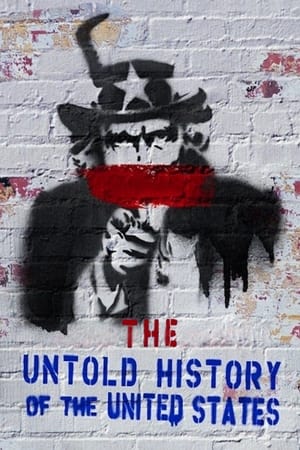
The Untold History Of The United States(en)
Oliver Stone charts the history of the United States from the Second World War to the present.
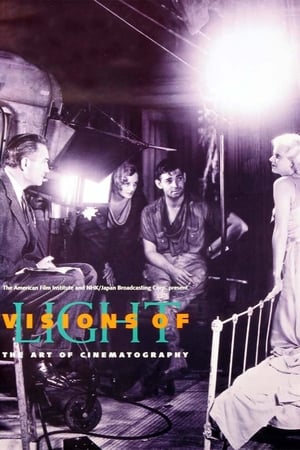
Visions of Light(en)
Cameramen and women discuss the craft and art of cinematography and of the "DP" (the director of photography), illustrating their points with clips from 100 films, from Birth of a Nation to Do the Right Thing. Themes: the DP tells people where to look; changes in movies (the arrival of sound, color, and wide screens) required creative responses from DPs; and, these artisans constantly invent new equipment and try new things, with wonderful results. The narration takes us through the identifiable studio styles of the 30s, the emergence of noir, the New York look, and the impact of Europeans. Citizen Kane, The Conformist, and Gordon Willis get special attention.

Red Army(en)
A documentary highlighting the Soviet Union's legendary and enigmatic hockey training culture and world-dominating team through the eyes of the team's Captain Slava Fetisov, following his shift from hockey star and celebrated national hero to political enemy.

Downloaded(en)
A documentary that explores the downloading revolution; the kids that created it, the bands and the businesses that were affected by it, and its impact on the world at large.

Love, Gilda(en)
Diaries, audiotapes, videotapes and testimonials from friends and colleagues offer insight into the life and career of Gilda Radner -- the beloved comic and actress who became an icon on Saturday Night Live.
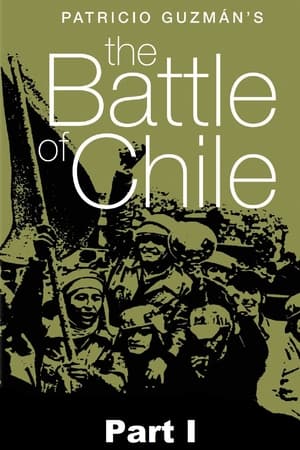
The Battle of Chile: Part I(es)
The chronicle of the political tension in Chile in 1973 and of the violent counter revolution against the democratically elected government of Salvador Allende.
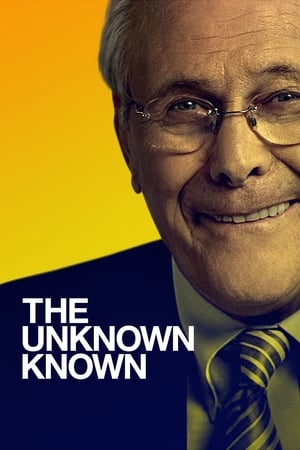
The Unknown Known(en)
Former United States Secretary of Defense, Donald Rumsfeld, discusses his career in Washington D.C. from his days as a congressman in the early 1960s to planning the invasion of Iraq in 2003.

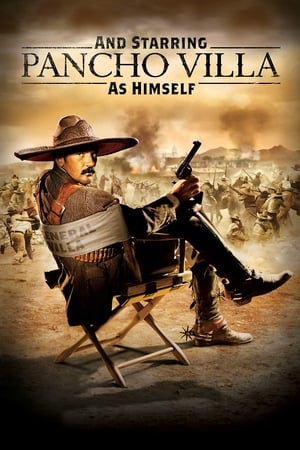
And Starring Pancho Villa as Himself(en)
In 1914, the Mexican revolutionary Pancho Villa invites studios to shoot his actual battles against Porfírio Diaz army to raise funds for financing guns and ammunition. The Mutual Film Corporation, through producer D.W. Griffith, interests for the proposition and sends the filmmaker Frank Thayer to negotiate a contract with Pancho Villa himself.

As I Was Moving Ahead, Occasionally I Saw Brief Glimpses of Beauty(en)
A compilation of over 30 years of private home movie footage shot by Lithuanian-American avant-garde director Jonas Mekas, assembled by Mekas "purely by chance", without concern for chronological order.
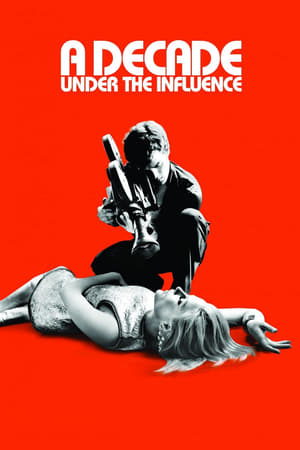
A Decade Under the Influence(en)
A documentary examining the decade of the 1970s as a turning point in American cinema. Some of today's best filmmakers interview the influential directors of that time.
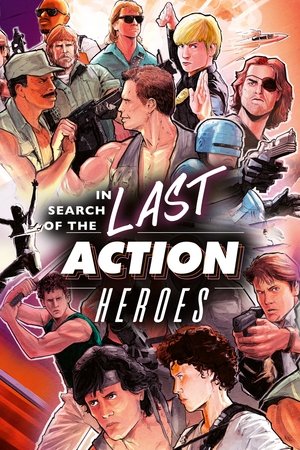
In Search of the Last Action Heroes(en)
The most comprehensive retrospective of the '80s action film genre ever made.

Heart of a Dog(en)
Lyrical and powerfully personal essay film that reflects on the deaths of her husband Lou Reed, her mother, her beloved dog, and such diverse subjects as family memories, surveillance, and Buddhist teachings.
The Cutting Edge: The Magic of Movie Editing(en)
Documentary about the art of film editing. Clips are shown from many groundbreaking films with innovative editing styles.
Money Heist: The Phenomenon(es)
A documentary on why 'Money Heist' sparked a wave of enthusiasm around the world for a lovable group of thieves and their professor.
Similar Movies
Viva Zapata!(en)
The story of Mexican revolutionary Emiliano Zapata, who led a rebellion against the corrupt, oppressive dictatorship of president Porfirio Díaz in the early 20th century.
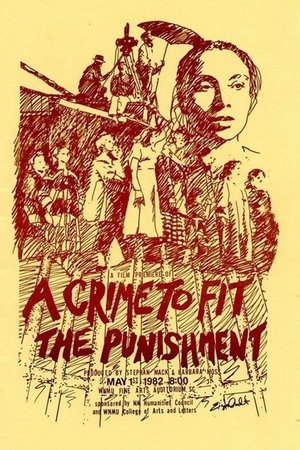
A Crime to Fit the Punishment(en)
This fascinating making-of documentary investigates the controversy and political atmosphere surrounding the production of Salt of the Earth, movingly chronicling the filmmakers' defiance of the blacklist. (BAM) Preserved by the Academy Film Archive in 2015.
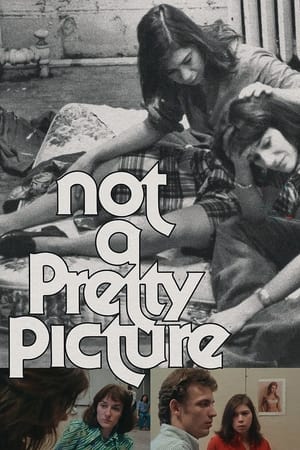
Not a Pretty Picture(en)
Mixing narrative and documentary, the film retells a 16 year old girl's experience of a date rape.

Pather Panchali(bn)
Impoverished priest Harihar Ray leaves his rural Bengal village in search of work. His wife, Sarbojaya, looks after their rebellious daughter, Durga, and young son, Apu. The children enjoy the small pleasures of their difficult life.
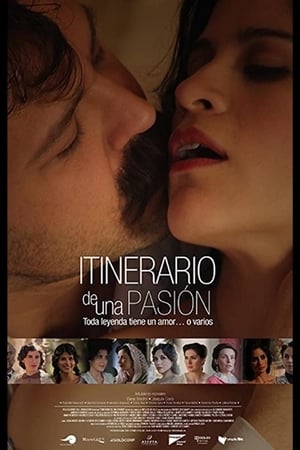
Amorous Pancho Villa(en)
The assassination of Pancho Villa, on the outskirts of Parral, Chihuahua, plunged the city into mourning, and a wake for the revolutionary hero was held by his closest collaborators. Conspicuous among the mourners were the four women with whom Villa was having intimate relationships at the time of his death. Now that Villa is no longer around to mediate and keep them apart, tensions between the women grow and intensify, with unexpected consequences. An intimate and human portrait of the Centaur of the North.
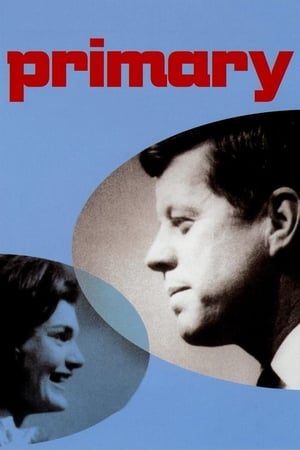
Primary(en)
Primary is a documentary film about the primary elections between John F. Kennedy and Hubert Humphrey in 1960. Primary is the first documentary to use light equipment in order to follow their subjects in a more intimate filmmaking style. This unconventional way of filming created a new look for documentary films where the camera’s lens was right in the middle of what ever drama was occurring. Preserved by the Academy Film Archive in partnership with The Film Foundation in 1998.
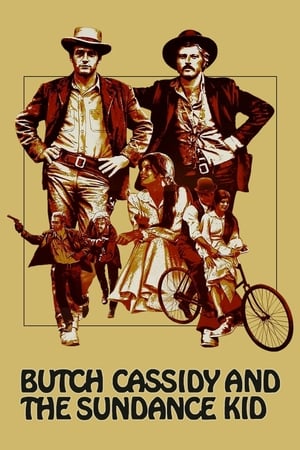
Butch Cassidy and the Sundance Kid(en)
As the west rapidly becomes civilized, a pair of outlaws in 1890s Wyoming find themselves pursued by a posse and decide to flee to South America in hopes of evading the law.
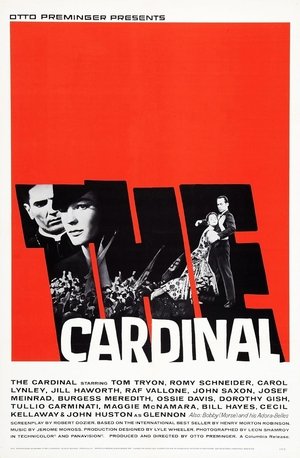
The Cardinal(en)
A young Catholic priest from Boston confronts bigotry, Nazism, and his own personal conflicts as he rises to the office of cardinal.
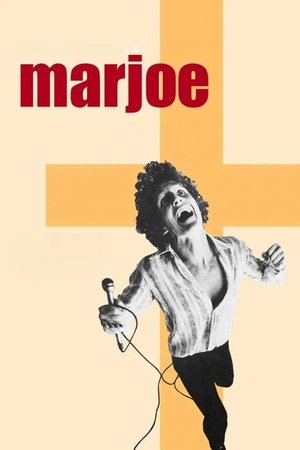
Marjoe(en)
Part documentary, part expose, this film follows one-time child evangelist Marjoe Gortner on the "church tent" Revivalist circuit, commenting on the showmanship of Evangelism and "the religion business", prior to the start of "televangelism". Preserved by the Academy Film Archive in 2005.
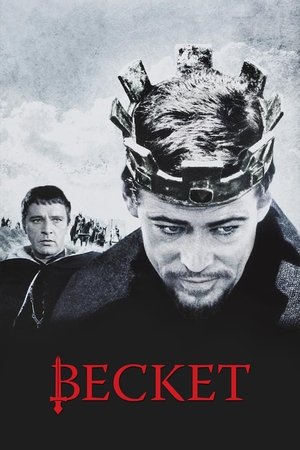
Becket(en)
Thomas Becket, Henry II's longtime advisor, finds his friendship with the debauched king corroding when he is unwillingly appointed as Archbishop of Canterbury in an attempt to gain absolute loyalty from the Church.
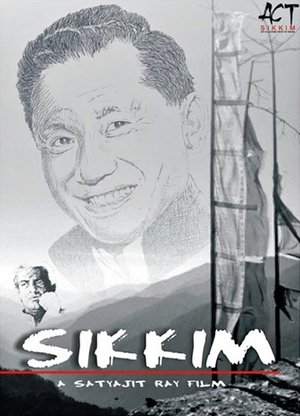
Sikkim(en)
Satyajit Ray's poetic documentary was commissioned by the Chogyal (King) of Sikkim at a time when he felt the sovereignty of Sikkim was under threat from both China and India. Ray's documentary is about the sovereignty of Sikkim. The film was banned by the government of India when Sikkim merged with India in 1975. The ban was finally lifted by the Ministry of External Affairs in September 2010. Preserved by the Academy Film Archive in 2007.
And Starring Pancho Villa as Himself(en)
In 1914, the Mexican revolutionary Pancho Villa invites studios to shoot his actual battles against Porfírio Diaz army to raise funds for financing guns and ammunition. The Mutual Film Corporation, through producer D.W. Griffith, interests for the proposition and sends the filmmaker Frank Thayer to negotiate a contract with Pancho Villa himself.
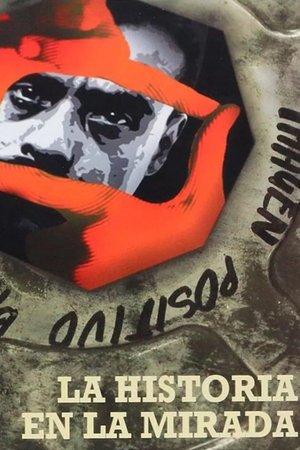
The History in the Gaze(es)
The film portraits the stage previous to the outbreak of the Mexican Revolution, from the end of Porfirio Díaz´ government, the social volatility, the ephemeral government of Madero and the presence of the working class in the figures of Villa and Zapata, until the signing if the Constitution of 1917. All of this through moving images, filmed during those events mainly by the Alva brothers, filmmakers of that time. Those images let us perceive the contradictory and shuddered glance of the people of that period.

Showman(en)
Albert and David Maysles (Gimme Shelter) directed this 53-minute documentary about movie tycoon Joseph E. Levine (1963). Preserved by the Academy Film Archive in 2012.
The Town(en)
The Town was a short propaganda film produced by the Office of War Information in 1945. It presents an idealized vision of American life, shown in microcosm by Madison, Indiana. It was created primarily for exhibition abroad, to provide international audiences a more well-rounded view of America, and was therefore produced in more than 20 translations. Preserved by the Academy Film Archive in 2012.
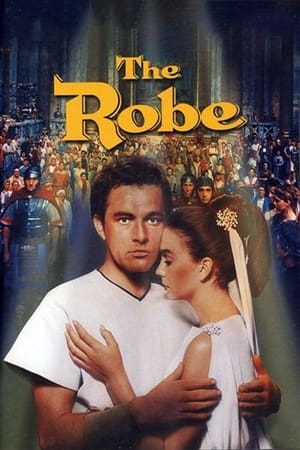
The Robe(en)
Drunk and disillusioned Roman, Marcellus Gallio, wins Jesus' robe in a dice game after the crucifixion. Marcellus has never been a man of faith like his slave, Demetrius, but when Demetrius escapes with the robe, Marcellus experiences disturbing visions and feels guilty for his actions. Convinced that destroying the robe will cure him, Marcellus sets out to find Demetrius — and discovers his Christian faith along the way.
The Art Director(en)
A film's art director is in charge of the set, from conception to construction to furnishing. This short film walks the viewer through art directors' responsibilities and the demands on their talents. They read a script carefully and design a set to capture the time and place, the social strata, and the mood. They must be scholars of the history of architecture, furnishings, and fashion. They choose the colors on a set in anticipation of the lighting and the mood. Their work also sets styles, from Art Deco in the 20's to 30s modernism. Then it's on to the next project. Preserved by the Academy Film Archive in 2012.

Harlan County U.S.A.(en)
This film documents the coal miners' strike against the Brookside Mine of the Eastover Mining Company in Harlan County, Kentucky in June, 1973. Eastover's refusal to sign a contract (when the miners joined with the United Mine Workers of America) led to the strike, which lasted more than a year and included violent battles between gun-toting company thugs/scabs and the picketing miners and their supportive women-folk. Director Barbara Kopple puts the strike into perspective by giving us some background on the historical plight of the miners and some history of the UMWA. Preserved by the Academy Film Archive in partnership with New York Women in Film & Television in 2004.
Burden of Dreams(en)
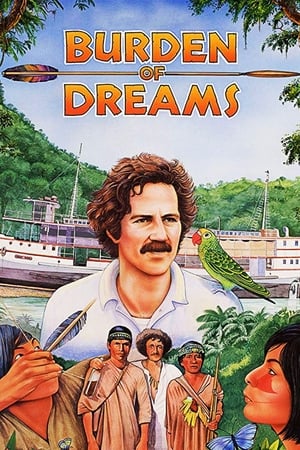
The Amazon rain forest, 1979. The crew of Fitzcarraldo (1982), a film directed by German director Werner Herzog, soon finds itself with problems related to casting, tribal struggles and accidents, among many other setbacks; but nothing compared to dragging a huge steamboat up a mountain, while Herzog embraces the path of a certain madness to make his vision come true.
Hearts and Minds(en)
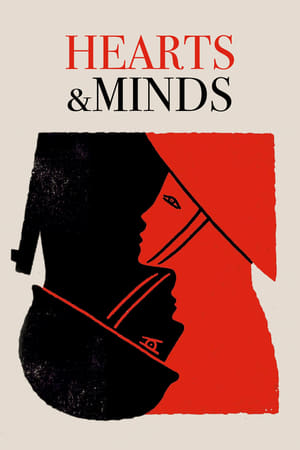
Many times during his presidency, Lyndon B. Johnson said that ultimate victory in the Vietnam War depended upon the U.S. military winning the "hearts and minds" of the Vietnamese people. Filmmaker Peter Davis uses Johnson's phrase in an ironic context in this anti-war documentary, filmed and released while the Vietnam War was still under way, juxtaposing interviews with military figures like U.S. Army Chief of Staff William C. Westmoreland with shocking scenes of violence and brutality.