
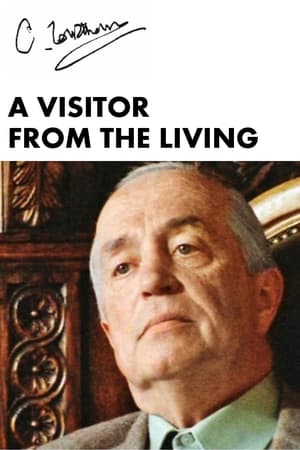
A Visitor from the Living(1999)
An interview with a WWII Red Cross official who wrote a glowing report on a Jewish ghetto-cum-death camp.

Movie: A Visitor from the Living
Top 2 Billed Cast
Self - Interviewer
Recommendations Movies

Night Will Fall(en)
When Allied forces liberated the Nazi concentration camps in 1944-45, their terrible discoveries were recorded by army and newsreel cameramen, revealing for the first time the full horror of what had happened. Making use of British, Soviet and American footage, the Ministry of Information’s Sidney Bernstein (later founder of Granada Television) aimed to create a documentary that would provide lasting, undeniable evidence of the Nazis’ unspeakable crimes. He commissioned a wealth of British talent, including editor Stewart McAllister, writer and future cabinet minister Richard Crossman – and, as treatment advisor, his friend Alfred Hitchcock. Yet, despite initial support from the British and US Governments, the film was shelved, and only now, 70 years on, has it been restored and completed by Imperial War Museums under its original title "German Concentration Camps Factual Survey".
Shoah(fr)
Director Claude Lanzmann spent 11 years on this sprawling documentary about the Holocaust, conducting his own interviews and refusing to use a single frame of archival footage. Dividing Holocaust witnesses into three categories – survivors, bystanders, and perpetrators – Lanzmann presents testimonies from survivors of the Chelmno concentration camp, an Auschwitz escapee, and witnesses of the Warsaw Ghetto Uprising, as well as a chilling report of gas chambers from an SS officer at Treblinka.
One of Us(en)
Penetrating the insular world of New York's Hasidic community, focusing on three individuals driven to break away despite threats of retaliation.
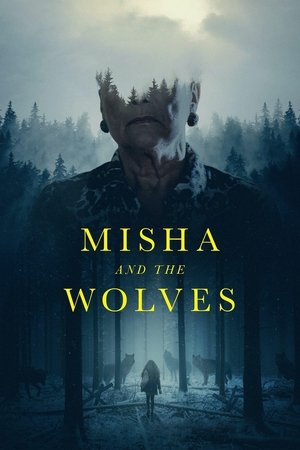
Misha and the Wolves(en)
A woman’s Holocaust memoir takes the world by storm, but a fallout with her publisher-turned-detective reveals her story as an audacious deception created to hide a darker truth.
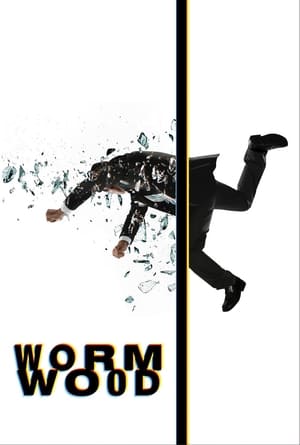
Wormwood(en)
In this genre-bending tale, Errol Morris explores the mysterious death of a U.S. scientist entangled in a secret Cold War program known as MK-Ultra.
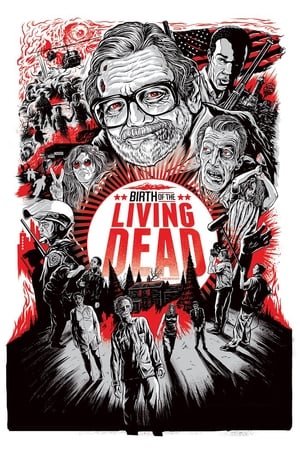
Birth of the Living Dead(en)
A behind the scenes look into George Romero's groundbreaking horror classic Night of the Living Dead.
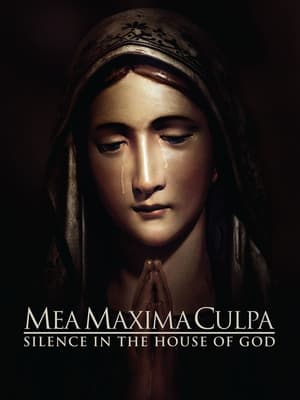
Mea Maxima Culpa: Silence in the House of God(en)
Alex Gibney explores the charged issue of pedophilia in the Catholic Church, following a trail from the first known protest against clerical sexual abuse in the United States and all way to the Vatican.

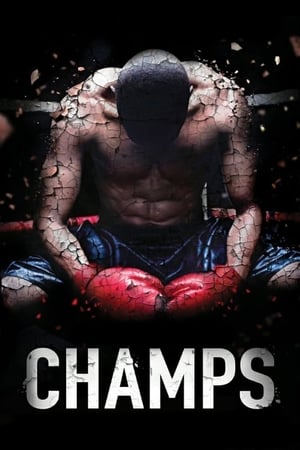
Champs(en)
A documentary about the sport of boxing, as seen through the eyes of champions Mike Tyson, Evander Holyfield and Bernard Hopkins.
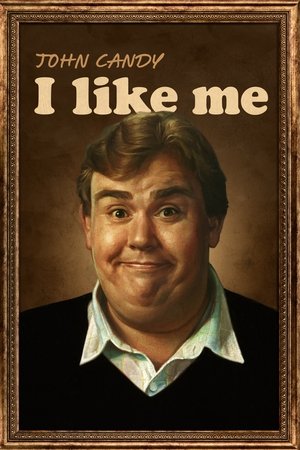
John Candy: I Like Me(en)
Those who knew iconic funnyman John Candy best share his story, in their own words, through never-before-seen archival footage, imagery, and interviews.
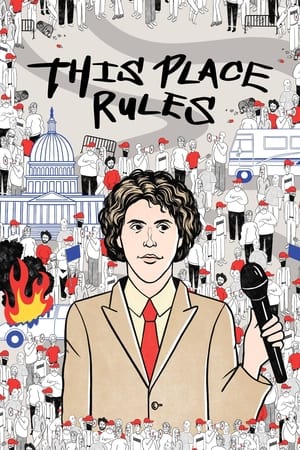
This Place Rules(en)
Acclaimed for his unfiltered reporting and deadpan humor, Andrew Callaghan brings his gonzo style reporting to the undercurrents that led to the January 6 Capitol Riot. As one of the best-known and hardest working journalists of his generation, the 25-year-old ventures on a wild RV journey through America to take the pulse of a divided nation.
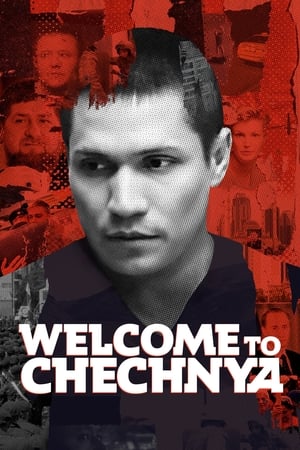
Welcome to Chechnya(en)
This searing investigative work shadows a group of activists risking unimaginable peril to confront the ongoing anti-LGBTQ program raging in the repressive and closed Russian republic. Unfettered access and a remarkable approach to protecting anonymity exposes this under-reported atrocity–and an extraordinary group of people confronting evil.
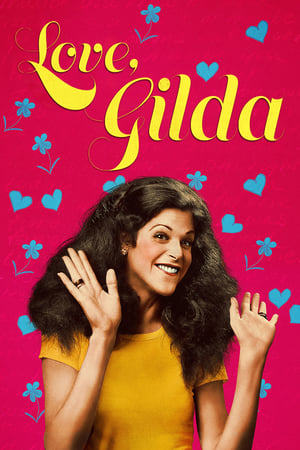
Love, Gilda(en)
Diaries, audiotapes, videotapes and testimonials from friends and colleagues offer insight into the life and career of Gilda Radner -- the beloved comic and actress who became an icon on Saturday Night Live.
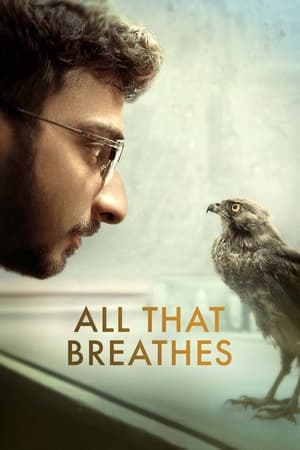
All That Breathes(en)
Against the darkening backdrop of New Delhi's apocalyptic air and escalating violence, two brothers devote their lives to protecting one casualty of the turbulent times: the bird known as the black kite.
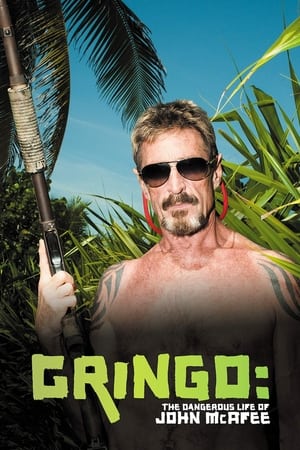
Gringo: The Dangerous Life of John McAfee(en)
The strange story of John McAfee, who went from millionaire software mogul to yogi, Kurtz-like jungle recluse to potential murderer, and most recently a prospective presidential candidate for the American Libertarian Party.

Heart of a Dog(en)
Lyrical and powerfully personal essay film that reflects on the deaths of her husband Lou Reed, her mother, her beloved dog, and such diverse subjects as family memories, surveillance, and Buddhist teachings.

My Mom Jayne(en)
Through deeply personal interviews with her siblings and an examination of the photographs, letters, and belongings left behind, Mariska assembles a new portrait of her mother Jayne Mansfield, an extraordinary and complex woman.
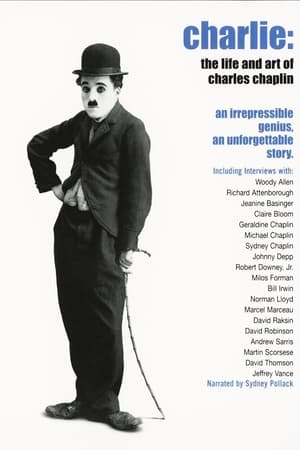
Charlie: The Life and Art of Charles Chaplin(en)
Brilliant, long in-the-works story of the life and art of the world's greatest comedian and the cinema's first genius, Charlie Chaplin. Produced, written and directed by renowned film critic Richard Schickel.
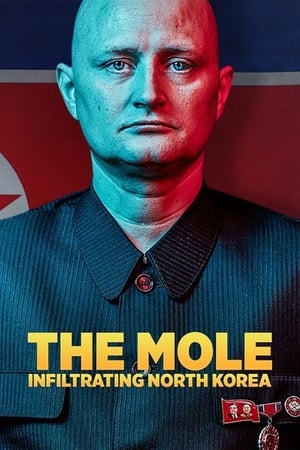
The Mole: Undercover in North Korea(en)
A real-life undercover thriller about two ordinary men who embark on an outrageously dangerous ten-year mission to penetrate the world's most secretive and brutal dictatorship: North Korea.
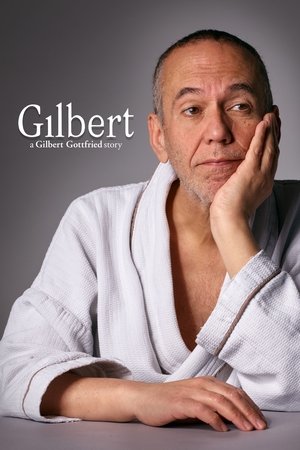
Gilbert(en)
The life and career of one of comedy's most inimitable modern voices, Mr. Gilbert Gottfried.
Similar Movies
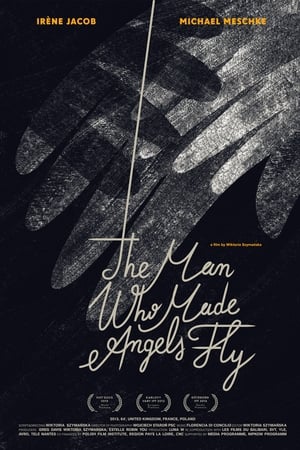
The Man Who Made Angels Fly(en)
When the lights dim and the stage is revealed, Meschke channels life through the strings of his puppets, triggering the spiritual connection between the creator and his alter-egos: the charismatic Don Quixote, the loving Penelope, the inquisitive Baptiste, or the mysterious Antigone. THE MAN WHO MADE ANGELS FLY is a poetic story about a master of his craft that has inspired audiences to reflect upon common issues of suffering and the mortal coil. Visionary and un-biographic, imaginary tribute to the puppeteer.
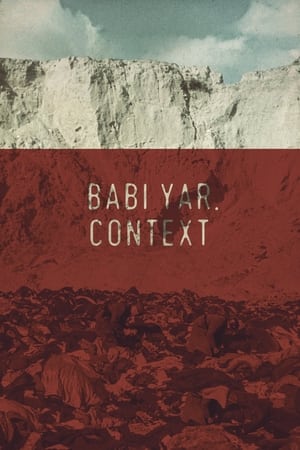
Babi Yar. Context(ru)
Nazi troops massacre 30,000 Jews over a three-day period in September 1941. Babyn Yar ravine in Kyiv, Ukraine.
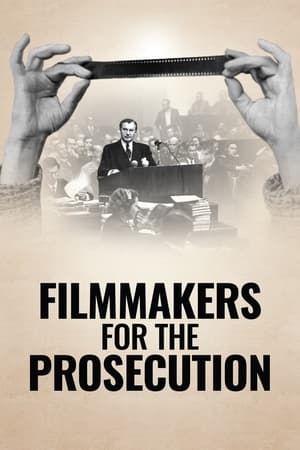
Filmmakers for the Prosecution(fr)
In 1945, two young American soldiers, brothers Budd and Stuart Schulberg, are commissioned to collect filmed and recorded evidence of the horrors committed by the infamous Third Reich in order to prove Nazi war crimes during the Nuremberg trials (1945-46). The story of the making of Nuremberg: Its Lesson for Today, a paramount historic documentary, released in 1948.
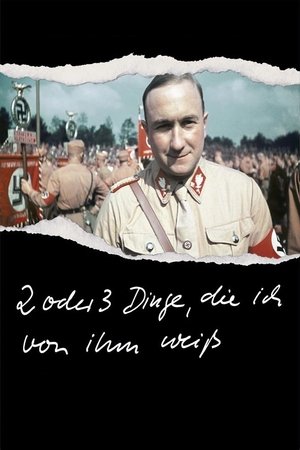
2 or 3 Things I Know About Him(de)
What would your family reminiscences about dad sound like if he had been an early supporter of Hitler’s, a leader of the notorious SA and the Third Reich’s minister in charge of Slovakia, including its Final Solution? Executed as a war criminal in 1947, Hanns Ludin left behind a grieving widow and six young children, the youngest of whom became a filmmaker. It's a fascinating, maddening, sometimes even humorous look at what the director calls "a typical German story." (Film Forum)
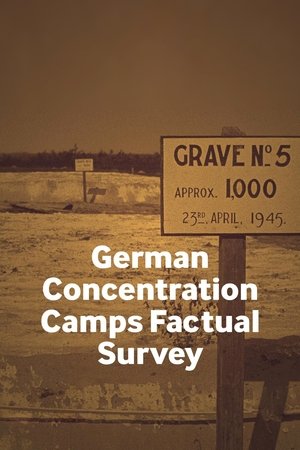
German Concentration Camps Factual Survey(en)
On the 29th September 1945, the incomplete rough cut of a brilliant documentary about concentration camps was viewed at the MOI in London. For five months, Sidney Bernstein had led a small team – which included Stewart McAllister, Richard Crossman and Alfred Hitchcock – to complete the film from hours of shocking footage. Unfortunately, this ambitious Allied project to create a feature-length visual report that would damn the Nazi regime and shame the German people into acceptance of Allied occupation had missed its moment. Even in its incomplete form (available since 1984) the film was immensely powerful, generating an awed hush among audiences. But now, complete to six reels, this faithfully restored and definitive version produced by IWM, is being compared with Alain Resnais’ Night and Fog (1955).
A Journey Into the Holocaust(en)
A detailed and deeply personal exploration into genocide and how something this atrocious happened, and continues to happen again and again - even in modern times. First-time filmmaker, Paul Bachow, travels around the world and taps into a vast knowledge base of historians, psychology practitioners, and data derived from countless interviews with experts from around the world.
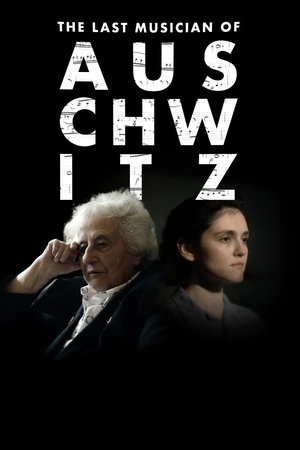
The Last Musician of Auschwitz(en)
Tells the extraordinary story of Anita Lasker-Wallfisch who, along with other victims of Auschwitz, played and created music amidst the terrors of the Holocaust.
The Holocaust. Certified crime(uk)
The documentary tells the stories of people who were just children during the Second World War and the Nazi occupation of Ukraine. Its protagonists now live in Kyiv, Dnipro, and Odesa, where the filming took place. They survived the ghetto and also witnessed mass shootings that took place, according to researchers, in about five thousand locations across Ukraine. Each of the heroes lost loved ones. Parents, brothers, sisters, loved ones. Everyone had a single task during these terrible years - to survive. The entire mosaic of terrible memories collected in the film is part of a story of survival.
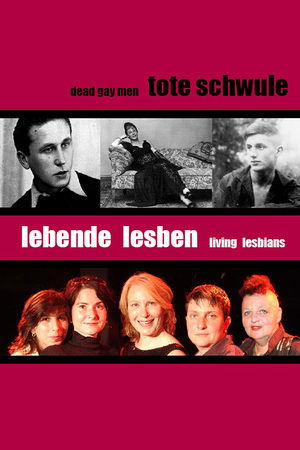
Dead Gay Men and Living Lesbians(de)
As a result of the Holocaust and later, AIDS, the male homosexual community has sustained bitter losses and, according to Praunheim, lesbian women have now placed themselves at the head of the so-called queer movement. The female protagonists in the film represent two different generations; they also incorporate the past and present status of homosexuals in society.
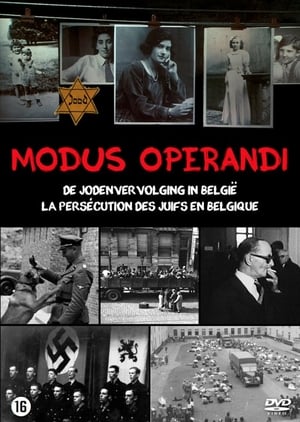
Modus Operandi(nl)
Between 1942 and 1944 some 24,916 Jews were deported from Belgium to Auschwitz. The roundups and deportations were organized and carried out by the Nazis with the - not always conscious - cooperation of Belgian authorities. The attitude of the authorities here varied from outright resistance to voluntary or unwitting collaboration.
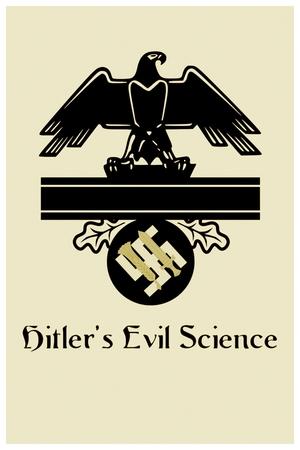
Hitler's Evil Science(fr)
In 1935, German scientists dug for bones; in 1943, they murdered to get them. How the German scientific community supported Nazism, distorted history to legitimize a hideous system and was an accomplice to its unspeakable crimes. The story of the Ahnenerbe, a sinister organization created to rewrite the obscure origins of a nation.
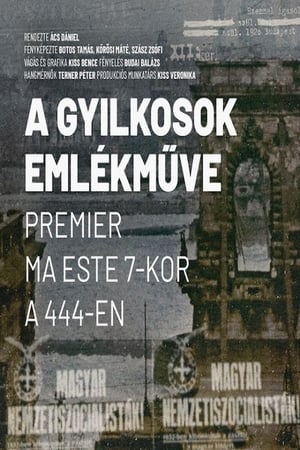
Monument to the Murderers(hu)
A film about a district in Buda, which to this day cannot face the inconceivably cruel crimes committed by its former inhabitants.
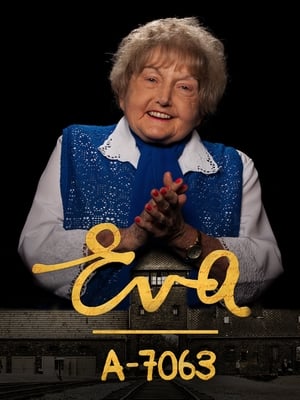
Eva: A-7063(en)
As a 10-year-old “Mengele Twin,” Eva Kor suffered some of the worst of the Holocaust. At 50, she launched the biggest manhunt in history. Now in her 80s, she circles the globe to promote the lesson her journey has taught: Healing through forgiveness.
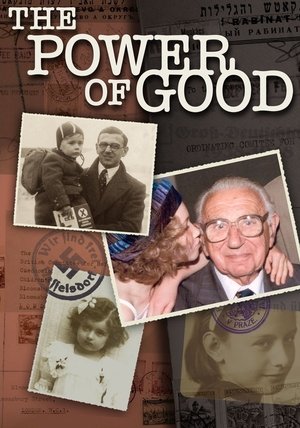
The Power of Good: Nicholas Winton(cs)
A gripping documentary about the courage and determination of a young English stockbroker who saved the lives of 669 children. Between March 13 and August 2, 1939, Nicholas Winton organized 8 transports to take children from Prague to new homes in Great Britain, and kept quiet about it until his wife discovered a scrapbook documenting his unique mission in 1988. Winton was a successful 29-year-old stockbroker in London who "had an intuition" about the fate of the Jews when he visited Prague in 1939. He quietly but decisively got down to the business of saving lives. We learn how only two countries, Sweden and Britain, answered his call to harbor the young refugees; how documents had to be forged and how once foster parents signed for the children on delivery, that was the last he saw of them.
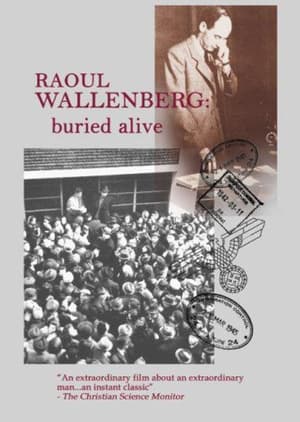
Raoul Wallenberg: Buried Alive(en)
A profile of Swedish diplomat Raoul Wallenberg, the film covers his role in saving the lives of Jewish refugees from the Holocaust, as well as exploring the evidence that he may still have been alive in a Soviet gulag as late as the early 1980s.

Holofiction(de)
The experimental film explores the visual representation of the Holocaust through a montage of thousands of excerpts from fictional films and television series produced between 1938 and the present. Drawing from an extensive archive of over 3,000 narrative works the film critically examines how Holocaust imagery has been codified and reproduced in cinema across decades.

Language Of Mules(en)
Language of Mules is a poignant exploration of the haunting legacy of the Holocaust through the eyes and words of poet and author John Guzlowski. Born to Polish parents who survived the unimaginable horrors of Nazi concentration camps, Guzlowski's poems give voice to the stories passed down from his parents, stories of suffering, resilience, and survival. The film interweaves interviews with Guzlowski in his home in Virginia, with vivid poetic depictions of his parents' harrowing experiences: the brutality of the German soldiers, the daily horrors of camp life, physical torture, and enslavement in conditions that dehumanized those who endured them. With profound sensitivity and depth, Language of Mules becomes not just a retelling of history, but a meditation on the enduring impact of war on the human psyche.