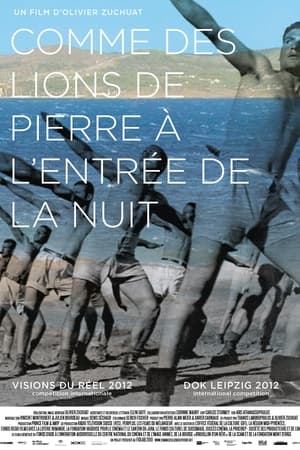
Like Stone Lions in the Gateway into Night(2012)
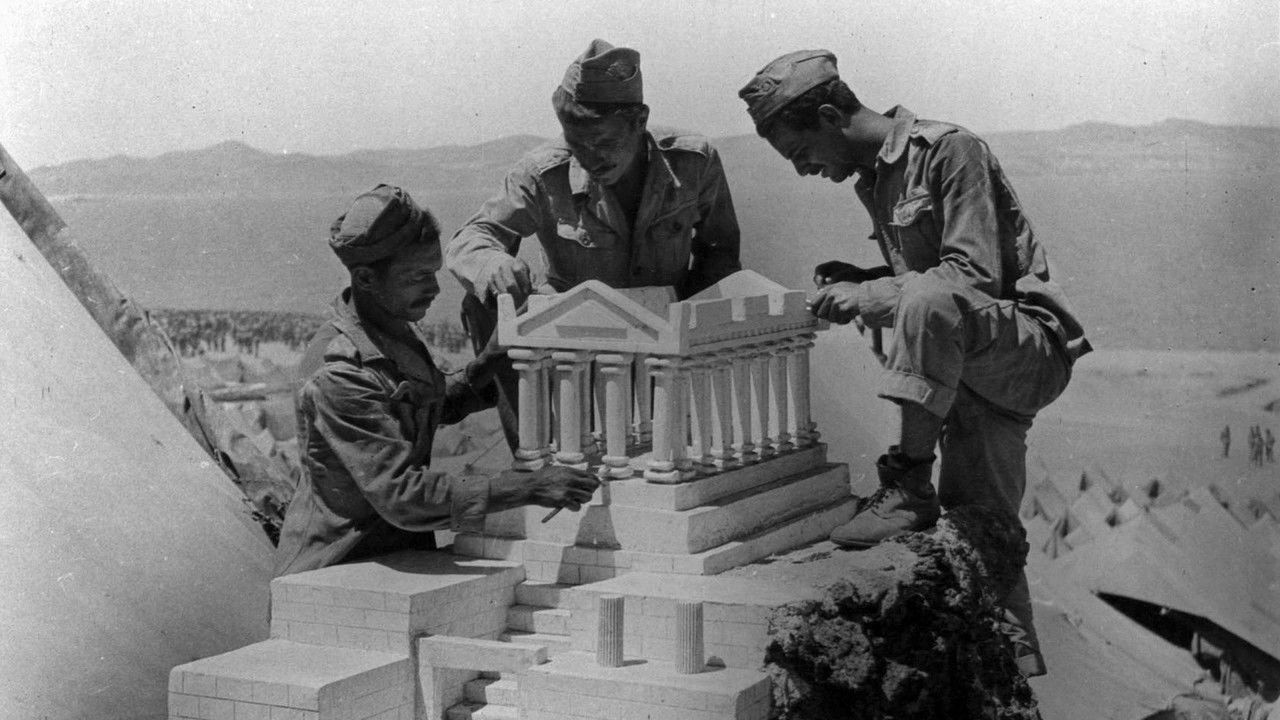
Between 1947 and 1951, more than 80 000 Greek men, women and children were deported to the isle of Makronissos (Greece) in reeducation camps created to ‘fight the spread of Communism’. Among those exiles were a number of writers and poets, including Yannis Ritsos and Tassos Livaditis. Despite the deprivation and torture, they managed to write poems which describe the struggle for survival in this world of internment. These texts, some of them buried in the camps, were later found. «Like Lions of stone at the gateway of night» blends these poetic writings with the reeducation propaganda speeches constantly piped through the camps’ loudspeakers. Long tracking shots take us on a trance-like journey through the camp ruins, interrupted along the way by segments from photographic archives. A cinematic essay, which revives the memory of forgotten ruins and a battle lost.

Movie: Like Stone Lions in the Gateway into Night
Top 1 Billed Cast
Narrator (French voice)
HomePage
Overview
Between 1947 and 1951, more than 80 000 Greek men, women and children were deported to the isle of Makronissos (Greece) in reeducation camps created to ‘fight the spread of Communism’. Among those exiles were a number of writers and poets, including Yannis Ritsos and Tassos Livaditis. Despite the deprivation and torture, they managed to write poems which describe the struggle for survival in this world of internment. These texts, some of them buried in the camps, were later found. «Like Lions of stone at the gateway of night» blends these poetic writings with the reeducation propaganda speeches constantly piped through the camps’ loudspeakers. Long tracking shots take us on a trance-like journey through the camp ruins, interrupted along the way by segments from photographic archives. A cinematic essay, which revives the memory of forgotten ruins and a battle lost.
Release Date
2012-04-20
Average
0
Rating:
0.0 startsTagline
Genres
Languages:
FrançaisελληνικάKeywords
Recommendations Movies
Night and Fog(fr)
Filmmaker Alain Resnais documents the atrocities behind the walls of Hitler's concentration camps.
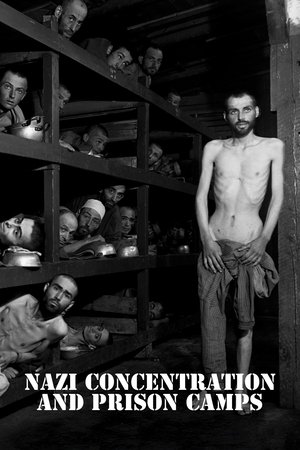
Nazi Concentration Camps(en)
Produced and presented as evidence at the Nuremberg war crimes trial of Hermann Göring and twenty other Nazi leaders, this film consists primarily of dead and surviving prisoners and of facilities used to kill and torture during the World War II.

Night Will Fall(en)
When Allied forces liberated the Nazi concentration camps in 1944-45, their terrible discoveries were recorded by army and newsreel cameramen, revealing for the first time the full horror of what had happened. Making use of British, Soviet and American footage, the Ministry of Information’s Sidney Bernstein (later founder of Granada Television) aimed to create a documentary that would provide lasting, undeniable evidence of the Nazis’ unspeakable crimes. He commissioned a wealth of British talent, including editor Stewart McAllister, writer and future cabinet minister Richard Crossman – and, as treatment advisor, his friend Alfred Hitchcock. Yet, despite initial support from the British and US Governments, the film was shelved, and only now, 70 years on, has it been restored and completed by Imperial War Museums under its original title "German Concentration Camps Factual Survey".
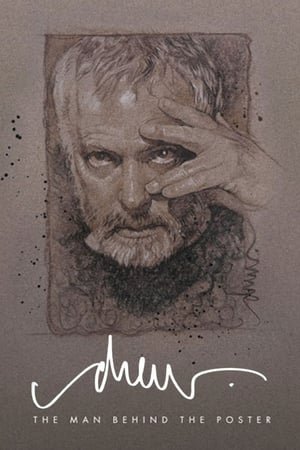
Drew: The Man Behind the Poster(en)
A documentary on legendary movie-poster artist Drew Struzan.

Heart of a Dog(en)
Lyrical and powerfully personal essay film that reflects on the deaths of her husband Lou Reed, her mother, her beloved dog, and such diverse subjects as family memories, surveillance, and Buddhist teachings.
Blue(en)
Against a plain, unchanging blue screen, a densely interwoven soundtrack of voices, sound effects and music attempt to convey a portrait of Derek Jarman's experiences with AIDS, both literally and allegorically, together with an exploration of the meanings associated with the colour blue.
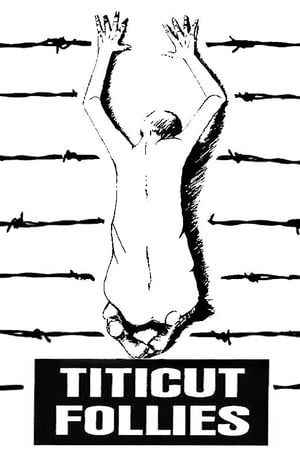
Titicut Follies(en)
A stark and graphic portrayal of the conditions that existed at the State Prison for the Criminally Insane at Bridgewater, Massachusetts, and documents the various ways the inmates are treated by the guards, social workers, and psychiatrists.
Einstein and the Bomb(en)
What happened after Einstein fled Nazi Germany? Using archival footage and his own words, this docudrama dives into the mind of a tortured genius.

The Age of Stupid(en)
Pete Postlethwaite stars as a man living alone in the devastated future world of 2055, looking at old footage from 2008 and asking: why didn’t we stop climate change when we had the chance?
To Be Takei(en)
Over seven decades, actor and activist George Takei journeyed from a World War II internment camp to the helm of the Starship Enterprise, and then to the daily news feeds of five million Facebook fans. Join George and his husband, Brad, on a wacky and profound trek for life, liberty, and love.
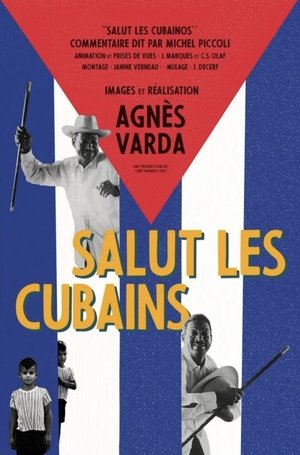
Hello Cubans(fr)
A photo montage of Cubans filmed by Agnès Varda during her visit to Cuba in 1963, four years after Fidel Castro came to power. This black & white documentary explores their socialist culture and society while making use of 1500 pictures (out of 4000!) the filmmaker took while on the island.
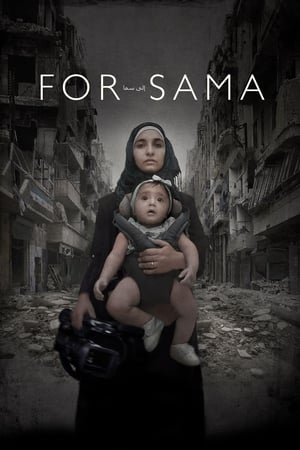
For Sama(en)
A love letter from a young mother to her daughter, the film tells the story of Waad al-Kateab’s life through five years of the uprising in Aleppo, Syria as she falls in love, gets married and gives birth to Sama, all while cataclysmic conflict rises around her. Her camera captures incredible stories of loss, laughter and survival as Waad wrestles with an impossible choice– whether or not to flee the city to protect her daughter’s life, when leaving means abandoning the struggle for freedom for which she has already sacrificed so much.
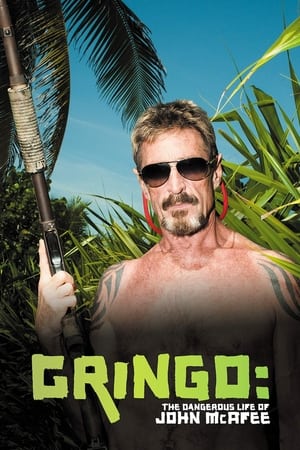
Gringo: The Dangerous Life of John McAfee(en)
The strange story of John McAfee, who went from millionaire software mogul to yogi, Kurtz-like jungle recluse to potential murderer, and most recently a prospective presidential candidate for the American Libertarian Party.
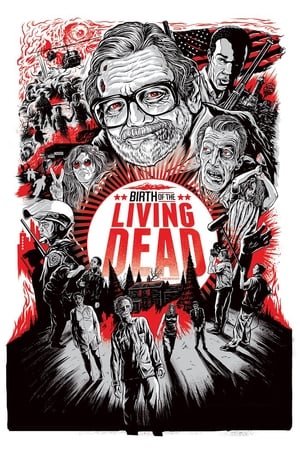
Birth of the Living Dead(en)
A behind the scenes look into George Romero's groundbreaking horror classic Night of the Living Dead.
The Walking Dead: The Return(en)
Stars of "The Walking Dead," Andrew Lincoln and Danai Gurira, walk down memory lane and visit iconic locations where pivotal moments between their characters, Rick and Michonne, were filmed.
Harry Dean Stanton: Partly Fiction(en)
An impressionistic portrait of the iconic actor Harry Dean Stanton comprised of intimate moments, film clips from some of his 250 films and his renditions of American folk songs.
Visions of Light(en)
Cameramen and women discuss the craft and art of cinematography and of the "DP" (the director of photography), illustrating their points with clips from 100 films, from Birth of a Nation to Do the Right Thing. Themes: the DP tells people where to look; changes in movies (the arrival of sound, color, and wide screens) required creative responses from DPs; and, these artisans constantly invent new equipment and try new things, with wonderful results. The narration takes us through the identifiable studio styles of the 30s, the emergence of noir, the New York look, and the impact of Europeans. Citizen Kane, The Conformist, and Gordon Willis get special attention.

Love, Marilyn(en)
Using the book 'Fragments', which collects Marilyn Monroe's poems, notes and letters, and with participation from the Arthur Miller and Truman Capote estates who have contributed more material, each of the actresses will embody the legend at various stages in her life.
Similar Movies
Journey to the Safest Place on Earth(de)
Over 350,000 tons of highly radioactive waste and spent fuel rods are in temporary storage on site at nuclear power complexes and at intermediate storage sites all over the world. More than 10,000 additional tons join them every year. It is the most dangerous waste man has ever produced. Waste that requires storage in a safe final repository for hundreds of thousands of years. Out of reach of humanity and other living creatures. The question is, where? Together with Swiss-British nuclear physicist Charles McCombie, who has been searching for a safe final storage site for highly radioactive nuclear waste for thirty-five years, director Edgar Hagen investigates the limitations and contradictions involved in this project of global significance. Supporters and opponents of nuclear energy struggle for solutions whilst dogmatic worldviews are assailed by doubt
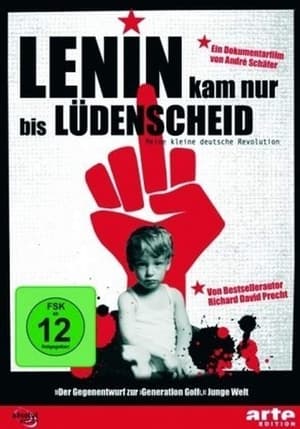
Lenin kam nur bis Lüdenscheid - Meine kleine deutsche Revolution(de)
The free, almost naive view from the perspective of a child puts the "68ers" in a new, illuminating light in the anniversary year 2008. The film is a provocative reckoning with the ideological upbringing that seemed so progressive and yet was suffocated by the children's desire to finally grow up. With an ironic eye and a feuilletonistic style, author Richard David Precht and Cologne documentary film director André Schäfer trace a childhood in the West German provinces - and place the major events of those years in completely different, smaller and very private contexts.
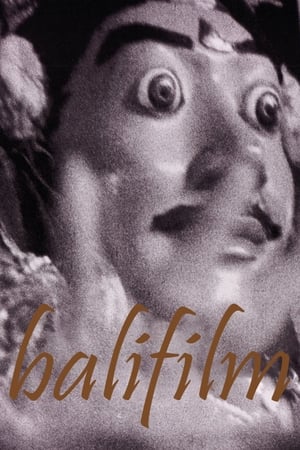
Balifilm(en)
Balifilm was originally commissioned as a stage performance, created from diary images and sounds collected in 1990 and 1992 by Peter Mettler on the island of Bali. The soundtrack is a live recording of eight Gamelan musicians playing the bronze and wooden instruments of Indonesia during the projection of the film. balifilm is a personal, lyrical observation and expression of the creative pulse of an extraordinary culture.
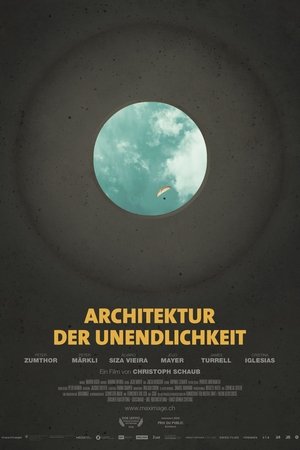
Architecture of Infinity(de)
How can structures, which take up defined, rigid portions of space, make us feel transcendence? How can chapels turn into places of introspection? How can walls grant boundless freedom? Driven by intense childhood impressions, director Christoph Schaub visits extraordinary churches, both ancient and futuristic, and discovers works of art that take him up to the skies and all the way down to the bottom of the ocean. With the help of architects Peter Zumthor, Peter Märkli, and Álvaro Siza Vieira, artists James Turrell and Cristina Iglesias, and drummer Sergé “Jojo” Mayer, he tries to make sense of the world and decipher our spiritual experiences using the seemingly abstract concepts of light, time, rhythm, sound, and shape. The superb cinematography turns this contemplative search into a multi-sensory experience.
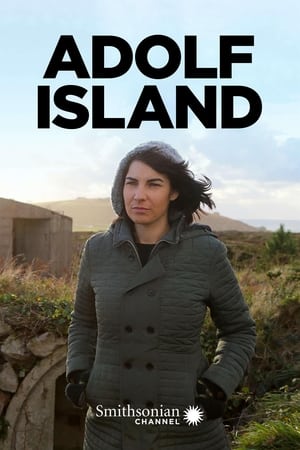
Adolf Island(en)
Caroline Sturdy Colls, a world leader in the forensic investigation of Nazi crime scenes, is chasing clues to an unsolved case: a concentration camp that existed on the British island of Alderney. Witnesses and survivors claimed that thousands died there, but only 389 bodies have ever been found. Under heavy restrictions imposed by the local government, which may not want its buried secrets revealed, Colls must uncover the truth using revolutionary techniques and technologies.
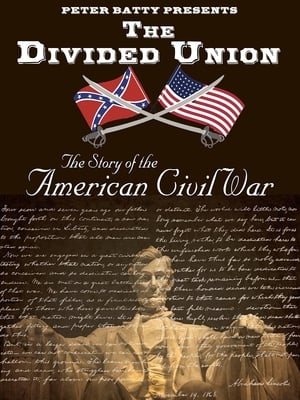
The Divided Union: The Story of the American Civil War(en)
Peter Batty presents a gripping account of the bloodshed and horror of the American Civil War. From the origins of the unrest between North and South, the specific events of the war and the eventual assassination of Abraham Lincoln, this program is a powerful, comprehensive account of the American Civil War with large scale battle re-enactments, superb contemporary photographs and period music.

Großes Kino made in DDR(de)
In 2016, DEFA celebrates its 70th anniversary: the film embarks on a journey into the exciting film history of the GDR. In a comprehensive kaleidoscope, the importance of DEFA productions is illuminated, the relevance of the films as propaganda productions for the GDR, which socio-political themes were in the foreground, but also which heroes DEFA brought to the screen and celebrated as people from the people.
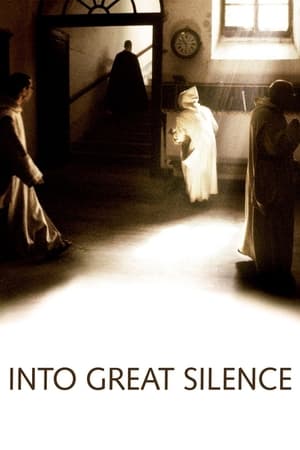
Into Great Silence(de)
An intimate portrayal of the everyday lives of Carthusian monks of the Grande Chartreuse, high in the French Alps (Chartreuse Mountains). The idea for the film was proposed to the monks in 1984, but the Carthusians said they wanted time to think about it. The Carthusians finally contacted Gröning 16 years later to say they were now willing to permit Gröning to shoot the movie, if he was still interested.

Olympiacos: The Legend(en)
Olympiacos: The Legend is the epic story of a season that defied all expectations and rewrote European football history. In 2023/24, Olympiacos shattered barriers by becoming the first Greek club to win a European trophy-and didn't stop there. In a feat never before accomplished, they claimed not one but two major continental titles: the UEFA Europa Conference League and the UEFA Youth League.
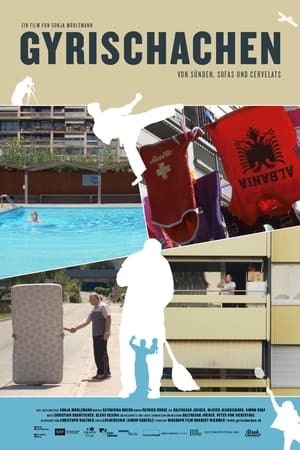
Gyrischachen - von Sünden, Sofas und Cervelats(en)
A high-rise apartment built in the 1960s provides housing for 2500 people from 42 nations. Separated from the city by a river and bounded by towering sandstone cliffs, everyone attempts to live and survive in their own way. Foreigners who have a go at being Swiss, and Swiss who observe with scepticism. They meet in the corner shop run by an Iraqi living in exile, send their kids to a children’s club managed by a missionary, and old drinking mates meet regularly over a beer in the neighbourhood’s only bar. Despite all the differences, they are rather proud of the fact that they come from here.
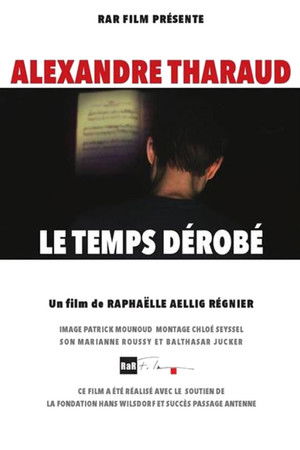
Alexandre Tharaud, le temps dérobé(fr)
Atypical dive into the world of a particularly talented artist of today: Alexandre Tharaud. Born of parents who were themselves familiar with the stage, Alexandre combines his passion for the piano and his fertile intranquillity under the eye of an intimate camera. A film conducted in the form of an exploration of intimate moments where the artist is much more in front of himself than the public, a confrontation at once gentle and brutal to his passion, to his unattainable star. Translated with www.DeepL.com/Translator (free version)
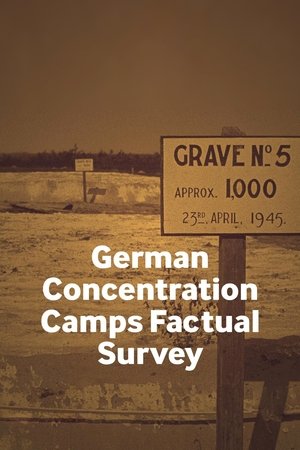
German Concentration Camps Factual Survey(en)
On the 29th September 1945, the incomplete rough cut of a brilliant documentary about concentration camps was viewed at the MOI in London. For five months, Sidney Bernstein had led a small team – which included Stewart McAllister, Richard Crossman and Alfred Hitchcock – to complete the film from hours of shocking footage. Unfortunately, this ambitious Allied project to create a feature-length visual report that would damn the Nazi regime and shame the German people into acceptance of Allied occupation had missed its moment. Even in its incomplete form (available since 1984) the film was immensely powerful, generating an awed hush among audiences. But now, complete to six reels, this faithfully restored and definitive version produced by IWM, is being compared with Alain Resnais’ Night and Fog (1955).
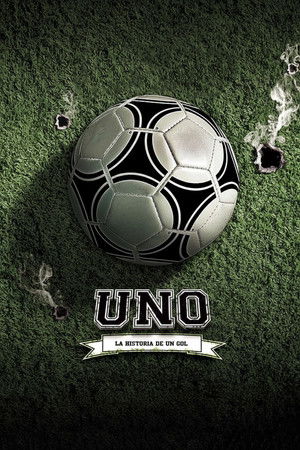
One, the Story of a Goal(es)
In the early 1980s, at the beginning of what would become a 12-year-long civil war, El Salvador's talented football team was one national institution upon which both the left and the right could agree. When the team pulled off a stunning 1-0 upset against Mexico and qualified to compete in the 1982 World Cup, it was a high point for the tiny country's national pride. Unfortunately, the team's Cinderella story devolved into a nightmarish farce.
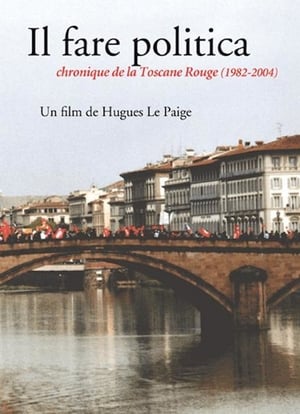
Il fare politica(it)
Fabiana, Carlo, Claudio and Vincenzo… I met them in 1982 in Mercatale, their village in Tuscany, near Florence. They were aged between 25 and 45 and were cheerful militants in the Italian Communist Party, that strange party which has made its mark on history and which was both a school and a family for them. I have filmed in Mercatale every two or three years for over 20 years (1982/2004). The fi lm takes the “long view” of their political and personal development against the backdrop of village life. Stories with both human and political interest spanning over a quarter of a century with relevance for present day issues: what has become of the plans to change the world in Berlusconi’s Italy? From a more global perspective: what else can politics do? When the time comes to take stock the paths of their rich and varied personal lives cross once more with all their doubts and allegiances.
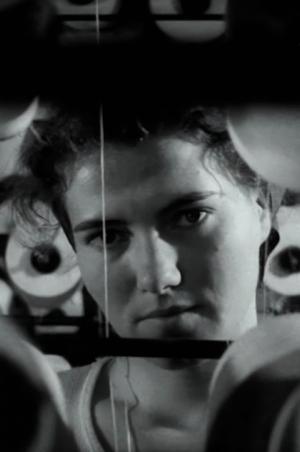
The Diary of Florica S.(ro)
Director Eugenia Gutu offers a feminist critique of gender (in)equality under socialism in this documentary portrait of an industrializing town and its model citizen, Florica S.
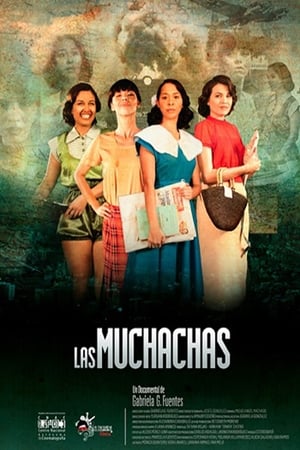
The Girls(es)
Four lucid grandmothers tell their story forgotten by history: the militancy and resistance of the young women of the leftist youth against the dictatorship of Marcos Pérez Jiménez.
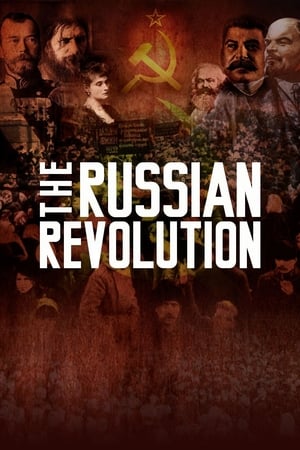
The Russian Revolution(en)
Starting in 1881 this film shows the personal battle between Lenin's Ulyanov family and the royal Romanovs that eventually led to the Russian revolution.
50 Years of Cyprus(tr)
We have a topic that has always been on the agenda of Turkey and the world, which we have been discussing for nearly 40 years: Cyprus. To foreigners, Cyprus is known as an innocent little island under Turkish invasion. Everyone forgot the bloody events of the past. What about us? Do we know? No. Especially the younger generations, who have come to the point of governing the country today, do not know where this country has gone through regarding Cyprus. However, we are now approaching a road junction in Cyprus. I will tell you the story of Cyprus in this documentary. This is a very bloody and sometimes very sad story...
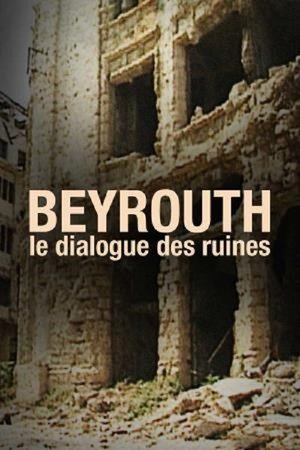
Beyrouth, Le Dialogue Des Ruines(en)
Architecture in Beirut was the second greatest victim of the civil war, with pages of ancient and modern history erased by the end of the conflict. This documentary interviews citizens calling for a reconstruction plan that would preserve Beirut’s spirit of culture and openness.