Loading Page

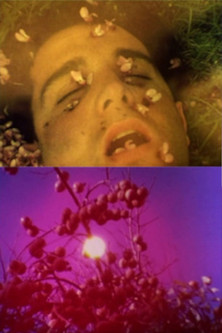
Aurore(1989)
Status: Released
Date: 1989-01-01
65%
4 Votes
Time: 0h 20m
Overview:
To describe the events spreading out in Aurore, in Royaume and in Bleu, suitable tools still have to be found ; up until now, nothing much has been said or done about a cinema that quite specifically deals with picture as a sensation. Then one can always attempt, as plainly as possible, to draw a few lines, trying to single out a few dimensions, a few questions, a few perspectives that run through these films and relate them to the history of pictures and cinema.
Languages:
Countries:
France
Movie: Aurore
HomePage
Overview
To describe the events spreading out in Aurore, in Royaume and in Bleu, suitable tools still have to be found ; up until now, nothing much has been said or done about a cinema that quite specifically deals with picture as a sensation. Then one can always attempt, as plainly as possible, to draw a few lines, trying to single out a few dimensions, a few questions, a few perspectives that run through these films and relate them to the history of pictures and cinema.
Release Date
1989-01-01
Average
6.5
Rating:
3.3 startsTagline
Genres
Languages:
Recommendations Movies
78%
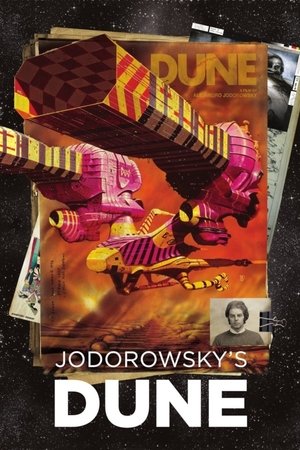
Jodorowsky's Dune(en)
2013-08-30
In 1974, Chilean-French director Alejandro Jodorowsky embarked on the quixotic project of adapting Frank Herbert's influential novel Dune (1969) for the big screen. After investing two years, and millions of dollars, the gigantic project ended in failure; but the artists Jodorowsky brought together to carry it out continued to work together, and ended up laying the foundations for modern science fiction cinema.
74%
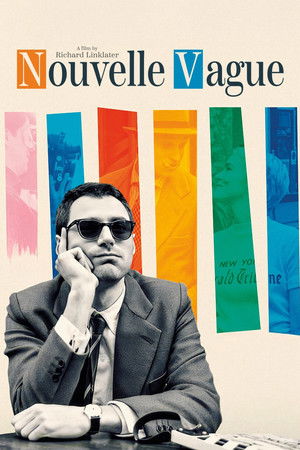
Nouvelle Vague(fr)
2025-10-08
After writing for Cahiers du cinéma, a young Jean-Luc Godard decides making films is the best film criticism. He convinces producer Georges de Beauregard to fund a low-budget feature, and creates a treatment with fellow New Wave filmmaker François Truffaut about a gangster couple. The result? Breathless, one of the first features of the Nouvelle Vague era of French cinema.
64%
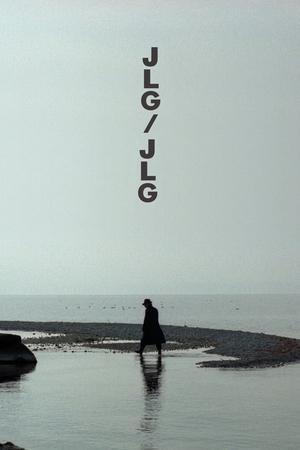
JLG/JLG: Self-Portrait in December(fr)
1995-03-08
Director Jean-Luc Godard reflects in this movie about his place in film history, the interaction of film industry and film as art, as well as the act of creating art.

68%
Making Waves: The Art of Cinematic Sound(en)
2019-10-25
The history of cinematic sound, told by legendary sound designers and visionary filmmakers.
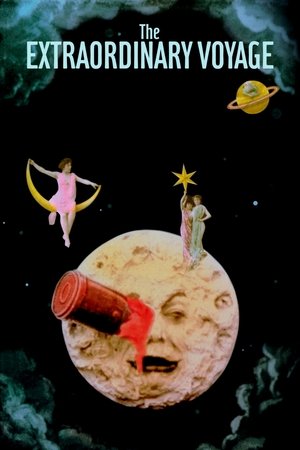
77%
The Extraordinary Voyage(fr)
2011-12-08
An account of the extraordinary life of film pioneer Georges Méliès (1861-1938) and the amazing story of the copy in color of his masterpiece A Trip to the Moon (1902), unexpectedly found in Spain and restored thanks to the heroic efforts of a group of true cinema lovers.
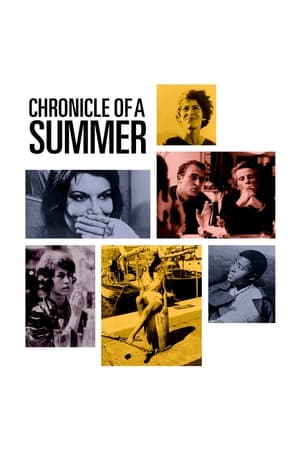
72%
Chronicle of a Summer(fr)
1961-10-20
Paris, summer 1960. Anthropologist and filmmaker Jean Rouch and sociologist and film critic Edgar Morin wander through the crowded streets asking passersby how they cope with life's misfortunes.
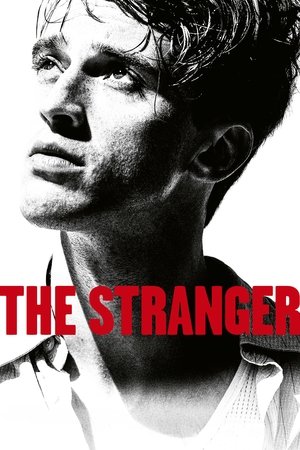
68%
The Stranger(fr)
2025-10-29
Algiers, 1938. Meursault, a quiet and unassuming employee in his early thirties, attends his mother's funeral without shedding a tear. The next day, he begins a casual affair with Marie, a work colleague. He quickly slips back into his usual routine.
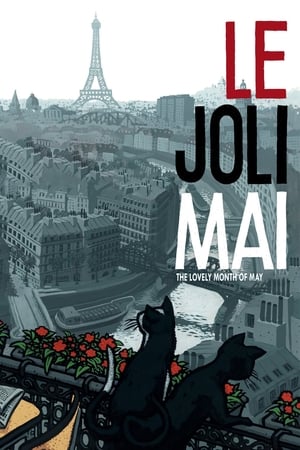
80%
The Lovely Month of May(fr)
1963-05-03
Candid interviews of ordinary people on the meaning of happiness, an often amorphous and inarticulable notion that evokes more basic and fundamentally egalitarian ideals of self-betterment, prosperity, tolerance, economic opportunity, and freedom.
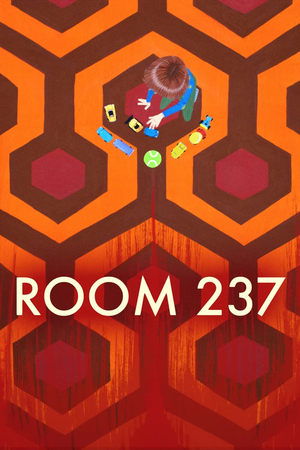
61%
Room 237(en)
2012-10-26
A subjective documentary that explores various theories about hidden meanings in Stanley Kubrick's classic film The Shining. Five very different points of view are illuminated through voice over, film clips, animation and dramatic reenactments.
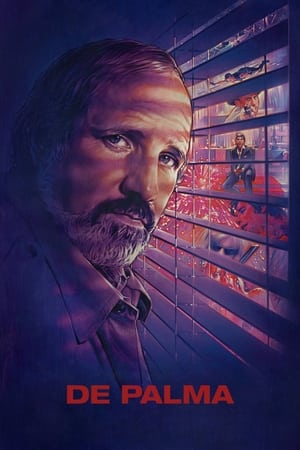
70%
De Palma(en)
2016-06-10
An intimate conversation between filmmakers, chronicling De Palma’s 55-year career, his life, and his filmmaking process, with revealing anecdotes and, of course, a wealth of film clips.
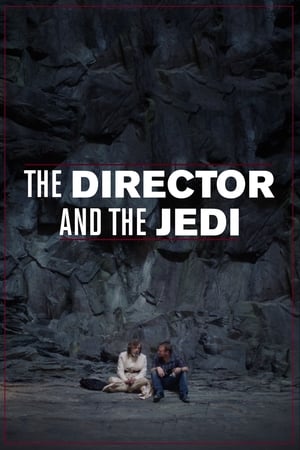
72%
The Director and the Jedi(en)
2018-03-12
An intimate documentary delving into Rian Johnson's process as he comes in as a director new to the Star Wars universe.
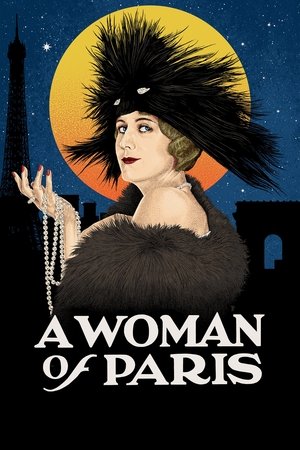
68%
A Woman of Paris: A Drama of Fate(en)
1923-10-01
When Marie St. Clair believes she has been jilted by her artist fiance Jean, she decides to leave for Paris on her own. After spending a year in the city as a mistress of the wealthy Pierre Revel, she is reunited with Jean by chance. This leaves her with the choice between a glamorous life in Paris, and the true love she left behind.
65%
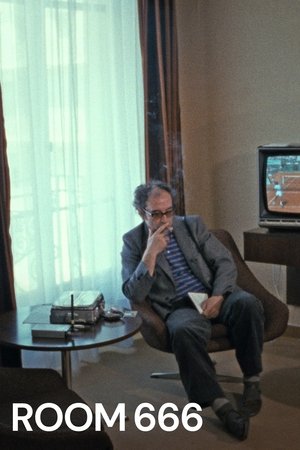
Room 666(en)
1982-06-02
During the 1982 Cannes Film Festival, Wim Wenders asked a number of global film directors to, one at a time, go into a hotel room, turn on the camera, and answer a simple question: "What is the future of cinema?"
69%
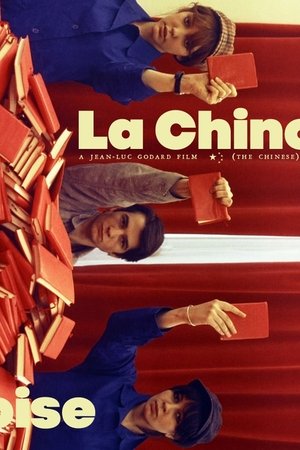
La Chinoise(fr)
1967-08-30
A small group of French students are studying Mao, trying to find out their position in the world and how to change the world to a Maoistic community using terrorism.
60%
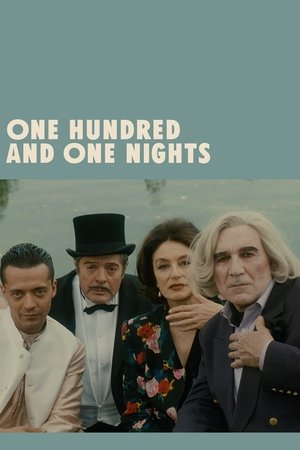
One Hundred and One Nights(fr)
1995-01-25
Monsieur Cinema, a hundred years old, lives alone in a large villa. His memories fade away, so he engages a young woman to tell him stories about all the movies ever made.
78%
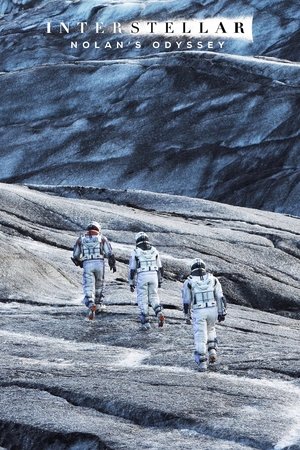
Interstellar: Nolan's Odyssey(en)
2014-11-05
A look behind the lens of Christopher Nolan's space epic.

72%
Hitchcock/Truffaut(en)
2015-09-05
Filmmakers discuss the legacy of Alfred Hitchcock and the book “Hitchcock/Truffaut” (“Le cinéma selon Hitchcock”), written by François Truffaut and published in 1966.
74%
Four Adventures of Reinette and Mirabelle(fr)
1987-02-04
Two young girls meet, Reinette from the countryside and Mirabelle from Paris, and decide to take a flat together in Paris where they attend University. Four successive stories about their daily lives illustrate the very different views, characters and relation to the world of these two friends.
70%
Visions of Light(en)
1992-09-17
Cameramen and women discuss the craft and art of cinematography and of the "DP" (the director of photography), illustrating their points with clips from 100 films, from Birth of a Nation to Do the Right Thing. Themes: the DP tells people where to look; changes in movies (the arrival of sound, color, and wide screens) required creative responses from DPs; and, these artisans constantly invent new equipment and try new things, with wonderful results. The narration takes us through the identifiable studio styles of the 30s, the emergence of noir, the New York look, and the impact of Europeans. Citizen Kane, The Conformist, and Gordon Willis get special attention.
71%
Mifune: The Last Samurai(en)
2016-12-02
An account of the life and work of legendary Japanese actor Toshirō Mifune (1920-97), the most prominent actor of the Golden Age of Japanese cinema.