Loading Page


Olympia 1936. Der verratene Traum(2016)
Status: Released
Date: 2016-08-05
0%
0 Votes
Time: 1h 0m
A story of how the Nazis and the IOC turned a small sports event into the modern Olympics.
Overview:
The film chronicles the story of how the Nazis and the IOC turned, to their mutual benefit, a small sports event into the modern Olympics. The grand themes and controversial issues from the 1936 Games have continued to this day: Monumentality, budget overruns, collusion with authoritarian regimes, corruption and sometimes even bribery.
Languages: German.
Countries:
Germany,
Austria
ProductionCompanies: 


Pre TV
Movie: Olympia 1936. Der verratene Traum
Top 10 Billed Cast

Antonia Moretti
Judith Deutsch

Mercedes Echerer
Narrator

Helen Barke
Swimmer
Loading Photos
Photo Type :Total items
Recommendations Movies

69%
Olympia Part One: Festival of the Nations(de)
1938-04-21
Starting with a long and lyrical overture, evoking the origins of the Olympic Games in ancient Greece, Riefenstahl covers twenty-one athletic events in the first half of this two-part love letter to the human body and spirit, culminating with the marathon, where Jesse Owens became the first track and field athlete to win four gold medals in a single Olympics.

67%
Olympia Part Two: Festival of Beauty(de)
1938-06-02
Part two of Leni Riefenstahl's monumental examination of the 1938 Olympic Games, the cameras leave the main stadium and venture into the many halls and fields deployed for such sports as fencing, polo, cycling, and the modern pentathlon, which was won by American Glenn Morris.
73%
One Day in September(en)
1999-10-22
The full story of the 1972 Munich Olympics Massacre and the Israeli revenge operation 'Wrath of God.' The 1972 Munich Olympics were interrupted by Palestinian terrorists taking Israeli athletes hostage. Besides footage taken at the time, we see interviews with the surviving terrorist, Jamal Al Gashey, and various officials detailing exactly how the police, lacking an anti-terrorist squad and turning down help from the Israelis, botched the operation.

76%
Night Will Fall(en)
2014-06-07
When Allied forces liberated the Nazi concentration camps in 1944-45, their terrible discoveries were recorded by army and newsreel cameramen, revealing for the first time the full horror of what had happened. Making use of British, Soviet and American footage, the Ministry of Information’s Sidney Bernstein (later founder of Granada Television) aimed to create a documentary that would provide lasting, undeniable evidence of the Nazis’ unspeakable crimes. He commissioned a wealth of British talent, including editor Stewart McAllister, writer and future cabinet minister Richard Crossman – and, as treatment advisor, his friend Alfred Hitchcock. Yet, despite initial support from the British and US Governments, the film was shelved, and only now, 70 years on, has it been restored and completed by Imperial War Museums under its original title "German Concentration Camps Factual Survey".
69%
Triumph of the Will(de)
1935-03-28
A showcase of German chancellor and Nazi Party leader Adolf Hitler at the 1934 Nuremberg Rally.
74%
Hitler: A Career(de)
1977-07-08
A keen chronicle of the unlikely rise to power of Adolf Hitler (1889-1945) and a dissection of the Third Reich (1933-1945), but also an analysis of mass psychology and how the desperate crowd can be deceived and shepherded to the slaughterhouse.

71%
Deliver Us from Evil(en)
2006-06-24
Documentary filmmaker Amy Berg investigates the life of 30-year pedophile Father Oliver O'Grady and exposes the corruption inside the Catholic Church that allowed him to abuse countless children. Victims' stories and a disturbing interview with O'Grady offer a view into the troubled mind of the spiritual leader who moved from parish to parish gaining trust ... all the while betraying so many.
66%
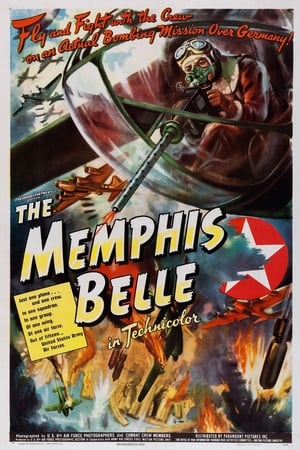
The Memphis Belle(en)
1944-04-13
This WW2 documentary centers on the crew of the American B-17 Flying Fortress Memphis Belle as it prepares to execute a strategic bombing raid on Nazi submarine pens in Wilhelmshaven, Germany.
75%
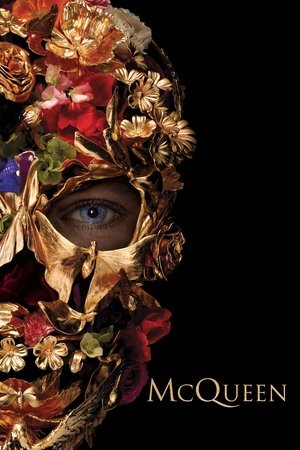
McQueen(en)
2018-06-08
Alexander McQueen's rags-to-riches story is a modern-day fairy tale, laced with the gothic. Mirroring the savage beauty, boldness and vivacity of his design, this documentary is an intimate revelation of McQueen's own world, both tortured and inspired, which celebrates a radical and mesmerizing genius of profound influence.

65%
Heart of a Dog(en)
2015-10-21
Lyrical and powerfully personal essay film that reflects on the deaths of her husband Lou Reed, her mother, her beloved dog, and such diverse subjects as family memories, surveillance, and Buddhist teachings.

67%
Gilbert(en)
2017-04-20
The life and career of one of comedy's most inimitable modern voices, Mr. Gilbert Gottfried.

72%
4 Little Girls(en)
1997-07-09
On September 15, 1963, a bomb destroyed a black church in Birmingham, Alabama, killing four young girls who were there for Sunday school. It was a crime that shocked the nation--and a defining moment in the history of the civil-rights movement. Spike Lee re-examines the full story of the bombing, including a revealing interview with former Alabama Governor George Wallace.

61%
Naqoyqatsi(en)
2002-09-02
A visual montage portrait of our contemporary world dominated by globalized technology and violence.

75%
Berlin: Symphony of a Great City(de)
1927-09-23
A day in the city of Berlin, which experienced an industrial boom in the 1920s, and still provides an insight into the living and working conditions at that time. Germany had just recovered a little from the worst consequences of the First World War, the great economic crisis was still a few years away and Hitler was not yet an issue at the time.
65%
Nail Bomber: Manhunt(en)
2021-05-26
This documentary examines the 1999 London bombings that targeted Black, Bangladeshi and gay communities, and the race to find the far-right perpetrator. He terrorized a city, seeking to ignite a race war but justice was served by those who wouldn't let his hate win.
73%
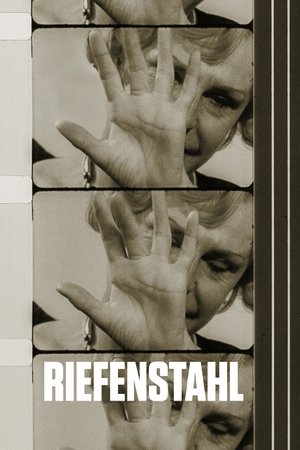
Riefenstahl(de)
2024-08-29
Explores Leni Riefenstahl's artistic legacy and her complex ties to the Nazi regime, juxtaposing her self-portrayal with evidence suggesting awareness of the regime's atrocities.

61%
Room 237(en)
2012-10-26
A subjective documentary that explores various theories about hidden meanings in Stanley Kubrick's classic film The Shining. Five very different points of view are illuminated through voice over, film clips, animation and dramatic reenactments.

66%
Champs(en)
2015-03-13
A documentary about the sport of boxing, as seen through the eyes of champions Mike Tyson, Evander Holyfield and Bernard Hopkins.

67%
Frida(en)
2024-03-08
An intimately raw and magical journey through the life, mind, and heart of iconic artist Frida Kahlo. Told through her own words for the very first time — drawn from her diary, revealing letters, essays, and print interviews — and brought vividly to life by lyrical animation inspired by her unforgettable artwork.
Similar Movies

70%
Wir Werden Immer Weitergehen(de)
2012-11-15
Music as a counter-project to a bourgeois existence: Musicians, club and label operators, record store owners and other music lovers talk about how, despite social and economic constraints, they realize their very different, bohemian and sometimes precarious life projects on the sidelines - and always go on. Detailed essays, experience reports, portraits and interviews are dedicated to the alternative music and club scene in Berlin and Hamburg.
62%
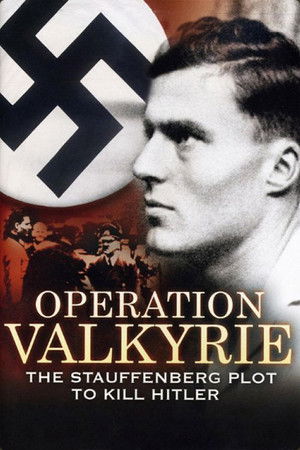
Operation Valkyrie: The Stauffenberg Plot to Kill Hitler(en)
2008-11-04
July, 1944. As WWII raged on, a group of conspirators, led by Claus von Stauffenberg, plotted to assassinate Hitler and end his reign of terror. Using rare color footage, painstakingly recreated dramatizations, detailed CG reconstructions and exclusive interviews with leading historians, this thrilling documentary presents the definitive record of what happened before, during and after these pivotal events.
70%
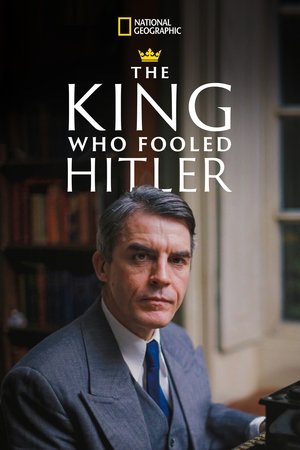
The King Who Fooled Hitler(en)
2019-05-05
In a tale of double agents and decoys, this documentary reveals, for the first time, the story of King George VI's elaborate ruse to divert German attention away from the Normandy landings in 1944.
0%
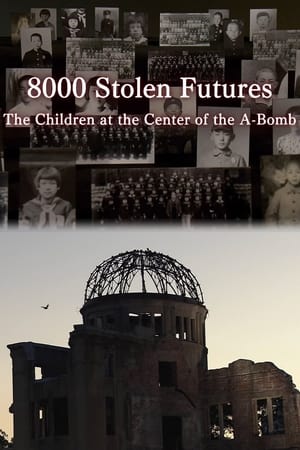
8000 Stolen Futures: The Children at the Center of the A-Bomb(en)
2022-11-06
On August 6, 1945, the first-ever nuclear bomb deployed in war was dropped on the city of Hiroshima Prefecture, leaving an estimated 140,000 dead in its wake by the end of that year. Among the victims, one particular age group stands out for the sheer number of fatalities sustained: 12 and 13 year-olds, children of first year junior high school age. We investigate the tragedy of this lost generation, piecing together surviving records and speaking with survivors, for whom the memories of children robbed of their futures that day are still burned deep in their memories, nearly eight decades on.

90%
Les Sirènes d’Ukraine(fr)
2024-07-18
In February 2022, in Kharkiv, twin sisters Maryna and Vladyslava Alexiiva had to flee in the middle of the night under the bombs. In extremis, they take with them their bronze medals, won in Tokyo a year earlier in synchronized swimming. They took refuge in Italy for six months, then decided to return to Ukraine to reunite with their team. From then on, they were obsessed with a single goal: to win the gold medal in Paris in 2024.
66%
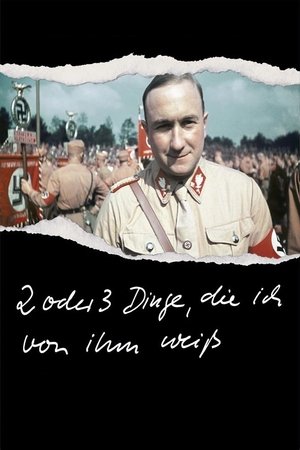
2 or 3 Things I Know About Him(de)
2005-04-07
What would your family reminiscences about dad sound like if he had been an early supporter of Hitler’s, a leader of the notorious SA and the Third Reich’s minister in charge of Slovakia, including its Final Solution? Executed as a war criminal in 1947, Hanns Ludin left behind a grieving widow and six young children, the youngest of whom became a filmmaker. It's a fascinating, maddening, sometimes even humorous look at what the director calls "a typical German story." (Film Forum)

58%
Prinzessinnenbad(de)
2007-05-31
A film about three teenagers - Klara, Mina and Tanutscha - from the Berlin district of Kreuzberg. The trio have known each other since Kindergarten and have plenty in common. The three 15-year-olds are the best of friends; they are spending the summer at Prinzenbad, a large open-air swimming pool at the heart of the district where they live. They're feeling pretty grown up, and are convinced they've now left their childhood behind.

90%
SubBerlin - Underground United(de)
2008-02-07
The original Tresor was in many ways the quintessential Berlin club: located in an unrenovated vault beneath a bombed out department store, it opened its doors amidst the general confusion and ecstasy that swept across the city when the wall fell. Its low ceilings, industrial decor and generally unhinged atmosphere created an unprecedented platform not only for techno in Berlin, but also for the scene taking shape across the Atlantic in Detroit.
67%
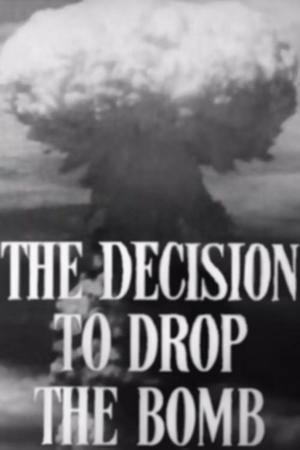
The Decision to Drop the Bomb(en)
1965-01-05
J. Robert Oppenheimer and other key figures involved in the decision to drop the first atomic bomb discuss their motivations in this NBC News documentary. Originally produced and televised in 1965, two decades after the bombings of Hiroshima and Nagasaki, it was re-released in 2023 with an epilogue by Michael Beschloss, NBC News Presidential Historian.

66%
Adolf Island(en)
2019-06-23
Caroline Sturdy Colls, a world leader in the forensic investigation of Nazi crime scenes, is chasing clues to an unsolved case: a concentration camp that existed on the British island of Alderney. Witnesses and survivors claimed that thousands died there, but only 389 bodies have ever been found. Under heavy restrictions imposed by the local government, which may not want its buried secrets revealed, Colls must uncover the truth using revolutionary techniques and technologies.
60%
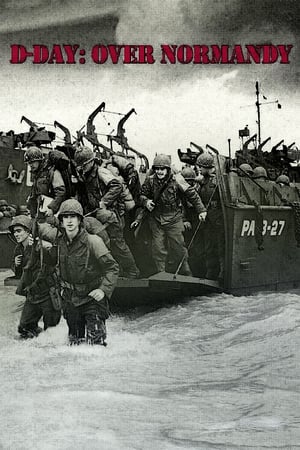
D-Day: Over Normandy(en)
2017-04-01
Narrated by the only 5-time Super Bowl winning head coach in NFL history, the New England Patriots Bill Belichick. The World War II Foundation hired one of France's top aerial Drone camera companies to film some of the most iconic locations in Normandy from D-Day. The result is some of the most spectacular scenes of the landing beaches and battlefields viewers have ever seen.
0%
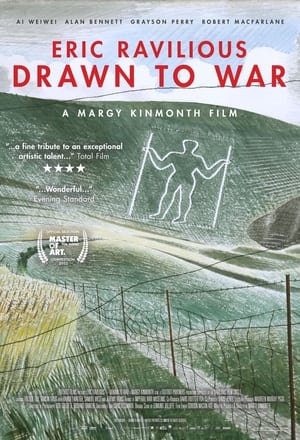
Eric Ravilious: Drawn to War(en)
2022-07-01
One of Britain’s greatest landscape artists, Eric Ravilious, is killed in a plane crash while on commission as Official War Artist in Iceland in 1942. His life is as compelling and enigmatic as his art, set against the dramatic wartime locations that inspire him. This film brings to life this unique and still grossly undervalued British artist caught in the crossfire of war 80 years ago, whose legacy largely sank without trace, until now…

90%
Monument to the Murderers(hu)
2021-01-26
A film about a district in Buda, which to this day cannot face the inconceivably cruel crimes committed by its former inhabitants.

70%
Zeitgeist: The Movie(en)
2007-06-01
A documentary examining possible historical and modern conspiracies surrounding Christianity, the 9/11 terrorist attacks, and the Federal Reserve bank.

0%
Alene B. Duerk: The First Woman Admiral(en)
2020-01-01
Following the tradition of military service in her family, Alene Duerk enlisted as a Navy nurse in 1943. During her eventful 32 year career, she served in WWII on a hospital ship in the Sea of Japan, and trained others in the Korean War. She became the Director of the Navy Nursing Corps during the Vietnam War before finally attaining the rank of Admiral in the U.S. Navy. Despite having no other women as mentors (or peers), Admiral Duerk always looked for challenging opportunities that women had not previously held. Her consistently high level of performance led to her ultimate rise to become the first woman Admiral.