We Do It Because(1942)
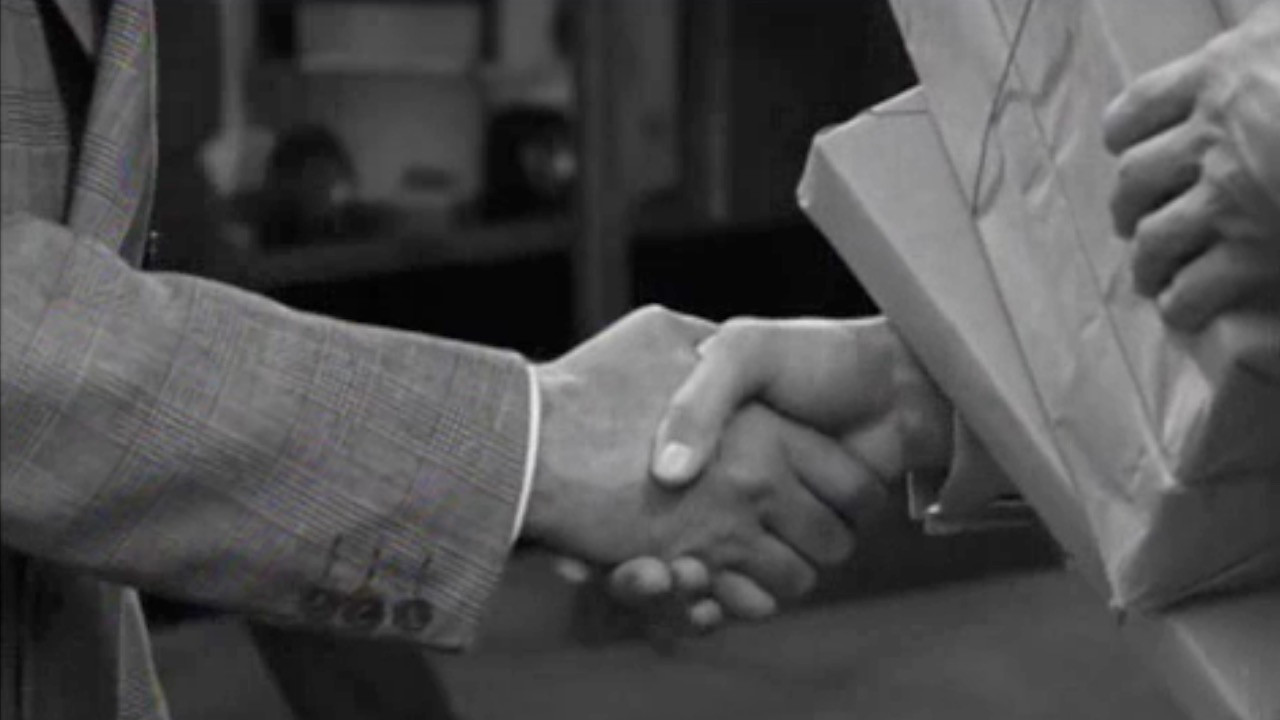
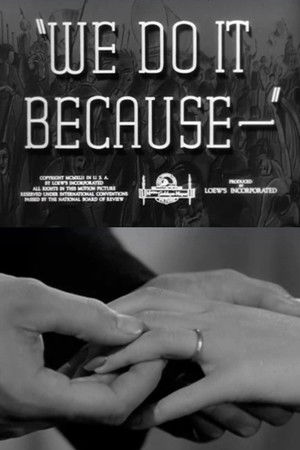
This John Nesbitt's Passing Parade short explores the origins of various customs such as shaking hands, kissing, and why ships are christened.

Movie: We Do It Because
Top 7 Billed Cast

Narrator (voice)

Nancy's Husband (uncredited)

Lucretia Borgia (uncredited)
Officer on Santa Maria (uncredited)

Nancy (uncredited)
Mutinous Sailor (uncredited)
Recommendations Movies
The Untold History Of The United States(en)
Oliver Stone charts the history of the United States from the Second World War to the present.
The Last Rifleman(en)
A WWII veteran escapes his care home in Northern Ireland and embarks on an arduous but inspirational journey to France to attend the 75th anniversary of the D-Day landings, finding the courage to face the ghosts of his past.
Radium Girls(en)
Young women toiling in a factory are exposed to hazardous material which takes a disastrous toll on their health.
Oranges and Sunshine(en)
The story of Margaret Humphreys, a social worker from Nottingham, who uncovers one of the most significant social scandals in recent times – the forced migration of children from the United Kingdom to Australia and other Commonwealth countries. Almost singlehandedly, Margaret reunited thousands of families, brought authorities to account and worldwide attention to an extraordinary miscarriage of justice.
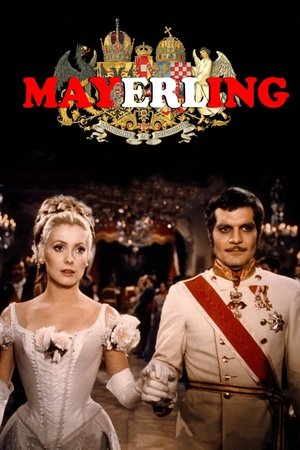
Mayerling(en)
Crown Prince Rudolf of Austria clashes with his father, Emperor Franz Joseph I of Austria, over implementing progressive policies for their country. Rudolf soon feels he is a man born at the wrong time in a country that doesn't realize the need for social reform. The Prince of Wales, later to become Britain's King Edward VII, provides comic relief. Rudolf finds refuge from a loveless marriage with Princess Stéphanie by taking a mistress, Baroness Maria Vetsera. Their untimely demise at Mayerling, the imperial family's hunting lodge, is cloaked in mystery.
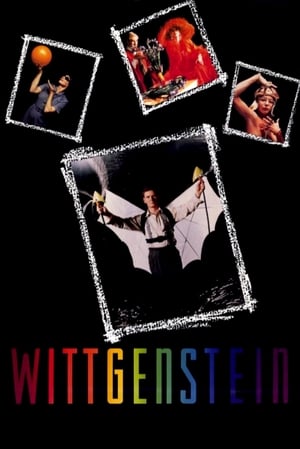
Wittgenstein(en)
A dramatization, in modern theatrical style, of the life and thought of the Viennese-born, Cambridge-educated philosopher Ludwig Wittgenstein, whose principal interest was the nature and limits of language. A series of sketches depict the unfolding of his life from boyhood, through the era of the first World War, to his eventual Cambridge professorship and association with Bertrand Russell and John Maynard Keynes. The emphasis in these sketches is on the exposition of the ideas of Wittgenstein, a homosexual, and an intuitive, moody, proud, and perfectionistic thinker generally regarded as a genius.
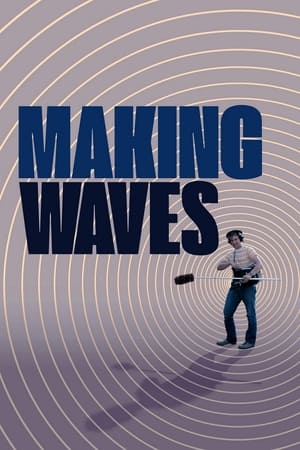
Making Waves: The Art of Cinematic Sound(en)
The history of cinematic sound, told by legendary sound designers and visionary filmmakers.

True Spirit(en)
When the tenacious young sailor Jessica Watson sets out to be the youngest person to sail solo, nonstop and unassisted around the world, many expect her to fail. With the support of her sailing coach and mentor Ben Bryant and her parents, Jessica is determined to accomplish what was thought to be impossible, navigating some of the world’s most challenging stretches of ocean over the course of 210 days.
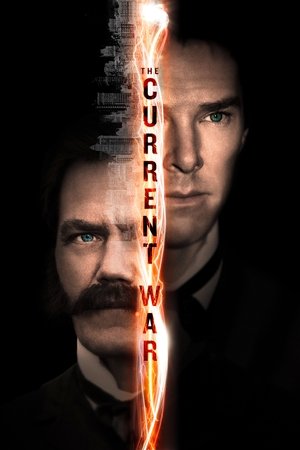
The Current War(en)
Electricity titans Thomas Edison and George Westinghouse compete to create a sustainable system and market it to the American people.

Red Army(en)
A documentary highlighting the Soviet Union's legendary and enigmatic hockey training culture and world-dominating team through the eyes of the team's Captain Slava Fetisov, following his shift from hockey star and celebrated national hero to political enemy.

Blackadder: Back & Forth(en)
What was a cunning plan from Lord Edmund Blackadder V to fake a time machine on his gullibly incompetent friends, turns out to be the real thing and hurls him and his imbecile underling, Baldrick, through the course of human history.
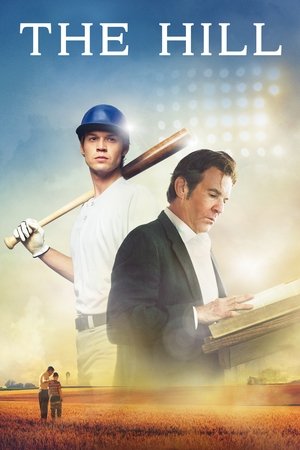
The Hill(en)
The story of Rickey Hill, who overcomes his physical disability and repairs his relationship with his father in a quest to become a major league baseball (MLB) player.
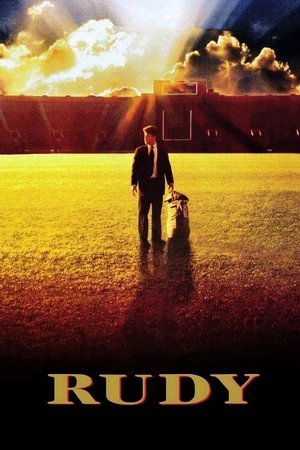
Rudy(en)
Rudy grew up in a steel mill town where most people ended up working, but wanted to play football at Notre Dame instead. There were only a couple of problems. His grades were a little low, his athletic skills were poor, and he was only half the size of the other players. But he had the drive and the spirit of 5 people and has set his sights upon joining the team.
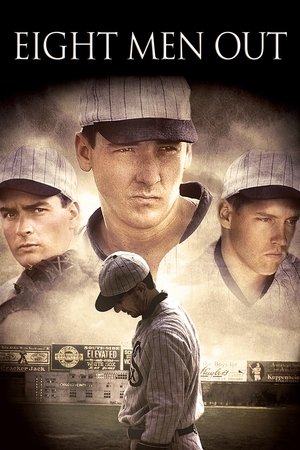
Eight Men Out(en)
Buck Weaver and Hap Felsch are young idealistic players on the Chicago White Sox, a pennant-winning team owned by Charles Comiskey - a penny-pinching, hands-on manager who underpays his players and treats them with disdain. And when gamblers and hustlers discover that Comiskey's demoralized players are ripe for a money-making scheme, one by one the team members agree to throw the World Series. But when the White Sox are defeated, a couple of sports writers smell a fix and a national scandal explodes, ripping the cover off America's favorite pastime.
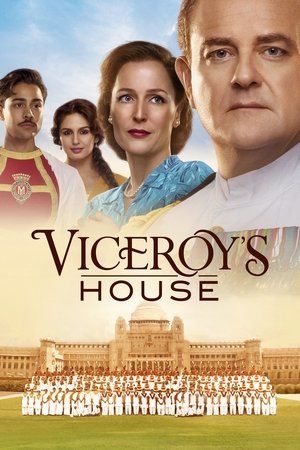
Viceroy's House(en)
In 1947, Lord Mountbatten assumes the post of last Viceroy, charged with handing India back to its people, living upstairs at the house which was the home of British rulers, whilst 500 Hindu, Muslim and Sikh servants lived downstairs.
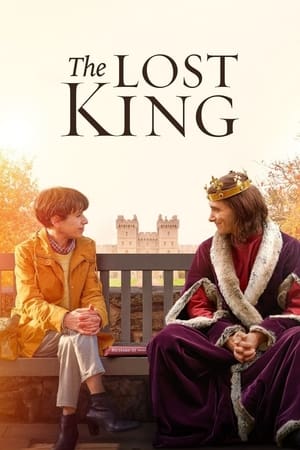
The Lost King(en)
An amateur historian defies the academic establishment in her efforts to find King Richard III's remains, which were lost for over 500 years.
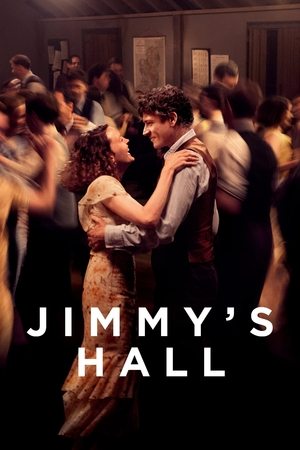
Jimmy's Hall(en)
Jimmy Gralton returns from New York and reopens his beloved community hall, only to meet opposition from the local parish.
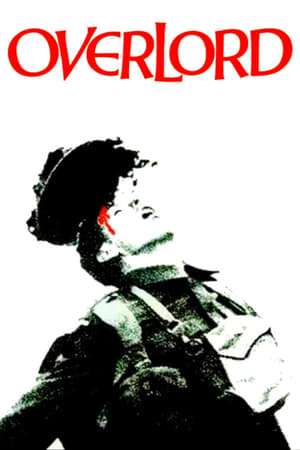
Overlord(en)
During World War II, a young man is called up and, with an increasing sense of foreboding, undertakes his army training ready for D-Day, June 6th, 1944.

Kings of the Sun(en)
In order to flee from powerful enemies, young Mayan king Balam leads his people north across the Gulf of Mexico to the coast of what will become the United States. They build a home in the new land but come into conflict with a tribe of Native Americans led by their chief, Black Eagle, while both Balam and Black Eagle fall in love the beautiful Mayan princess Ixchel.
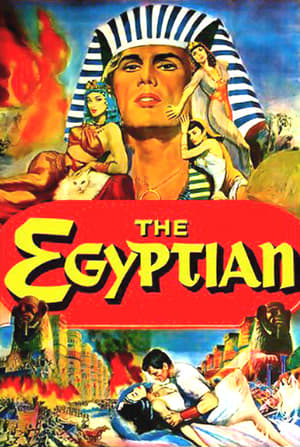
The Egyptian(en)
In eighteenth-dynasty Egypt, Sinuhe, a poor orphan, becomes a brilliant physician and with his friend Horemheb is appointed to the service of the new Pharoah. Sinuhe's personal triumphs and tragedies are played against the larger canvas of the turbulent events of the 18th dynasty. As Sinuhe is drawn into court intrigues he learns the answers to the questions he has sought since his birth.
Similar Movies
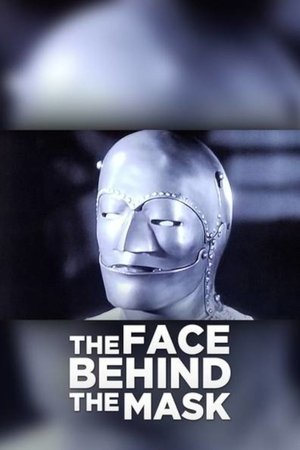
The Face Behind the Mask(en)
This dramatized short film describes the historical mystery of France's "man in the iron mask". King Louis XIV imprisoned a man who was never identified, but who was forced to wear an iron mask for the length of his captivity, which ended only in his death. Several candidates for the identity of the man are investigated.
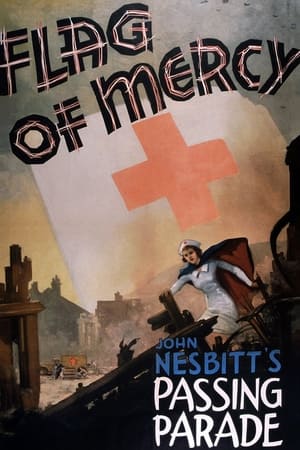
Flag of Mercy(en)
The 1939 dramatic short "Angel of Mercy," about Red Cross founder Clara Barton, is reedited to relate the story to America's involvement in World War II. Edited from Angel of Mercy (1939)

Dreams(en)
This entry in MGM's Passing Parade series looks at the meaning of dreams, including one by Abraham Lincoln that foretold his death.
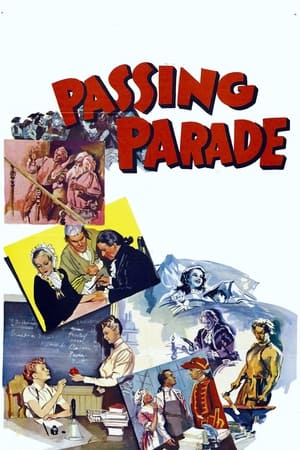
Madero of Mexico(en)
This Passing Parade series short chronicles the political life of Francisco Madero, who tried to bring democracy and land reform to Mexico.
Strange Testament(en)
This MGM Passing Parade series short tells the story of Julian Poydras, whose encounter with a girl at Mardi Gras had a profound effect on his later life.
Mr. Whitney Had a Notion(en)
Historical short showing how Eli Whitney (best known for the invention of the cotton gin) played a significant role in the introduction of mass production techniques to the USA in the late 18th century.
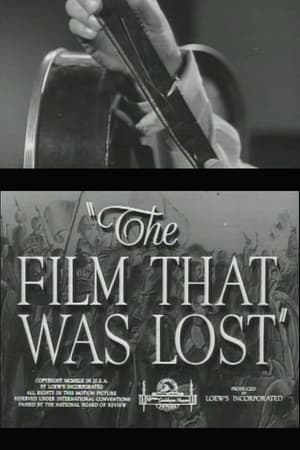
The Film That Was Lost(en)
In this John Nesbitt's Passing Parade short, a look is taken at the problems of film preservation efforts in the 1930s and early 1940s.
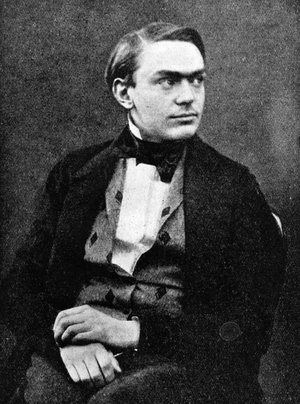
The Story of Alfred Nobel(en)
This John Nesbitt's Passing Parade short tells the story of Alfred Nobel, who invented dynamite, and later established the Nobel Prize.
American Spoken Here(en)
This MGM John Nesbitt's Passing Parade series short takes a look at the origins of North American slang.
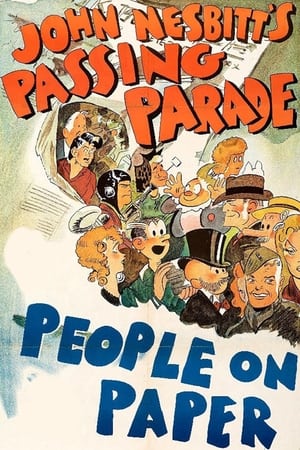
People on Paper(en)
Americans are preoccupied with the news, but need an escape from many of the events reported in the news. These escapes in the past have included dime store novels. The most accessible of these escapes is what are known as the funny papers, the set of serialized comic strips that are included within many newspapers. They appeal to all socio-economic classes, and all ages. Some of the earliest known from the late 19th century include the Yellow Kid, Little Nemo, Happy Hooligan, the Katzenjammer Kids, Mutt & Jeff, and Bringing Up Father. Many cartoonists are seen in action. Some originated their characters, while others have taken over following the passing of the originator. The joy of many comic strips are the absurd and the fantastical, which are limited only by the imagination of the cartoonist. Others are grounded in reality, which add to their poignancy within the public mindset.
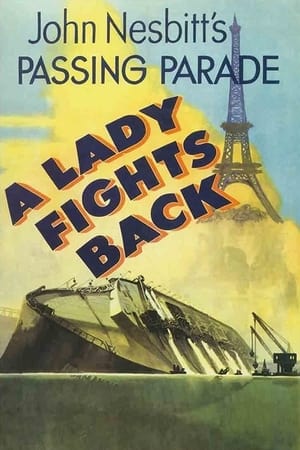
A Lady Fights Back(en)
The saga of the Normandie is recounted from her life as a luxury liner, the horrific fire that nearly destroyed her, and her resuscitation to join in the war effort. A John Nesbitt's Passing Parade short.
Forgotten Treasure(en)
This John Nesbitt's Passing Parade series short highlights the film preservation efforts of the Museum of Modern Art in New York. Several scenes from early newsreels are shown.
Souvenirs of Death(en)
This MGM John Nesbitt's Passing Parade series short tells the story of how a Mauser pistol used on the battlefield by Germans during WWII makes its way into the hands of an American gangster.
The Story That Couldn't Be Printed(en)
This John Nesbitt's Passing Parade short tells the story of John Peter Zenger, who in Colonial New York was tried for sedition based on what he printed in his newspaper.
Angel of Mercy(en)
This MGM Passing Parade series short tells the story of Clara Barton, the founder of the Red Cross.
The Great American Mug(en)
This John Nesbitt's Passing Parade short takes a look at the typical American barbershop throughout the years.
Magic on a Stick(en)
This MGM Passing Parade series short recounts how English chemist John Walker invented the wooden friction match during the 1820s.
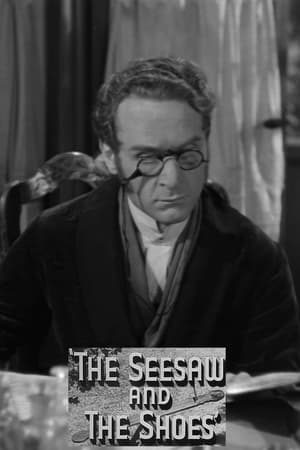
The Seesaw and the Shoes(en)
This short shows how two objects led to important discoveries. Children playing with a seesaw inspire French physician Rene Laennec to invent the stethoscope, and a pair of shoes made of caoutchouc lead Charles Goodyear to discover the process for vulcanizing rubber.
Yankee Doodle Goes to Town(en)
Made just before America would be forced into the Second World War, this short subject is a brief dramatized history of American democracy. It targets a perceived threat to democracy from board room and soapbox fascists who advocated a government based upon contemporaneous European models.