Loading Page


Ecoutez vos murs(1985)
Status: Released
Date: 1985-01-01
0%
0 Votes
Time: 0h 52m
Overview:
It is the poetic chronicle of a city: Paris. A city critique, but a good natured one (the declaration of intention is bloody : Cities are illegal slaughterhouses). The experimental reality of everyday life is explored with insight and humour through improbable dialogues between pigeons, statues, and even a tap and a washbowl! There is on the one hand, the individual at home, grappling with its walls (which are fully fledged characters in this film) and on the other hand, we see the outside world composed of the rhythms and colours of daily urban activities. A mixture of special effects, animation, features reworked into montage, and realism consolidates the fantastic, bizarre and ironic style of the film. M. Mazé
Languages:
Countries:
France
Movie: Ecoutez vos murs
Video Trailer Ecoutez vos murs
All 1 videos

Vincent Coudanne, Ecoutez Vos Murs (Excerpt) - Clip
Recommendations Movies
69%
La Chinoise(fr)
1967-08-30
A small group of French students are studying Mao, trying to find out their position in the world and how to change the world to a Maoistic community using terrorism.
62%
Good Grief(en)
2023-12-19
When his husband unexpectedly dies, Marc's world shatters, sending him and his two best friends on a soul-searching trip to Paris that reveals some hard truths they each needed to face.
66%
Zazie dans le Métro(fr)
1960-10-28
A brash and precocious ten-year-old comes to Paris for a whirlwind weekend with her rakish uncle.
77%
PlayTime(fr)
1967-12-13
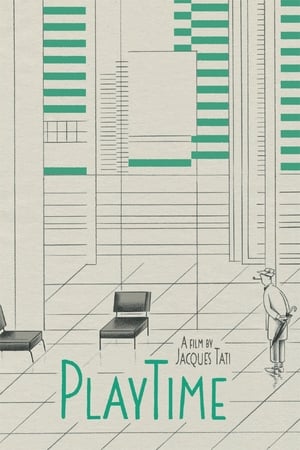
Clumsy Monsieur Hulot finds himself perplexed by the intimidating complexity of a gadget-filled Paris. He attempts to meet with a business contact but soon becomes lost. His roundabout journey parallels that of an American tourist, and as they weave through the inventive urban environment, they intermittently meet, developing an interest in one another. They eventually get together at a chaotic restaurant, along with several other quirky characters.

64%
A Perfect Enemy(en)
2021-06-11
Famed architect Jeremy Angust is approached on his trip to the Paris Airport by a chatty girl named Texel Textor who needs a ride. He obliges and after they part ways at the airport entrance, he misses his flight. As he settles in the lounge, he encounters the mysterious young Texel again, who insists on telling her strange story — and the conversation grows stranger and more twisted until it turns sinister and deadly.
74%
The Phantom of Liberty(fr)
1974-09-10
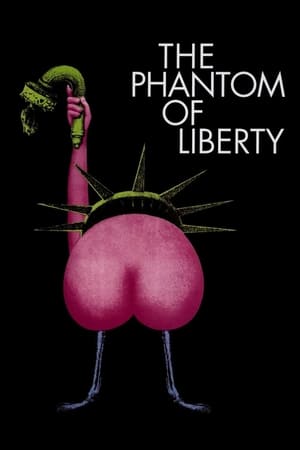
This Surrealist film, with a title referencing the Communist Manifesto, strings together short incidents based on the life of director Luis Buñuel. Presented as chance encounters, these loosely related, intersecting situations, all without a consistent protagonist, reach from the 19th century to the 1970s. Touching briefly on subjects such as execution, pedophilia, incest, and sex, the film features an array of characters, including a sick father and incompetent police officers.
60%
Lost in Paris(fr)
2017-01-14
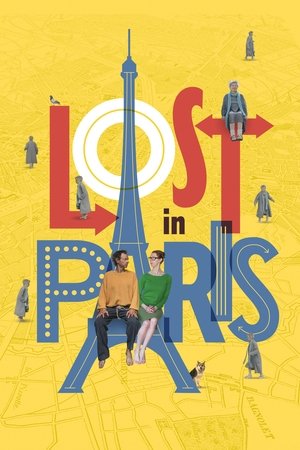
Fiona visits Paris for the first time to assist her myopic Aunt Martha. Catastrophes ensue, mainly involving Dom, a homeless man who has yet to have an emotion or thought he was afraid of expressing.
72%
Chronicle of a Summer(fr)
1961-10-20
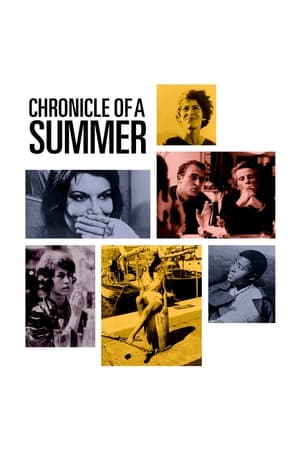
Paris, summer 1960. Anthropologist and filmmaker Jean Rouch and sociologist and film critic Edgar Morin wander through the crowded streets asking passersby how they cope with life's misfortunes.

66%
Notre-Dame on Fire(fr)
2022-03-16
A film relating from the inside the Notre-Dame de Paris fire of April 2019.
80%
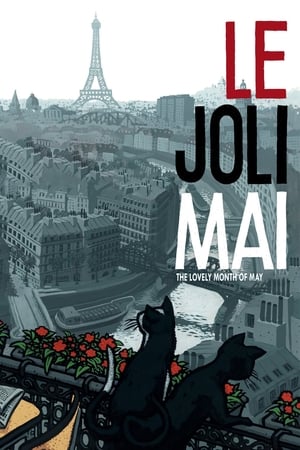
The Lovely Month of May(fr)
1963-05-03
Candid interviews of ordinary people on the meaning of happiness, an often amorphous and inarticulable notion that evokes more basic and fundamentally egalitarian ideals of self-betterment, prosperity, tolerance, economic opportunity, and freedom.
81%
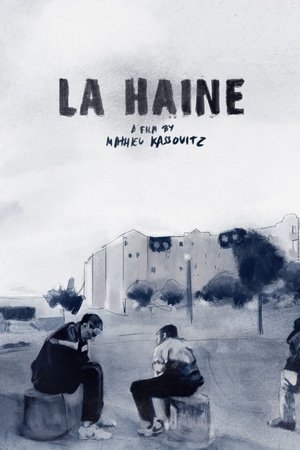
La Haine(fr)
1995-05-31
After a chaotic night of rioting in a marginal suburb of Paris, three young friends, Vinz, Hubert and Saïd, wander around unoccupied waiting for news about the state of health of a mutual friend who has been seriously injured when confronting the police.

62%
My Old Lady(en)
2014-09-09
Mathias Gold is a down-on-his-luck New Yorker who inherits a Parisian apartment from his estranged father. But when he arrives in France to sell the vast domicile, he's shocked to discover a live-in tenant who is not prepared to budge. His apartment is a viager—an ancient French real estate system with complex rules pertaining to its resale—and the feisty Englishwoman Mathilde Girard, who has lived in the apartment with her daughter Chloé for many years, can by contract collect monthly payments from Mathias until her death.

65%
House of Pleasures(fr)
2011-09-21
The dawn of the 20th century: L’Apollonide, a luxurious and traditional brothel in Paris, is living its last days. In this closed world, where some men fall in love and others become viciously harmful, the women share their secrets, their fears, their joys and their pains.
68%
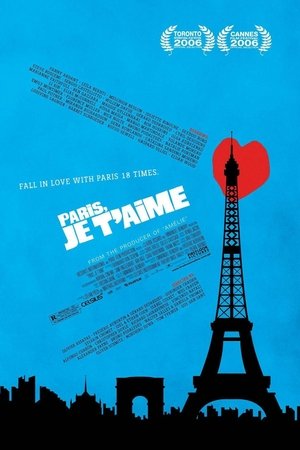
Paris Je T'aime(fr)
2006-06-21
Olivier Assayas, Gus Van Sant, Wes Craven and Alfonso Cuaron are among the 20 distinguished directors who contribute to this collection of 18 stories, each exploring a different aspect of Parisian life. The colourful characters in this drama include a pair of mimes, a husband trying to choose between his wife and his lover, and a married man who turns to a prostitute for advice.

62%
2 or 3 Things I Know About Her(fr)
1967-03-17
As the city of Paris and the French people grow in consumer culture, a housewife living in a high-rise apartment with her husband and two children takes to prostitution to help pay the bills.

65%
Sound and Fury(fr)
1988-06-01
This drama depicts the misery of neglected children in big cities. 13 years old Bruno is of a good family, but since the death of his grandmother he spends most of his time alone, in a phantasy world, while his mother is away at work. But then he befriends the violent Jean-Roger, who's from a severely disturbed family, where nobody cares what he's doing. In school Jean-Roger drives their teacher into despair just for fun. To separate the two boys, she starts to stimulate Bruno's interests by giving him extra lessons. When Jean-Roger fears loosing his one and only friend, he becomes even more aggressive.

65%
Subway(fr)
1985-04-10
Fred, a raffish safe blower, takes refuge in the Paris Metro after being chased by the henchmen of a shady businessman from whom he has just stolen some documents. While hiding out in the back rooms and conduits of the Metro, Fred encounters a subterranean society of eccentric characters and petty criminals.

70%
Symbiopsychotaxiplasm: Take One(en)
1968-10-28
In Manhattan's Central Park, a film crew directed by William Greaves is shooting a screen test with various pairs of actors. It's a confrontation between a couple: he demands to know what's wrong, she challenges his sexual orientation. Cameras shoot the exchange, and another camera records Greaves and his crew. Sometimes we watch the crew discussing this scene, its language, and the process of making a movie. Is there such a thing as natural language? Are all things related to sex? The camera records distractions - a woman rides horseback past them; a garrulous homeless vet who sleeps in the park chats them up. What's the nature of making a movie?

61%
Naqoyqatsi(en)
2002-09-02
A visual montage portrait of our contemporary world dominated by globalized technology and violence.