

Penny Bright & Jimmy Witherspoon(1967)
Nelson sets minimal, repetitive imagery against a looping recording of his daughter Oona, which goes gradually from sweet to curious to mysterious to cacophonous as the loops overlap each other. Since its premiere alongside The Great Blondino and other shorts in April 1967, the film has rarely been seen. It stands out as a more textural piece from Nelson, which, rather than retreating into pure abstraction or bland trippiness, subtly transmits an undercurrent of its ominous source material. —Mark Toscano. Preserved by the Academy Film Archive in 2010.
Movie: Penny Bright & Jimmy Witherspoon
HomePage
Overview
Nelson sets minimal, repetitive imagery against a looping recording of his daughter Oona, which goes gradually from sweet to curious to mysterious to cacophonous as the loops overlap each other. Since its premiere alongside The Great Blondino and other shorts in April 1967, the film has rarely been seen. It stands out as a more textural piece from Nelson, which, rather than retreating into pure abstraction or bland trippiness, subtly transmits an undercurrent of its ominous source material. —Mark Toscano. Preserved by the Academy Film Archive in 2010.
Release Date
1967-01-01
Average
0
Rating:
0.0 startsTagline
Genres
Languages:
Recommendations Movies

Destino(en)
Short film to a song of love lost and rediscovered, a woman sees and undergoes surreal transformations. Her lover's face melts off, she dons a dress from the shadow of a bell and becomes a dandelion, ants crawl out of a hand and become Frenchmen riding bicycles. Not to mention the turtles with faces on their backs that collide to form a ballerina, or the bizarre baseball game.
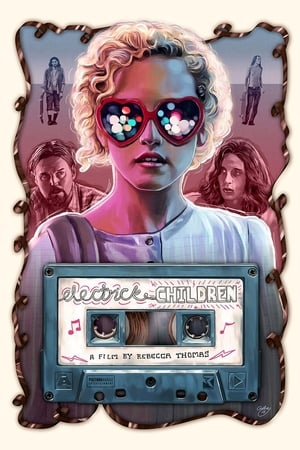
Electrick Children(en)
Rachel is a rambunctious girl from a polygamist colony in southern Utah. On Rachel’s 15th birthday, she finds a forbidden cassette tape. Having never seen anything like it before, Rachel plays the cassette tape, and finds glorious rock & roll thereupon. Weeks later, Rachel realizes a miracle has occurred - and the cassette tape must have something to do with it. She leaves her family and runs away to the closest city: Las Vegas. There she searches for the singer of the band on the cassette tape.
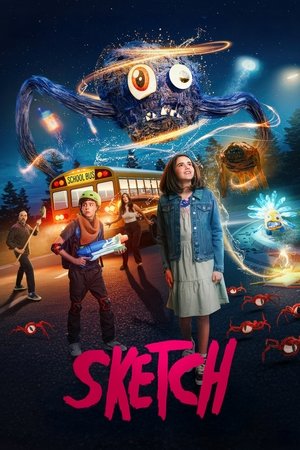
Sketch(en)
When a young girl’s sketchbook falls into a strange pond, her drawings come to life—chaotic, real, and on the loose. As the town descends into chaos, her family must reunite and stop the monsters they never meant to unleash.
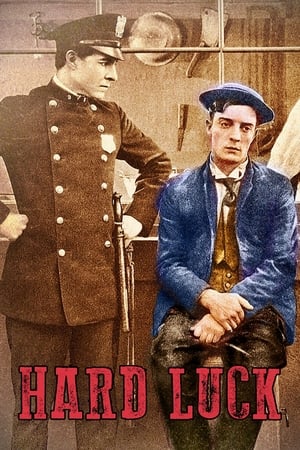
Hard Luck(en)
A down on his luck young man makes several attempts at committing suicide but fails them too. He then finds himself becoming more confident through a series of petty adventures, to such an extent that this becomes his undoing.

A Corner in Wheat(en)
On a whim, a greedy tycoon decides to corner the world market in wheat. This doubles the price of bread, forcing grain producers into charity lines and others further into poverty. The film contrasts the differences between the lives of those who work to grow the wheat and the life of the man who dabbles in its sale for profit.
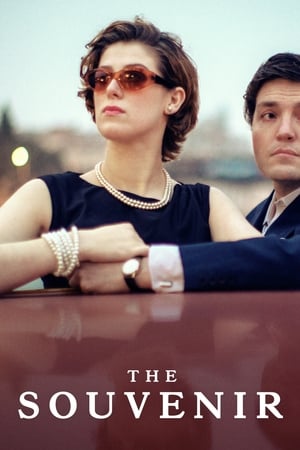
The Souvenir(en)
A shy but ambitious film student falls into an intense, emotionally fraught relationship with a charismatic but untrustworthy older man.
Heavy Traffic(en)
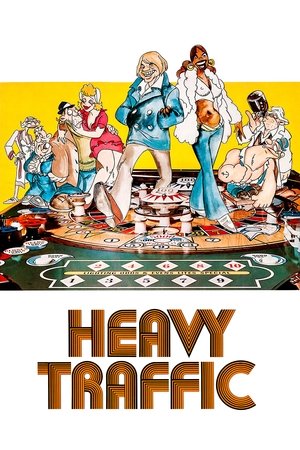
A white dropout struggles to become a cartoonist and filmmaker, drawing inspiration from the harsh, gritty world around him. Still sharing his rundown apartment with his middle-aged parents, an oafish slob of an Italian father and a ditzy nutcase of a Jewish mother, he's ridiculed and looked down upon by his friends, hypocrites who run with violent gangs and the Italian Mafia, and a shallow Black girl who makes her living downtown with the pimps and pushers. The cartoonist gets a chance to pitch a film idea to a movie mogul, but the story proves too outrageous: a far-future Earth, depleted by war and pollution, where a mutant antihero challenges and kills God.
Heart of a Dog(en)
Lyrical and powerfully personal essay film that reflects on the deaths of her husband Lou Reed, her mother, her beloved dog, and such diverse subjects as family memories, surveillance, and Buddhist teachings.
Never Weaken(en)
A young man schemes to drum up business for his girlfriend's employer but after seeing her being intimate with another man, he attempts to commit suicide.
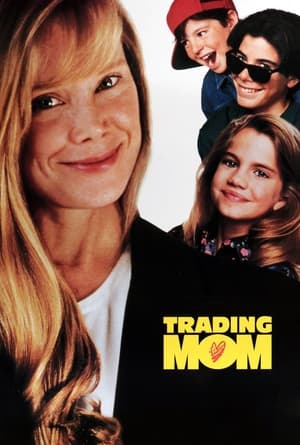
Trading Mom(en)
The Martin kids learn of a magic spell that will take them to the 'mommy market' so they can get a more user friendly model. After giving a few other moms a try, they want their own back. But that is not so easy.

Hair Love(en)
When dad has to unexpectedly step in for mom to do his daughter Zuri’s hair before a big event, what seems like a simple task is anything but as these locks have a mind of their own!
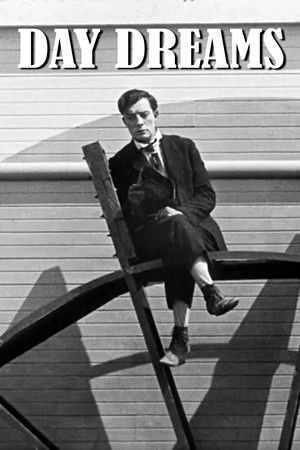
Day Dreams(en)
In order to impress the father of a girl he is keen on, a young man goes to the city in search of work. In his letters home he writes of his various jobs which her imagination expands into much nobler ones than those that he is actually attempting.
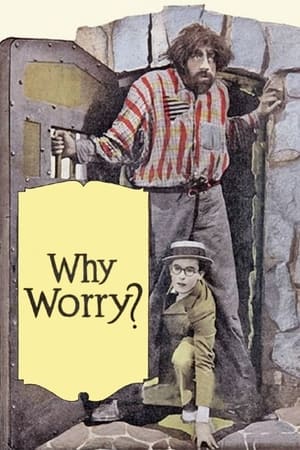
Why Worry?(en)
A hypochondriac vacations in the tropics for the fresh air - and finds himself in the middle of a revolution instead.

Under the Sea: A Descendants Story(en)
Mal emerges from the shadows of a mystical forest onto a dark coastline where she crosses paths with Dizzy.
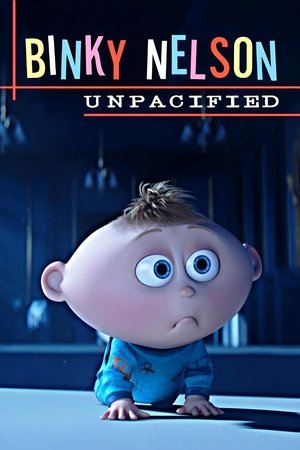
Binky Nelson Unpacified(en)
After a daring heist at a museum, the youngest member of the villainous Nelson family, Binky, realizes he's left behind his beloved pacifier. Determined to retrieve it, Binky embarks on an adorable and hilarious mission to recover his prized possession.

Call Me Crazy: A Five Film(en)
A psychotherapist helps a law student cope with schizophrenia in one of five interconnected tales dealing with mental illness.
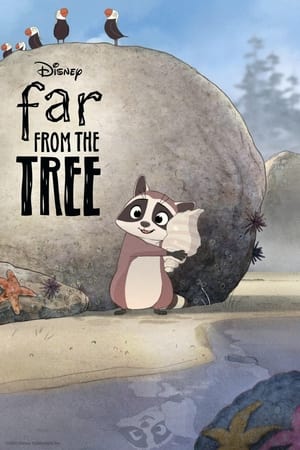
Far from the Tree(en)
On an idyllic beach in the Pacific Northwest, curiosity gets the better of a young raccoon whose frustrated parent attempts to keep them both safe.
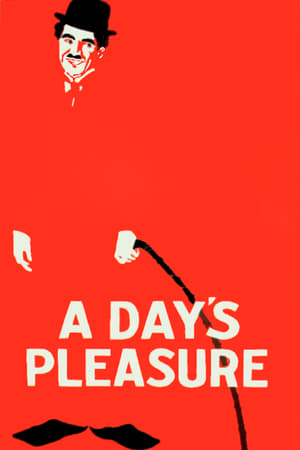
A Day's Pleasure(en)
A father takes his family for an outing, which turns out to be a ridiculous trial.
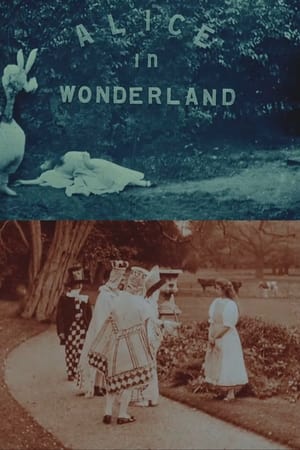
Alice in Wonderland(en)
This is the first movie version of the famous story. Alice dozes in a garden, awakened by a dithering white rabbit in waistcoat with pocket watch. She follows him down a hole and finds herself in a hall of many doors.
Similar Movies

A Close Shave(en)
Wallace's whirlwind romance with the proprietor of the local wool shop puts his head in a spin, and Gromit is framed for sheep-rustling in a fiendish criminal plot.
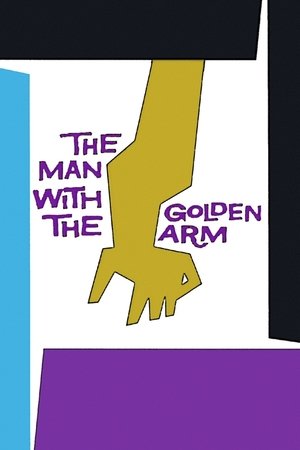
The Man with the Golden Arm(en)
When illegal card dealer and recovering heroin addict Frankie Machine gets out of prison, he decides to straighten up. Armed with nothing but an old drum set, Frankie tries to get honest work as a drummer. But when his former employer and his old drug dealer re-enter his life, Frankie finds it hard to stay clean and eventually finds himself succumbing to his old habits.
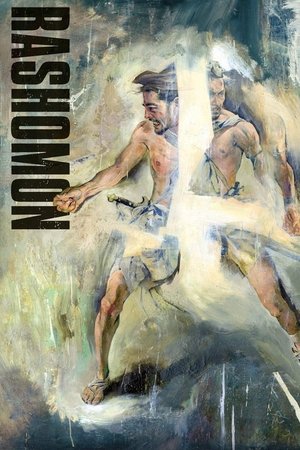
Rashomon(ja)
Four people recount different versions of the story of a man's murder and the rape of his wife.
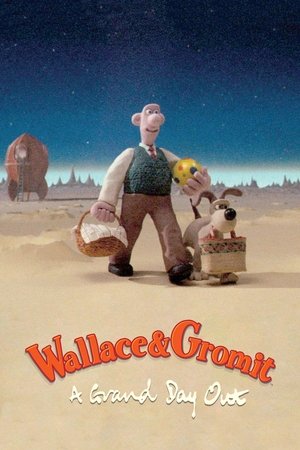
A Grand Day Out(en)
Wallace and Gromit have run out of cheese, and this provides an excellent excuse for the duo to take their holiday to the moon, where, as everyone knows, there is ample cheese.
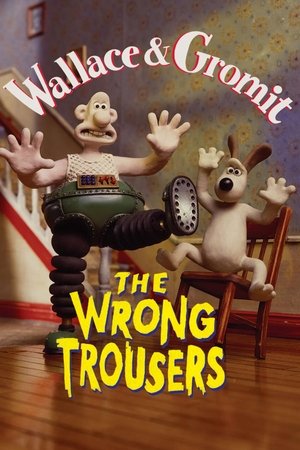
The Wrong Trousers(en)
Wallace rents out Gromit's former bedroom to a penguin, who takes up an interest in the techno trousers created by Wallace. However, Gromit later learns that the penguin is a wanted criminal.
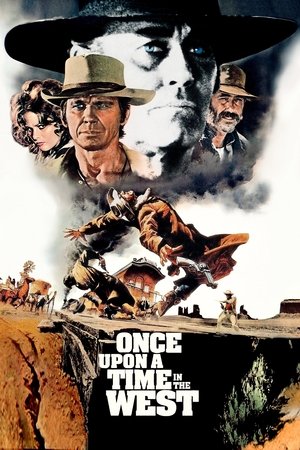
Once Upon a Time in the West(it)
As the railroad builders advance unstoppably through the Arizona desert on their way to the sea, Jill arrives in the small town of Flagstone with the intention of starting a new life.
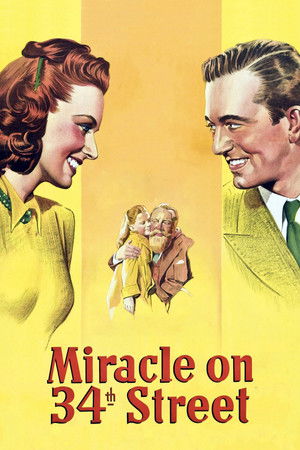
Miracle on 34th Street(en)
Kris Kringle, seemingly the embodiment of Santa Claus, is asked to portray the jolly old fellow at Macy's following his performance in the Thanksgiving Day parade. His portrayal is so complete that many begin to question if he truly is Santa Claus, while others question his sanity.
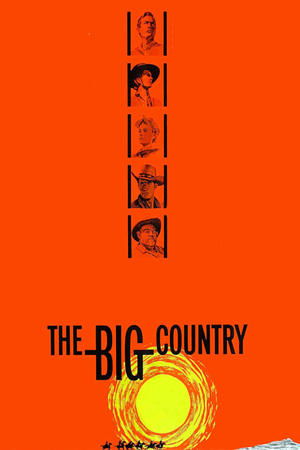
The Big Country(en)
Retired wealthy sea captain Jim McKay arrives in the Old West, where he becomes embroiled in a feud between his future father-in-law, Major Terrill, and the rough and lawless Hannasseys over a valuable patch of land.
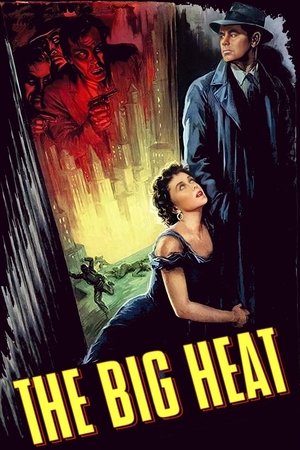
The Big Heat(en)
After the suspicious suicide of a fellow cop, tough homicide detective Dave Bannion takes the law into his own hands when he sets out to smash a vicious crime syndicate.
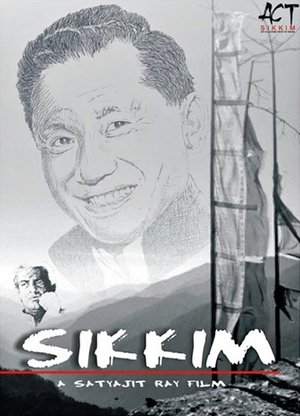
Sikkim(en)
Satyajit Ray's poetic documentary was commissioned by the Chogyal (King) of Sikkim at a time when he felt the sovereignty of Sikkim was under threat from both China and India. Ray's documentary is about the sovereignty of Sikkim. The film was banned by the government of India when Sikkim merged with India in 1975. The ban was finally lifted by the Ministry of External Affairs in September 2010. Preserved by the Academy Film Archive in 2007.
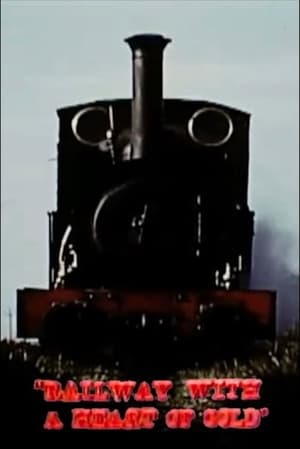
Railway with a Heart of Gold(en)
This film is an account of the Talyllyn Railway, a historic narrow-gauge slate carrier in Tywyn, Wales, and its operation by a preservation society who saved it from being sold for scrap. Although the release date is 1965, it was actually filmed in the early 1950s. Preserved by the Academy Film Archive in 2012.
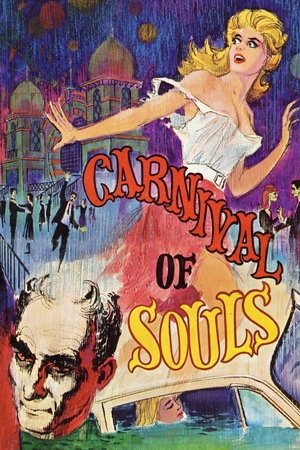
Carnival of Souls(en)
Mary Henry ends up the sole survivor of a fatal car accident through mysterious circumstances. Trying to put the incident behind her, she moves to Utah and takes a job as a church organist. But her fresh start is interrupted by visions of a fiendish man. As the visions begin to occur more frequently, Mary finds herself drawn to the deserted carnival on the outskirts of town. The strangely alluring carnival may hold the secret to her tragic past.
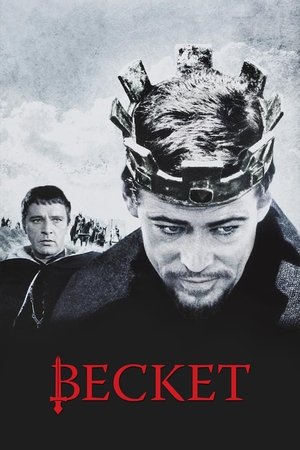
Becket(en)
Thomas Becket, Henry II's longtime advisor, finds his friendship with the debauched king corroding when he is unwillingly appointed as Archbishop of Canterbury in an attempt to gain absolute loyalty from the Church.

I Be Done Been Was Is(en)
A documentary about four African-American comediennes set in 1984. Restored in 2021 by the Academy Film Archive.
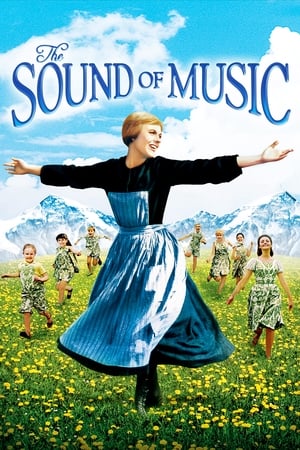
The Sound of Music(en)
In the years before World War II, a tomboyish postulant at an Austrian abbey is hired as a governess in the home of a widowed naval captain with seven children and brings a new love of life and music into the home.
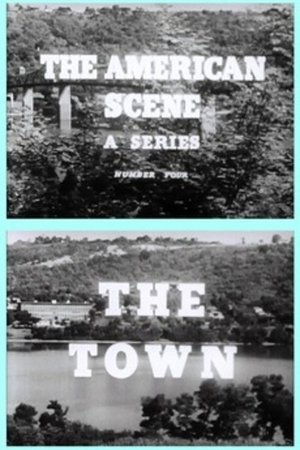
The Town(en)
The Town was a short propaganda film produced by the Office of War Information in 1945. It presents an idealized vision of American life, shown in microcosm by Madison, Indiana. It was created primarily for exhibition abroad, to provide international audiences a more well-rounded view of America, and was therefore produced in more than 20 translations. Preserved by the Academy Film Archive in 2012.

All That Jazz(en)
Joe Gideon is at the top of the heap, one of the most successful directors and choreographers in musical theater. But he can feel his world slowly collapsing around him - his obsession with work has almost destroyed his personal life, and only his bottles of pills keep him going.

Pather Panchali(bn)
Impoverished priest Harihar Ray leaves his rural Bengal village in search of work. His wife, Sarbojaya, looks after their rebellious daughter, Durga, and young son, Apu. The children enjoy the small pleasures of their difficult life.
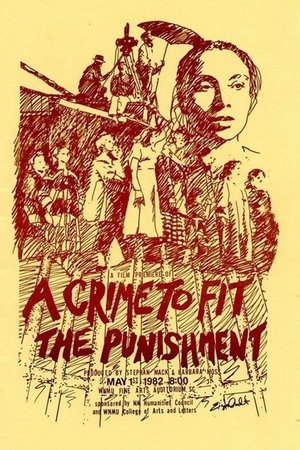
A Crime to Fit the Punishment(en)
This fascinating making-of documentary investigates the controversy and political atmosphere surrounding the production of Salt of the Earth, movingly chronicling the filmmakers' defiance of the blacklist. (BAM) Preserved by the Academy Film Archive in 2015.