Loading Page

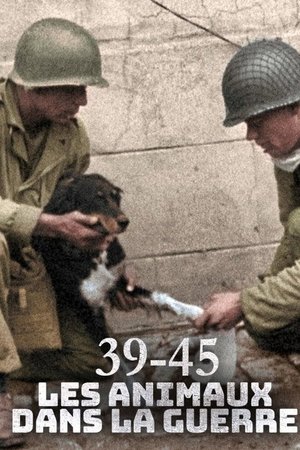
Animals at War, Wild Heroes of World War II(2019)
Status: Released
Date: 2019-05-08
70%
2 Votes
Overview:
Fifty million people died in the Second World War, the biggest massacre in the history of humanity. But the animal kingdom also paid a heavy toll, despite no official numbers being compiled for the victims. This included combat animals, animals that backed up humans, those that entertained or consoled them, some that fed people, and other animals that were symbols. On all fronts and on all continents, at all points of the compass, beasts accompanied mankind in this global conflict. This full archive documentary - partly colorized - shows how dogs, horses, elephants and pigeons became WW2 soldiers’ best friends in battle.
Languages: French.
Countries:
France
ProductionCompanies: 
Movie: Animals at War, Wild Heroes of World War II
HomePage
Overview
Fifty million people died in the Second World War, the biggest massacre in the history of humanity. But the animal kingdom also paid a heavy toll, despite no official numbers being compiled for the victims. This included combat animals, animals that backed up humans, those that entertained or consoled them, some that fed people, and other animals that were symbols. On all fronts and on all continents, at all points of the compass, beasts accompanied mankind in this global conflict. This full archive documentary - partly colorized - shows how dogs, horses, elephants and pigeons became WW2 soldiers’ best friends in battle.
Release Date
2019-05-08
Average
7
Rating:
3.5 startsTagline
Genres
Languages:
FrançaisKeywords
Recommendations Movies
64%
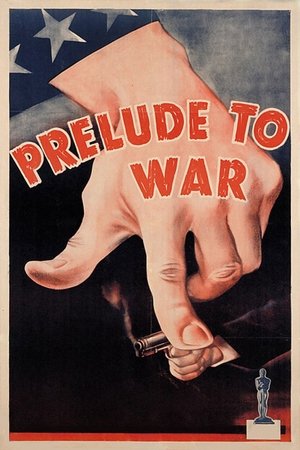
Why We Fight: Prelude to War(en)
1942-05-27
Prelude to War was the first film of Frank Capra's Why We Fight propaganda film series, commissioned by the Pentagon and George C. Marshall. It was made to convince American troops of the necessity of combating the Axis Powers during World War II. This film examines the differences between democratic and fascist states.
79%
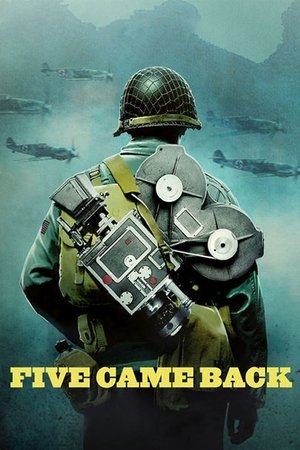
Five Came Back(en)
2017-03-31
The extraordinary story of how Hollywood changed World War II – and how World War II changed Hollywood, through the interwoven experiences of five legendary filmmakers who went to war to serve their country and bring the truth to the American people: John Ford, William Wyler, John Huston, Frank Capra, and George Stevens. Based on Mark Harris’ best-selling book, “Five Came Back: A Story of Hollywood and the Second World War.”

76%
Night Will Fall(en)
2014-06-07
When Allied forces liberated the Nazi concentration camps in 1944-45, their terrible discoveries were recorded by army and newsreel cameramen, revealing for the first time the full horror of what had happened. Making use of British, Soviet and American footage, the Ministry of Information’s Sidney Bernstein (later founder of Granada Television) aimed to create a documentary that would provide lasting, undeniable evidence of the Nazis’ unspeakable crimes. He commissioned a wealth of British talent, including editor Stewart McAllister, writer and future cabinet minister Richard Crossman – and, as treatment advisor, his friend Alfred Hitchcock. Yet, despite initial support from the British and US Governments, the film was shelved, and only now, 70 years on, has it been restored and completed by Imperial War Museums under its original title "German Concentration Camps Factual Survey".

61%
The Battle of San Pietro(en)
1945-05-03
This documentary movie is about the battle of San Pietro, a small village in Italy. Over 1,100 US soldiers were killed while trying to take this location, that blocked the way for the Allied forces from the Germans. Preserved by the Academy Film Archive in 2005.
72%
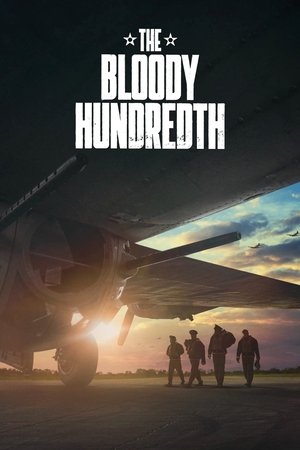
The Bloody Hundredth(en)
2024-03-14
Meet the real-life airmen who inspired Masters of the Air as they share the harrowing and transformative events of the 100th Bomb Group.
66%
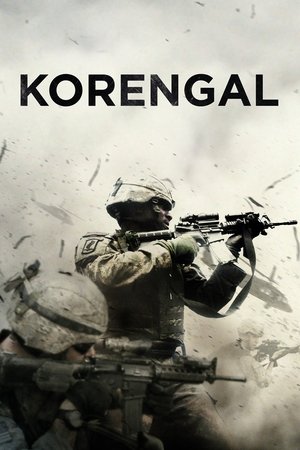
Korengal(en)
2014-05-30
Korengal picks up where Restrepo left off; the same men, the same valley, the same commanders, but a very different look at the experience of war.
65%
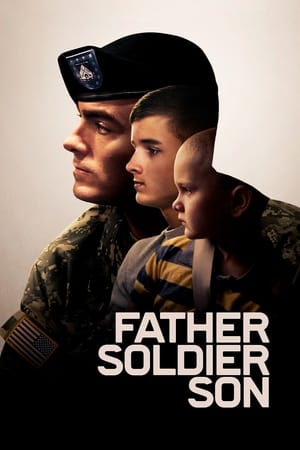
Father Soldier Son(en)
2020-04-15
When Sgt. First Class Brian Eisch is critically wounded in Afghanistan, it sets him and his sons on a journey of love, loss, redemption and legacy.
66%
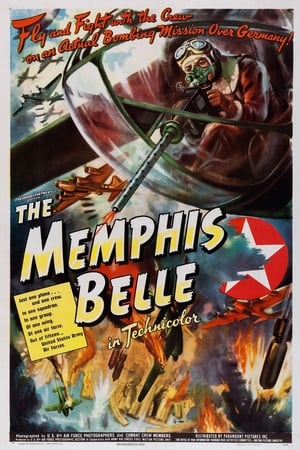
The Memphis Belle(en)
1944-04-13
This WW2 documentary centers on the crew of the American B-17 Flying Fortress Memphis Belle as it prepares to execute a strategic bombing raid on Nazi submarine pens in Wilhelmshaven, Germany.
77%
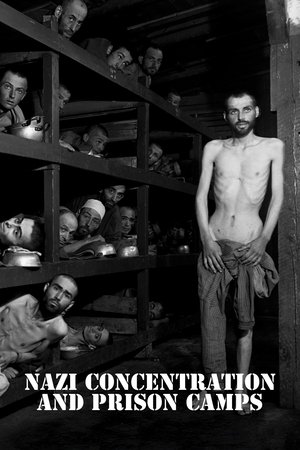
Nazi Concentration Camps(en)
1945-11-29
Produced and presented as evidence at the Nuremberg war crimes trial of Hermann Göring and twenty other Nazi leaders, this film consists primarily of dead and surviving prisoners and of facilities used to kill and torture during the World War II.

74%
One Life(en)
2011-07-19
One Life captures unprecedented and beautiful sequences of animal behaviour guaranteed to bring you closer to nature than ever before, as well as a second disc packed full of never before seen extras including an exclusive making of featurette narrated by Daniel Craig.

68%
Project Nim(en)
2011-07-08
From the team behind Man on Wire comes the story of Nim, the chimpanzee who in the 1970s became the focus of a landmark experiment which aimed to show that an ape could learn to communicate with language if raised and nurtured like a human child. Following Nim's extraordinary journey through human society, and the enduring impact he makes on the people he meets along the way, the film is an unflinching and unsentimental biography of an animal we tried to make human. What we learn about his true nature - and indeed our own - is comic, revealing and profoundly unsettling.
70%
Dogtown and Z-Boys(en)
2002-05-10
This award-winning, thrilling story is about a group of discarded kids who revolutionized skateboarding and shaped the attitude and culture of modern day extreme sports. Featuring old skool skating footage, exclusive interviews and a blistering rock soundtrack, DOGTOWN AND Z-BOYS captures the rise of the Zephyr skateboarding team from Venice's Dogtown, a tough "locals only" beach with a legacy of outlaw surfing.

79%
The Year Earth Changed(en)
2021-04-15
Never-before-seen footage shows how our living in lockdown opened the door for nature to bounce back and thrive. Across the seas, skies, and lands, Earth found its rhythm when we came to a stop.
63%
Salinger(en)
2013-09-06
An in-depth investigation into the private world of the American writer J. D. Salinger (1919-2010), who lived most of his life behind the impenetrable wall of a self-imposed seclusion: how his dramatic experiences during World War II influenced his life and work, his relationships with very young women, his obsessive writing methods, his many literary secrets.

58%
The Battle of Midway(en)
1942-09-14
The Japanese attack on Midway in June 1942, filmed as it happened. Preserved by the Academy Film Archive, in partnership with Twentieth Century Fox Film Corporation, in 2006.
63%
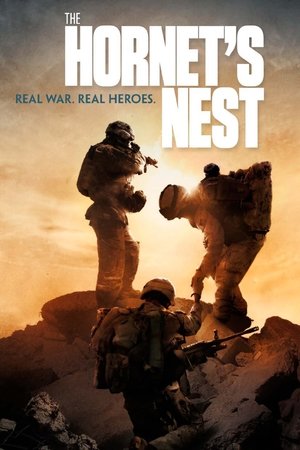
The Hornet's Nest(en)
2014-05-09
Armed only with their cameras, Peabody and Emmy Award-winning conflict Journalist Mike Boettcher, and his son, Carlos, provide unprecedented access into the longest war in U.S. history: they are embed with U.S. troops during nine days of intense combat in Afghanistan.
82%
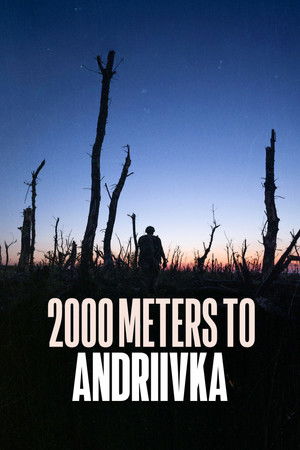
2000 Meters to Andriivka(en)
2025-07-23
Amid the failing counteroffensive, a journalist follows a Ukrainian platoon on their mission to traverse one mile of heavily fortified forest and liberate a strategic village from Russian occupation. But the farther they advance through their destroyed homeland, the more they realize that this war may never end.
73%
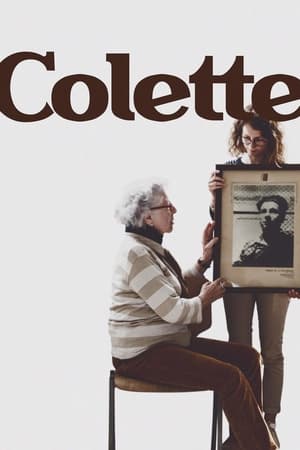
Colette(fr)
2020-02-16
World War II. Not all warriors wore uniforms. Not all warriors were men. Meet ninety-year-old Colette Catherine who, as a young girl, fought the Nazis as a member of the French Resistance. Now she’s about to re-open old wounds, re-visting the terrors of that time. Some nightmares are too terrible to remember. But also, too dangerous to forget.

65%
Room 666(en)
1982-06-02
During the 1982 Cannes Film Festival, Wim Wenders asked a number of global film directors to, one at a time, go into a hotel room, turn on the camera, and answer a simple question: "What is the future of cinema?"
Similar Movies
65%
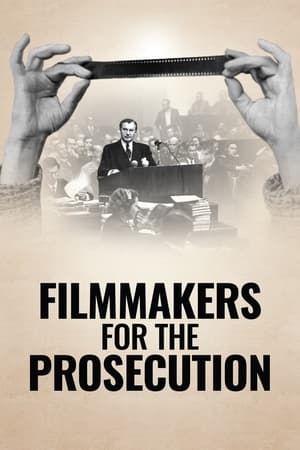
Filmmakers for the Prosecution(fr)
2023-01-27
In 1945, two young American soldiers, brothers Budd and Stuart Schulberg, are commissioned to collect filmed and recorded evidence of the horrors committed by the infamous Third Reich in order to prove Nazi war crimes during the Nuremberg trials (1945-46). The story of the making of Nuremberg: Its Lesson for Today, a paramount historic documentary, released in 1948.
0%
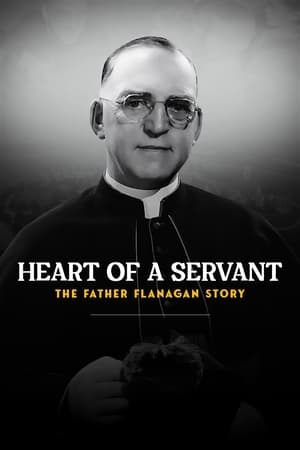
Heart of a Servant: The Father Flanagan Story(en)
2024-10-08
Father Edward J. Flanagan is a familiar name to many Americans, often for the Oscar-winning 1938 film starring Spencer Tracy about Flanagan’s groundbreaking child welfare organization. But the story extends far beyond that, to a man whose name and legacy are still well-known as far as Germany and Japan. Flanagan gained influence and admiration over the course of his life from Presidents, CEOs, celebrities and more, but none mattered more to him than that of the children for whom he tirelessly worked. A sobering reminder of this was during WWII, as Flanagan saw droves of former Boys Town citizens go off to war. In fact, so many former Boys Town boys named Flanagan as their next of kin that the American War Dads Association named him as America’s No. 1 War Dad.
62%
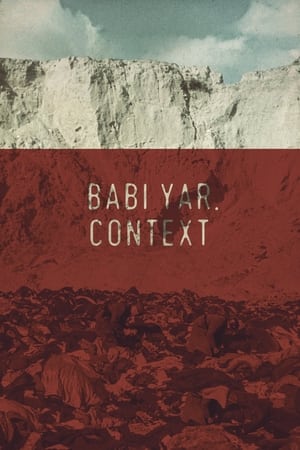
Babi Yar. Context(ru)
2021-11-04
Nazi troops massacre 30,000 Jews over a three-day period in September 1941. Babyn Yar ravine in Kyiv, Ukraine.
70%
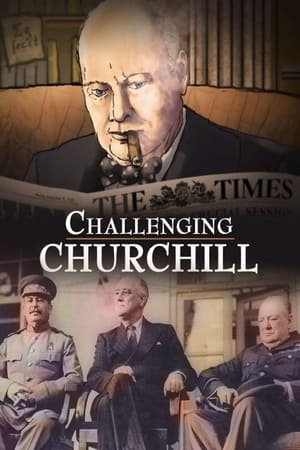
Challenging Churchill(de)
2012-07-03
Churchill, a name typically associated with braveness and altruism. Recently found evidence from Soviet and British sources however brings up questions about Churchill's doings in the conferences of Tehran, Yalta and Potsdam. Why did he agree to give Stalin large parts of Poland? The story of two world leaders in times of war - it is also the story of Poland.
90%
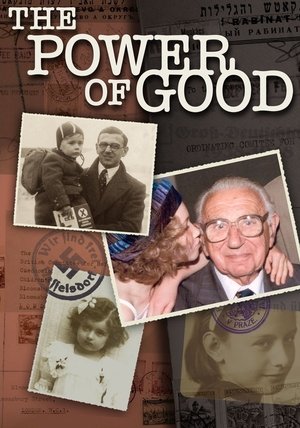
The Power of Good: Nicholas Winton(cs)
2003-03-27
A gripping documentary about the courage and determination of a young English stockbroker who saved the lives of 669 children. Between March 13 and August 2, 1939, Nicholas Winton organized 8 transports to take children from Prague to new homes in Great Britain, and kept quiet about it until his wife discovered a scrapbook documenting his unique mission in 1988. Winton was a successful 29-year-old stockbroker in London who "had an intuition" about the fate of the Jews when he visited Prague in 1939. He quietly but decisively got down to the business of saving lives. We learn how only two countries, Sweden and Britain, answered his call to harbor the young refugees; how documents had to be forged and how once foster parents signed for the children on delivery, that was the last he saw of them.
70%
Hitler's Evil Science(fr)
2019-05-25
In 1935, German scientists dug for bones; in 1943, they murdered to get them. How the German scientific community supported Nazism, distorted history to legitimize a hideous system and was an accomplice to its unspeakable crimes. The story of the Ahnenerbe, a sinister organization created to rewrite the obscure origins of a nation.
0%
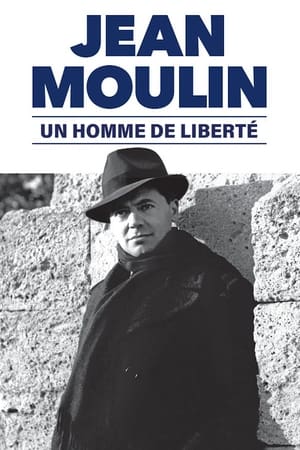
Jean Moulin, un homme de liberté(fr)
1983-12-13
This exceptional documentary gives a voice to those who knew Jean Moulin, his friends and comrades-in-arms and fellow resistance fighters. The valuable testimonies of Lucie and Raymond Aubrac, Claude Bourdet, Jean-Pierre Lévy, and Daniel Cordier, among others, bring to life this young prefect steeped in republican values, recounting his difficult but decisive task of unifying the resistance movements, his actions and role within Free France, until his arrest on June 21, 1943.
77%
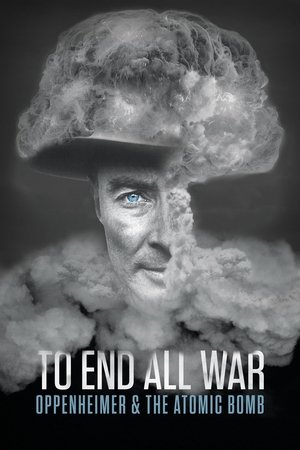
To End All War: Oppenheimer & the Atomic Bomb(en)
2023-07-09
Explore how one man's relentless drive and invention of the atomic bomb changed the nature of war forever, led to the deaths of hundreds of thousands of people and unleashed mass hysteria.
72%
Radical Evil(de)
2014-01-17
Das radikal Böse is a German-Austrian documentary that attempted to explore psychological processes and individual decision latitude "normal young men" in the German Einsatzgruppen of the Security Police and SD, which in 1941 during the Second World War as part of the Holocaust two million Jewish civilians shot dead in Eastern Europe.

66%
Adolf Island(en)
2019-06-23
Caroline Sturdy Colls, a world leader in the forensic investigation of Nazi crime scenes, is chasing clues to an unsolved case: a concentration camp that existed on the British island of Alderney. Witnesses and survivors claimed that thousands died there, but only 389 bodies have ever been found. Under heavy restrictions imposed by the local government, which may not want its buried secrets revealed, Colls must uncover the truth using revolutionary techniques and technologies.
60%
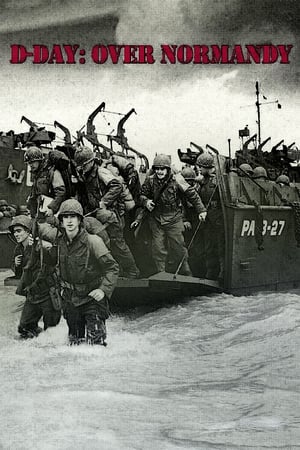
D-Day: Over Normandy(en)
2017-04-01
Narrated by the only 5-time Super Bowl winning head coach in NFL history, the New England Patriots Bill Belichick. The World War II Foundation hired one of France's top aerial Drone camera companies to film some of the most iconic locations in Normandy from D-Day. The result is some of the most spectacular scenes of the landing beaches and battlefields viewers have ever seen.

0%
Ambassador of Remembrance(pl)
In September 1943, 17-year-old Stanisław Zalewski was arrested in Warsaw as a member of a Polish resistance group and taken to the Auschwitz-Birkenau extermination camp for labour service. From there, he was sent to Mauthausen and finally to the Gusen camp, where the prisoners were forced to work for the German armaments industry under inhumane conditions. For a long time, Stanisław Zalewski, like many other victims of Nazi terror, remained silent about his painful experiences. It was only after forty years that he began to talk about it, at events, memorial services, and in schools, and he continues to do so to this day, even at the age of 99. Now, for the first time, he tells his stirring life story in a film as a deeply impressive ‘ambassador of remembrance’.
75%
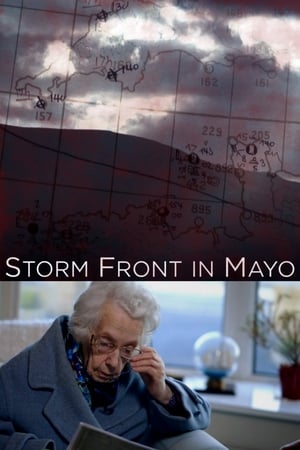
Storm Front in Mayo(en)
2019-05-28
Ireland, June 1944. The crucial decision about the right time to start Operation Overlord on D-Day comes to depend on the readings taken by Maureen Flavin, a young girl who works at a post office, used as a weather station, in Blacksod, in County Mayo, the westernmost promontory of Europe, far from the many lands devastated by the iron storms of World War II.
0%
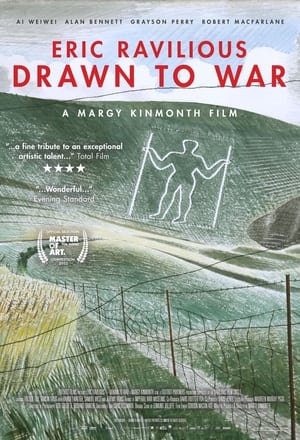
Eric Ravilious: Drawn to War(en)
2022-07-01
One of Britain’s greatest landscape artists, Eric Ravilious, is killed in a plane crash while on commission as Official War Artist in Iceland in 1942. His life is as compelling and enigmatic as his art, set against the dramatic wartime locations that inspire him. This film brings to life this unique and still grossly undervalued British artist caught in the crossfire of war 80 years ago, whose legacy largely sank without trace, until now…

0%
Man of War: A Journey With My Grandfather(en)
2024-05-27
A young filmmaker accompanies his grandfather– a veteran of the Vietnam War– to Fairbanks, to dedicate his unit flag to a new generation of helicopter pilots.
90%
Monument to the Murderers(hu)
2021-01-26
A film about a district in Buda, which to this day cannot face the inconceivably cruel crimes committed by its former inhabitants.
0%
The Holocaust. Certified crime(uk)
2021-01-27
The documentary tells the stories of people who were just children during the Second World War and the Nazi occupation of Ukraine. Its protagonists now live in Kyiv, Dnipro, and Odesa, where the filming took place. They survived the ghetto and also witnessed mass shootings that took place, according to researchers, in about five thousand locations across Ukraine. Each of the heroes lost loved ones. Parents, brothers, sisters, loved ones. Everyone had a single task during these terrible years - to survive. The entire mosaic of terrible memories collected in the film is part of a story of survival.
53%
The Lancaster at War(en)
2009-07-25
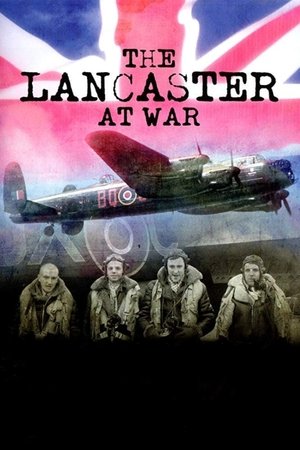
The incredible story of the Avro Lancaster, one of the finest bombers of the Second World War, which played a crucial role in the long and savage campaign to defeat Hitler's Third Reich. This documentary features interviews with surviving veterans of Bomber Command, who share frank personal accounts of their part in an aerial battle of attrition which claimed the lives of 55'000 aircrew.