Loading Page

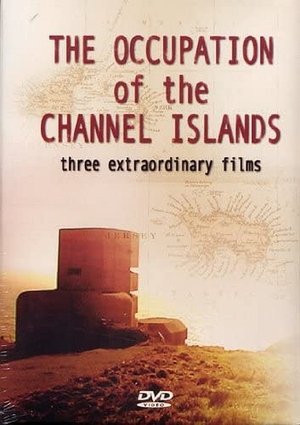
Stolen by Hitler(2005)
Status: Released
Date: 2005-04-23
0%
0 Votes
Time: 0h 49m
Overview:
In 1941 Hitler deported over 2000 British men, women and children from the Channel Islands to the heart of Nazi Germany. It was a terrifying journey into the unknown and some killed themselves rather than go. Others had just hours to pack one bag, destroy their pets and leave. However, the initial horror of the camps and the struggle to survive in the primitive conditions was replaced with a determination not just to survive, but to thrive, as Hitler's crime created one of the most bizarre episodes of the war.
Languages: English.
Countries:
United Kingdom
ProductionCompanies:
Clearvue Projection Partnership
Movie: Stolen by Hitler
HomePage
Overview
In 1941 Hitler deported over 2000 British men, women and children from the Channel Islands to the heart of Nazi Germany. It was a terrifying journey into the unknown and some killed themselves rather than go. Others had just hours to pack one bag, destroy their pets and leave. However, the initial horror of the camps and the struggle to survive in the primitive conditions was replaced with a determination not just to survive, but to thrive, as Hitler's crime created one of the most bizarre episodes of the war.
Release Date
2005-04-23
Average
0
Rating:
0.0 startsTagline
Genres
Languages:
EnglishKeywords
Recommendations Movies

76%
Night Will Fall(en)
2014-06-07
When Allied forces liberated the Nazi concentration camps in 1944-45, their terrible discoveries were recorded by army and newsreel cameramen, revealing for the first time the full horror of what had happened. Making use of British, Soviet and American footage, the Ministry of Information’s Sidney Bernstein (later founder of Granada Television) aimed to create a documentary that would provide lasting, undeniable evidence of the Nazis’ unspeakable crimes. He commissioned a wealth of British talent, including editor Stewart McAllister, writer and future cabinet minister Richard Crossman – and, as treatment advisor, his friend Alfred Hitchcock. Yet, despite initial support from the British and US Governments, the film was shelved, and only now, 70 years on, has it been restored and completed by Imperial War Museums under its original title "German Concentration Camps Factual Survey".
72%
To Be Takei(en)
2014-08-22
Over seven decades, actor and activist George Takei journeyed from a World War II internment camp to the helm of the Starship Enterprise, and then to the daily news feeds of five million Facebook fans. Join George and his husband, Brad, on a wacky and profound trek for life, liberty, and love.

61%
The Battle of San Pietro(en)
1945-05-03
This documentary movie is about the battle of San Pietro, a small village in Italy. Over 1,100 US soldiers were killed while trying to take this location, that blocked the way for the Allied forces from the Germans. Preserved by the Academy Film Archive in 2005.
77%
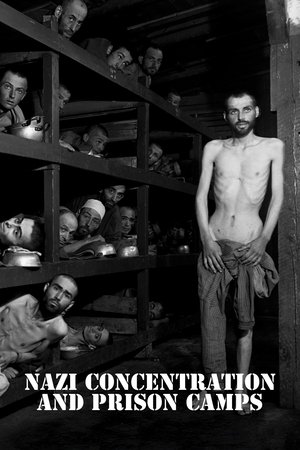
Nazi Concentration Camps(en)
1945-11-29
Produced and presented as evidence at the Nuremberg war crimes trial of Hermann Göring and twenty other Nazi leaders, this film consists primarily of dead and surviving prisoners and of facilities used to kill and torture during the World War II.
64%
Why We Fight: Prelude to War(en)
1942-05-27
Prelude to War was the first film of Frank Capra's Why We Fight propaganda film series, commissioned by the Pentagon and George C. Marshall. It was made to convince American troops of the necessity of combating the Axis Powers during World War II. This film examines the differences between democratic and fascist states.
73%
One Day in September(en)
1999-10-22
The full story of the 1972 Munich Olympics Massacre and the Israeli revenge operation 'Wrath of God.' The 1972 Munich Olympics were interrupted by Palestinian terrorists taking Israeli athletes hostage. Besides footage taken at the time, we see interviews with the surviving terrorist, Jamal Al Gashey, and various officials detailing exactly how the police, lacking an anti-terrorist squad and turning down help from the Israelis, botched the operation.
69%
Wormwood(en)
2017-10-22
In this genre-bending tale, Errol Morris explores the mysterious death of a U.S. scientist entangled in a secret Cold War program known as MK-Ultra.

71%
In the Realms of the Unreal(en)
2004-01-15
In the Realms of the Unreal is a documentary about the reclusive Chicago-based artist Henry Darger. Henry Darger was so reclusive that when he died his neighbors were surprised to find a 15,145-page manuscript along with hundreds of paintings depicting The Story of the Vivian Girls, in What is Known as the Realms of the Unreal, of the Glodeco-Angelinnian War Storm, Cased by the Child Slave Rebellion.
65%
Heart of a Dog(en)
2015-10-21
Lyrical and powerfully personal essay film that reflects on the deaths of her husband Lou Reed, her mother, her beloved dog, and such diverse subjects as family memories, surveillance, and Buddhist teachings.
70%
Iverson(en)
2014-04-27
Iverson is the ultimate legacy of NBA legend Allen Iverson, who rose from a childhood of crushing poverty in Hampton, Virginia, to become an 11-time NBA All-Star and universally recognized icon of his sport. Off the court, his audacious rejection of conservative NBA convention and unapologetic embrace of hip hop culture sent shockwaves throughout the league and influenced an entire generation. Told largely in Iverson's own words, the film charts the career highs and lows of one of the most distinctive and accomplished figures the sport of basketball has ever seen.

68%
The Matrix Recalibrated(en)
2004-04-06
The making of Matrix Revolutions, The (2003) is briefly touched on here in this documentary. Interviews with various cast and crew members inform us how they were affected by the deaths of Gloria Foster and Aaliyah, and also delve into the making of the visual effects that takes up a lot of screen time. Written by Rhyl Donnelly
65%
The Most Unknown(en)
2018-03-16
An epic documentary film that sends nine scientists to extraordinary parts of the world to uncover unexpected answers to some of humanity’s biggest questions. How did life begin? What is time? What is consciousness? How much do we really know? By introducing researchers from diverse backgrounds for the first time, then dropping them into new, immersive field work they previously hadn’t tackled, the film pushes the boundaries of how science storytelling is approached. What emerges is a deeply human trip to the foundations of discovery and a powerful reminder that the unanswered questions are the most crucial ones to pose. Directed by Emmy-nominated and Peabody Award-winning filmmaker Ian Cheney and advised by world-renowned filmmaker Werner Herzog, The Most Unknown is an ambitious look at a side of science never before shown on screen.
75%
The Last Days(en)
1998-10-23
Five Jewish Hungarians, now US citizens, tell their stories: before March 1944, when Nazis began to exterminate Hungarian Jews, months in concentration camps, and visiting childhood homes more than 50 years later. An historian, a Sonderkommando, a doctor who experimented on Auschwitz prisoners, and US soldiers who were part of the liberation in April 1945.
72%
4 Little Girls(en)
1997-07-09
On September 15, 1963, a bomb destroyed a black church in Birmingham, Alabama, killing four young girls who were there for Sunday school. It was a crime that shocked the nation--and a defining moment in the history of the civil-rights movement. Spike Lee re-examines the full story of the bombing, including a revealing interview with former Alabama Governor George Wallace.
70%
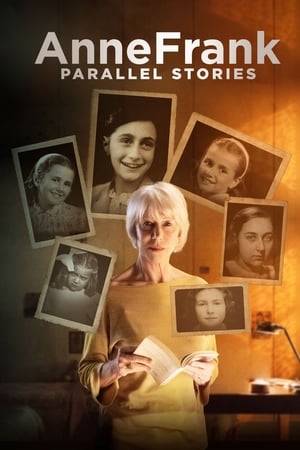
#AnneFrank. Parallel Stories(en)
2019-10-18
One single Anne Frank moves us more than the countless others who suffered just as she did but whose faces have remained in the shadows-Primo Levi. The Oscar®-winning Helen Mirren will introduce audiences to Anne Frank's story through the words in her diary. The set will be her room in the secret refuge in Amsterdam, reconstructed in every detail by set designers from the Piccolo Theatre in Milan. Anne Frank this year would have been 90 years old. Anne's story is intertwined with that of five Holocaust survivors, teenage girls just like her, with the same ideals, the same desire to live: Arianna Szörenyi, Sarah Lichtsztejn-Montard, Helga Weiss and sisters Andra and Tatiana Bucci. Their testimonies alternate with those of their children and grandchildren.

61%
Naqoyqatsi(en)
2002-09-02
A visual montage portrait of our contemporary world dominated by globalized technology and violence.
79%
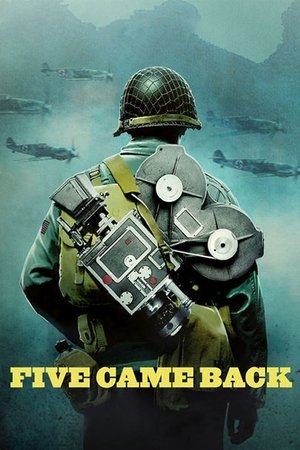
Five Came Back(en)
2017-03-31
The extraordinary story of how Hollywood changed World War II – and how World War II changed Hollywood, through the interwoven experiences of five legendary filmmakers who went to war to serve their country and bring the truth to the American people: John Ford, William Wyler, John Huston, Frank Capra, and George Stevens. Based on Mark Harris’ best-selling book, “Five Came Back: A Story of Hollywood and the Second World War.”


72%
Love, Gilda(en)
2018-04-18
Diaries, audiotapes, videotapes and testimonials from friends and colleagues offer insight into the life and career of Gilda Radner -- the beloved comic and actress who became an icon on Saturday Night Live.
Similar Movies
71%
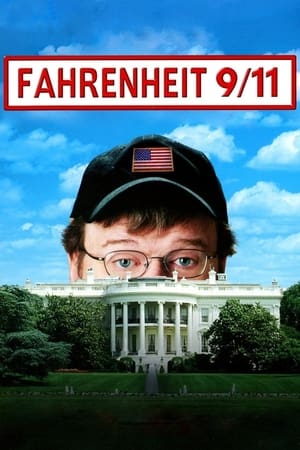
Fahrenheit 9/11(en)
2004-06-25
Michael Moore's view on how the Bush administration allegedly used the tragic events on 9/11 to push forward its agenda for unjust wars in Afghanistan and Iraq.

0%
Poets Against the Bomb(en)
1981-11-25
An event organised by CND pits the bomb against poetry. Hear artists who hoped that words and rhymes could put an end to destructive times.
73%
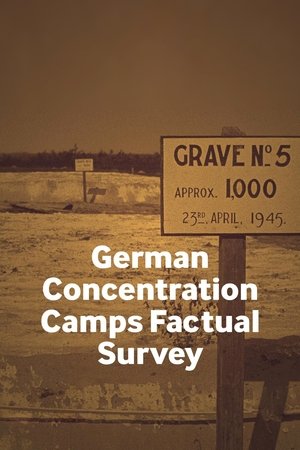
German Concentration Camps Factual Survey(en)
2017-01-06
On the 29th September 1945, the incomplete rough cut of a brilliant documentary about concentration camps was viewed at the MOI in London. For five months, Sidney Bernstein had led a small team – which included Stewart McAllister, Richard Crossman and Alfred Hitchcock – to complete the film from hours of shocking footage. Unfortunately, this ambitious Allied project to create a feature-length visual report that would damn the Nazi regime and shame the German people into acceptance of Allied occupation had missed its moment. Even in its incomplete form (available since 1984) the film was immensely powerful, generating an awed hush among audiences. But now, complete to six reels, this faithfully restored and definitive version produced by IWM, is being compared with Alain Resnais’ Night and Fog (1955).
0%
Jean Moulin, un homme de liberté(fr)
1983-12-13
This exceptional documentary gives a voice to those who knew Jean Moulin, his friends and comrades-in-arms and fellow resistance fighters. The valuable testimonies of Lucie and Raymond Aubrac, Claude Bourdet, Jean-Pierre Lévy, and Daniel Cordier, among others, bring to life this young prefect steeped in republican values, recounting his difficult but decisive task of unifying the resistance movements, his actions and role within Free France, until his arrest on June 21, 1943.
70%
Hitler's Evil Science(fr)
2019-05-25
In 1935, German scientists dug for bones; in 1943, they murdered to get them. How the German scientific community supported Nazism, distorted history to legitimize a hideous system and was an accomplice to its unspeakable crimes. The story of the Ahnenerbe, a sinister organization created to rewrite the obscure origins of a nation.
70%
Last Men in Aleppo(da)
2017-02-27
A searing example of boots-on-the-ground reportage follows the efforts of the internationally recognized White Helmets, an organization consisting of ordinary citizens who are the first to rush towards military strikes and attacks in the hope of saving lives. Incorporating moments of both heart-pounding suspense and improbable beauty, the documentary draws us into the lives of three of its founders — Khaled, Subhi, and Mahmoud — as they grapple with the chaos around them and struggle with an ever-present dilemma: do they flee or stay and fight for their country?
59%
Shooting War(en)
2000-12-07
A remarkable film that takes a special look at the first war to be truly reported and recorded by one of the more unsung heroes of World War II: the combat photographer. Through the unflinching eye of their camera's lenses, these courageous soldiers continually risked their lives in their brave attempts to capture history.
70%
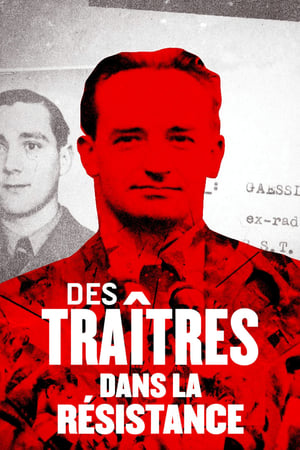
Des traîtres dans la Résistance(fr)
2021-11-18
In May 1943, Ernst Kaltenbrunner, the new head of the Reich Central Security Office, gave Hitler a report describing in detail the organization of the French Resistance. Indeed, during the Second World War, most of the Resistance networks had been infiltrated by traitors, the "V Man" (trusted men) in the service of the occupier. The Germans had established treason as a system and recruiting Frenchmen ready to inform on them was one of their priorities. It was these Frenchmen, whose number is estimated at between 20,000 and 30,000, who dealt terrible blows to the Resistance.
0%
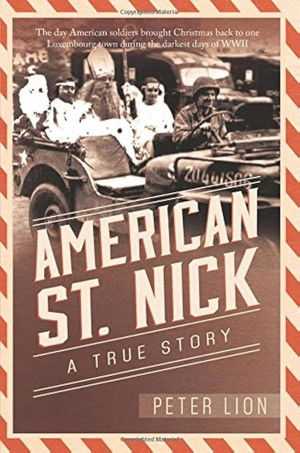
The American St. Nick(en)
2015-11-10
On Dec. 5, 1944, American soldiers, led by Harry Stuts, put their guns down for one day and organized a party celebrating the town's centuries-old Saint Nick tradition. Soldiers made hot chocolate from their D-rations, company cooks made donuts and cookies for the children, and 22-year-old corporal Richard Brookins from Rochester, NY played the role of Saint Nick. An emotional and heartfelt story, THE AMERICAN SAINT NICK illustrates how American soldiers and residents of the hamlet were able to bond over a moment in time, creating a tradition that continues to this day.
100%
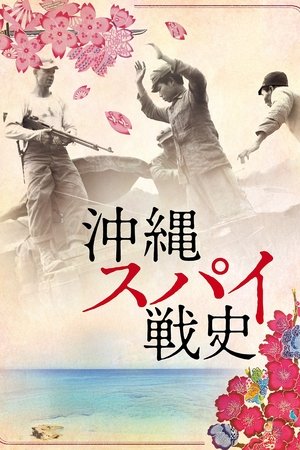
Boy Soldiers: The Secret War In Okinawa(ja)
2018-07-21
The greatest taboo of the Battle of Okinawa were Guerrilla units composed of boy soldiers. Until now, not even the Japanese people knew the full scope of these secret troops, and survivors have been afraid to share their tragic details. Okinawa became the bulwark to protect the Japanese mainland toward the end of World War II. After the Americans landed, a violent battle ensued resulting in the loss of over 200,000 lives – many of them civilian. This documentary uncovers Japan’s deepest secrets concerning the Battle of Okinawa, and also sounds alarms about modern Japan’s recent steps toward remilitarization.
65%
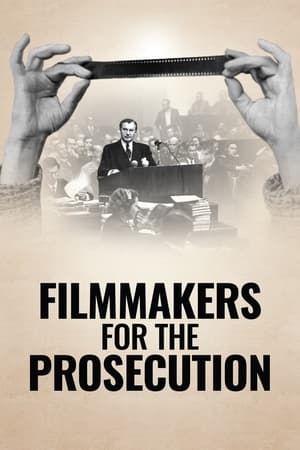
Filmmakers for the Prosecution(fr)
2023-01-27
In 1945, two young American soldiers, brothers Budd and Stuart Schulberg, are commissioned to collect filmed and recorded evidence of the horrors committed by the infamous Third Reich in order to prove Nazi war crimes during the Nuremberg trials (1945-46). The story of the making of Nuremberg: Its Lesson for Today, a paramount historic documentary, released in 1948.
0%
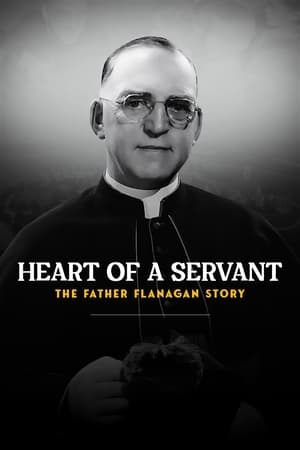
Heart of a Servant: The Father Flanagan Story(en)
2024-10-08
Father Edward J. Flanagan is a familiar name to many Americans, often for the Oscar-winning 1938 film starring Spencer Tracy about Flanagan’s groundbreaking child welfare organization. But the story extends far beyond that, to a man whose name and legacy are still well-known as far as Germany and Japan. Flanagan gained influence and admiration over the course of his life from Presidents, CEOs, celebrities and more, but none mattered more to him than that of the children for whom he tirelessly worked. A sobering reminder of this was during WWII, as Flanagan saw droves of former Boys Town citizens go off to war. In fact, so many former Boys Town boys named Flanagan as their next of kin that the American War Dads Association named him as America’s No. 1 War Dad.
62%
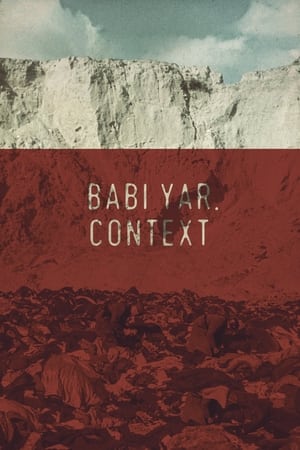
Babi Yar. Context(ru)
2021-11-04
Nazi troops massacre 30,000 Jews over a three-day period in September 1941. Babyn Yar ravine in Kyiv, Ukraine.
70%
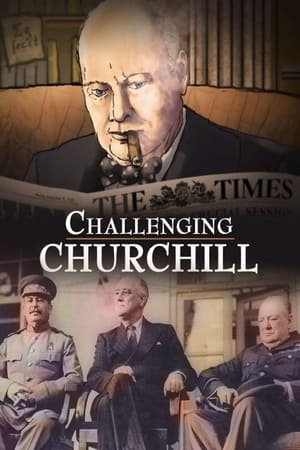
Challenging Churchill(de)
2012-07-03
Churchill, a name typically associated with braveness and altruism. Recently found evidence from Soviet and British sources however brings up questions about Churchill's doings in the conferences of Tehran, Yalta and Potsdam. Why did he agree to give Stalin large parts of Poland? The story of two world leaders in times of war - it is also the story of Poland.