Loading Page
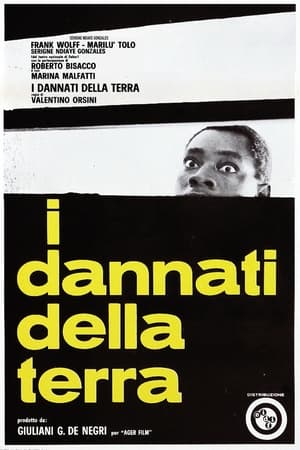
The Damned Of The Earth(1969)
Status: Released
Date: 1969-04-19
100%
1 Votes
Time: 1h 40m
Overview:
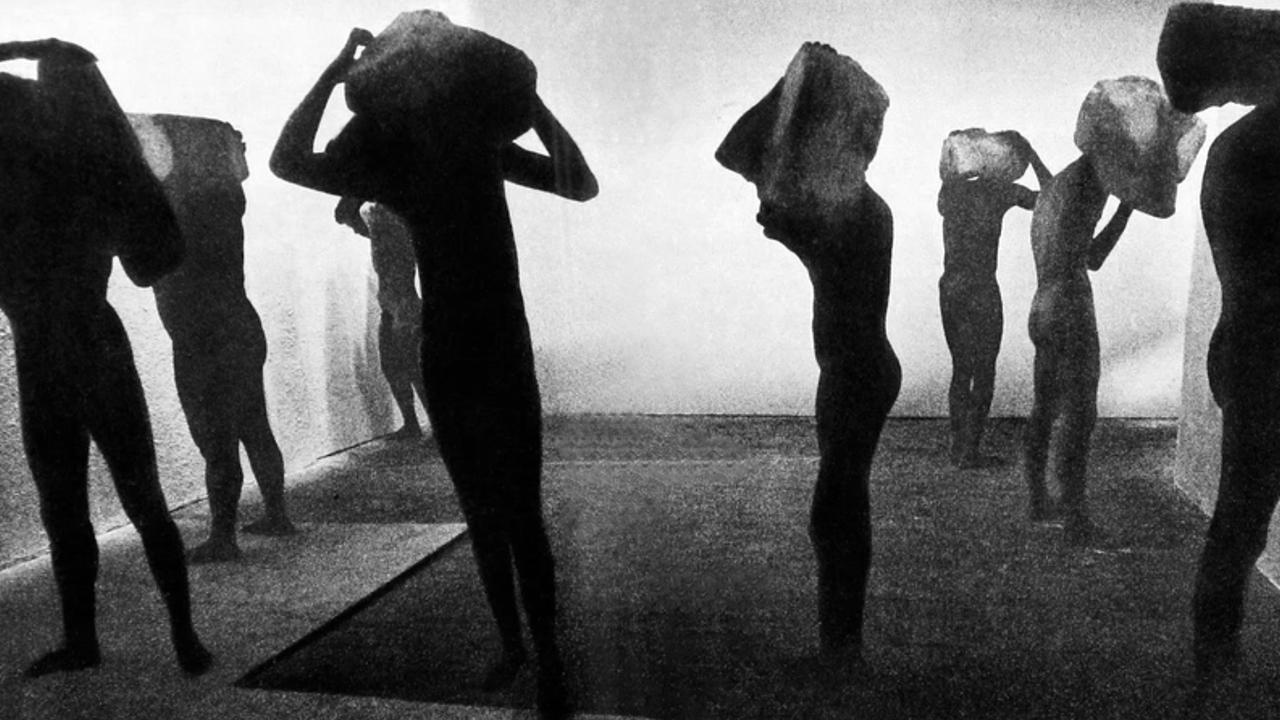
Upon his death, a young African director, Abramo Malonga, bequeathed his first and last unfinished film to his former teacher, the Italian director Fausto Morelli. Morelli, who after seeing the work, is confronted with a confusing, complex and, in part, incomprehensible work. Helped by the young widow of Abramo Malonga and by the notes left by his deceased friend, and again by his personal memories, the Italian director attempts to reconstruct and complete the film. Fausto's work progresses with difficulty, not only because of the problems the film poses for him, but because of the problems that arise in his daily life. After a long crisis, after which he returns to Pisa with his former party companions and abandons himself to love and his own solitude, Fausto takes up the work of his African friend, closing it with a final invention, in which , with a bold metaphor, has refigured the human condition of our time.
Languages: Italian.
Countries:
Movie: The Damned Of The Earth
Top 7 Billed Cast

Frank Wolff
Fausto

Marilù Tolo
Adriana

Carlo Cecchi
Ingardo

Marina Malfatti
Luciana

Roberto Bisacco
HomePage
Overview
Upon his death, a young African director, Abramo Malonga, bequeathed his first and last unfinished film to his former teacher, the Italian director Fausto Morelli. Morelli, who after seeing the work, is confronted with a confusing, complex and, in part, incomprehensible work. Helped by the young widow of Abramo Malonga and by the notes left by his deceased friend, and again by his personal memories, the Italian director attempts to reconstruct and complete the film. Fausto's work progresses with difficulty, not only because of the problems the film poses for him, but because of the problems that arise in his daily life. After a long crisis, after which he returns to Pisa with his former party companions and abandons himself to love and his own solitude, Fausto takes up the work of his African friend, closing it with a final invention, in which , with a bold metaphor, has refigured the human condition of our time.
Release Date
1969-04-19
Average
10
Rating:
5.0 startsTagline
Genres
Languages:
ItalianoKeywords
Recommendations Movies
66%
A Dry White Season(en)
1989-09-20
During the 1976 Soweto uprising, a white school teacher's life and values are threatened when he asks questions about the death of a young black boy who died in police custody.
62%
Disgrace(en)
2008-09-06
Disgrace is the story of a South African professor of English who loses everything: his reputation, his job, his peace of mind, his good looks, his dreams of artistic success, and finally even his ability to protect his cherished daughter. After having an affair with a student, he moves to the Eastern Cape, where he gets caught up in a mess of post-apartheid politics.
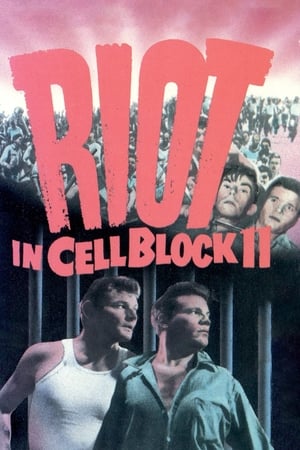
70%
Riot in Cell Block 11(en)
1954-02-18
A prisoner leads his counterparts in a protest for better living conditions which turns violent and ugly.
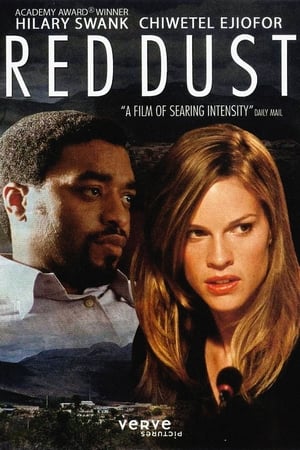
58%
Red Dust(en)
2004-01-11
Sarah Barcant, a lawyer in New York City who grew up in South Africa, returns to her childhood dwelling place to intercede for Alex Mpondo, a Black South African politician who was tortured during apartheid.
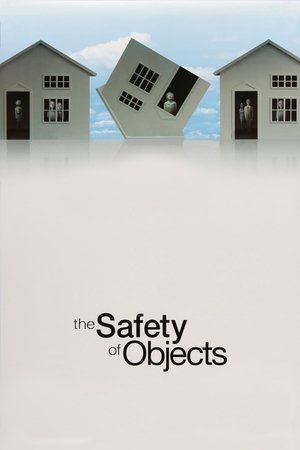
64%
The Safety of Objects(en)
2002-10-25
In a suburban landscape, the lives of several families interlace with loss, despair and personal crisis. Esther Gold has lost focus on all but caring for her comatose son, Paul, and neglects her daughter and husband. Lawyer Jim Train is devoted to his career, not his family. Helen Christianson wants to find a new spark in life, while Annette Jennings tries to rebuild hers.
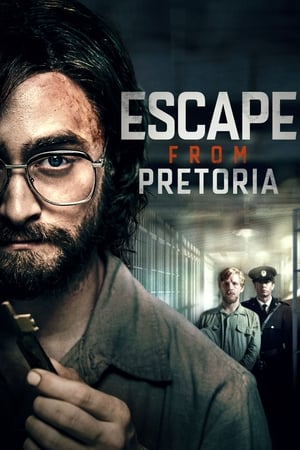
72%
Escape from Pretoria(en)
2020-03-06
South Africa, 1978. Tim Jenkin and Stephen Lee, two white political activists from the African National Congress imprisoned by the apartheid regime, put a plan in motion to escape from the infamous Pretoria Prison.
61%
Holy Lands(en)
2019-01-16
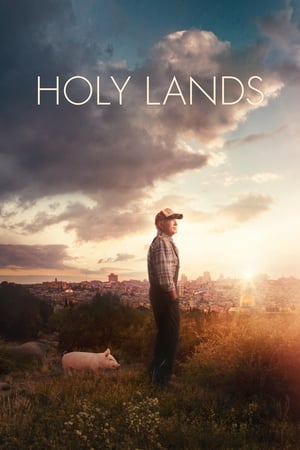
When lapsed Jew and former cardiologist Harry suddenly decides to spend his retirement as a pig farmer in Nazareth, Israel, the move deeply shocks his family and his new neighbours. Back in New York, Harry’s ex-wife Monica is trying to manage the lives of their adult children, Annabelle and David, as well as her own.
71%
Lamerica(it)
1994-09-09
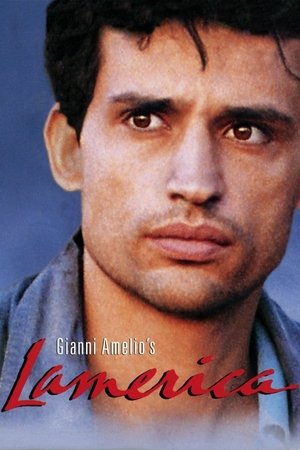
Fiore, an Italian conman, arrives in post Communist Albania with Gino, his young apprentice, to set up a shoe factory that will never open. The con requires a native Albanian, so they designate Spiro, an impoverished and confused former political prisoner as chairman of the board. When Fiore returns to Italy to get government funds for the project, Spiro unexpectedly disappears and Gino sets out on a journey to find him. The search leads him to discover Spiro's tragic personal history and witness Albanian poverty firsthand.
68%
Sometimes I Think About Dying(en)
2024-01-10
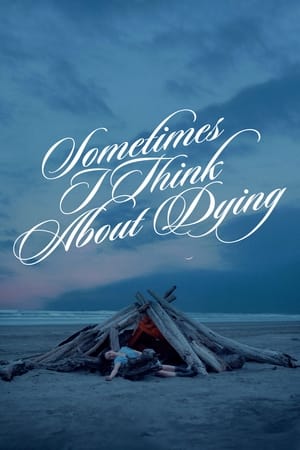
Fran likes to think about dying. It brings sensation to her quiet life. When she makes the new guy at work laugh, it leads to more: a date, a slice of pie, a conversation, a spark. The only thing standing in their way is Fran herself.
61%
I Shot Andy Warhol(en)
1996-05-01
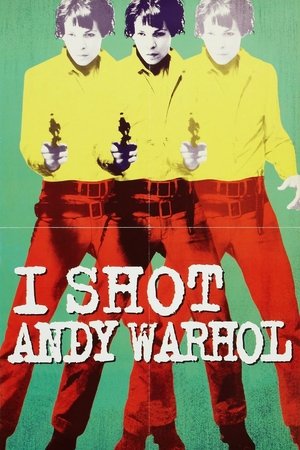
Based on the true story of Valerie Solanas who was a 1960s radical preaching hatred toward men in her "Scum" manifesto. She wrote a screenplay for a film that she wanted Andy Warhol to produce, but he continued to ignore her. So she shot him. This is Valerie's story.
71%
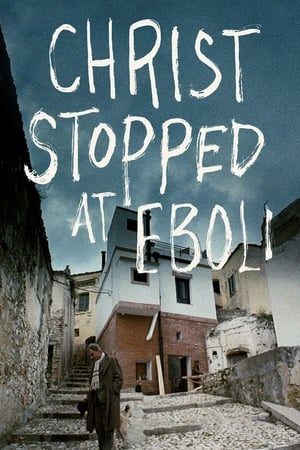
Christ Stopped at Eboli(it)
1979-02-23
In the fascist Italy of 1935, a painter trained as a doctor is exiled to a remote region near Eboli. Over time, he learns to appreciate the beauty and wisdom of the peasants, and to overcome his isolation.

68%
A Woman of Paris: A Drama of Fate(en)
1923-10-01
When Marie St. Clair believes she has been jilted by her artist fiance Jean, she decides to leave for Paris on her own. After spending a year in the city as a mistress of the wealthy Pierre Revel, she is reunited with Jean by chance. This leaves her with the choice between a glamorous life in Paris, and the true love she left behind.
65%
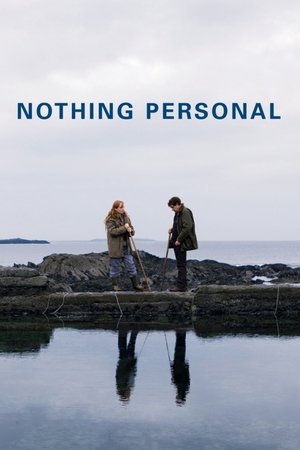
Nothing Personal(en)
2009-08-14
Alone in her empty flat, from her window Anne observes the people passing by who nervously snatch up the personal belongings and pieces of furniture she has put out on the pavement. Her final gesture of taking a ring off her finger signals she is leaving her previous life in Holland behind. She goes to Ireland, where she chooses to lead a solitary, wandering existence, striding through the austere landscapes of Connemara. During her travels, she discovers a house that is home to a hermit, Martin.
61%
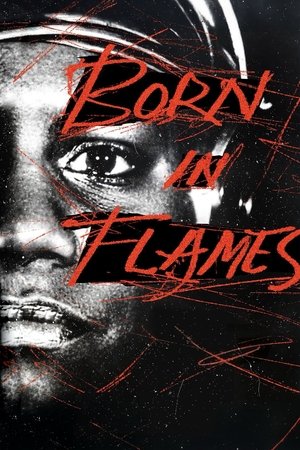
Born in Flames(en)
1983-04-01
In near-future New York, ten years after the “social-democratic war of liberation,” diverse groups of women organize a feminist uprising as equality remains unfulfilled.
60%
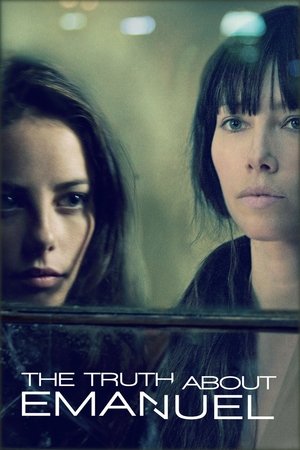
The Truth About Emanuel(en)
2013-04-26
A troubled young woman becomes obsessed with her mysterious new neighbor, who bears a striking resemblance to the girl's dead mother.
64%
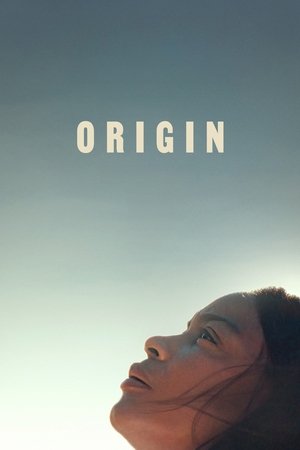
Origin(en)
2023-12-08
While investigating the global phenomenon of caste and its dark influence on society, a journalist faces unfathomable personal loss and uncovers the beauty of human resilience.
65%
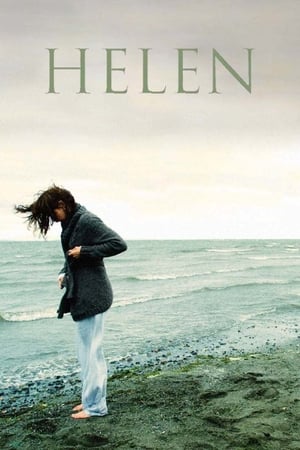
Helen(en)
2009-11-26
On the outside, Helen has it all – a loving family and a successful career – but when her suppressed mental illness resurfaces, the world crumbles around her. Crippled by depression, Helen finds solace through her friendship with Mathilda, a kindred spirit struggling with bipolar disorder.
68%
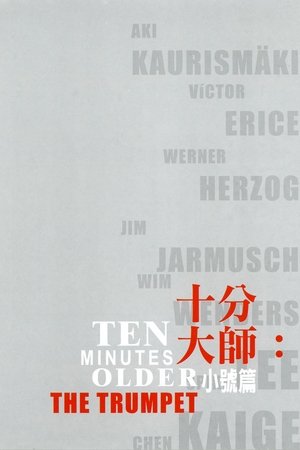
Ten Minutes Older: The Trumpet(en)
2002-05-18
Ten Minutes Older is a 2002 film project consisting of two compilation feature films entitled The Trumpet and The Cello. The project was conceived by the producer Nicolas McClintock as a reflection on the theme of time at the turn of the Millennium. Fifteen celebrated film-makers were invited to create their own vision of what time means in ten minutes of film.
71%
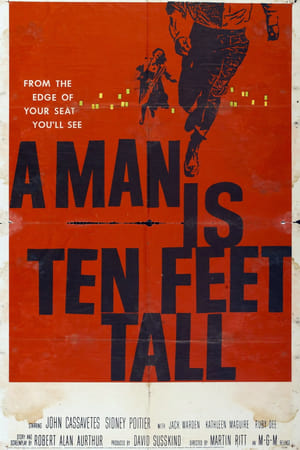
Edge of the City(en)
1957-01-04
A male army deserter and a black male dock worker join forces against a corrupt manager, in a corrupt environment, and as their connection blossoms they must face the oppressive and morally decaying city they live in.
70%
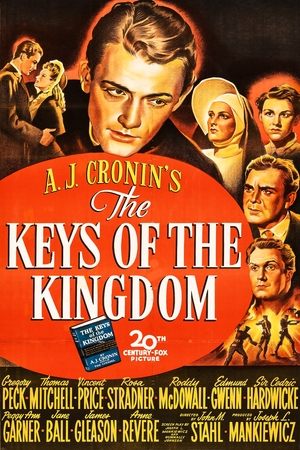
The Keys of the Kingdom(en)
1944-12-15
A young priest, Father Chisholm is sent to China to establish a Catholic parish among the non-Christian Chinese. While his boyhood friend, also a priest, flourishes in his calling as a priest in a more Christian area of the world, Father Chisholm struggles. He encounters hostility, isolation, disease, poverty and a variety of set backs which humble him, but make him more determined than ever to succeed.
Similar Movies
100%
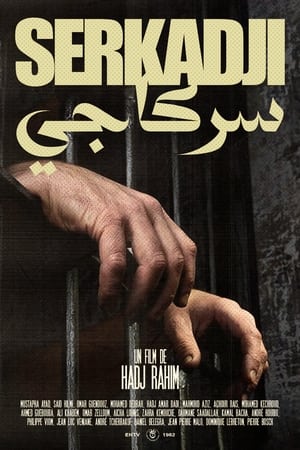
Serkadji(ar)
1982-01-01
In 1982, Hadj Rahim directed "Serkadji", a fiction film about the men's quarters of the Barberousse military prison in Algiers, where hundreds of FLN fighters were incarcerated and executed during the war of independence. Algeria between 1954 and 1962.

68%
Bela America(pt)
2023-10-05
Lucas, the cook, seduces America, the television star and presidential candidate. He will clandestinely enter her house to seduce her with extraordinary meals, causing the unlikely intersection of the fate of Lucas, the cook, with that of America, the President.
73%
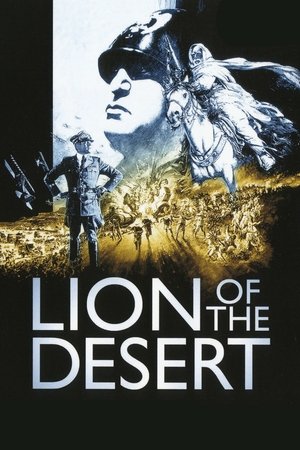
Lion of the Desert(en)
1981-04-17
Resistance leader Omar Mukhtar opposes Italian colonization before World War II. The brutal guerrilla war against Italian General Rodolfo Graziani and the Fascist forces of Benito Mussolini highlights the struggle for Libyan independence and the harsh tactics utilised by the colonisers.

65%
Fanon(fr)
2025-04-02
Frantz Fanon, a French psychiatrist from Martinique, has just been appointed head of department at the psychiatric hospital in Blida, Algeria. His methods contrast with those of the other doctors in a context of colonization. A biopic in the heart of the Algerian war where a fight is waged in the name of Humanity.
72%
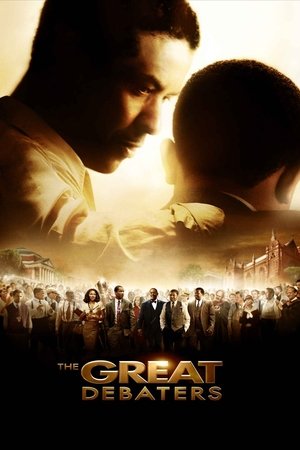
The Great Debaters(en)
2007-12-25
The true story of a brilliant but politically radical debate team coach who uses the power of words to transform a group of underdog African-American college students into a historical powerhouse that took on the Harvard elite.
79%
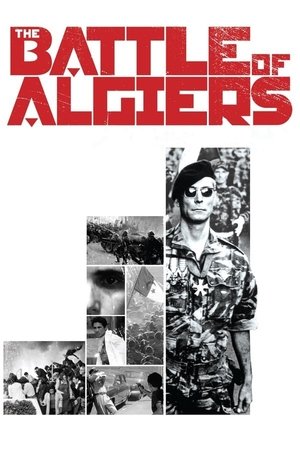
The Battle of Algiers(it)
1966-09-08
Paratrooper commander Colonel Mathieu, a former French Resistance fighter during World War II, is sent to Algeria to reinforce efforts to squelch the uprisings of the Algerian War. There he faces Ali la Pointe, a former petty criminal who, as the leader of the Algerian Front de Liberation Nationale, directs terror strategies against the colonial French government occupation. As each side resorts to ever-increasing brutality, no violent act is too unthinkable.

67%
Madame Rosa(fr)
1977-11-02
Madame Rosa lives in a sixth-floor walkup in the Pigalle; she's a retired prostitute, Jewish and an Auschwitz survivor, a foster mom to children of other prostitutes. Momo is the oldest and her favorite, an Algerian lad whom she raises as a Muslim. He asks about his parents; she answers evasively. As she ages and takes fewer children, Momo must do more for her; as money is tight, he tries to earn pennies on the street with a puppet. He's a beautiful man-child, and Madame Rosa makes him promise never to sell himself or become a pimp. A film editor, Nadine, befriends him, and his father appears as well. Madame Rosa reaches her last days in fear of hospitals, and Momo must act.
66%
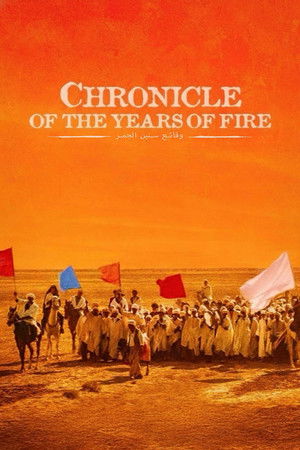
Chronicle of the Years of Fire(ar)
1975-11-26
A meticulous chronicle of the evolution of the Algerian national movement from 1939 until the outbreak of the revolution on November 1, 1954, the film unequivocally demonstrates that the "Algerian War" is not an accident of history, but a slow process of suffering and warlike revolts, uninterrupted, from the start of colonization in 1830, until this "Red All Saints' Day" of November 1, 1954. At its center, Ahmed gradually awakens to political awareness against colonization, under the gaze of his son, a symbol of the new Algeria, and that of Miloud, half-mad haranguer, half-prophet, incarnation of Popular memory of the revolt, the liberation of Algeria and its people.

0%
Twitz from Pluto: Graff, Jackass and TV Casualty(en)
2022-06-24
The story of two teenage extraterrestrial refugees from the planet Pluto, who escape to Earth after their planet is destroyed by the US government, as it was deemed “insignificant.” For many years prior, tensions between the Plutonians and the Earthlings had seen a steady incline, as Pluto held camps where Earthlings were experimented on and tortured. The two aliens make their crash landing, undertake human form and undergo the aliases “Hugh Jainus” and “E. Rection”. In an effort to wage revenge on the nation, with their brainwashed sidekick Potator under their wing, the trio hijack television stations worldwide and broadcast mind-numbingly stupid and ridiculous, yet insane and often violent programs to dumb down and distract the nation’s citizens from their devious plans. The tube tells the story...
0%
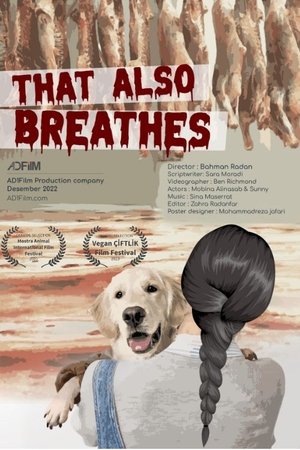
That Also Breathes(en)
The woman’s life who owns a pet changes overnight. “That Also Breathes” is a short film that will make you rethink your animal treatment and know that all animals have the right to live and breathe.
0%
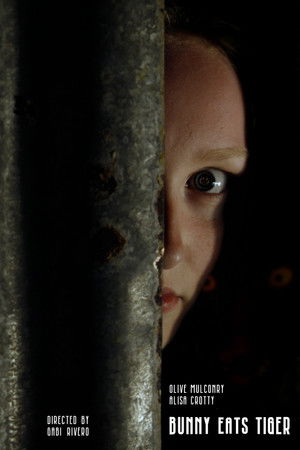
Bunny Eats Tiger(en)
2025-12-20
A child finds a spellbound book on her way to school. The strange book foretells a murderous tiger coming to kill them and everything in their path.
10%
Hitler's Girl(en)
2012-11-26
Sadly our world is divided on the basis of race, religion, region and caste and violence became the norm of the day. What can we do to stop the violence that is committed by bigotry? One thing...if we imagine ourselves in the shoes of our victims.
0%
Find the Light(en)
2022-03-12
A young victimized boy decides to confront his inner demons by drowning himself, and during the process finds purpose and meaning in his life.

60%
True Chronicles of the Blida Joinville Psychiatric Hospital in the Last Century, when Dr Frantz Fanon Was Head of the Fifth Ward between 1953 and 1956(ar)
2025-07-23
1953, colonized Algeria. Fanon, a young black psychiatrist is appointed head doctor at the Blida-Joinville Hospital. He was putting his theories of ‘Institutional Psychotherapy’ into practice in opposition to the racist theories of the Algies School of Psychiatry, while a war broke out in his own wards.

100%
So Young a Peace(ar)
1965-01-02
The first fictional feature film produced in Algeria after independence, this film addresses one of the most worrying problems: that of childhood. Children, freedom regained, do not yet know how to play “at peace”, they naturally play “at war”.
80%
Patrol in the East(ar)
1971-01-02
The film traces the story of a patrol of the Algerian National Liberation Army (ALN), whose mission is to transport a prisoner French soldier to the Tunisian border. Through the march of this group of guerrillas we witness the spirit of sacrifice and combativeness of these men from the people. The patrol will be decimated, but a young peasant will take over and complete the mission.
90%
Under The Ashes(ar)
1990-01-01
The Second World War. French authorities ban political parties and unions. In Algeria, the leaders of political and trade union organizations were arrested and interned in "surveillance" camps with more than 2,000 French and foreigners: communist activists, trade unionists, brigadists, Spanish republicans and other opponents of the Vichy regime. The Djenien Bourezg camp is one of these camps, located in southern Algeria and is one of the most formidable. An old activist for the Algerian national cause returns to the scene. He blows away the ashes that cover this part of history. And through it, we discover the hard fight of the camp inmates for respect and human dignity, under a fascist command.
100%
July Dust(fr)
1967-01-01
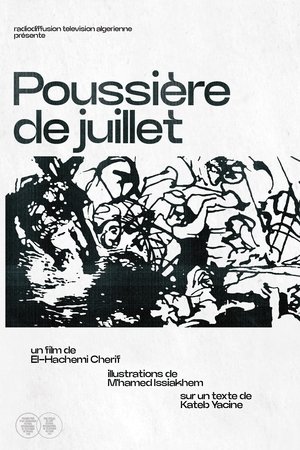
“Poussières de Juillet”, produced in 1967 by Hachemi El-Chérif, is taken from a poem by Kateb Yacine. "We made a film on the return of the ashes of Emir Abdelkader, to Algeria. It was the opportunity to make a film on the ancestors with M'hamed Issiakhem. He designed glass plates on the basis of my texts. Then we had actors collaborate. It was a film which cost us a total of 300 dinars, proof that we could do work for television without too much money. We won two first international prizes at the Belgrade festival. We left the original of the film with the Egyptians in Alexandria and they lost it. We kept a copy but over time I wonder what happened to it, because there is no not even had a screening, they say it still exists, but I don't know in what state." Kateb Yacine, July 28, 1986, interview with Arlette Casas.
100%
Dead the Long Night(ar)
1979-01-02
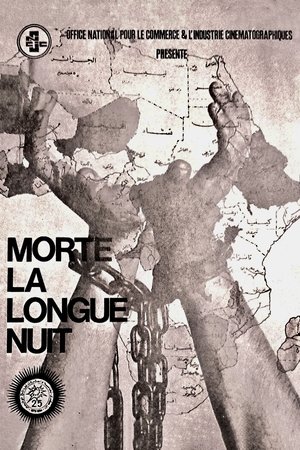
Composed of archive images narrated by the writer, anthropologist and linguist Mouloud Mammeri, the film offers a reflection on the anti-colonialist and anti-imperialist struggle movements of the 1970s around the world.