Loading Page
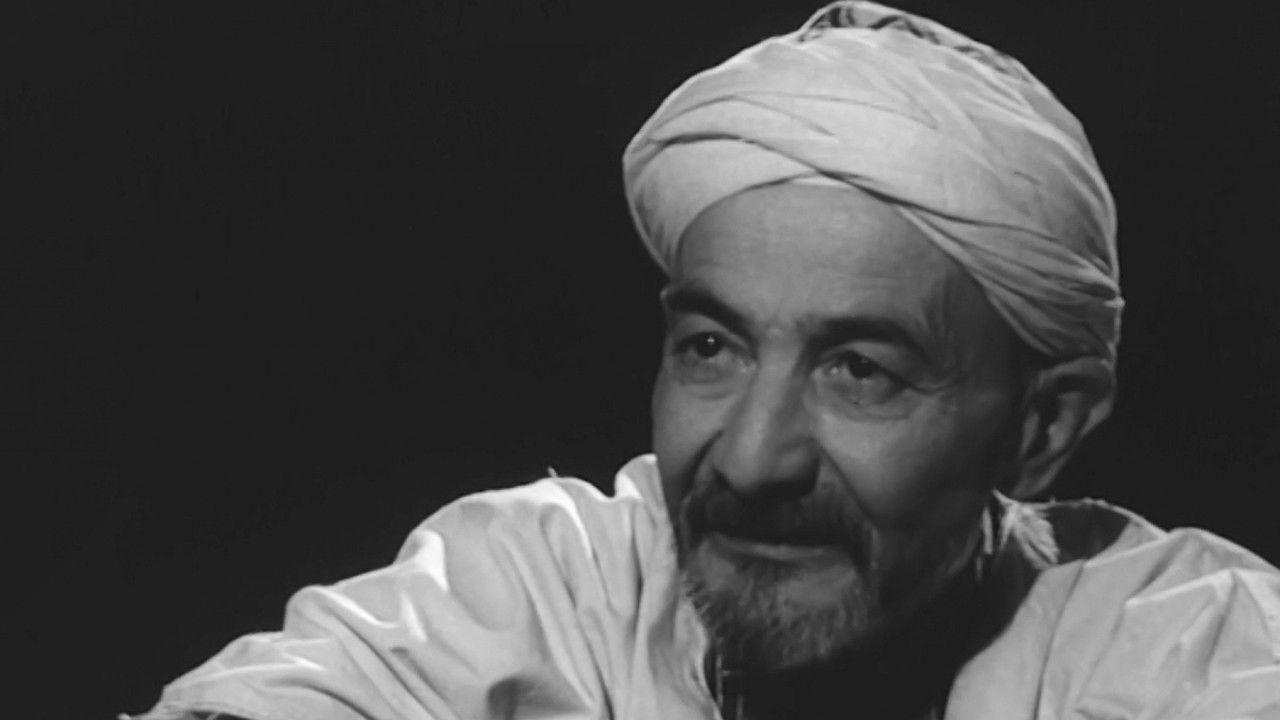
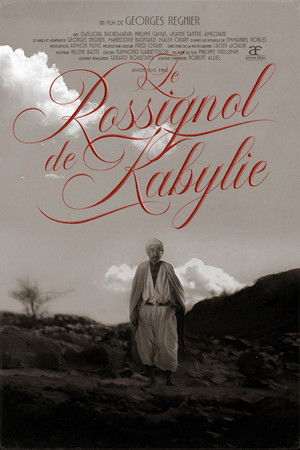
The Nightingale of Kabylia(1962)
Status: Released
Date: 1962-06-20
100%
1 Votes
Time: 0h 21m
Overview:
This story, set against the backdrop of the Algerian War, could be an oriental tale. The "Nightingale of Kabylia" is the nickname given to old Ahieddine, a poet who lives in a mountain village. Ahieddine receives a visit from a young French officer. What does the officer want? Information, no doubt. The lieutenant, who once studied the Kabyle language, simply wants to visit a renowned poet, speak with him, and hear him recite a poem. Such a visit will be difficult to justify to the men of the maquis. That very evening, Ahieddine is summoned to appear before a tribunal of maquisards. He is condemned to death for treason. Does he have a wish before he dies? Yes, to compose one last poem, the poem of his death. He improvises a poem; the men listen, moved by the words of their own language, which express the poetry of their people. They pardon old Ahieddine and grant him his freedom. Destiny, however, awaited at the bend of a mountain path, the "Nightingale of Kabylia".
Languages: Arabic, French.
Countries:
France
ProductionCompanies: 
Movie: The Nightingale of Kabylia
Top 3 Billed Cast
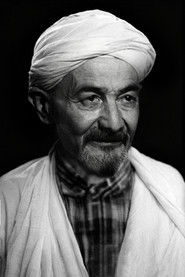
Djelloul Bachdjarah
Ahieddine
HomePage
Overview
This story, set against the backdrop of the Algerian War, could be an oriental tale. The "Nightingale of Kabylia" is the nickname given to old Ahieddine, a poet who lives in a mountain village. Ahieddine receives a visit from a young French officer. What does the officer want? Information, no doubt. The lieutenant, who once studied the Kabyle language, simply wants to visit a renowned poet, speak with him, and hear him recite a poem. Such a visit will be difficult to justify to the men of the maquis. That very evening, Ahieddine is summoned to appear before a tribunal of maquisards. He is condemned to death for treason. Does he have a wish before he dies? Yes, to compose one last poem, the poem of his death. He improvises a poem; the men listen, moved by the words of their own language, which express the poetry of their people. They pardon old Ahieddine and grant him his freedom. Destiny, however, awaited at the bend of a mountain path, the "Nightingale of Kabylia".
Release Date
1962-06-20
Average
10
Rating:
5.0 startsTagline
Genres
Languages:
العربيةFrançaisKeywords
Recommendations Movies
69%
The Little Soldier(fr)
1963-01-25
Despite his lack of political convictions, photojournalist Bruno Forestier is roped into a paramilitary group waging a shadow war in Geneva against the Algerian independence movement.
77%
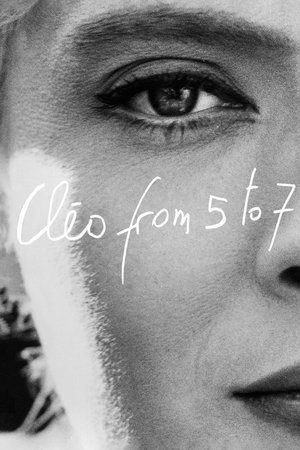
Cléo from 5 to 7(fr)
1962-04-11
Agnès Varda eloquently captures Paris in the sixties with this real-time portrait of a singer set adrift in the city as she awaits test results of a biopsy. A chronicle of the minutes of one woman’s life, Cléo from 5 to 7 is a spirited mix of vivid vérité and melodrama, featuring a score by Michel Legrand and cameos by Jean-Luc Godard and Anna Karina.
68%
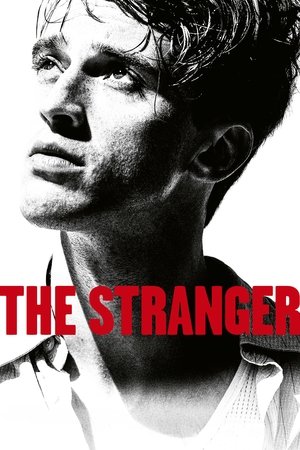
The Stranger(fr)
2025-10-29
Algiers, 1938. Meursault, a quiet and unassuming employee in his early thirties, attends his mother's funeral without shedding a tear. The next day, he begins a casual affair with Marie, a work colleague. He quickly slips back into his usual routine.

59%
A View of Love(fr)
2010-12-15
Happily married with a daughter, Marc is a successful real estate agent in Aix-en-Provence. One day, he has an appointment with a woman to view a traditional country house. A few hours later, Marc finally puts a name to her face. It's Cathy, the girl he was in love with growing up in Oran, Algeria, in the last days of the French colonial regime. Marc hurries to her hotel. They spend the night together. Then she's gone again. And Marc's mother tells him Cathy never left Algeria. She was killed with her father in a bombing just before independence...


70%
Wild Reeds(fr)
1994-06-01
As the Algerian War draws to a close, a teenager with a girlfriend starts feeling homosexual urges for two of his classmates: a country boy, and a French-Algerian intellectual.
68%
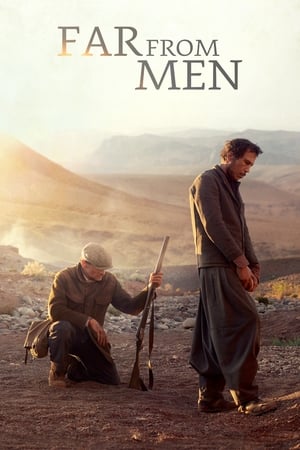
Far from Men(fr)
2015-01-14
A French teacher in a small Algerian village during the Algerian War forms an unexpected bond with a dissident who is ordered to be turned in to the authorities.
64%
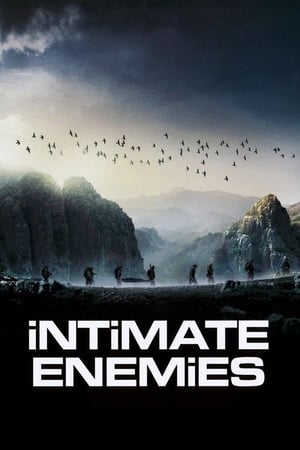
Intimate Enemies(fr)
2007-10-03
A drama following a French platoon during Algeria's war of independence.
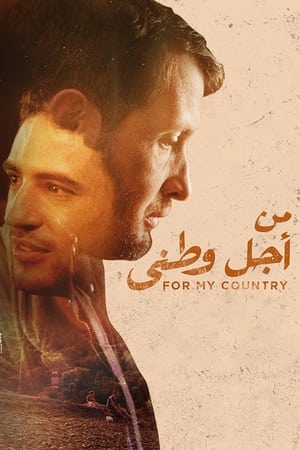
61%
For My Country(fr)
2023-02-08
Aissa, a young officer of Algerian origin, tragically loses his life during a fresher initiation ritual at the prestigious French military academy of Saint-Cyr. As the death tears through his family, controversy arises over Aissa’s funeral plans when the Army refuses to take responsibility. Ismael, his older, rebellious brother, tries to keep the family united as they fight to win justice for Aissa.
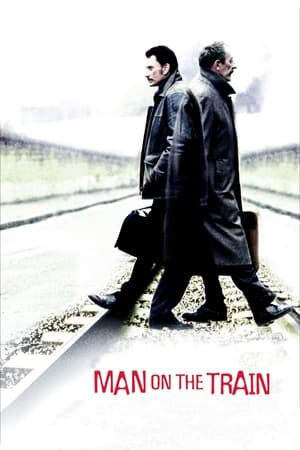
67%
Man on the Train(fr)
2002-10-02
A man, Milan steps off a train, into a small French village. As he waits for the day when he will rob the town bank, he runs into an old retired poetry teacher named M. Manesquier. The two men strike up a strange friendship and explore the road not taken, each wanting to live the other's life.

66%
The Divide(fr)
2021-10-27
Raf and Julie, a couple on the verge of breaking up, find themselves in an emergency ward bordering on collapse on the evening of a Parisian Yellow Vest protest. Their encounter with Yann, an angry and injured demonstrator, will shatter each person's certainties and prejudices. Outside, the tension escalates.

62%
The Edge of Love(en)
2008-06-20
When the Welsh poet Dylan Thomas and his flirtatious wife Caitlin sweep into war-torn London, the last thing they expect is to bump into Dylan's childhood sweetheart Vera. Despite her joy at seeing Dylan after so many years, Vera is swept off her feet by a dashing officer, William Killick, and finds herself torn between the open adoration of her new found beau and the wily charms of the exotic Welshman.
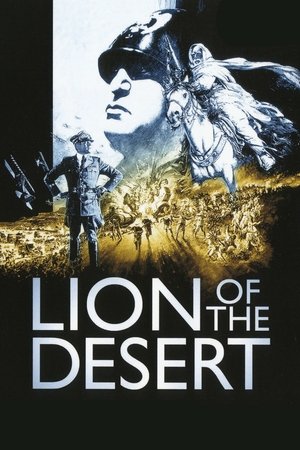
73%
Lion of the Desert(en)
1981-04-17
Resistance leader Omar Mukhtar opposes Italian colonization before World War II. The brutal guerrilla war against Italian General Rodolfo Graziani and the Fascist forces of Benito Mussolini highlights the struggle for Libyan independence and the harsh tactics utilised by the colonisers.

66%
Uranus(fr)
1990-12-12
After World War II, a small French village struggles to put the war behind as the controlling Communist Party tries to flush out Petain loyalists. The local bar owner, a simple man who likes to write poetry, who only wants to be left alone to do his job, becomes a target for Communist harassment as they try and locate a particular loyalist, and he pushes back.
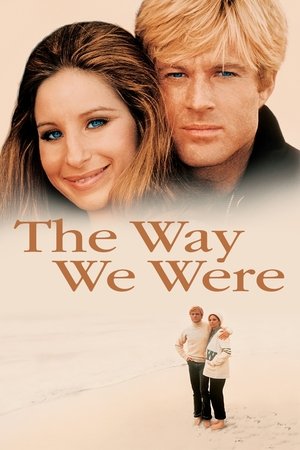
70%
The Way We Were(en)
1973-10-17
Opposites attract when, during their college days, Katie Morosky, a politically active Jew, meets Hubbell Gardiner, a feckless WASP. Years later, in the wake of World War II, they meet once again and, despite their obvious differences, attempt to make their love for each other work.
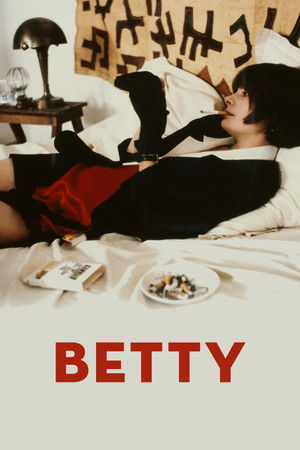
65%
Betty(fr)
1992-02-19
A drunken, self-destructive woman called Betty wanders into a Parisian bar where she meets middle-aged alcoholic Laure. Laure decides to take care of Betty. Recovering in a hotel room, Betty begins to recount to Laure the story of her bourgeois life and her unhappy and unfaithful marriage.
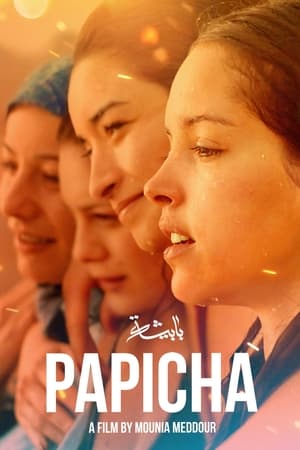
77%
Papicha(fr)
2019-10-09
Nedjma, an 18-year-old student passionate about fashion design refuses to let the tragic events of the Algerian Civil War keep her from experiencing a normal life. As the social climate becomes more conservative, she rejects the new bans set by the radicals and decides to put on a fashion show.

71%
The English Patient(en)
1996-11-14
In the 1930s, Count Almásy is a Hungarian map maker employed by the Royal Geographical Society to chart the vast expanses of the Sahara Desert along with several other prominent explorers. As World War II unfolds, Almásy enters into a world of love, betrayal, and politics.

63%
Cardboard Boxer(en)
2016-09-16
Gentle and broken, a homeless man fights others on video for money but soon finds comfort in an unlikely friend and the lost diary of a young girl.
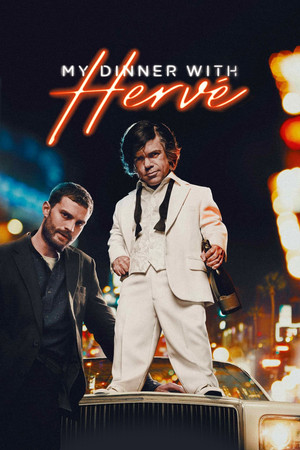
63%
My Dinner with Hervé(en)
2018-10-20
An unlikely friendship evolves over one wild night in LA between a struggling journalist and actor Hervé Villechaize, the world's most famous gun-toting dwarf, resulting in life-changing consequences for both.
Similar Movies
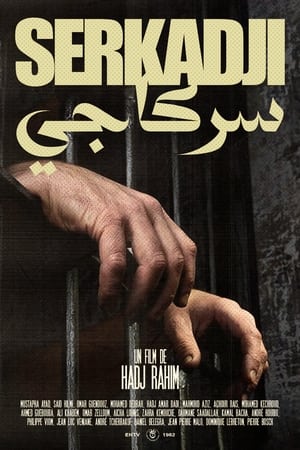
100%
Serkadji(ar)
1982-01-01
In 1982, Hadj Rahim directed "Serkadji", a fiction film about the men's quarters of the Barberousse military prison in Algiers, where hundreds of FLN fighters were incarcerated and executed during the war of independence. Algeria between 1954 and 1962.
100%
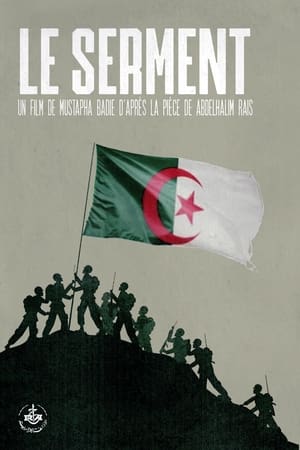
Le Serment(ar)
1963-01-01
The Oath, a TV film produced by Algerian television in 1963 following the end of the war of independence, tells the story of young Algerians who joined the resistance after the bloody repressions of May 1945 in Constantinois by the French colonial army .
70%
Wild Reeds(fr)
1994-06-01
As the Algerian War draws to a close, a teenager with a girlfriend starts feeling homosexual urges for two of his classmates: a country boy, and a French-Algerian intellectual.
77%
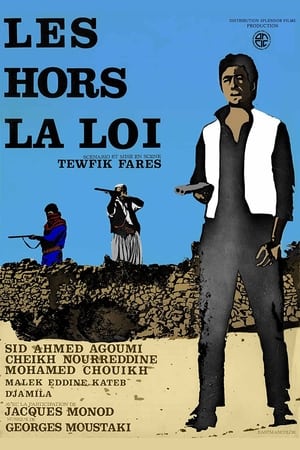
The Outlaws(fr)
1969-01-01
In prison in colonial Algeria, shortly after the end of the Second World War, three indigenous cellmates make out. Once free, they attack the authority represented by the triad of the boss, the gendarme and the administrator. “Living the colonial condition,” confided Tewfik Farès, “is something! It’s not sociologically or historically speaking. It’s life. And I think that’s all there in it. [...] For a hundred and thirty years, we wait. We hold back. We push back. We hope. At the same time, on different occasions, there are skirmishes, unrest.
68%
Far from Men(fr)
2015-01-14
A French teacher in a small Algerian village during the Algerian War forms an unexpected bond with a dissident who is ordered to be turned in to the authorities.
64%
Intimate Enemies(fr)
2007-10-03
A drama following a French platoon during Algeria's war of independence.
73%
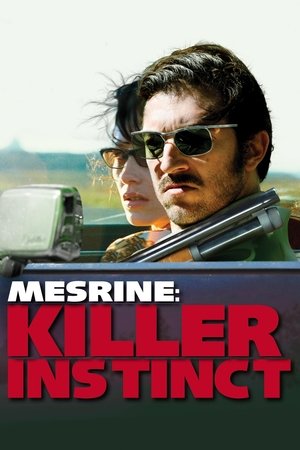
Mesrine: Killer Instinct(fr)
2008-10-22
Jacques Mesrine, a loyal son and dedicated soldier, is back home and living with his parents after serving in the Algerian War. Soon he is seduced by the neon glamour of sixties Paris and the easy money it presents. Mentored by Guido, Mesrine turns his back on middle class law-abiding and soon moves swiftly up the criminal ladder.

65%
Fanon(fr)
2025-04-02
Frantz Fanon, a French psychiatrist from Martinique, has just been appointed head of department at the psychiatric hospital in Blida, Algeria. His methods contrast with those of the other doctors in a context of colonization. A biopic in the heart of the Algerian war where a fight is waged in the name of Humanity.

75%
To Be Twenty in the Aures(fr)
1972-05-12
A group of refractory and pacifist Bretons is sent to Algeria. These beings confronted with the horrors of war gradually become killing machines. One of them did not accept it and deserted, taking with him an FLN prisoner who was to be executed the next day.
73%
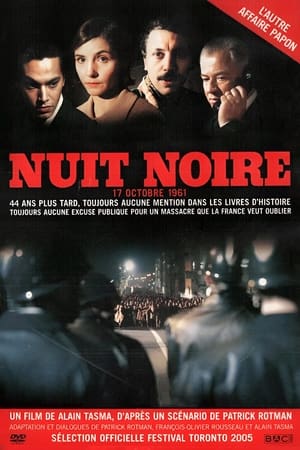
Dark Night, October 17, 1961(fr)
2005-06-07
Parisian authorities clash with the Front de Libération Nationale (FLN) in director Alain Tasma’s recounting of one of the darkest moments of the Algerian War of Independence. As the war wound to a close and violence persisted in the streets of Paris, the FLN and its supporters adopted the tactic of murdering French policemen in hopes of forcing a withdrawal. When French law enforcement retaliated by brutalizing Algerians and imposing a strict curfew, the FLN organizes a peaceful demonstration that drew over 11,000 supporters, resulting in an order from the Paris police chief to take brutal countermeasures. Told through the eyes of both French policemen as well as Algerian protestors, Tasma’s film attempts to get to the root of the tragedy by presenting both sides of the story.
100%
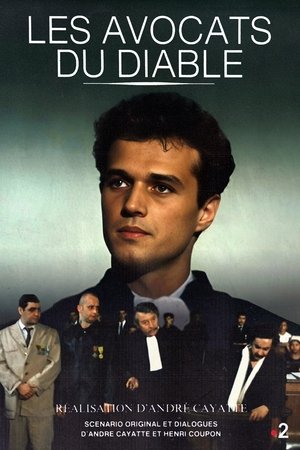
Les Avocats du Diable(fr)
1981-05-19
In 1958 in Paris, during the Algerian War, a young trainee lawyer, Maître Chabrier, was assigned to defend an Algerian garbage collector against paratroopers who had beaten him. Stay out of Algerian affairs, his peers advise him because the trial is taking a political turn. Chabrier acquired the reputation of the Fellaghas' lawyer.
70%
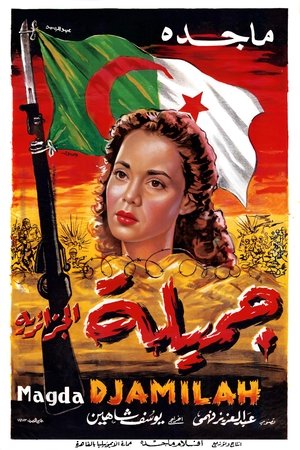
Jamila, the Algerian(ar)
1958-12-09
Djamila, a young Algerian woman living with her brother Hadi and her uncle Mustafa in the Casbah district of Algiers under the French occupation of Algeria, sees the full extent of injustice, tyranny and cruelty on his compatriots by French soldiers. Jamila's nationalist spirit will be strengthened when French forces invade her university to arrest her classmate Amina who commits suicide by ingesting poison. Shortly after the prominent Algerian guerrilla leader Youssef takes refuge with her, she realizes that her uncle Mustafa is part of this network of anti-colonial rebel fighters. Her uncle linked her to the National Liberation Front (FLN). A series of events illustrate Jamila's participation in resistance operations against the occupier before she was finally captured and tortured. Finally, despite the efforts of her French lawyer, Jamila is sentenced to death...
79%
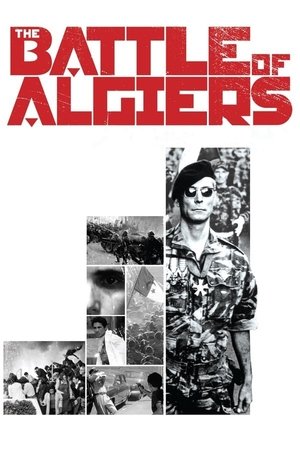
The Battle of Algiers(it)
1966-09-08
Paratrooper commander Colonel Mathieu, a former French Resistance fighter during World War II, is sent to Algeria to reinforce efforts to squelch the uprisings of the Algerian War. There he faces Ali la Pointe, a former petty criminal who, as the leader of the Algerian Front de Liberation Nationale, directs terror strategies against the colonial French government occupation. As each side resorts to ever-increasing brutality, no violent act is too unthinkable.
71%
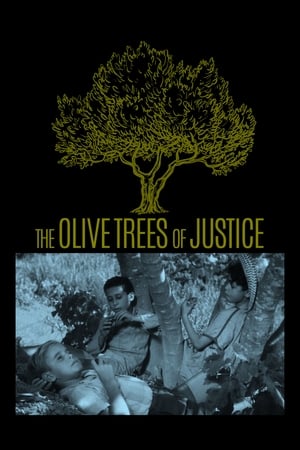
The Olive Trees of Justice(fr)
1962-06-06
The son of a French colonialist in Algeria returns to Algeria after learning that his father is ill. Memories from childhood return. He also must deal with some problems involving the Algerian fight for independence.
59%
A View of Love(fr)
2010-12-15
Happily married with a daughter, Marc is a successful real estate agent in Aix-en-Provence. One day, he has an appointment with a woman to view a traditional country house. A few hours later, Marc finally puts a name to her face. It's Cathy, the girl he was in love with growing up in Oran, Algeria, in the last days of the French colonial regime. Marc hurries to her hotel. They spend the night together. Then she's gone again. And Marc's mother tells him Cathy never left Algeria. She was killed with her father in a bombing just before independence...
66%
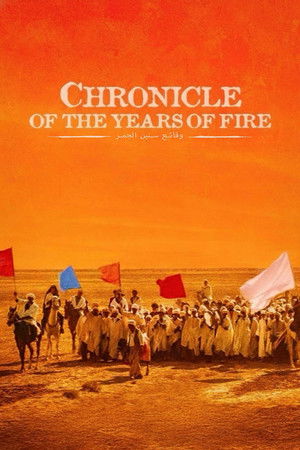
Chronicle of the Years of Fire(ar)
1975-11-26
A meticulous chronicle of the evolution of the Algerian national movement from 1939 until the outbreak of the revolution on November 1, 1954, the film unequivocally demonstrates that the "Algerian War" is not an accident of history, but a slow process of suffering and warlike revolts, uninterrupted, from the start of colonization in 1830, until this "Red All Saints' Day" of November 1, 1954. At its center, Ahmed gradually awakens to political awareness against colonization, under the gaze of his son, a symbol of the new Algeria, and that of Miloud, half-mad haranguer, half-prophet, incarnation of Popular memory of the revolt, the liberation of Algeria and its people.
100%
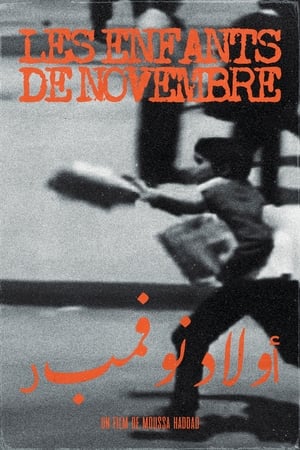
Les Enfants de Novembre(ar)
1975-01-02
In the streets of the Casbah of Algiers, an FLN fighter pursued by the colonial police hands over confidential documents to Mourad, an Algerian child shouting newspapers who must at all costs pass them on to the resistance. But the police are on their trail and will do anything to get them back.
100%
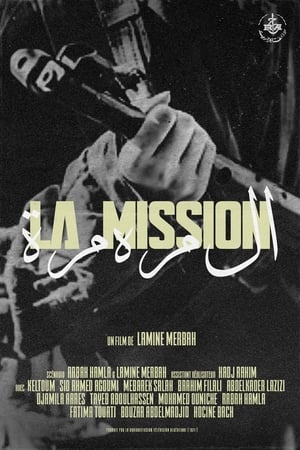
La Mission(ar)
1971-01-02
An Algerian peasant (fellah), crushed by the soldiers of the French colonial army, decides to resist. His young wife finds herself, despite herself, also enlisted in the Algerian resistance to flee the atrocities of harsh colonial persecution.
60%
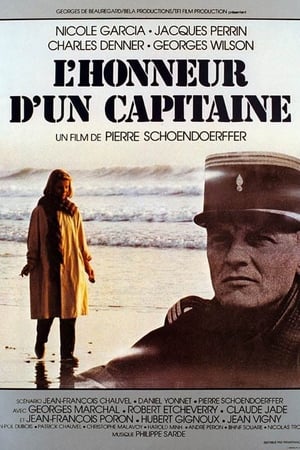
A Captain's Honor(fr)
1982-12-29
During a televised debate on the Algerian war in the early 1980s, Professor Paulet denounced the methods of Captain Caron, killed in action in 1957. The widow of the captain, Patricia, decided to file a defamation suit.
77%
Cléo from 5 to 7(fr)
1962-04-11
Agnès Varda eloquently captures Paris in the sixties with this real-time portrait of a singer set adrift in the city as she awaits test results of a biopsy. A chronicle of the minutes of one woman’s life, Cléo from 5 to 7 is a spirited mix of vivid vérité and melodrama, featuring a score by Michel Legrand and cameos by Jean-Luc Godard and Anna Karina.