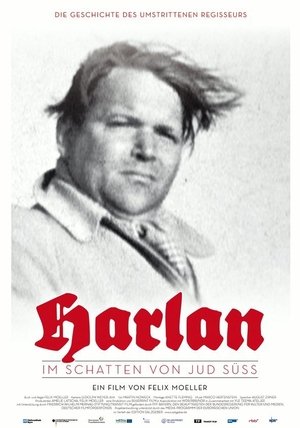
Harlan: In the Shadow of Jew Süss(2008)
Though almost forgotten today, Veit Harlan was one of Nazi Germany's most notorious filmmakers. His most perfidious film was the treacherous anti-Semitic propaganda film Jud Süß - required viewing for all SS members. This documentary is an eye-opening examination of World War II film history as well as the story of a German family from the Third Reich to the present; one that is marked by reckoning, denial and liberation.


Movie: Harlan: In the Shadow of Jew Süss
Top 7 Billed Cast
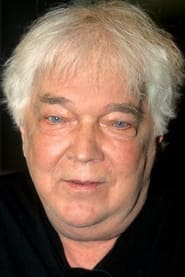
Self

Self
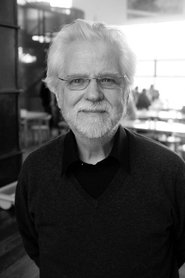
Self

Self
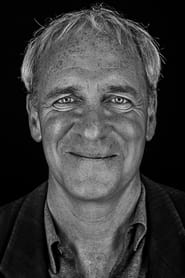
Narrator (voice)
HomePage
Overview
Though almost forgotten today, Veit Harlan was one of Nazi Germany's most notorious filmmakers. His most perfidious film was the treacherous anti-Semitic propaganda film Jud Süß - required viewing for all SS members. This documentary is an eye-opening examination of World War II film history as well as the story of a German family from the Third Reich to the present; one that is marked by reckoning, denial and liberation.
Release Date
2008-10-29
Average
6
Rating:
3.0 startsTagline
Genres
Languages:
DeutschFrançaisItalianoKeywords
Recommendations Movies
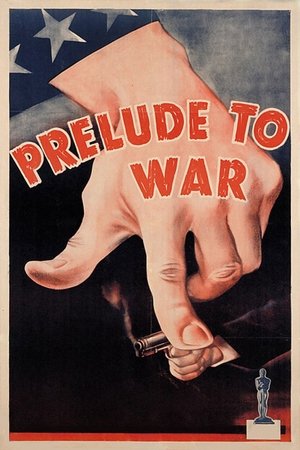
Why We Fight: Prelude to War(en)
Prelude to War was the first film of Frank Capra's Why We Fight propaganda film series, commissioned by the Pentagon and George C. Marshall. It was made to convince American troops of the necessity of combating the Axis Powers during World War II. This film examines the differences between democratic and fascist states.
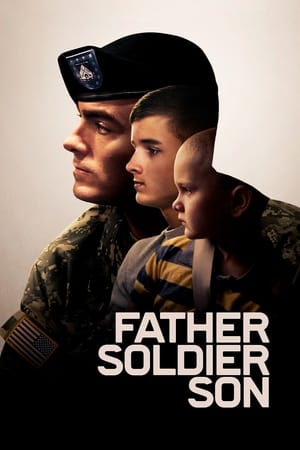
Father Soldier Son(en)
When Sgt. First Class Brian Eisch is critically wounded in Afghanistan, it sets him and his sons on a journey of love, loss, redemption and legacy.
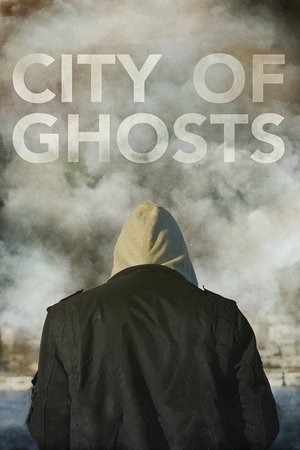
City of Ghosts(en)
With unprecedented access, this documentary follows the extraordinary journey of “Raqqa is Being Slaughtered Silently”—a group of anonymous citizen journalists who banded together after their homeland was overtaken by ISIS—as they risk their lives to stand up against one of the greatest evils in the world today.
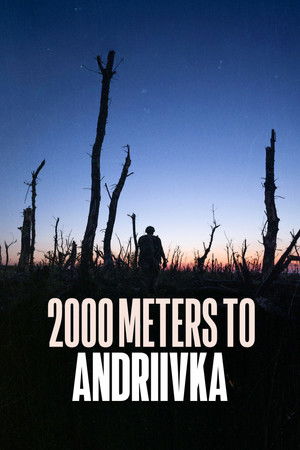
2000 Meters to Andriivka(en)
Amid the failing counteroffensive, a journalist follows a Ukrainian platoon on their mission to traverse one mile of heavily fortified forest and liberate a strategic village from Russian occupation. But the farther they advance through their destroyed homeland, the more they realize that this war may never end.
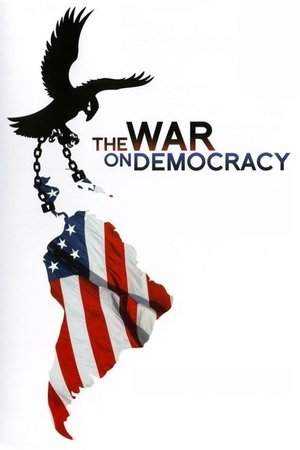
The War on Democracy(en)
Set both in Latin America and the United States, the film explores the historic and current relationship of Washington with countries such as Venezuela, Bolivia and Chile. Pilger says that the film "...tells a universal story... analysing and revealing, through vivid testimony, the story of great power behind its venerable myths. It allows us to understand the true nature of the so-called "war on terror". According to Pilger, the film’s message is that the greed and power of empire is not invincible and that people power is always the "seed beneath the snow".

Korengal(en)
Korengal picks up where Restrepo left off; the same men, the same valley, the same commanders, but a very different look at the experience of war.
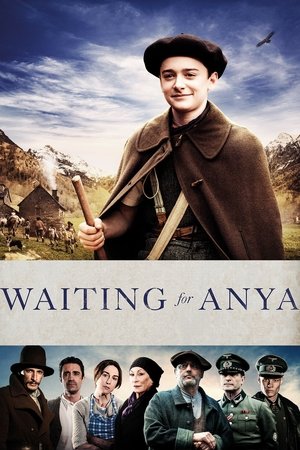
Waiting for Anya(en)
During the harrows of WWII, Jo, a young shepherd along with the help of the widow Horcada, helps to smuggle Jewish children across the border from southern France into Spain.
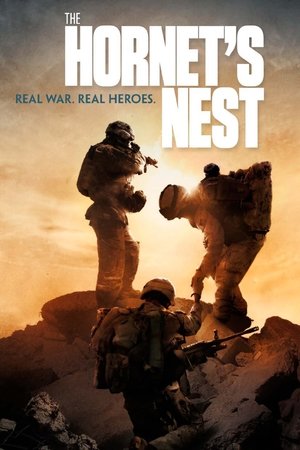
The Hornet's Nest(en)
Armed only with their cameras, Peabody and Emmy Award-winning conflict Journalist Mike Boettcher, and his son, Carlos, provide unprecedented access into the longest war in U.S. history: they are embed with U.S. troops during nine days of intense combat in Afghanistan.
The Age of Stupid(en)
Pete Postlethwaite stars as a man living alone in the devastated future world of 2055, looking at old footage from 2008 and asking: why didn’t we stop climate change when we had the chance?

The Last Rifleman(en)
A WWII veteran escapes his care home in Northern Ireland and embarks on an arduous but inspirational journey to France to attend the 75th anniversary of the D-Day landings, finding the courage to face the ghosts of his past.
The Scarlet and the Black(en)
Fr. Hugh O'Flaherty is a Vatican official in 1943-45 who has been hiding downed pilots, escaped prisoners of war, and Italian resistance families. His activities become so large that the Nazis decide to assassinate him the next time he leaves the Vatican.
The One That Got Away(en)
Based on the true story of Oberleutnant Franz von Werra, the only German prisoner of war captured in Britain to escape back to Germany during the Second World War.

The Secret of Santa Vittoria(en)
During World War II, Italian villagers hide their wine from the German army.
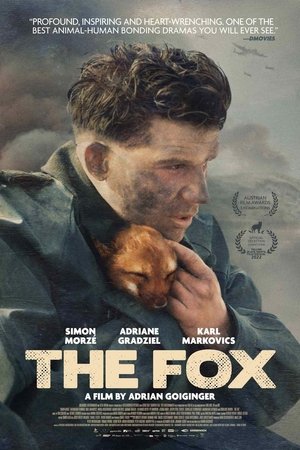
The Fox(de)
At the dawn of World War II, a young motorcycle courier in the Austrian army encounters a wounded fox cub and takes it with him to occupied France. The soldier and the fox develop an unlikely bond. Based on the true story of Franz Streitberger, director Adrian Goiginger’s great-grandfather.
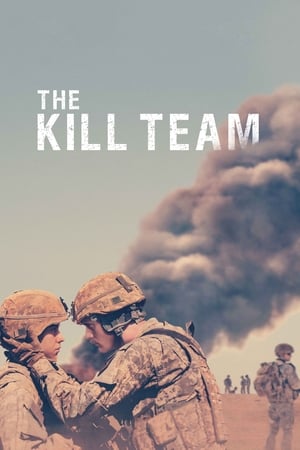
The Kill Team(en)
When Andrew Briggman — a young soldier in the US Army during the invasion of Afghanistan — witnesses the murderous behavior of fellow soldiers, under the direction of a malevolent Sergeant, he faces a moral dilemma. His increasingly-violent platoon becomes suspicious that someone in their ranks has turned on them, and Andrew begins to fear for his safety. A fictionalized dramatization based on a true story.
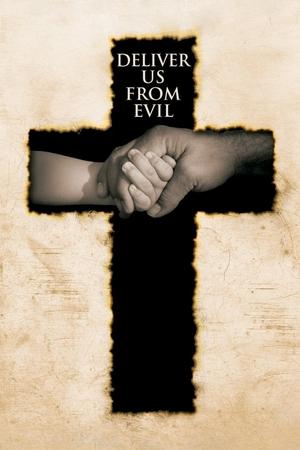
Deliver Us from Evil(en)
Documentary filmmaker Amy Berg investigates the life of 30-year pedophile Father Oliver O'Grady and exposes the corruption inside the Catholic Church that allowed him to abuse countless children. Victims' stories and a disturbing interview with O'Grady offer a view into the troubled mind of the spiritual leader who moved from parish to parish gaining trust ... all the while betraying so many.
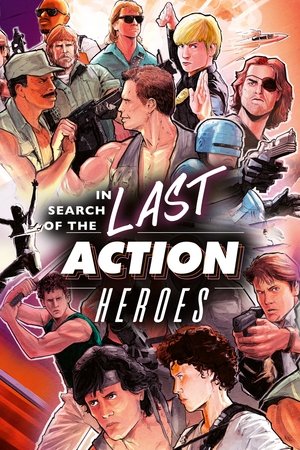
In Search of the Last Action Heroes(en)
The most comprehensive retrospective of the '80s action film genre ever made.

Naqoyqatsi(en)
A visual montage portrait of our contemporary world dominated by globalized technology and violence.
Men in War(en)
In Korea, on 6 September 1950, Lieutenant Benson's platoon finds itself isolated in enemy-held territory after a retreat. Soon they are joined by Sergeant Montana, whose overriding concern is caring for his catatonic colonel. Benson and Montana can't stand each other, but together they must get the survivors to Hill 465, where they hope the division is waiting. It's a long, harrowing march, fraught with all the dangers the elusive enemy can summon.
Similar Movies
My Führer(de)
Hitler no longer believes in himself, and can barely see himself as an equal to even his sheep dog. But to seize the helm of the war he would have to create one of his famous fiery speeches to mobilize the masses. Goebbels therefore brings a Jewish acting teacher Grünbaum and his family from the camps in order to train the leader in rhetoric. Grünbaum is torn, but starts Hitler in his therapy ...

Don't Be a Sucker!(en)
Propaganda short film depicting the rise of Nazism in Germany and how political propaganda is similarly used in the United States. The film was made to make the case for the desegregation of the United States armed forces.
The Truth About Pula(sh)
Yugoslav Partisan propaganda film about the post-World War II events in Pula.

Kherson: Human Safari(en)
Kherson, Ukraine's embattled city, has endured invasion, occupation, and liberation. On February 24, 2022, Russian tanks entered Kherson, leading to brutal occupation marked by violence. Despite being outnumbered, local defense forces resisted, and citizens protested under the slogan "Kherson is Ukraine!" An underground resistance formed, led by brave individuals like journalist Valentyna and others who risked arrest and torture to support the cause. After nine months, Ukrainian forces liberated Kherson, but Russian destruction left the city in chaos. Shelling and drone attacks became relentless, and in June 2023, a dam explosion flooded the city, causing further devastation. Despite these challenges, Kherson's spirit remained unbroken, with citizens embracing arts and resilience. By August 2024, drone attacks specifically targeted civilians, yet the city resisted, determined to rebuild and reclaim its identity, refusing to succumb to ruin.
Land Without Bread(es)
An exploration —manipulated and staged— of life in Las Hurdes, in the province of Cáceres, in Extremadura, Spain, as it was in 1932. Insalubrity, misery and lack of opportunities provoke the emigration of young people and the solitude of those who remain in the desolation of one of the poorest and least developed Spanish regions at that time.

Railway Station(pl)
Warsaw's Central Railway Station. 'Someone has fallen asleep, someone's waiting for somebody else. Maybe they'll come, maybe they won't. The film is about people looking for something.

Full Metal Jacket(en)
A pragmatic U.S. Marine observes the dehumanizing effects the U.S.-Vietnam War has on his fellow recruits from their brutal boot camp training to the bloody street fighting in Hue.
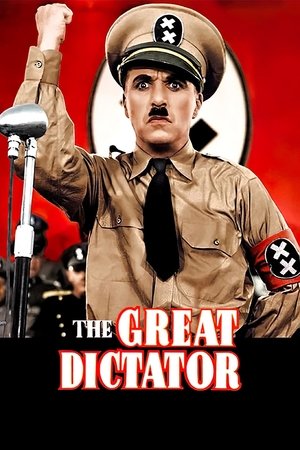
The Great Dictator(en)
Dictator Adenoid Hynkel tries to expand his empire while a poor Jewish barber tries to avoid persecution from Hynkel's regime.
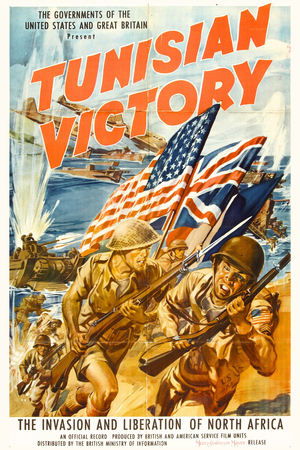
Tunisian Victory(en)
Documentary made by the U.S. Army Signal Corps after the North African campaign.
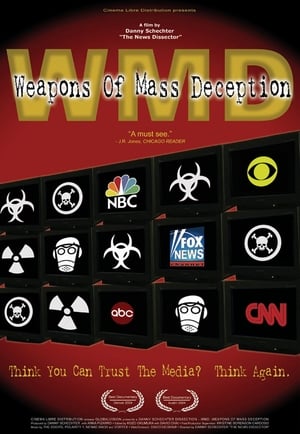
WMD: Weapons of Mass Deception(en)
There were two wars in Iraq--a military assault and a media war. The former was well-covered; the latter was not. Until now... Independent filmmaker, Emmy-award winningTV journalist, author and media critic, Danny Schechter turns the cameras on the role of the media. His new film, WMD, is an outspoken assessment of how Pentagon propaganda and media complicity misled the American people...
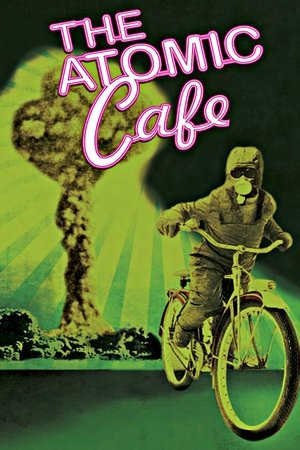
The Atomic Cafe(en)
A disturbing collection of 1940s and 1950s United States government-issued propaganda films designed to reassure Americans that the atomic bomb was not a threat to their safety.
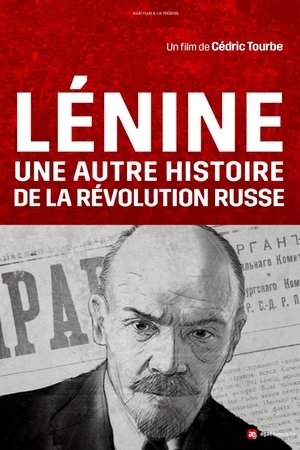
Lenin and the Other Story of the Russian Revolution(fr)
Vladimir Ilyich Ulyanov, better known as Lenin, is remembered as the instigator of the October Revolution of 1917 and, therefore, as one of the men who changed the shape of the world at that time and forever, but perhaps the actual events happened in a way different from that narrated in the history books…
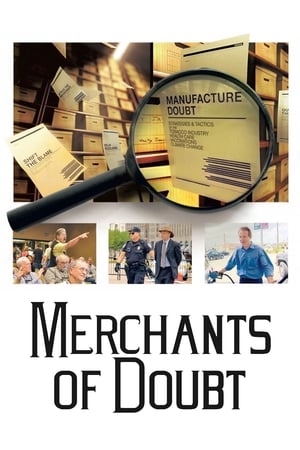
Merchants of Doubt(en)
Spin doctors spread misinformation and confusion among American citizens to delay progress on such important issues as global climate change.
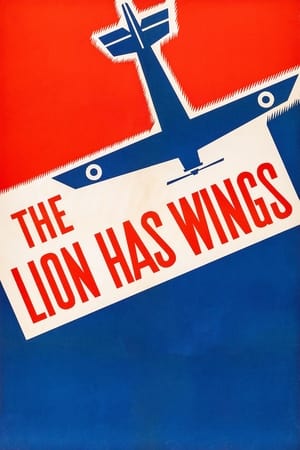
The Lion Has Wings(en)
This early, influential propaganda film blends documentary and studio footage to show the valiant efforts of the Royal Air Force to defend the British people against the Nazis.
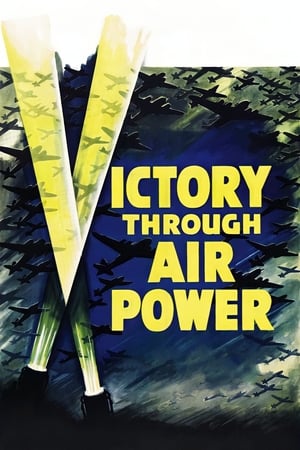
Victory Through Air Power(en)
Based on the book by Major Alexander de Seversky's about his theories of the practical uses of long range strategic bombing. Using a combination of animation humorously telling about the development of air warfare, the film shows de Seversky illustrating his ideas of how air power could win World War II for the Allies.

Victory in the West(de)
A Nazi propaganda film about the lead up to World War II and Germany's success on the Western Front. Utilizes newsreel footage of battles and fell into disfavour with propaganda minister Goebbels because of it's lack of emphasis on Adolf Hitler.