Loading Page
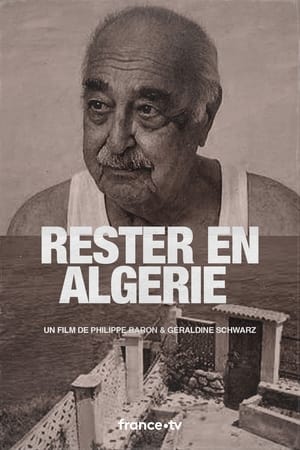
Stay In Algeria(2012)
Status: Released
Date: 2012-11-26
100%
1 Votes
Time: 0h 52m
Overview:
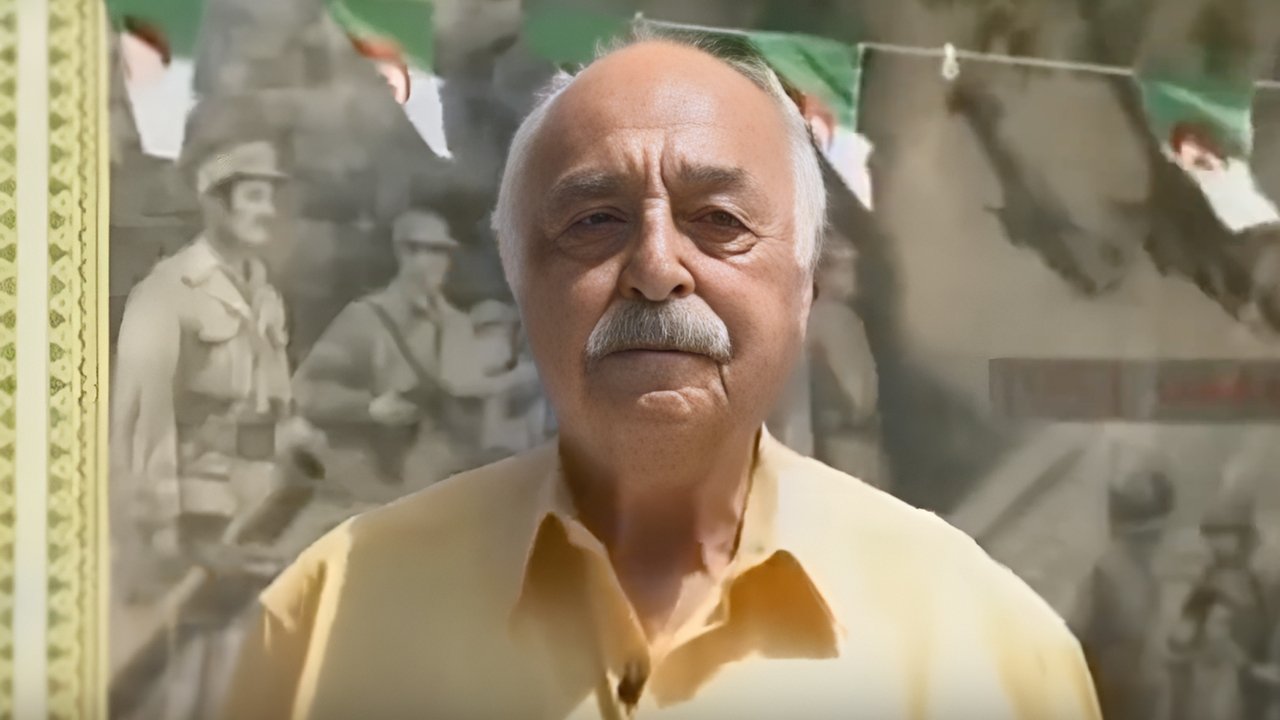
Algeria, summer 1962, eight hundred thousand French people left their native land in a tragic exodus. But 200,000 of them decided to attempt the adventure of independent Algeria. Over the following decades, political developments would push many of these pieds-noirs into exile towards France. But some never left. Germaine, Adrien, Cécile, Guy, Jean-Paul, Marie-France, Denis and Félix, Algerians of European origin, are among them. Some have Algerian nationality, others do not. Some speak Arabic, others do not. They are the last witnesses to the little-known history of these Europeans who remained out of loyalty to an ideal, a taste for adventure and an unconditional love for a land where they were born, despite all the ups and downs that the free Algeria in full construction had to go through.
Languages: French.
Countries:
France
ProductionCompanies: 

Movie: Stay In Algeria
Top 10 Billed Cast
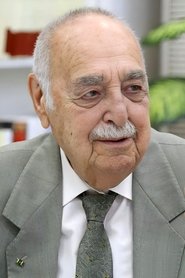
Félix Colozzi
Self (Militant syndicaliste anticolonialiste et Moudjahid)
HomePage
Overview
Algeria, summer 1962, eight hundred thousand French people left their native land in a tragic exodus. But 200,000 of them decided to attempt the adventure of independent Algeria. Over the following decades, political developments would push many of these pieds-noirs into exile towards France. But some never left. Germaine, Adrien, Cécile, Guy, Jean-Paul, Marie-France, Denis and Félix, Algerians of European origin, are among them. Some have Algerian nationality, others do not. Some speak Arabic, others do not. They are the last witnesses to the little-known history of these Europeans who remained out of loyalty to an ideal, a taste for adventure and an unconditional love for a land where they were born, despite all the ups and downs that the free Algeria in full construction had to go through.
Release Date
2012-11-26
Average
10
Rating:
5.0 startsTagline
Genres
Languages:
FrançaisKeywords
Recommendations Movies
67%
Days of Glory(fr)
2006-09-27
1943. They have never stepped foot on French soil but because France was at war, Said, Abdelkader, Messaoud and Yassir enlist in the French Army, along with 130,000 other “indigenous” soldiers, to liberate the “fatherland” from the Nazi enemy. Heroes that history has forgotten…
69%
Farewell, Mr. Haffmann(fr)
2022-01-12
Paris 1942. François Mercier is an ordinary man who only aspires to start a family with the woman he loves, Blanche. He is also the employee of a talented jeweler, Mr. Haffmann. But faced with the German occupation, the two men will have no other choice but to conclude an agreement whose consequences, over the months, will upset the fate of our three characters.
73%
Lion of the Desert(en)
1981-04-17
Resistance leader Omar Mukhtar opposes Italian colonization before World War II. The brutal guerrilla war against Italian General Rodolfo Graziani and the Fascist forces of Benito Mussolini highlights the struggle for Libyan independence and the harsh tactics utilised by the colonisers.
64%
Intimate Enemies(fr)
2007-10-03
A drama following a French platoon during Algeria's war of independence.
64%
Tobruk(en)
1967-02-07
In September 1942, the German Afrika Korps under Rommel have successfully pushed the Allies back into Egypt. A counter-attack is planned, for which the fuel dumps at Tobruk are a critical impediment. In order to aid the attack, a group of British commandos and German Jews make their way undercover through 800 miles of desert, to destroy the fuel dumps starving the Germans of fuel.

76%
Night Will Fall(en)
2014-06-07
When Allied forces liberated the Nazi concentration camps in 1944-45, their terrible discoveries were recorded by army and newsreel cameramen, revealing for the first time the full horror of what had happened. Making use of British, Soviet and American footage, the Ministry of Information’s Sidney Bernstein (later founder of Granada Television) aimed to create a documentary that would provide lasting, undeniable evidence of the Nazis’ unspeakable crimes. He commissioned a wealth of British talent, including editor Stewart McAllister, writer and future cabinet minister Richard Crossman – and, as treatment advisor, his friend Alfred Hitchcock. Yet, despite initial support from the British and US Governments, the film was shelved, and only now, 70 years on, has it been restored and completed by Imperial War Museums under its original title "German Concentration Camps Factual Survey".
66%
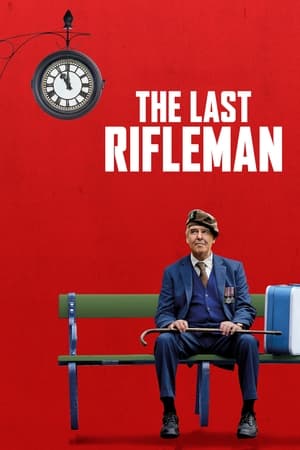
The Last Rifleman(en)
2023-12-07
A WWII veteran escapes his care home in Northern Ireland and embarks on an arduous but inspirational journey to France to attend the 75th anniversary of the D-Day landings, finding the courage to face the ghosts of his past.
59%
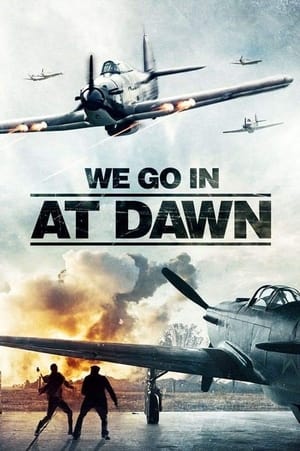
We Go In at Dawn(en)
2020-03-16
When a high-ranking war planner is captured and held in a German prisoner of war camp, a team of specialists take on the dangerous mission of trying to break him out. Trouble is, he doesn't want to be rescued.
76%
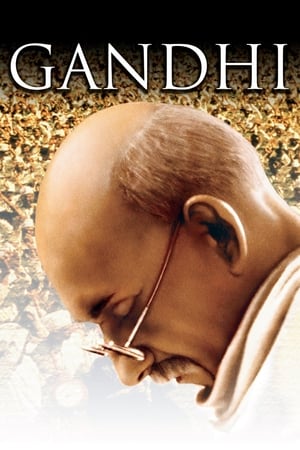
Gandhi(en)
1982-12-01
In the early years of the 20th century, Mohandas K. Gandhi, a British-trained lawyer, forsakes all worldly possessions to take up the cause of Indian independence. Faced with armed resistance from the British government, Gandhi adopts a policy of 'passive resistance', endeavouring to win freedom for his people without resorting to bloodshed.
75%
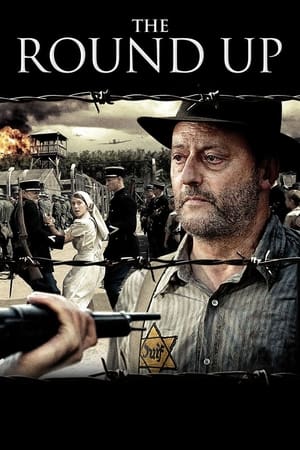
The Round Up(fr)
2010-03-10
A faithful retelling of the 1942 "Vel' d'Hiv Roundup" and the events surrounding it.
72%
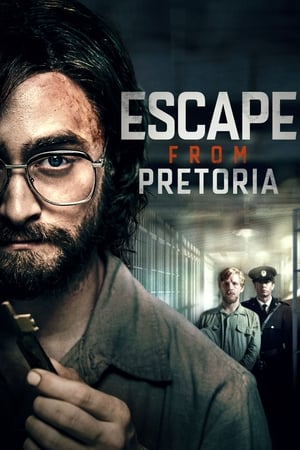
Escape from Pretoria(en)
2020-03-06
South Africa, 1978. Tim Jenkin and Stephen Lee, two white political activists from the African National Congress imprisoned by the apartheid regime, put a plan in motion to escape from the infamous Pretoria Prison.
72%
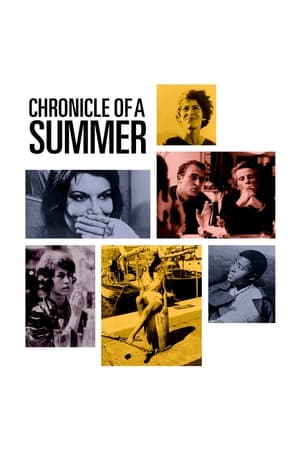
Chronicle of a Summer(fr)
1961-10-20
Paris, summer 1960. Anthropologist and filmmaker Jean Rouch and sociologist and film critic Edgar Morin wander through the crowded streets asking passersby how they cope with life's misfortunes.
60%
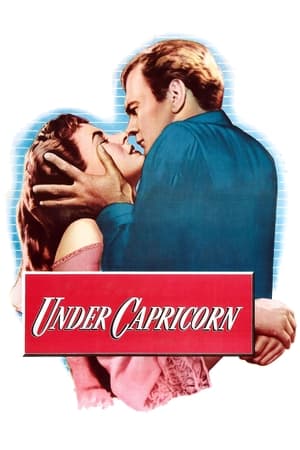
Under Capricorn(en)
1949-09-08
A British ex-convict in colonial Australia and his fragile wife, haunted by the past crime that binds them, struggle to rebuild their lives when a young newcomer stirs long-buried passions and secrets.
72%
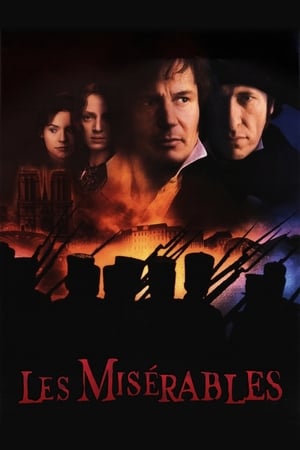
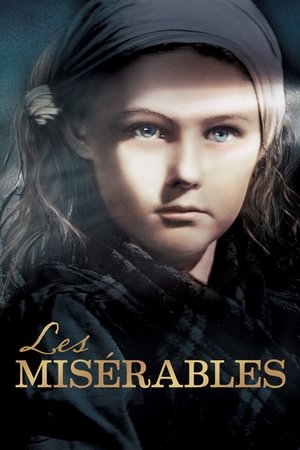
Les Misérables(en)
1998-05-01
In 19th century France, Jean Valjean, a man imprisoned for stealing bread, must flee a relentless policeman named Javert. The pursuit consumes both men's lives, and soon Valjean finds himself in the midst of the student revolutions in France.
65%
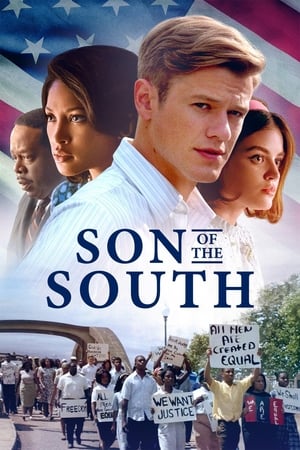
Son of the South(en)
2021-02-05
In civil rights era Montgomery, Alabama, Klansman's grandson Bob Zellner must choose which side of history to be on during the Movement. Defying his family and white Southern norms, he fought against social injustice, repression and violence to change the world around him
71%
Les Misérables(en)
1935-04-20
In 19th century France, Jean Valjean, a man imprisoned for stealing bread, must flee a relentless policeman named Javert. The pursuit consumes both men's lives, and soon Valjean finds himself in the midst of the student revolutions in France.
65%
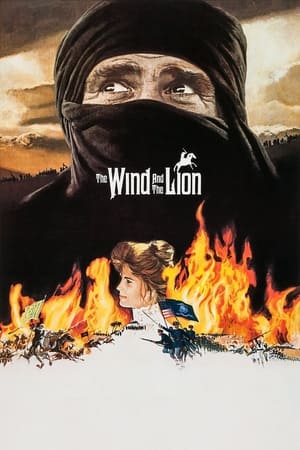
The Wind and the Lion(en)
1975-05-22
At the beginning of the 20th century an American woman is abducted in Morocco by Berbers, and the attempts to free her range from diplomatic pressure to military intervention.
67%
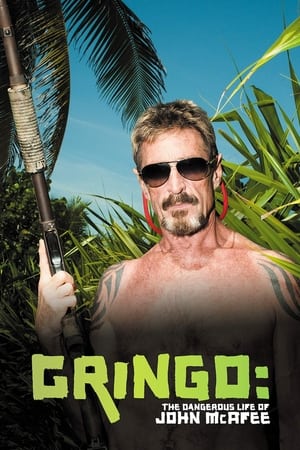
Gringo: The Dangerous Life of John McAfee(en)
2016-09-24
The strange story of John McAfee, who went from millionaire software mogul to yogi, Kurtz-like jungle recluse to potential murderer, and most recently a prospective presidential candidate for the American Libertarian Party.
80%
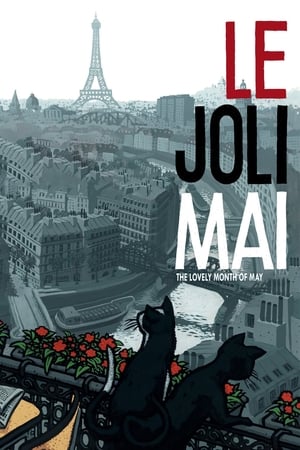
The Lovely Month of May(fr)
1963-05-03
Candid interviews of ordinary people on the meaning of happiness, an often amorphous and inarticulable notion that evokes more basic and fundamentally egalitarian ideals of self-betterment, prosperity, tolerance, economic opportunity, and freedom.
69%
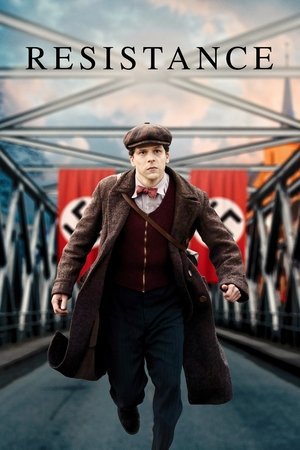
Resistance(en)
2020-03-27
The story of mime Marcel Marceau as he works with a group of Jewish boy scouts and the French Resistance to save the lives of ten thousand orphans during World War II.
Similar Movies
60%
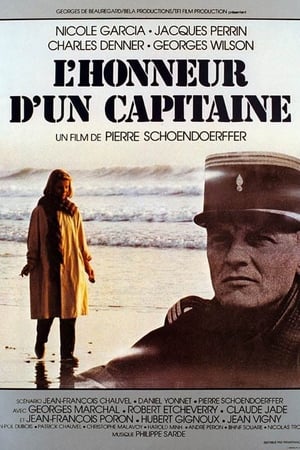
A Captain's Honor(fr)
1982-12-29
During a televised debate on the Algerian war in the early 1980s, Professor Paulet denounced the methods of Captain Caron, killed in action in 1957. The widow of the captain, Patricia, decided to file a defamation suit.

65%
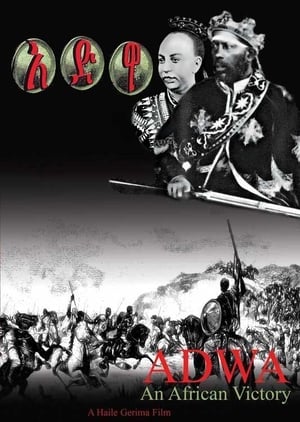
If Only I Were That Warrior(it)
2015-11-28
If Only I Were That Warrior is a feature documentary film focusing on the Italian occupation of Ethiopia in 1935. Following the recent construction of a monument dedicated to Fascist general Rodolfo Graziani, the film addresses the unpunished war crimes he and others committed in the name of Mussolini’s imperial ambitions. The stories of three characters, filmed in present day Ethiopia, Italy and the United States, take the audience on a journey through the living memories and the tangible remains of the Italian occupation of Ethiopia — a journey that crosses generations and continents to today, where this often overlooked legacy still ties the fates of two nations and their people.
60%
Many Beautiful Things(en)
2015-10-17
In an age when women were incapable of joining the artistic dialogue, Lilias Trotter managed to win the favour of celebrated critics.
100%
Frantz Fanon: His Life, His Struggle, His Work(fr)
2001-11-30
It is the evocation of a life as brief as it is dense. An encounter with a dazzling thought, that of Frantz Fanon, a psychiatrist of West Indian origin, who will reflect on the alienation of black people. It is the evocation of a man of reflection who refuses to close his eyes, of the man of action who devoted himself body and soul to the liberation struggle of the Algerian people and who will become, through his political commitment, his fight, and his writings, one of the figures of the anti-colonialist struggle. Before being killed at the age of 36 by leukemia, on December 6, 1961. His body was buried by Chadli Bendjedid, who later became Algerian president, in Algeria, at the Chouhadas cemetery (cemetery of war martyrs ). With him, three of his works are buried: “Black Skin, White Masks”, “L’An V De La Révolution Algérien” and “The Wretched of the Earth”.
0%
The Mountain(zh)
2015-10-03
For hundreds of years, Taiwan has been under different colonial rules. From the Dutch, the Spanish, the Japanese, and nowadays Republic of China, each regime left their footprints on this island. Only the indigenous people of this island experienced of the process. They were given different names during different periods of colonisation and their cultures have been changed. Through the life of a Truku elder, we see the history of aboriginal recertification movement.
68%
Sociology Is a Martial Art(fr)
2001-05-02
"I often say sociology is a martial art, a means of self-defence. Basically, you use it to defend yourself, without having the right to use it for unfair attacks." (Pierre Bourdieu) The world has witnesses who speak out loud what others keep to themselves. They are neither gurus, nor masters, but those who consider that the city and the world can be thought out. The sociologist, Pierre Bourdieu is one such witness." Over a three- year period, Pierre Carles' camera followed him through different situations: a short conversation with Günter Grass, a lively conference with the inhabitants of a working-class suburb, his relations with his students and colleagues and his plea that sociology be part of the life of the city. His thinking has a sort of familiarity, which means it is always within our reach. It is the thinking of a French intellectual who has chosen to think his times.
70%
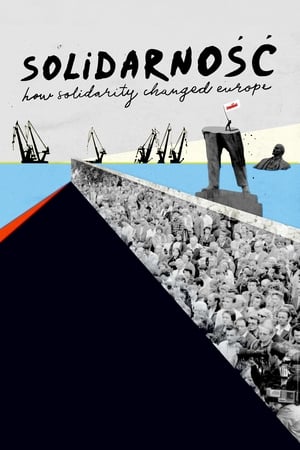
Solidarność: How Solidarity Changed Europe(de)
2019-10-01
Gdańsk, Poland, September 1980. Lech Wałęsa and other Lenin shipyard workers found Solidarność (Solidarity), the first independent trade union behind the Iron Curtain. The long and hard battle to bring down communist dictatorship has begun.
67%
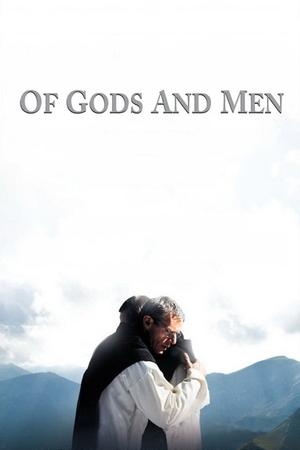
Of Gods and Men(fr)
2010-09-08
A group of Trappist monks reside in the monastery of Tibhirine in Algeria, where they live in harmony with the largely muslim population. When a bloody conflict between Algeria's army and Muslim Jihadi insurgents disrupts the peace, they are forced to consider fleeing the monastery and deserting the villagers they have ministered to. In the face of deadly violence the monks wrestle with their faith and their convictions, eventually deciding to stay and help their neighbours keep the army and the insurgents at bay.
100%
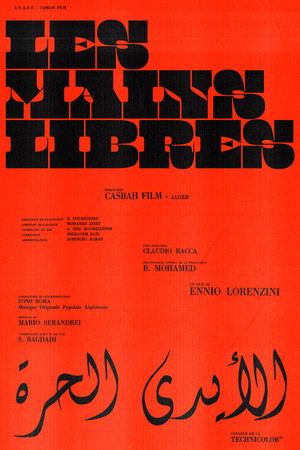
Les Mains Libres(fr)
1965-08-14
In 1964, Algeria, just two years after the end of the war of independence, found itself catapulted into new contradictions, a still rural territory which responded to the modernity brought by the revolution. Filmed during the winter of 1964-1965 by the young director Ennio Lorenzini, it is the first international Algerian production which paints a rare portrait in color of a multifaceted nation, far from the simplistic vision created by the press and the French army. Produced by Casbah Film, Les Mains Libres (initially titled Tronc De Figuier) bears witness to the stigmata of colonization and the future of free Algeria throughout the Algerian territory and reveals the richness of its landscapes and the diversity of its traditions . The documentary, using the aesthetics of militant cinema of the time, is made up of four scenes: Sea and Desert, The Struggle, The Earth, Freedom.
0%
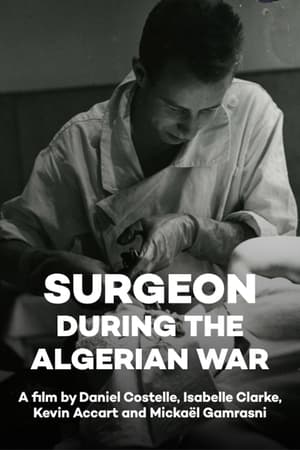
Surgeon during the Algerian War(fr)
2012-01-09
Has everything really been said about the Algerian war? Although the archives are opening up, almost fifty years after the signing of the Evian Agreements (March 18, 1962), direct witnesses are beginning to disappear. They are, however, unique bearers of history, often the only ones able to illustrate the harsh reality of a long-hidden period. Gérard Zwang, surgeon of the contingent between May 1956 and June 1958, is one of these essential witnesses who help us discover an original history of the Algerian War. During his service, in charge of treating the most atrocious wounds of his fellow soldiers, he sees the war from the side of its victims. He did not fight with a machine pistol in his hand, but behind the closed doors of an operating room where life gives way to death in a matter of seconds.
100%
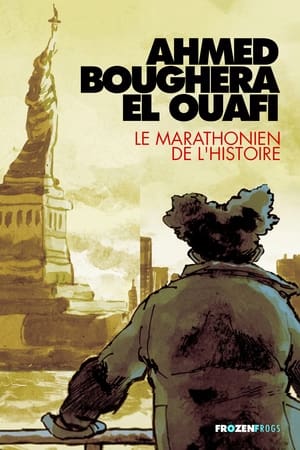
El Ouafi Boughera, The marathon runner of history(cn)
2018-11-11
On August 5, 1928, after 2 hours and 32 minutes of racing, the 71st rooster wearing the bib entered the Olympic stadium in Amsterdam. Ahmed El Ouafi Bouguéra wins the gold medal and becomes the first Olympic champion from the African continent. He achieved his feat under the tricolor flag. The start of his real marathon is underway. The history of sport extends to the history of Algeria and France. This documentary retraces the different stages of the life of this great champion, not only the history of sport but also the great story. Archival photographs and interviews mingle with the painted paintings. The series thus once again gives voice to this forgotten hero, one of the great heroes of immigration who defended France for more than a century.
66%
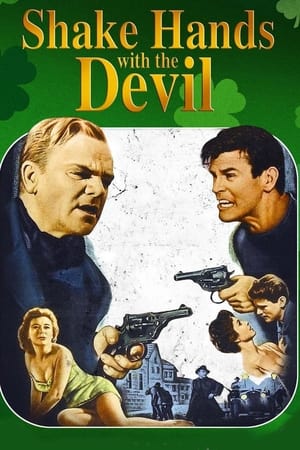
Shake Hands with the Devil(en)
1959-06-24
In 1921 Dublin, the IRA battles the "Black & Tans," special British forces given to harsh measures. Irish-American medical student Kerry O'Shea hopes to stay aloof, but saving a wounded friend gets him outlawed, and inexorably drawn into the rebel organization by his former professor Sean Lenihan, who has "shaken hands with the devil" and begun to think of fighting as an end in itself. Complications arise when Kerry falls for a beautiful English hostage, and the British offer a peace treaty that is not enough to satisfy Lenihan.
54%
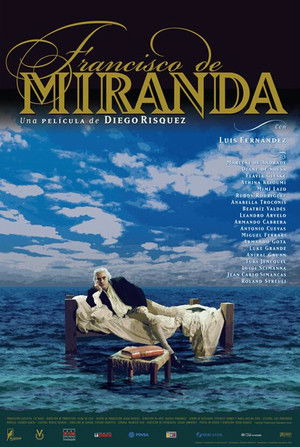
Francisco de Miranda(es)
2006-08-18
In 1750, in the glare of the Caribbean, the man who created history known as the forerunner of independence in Venezuela. His name is Francisco de Miranda and, to be exact, is the largest globetrotter who has known the Americas, Miranda has a reputation as an inveterate wanderer, an eternal conspirator, a turncoat, a conqueror of nobles and courtiers, a lover of asylums, libraries, prisons and brothels, has written 63 volumes of his autobiography, a friend of princes, military and world-renowned artists, collector of women and unthinkable dreams, restless fugitive, owner of ten different names, and presented by the British press the moment as the future liberator of Spanish America.
61%
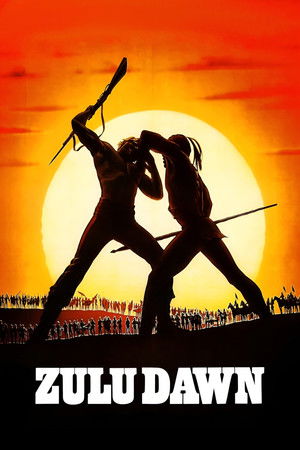
Zulu Dawn(en)
1979-05-14
In 1879, the British suffer a great loss at the Battle of Isandlwana due to incompetent leadership.
62%
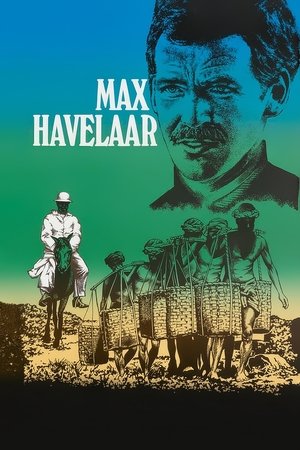
Max Havelaar: or, The Coffee Auctions of the Dutch Trading Company(nl)
1976-09-09
An idealistic Dutch colonial officer posted to Indonesia in the 19th century is cohvinced that he can make the kinds of changes that will actually help the local people he is in charge of, but circumstances soon make him realize just how out of touch he really is, and it doesn't take long for things to go from bad to worse.
100%
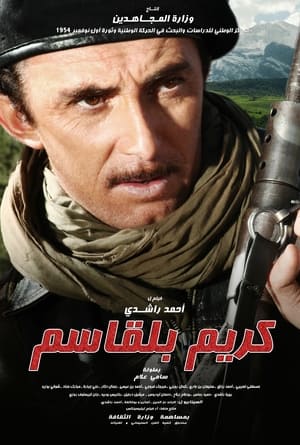
Krim Belkacem(ar)
2014-11-01
This film retraces the combat journey of Krim Belkacem, one of the leading figures of the Algerian War. When he left the Dellys barracks in October 1945, the day after the Second World War, Krim Belkacem was 23 years old. He is a man revolted by the May massacres in Sétif, Guelma, Kherrata and several other localities in the ravaged country. But it is also and above all a young Algerian who questions the future of Algeria. On March 21, 1947, Krim at the age of 25, he dug up his "Sten" submachine gun, he took action against the boss of his douar who was none other than his cousin. He goes into hiding with six companions. He meshes this entire part of Algeria with a dense and dense network with the sole objective of taking action which will lead to the outbreak of the armed struggle on November 1, 1954.
73%
Lion of the Desert(en)
1981-04-17
Resistance leader Omar Mukhtar opposes Italian colonization before World War II. The brutal guerrilla war against Italian General Rodolfo Graziani and the Fascist forces of Benito Mussolini highlights the struggle for Libyan independence and the harsh tactics utilised by the colonisers.

65%
Fanon(fr)
2025-04-02
Frantz Fanon, a French psychiatrist from Martinique, has just been appointed head of department at the psychiatric hospital in Blida, Algeria. His methods contrast with those of the other doctors in a context of colonization. A biopic in the heart of the Algerian war where a fight is waged in the name of Humanity.