Loading Page
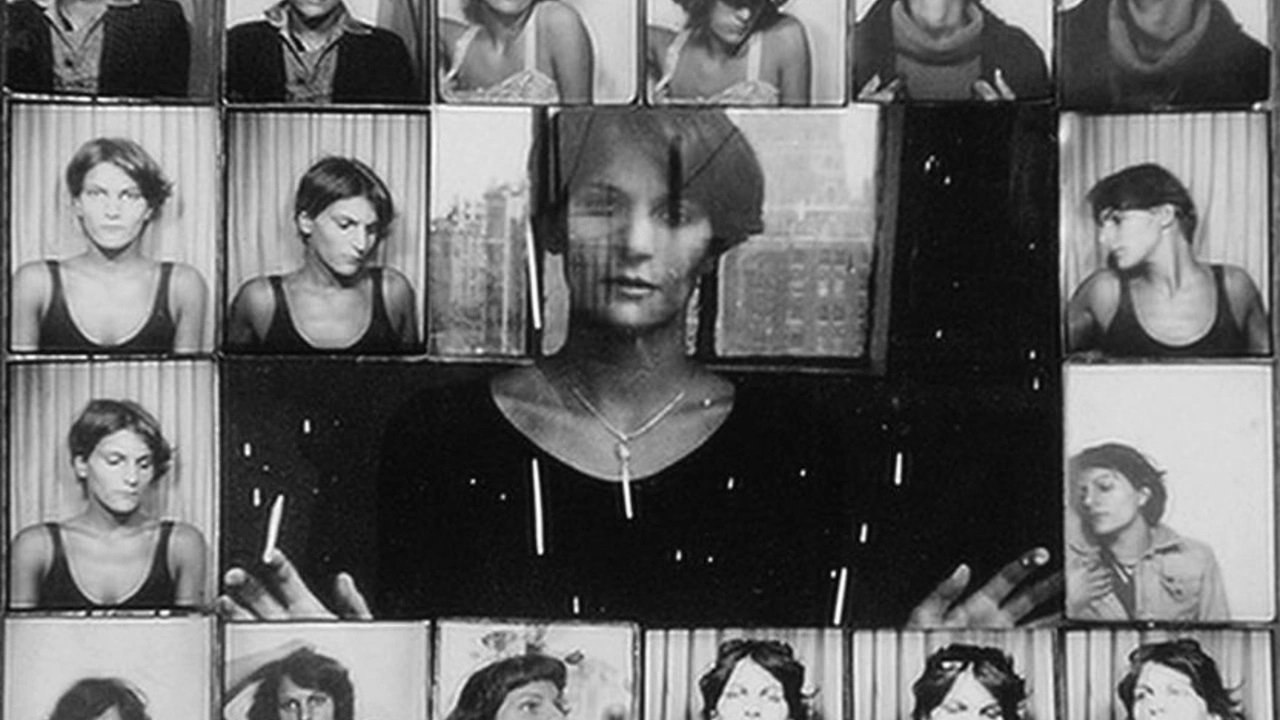
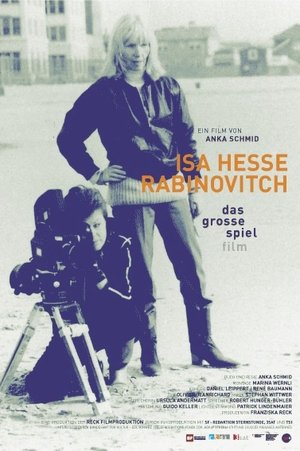
Isa Hesse-Rabinovitch - Das grosse Spiel Film
Loading Trailer Videos...
HomePage
Overview
A true pioneer of Swiss cinema, Isa Hesse-Rabinovitch (1917-2003) followed an unusual path throughout her life. The daughter of Judeo-Russian immigrants, she grew up in Zurich. She married a son of Hermann Hesse, with whom she had three children. Influenced by the artistic work of her parents, she worked as an illustrator, then as a reporter and photographer, always mindful of her independence. At the age of fifty, she began making films. Her first experimental shorts immediately earned her invitations to various film festivals and a resounding response abroad.
Release Date
2009-01-19
Average
0
Rating:
0.0 startsTagline
Genres
Languages:
DeutschKeywords
Similar Movies
66%
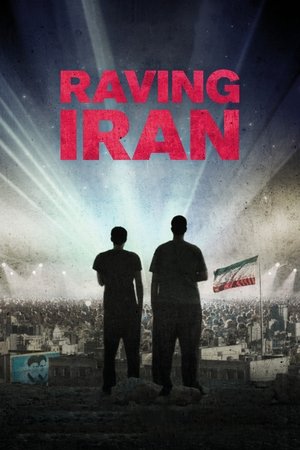
Raving Iran(fa)
2016-08-07
Anoosh and Arash are at the center of Tehran’s underground techno scene. Tired of hiding from the police and their stagnating career, they organize one last manic techno rave under dangerous circumstances in the desert. Back in Tehran they try their luck selling their illegally printed music album without permission. When Anoosh is arrested, there seems to be no hope left. But then they receive a phone call from the biggest techno festival in the world. Once landed in Switzerland, the haze of the instant euphoria evaporates quickly when the seriousness of the situation starts to dawn on them.
0%
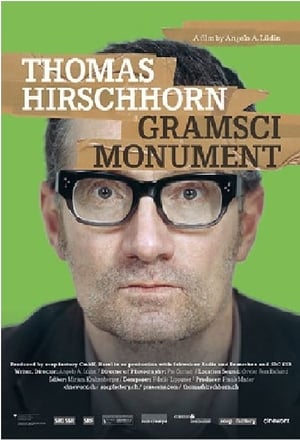
Thomas Hirschhorn – Gramsci Monument(en)
2015-01-29
Thomas Hirschhorn, one of the few Swiss artists of world renown, often touches on social wounds with his provocative works. In 2013, Hirschhorn built a monument for Italian philosopher and communist Antonio Gramsci in a public housing project in the Bronx. The contentious artist collaborated with neighborhood residents whose everyday life is impacted by poverty, unemployment and crime. Conflicts and misunderstandings are bound to arise as Hirschhorn’s absolute devotion to art is confronted with the resident’s lack of prospects and fatalistic outlooks. The «Gramsci Monument» becomes a summer-long experiment where diverse worlds collide: blacks and whites, the art elite and street kids, party people and poets, politicians and philosophers. A nuanced film about art, politics and passion.
0%
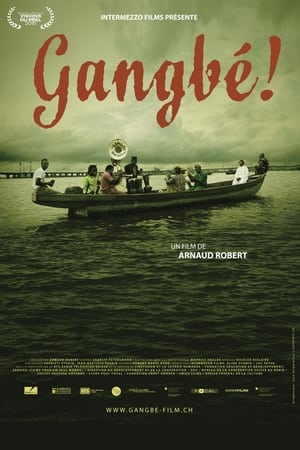
Gangbé!(fr)
2015-04-01
The Gangbé Brass Band, a musical group from Benin, sets out to conquer Lagos, capital of Nigeria.
0%
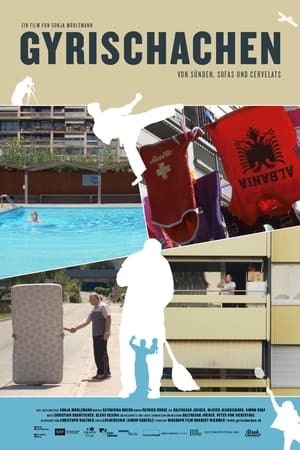
Gyrischachen - von Sünden, Sofas und Cervelats(en)
2016-05-05
A high-rise apartment built in the 1960s provides housing for 2500 people from 42 nations. Separated from the city by a river and bounded by towering sandstone cliffs, everyone attempts to live and survive in their own way. Foreigners who have a go at being Swiss, and Swiss who observe with scepticism. They meet in the corner shop run by an Iraqi living in exile, send their kids to a children’s club managed by a missionary, and old drinking mates meet regularly over a beer in the neighbourhood’s only bar. Despite all the differences, they are rather proud of the fact that they come from here.
58%
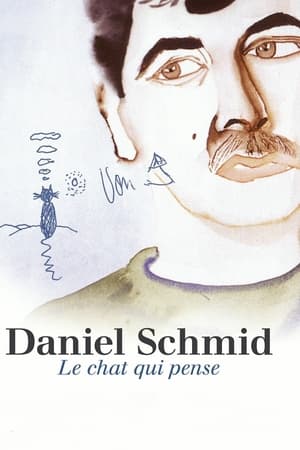
Daniel Schmid: Le Chat Qui Pense(de)
2010-09-02
When director Daniel Schmid grew up, his parents ran a hotel in the Alps, and this singular setting was to influence his film. Rather by coincidence, he came to Berlin in the early 1960s and became part of the new German wave. Schmid worked with, among others, Wenders and Fassbinder, for example, as an actor in Wender’s The American Friend. He met Ingrid Caven, who was to play a diva in several of his films. This is a documentation of a part of modern European film history and a good analysis of artistry and how it corresponds to the individual behind the camera. A wealth of archival footage brings us close to many directors and actors in Schmid’s circle. If you’ve never seen a Daniel Schmid film, you are sure to want to after watching this portrait of his life.
0%
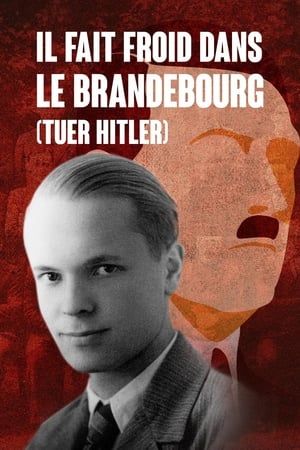
Kill Hitler(de)
1981-04-09
This 140-minute documentary takes a close look at the story and historical context of a young Swiss man who was beheaded during WW II for supposedly wanting to kill Hitler. The man's family cannot help clarify the issue since they say he had been pro-Nazi earlier. Other injustices or puzzling omissions come to the fore, such as a German who was against Hitler, survived torture by the SS, and then was not given any state aid when peace was restored. Another sequence shows an extensive U.S. archive of materials that identifies many Nazis and their activities -- but is not available to anyone trying to track down former war criminals. Like other films of this type, the documentary helps to fill in facts about WW II that are little-known, or slow in coming out.
65%
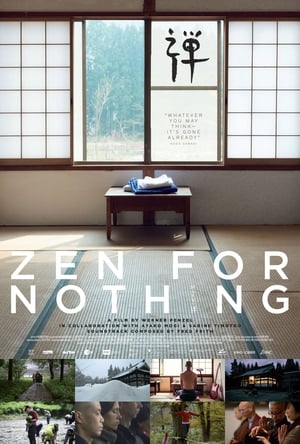
Zen for Nothing(de)
2016-06-02
Hidden in the wooded mountains on the west coast of Japan lies the small Zen monastery Antaiji. A young woman sets off to immerse herself through autumn, winter and spring in the adventures of monastic life. The young woman is Sabine Timoteo from Switzerland. The abbot of the monastery is Muho Noelke, born in Berlin. An interplay between the philosophy of the Japanese Zen master Kodo Sawaki and the surprises brought forth by everyday life.
0%
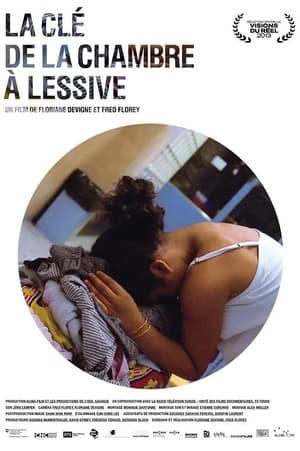
The Laundry Room(fr)
2013-04-24
The key to the communal laundry room in the block of flats on the Rue de Genève 85 in Lausanne serves a much greater function than merely unlocking the door. This encounter between a symbol of typical Swiss mentality with a penchant for order and the tenants who have been housed here by the city’s social services department is not something to be taken for granted. Although the laundry room is normally located in the cellar, the tenants in this building share a tiny laundry room off the entrance hall because the cellar is reserved for prostitution. To maintain order and cleanliness, the landlord hires Claudina, a new “laundry woman”.
72%
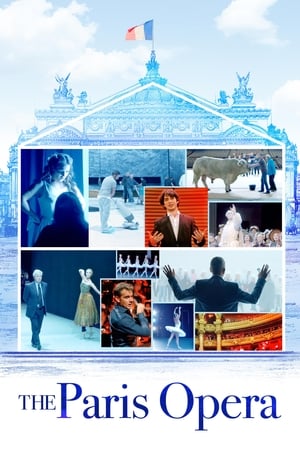
The Paris Opera(fr)
2017-04-05
A behind-the-scenes look at the of how the Paris Opera is run under the direction of Stephane Lissner.
0%
Meerdolen(de)
2006-05-01
0%
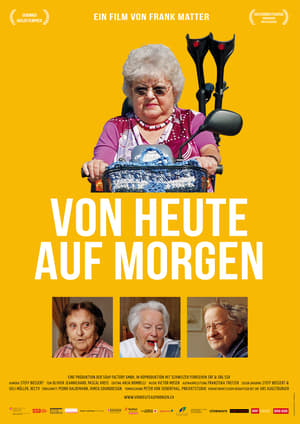
Von heute auf morgen(de)
2013-01-25
'From One Day To The Next' follows four elderly people through their everyday lives, observing how they cope with a gradual loss of autonomy.
80%
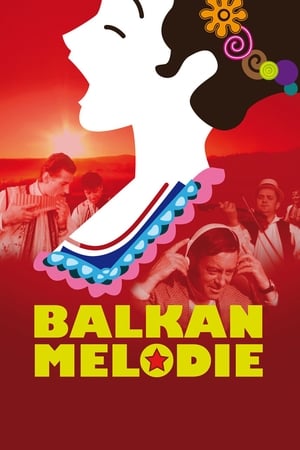
Balkan Melody(de)
2012-08-03
What Swiss director Stefan Schweitert did for accordion music and for yodeling (Accordion Tribe, Cinequest, 2005; Echoes of Home, Cinequest 2008) he now does for traditional Balkan music. This wonderful film is also a love story – and a door into a world of musical wonders.
0%
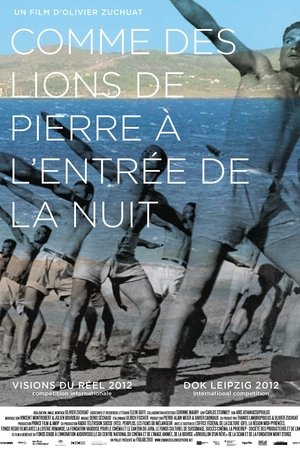
Like Stone Lions in the Gateway into Night(fr)
2012-04-20
Between 1947 and 1951, more than 80 000 Greek men, women and children were deported to the isle of Makronissos (Greece) in reeducation camps created to ‘fight the spread of Communism’. Among those exiles were a number of writers and poets, including Yannis Ritsos and Tassos Livaditis. Despite the deprivation and torture, they managed to write poems which describe the struggle for survival in this world of internment. These texts, some of them buried in the camps, were later found. «Like Lions of stone at the gateway of night» blends these poetic writings with the reeducation propaganda speeches constantly piped through the camps’ loudspeakers. Long tracking shots take us on a trance-like journey through the camp ruins, interrupted along the way by segments from photographic archives. A cinematic essay, which revives the memory of forgotten ruins and a battle lost.

0%
Soeurs(fr)
2010-01-21

72%
Tosca's Kiss(it)
1984-08-12
Memoirs of the Italian Opera by the singers and musicians of the Casa Verdi, Milan, the world’s first nursing home for retired opera singers, founded by composer Giuseppe Verdi in 1896. This documentary, which has achieved cult-like status among opera and music lovers, features former singers who reminisce about their careers and their past operatic roles.

0%
Ya Sharr Mout(ar)
2009-01-19
The film tells the adventurous story of an Arab-Swiss music project, of the search for nuances in times of the clash of cultures between the orient and the occident that is cited from all sides.
0%
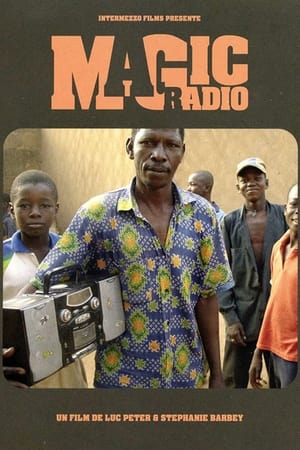
Magic Radio(fr)
2007-04-20
Radios echo across Niger, connecting lives through news, music, and debate. This gripping doc explores how this everyday device becomes a lifeline in a changing nation.
0%
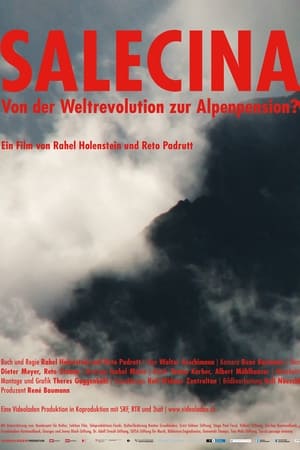
Salecina(it)
2011-01-21
The Salecine meeting place, founded near Maloja in 1971 by Zurich communist bookseller Theo Pinkus, quickly became a socio-cultural and political Mecca for the left-wing intelligentsia. The film provides an overview of the chronicle of this Alpine melting pot of ideas, and also shows the changes in the zeitgeist since 1968. It is also a gentle, sentimental (sometimes self-ironic) tribute to the men and women of three generations of Salecina, who, at 1800 above sea level, are creating utopias for a fairer world.
0%
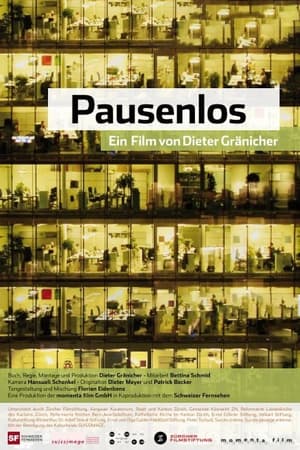
Pausenlos(de)
2009-01-19
The film portrays people with different time consciousness. A computer scientist works non-stop. Only when she gets home can she relax. A young employee suffers from sleep disorders and stress at work, and sinks into a state of decompensation. Ski trainer Didier Plaschy looks at the effects of slowing down and speeding up. Time historian Karlheinz Geissler takes a piquantly humorous look at our fast-paced society.