Loading Page
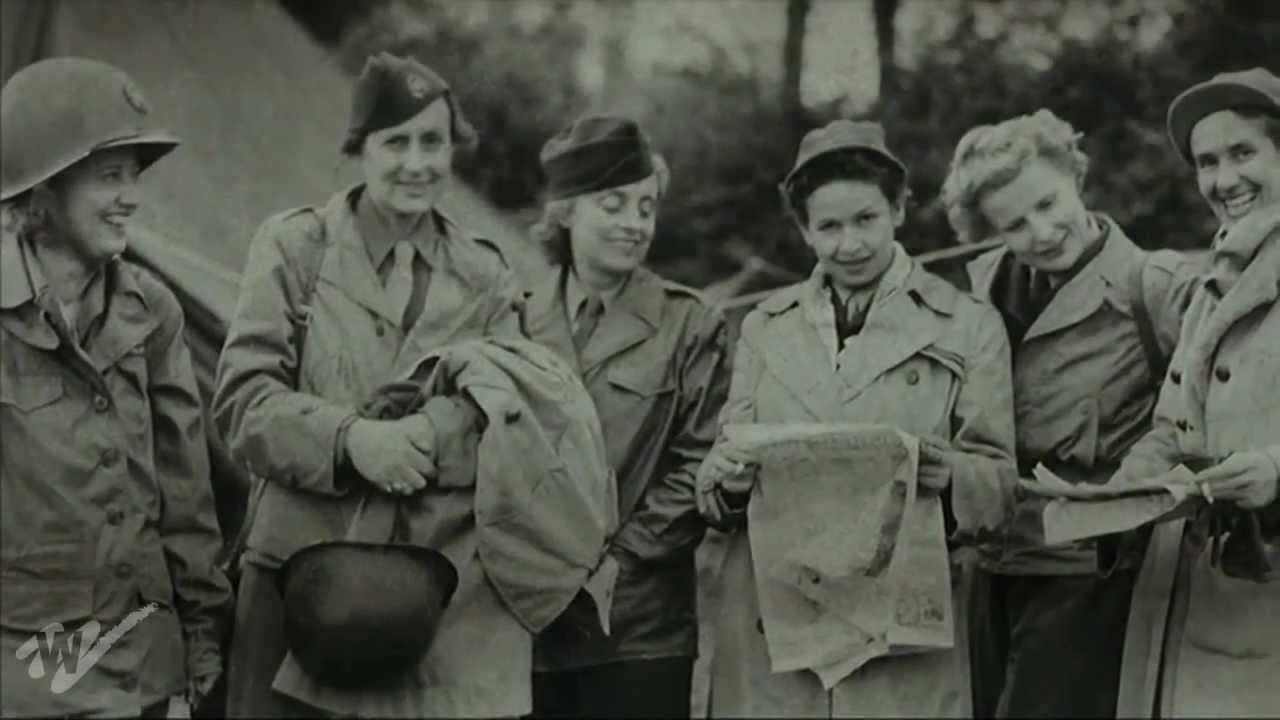
No Job For a Woman
Top 4 Billed Cast

Kathleen McNenny
Ruth Cowan

Elyse Mirto
Martha Gellhorn

Julianna Margulies
Self - Narrator
Loading Trailer Videos...
Loading Photos
Photo Type :Total items
Similar Movies
73%
German Concentration Camps Factual Survey(en)
2017-01-06
On the 29th September 1945, the incomplete rough cut of a brilliant documentary about concentration camps was viewed at the MOI in London. For five months, Sidney Bernstein had led a small team – which included Stewart McAllister, Richard Crossman and Alfred Hitchcock – to complete the film from hours of shocking footage. Unfortunately, this ambitious Allied project to create a feature-length visual report that would damn the Nazi regime and shame the German people into acceptance of Allied occupation had missed its moment. Even in its incomplete form (available since 1984) the film was immensely powerful, generating an awed hush among audiences. But now, complete to six reels, this faithfully restored and definitive version produced by IWM, is being compared with Alain Resnais’ Night and Fog (1955).
68%
It's Hard Being Loved by Jerks(fr)
2008-09-17
The murder of Dutch filmmaker Theo van Gogh by an Islamic extremist in 2004, followed by the publishing of twelve satirical cartoons depicting the prophet Mohammed that was commissioned for the Danish newspaper Jyllands-Posten, provides the incendiary framework for Daniel Leconte's provocative documentary, It's Hard Being Loved by Jerks.
0%
Jean Moulin, un homme de liberté(fr)
1983-12-13
This exceptional documentary gives a voice to those who knew Jean Moulin, his friends and comrades-in-arms and fellow resistance fighters. The valuable testimonies of Lucie and Raymond Aubrac, Claude Bourdet, Jean-Pierre Lévy, and Daniel Cordier, among others, bring to life this young prefect steeped in republican values, recounting his difficult but decisive task of unifying the resistance movements, his actions and role within Free France, until his arrest on June 21, 1943.

70%
Hitler's Evil Science(fr)
2019-05-25
In 1935, German scientists dug for bones; in 1943, they murdered to get them. How the German scientific community supported Nazism, distorted history to legitimize a hideous system and was an accomplice to its unspeakable crimes. The story of the Ahnenerbe, a sinister organization created to rewrite the obscure origins of a nation.
59%
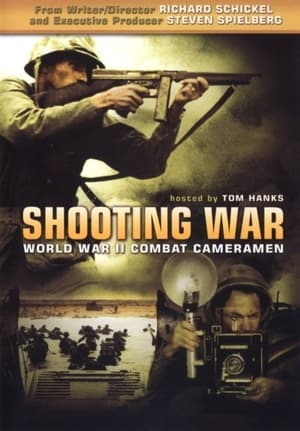
Shooting War(en)
2000-12-07
A remarkable film that takes a special look at the first war to be truly reported and recorded by one of the more unsung heroes of World War II: the combat photographer. Through the unflinching eye of their camera's lenses, these courageous soldiers continually risked their lives in their brave attempts to capture history.
70%
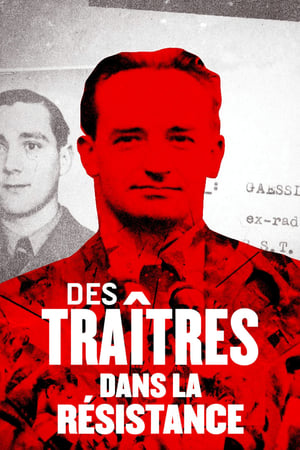
Des traîtres dans la Résistance(fr)
2021-11-18
In May 1943, Ernst Kaltenbrunner, the new head of the Reich Central Security Office, gave Hitler a report describing in detail the organization of the French Resistance. Indeed, during the Second World War, most of the Resistance networks had been infiltrated by traitors, the "V Man" (trusted men) in the service of the occupier. The Germans had established treason as a system and recruiting Frenchmen ready to inform on them was one of their priorities. It was these Frenchmen, whose number is estimated at between 20,000 and 30,000, who dealt terrible blows to the Resistance.

0%
The American St. Nick(en)
2015-11-10
On Dec. 5, 1944, American soldiers, led by Harry Stuts, put their guns down for one day and organized a party celebrating the town's centuries-old Saint Nick tradition. Soldiers made hot chocolate from their D-rations, company cooks made donuts and cookies for the children, and 22-year-old corporal Richard Brookins from Rochester, NY played the role of Saint Nick. An emotional and heartfelt story, THE AMERICAN SAINT NICK illustrates how American soldiers and residents of the hamlet were able to bond over a moment in time, creating a tradition that continues to this day.

100%
Boy Soldiers: The Secret War In Okinawa(ja)
2018-07-21
The greatest taboo of the Battle of Okinawa were Guerrilla units composed of boy soldiers. Until now, not even the Japanese people knew the full scope of these secret troops, and survivors have been afraid to share their tragic details. Okinawa became the bulwark to protect the Japanese mainland toward the end of World War II. After the Americans landed, a violent battle ensued resulting in the loss of over 200,000 lives – many of them civilian. This documentary uncovers Japan’s deepest secrets concerning the Battle of Okinawa, and also sounds alarms about modern Japan’s recent steps toward remilitarization.

0%
White Elephant in the River(ko)
2025-08-06
"Was it the President who ordered the rivers to be six meters deep?" In 2008, under President Lee Myung-bak's administration, South Korea's Four Major Rivers Restoration Project turned the country's beautiful rivers into scenes of devastation. What were once pristine first-grade waters became lifeless rivers, choked with toxic green algae emitting foul odors. Crops irrigated with this contaminated water are now served on the table of Korean people. The government disguised a grand canal project as river restoration, and the media turned a blind eye — together enabling one of the greatest environmental destructions in Korean history. The consequences of this deception will be borne by future generations. To ensure that future generations can once again run freely along the rivers, we must act—now. We must make Korea's rivers flow again.
65%
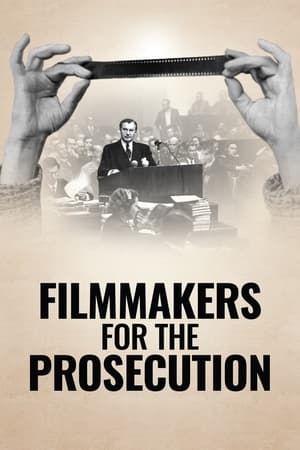
Filmmakers for the Prosecution(fr)
2023-01-27
In 1945, two young American soldiers, brothers Budd and Stuart Schulberg, are commissioned to collect filmed and recorded evidence of the horrors committed by the infamous Third Reich in order to prove Nazi war crimes during the Nuremberg trials (1945-46). The story of the making of Nuremberg: Its Lesson for Today, a paramount historic documentary, released in 1948.
100%
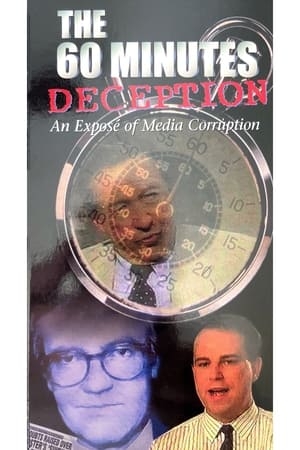
The 60 Minutes Deception(en)
1997-06-20
Should we believe everything we hear on the news? Can we trust the national media? Are we being fed the truth or an agenda? The 60 Minutes Deception takes you behind the scenes of one of America's most popular and longest running news magazine shows and reveals a shocking web of deceit! In The 60 Minutes Deception you will witness firsthand: How a dedicated and courageous journalist was viciously smeared by "60 Minutes" at the request of the White House. How Mike Wallace, the host of "60 Minutes," deliberately omitted crucial evidence and distorted interview responses through manipulative editing. Why the major news media refuses to report the truth about certain political scandals and the abuse of power. The 60 Minutes Deception is one of the most important and damaging expos�s ever produces, clearly showing the dishonest tactics used by the mainstream press in providing misinformation to the American people. Must viewing for all concerned Americans!
0%
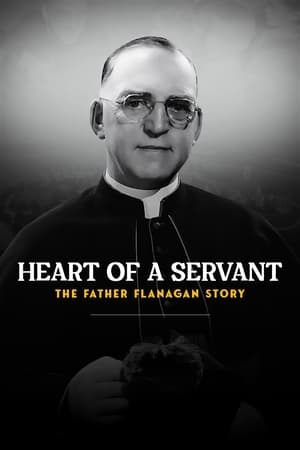
Heart of a Servant: The Father Flanagan Story(en)
2024-10-08
Father Edward J. Flanagan is a familiar name to many Americans, often for the Oscar-winning 1938 film starring Spencer Tracy about Flanagan’s groundbreaking child welfare organization. But the story extends far beyond that, to a man whose name and legacy are still well-known as far as Germany and Japan. Flanagan gained influence and admiration over the course of his life from Presidents, CEOs, celebrities and more, but none mattered more to him than that of the children for whom he tirelessly worked. A sobering reminder of this was during WWII, as Flanagan saw droves of former Boys Town citizens go off to war. In fact, so many former Boys Town boys named Flanagan as their next of kin that the American War Dads Association named him as America’s No. 1 War Dad.
62%
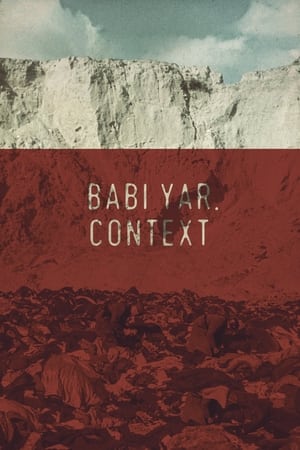
Babi Yar. Context(ru)
2021-11-04
Nazi troops massacre 30,000 Jews over a three-day period in September 1941. Babyn Yar ravine in Kyiv, Ukraine.
70%
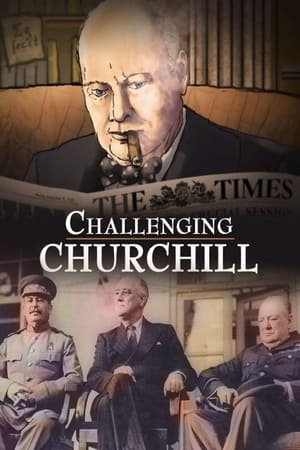
Challenging Churchill(de)
2012-07-03
Churchill, a name typically associated with braveness and altruism. Recently found evidence from Soviet and British sources however brings up questions about Churchill's doings in the conferences of Tehran, Yalta and Potsdam. Why did he agree to give Stalin large parts of Poland? The story of two world leaders in times of war - it is also the story of Poland.
70%
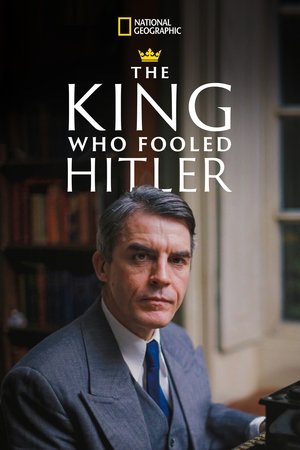
The King Who Fooled Hitler(en)
2019-05-05
In a tale of double agents and decoys, this documentary reveals, for the first time, the story of King George VI's elaborate ruse to divert German attention away from the Normandy landings in 1944.
Recommendations Movies
64%
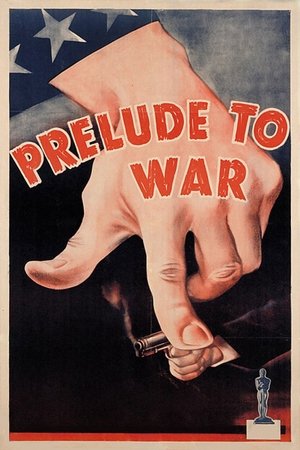
Why We Fight: Prelude to War(en)
1942-05-27
Prelude to War was the first film of Frank Capra's Why We Fight propaganda film series, commissioned by the Pentagon and George C. Marshall. It was made to convince American troops of the necessity of combating the Axis Powers during World War II. This film examines the differences between democratic and fascist states.
79%
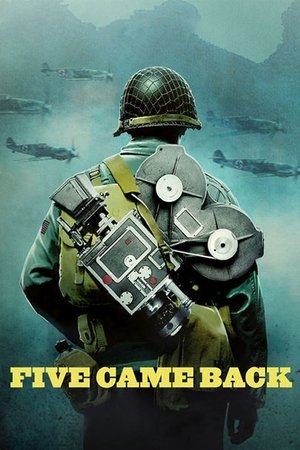
Five Came Back(en)
2017-03-31
The extraordinary story of how Hollywood changed World War II – and how World War II changed Hollywood, through the interwoven experiences of five legendary filmmakers who went to war to serve their country and bring the truth to the American people: John Ford, William Wyler, John Huston, Frank Capra, and George Stevens. Based on Mark Harris’ best-selling book, “Five Came Back: A Story of Hollywood and the Second World War.”

80%
My Mom Jayne(en)
2025-06-20
Through deeply personal interviews with her siblings and an examination of the photographs, letters, and belongings left behind, Mariska assembles a new portrait of her mother Jayne Mansfield, an extraordinary and complex woman.

75%
RBG(en)
2018-05-04
Justice Ruth Bader Ginsburg now 84, and still inspired by the lawyers who defended free speech during the Red Scare, Ginsburg refuses to relinquish her passionate duty, steadily fighting for equal rights for all citizens under the law. Through intimate interviews and unprecedented access to Ginsburg’s life outside the court, RBG tells the electric story of Ginsburg’s consuming love affairs with both the Constitution and her beloved husband Marty—and of a life’s work that led her to become an icon of justice in the highest court in the land.

67%
I Am Ali(en)
2014-10-10
Unprecedented access to Muhammad Ali's personal archive of "audio journals" as well as interviews and testimonials from his inner circle of family and friends are used to tell the legend's life story.

66%
Love, Marilyn(en)
2013-05-30
Using the book 'Fragments', which collects Marilyn Monroe's poems, notes and letters, and with participation from the Arthur Miller and Truman Capote estates who have contributed more material, each of the actresses will embody the legend at various stages in her life.

68%
The Matrix Recalibrated(en)
2004-04-06
The making of Matrix Revolutions, The (2003) is briefly touched on here in this documentary. Interviews with various cast and crew members inform us how they were affected by the deaths of Gloria Foster and Aaliyah, and also delve into the making of the visual effects that takes up a lot of screen time. Written by Rhyl Donnelly

61%
Naqoyqatsi(en)
2002-09-02
A visual montage portrait of our contemporary world dominated by globalized technology and violence.

68%
Nothing Like a Dame(en)
2018-05-02
BBC Arena's documentary on the Dames of British Theatre and film featuring Maggie Smith, Eileen Atkins, Judi Dench and Joan Plowright on screen together for the first time as they reminisce over a long summer weekend in a house Joan once shared with Sir Laurence Olivier.

65%
Heart of a Dog(en)
2015-10-21
Lyrical and powerfully personal essay film that reflects on the deaths of her husband Lou Reed, her mother, her beloved dog, and such diverse subjects as family memories, surveillance, and Buddhist teachings.
67%
Cameraperson(en)
2016-09-09
As a visually radical memoir, CAMERAPERSON draws on the remarkable footage that filmmaker Kirsten Johnson has shot and reframes it in ways that illuminate moments and situations that have personally affected her. What emerges is an elegant meditation on the relationship between truth and the camera frame, as Johnson transforms scenes that have been presented on Festival screens as one kind of truth into another kind of story—one about personal journey, craft, and direct human connection.

72%
To Be Takei(en)
2014-08-22
Over seven decades, actor and activist George Takei journeyed from a World War II internment camp to the helm of the Starship Enterprise, and then to the daily news feeds of five million Facebook fans. Join George and his husband, Brad, on a wacky and profound trek for life, liberty, and love.

69%
Necessary Evil: Super-Villains of DC Comics(en)
2013-10-23
A documentary detailing the epic Rogues' Gallery of DC Comics from The Joker and Lex Luthor, Sinestro, Darkseid and more, this documentary will explore the Super Villains of DC Comics.

69%
Harry Dean Stanton: Partly Fiction(en)
2013-09-11
An impressionistic portrait of the iconic actor Harry Dean Stanton comprised of intimate moments, film clips from some of his 250 films and his renditions of American folk songs.
62%
Loose Change 9/11: An American Coup(en)
2009-09-22
With the departure of the Bush Administration and the arrival of an “era of transparency,” opportunities are arising for the disclosure of new information that may shed more light on the events that took place before and after 9/11/2001. Loaded with powerful, new footage and in-depth interviews this documentary presents a wide array of evidence both known and unknown…until now.
66%
The Memphis Belle(en)
1944-04-13
This WW2 documentary centers on the crew of the American B-17 Flying Fortress Memphis Belle as it prepares to execute a strategic bombing raid on Nazi submarine pens in Wilhelmshaven, Germany.
72%
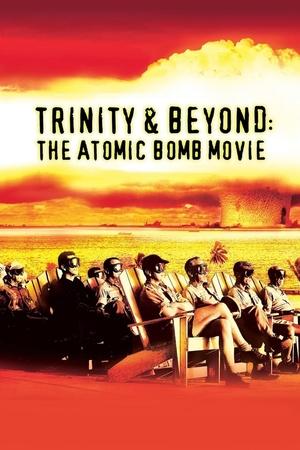
Trinity and Beyond: The Atomic Bomb Movie(en)
1995-09-29
"Trinity and Beyond" is an unsettling yet visually fascinating documentary presenting the history of nuclear weapons development and testing between 1945-1963. Narrated by William Shatner and featuring an original score performed by the Moscow Symphony Orchestra, this award-winning documentary reveals previously unreleased and classified government footage from several countries.
74%
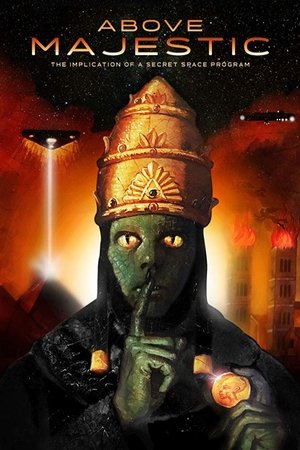
Above Majestic(en)
2018-10-30
A look at the origins, history and conspiracies behind the "Majestic 12", a clandestine group of military and corporate figureheads charged with reverse-engineering extraterrestrial technology.

69%
Wormwood(en)
2017-10-22
In this genre-bending tale, Errol Morris explores the mysterious death of a U.S. scientist entangled in a secret Cold War program known as MK-Ultra.