Loading Page
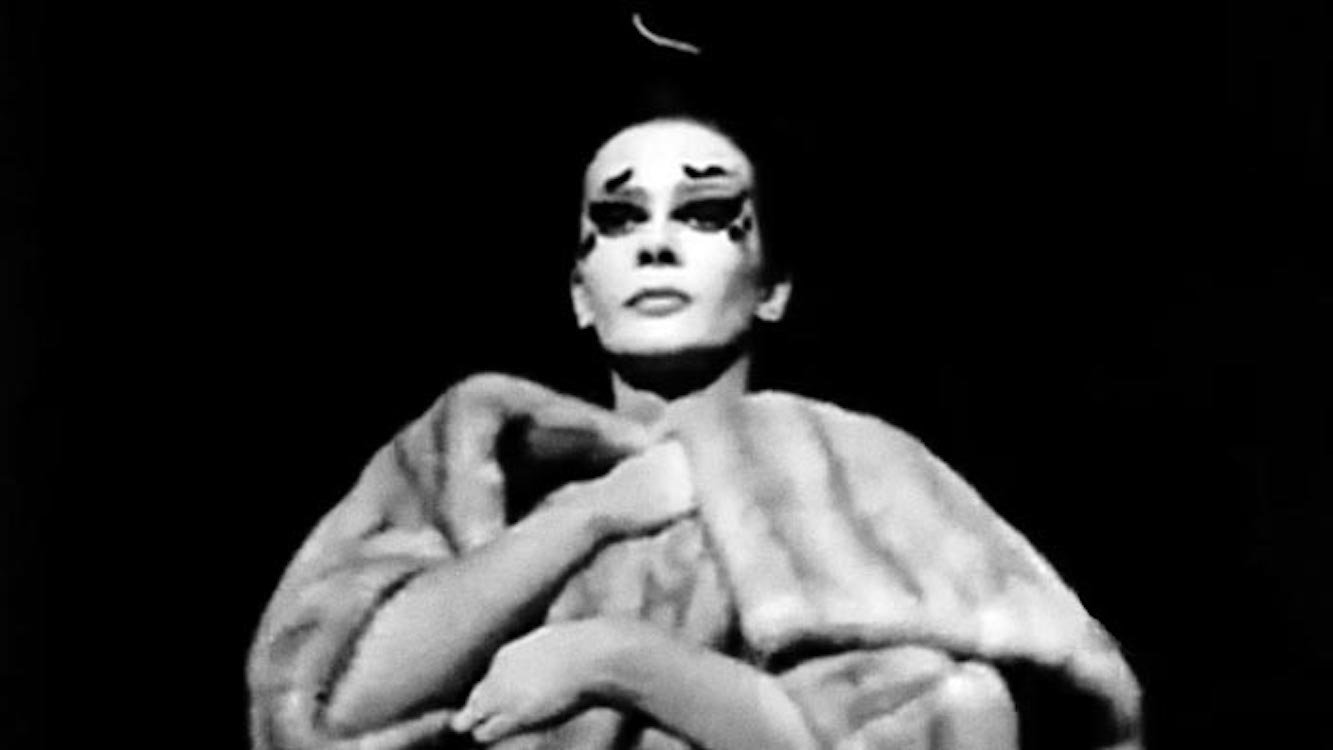
21-87
Top 1 Billed Cast
Roman Kroitor
(Archive audio)
Loading Trailer Videos...
All 1 videos

21-87 (Arthur Lipsett, 1964) - Featurette
Similar Movies
60%
King of the Jews(en)
2000-03-14
King of the Jews is a film about anti-Semitism and transcendence. Utilizing Hollywood movies, 1950's educational films, personal home movies and religious films, the filmmaker depicts his childhood fear of Jesus Christ. These childhood recollections are a point of departure for larger issues such as the roots of Christian anti-Semitism.
50%
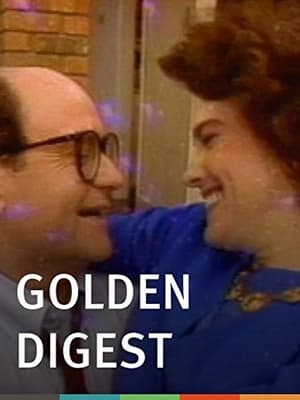
Animal Charm: Golden Digest(en)
1996-01-01
Animal Charm makes videos from other people's videos. By compositing TV and reducing it to a kind of tic-ridden babble, they force television to not make sense. While this disruption is playful, it also reveals an overall 'essence' of mass culture that would not be apprehended otherwise. Videos such as Stuffing, Ashley, and Lightfoot Fever upset the hypnotic spectacle of TV viewing, revealing how advertising creates anxiety, how culture constructs "nature" and how conventional morality is dictated through seemingly neutral images. By forcing television to convulse like a raving lunatic, we might finally hear what it is actually saying.
48%
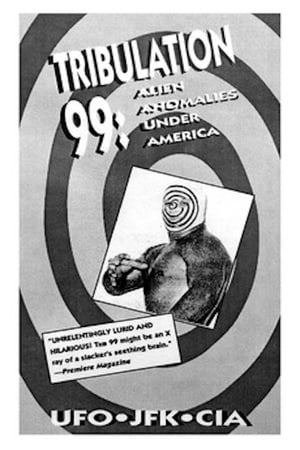
Tribulation 99: Alien Anomalies Under America(en)
1991-12-07
Baldwin’s “pseudo-pseudo-documentary” presents a factual chronicle of US intervention in Latin America in the form of the ultimate conspiracy theory, combining covert action, environmental catastrophe, space aliens, cattle mutilations, killer bees, religious prophecy, doomsday diatribes, and just about every other crackpot theory broadcast through the dentures of the modern paranoiac.
0%
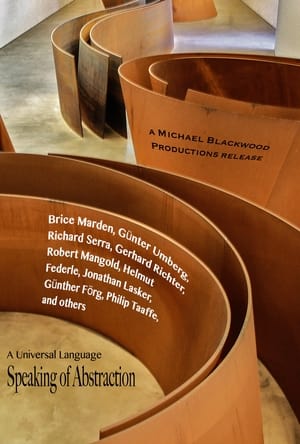
Speaking of Abstraction: A Universal Language(en)
1999-01-01
At the beginning of the twenty-first century, abstraction - that most quintessentially modernist innovation - maintains a peculiarly contradictory position. Used, on one hand, by post-modernist artists as just one more quotable style amongst many, it is on the other hand still considered an elitist or hermetic language by audiences intimidated by its lack of recognizable subject matter. Yet ultimately, abstraction continues to be a viable creative path for contemporary artists of all generations, many of whom embrace it as the most inclusive and fundamentally resonant of artistic languages. Filmed at the artists' studios, the Dia Center for the Arts, and the Guggenheim Museum during their exhibition, "Abstraction in the Twentieth Century."
0%
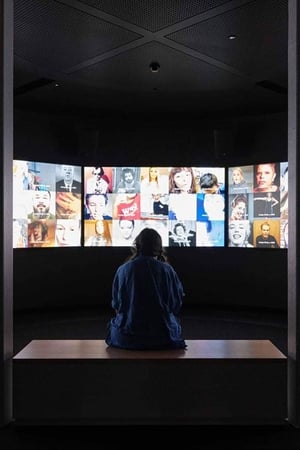
You Will See Me(en)
2021-02-12
A five-channel video installation commissioned for the permanent exhibition space at the Australian Centre of the Moving Image (ACMI). “The camera doesn’t just capture us, it frames who we are and how we’re seen. Since the camera became more accessible in the mid-20th century, artists and amateurs alike have turned the lens on themselves to create a stage both private and public. This tradition is continued, amplified and transformed through reality TV, the internet and social media, the latest forms to use straight-to-camera techniques to share our common humanity, project authenticity and illuminate how a sense of self can be constructed through the moving image.”
0%
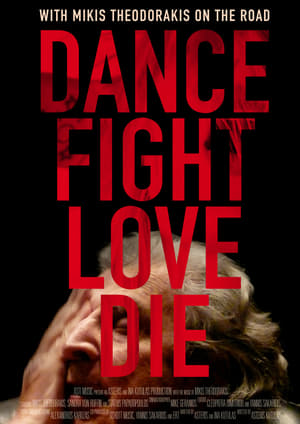
Dance Fight Love Die: With Mikis On the Road(el)
2017-10-25
An intimate look into the life of composer Mikis Theodorakis from 1987 until 2017: comprising three decades, four continents, 100 locations and 600 hours of film material. The film interweaves personal moments with archive footage, documentary recordings and fictional pieces, all accompanied by Theodorakis’ music in jazz, classic, electro and rap versions.
0%
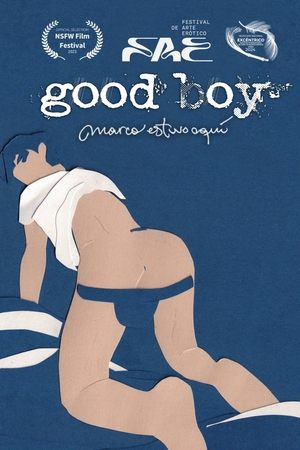
good boy(en)
2023-12-07
The author's erotic imagination is mixed between desire and magazine clippings, and the trade of collage becomes a ship that travels from outer space to the city itself.
74%
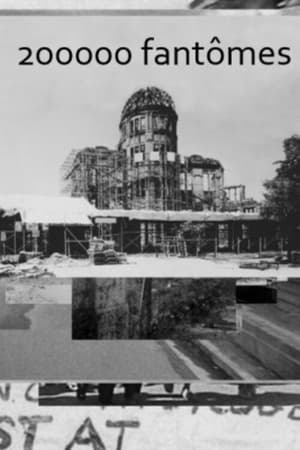
200,000 Phantoms(fr)
2007-07-11
In 1914, the Czech architect Jan Letzel designed in the Japanese city of Hiroshima Center for the World Expo, which has turned into ruins after the atomic bombing in August 1945. “Atomic Dome” – all that remains of the destroyed palace of the exhibition – has become part of the Hiroshima memorial. In 2007, French sculptor, painter and film director Jean-Gabriel Périot assembled this cinematic collage from hundreds of multi-format, color and black and white photographs of different years’ of “Genbaku Dome”.

100%
Silent Witnesses(es)
2023-03-02
Mudos testigos is a cinematographic collage made from all the surviving material of Colombian silent films, re-editing the images in such a way as to create a single imaginary film: the impossible love story of Efraín and Alicia that traces the convulsive first half of the twentieth century in Colombia. Compiled by the late Luis Ospina and finished posthumously by Jeronimo Atehortúa.
90%
The Long Voyage of the Yellow Bus(pt)
2023-01-30
For this behemoth, Bressane took his opera omnia and edited it in an order that first adheres to historical chronology but soon starts to move backwards and forward. The various pasts – the 60s, the 80s, the 2000s – comment on each other in a way that sheds light on Bressane’s themes and obsessions, which become increasingly apparent and finally, a whole idea of cinema reveals itself to the curious and patient viewer. Will Bressane, from now on, rework The Long Voyage of the Yellow Bus when he makes another film? Is this his latest beginning? Why not, for the eternally young master maverick seems to embark on a maiden voyage with each and every new film!
37%
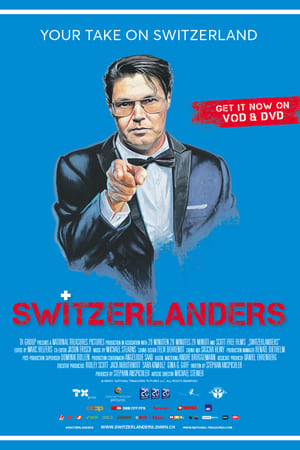
Switzerlanders(de)
2020-05-21
A cinematic time capsule with over 1,400 hours of submitted material from all regions of Switzerland gives unknown insights about the life of Swiss people in the politically and socially turbulent summer of 2019.
100%
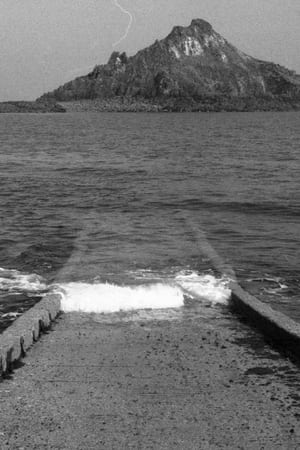
Collage(fr)
2021-05-05
Considerations on collage as a cognitive act in artists’ cinema. A pedagogical film adrift: 35mm photographs and other materials collected over the last fifteen years by artist Stefano Miraglia meet a text written by Baptiste Jopeck and the voice of Margaux Guillemard.

0%
Quod Erat Demonstrandum(fr)
2012-10-23
A collaborator since 2002 (Notre Musique), Fabrice Aragno did not want to make a documentary ‘on’ but ‘with’ Jean-Luc Godard. The latter decided on a mathematical approach. The TV station asked for 26 minutes, and so Godard suggested they make 26 one-minute sequences, and have 4 shots in each sequence, all recycled from his work.
60%
Fear Itself(en)
2015-10-18
A girl haunted by traumatic events takes us on a mesmerising journey through 100 years of horror cinema to explore how filmmakers scare us – and why we let them.

0%
plant portals: breath(en)
2020-08-01
"plant portals: breath" is an experimental meditation on the unspoken history many queer and trans people of colour carry daily, connecting bumblebees, colonial trauma, alternate universes and the complicated concept of "rest" to ask: Can nature heal us? Shot entirely on an iPhone, the film is intentional in imagining what is possible, and manifests a reality rooted in mindfulness.“
100%
Red Autumn(de)
2024-06-15
A Experimental Docu-Drama about the Red Army Faction's formation, and events leading up to their imprisonment and death, from 1970 to 1977.
0%
Pieces of Lives, Pieces of Dreams(fr)
2012-06-02
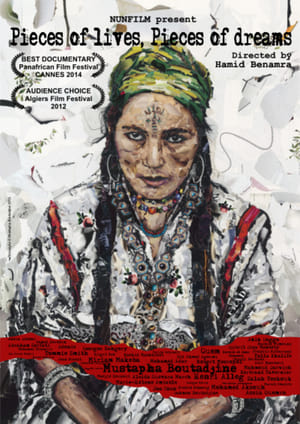
Algerian director Hamid Benamra turns his focus to Mustapha Boutadjine, a charming, mercurial collage artist in Paris whose very work methods embody resistance, and celebrate those who work to liberate others. Boutadjine creates his portraits of Third World artists such as Miriam Makeba, and Algerian figures such as Assia Djebar from pieces of paper torn from high end fashion magazines and other, glossy, glitzy publications. Using this material is as much an act of rejecting bourgeois standards, which are often anti-North African in France, as much as elevating these figures and making them the social and visual standard against which we should judge ourselves, not the runway models of Chanel.
Recommendations Movies

61%
Naqoyqatsi(en)
2002-09-02
A visual montage portrait of our contemporary world dominated by globalized technology and violence.

65%
Downloaded(en)
2013-06-20
A documentary that explores the downloading revolution; the kids that created it, the bands and the businesses that were affected by it, and its impact on the world at large.
70%
Drew: The Man Behind the Poster(en)
2013-07-19
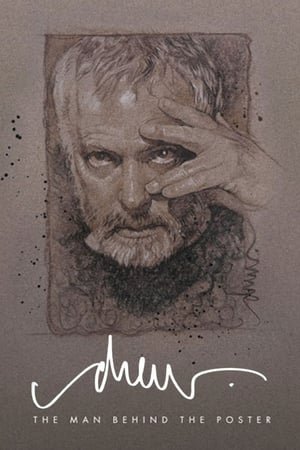
A documentary on legendary movie-poster artist Drew Struzan.
66%
Love, Marilyn(en)
2013-05-30
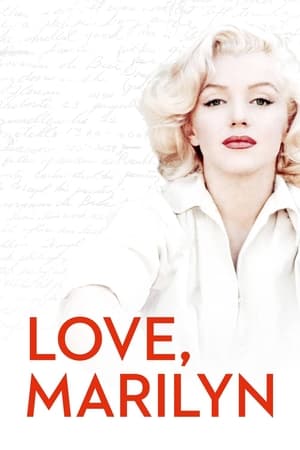
Using the book 'Fragments', which collects Marilyn Monroe's poems, notes and letters, and with participation from the Arthur Miller and Truman Capote estates who have contributed more material, each of the actresses will embody the legend at various stages in her life.
64%
Avatar: Creating the World of Pandora(en)
2010-02-07
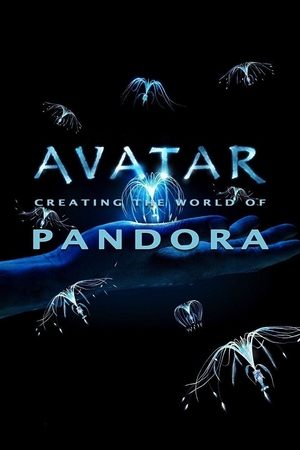
The Making-of James Cameron's Avatar. It shows interesting parts of the work on the set.


79%
John Candy: I Like Me(en)
2025-09-04
Those who knew iconic funnyman John Candy best share his story, in their own words, through never-before-seen archival footage, imagery, and interviews.
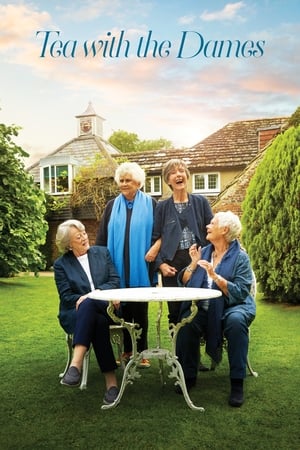
68%
Nothing Like a Dame(en)
2018-05-02
BBC Arena's documentary on the Dames of British Theatre and film featuring Maggie Smith, Eileen Atkins, Judi Dench and Joan Plowright on screen together for the first time as they reminisce over a long summer weekend in a house Joan once shared with Sir Laurence Olivier.

80%
My Mom Jayne(en)
2025-06-20
Through deeply personal interviews with her siblings and an examination of the photographs, letters, and belongings left behind, Mariska assembles a new portrait of her mother Jayne Mansfield, an extraordinary and complex woman.
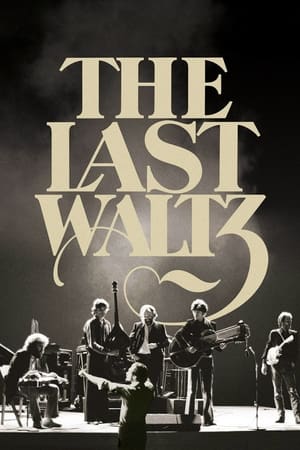
77%
The Last Waltz(en)
1978-04-26
Martin Scorsese's documentary intertwines footage from The Band's incredible farewell tour with probing backstage interviews and featured performances by Eric Clapton, Bob Dylan, Joni Mitchell, Van Morrison, and other rock legends.
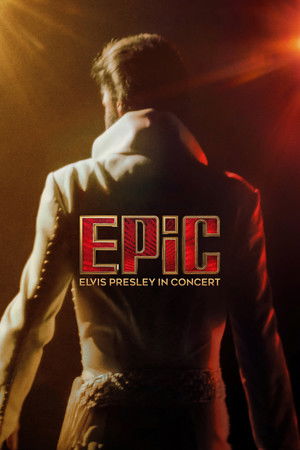
79%
EPiC: Elvis Presley in Concert(en)
2026-02-18
Long-lost footage from Elvis Presley's legendary Las Vegas residency in the 1970s woven together with rare 16mm footage from Elvis on Tour, and 8mm from the Graceland archive, plus recordings of Elvis telling "his side of the story" rediscovered during Baz Luhrmann's research for his 2022 film, Elvis.
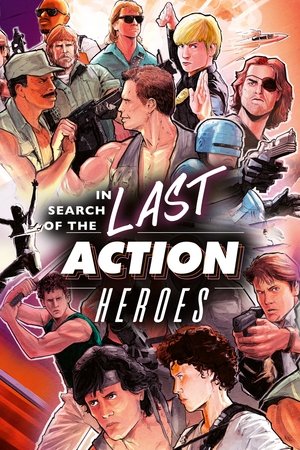
69%
In Search of the Last Action Heroes(en)
2019-09-01
The most comprehensive retrospective of the '80s action film genre ever made.
75%
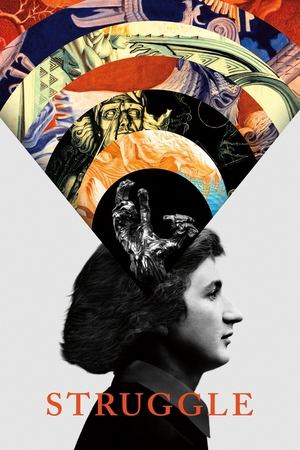
Struggle: The Life and Lost Art of Szukalski(en)
2018-12-20
Artists in LA discover the work of forgotten Polish sculptor Stanislav Szukalski, a mad genius whose true story unfolds chapter by astounding chapter.
79%
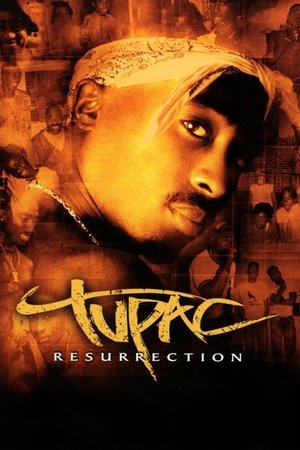
Tupac: Resurrection(en)
2003-11-14
Home movies, photographs, and recited poetry illustrate the life of Tupac Shakur, one of the most beloved, revolutionary, and volatile hip-hop MCs of all time.
62%
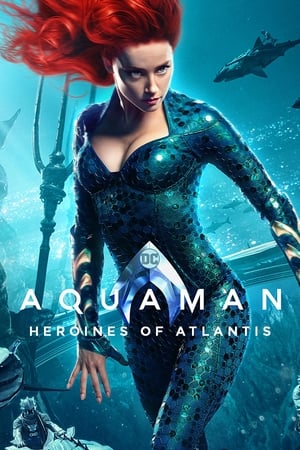
Aquaman: Heroines of Atlantis(en)
2019-03-26
Amber Heard and Nicole Kidman discuss their characters Mera and Atlanna.
72%
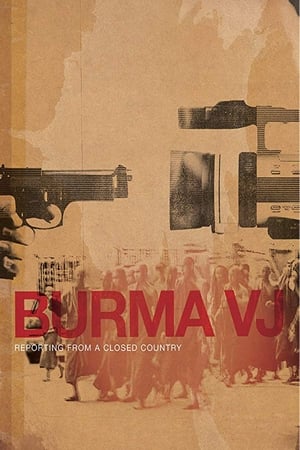
Burma VJ: Reporting from a Closed Country(en)
2008-11-12
Going beyond the occasional news clip from Burma, the acclaimed filmmaker, Anders Østergaard, brings us close to the video journalists who deliver the footage. Though risking torture and life in jail, courageous young citizens of Burma live the essence of journalism as they insist on keeping up the flow of news from their closed country.

76%
Night Will Fall(en)
2014-06-07
When Allied forces liberated the Nazi concentration camps in 1944-45, their terrible discoveries were recorded by army and newsreel cameramen, revealing for the first time the full horror of what had happened. Making use of British, Soviet and American footage, the Ministry of Information’s Sidney Bernstein (later founder of Granada Television) aimed to create a documentary that would provide lasting, undeniable evidence of the Nazis’ unspeakable crimes. He commissioned a wealth of British talent, including editor Stewart McAllister, writer and future cabinet minister Richard Crossman – and, as treatment advisor, his friend Alfred Hitchcock. Yet, despite initial support from the British and US Governments, the film was shelved, and only now, 70 years on, has it been restored and completed by Imperial War Museums under its original title "German Concentration Camps Factual Survey".
69%
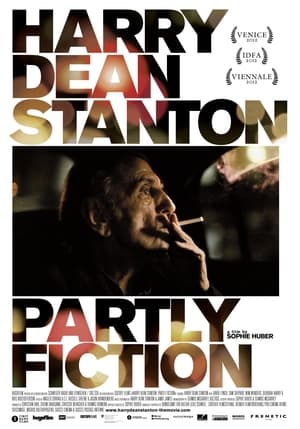
Harry Dean Stanton: Partly Fiction(en)
2013-09-11
An impressionistic portrait of the iconic actor Harry Dean Stanton comprised of intimate moments, film clips from some of his 250 films and his renditions of American folk songs.
70%
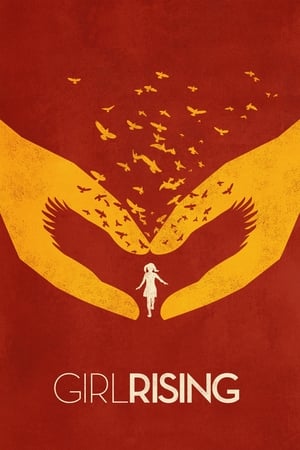
Girl Rising(en)
2013-03-07
Nine filmmakers each profile a young girl from a different part of the world to weave a global tapestry of youth in the 21st century.
75%
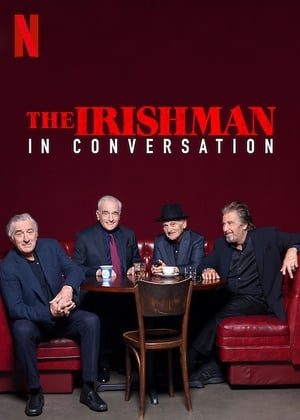
The Irishman: In Conversation(en)
2019-11-27
Martin Scorsese, Robert De Niro, Joe Pesci, and Al Pacino in conversation about The Irishman.