Glimpses of Western Germany
Top 1 Billed Cast

Narrator (voice)

HomePage
Overview
This James A. FitzPatrick Traveltalks short visits the West German cities of Hamburg, Bremen, Munich, and Heidelberg. Included are scenes of World War II destruction that lingered at the time.
Release Date
1954-02-13
Average
6.5
Rating:
3.3 startsTagline
Genres
Languages:
EnglishKeywords
Similar Movies

Pretoria to Durban(en)
This Traveltalk series short gives a glimpse into South African history, albeit from a white person's viewpoint. South Africa is a union of four separate states: the Transvaal, the Orange Free State, Natal, and the Cape Provence.
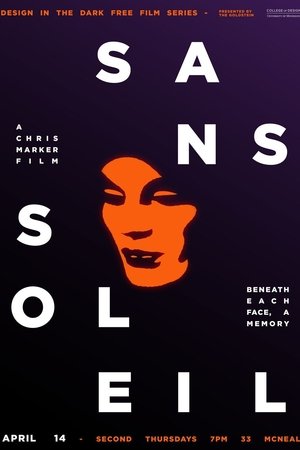
Sans Soleil(fr)
A woman narrates the thoughts of a world traveler, meditations on time and memory expressed in words and images from places as far-flung as Japan, Guinea-Bissau, Iceland, and San Francisco.
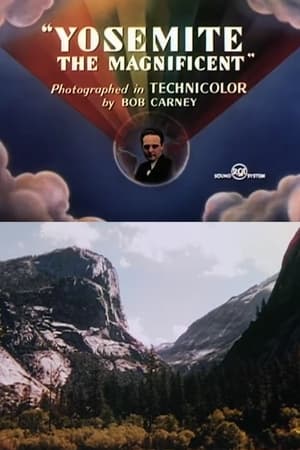
Yosemite the Magnificent(en)
This Traveltalk series short celebrates the beauty of Yosemite National Park. Besides the majestic mountains, we see Bridal Veil Falls and a giant sequoia with a road cut through its trunk. Tourist activities, including horseback riding and fishing, are also highlighted.
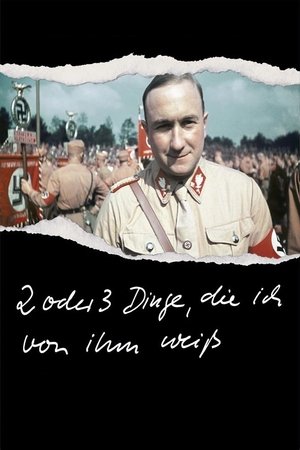
2 or 3 Things I Know About Him(de)
What would your family reminiscences about dad sound like if he had been an early supporter of Hitler’s, a leader of the notorious SA and the Third Reich’s minister in charge of Slovakia, including its Final Solution? Executed as a war criminal in 1947, Hanns Ludin left behind a grieving widow and six young children, the youngest of whom became a filmmaker. It's a fascinating, maddening, sometimes even humorous look at what the director calls "a typical German story." (Film Forum)
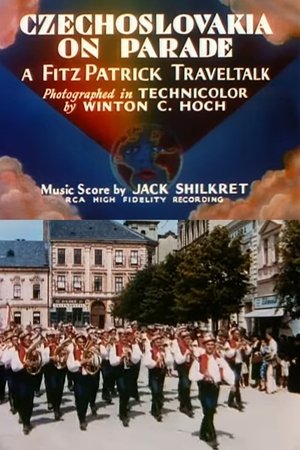
Czechoslovakia on Parade(en)
This FitzPatrick Traveltalk series short looks at Czechoslovakia before World War II, including images of bridges, churches, and castles in Prague, also a non-military parade through the city.
White Man with Black Bread(de)
Christof Wackernagel, best known in Germany as an actor and former member of the Red Army Faction ("RAF") lives in Mali. In his compelling portrait, Jonas Grosch shows a man who simply cannot stand still if he senses injustice. The courage to stand up for one’s beliefs coupled with vanity? However one chooses to look at it, it is easy to imagine what made him connect with the "RAF". With his irrepressible will for freedom, Christof Wackernagel gets entangled in the horrors of day-to-day life in Africa.
Hitler's Evil Science(fr)
In 1935, German scientists dug for bones; in 1943, they murdered to get them. How the German scientific community supported Nazism, distorted history to legitimize a hideous system and was an accomplice to its unspeakable crimes. The story of the Ahnenerbe, a sinister organization created to rewrite the obscure origins of a nation.
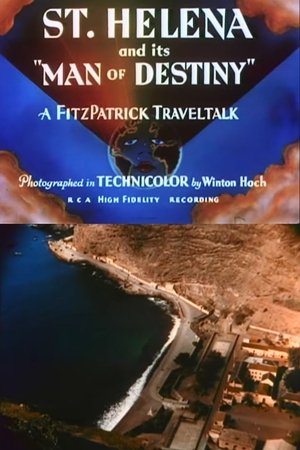
St. Helena and Its 'Man of Destiny'(en)
The remote island of St. Helena, a British possession located in the south Atlantic, is perhaps best known as where Napoleon Bonaparte was exiled/imprisoned for the final six years of his life and where he died in 1821. His legacy on the island remains today, despite his body being disinterred and moved back to France in 1840. His home was at Longwood, one area of the island now ceded to the French in respect of its former resident. The island was discovered and named by the Portuguese in 1502. Until the British took over, many other European countries had or wanted possession of the island because of its location along natural trade routes. Jamestown is the island's only port, named after King James. With 4,000 inhabitants, St. Helena is self supporting, growing primarily potatoes and flax. However, its primary economic generator is the sale of the rare St. Helena postage stamp.
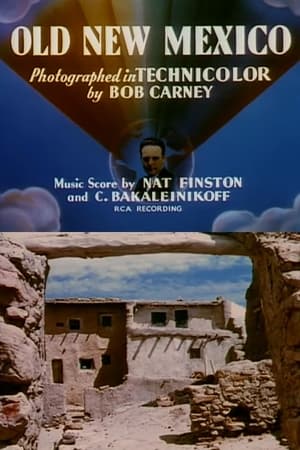
Old New Mexico(en)
This Traveltalk series short takes viewers on a tour of old New Mexico. Starting in Santa Fe, the oldest state capitol in the USA, the city existed long before European migration. It's unique architecture is its most prominent feature. There are several archaeological sites trying to date when Indians first settled in the area. Seven percent of the population are of Indian origin. Near Taos is the onetime home of Kit Carson whose grave is one of the sacred shrines of New Mexico. The Navajo live on their 14 million acre reservation and continue their traditional way of life.
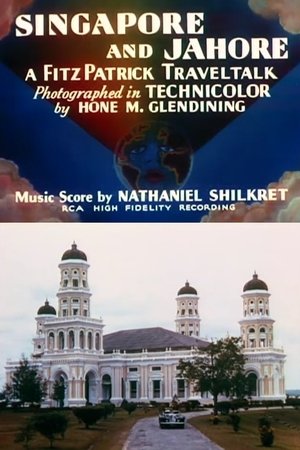
Singapore and Jahore(en)
A visit to Singapore, an essential port city in Britain's empire, established in 1813 when Raffles negotiated its separation from the independent Malay state of Jahor. The camera observes Singapore's traditional neighborhoods, trade, and small craft, which are dominated by people of Chinese ancestry. Then, we drive the modern causeway to Jahor's small capital, Johor Bahru, for a look at imposing buildings and a visit to the grounds of the sultan. The sultan's son invites the crew in, and we meet the sultan, "H.H." himself. The narrator relates the sultan's commitment to commerce, economic well-being, and tolerance, stemming in part from his European education.
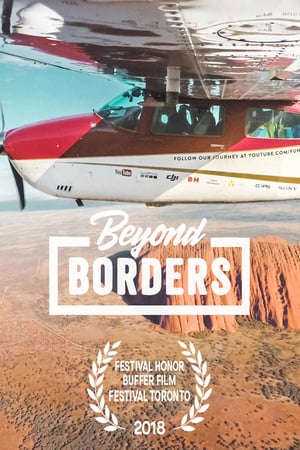
Beyond Borders(en)
Pilot JP Schulze and filmmaker Louis Cole set off to circumnavigate the world in a single-engine, 1974 Cessna T210L airplane named Balloo. They had 90 days to complete the journey, and as they traveled they met people from many different cultures and asked them - is what divides us greater than what brings us together?
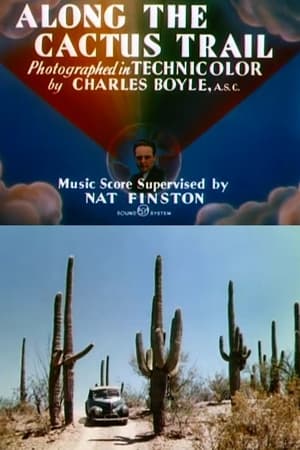
Along the Cactus Trail(en)
The drive from Riverside, California to Phoenix, Arizona is affectionately known as the Cactus Trail. Starting in Riverside, sights of note include: the Mission Inn in Riverside whose unique style was the brainchild of Frank Miller; the Chapel of St. Francis in Riverside, which because of its dedication to aviation is the site of many weddings associated with aviators; the Camelback Mountain outside of Phoenix, so named for its shape.
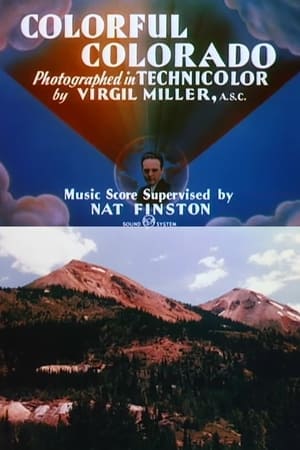
Colorful Colorado(en)
This Traveltalk series short starts off in Denver, capital of Colorado. Known as a recreational and health center, it is noted for its beautiful parks. The Museum of Natural History has specimens of local animal life. About an hour's drive from Denver on Lookout Mountain is the grave of Col. William Cody, 'Buffalo Bill', known as a scout and a plainsman. In Colorado Springs, there is a monument to the great American humorist Will Rogers who loved the stretches of open country. Much of the mountain area of Colorado is owned by the Federal government as national forest and there are many well stocked trout streams. In Mesa Verde National Park you will find the cave dwellings once used by Native Americans.
Recommendations Movies
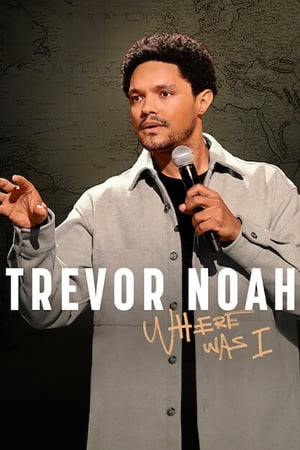
Trevor Noah: Where Was I(en)
Trevor Noah riffs on national anthems, derailing a German sightseeing tour and getting roasted in Paris in this comedy special about his world travels.

Night Will Fall(en)
When Allied forces liberated the Nazi concentration camps in 1944-45, their terrible discoveries were recorded by army and newsreel cameramen, revealing for the first time the full horror of what had happened. Making use of British, Soviet and American footage, the Ministry of Information’s Sidney Bernstein (later founder of Granada Television) aimed to create a documentary that would provide lasting, undeniable evidence of the Nazis’ unspeakable crimes. He commissioned a wealth of British talent, including editor Stewart McAllister, writer and future cabinet minister Richard Crossman – and, as treatment advisor, his friend Alfred Hitchcock. Yet, despite initial support from the British and US Governments, the film was shelved, and only now, 70 years on, has it been restored and completed by Imperial War Museums under its original title "German Concentration Camps Factual Survey".

John Candy: I Like Me(en)
Those who knew iconic funnyman John Candy best share his story, in their own words, through never-before-seen archival footage, imagery, and interviews.

Naqoyqatsi(en)
A visual montage portrait of our contemporary world dominated by globalized technology and violence.
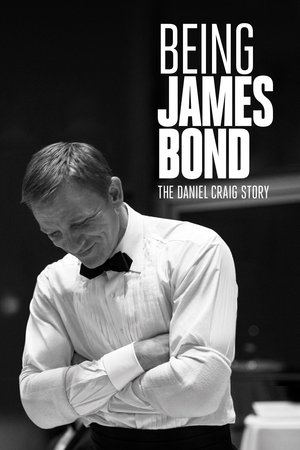
Being James Bond(en)
Daniel Craig candidly reflects on his 15 year adventure as James Bond. Including never-before-seen archival footage from Casino Royale to the upcoming 25th film No Time To Die, Craig shares his personal memories in conversation with 007 producers, Michael G Wilson and Barbara Broccoli.

The Battle of San Pietro(en)
This documentary movie is about the battle of San Pietro, a small village in Italy. Over 1,100 US soldiers were killed while trying to take this location, that blocked the way for the Allied forces from the Germans. Preserved by the Academy Film Archive in 2005.
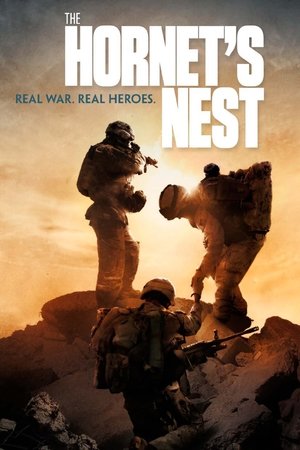
The Hornet's Nest(en)
Armed only with their cameras, Peabody and Emmy Award-winning conflict Journalist Mike Boettcher, and his son, Carlos, provide unprecedented access into the longest war in U.S. history: they are embed with U.S. troops during nine days of intense combat in Afghanistan.
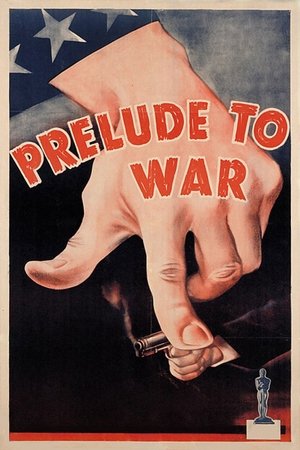
Why We Fight: Prelude to War(en)
Prelude to War was the first film of Frank Capra's Why We Fight propaganda film series, commissioned by the Pentagon and George C. Marshall. It was made to convince American troops of the necessity of combating the Axis Powers during World War II. This film examines the differences between democratic and fascist states.
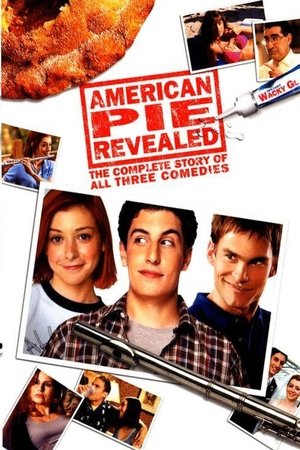
American Pie: Revealed(en)
Documentary about the making of American Pie (1999), American Pie 2 (2001) and American Wedding (2003).
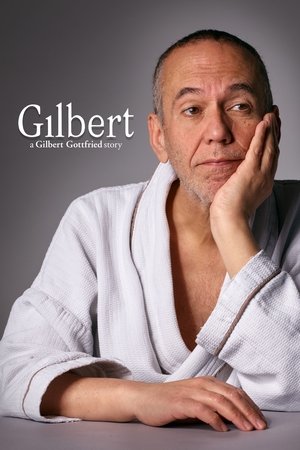
Gilbert(en)
The life and career of one of comedy's most inimitable modern voices, Mr. Gilbert Gottfried.
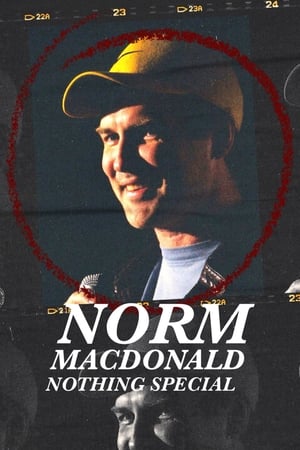
Norm Macdonald: Nothing Special(en)
In his final comedy special, Norm Macdonald ponders casinos, cannibalism, living wills and why you have to be ready for whatever life throws your way.

Love, Marilyn(en)
Using the book 'Fragments', which collects Marilyn Monroe's poems, notes and letters, and with participation from the Arthur Miller and Truman Capote estates who have contributed more material, each of the actresses will embody the legend at various stages in her life.
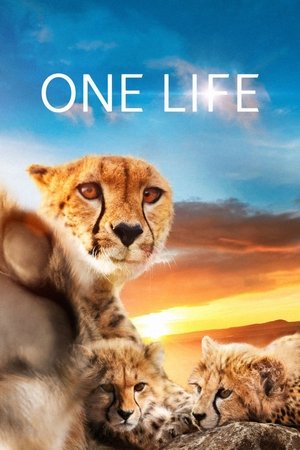
One Life(en)
One Life captures unprecedented and beautiful sequences of animal behaviour guaranteed to bring you closer to nature than ever before, as well as a second disc packed full of never before seen extras including an exclusive making of featurette narrated by Daniel Craig.
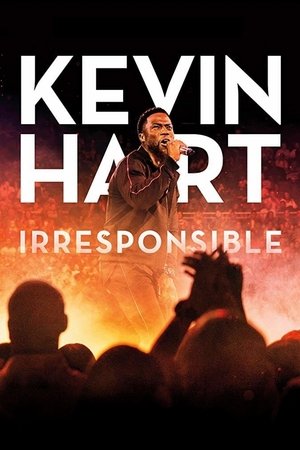
Kevin Hart: Irresponsible(en)
Stand-up comedian Kevin Hart talks about his family, travel and a year full of reckless behavior in front of a live sold-out crowd in London.

Love, Gilda(en)
Diaries, audiotapes, videotapes and testimonials from friends and colleagues offer insight into the life and career of Gilda Radner -- the beloved comic and actress who became an icon on Saturday Night Live.
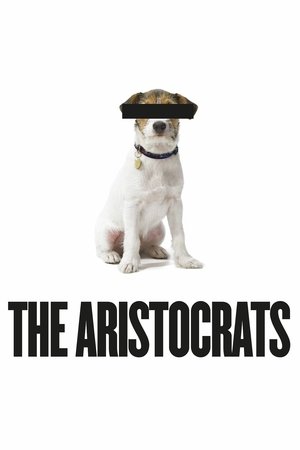
The Aristocrats(en)
One hundred superstar comedians tell the same very, VERY dirty, filthy joke--one shared privately by comics since Vaudeville.

My Mom Jayne(en)
Through deeply personal interviews with her siblings and an examination of the photographs, letters, and belongings left behind, Mariska assembles a new portrait of her mother Jayne Mansfield, an extraordinary and complex woman.
Lucy and Desi(en)
Explore the unlikely partnership and enduring legacy of one of the most prolific power couples in entertainment history. Lucille Ball and Desi Arnaz risked everything to be together.

Trainwreck: Poop Cruise(en)
An engine fire leaves 4,000 passengers stranded at sea without power and plumbing in this wild documentary about the infamous "poop cruise" of 2013.
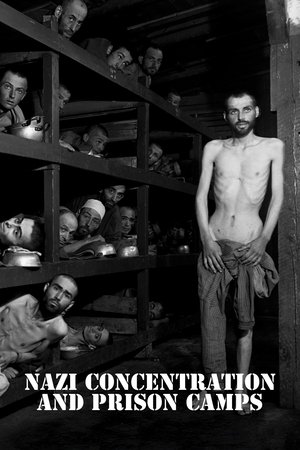
Nazi Concentration Camps(en)
Produced and presented as evidence at the Nuremberg war crimes trial of Hermann Göring and twenty other Nazi leaders, this film consists primarily of dead and surviving prisoners and of facilities used to kill and torture during the World War II.