Loading Page
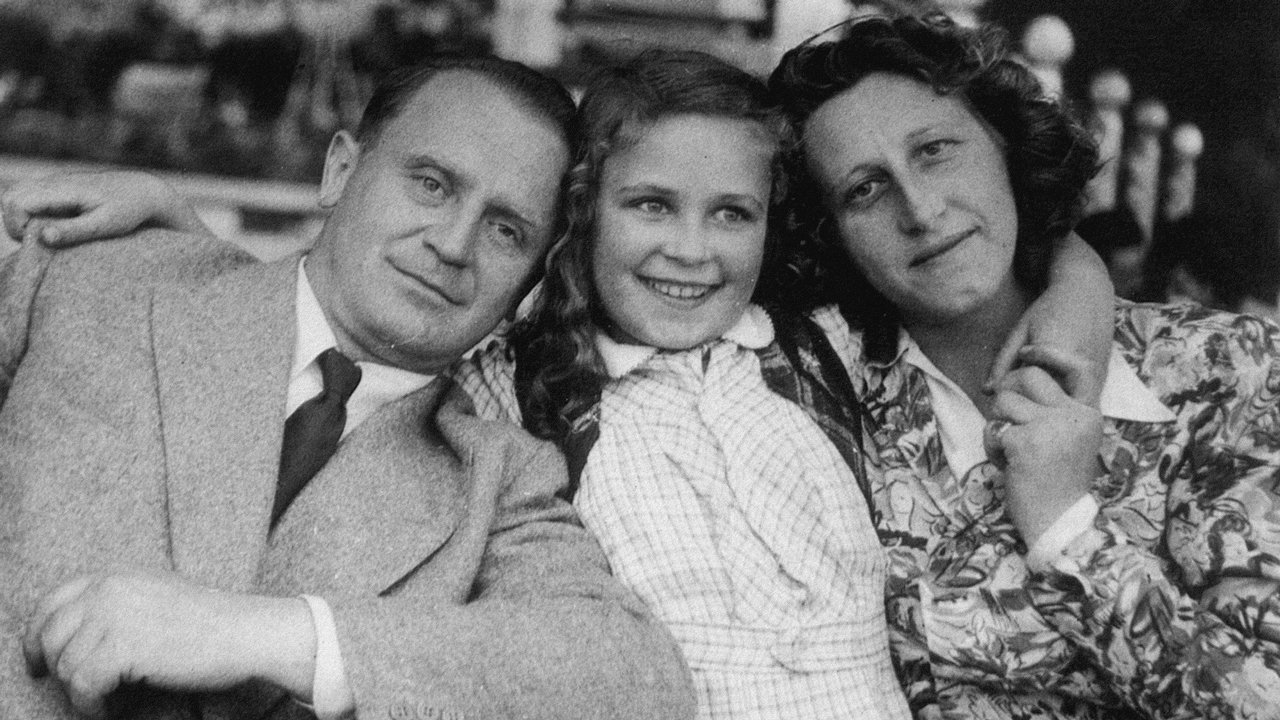
Golda Maria
Top 1 Billed Cast
Loading Trailer Videos...
Loading Photos
Photo Type :Total items
Similar Movies
86%
Schindler's List(en)
1993-12-15
The true story of how businessman Oskar Schindler saved over a thousand Jewish lives from the Nazis while they worked as slaves in his factory during World War II.
73%
German Concentration Camps Factual Survey(en)
2017-01-06
On the 29th September 1945, the incomplete rough cut of a brilliant documentary about concentration camps was viewed at the MOI in London. For five months, Sidney Bernstein had led a small team – which included Stewart McAllister, Richard Crossman and Alfred Hitchcock – to complete the film from hours of shocking footage. Unfortunately, this ambitious Allied project to create a feature-length visual report that would damn the Nazi regime and shame the German people into acceptance of Allied occupation had missed its moment. Even in its incomplete form (available since 1984) the film was immensely powerful, generating an awed hush among audiences. But now, complete to six reels, this faithfully restored and definitive version produced by IWM, is being compared with Alain Resnais’ Night and Fog (1955).
67%
Jakob the Liar(en)
1999-09-16
In 1944 Poland, a Jewish shop keeper named Jakob is summoned to ghetto headquarters after being caught out after curfew. While waiting for the German Kommondant, Jakob overhears a German radio broadcast about Russian troop movements. Returned to the ghetto, the shopkeeper shares his information with a friend and then rumors fly that there is a secret radio within the ghetto.
73%
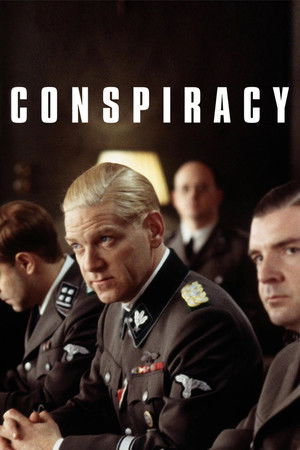
Conspiracy(en)
2001-05-19
At the Wannsee Conference on January 20, 1942, senior Nazi officials meet to determine the manner in which the so-called "Final Solution to the Jewish Question" can be best implemented.
0%
The Holocaust. Certified crime(uk)
2021-01-27
The documentary tells the stories of people who were just children during the Second World War and the Nazi occupation of Ukraine. Its protagonists now live in Kyiv, Dnipro, and Odesa, where the filming took place. They survived the ghetto and also witnessed mass shootings that took place, according to researchers, in about five thousand locations across Ukraine. Each of the heroes lost loved ones. Parents, brothers, sisters, loved ones. Everyone had a single task during these terrible years - to survive. The entire mosaic of terrible memories collected in the film is part of a story of survival.
100%
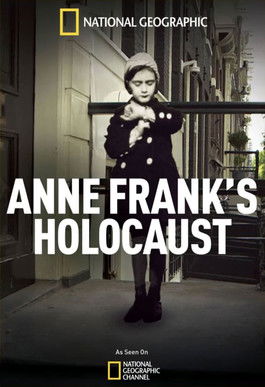
Anne Frank's Holocaust(en)
2015-06-21
Anne Frank's world famous diary came to an abrupt end shortly before she and her family were discovered hiding from the Nazis in a secret annex at the top of Otto Frank's office building, on August 4, 1944. While her diary tells the story of Anne's life, the story of her death reveals the atrocities encountered by millions of Jews during the Holocaust. In a solemn remembrance of the horrors that Anne Frank and these millions of others suffered during the dark days of World War II, National Geographic Channel (NGC) takes viewers inside the concentration camps in a two-hour special. In keeping with NGC's tradition of unparalleled storytelling, Anne Frank's Holocaust incorporates new findings and rarely seen photographs to reintroduce the story of the massacre of Jews in one of the most comprehensive documentaries on the subject to date.
100%
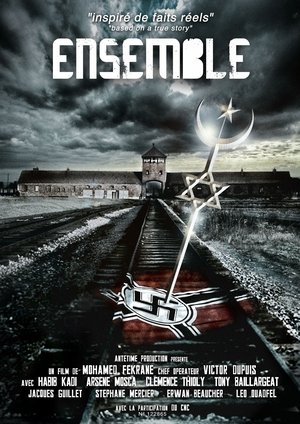
Ensemble(fr)
2010-01-01
In Paris in full German occupation in 1942, a Jewish child Isaac escapes a raid organized by the SS. He then took refuge in the Great Mosque of Paris. The imam decides to protect him by passing him off as a Muslim, as well as the other Jewish children that he manages to free with the help of the resistance networks. The French militia and the Gestapo have suspicions... This fiction film is based on the true story of the rector of the Paris mosque, Si Kaddour Benghabrit, who saved several Jews from deportation during the Second World War.
0%
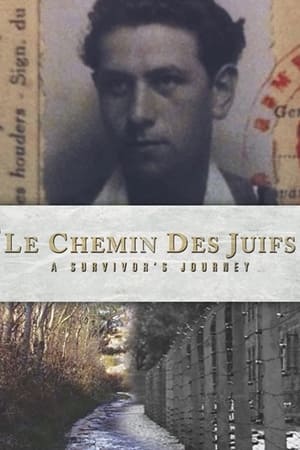
Le Chemin des Juifs: A Survivor's Journey(en)
2019-06-16
The indelible testimonial of David Shentow, Canadian WWII immigrant and Holocaust survivor lies at the heart of a remarkable journey that begins in 1942 on Le Chemin des Juifs, a forgotten road in Northern France. David's eloquence and vivid recounting of events will indelibly mark the heart and conscience of every viewer.
62%
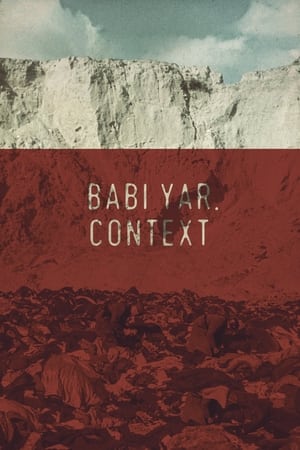
Babi Yar. Context(ru)
2021-11-04
Nazi troops massacre 30,000 Jews over a three-day period in September 1941. Babyn Yar ravine in Kyiv, Ukraine.

70%
Hitler's Evil Science(fr)
2019-05-25
In 1935, German scientists dug for bones; in 1943, they murdered to get them. How the German scientific community supported Nazism, distorted history to legitimize a hideous system and was an accomplice to its unspeakable crimes. The story of the Ahnenerbe, a sinister organization created to rewrite the obscure origins of a nation.

70%
Amen.(fr)
2002-02-27
Kurt Gerstein—a member of the Institute for Hygiene of the Waffen-SS—is appalled to discover that a poison gas he helped discover is being used to kill Jews. Driven by his conscience to alert the rest of the world, Gerstein teams up with a young Jesuit priest, Riccardo Fontana, but their protestations fall on deaf ears in the Vatican.
72%
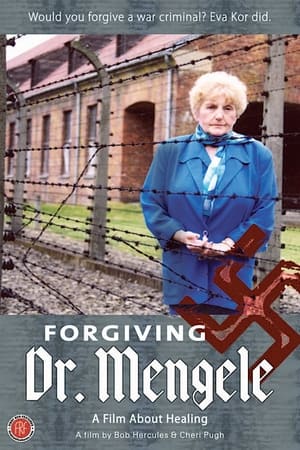
Forgiving Dr. Mengele(en)
2006-02-24
Eva Mozes Kor, who survived Josef Mengele's cruel twin experiments in the Auschwitz concentration camp, shocks other Holocaust survivors when she decides to forgive the perpetrators as a way of self-healing.
65%
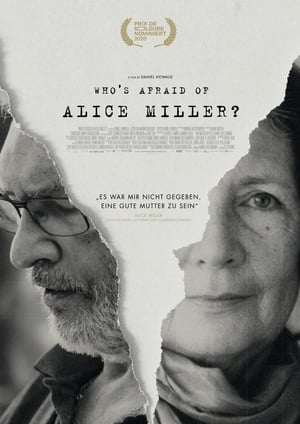
Who's Afraid of Alice Miller?(de)
2021-01-24
Martin is rejected by his mother with callousness and beaten by his father: a childhood without love. The story sounds like a case study from the book "The Drama of the Gifted Child" by the world-famous Swiss psychoanalyst Alice Miller. But Martin is the son of the committed child rights activist...
35%
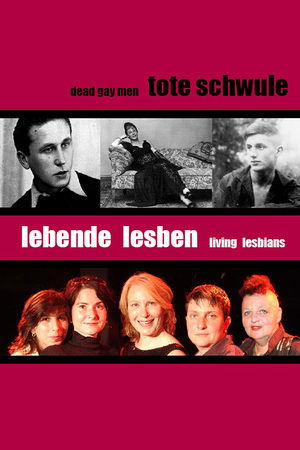
Dead Gay Men and Living Lesbians(de)
2008-02-09
As a result of the Holocaust and later, AIDS, the male homosexual community has sustained bitter losses and, according to Praunheim, lesbian women have now placed themselves at the head of the so-called queer movement. The female protagonists in the film represent two different generations; they also incorporate the past and present status of homosexuals in society.

100%
Language Of Mules(en)
2020-05-08
Language of Mules is a poignant exploration of the haunting legacy of the Holocaust through the eyes and words of poet and author John Guzlowski. Born to Polish parents who survived the unimaginable horrors of Nazi concentration camps, Guzlowski's poems give voice to the stories passed down from his parents, stories of suffering, resilience, and survival. The film interweaves interviews with Guzlowski in his home in Virginia, with vivid poetic depictions of his parents' harrowing experiences: the brutality of the German soldiers, the daily horrors of camp life, physical torture, and enslavement in conditions that dehumanized those who endured them. With profound sensitivity and depth, Language of Mules becomes not just a retelling of history, but a meditation on the enduring impact of war on the human psyche.
0%
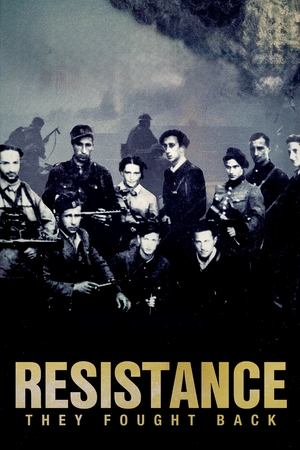
Resistance: They Fought Back(en)
2024-04-12
We’ve all heard of the Warsaw Ghetto Uprising, but most people have no idea how widespread and prevalent Jewish resistance to Nazi barbarism was. Instead, it’s widely believed “Jews went to their deaths like sheep to the slaughter.” Filmed in Poland, Lithuania, Latvia, Israel, and the U.S., Resistance – They Fought Back provides a much-needed corrective to this myth of Jewish passivity. There were uprisings in ghettos large and small, rebellions in death camps, and thousands of Jews fought Nazis in the forests. Everywhere in Eastern Europe, Jews waged campaigns of non-violent resistance against the Nazis.

0%
Long Is the Road(de)
1948-11-11
The first feature film to represent the Holocaust from a Jewish perspective. Shot on location at Landsberg, the largest DP camp in U.S.-occupied Germany, and mixing neorealist and expressionist styles, the film follows a Polish Jew and his family from pre-war Warsaw through Auschwitz and the DP camps.
72%
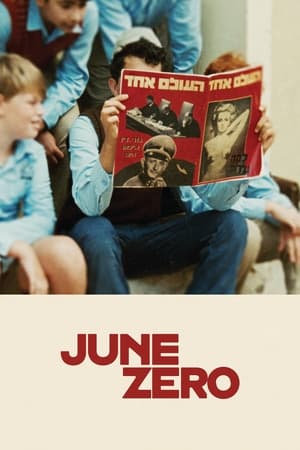
June Zero(he)
2023-09-08
Israel, 1961. Nazi war criminal Adolf Eichmann, responsible for organizing the extermination of European Jews, is sentenced to death.
0%
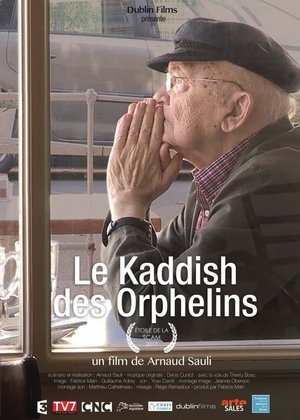
The Orphan’s Kaddish(fr)
2016-06-06
An elderly man is working tirelessly to revive the Jewish world lost in the Holocaust. His name is Aharon Appelfeld, and he became one of the greatest Jewish writers of our time. Every day, through his murmuring voice and handwriting, the survivors, the children of Ukraine, the peasants of Yiddishland come alive in the tiny office of a Jerusalem apartment. Aharon Appelfeld, solitary, wants to fight this battle to his last breath.
Recommendations Movies

82%
Shoah(fr)
1985-04-21
Director Claude Lanzmann spent 11 years on this sprawling documentary about the Holocaust, conducting his own interviews and refusing to use a single frame of archival footage. Dividing Holocaust witnesses into three categories – survivors, bystanders, and perpetrators – Lanzmann presents testimonies from survivors of the Chelmno concentration camp, an Auschwitz escapee, and witnesses of the Warsaw Ghetto Uprising, as well as a chilling report of gas chambers from an SS officer at Treblinka.
72%
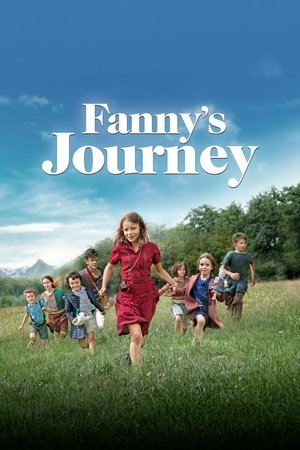
Fanny's Journey(fr)
2016-05-18
Fanny is a Jewish girl in a French orphanage in 1943. When she and her friends are no longer safe from the Nazis, they try to flee to Switzerland. After their guide disappears, Fanny has to take the lead and help the other kids make it over the mountains.
69%
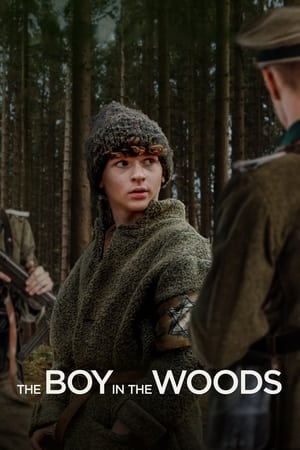
The Boy in the Woods(en)
2023-09-19
The remarkable true-life survival story of a Jewish boy hiding and being hunted in the forests of Nazi-occupied Eastern Europe, based on Maxwell Smart's memoir.
70%
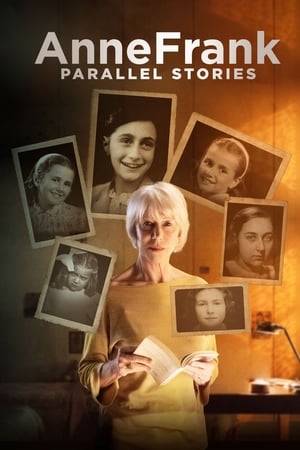
#AnneFrank. Parallel Stories(en)
2019-10-18
One single Anne Frank moves us more than the countless others who suffered just as she did but whose faces have remained in the shadows-Primo Levi. The Oscar®-winning Helen Mirren will introduce audiences to Anne Frank's story through the words in her diary. The set will be her room in the secret refuge in Amsterdam, reconstructed in every detail by set designers from the Piccolo Theatre in Milan. Anne Frank this year would have been 90 years old. Anne's story is intertwined with that of five Holocaust survivors, teenage girls just like her, with the same ideals, the same desire to live: Arianna Szörenyi, Sarah Lichtsztejn-Montard, Helga Weiss and sisters Andra and Tatiana Bucci. Their testimonies alternate with those of their children and grandchildren.

72%
Love, Gilda(en)
2018-04-18
Diaries, audiotapes, videotapes and testimonials from friends and colleagues offer insight into the life and career of Gilda Radner -- the beloved comic and actress who became an icon on Saturday Night Live.

68%
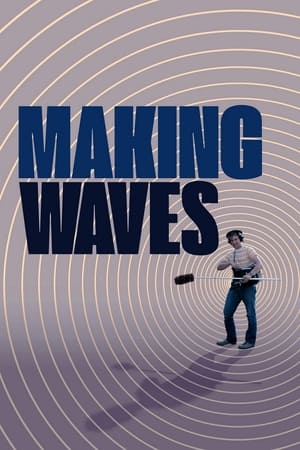
Making Waves: The Art of Cinematic Sound(en)
2019-10-25
The history of cinematic sound, told by legendary sound designers and visionary filmmakers.
68%
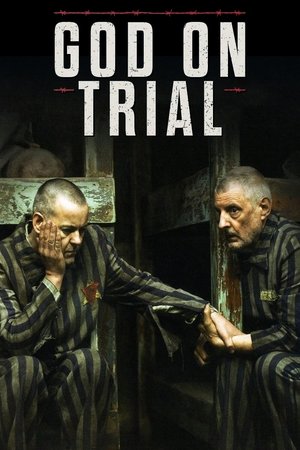
God on Trial(en)
2008-09-03
In the Jewish tradition of arguing with God, Jewish prisoners in Auschwitz decide to put God on Trial.
79%
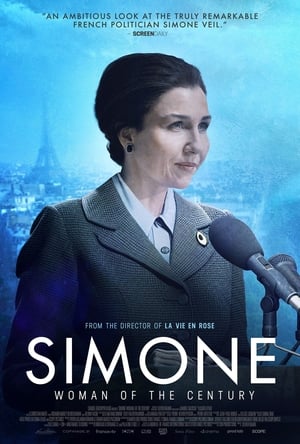
Simone: Woman of the Century(fr)
2022-10-12
Simone Veil's life story through the pivotal events of Twentieth Century. Her childhood, her political battles, her tragedies. An intimate and epic portrait of an extraordinary woman who eminently challenged and transformed her era defending a humanist message still keenly relevant today.


68%
Misha and the Wolves(en)
2021-09-03
A woman’s Holocaust memoir takes the world by storm, but a fallout with her publisher-turned-detective reveals her story as an audacious deception created to hide a darker truth.

71%
Audrey(en)
2020-11-30
An unprecedented and intimate look at the life, work and enduring legacy of British actress Audrey Hepburn (1929-1993).
70%
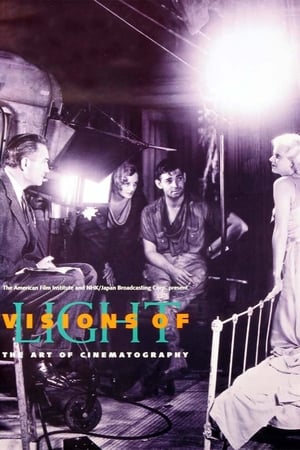
Visions of Light(en)
1992-09-17
Cameramen and women discuss the craft and art of cinematography and of the "DP" (the director of photography), illustrating their points with clips from 100 films, from Birth of a Nation to Do the Right Thing. Themes: the DP tells people where to look; changes in movies (the arrival of sound, color, and wide screens) required creative responses from DPs; and, these artisans constantly invent new equipment and try new things, with wonderful results. The narration takes us through the identifiable studio styles of the 30s, the emergence of noir, the New York look, and the impact of Europeans. Citizen Kane, The Conformist, and Gordon Willis get special attention.
70%
Amen.(fr)
2002-02-27
Kurt Gerstein—a member of the Institute for Hygiene of the Waffen-SS—is appalled to discover that a poison gas he helped discover is being used to kill Jews. Driven by his conscience to alert the rest of the world, Gerstein teams up with a young Jesuit priest, Riccardo Fontana, but their protestations fall on deaf ears in the Vatican.

76%
Night Will Fall(en)
2014-06-07
When Allied forces liberated the Nazi concentration camps in 1944-45, their terrible discoveries were recorded by army and newsreel cameramen, revealing for the first time the full horror of what had happened. Making use of British, Soviet and American footage, the Ministry of Information’s Sidney Bernstein (later founder of Granada Television) aimed to create a documentary that would provide lasting, undeniable evidence of the Nazis’ unspeakable crimes. He commissioned a wealth of British talent, including editor Stewart McAllister, writer and future cabinet minister Richard Crossman – and, as treatment advisor, his friend Alfred Hitchcock. Yet, despite initial support from the British and US Governments, the film was shelved, and only now, 70 years on, has it been restored and completed by Imperial War Museums under its original title "German Concentration Camps Factual Survey".

72%
To Be Takei(en)
2014-08-22
Over seven decades, actor and activist George Takei journeyed from a World War II internment camp to the helm of the Starship Enterprise, and then to the daily news feeds of five million Facebook fans. Join George and his husband, Brad, on a wacky and profound trek for life, liberty, and love.

63%
Banking on Bitcoin(en)
2016-12-30
Not since the invention of the Internet has there been such a disruptive technology as Bitcoin. Bitcoin's early pioneers sought to blur the lines of sovereignty and the financial status quo. After years of underground development Bitcoin grabbed the attention of a curious public, and the ire of the regulators the technology had subverted. After landmark arrests of prominent cyber criminals Bitcoin faces its most severe adversary yet, the very banks it was built to destroy.
69%
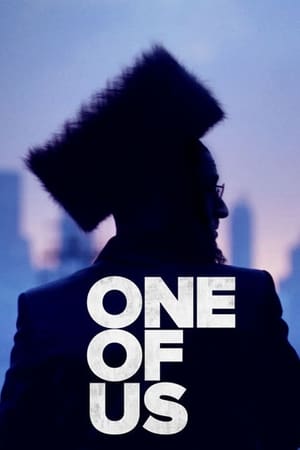
One of Us(en)
2017-09-10
Penetrating the insular world of New York's Hasidic community, focusing on three individuals driven to break away despite threats of retaliation.
68%
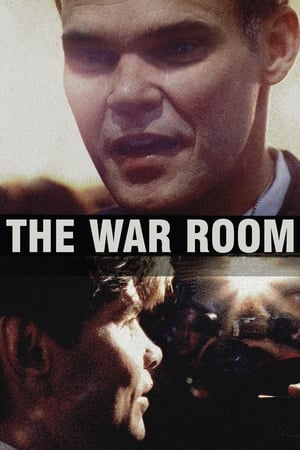
The War Room(en)
1993-11-03
A behind-the-scenes documentary about the Clinton for President campaign, focusing on the adventures of spin doctors James Carville and George Stephanopoulos.
78%
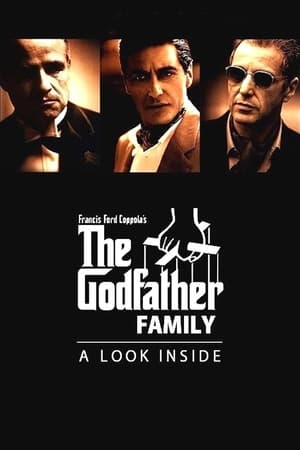
The Godfather Family: A Look Inside(en)
1990-07-12
A documentary on the making of the three Godfather films, with interviews and recollections from the film makers and cast. This feature also includes the original screen tests of some of the actors for "The Godfather" film, and some candid moments on the set of "The Godfather: Part III."