Loading Page
Durruti in the Spanish Revolution
Top 4 Billed Cast
Loading Trailer Videos...
HomePage
Overview
A documentary about the Spanish anarchist.
Release Date
1998-10-01
Average
0
Rating:
0.0 startsTagline
Genres
Languages:
EspañolKeywords
Similar Movies

65%
Songs for After a War(es)
1976-02-09
A particular reading of the hard years of famine, repression and censorship after the massacre of the Spanish Civil War (1936-39), through popular culture: songs, newspapers and magazines, movies and newsreels.
76%
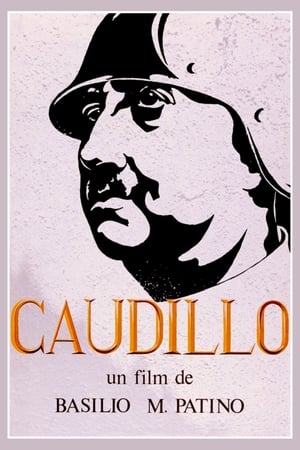
Caudillo(en)
1977-10-14
Caudillo is a documentary film by Spanish film director Basilio Martín Patino. It follows the military and political career of Francisco Franco and the most important moments of the Spanish Civil War. It uses footage from both sides of the war, music from the period and voice-over testimonies of various people.
55%
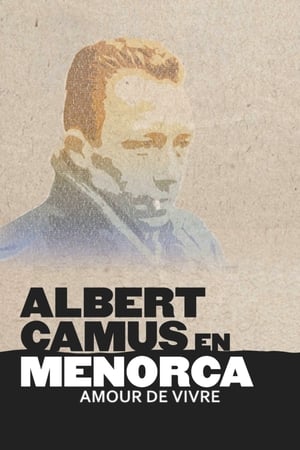
Amour de vivre(fr)
2010-05-01
An account of the brief life of the writer Albert Camus (1913-1960), a Frenchman born in Algeria: his Spanish origin on the isle of Menorca, his childhood in Algiers, his literary career and his constant struggle against the pomposity of French bourgeois intellectuals, his communist commitment, his love for Spain and his opposition to the independence of Algeria, since it would cause the loss of his true home, his definitive estrangement.
60%
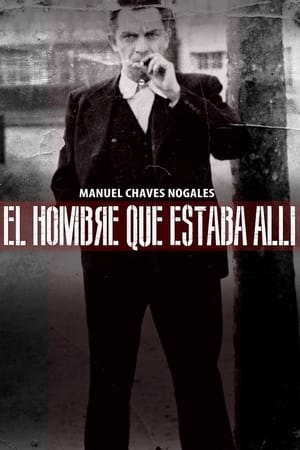
The Man Who Was There(es)
2013-05-03
The Spanish journalist Manuel Chaves Nogales (1897-1944) was always there where the news broke out: in the fratricidal Spain of 1936, in Bolshevik Russia, in Fascist Italy, in Nazi Germany, in occupied Paris or in the bombed London of World War II; because his job was to walk, see and tell stories, and thus fight against tyrants, at a time when it was necessary to take sides in order not to be left alone; but he, a man of integrity to the bitter end, never did so.
62%
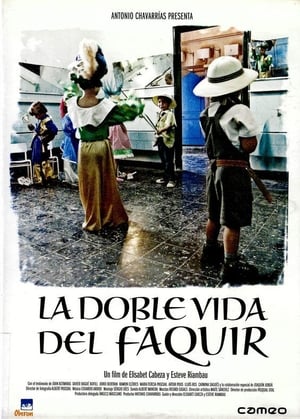
La doble vida del faquir(es)
2005-09-19
La doble vida del faquir (The magicians) returns to the scene of a school in the Catalan town of Sant Julià de Vilatorta where, in 1937, in the midst of civil war, a film-maker in hiding and a group of orphaned children dressed up as sultans and explorers shot an exotic adventure film. The films protagonists relive those childhood days when they were able to switch their school smocks for oriental turbans, while reality imposed its own fancy dress ball with military uniforms and priests dressed in civilian garb.
30%
¿Por qué morir en Madrid?(es)
1966-05-02
60%
Extranjeros de sí mismos(es)
2000-10-22
50%
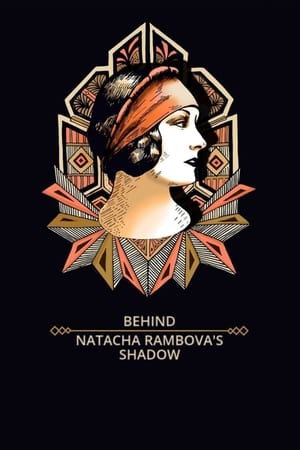
Behind Natacha Rambova's Shadow(ca)
2019-07-06
The adventurous life of Natacha Rambova (1897-1966), an American artist, born Winifred Kimball Shaughnessy, who reincarnated herself countless times: false Russian dancer, silent film actress, scenographer and costume designer, writer, spiritist, Egyptologist, indefatigable traveler, mysterious and curious; an amazing 20th century woman who created the myth of Rudolph Valentino.
50%
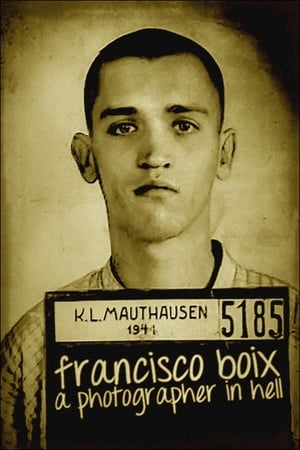
Francisco Boix: A Photographer in Hell(es)
2000-01-01
In 1939, just finished the Spanish Civil War, Spanish republican photographer Francesc Boix escapes from Spain; but is captured by the Nazis in 1940 and imprisoned in the Mauthausen concentration camp, in Austria, a year later. There, he works as a prisoner in the SS Photographic Service, hiding, between 1943 and 1945, around 20,000 negatives that later will be presented as evidence during several trials conducted against Nazi war criminals after World War II.
60%
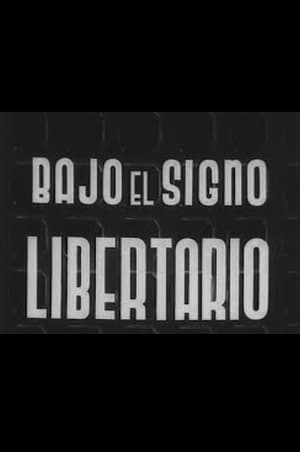
Under the Libertarian Sign(es)
1936-08-01
Bajo el signo libertario is a propaganda documentary, with the script and direction of Les (known for his articles in Solidaridad Obrera and the magazine Espectáculo) whose central theme is the reconstruction of the development of life in a libertarian community in the Aragonese town of Pina de Ebro.
70%
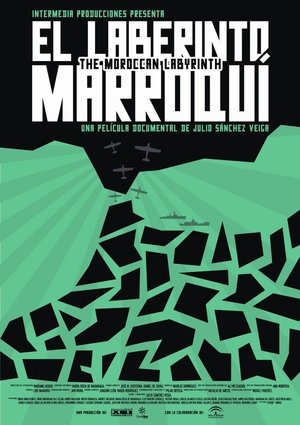
The Moroccan Labyrinth(es)
2007-11-15
60%
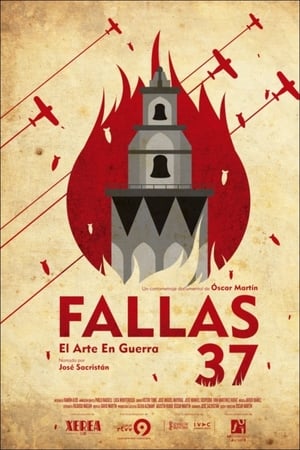
Fallas 37: el arte en guerra(es)
2013-03-02
In November 1936, a few months since the beginning of the Spanish Civil War, the government of the Second Republic moves to Valencia. In this situation, several Valencian artists and intellectuals decide to build four fallas — satirical plasterboard sculptures created to be burnt — to mock fascism.
30%
Spain: A Country Divided(es)
2022-06-28
Obsessively referring to the traumas and wounds that the Spanish civil war (1936-39) and Franco's dictatorship (1939-75) caused in their day no longer serves to explain the impassable abyss of incomprehension and hatred that the abject policies and radical positions adopted by both the right and the left in recent decades have opened up before the citizens of a country that is barely known beyond hackneyed cultural clichés.
0%
Franco on Trial: The Spanish Nuremberg?(es)
2018-02-20
Franco on Trial is the new film by Dietmar Post and Lucía Palacios. After the success of Franco's Settlers, their first encounter with Franco's dictatorship, they are now setting their sights on one of the darkest chapters of European history: the presumed organized extermination that took place during the coup, the war, and the subsequent dictatorship led by Franco, as well as Argentina's current effort, by invoking the principle of universal jurisdiction, to prosecute Francoists accused of committing crimes against humanity. The film is also a sore reminder of an issue that still stands today: the clear-cut accountability held by Germany, Italy, and Portugal. The film accomplishes to give both sides a voice - those against whom the killing has been directed; and the side of the perpetrators.
0%
The Grass Dwellers(es)
2022-11-28
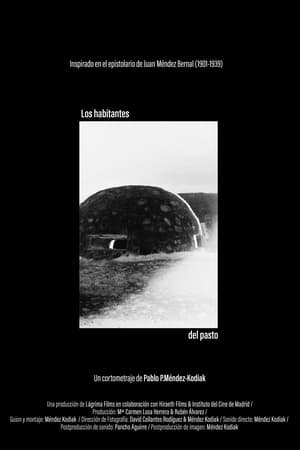
Juan Méndez Bernal leaves his house on the 9th of april of 1936 to fight in the imminent Spanish Civil War. 83 years later, his body is still one of the Grass Dwellers. The only thing that he leaves from those years on the front is a collection of 28 letters in his own writing.
50%
Heroic Spain(es)
1938-08-02
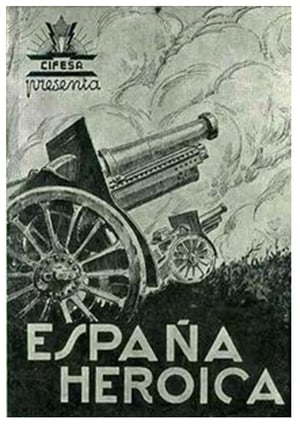
Documentary produced by Falange and edited in Berlin, in response to the international success of the Republican production "Spain 1936" (Le Chanois, 1937).
0%
Romancero marroquí(es)
1939-07-16
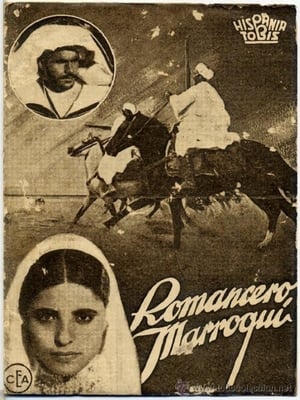
The young farmer Aalami leaves his family to find work elsewhere. He gets to know the country and its people, customs and traditions at Küste in North Africa: Market life in Tetuan, the art of craftsmanship, the life of the Moors, dances and festivities in honour of the caliph, white mosques, the call of the muezzin of the minaret and the music of the shepherd flutes. Aalami also follows Franco's call and flies from Morocco to Spain to fight at Bürgerkrieg. In the end Aalami comes back to his wife and children.
Recommendations Movies
80%
The Silence of Others(es)
2019-01-25
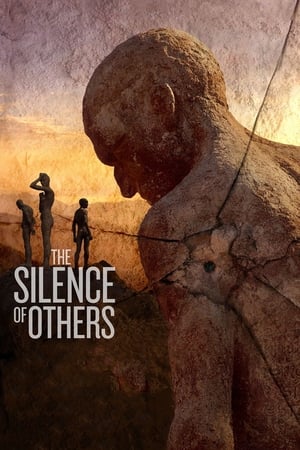
The story of the tortuous struggle against the silence of the victims of the dictatorship imposed by General Franco after the victory of the rebel side in the Spanish Civil War (1936-1975). In a democratic country, but still ideologically divided, the survivors seek justice as they organize the so-called “Argentinian lawsuit” and denounce the legally sanctioned pact of oblivion that intends to hide the crimes they were subjects of.
72%
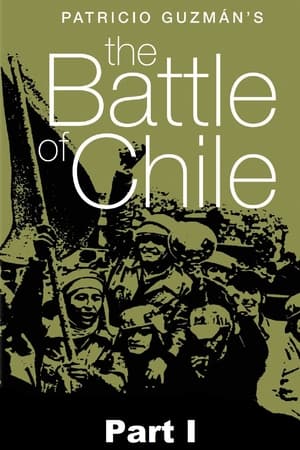
The Battle of Chile: Part I(es)
1975-03-18
The chronicle of the political tension in Chile in 1973 and of the violent counter revolution against the democratically elected government of Salvador Allende.
71%
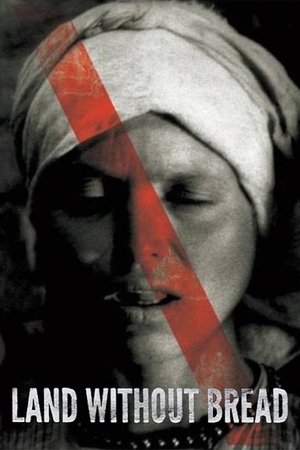
Land Without Bread(es)
1933-12-01
An exploration —manipulated and staged— of life in Las Hurdes, in the province of Cáceres, in Extremadura, Spain, as it was in 1932. Insalubrity, misery and lack of opportunities provoke the emigration of young people and the solitude of those who remain in the desolation of one of the poorest and least developed Spanish regions at that time.

83%
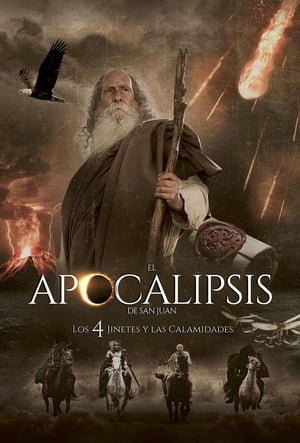
The Apocalypse of St John(es)
2024-10-07
Embark on an epic journey through time and faith with 'The Apocalypse of Saint John.' Join the Apostle John in a stunning visual narrative that unravels the visions of the End Times. Experience each vision like never before, with striking visual effects and epic scenes that immerse you in the apocalyptic narrative.
74%
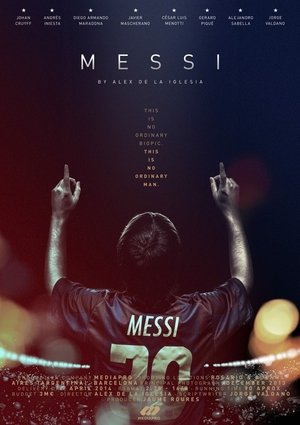
Messi(es)
2014-09-06
His teachers, coaches, childhood friends and Barça teammates, together with journalists, writers and prominent figures from the history of football, come together in a restaurant to analyze and pick apart Messi's personality both on and off the field, and to look back at some of the most significant moments in his life. Viewed from Álex de la Iglesia's unique perspective, Messi recreates the player's childhood and teenage years, from his very first steps, with a football always at his feet, through to the decision to leave Rosario for Barcelona, the separation from his family, and the role played in his career by individuals such as Ronaldinho, Rijkaard, Rexach and Guardiola.

65%
Downloaded(en)
2013-06-20
A documentary that explores the downloading revolution; the kids that created it, the bands and the businesses that were affected by it, and its impact on the world at large.
67%
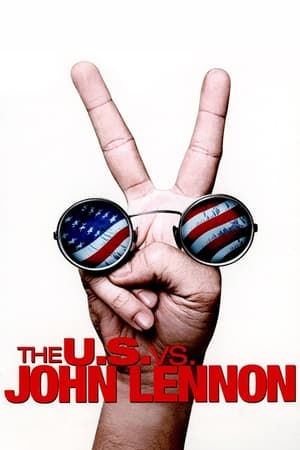
The U.S. vs. John Lennon(en)
2006-09-15
A documentary on the life of John Lennon, with a focus on the time in his life when he transformed from a musician into an antiwar activist.
70%
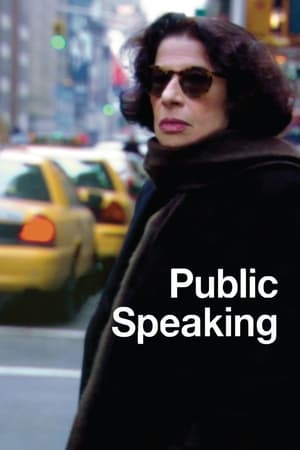
Public Speaking(en)
2011-02-23
Martin Scorsese’s portrait of writer and social commentator Fran Lebowitz, celebrated for her sharp wit and observations on modern life. Filmed at New York’s Waverly Inn and intercut with archival footage and interviews, the documentary captures Lebowitz’s distinctive worldview through her spontaneous monologues and public appearances.
72%
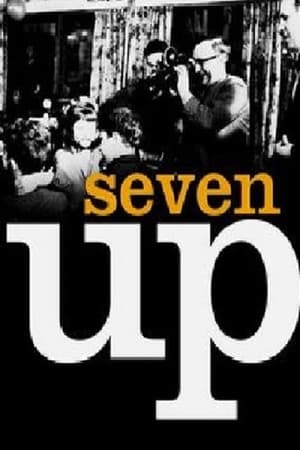
Seven Up!(en)
1964-05-05
A group of British children aged 7 from widely ranging backgrounds are interviewed about a range of subjects. The filmmakers plan to re-interview them at 7 year intervals to track how their lives and attitudes change as they age.
59%
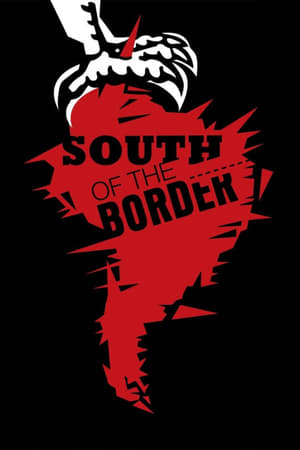
South of the Border(en)
2009-09-07
A road trip across five countries to explore the social and political movements as well as the mainstream media's misperception of South America while interviewing seven of its elected presidents.

76%
Night Will Fall(en)
2014-06-07
When Allied forces liberated the Nazi concentration camps in 1944-45, their terrible discoveries were recorded by army and newsreel cameramen, revealing for the first time the full horror of what had happened. Making use of British, Soviet and American footage, the Ministry of Information’s Sidney Bernstein (later founder of Granada Television) aimed to create a documentary that would provide lasting, undeniable evidence of the Nazis’ unspeakable crimes. He commissioned a wealth of British talent, including editor Stewart McAllister, writer and future cabinet minister Richard Crossman – and, as treatment advisor, his friend Alfred Hitchcock. Yet, despite initial support from the British and US Governments, the film was shelved, and only now, 70 years on, has it been restored and completed by Imperial War Museums under its original title "German Concentration Camps Factual Survey".
64%
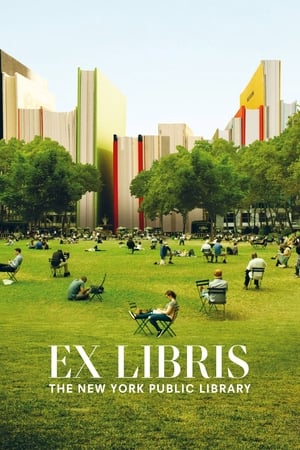
Ex Libris: The New York Public Library(en)
2017-09-13
A documentary about how a dominant cultural and demographic institution both sustains their traditional activities and adapts to the digital revolution.
74%
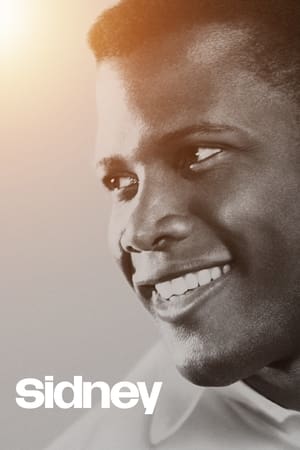
Sidney(en)
2022-09-10
This revealing documentary honors the legendary Sidney Poitier—iconic actor, filmmaker, and civil rights activist. Featuring interviews with Denzel Washington, Spike Lee, Halle Berry, and more.
70%
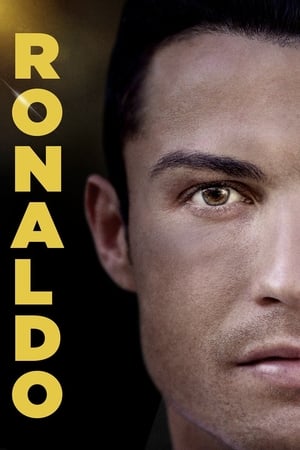
Ronaldo(en)
2015-11-09
Filmed over 14 months with unprecedented access into the inner circle of the man and the sport, this is the first official and fully authorised film of one of the most celebrated figures in football. For the first time ever, the world gets vividly candid and un-paralleled, behind-closed-doors access to the footballer, father, family-man and friend in this moving & fascinating documentary. Through in-depth conversations, state of the art football footage and never before seen archival footage, the film gives an astonishing insight into the sporting and personal life of triple Ballon D'Or winner Cristiano Ronaldo at the peak of his career. From the makers of ‘Senna’ and ‘Amy’, Ronaldo takes audiences on an intimate and revealing journey of what it’s like to live as an iconic athlete in the eye of the storm.
76%
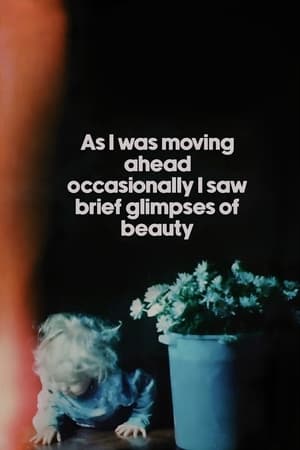
As I Was Moving Ahead, Occasionally I Saw Brief Glimpses of Beauty(en)
2000-11-05
A compilation of over 30 years of private home movie footage shot by Lithuanian-American avant-garde director Jonas Mekas, assembled by Mekas "purely by chance", without concern for chronological order.
73%
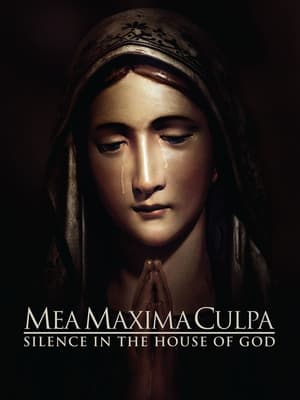
Mea Maxima Culpa: Silence in the House of God(en)
2012-11-16
Alex Gibney explores the charged issue of pedophilia in the Catholic Church, following a trail from the first known protest against clerical sexual abuse in the United States and all way to the Vatican.
78%
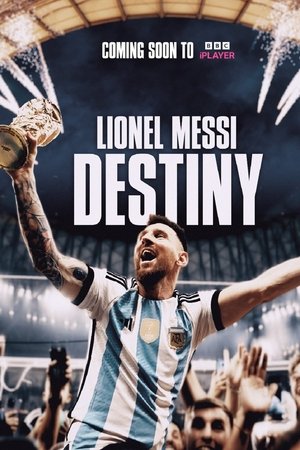
Lionel Messi: Destiny(en)
2023-05-27
Behind-the-scenes documentary about how Lionel Messi succeeded in lifting the World Cup – the only trophy to have eluded him in an incredible career.

59%
Hannah Montana & Miley Cyrus: Best of Both Worlds Concert(en)
2008-02-01
In this concert film, 'Hannah Montana' star Miley Cyrus performs a slew of hit songs, including 'Just Like You' and 'Life's What You Make It.'
65%
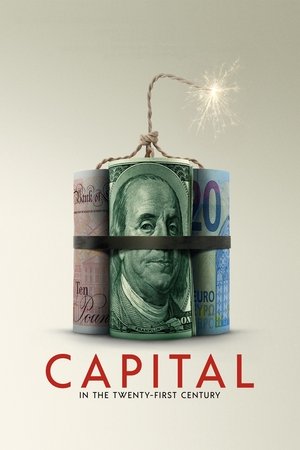
Capital in the Twenty-First Century(en)
2019-09-12
Film adaptation of French economist Thomas Piketty's ground-breaking global bestseller of the same name: an eye-opening journey through wealth and power.