Loading Page
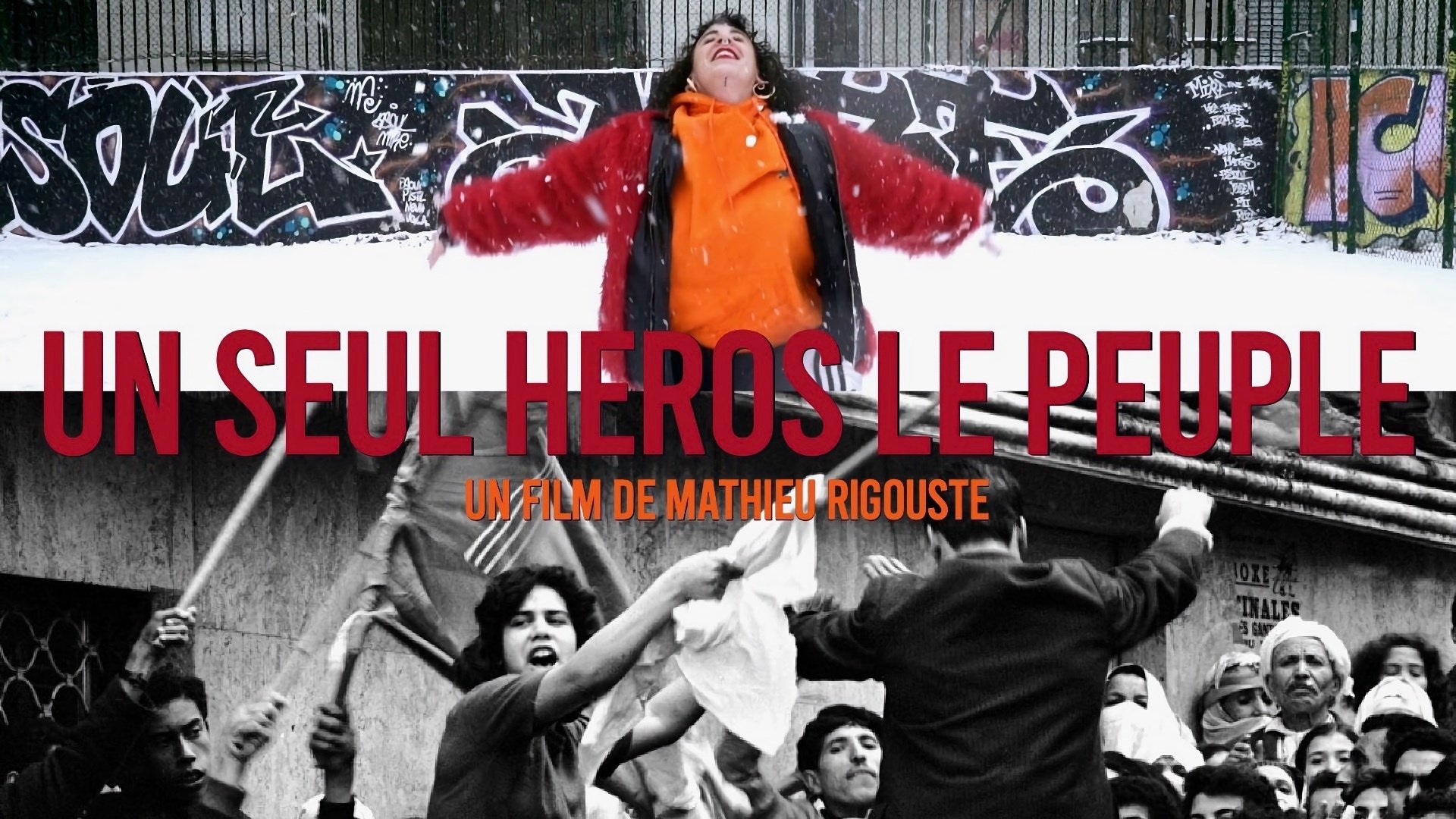
One hero, the people
Loading Trailer Videos...
All 1 videos

Un Seul Héros Le Peuple. Un film de Mathieu Rigouste. Sortie prévue en 2020. Trailer/ Bande Annonce - Trailer
Similar Movies
60%
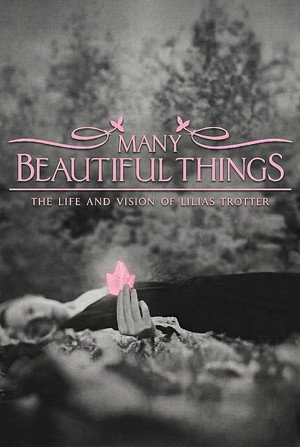
Many Beautiful Things(en)
2015-10-17
In an age when women were incapable of joining the artistic dialogue, Lilias Trotter managed to win the favour of celebrated critics.
100%
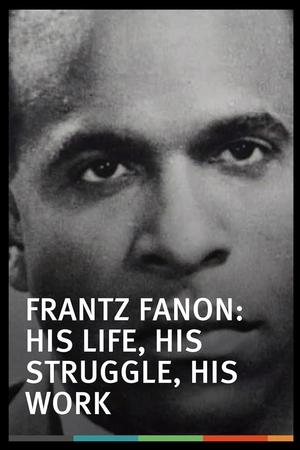
Frantz Fanon: His Life, His Struggle, His Work(fr)
2001-11-30
It is the evocation of a life as brief as it is dense. An encounter with a dazzling thought, that of Frantz Fanon, a psychiatrist of West Indian origin, who will reflect on the alienation of black people. It is the evocation of a man of reflection who refuses to close his eyes, of the man of action who devoted himself body and soul to the liberation struggle of the Algerian people and who will become, through his political commitment, his fight, and his writings, one of the figures of the anti-colonialist struggle. Before being killed at the age of 36 by leukemia, on December 6, 1961. His body was buried by Chadli Bendjedid, who later became Algerian president, in Algeria, at the Chouhadas cemetery (cemetery of war martyrs ). With him, three of his works are buried: “Black Skin, White Masks”, “L’An V De La Révolution Algérien” and “The Wretched of the Earth”.
70%
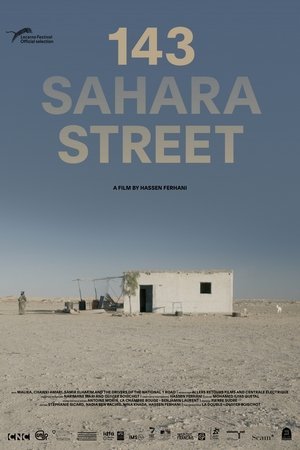
143 Sahara Street(fr)
2021-06-16
Alone in a small white house on the edge of national road 1, the Trans-Saharan road, which connects Algiers to Tamanrasset crossing the immensity of the desert, Malika, 74, one day opened her door to the director Hassen Ferhani, who came there to scout with his friend Chawki Amari, journalist at El Watan and author of the story Nationale 1 which relates his journey on this north-south axis of more than 2000 km. The Malika of Amari's novel, which Ferhani admits to having first perceived as a "literary fantasy", suddenly takes on an unsuspected human depth in this environment naturally hostile to man. She lends herself to the film project as she welcomes her clients, with an economy of gestures and words, an impression reinforced by the mystery that surrounds her and the rare elements of her biography which suggest that she is not from the region, that she left the fertile north of Algeria to settle in the desert where she lives with a dog and a cat.

100%
Bouzareah(fr)
1950-01-01
Arriving aboard the liner “Ville d’Alger”, young French citizens go to Bouzareah to follow a one-year professional training course at the École Normale. After acquiring the basics of the Arabic language and culture, the future teachers are trained to teach the population the basics of modern agriculture, manual work and hygiene. A study trip concludes the training. The teachers are then sent to the regions of their choice, where they will put their knowledge at the service of the inhabitants.
69%
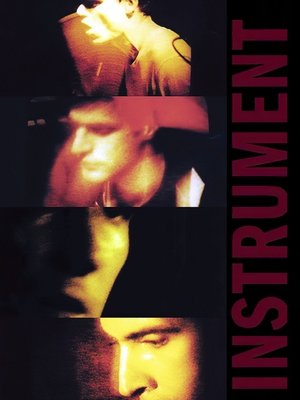
Instrument(en)
1999-03-01
The band Fugazi is documented over a period of more than ten years (1987-1998) through performance footage and interviews with the band and their fans. Director Jem Cohen's relationship with band member Ian MacKaye extends back to the 1970s when the two met in high school in Washington, D.C.. The film takes its title from the Fugazi song of the same name, from their 1993 album, In on the Kill Taker. Editing of the film was done by both Cohen and the members of the band over the course of five years. It was shot from 1987 through 1998 on super 8, 16mm and video and is composed mainly of footage of concerts, interviews with the band members, practices, tours and time spent in the studio recording their 1995 album, Red Medicine. The film also includes portraits of fans as well as interviews with them at various Fugazi shows around the United States throughout the years.
60%
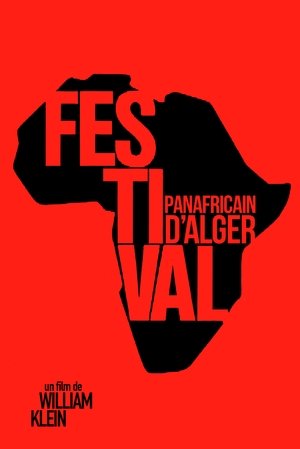
The Panafrican Festival in Algiers(ar)
1969-01-01
Festival panafricain d'Alger is a documentary by William Klein of the music and dance festival held 40 years ago in the streets and in venues all across Algiers. Klein follows the preparations, the rehearsals, the concerts… He blends images of interviews made to writers and advocates of the freedom movements with stock images, thus allowing him to touch on such matters as colonialism, neocolonialism, colonial exploitation, the struggles and battles of the revolutionary movements for Independence.
0%
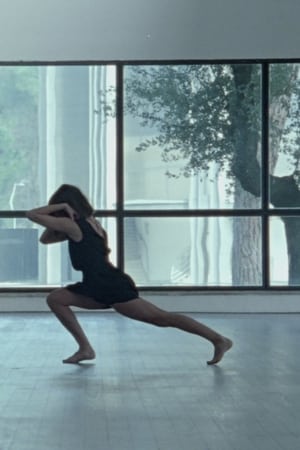
Anna Pina Teresa(en)
2015-04-08
Anna, Pina, Teresa reinterprets the pivotal scene in Rossellini’s “Roma Città Aperta” where Anna Magnani, who plays the character Pina, (based on the story of Teresa Gullace,) is murdered on the streets of Rome by the Fascist police. This scene is characterized by three movements performed by Magnani — resistance, running and falling. Filmed in the Sala Scherma at Foro Italico in Rome (Mussolini’s fencing studio designed by Moretti) Anna, Pina, Teresa examines the contemporary and historical dynamics between an urban Fascist space and movements of resistance.
100%
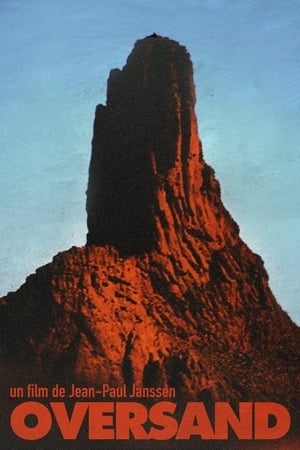
Oversand(fr)
1981-01-01
Oversand is one of the first films about free climbing, the third film in a series of three with "Overdon" and "Over-Ice". Directed by Jean-Paul Janssen, the film was shot in 35mm in Algeria, in the Sahara Desert, in the Tamanrasset region, on the walls of the majestic peaks of the Atakor massif, central sub-region of Hoggar, mountainous heart of Hoggar, a volcanic plateau of almost circular shape, whose average altitude is 2000 meters, and which culminates at Mount Tahat (2918m), the highest point in Algeria. The Atakor is distinguished by its spectacular volcanic peaks, its needles, and its rugged landscapes, resulting from the erosion of ancient volcanic chimneys, which make it the most emblematic summits of the Hoggar, such as the Assekrem, the Ilamane, or the Tizouyag, where climbers Patrick Edlinger, Patrick Bérhault, Bernard Gorgeon, Hugues Jaillet, Jacques Perrier, Stéphane Troussier and Odette Schoënleb evolve under the watchful eye of the Tuareg caravans.
72%
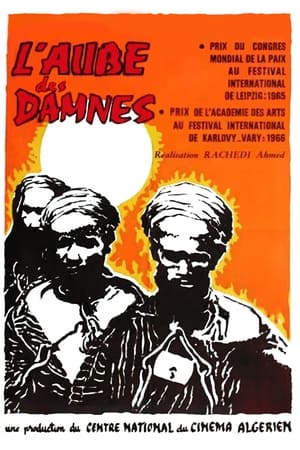
Dawn of the Damned(fr)
1965-07-05
This excellent feature-length documentary - the story of the imperialist colonization of Africa - is a film about death. Its most shocking sequences derive from the captured French film archives in Algeria containing - unbelievably - masses of French-shot documentary footage of their tortures, massacres and executions of Algerians. The real death of children, passers-by, resistance fighters, one after the other, becomes unbearable. Rather than be blatant propaganda, the film convinces entirely by its visual evidence, constituting an object lesson for revolutionary cinema.
100%
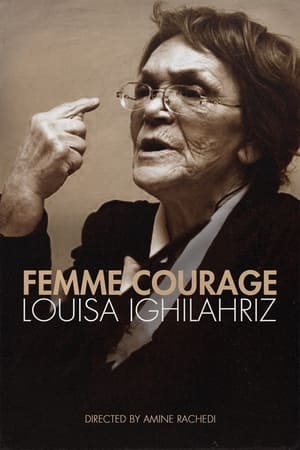
Woman of Courage - Louisa Ighilahriz(ar)
2003-01-21
The autobiographical account of the tormented life of a witness of the century: Louisa Ighilahriz, activist and leading figure in Algerian independence. A student, she joined the independence struggle at the age of 20, joining the ranks of the FLN on the eve of the Battle of Algiers in late 1956 under the name Lila. She took part in the high school students' strike, then fled into the maquis when she was actively sought after. She was part of the French FLN support network of "suitcase carriers" during the Battle of Algiers. Seriously wounded alongside her network leader, Saïd Bakel, during an ambush in 1957, hospitalized and then imprisoned, she suffered numerous tortures in French prisons. She will be saved from certain death by an anonymous person, she will seek, for forty years, to find him just to show him her gratitude... Emblematic of the painful Franco-Algerian history, Louisa's story is poignant and imbued with humanism.
100%
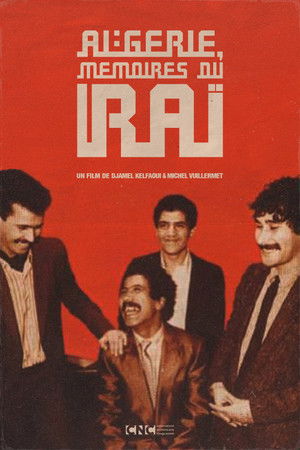
Algeria, Memoirs of Raï(fr)
2001-01-02
In the 1980s, Algeria experienced a tumultuous social context which reached its peak during the riots of October 88. This wave of protest, with youth as its figurehead, echoed the texts of raï singers. Thirst for freedom, misery of life and the aspirations of youth are among the main themes of their works which will inspire an entire generation. More than music, raï celebrates the Arabic language and becomes a vector of Algerian culture, thus providing the cultural weapons of emerging Algerian nationalism With Cheb Khaled, Cheb Mami and Chaba Fadela as leaders of the movement, raï is also a way of telling and reflecting the essence of Algeria in these difficult times. While the threat weighs on artists in Algeria, their exile allows raï to be exported internationally and thus, to bring the colors of Algeria to life throughout the world.
100%
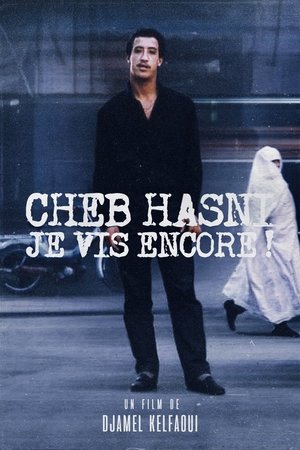
Cheb Hasni, Je vis encore !(fr)
2008-01-02
Director Djamel Kelfaoui pays tribute to the great singer Cheb Hasni, king of sentimental raï, who became cult in Algeria and beyond its borders, and who was murdered in the street in September 1994 in Oran, at the age of 26. Unique and last interview filmed a few months before the assassination of the singer considered the king of “raï love” or “sentimental song”. Cheb Hasni had recorded more than 150 cassettes during his career. His memory remains very alive in the Maghreb and Arab world and its diaspora throughout the world. A transgenerational icon, he will be posthumously decorated with the National Merit medal at the rank of Achir.
60%
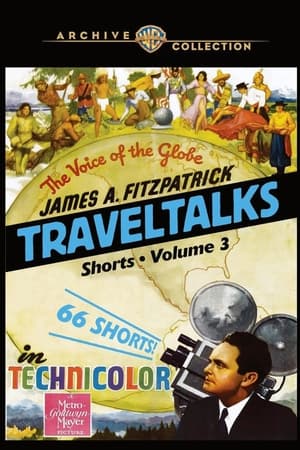
Glimpses of Morocco and Algiers(en)
1951-08-04
This FitzPatrick Traveltalk short visits the cities of Casablanca, Rabat, and Marrakesh in Morocco, as well as the city of Algiers in Algeria.
100%
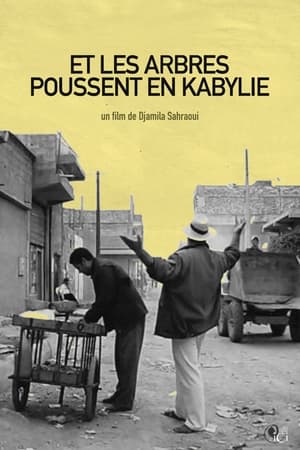
Et les arbres poussent en Kabylie(fr)
2003-08-25
A warm, attentive chronicle of everyday life in a small Algerian town, with the backdrop of the inhabitants' development and beautification of one of the neighborhoods. We meet an amateur mechanic, a retired man from France, a doctor, old women and young men. Everyone plays... in front of the camera of one of the youngsters. Even when the riots in Kabylia disrupt the course of daily life in the Cité des Martyrs.
70%
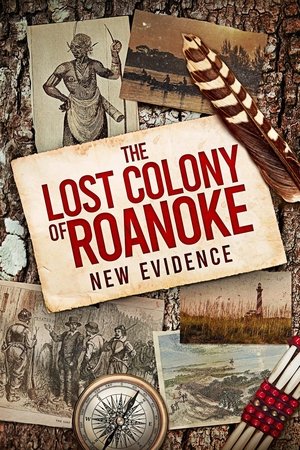
The Lost Colony of Roanoke: New Evidence(en)
2022-05-08
In 1587, more than 100 English colonists settle on Roanoke Island and soon vanish, baffling historians for centuries; now, experts use the latest forensic archaeology to investigate the true story behind America's oldest and most controversial mystery.
75%
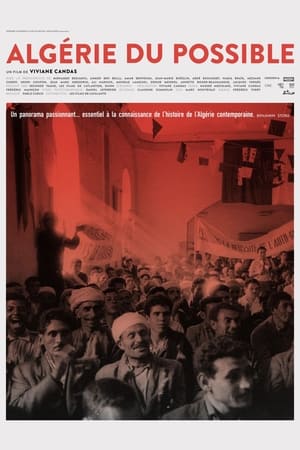
Algérie du possible(fr)
2016-12-07
By meeting his former comrades in combat, the film follows the journey of Yves Mathieu, anti-colonialist in Black Africa then lawyer for the FLN. When Algeria became independent, he drafted the Decrees of March on vacant property and self-management, promulgated in 1963 by Ahmed Ben Bella. Yves Mathieu's life is punctuated by his commitments in an Algeria that was then called "The Lighthouse of the Third World". The director, who is his daughter, returns to the conditions of his death in 1966.

0%
L'abatis(fr)
1952-01-01
100%
The Sorcerer's Apprentice(fr)
1996-01-01
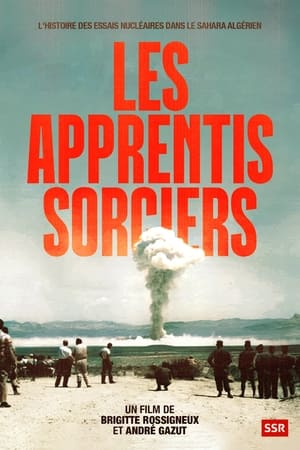
60 years ago, in the Algerian desert, an atomic bomb, equivalent to three or even four times Hiroshima, exploded. Named the “Blue Gerboise”, it was the first atomic bomb tested by France, and of hitherto unrivaled power. This 70 kiloton plutonium bomb was launched in the early morning, in the Reggane region, in southern Algeria, during the French colonial era. If this test allowed France to become the 4th nuclear power in the world, it had catastrophic repercussions. France had, at the time, certified that the radiation was well below the standard safety threshold. However, in 2013, declassified files revealed that the level of radioactivity had been much higher than announced, and had been recorded from West Africa to the south of Spain.
Recommendations Movies


76%
Night Will Fall(en)
2014-06-07
When Allied forces liberated the Nazi concentration camps in 1944-45, their terrible discoveries were recorded by army and newsreel cameramen, revealing for the first time the full horror of what had happened. Making use of British, Soviet and American footage, the Ministry of Information’s Sidney Bernstein (later founder of Granada Television) aimed to create a documentary that would provide lasting, undeniable evidence of the Nazis’ unspeakable crimes. He commissioned a wealth of British talent, including editor Stewart McAllister, writer and future cabinet minister Richard Crossman – and, as treatment advisor, his friend Alfred Hitchcock. Yet, despite initial support from the British and US Governments, the film was shelved, and only now, 70 years on, has it been restored and completed by Imperial War Museums under its original title "German Concentration Camps Factual Survey".
59%
South of the Border(en)
2009-09-07
A road trip across five countries to explore the social and political movements as well as the mainstream media's misperception of South America while interviewing seven of its elected presidents.
65%
Heart of a Dog(en)
2015-10-21
Lyrical and powerfully personal essay film that reflects on the deaths of her husband Lou Reed, her mother, her beloved dog, and such diverse subjects as family memories, surveillance, and Buddhist teachings.
70%
Iverson(en)
2014-04-27
Iverson is the ultimate legacy of NBA legend Allen Iverson, who rose from a childhood of crushing poverty in Hampton, Virginia, to become an 11-time NBA All-Star and universally recognized icon of his sport. Off the court, his audacious rejection of conservative NBA convention and unapologetic embrace of hip hop culture sent shockwaves throughout the league and influenced an entire generation. Told largely in Iverson's own words, the film charts the career highs and lows of one of the most distinctive and accomplished figures the sport of basketball has ever seen.

71%
In the Realms of the Unreal(en)
2004-01-15
In the Realms of the Unreal is a documentary about the reclusive Chicago-based artist Henry Darger. Henry Darger was so reclusive that when he died his neighbors were surprised to find a 15,145-page manuscript along with hundreds of paintings depicting The Story of the Vivian Girls, in What is Known as the Realms of the Unreal, of the Glodeco-Angelinnian War Storm, Cased by the Child Slave Rebellion.

71%
The Class of ‘92(en)
2013-12-01
A detailing of the rise to prominence and global sporting superstardom of six supremely talented young Manchester United football players (David Beckham, Nicky Butt, Ryan Giggs, Paul Scholes, Phil and Gary Neville). The film covers the period 1992-1999, culminating in Manchester United's European Cup triumph.
77%
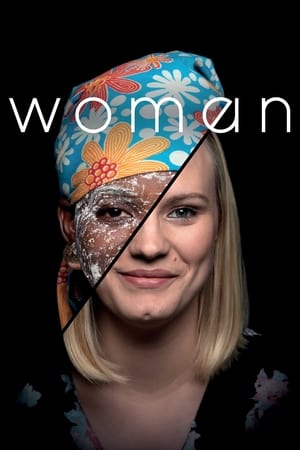
Woman(fr)
2020-03-01
The film is based on interviews with 2,000 women from 50 countries, and covers the status of women all over the world. The topics covered include forced marriages, sexual assault, female genital mutilation, acid attacks, motherhood, sexuality, menstruation, education and the professional success of women.
70%
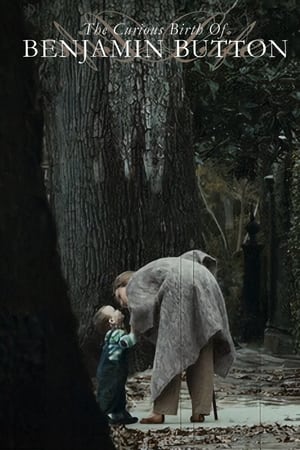
The Curious Birth of Benjamin Button(en)
2009-05-05
A documentary about the making of David Fincher's 2008 film THE CURIOUS CASE OF BENJAMIN BUTTON. Virtually every element in the evolution of the Fincher's film is documented here, from the project's attachment to numerous other directors during the 1990s, to its shoot in 2006 and 2007 in New Orleans, to its complex, CGI-intensive postproduction process.

60%
Anna Nicole Smith: You Don't Know Me(en)
2023-05-16
From the heights of her modeling fame to her tragic death, this documentary reveals Anna Nicole Smith through the eyes of the people closest to her.
65%
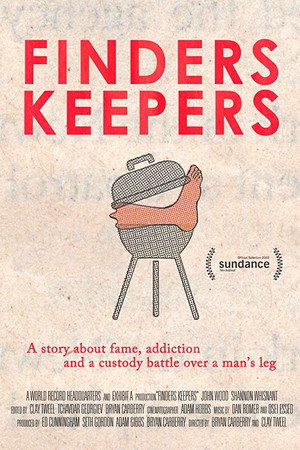
Finders Keepers(en)
2015-06-22
In this documentary, recovering addict and amputee John Wood finds himself in a stranger-than-fiction battle to reclaim his mummified leg from Southern entrepreneur Shannon Whisnant, who found it in a grill he bought at an auction and believes it therefore to be his rightful property.
64%
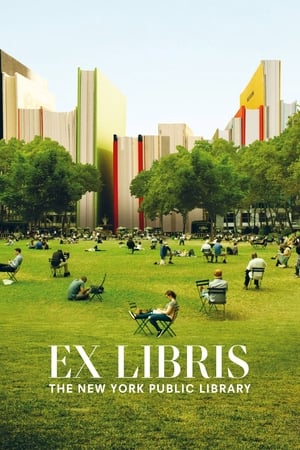
Ex Libris: The New York Public Library(en)
2017-09-13
A documentary about how a dominant cultural and demographic institution both sustains their traditional activities and adapts to the digital revolution.
69%
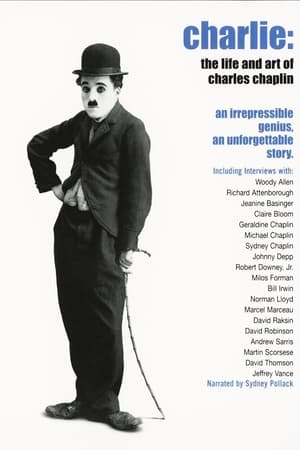
Charlie: The Life and Art of Charles Chaplin(en)
2003-05-01
Brilliant, long in-the-works story of the life and art of the world's greatest comedian and the cinema's first genius, Charlie Chaplin. Produced, written and directed by renowned film critic Richard Schickel.

61%
Naqoyqatsi(en)
2002-09-02
A visual montage portrait of our contemporary world dominated by globalized technology and violence.
65%
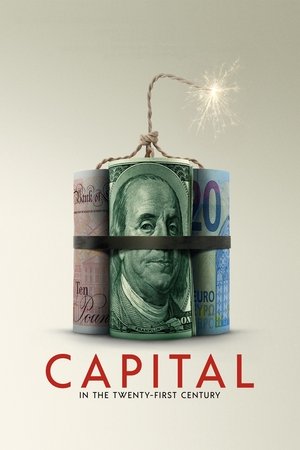
Capital in the Twenty-First Century(en)
2019-09-12
Film adaptation of French economist Thomas Piketty's ground-breaking global bestseller of the same name: an eye-opening journey through wealth and power.

65%
Downloaded(en)
2013-06-20
A documentary that explores the downloading revolution; the kids that created it, the bands and the businesses that were affected by it, and its impact on the world at large.
79%
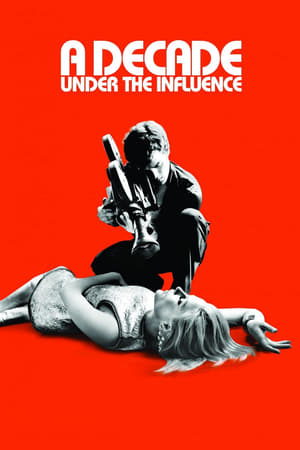
A Decade Under the Influence(en)
2003-04-25
A documentary examining the decade of the 1970s as a turning point in American cinema. Some of today's best filmmakers interview the influential directors of that time.
69%
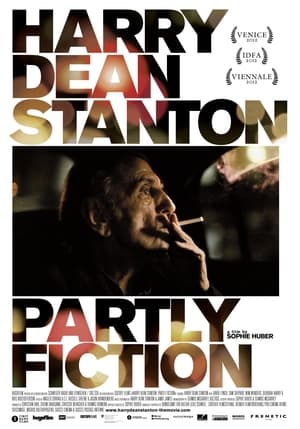
Harry Dean Stanton: Partly Fiction(en)
2013-09-11
An impressionistic portrait of the iconic actor Harry Dean Stanton comprised of intimate moments, film clips from some of his 250 films and his renditions of American folk songs.
67%
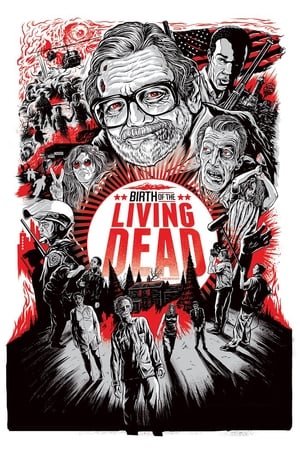
Birth of the Living Dead(en)
2013-10-18
A behind the scenes look into George Romero's groundbreaking horror classic Night of the Living Dead.