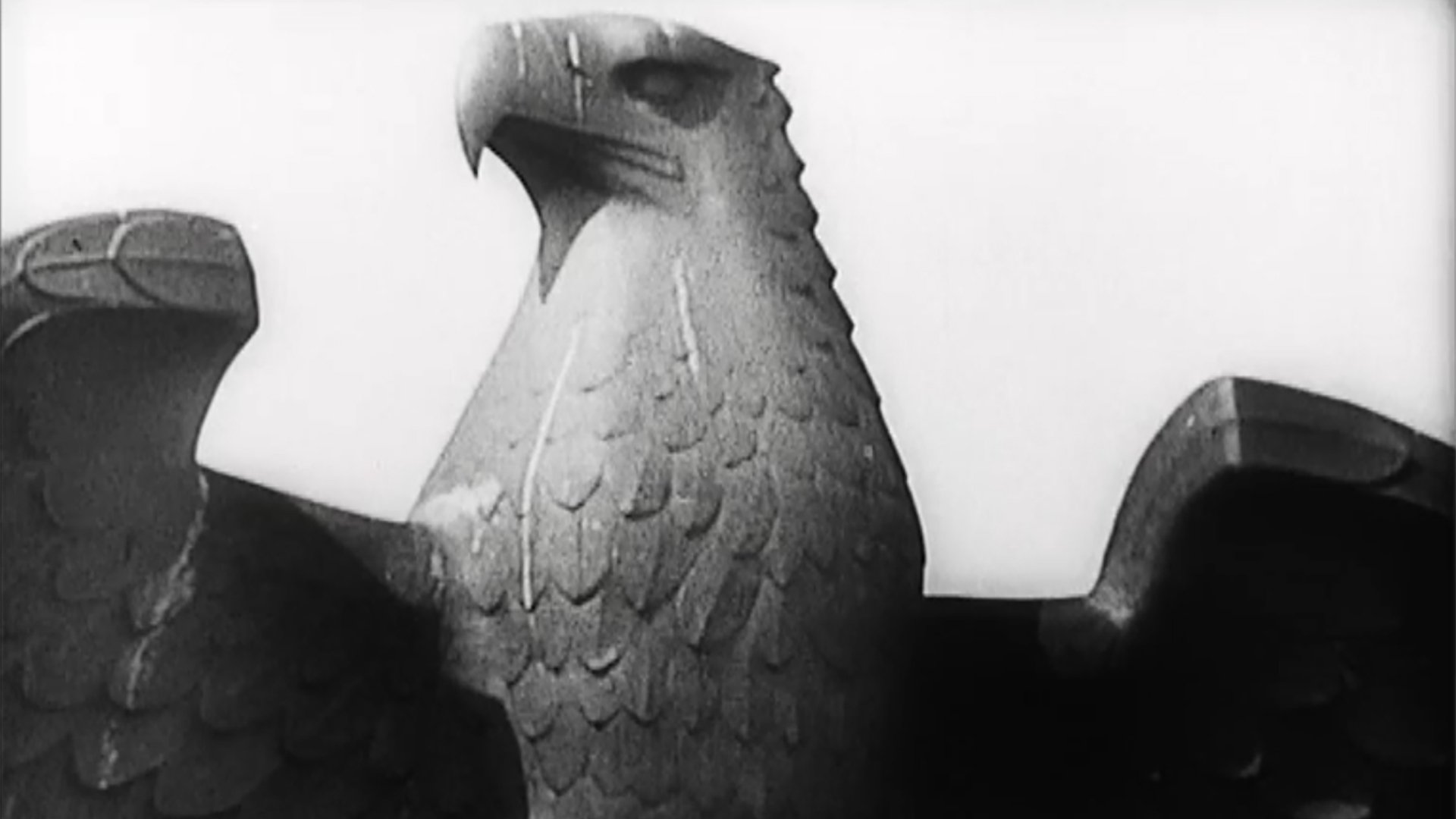
In the Land of Eagles and Crosses
Top 1 Billed Cast
HomePage
Overview
In this documentary, Joachim Hellwig uses partly unpublished footage to shed light on a dark chapter of German history and shows the entanglements between the politicians' claims to power and the interests of industry and business in Germany from the beginning of the First World War to the end of the Second World War (1914 to 1945). The Nuremberg War Crimes and Industrial Trials served as the basis for this documentary.
Release Date
1981-01-30
Average
7
Rating:
3.5 startsTagline
Genres
Languages:
DeutschKeywords
Similar Movies
June 1940, the Great Chaos(fr)
From May 10, 1940, France is living one of the worst tragedies of it history. In a few weeks, the country folds, and then collapsed in facing the attack of the Nazi Germany. On June 1940, each day is a tragedy. For the first time, thanks to historic revelations, and to numerous never seen before images and documents and reenacted situations of the time, this film recounts the incredible stories of those men and women trapped in the torment of this great chaos.
Grbavica: The Land of My Dreams(bs)
A woman and her daughter struggle to make their way through the aftermath of the Balkan war.
To End All War: Oppenheimer & the Atomic Bomb(en)
Explore how one man's relentless drive and invention of the atomic bomb changed the nature of war forever, led to the deaths of hundreds of thousands of people and unleashed mass hysteria.

Shusenjo: The Main Battleground of the Comfort Women Issue(en)
A Japanese-American director digs deep into the controversial 'comfort women' issue to settle the debate on whether the women were paid prostitutes or sex slaves, and reveals the motivations and intentions of the main actors pushing to revise history in Japan.
Hitler's Evil Science(fr)
In 1935, German scientists dug for bones; in 1943, they murdered to get them. How the German scientific community supported Nazism, distorted history to legitimize a hideous system and was an accomplice to its unspeakable crimes. The story of the Ahnenerbe, a sinister organization created to rewrite the obscure origins of a nation.
In the Valley of Elah(en)
A career officer and his wife work with a police detective to uncover the truth behind their son's disappearance following his return from a tour of duty in Iraq.
The Last Emperor(en)
A dramatic history of Pu Yi, the last of the Emperors of China, from his lofty birth and brief reign in the Forbidden City, the object of worship by half a billion people; through his abdication, his decline and dissolute lifestyle; his exploitation by the invading Japanese, and finally to his obscure existence as just another peasant worker in the People's Republic.
Judgment at Nuremberg(en)
In 1947, four German judges who served on the bench during the Nazi regime face a military tribunal to answer charges of crimes against humanity. Chief Justice Haywood hears evidence and testimony not only from lead defendant Ernst Janning and his defense attorney Hans Rolfe, but also from the widow of a Nazi general, an idealistic U.S. Army captain and reluctant witness Irene Wallner.

If Only I Were That Warrior(it)
If Only I Were That Warrior is a feature documentary film focusing on the Italian occupation of Ethiopia in 1935. Following the recent construction of a monument dedicated to Fascist general Rodolfo Graziani, the film addresses the unpunished war crimes he and others committed in the name of Mussolini’s imperial ambitions. The stories of three characters, filmed in present day Ethiopia, Italy and the United States, take the audience on a journey through the living memories and the tangible remains of the Italian occupation of Ethiopia — a journey that crosses generations and continents to today, where this often overlooked legacy still ties the fates of two nations and their people.
City of Life and Death(zh)
In 1937, during the height of the Second Sino-Japanese War, the Imperial Japanese Army has just captured Nanjing, then-capital of the Republic of China. What followed was known as the Nanking Massacre, or the Rape of Nanking, a six week period wherein tens of thousands of Chinese soldiers and civilians were killed.
Andersonville(en)
This lengthy docudrama records the harrowing conditions at the Confederacy's most notorious prisoner-of-war camp. The drama unfolds through the eyes of a company of Union soldiers captured at the Battle of Cold Harbor, VA, in June 1864, and shipped to the camp in southern Georgia. A private, Josiah Day, and his sergeant try to hold their company together in the face of squalid living conditions, inhumane punishments, and a gang of predatory fellow prisoners called the Raiders.

Liberators Take Liberties(de)
Helke Sander interviews multiple German women who were raped in Berlin by Soviet soldiers in May 1945. Most women never spoke of their experience to anyone, due largely to the shame attached to rape in German culture at that time.
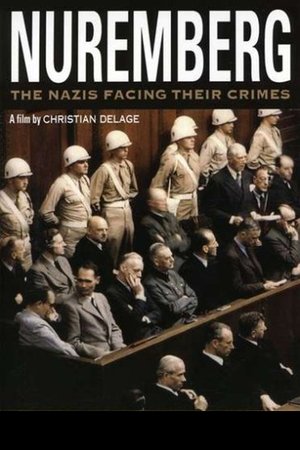
Nuremberg: The Nazis Facing their Crimes(fr)
The documentary of the Nuremberg War Trials of 21 Nazi dignitaries held after World War II.

Paragraph 175(de)
During the Nazi regime, there was widespread persecution of homosexual men, which started in 1871 with the Paragraph 175 of the German Penal Code. Thousands were murdered in concentration camps. This powerful and disturbing documentary, narrated by Rupert Everett, presents for the first time the largely untold testimonies of some of those who survived.

Gaza(en)
This feature length investigation by Al Jazeera’s Investigative Unit exposes Israeli war crimes in the Gaza Strip through the medium of photos and videos posted online by Israeli soldiers themselves during the year long conflict. The I-Unit has built up a database of thousands of videos, photos and social media posts. Where possible it has identified the posters and those who appear. The material reveals a range of illegal activities, from wanton destruction and looting to the demolition of entire neighbourhoods and murder. The film also tells the story of the war through the eyes of Palestinian journalists, human rights workers and ordinary residents of the Gaza Strip. And it exposes the complicity of Western governments – in particular the use of RAF Akrotiri in Cyprus as a base for British surveillance flights over Gaza.

The Emperor's Naked Army Marches On(ja)
Kenzo Okuzaki, a 62-year-old veteran of the New Guinea campaign in World War II, sets out to conduct interviews with survivors and relatives to find the truth behind atrocities committed by Japanese military, in particular the unexplained killing of two Japanese privates in his unit.
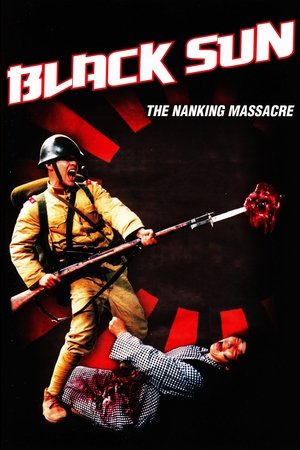
Black Sun: The Nanking Massacre(cn)
Black Sun: The Nanking Massacre depicts the brutal events behind the Nanking Massacre committed by the Imperial Japanese army against the Chinese people during the Second Sino-Japanese War.
Recommendations Movies
The Unknown Known(en)
Former United States Secretary of Defense, Donald Rumsfeld, discusses his career in Washington D.C. from his days as a congressman in the early 1960s to planning the invasion of Iraq in 2003.
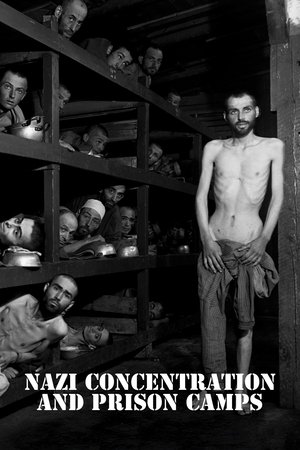
Nazi Concentration Camps(en)
Produced and presented as evidence at the Nuremberg war crimes trial of Hermann Göring and twenty other Nazi leaders, this film consists primarily of dead and surviving prisoners and of facilities used to kill and torture during the World War II.
Hitler: A Career(de)
A keen chronicle of the unlikely rise to power of Adolf Hitler (1889-1945) and a dissection of the Third Reich (1933-1945), but also an analysis of mass psychology and how the desperate crowd can be deceived and shepherded to the slaughterhouse.
Making Waves: The Art of Cinematic Sound(en)
The history of cinematic sound, told by legendary sound designers and visionary filmmakers.
Triumph of the Will(de)
A showcase of German chancellor and Nazi Party leader Adolf Hitler at the 1934 Nuremberg Rally.
Trinity and Beyond: The Atomic Bomb Movie(en)
"Trinity and Beyond" is an unsettling yet visually fascinating documentary presenting the history of nuclear weapons development and testing between 1945-1963. Narrated by William Shatner and featuring an original score performed by the Moscow Symphony Orchestra, this award-winning documentary reveals previously unreleased and classified government footage from several countries.
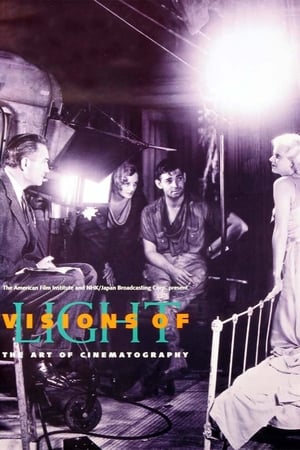
Visions of Light(en)
Cameramen and women discuss the craft and art of cinematography and of the "DP" (the director of photography), illustrating their points with clips from 100 films, from Birth of a Nation to Do the Right Thing. Themes: the DP tells people where to look; changes in movies (the arrival of sound, color, and wide screens) required creative responses from DPs; and, these artisans constantly invent new equipment and try new things, with wonderful results. The narration takes us through the identifiable studio styles of the 30s, the emergence of noir, the New York look, and the impact of Europeans. Citizen Kane, The Conformist, and Gordon Willis get special attention.
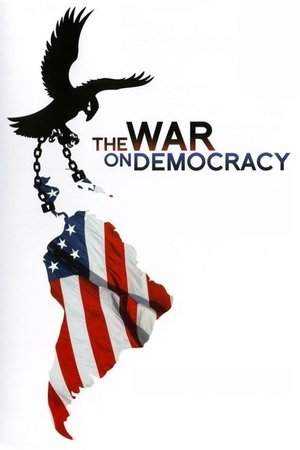
The War on Democracy(en)
Set both in Latin America and the United States, the film explores the historic and current relationship of Washington with countries such as Venezuela, Bolivia and Chile. Pilger says that the film "...tells a universal story... analysing and revealing, through vivid testimony, the story of great power behind its venerable myths. It allows us to understand the true nature of the so-called "war on terror". According to Pilger, the film’s message is that the greed and power of empire is not invincible and that people power is always the "seed beneath the snow".
The Untold History Of The United States(en)
Oliver Stone charts the history of the United States from the Second World War to the present.
The War Room(en)
A behind-the-scenes documentary about the Clinton for President campaign, focusing on the adventures of spin doctors James Carville and George Stephanopoulos.

Night Will Fall(en)
When Allied forces liberated the Nazi concentration camps in 1944-45, their terrible discoveries were recorded by army and newsreel cameramen, revealing for the first time the full horror of what had happened. Making use of British, Soviet and American footage, the Ministry of Information’s Sidney Bernstein (later founder of Granada Television) aimed to create a documentary that would provide lasting, undeniable evidence of the Nazis’ unspeakable crimes. He commissioned a wealth of British talent, including editor Stewart McAllister, writer and future cabinet minister Richard Crossman – and, as treatment advisor, his friend Alfred Hitchcock. Yet, despite initial support from the British and US Governments, the film was shelved, and only now, 70 years on, has it been restored and completed by Imperial War Museums under its original title "German Concentration Camps Factual Survey".

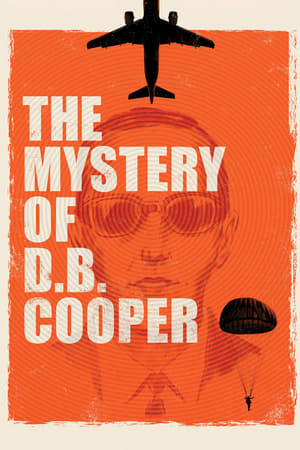
The Mystery of D.B. Cooper(en)
This documentary brings to life the stories of four people believed by their family and friends to be “DB Cooper,” a man who hijacked a 727 flying out of Seattle and jumped from the plane over the wilds of Washington State with a parachute and $200,000, never to be heard from again.
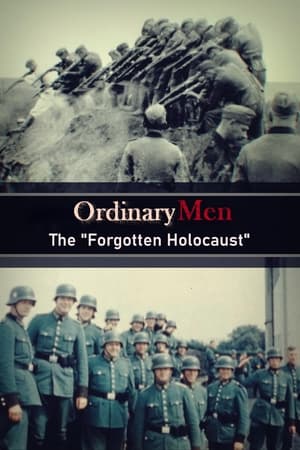
Ordinary Men: The "Forgotten Holocaust"(de)
Six million Jews died during World War II, both in the extermination camps and murdered by the mobile commandos of the Einsatzgruppen and police battalions, whose members shot men, women and children, day after day, obediently, as if it were a normal job, a fact that is hardly known today. Who were these men and how could they commit such crimes?
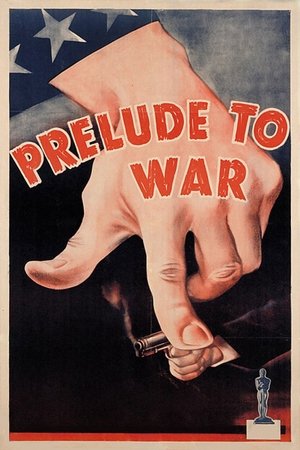
Why We Fight: Prelude to War(en)
Prelude to War was the first film of Frank Capra's Why We Fight propaganda film series, commissioned by the Pentagon and George C. Marshall. It was made to convince American troops of the necessity of combating the Axis Powers during World War II. This film examines the differences between democratic and fascist states.
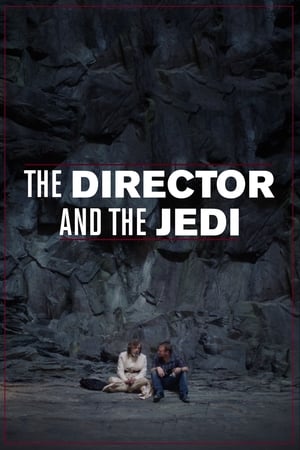
The Director and the Jedi(en)
An intimate documentary delving into Rian Johnson's process as he comes in as a director new to the Star Wars universe.

As I Was Moving Ahead, Occasionally I Saw Brief Glimpses of Beauty(en)
A compilation of over 30 years of private home movie footage shot by Lithuanian-American avant-garde director Jonas Mekas, assembled by Mekas "purely by chance", without concern for chronological order.

Red Army(en)
A documentary highlighting the Soviet Union's legendary and enigmatic hockey training culture and world-dominating team through the eyes of the team's Captain Slava Fetisov, following his shift from hockey star and celebrated national hero to political enemy.

9/11: Inside the President's War Room(en)
Experience the events of September 11, 2001 through the eyes of President Bush and his closest advisors as they personally detail the crucial hours and key decisions from that historic day.

Love, Gilda(en)
Diaries, audiotapes, videotapes and testimonials from friends and colleagues offer insight into the life and career of Gilda Radner -- the beloved comic and actress who became an icon on Saturday Night Live.