
Laissez-faire
Top 10 Billed Cast

Self (archive footage)

Self (archive footage)

Self (archive footage)
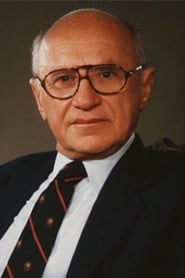
Self (archive footage)
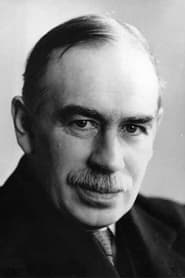
Self (archive footage)
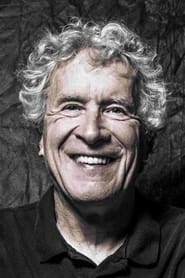
Self (archive footage)
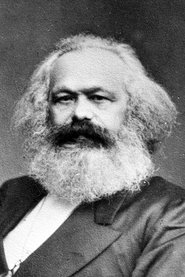
Self (archive footage)

Self (archive footage)
Similar Movies

Projekt Ballhausplatz(de)
How a group of young men managed to take over the government and lead it to the brink of democracy. What drove the “Praetorians” and why almost the entire country was at their feet. Why the European public marveled and admired this.
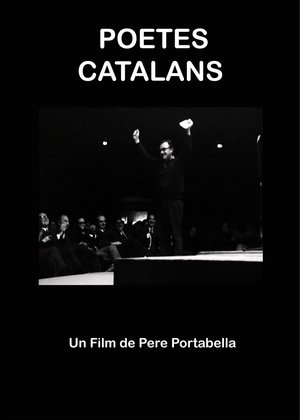
Catalan Poets(ca)
At underground film of the 1st Popular Festival of Catalan Poetry filmed in the Proce Theater in Barcelona on May 25, 1970, in solidarity with political prisoners. The participating poets were: Agustí Bartra, Joan Oliver (Pere IV), Salvador Espriu, Joan Brossa, Francesc Vallverdú and Gabriel Ferrater.

Am I Racist?(en)
Matt Walsh goes deep undercover in the world of diversity, equity, and inclusion. Prepare to be shocked by how far race hustlers will go and how much further Matt Walsh will go to expose the grift, uncovering absurdities that will leave you laughing.
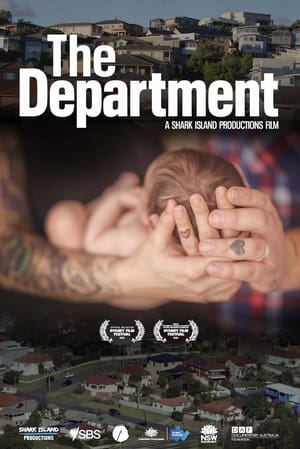
The Department(en)
THE DEPARTMENT is a feature documentary which takes us inside the never-before-seen child protection system at work in NSW. Filmed in an observational style, it follows caseworkers across the state as they navigate the complexities of keeping children safe in families experiencing domestic violence, addiction, poverty, mental health issues and intergenerational trauma.
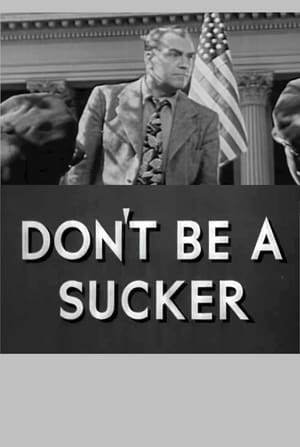
Don't Be a Sucker!(en)
Propaganda short film depicting the rise of Nazism in Germany and how political propaganda is similarly used in the United States. The film was made to make the case for the desegregation of the United States armed forces.
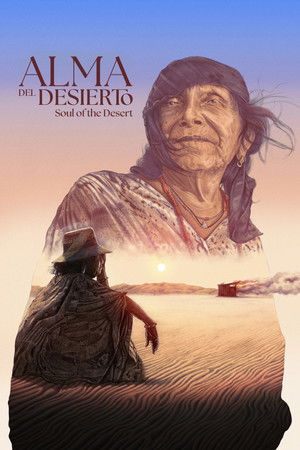
Soul of the Desert(es)
A documentary on the road that tracks the journey by Georgina, an elderly transgender woman forced to cross the sandy peninsula Guajira, on foot, to obtain the thing she has desired for almost half a century: a document that will hand her the right to be what she has always felt she was, and will allow her, at long last, to vote.
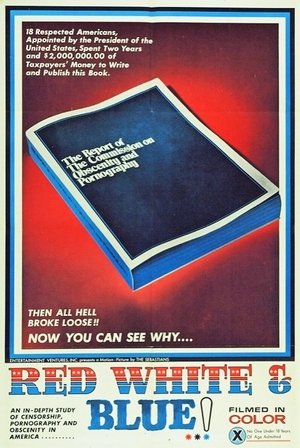
Red, White and Blue(en)
A documentary about the hearings of President Nixon's Commission on Obscenity, featuring adult-film producer David F. Friedman (one of the producers of this film) testifying before Congress, and involved in the production of one of his films, "Trader Hornee."

Pather Panchali(bn)
Impoverished priest Harihar Ray leaves his rural Bengal village in search of work. His wife, Sarbojaya, looks after their rebellious daughter, Durga, and young son, Apu. The children enjoy the small pleasures of their difficult life.
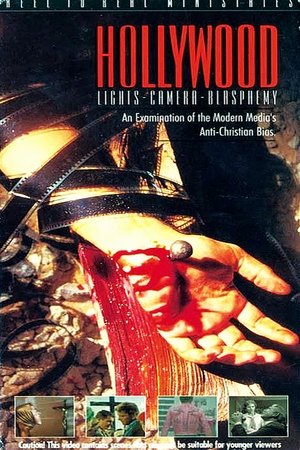
Hollywood: Lights, Camera, Blasphemy!(en)
"No film may throw ridicule on any religious faith..." So began Article VIII of the Hollywood Production Code, a series of ethical guidelines that for forty years helped the motion picture industry produce many of the greatest and most family-friendly films in history. That was then, however, this is now. A revered "historical" movie quietly takes every opporturnity to lie and twist the facts in order to make Christians appear as backward, foolish hypocrites. An actress jumps at the chance to play a Christ-hating role, saying, "I'm an atheist, so it was a joy." One of Hollywood's most respected directors films a passion play written by a disciple of Friedrich Nietzsche, the father of the "God is dead" movement. Not surprisingly, the movie's Jesus helps crucify people and later confesses that satan is inside him. A media mogul states that "Christianity is a religion for losers."
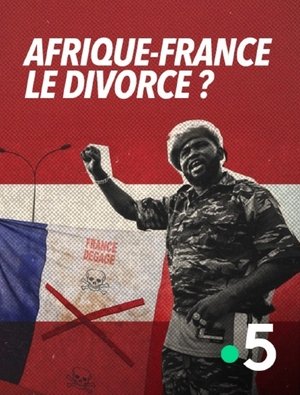
Afrique-France : le divorce ?(fr)
At a time when French flags are being burned and French embassies targeted, this documentary delves into the growing disaffection between French-speaking Africa and the former colonial power. Through the voices of African leaders, pan-African activists, and committed young people, the film questions the persistence of a relationship marked by the aftermath of colonization, the opaque agreements of "Françafrique," and a military presence deemed paternalistic.

The Red Herring(ko)
Is Korea a democratic republic or a prosecution republic? Can you be confident that the blade of the prosecution is not aiming at you? Their hunt has begun. Following the coordinates thrown by the prosecution, the media gathers, and rumors circulate. Prosecutors wield a sword before the angry public. Who is the one being chased over there? Are you confident that you are not the one?

Vive la crise !(fr)
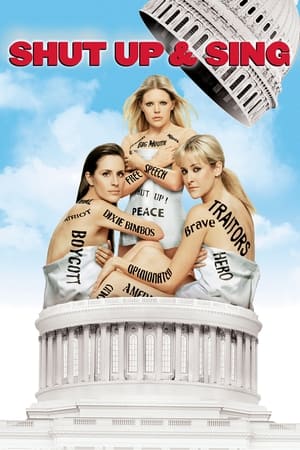
Dixie Chicks: Shut Up and Sing(en)
Shut Up and Sing is a documentary about the country band from Texas called the Dixie Chicks and how one tiny comment against President Bush dropped their number one hit off the charts and caused fans to hate them, destroy their CD’s, and protest at their concerts. A film about freedom of speech gone out of control and the three girls lives that were forever changed by a small anti-Bush comment
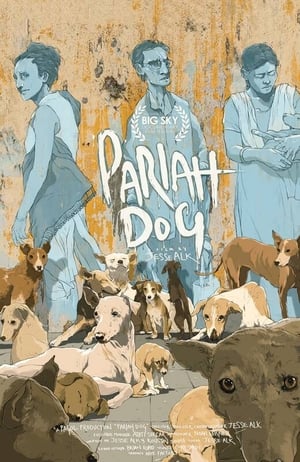
Pariah Dog(bn)
Shot over three years, Pariah Dog paints a kaleidoscopic picture of the city of Kolkata, seen through the prism of four outsiders and the dogs they love. These men and women have found meaning and purpose in their shared mission to care for neglected street dogs, who have existed in the towns and villages of India for thousands of years. For some this mission is enough, for others, dreams of a better life are always near.
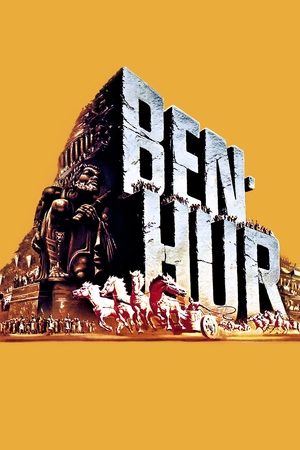
Ben-Hur(en)
In ancient Judea, a Jewish aristocrat opposing Roman occupation of his homeland reunites with his childhood friend, now a Roman commander — setting in motion a saga of betrayal, adventure, tragedy, revenge, and faith.
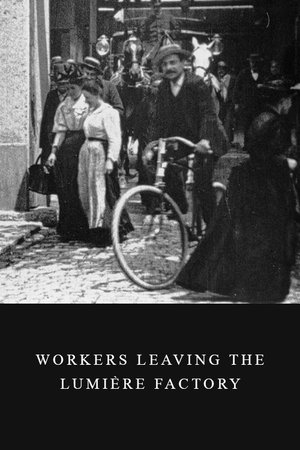
Workers Leaving the Lumière Factory(fr)
Working men and women leave through the main gate of the Lumière factory in Lyon, France. Filmed on 22 March 1895, it is often referred to as the first real motion picture ever made, although Louis Le Prince's 1888 Roundhay Garden Scene pre-dated it by seven years. Three separate versions of this film exist, which differ from one another in numerous ways. The first version features a carriage drawn by one horse, while in the second version the carriage is drawn by two horses, and there is no carriage at all in the third version. The clothing style is also different between the three versions, demonstrating the different seasons in which each was filmed. This film was made in the 35 mm format with an aspect ratio of 1.33:1, and at a speed of 16 frames per second. At that rate, the 17 meters of film length provided a duration of 46 seconds, holding a total of 800 frames.

That's the Price(en)
What happens to two dying coal towns in British Columbia when an American corporation provides a contract for millions of tons of coking coal? The film follows the consequences for the towns of Natal and Michel, suggesting that industrial growth has its price, especially with regard to the environment.
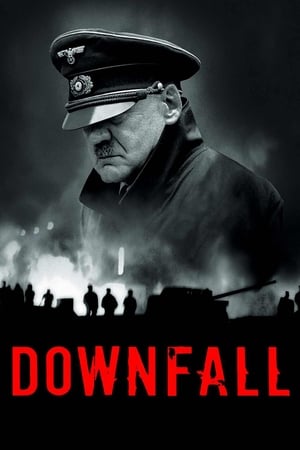
Downfall(de)
In April of 1945, Germany stands at the brink of defeat with the Russian Army closing in from the east and the Allied Expeditionary Force attacking from the west. In Berlin, capital of the Third Reich, Adolf Hitler proclaims that Germany will still achieve victory and orders his generals and advisers to fight to the last man. When the end finally does come, and Hitler lies dead by his own hand, what is left of his military must find a way to end the killing that is the Battle of Berlin, and lay down their arms in surrender.
Recommendations Movies
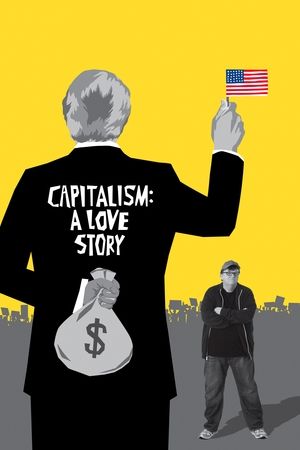
Capitalism: A Love Story(en)
Michael Moore comes home to the issue he's been examining throughout his career: the disastrous impact of corporate dominance on the everyday lives of Americans (and by default, the rest of the world).
Zeitgeist: Moving Forward(en)
A presentation of a case for a needed transition out of the current socioeconomic monetary paradigm which governs the entire world society. This subject matter will transcend the issues of cultural relativism and traditional ideology and move to relate the core, empirical 'life ground' attributes of human and social survival, extrapolating those immutable natural laws into a new sustainable social paradigm called a 'Resource-Based Economy'.
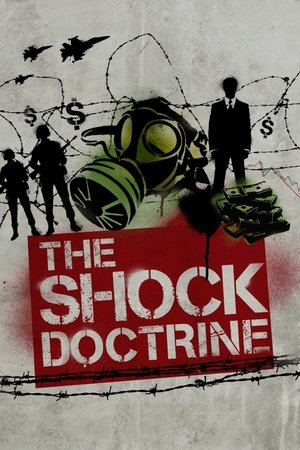
The Shock Doctrine(en)
An investigation of "disaster capitalism", based on Naomi Klein's proposition that neo-liberal capitalism feeds on natural disasters, war and terror to establish its dominance.

Roger & Me(en)
A documentary about the closure of General Motors' plant at Flint, Michigan, which resulted in the loss of 30,000 jobs. Details the attempts of filmmaker Michael Moore to get an interview with GM CEO Roger Smith.
Zeitgeist: Addendum(en)
Zeitgeist: Addendum premiered at the 5th Annual Artivist Film Festival. Director Peter Joseph stated: "The failure of our world to resolve the issues of war, poverty, and corruption, rests within a gross ignorance about what guides human behavior to begin with. It address the true source of the instability in our society, while offering the only fundamental, long-term solution."
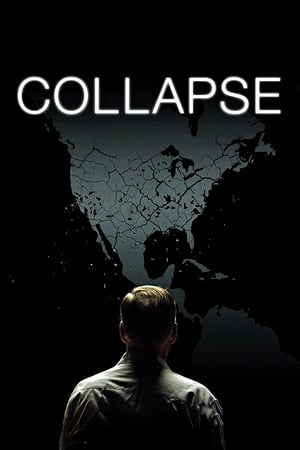
Collapse(en)
From the acclaimed director of American Movie, the documentary follows former Los Angeles police officer turned independent reporter Michael Ruppert. He recounts his career as a radical thinker and spells out his apocalyptic vision of the future, spanning the crises in economics, energy, environment and more.
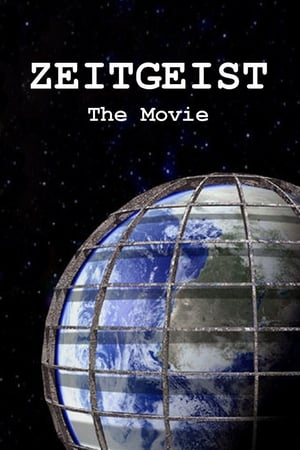
Zeitgeist: The Movie(en)
A documentary examining possible historical and modern conspiracies surrounding Christianity, the 9/11 terrorist attacks, and the Federal Reserve bank.
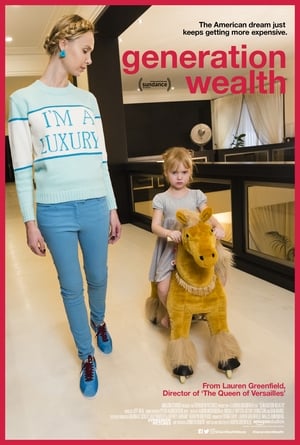
Generation Wealth(en)
Over the past 25 years, Lauren Greenfield's documentary photography and film projects have explored youth culture, gender, body image, and affluence. Underscoring the ever-increasing gap between the haves and the have-nots, portraits reveal a focus on cultivating image over substance, where subjects unable to attain actual wealth instead settle for its trappings, no matter their ability to pay for it.
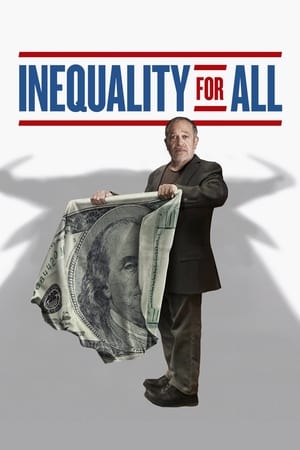
Inequality for All(en)
Based on Reich's 2010 book Aftershock: The Next Economy and America's Future, the film examines widening income inequality in the United States. U.S. Labor Secretary Robert Reich tries to raise awareness of the country's widening economic gap. He publicly argued about the issue for decades, and producing a film of his viewpoints was a "final frontier" for him. In addition to being a social issue documentary, Inequality for All is also partially a biopic regarding Reich's early life and his time as Secretary of Labor under Bill Clinton's presidency. Warren Buffett and Nick Hanauer, two entrepreneurs and investors in the top 1%, are interviewed in the film, supporting Reich's belief in an economy that benefits all citizens, including those of the middle and lower classes.
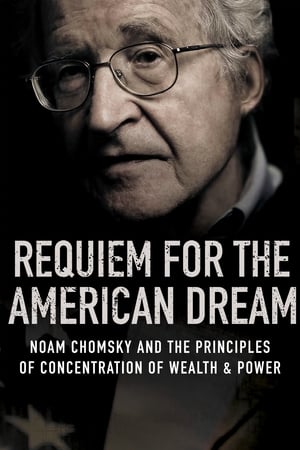
Requiem for the American Dream(en)
Through interviews filmed over four years, Noam Chomsky unpacks the principles that have brought us to the crossroads of historically unprecedented inequality – tracing a half-century of policies designed to favor the most wealthy at the expense of the majority – while also looking back on his own life of activism and political participation. He provides penetrating insight into what may well be the lasting legacy of our time – the death of the middle class, and swan song of functioning democracy.
The Untold History Of The United States(en)
Oliver Stone charts the history of the United States from the Second World War to the present.
Saving Capitalism(en)
Former Secretary of Labor Robert Reich meets with Americans from all walks of life as he chronicles a seismic shift in the nation's economy.
Miss Marx(it)
In her public persona, Eleanor “Tussy” Marx was a translator, actress, a children’s rights activist and a persuasive labour organizer, a tireless powerhouse determined to carry on her father’s work. She held her own with twentieth century gods, including both her father and his colleague Engels. In her privately life, however, she was vulnerable and her attraction to the self-indulgent and self-important Edward Aveling led her into misery and ultimately proved fatal.

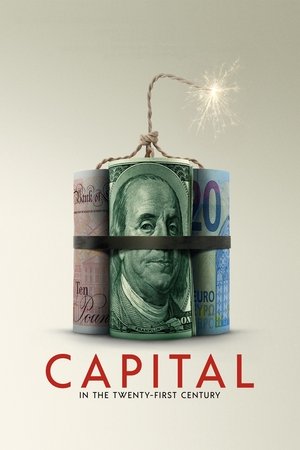
Capital in the Twenty-First Century(en)
Film adaptation of French economist Thomas Piketty's ground-breaking global bestseller of the same name: an eye-opening journey through wealth and power.
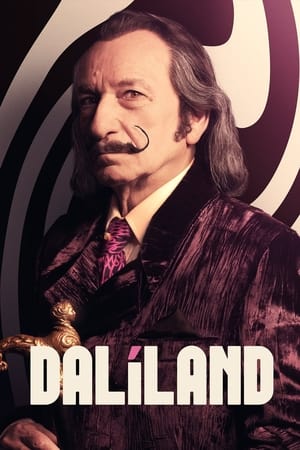
Dalíland(en)
In 1973, a young gallery assistant goes on a wild adventure behind the scenes as he helps aging genius Salvador Dali prepare for a big show in New York.
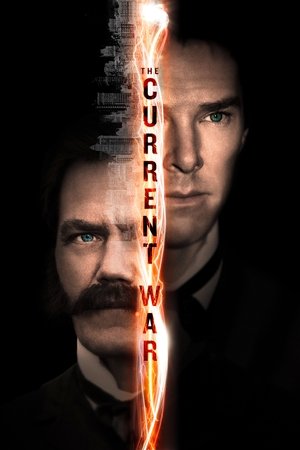
The Current War(en)
Electricity titans Thomas Edison and George Westinghouse compete to create a sustainable system and market it to the American people.
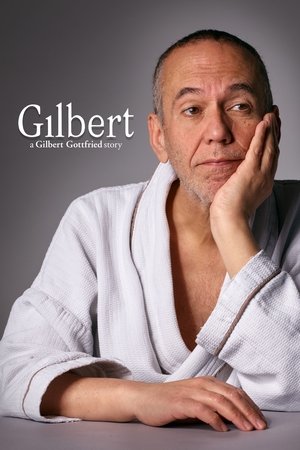
Gilbert(en)
The life and career of one of comedy's most inimitable modern voices, Mr. Gilbert Gottfried.
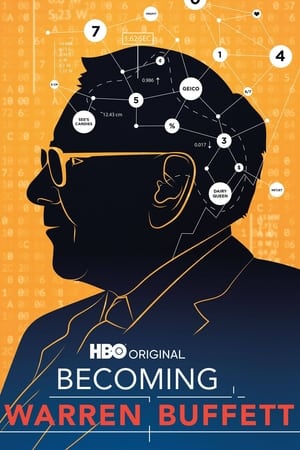
Becoming Warren Buffett(en)
The story of the evolution of a boy from Nebraska who became one of the most respected men in the world, and the heroes who helped guide him along the way. By allowing access to his life and never-before-released home videos, Buffett offers a glimpse into his unique mind to help us understand what is truly important when money no longer has meaning.

Banking on Bitcoin(en)
Not since the invention of the Internet has there been such a disruptive technology as Bitcoin. Bitcoin's early pioneers sought to blur the lines of sovereignty and the financial status quo. After years of underground development Bitcoin grabbed the attention of a curious public, and the ire of the regulators the technology had subverted. After landmark arrests of prominent cyber criminals Bitcoin faces its most severe adversary yet, the very banks it was built to destroy.