Robert A.F. Thurman on Tibet
Top 1 Billed Cast

HomePage
Overview
Robert Thurman, one of America's leading voices for sanity and peace in the new millennium, explores the history and culture of Tibet -- from its ancient past to modern times. Topics covered include the development of the monastic system, the institution of the Dalai Lama, modern Tibetan history, the Chinese invasion of Tibet and much more.
Release Date
2002-07-02
Average
0
Rating:
0.0 startsTagline
Genres
Languages:
Keywords
Similar Movies
The Frozen Kingdom of the Snow Leopard(fr)
Join the big cats as we get up close and personal with their journeys through growing pains, adulthood, survival struggles and unfamiliar territories. These seven films follow the lives of some of the most formidable feline predators - lions, leopards, tigers and cheetahs in intimate detail.
Blindsight(en)
Six blind Tibetan teenagers climb the Lhakpa-Ri peak of Mount Everest, led by seven-summit blind mountain-climber Erik Weihenmayer.

Brilliant Moon: Glimpses of Dilgo Khyentse Rinpoche(en)
Brilliant Moon chronicles the life of the writer, poet, and meditation master Khyentse Rinpoche, one of Tibet's most revered 20th-century Buddhist teachers. Spiritual guide to His Holiness the Dalai Lama and the Royal Family of Bhutan, his life and teachings were an inspiration to all who encountered him. Richard Gere and Lou Reed provide the narration for his dangerous journey out of China, the subsequent spread of his influence and the search for his reincarnation after his death.
Deconstructing The Beatles' Revolver(en)
In Deconstructing The Beatles’ Revolver, composer/producer Scott Freiman takes Beatles fans young and old into the studio with The Beatles as they create their seminal 1966 album, Revolver.

To Be First: The Quest for Yangmolong(en)
Among the last unclimbed peaks on earth there stands a little-known mountain in a remote region of China. Follow a climbing expedition as they make three attempts over the span of three years to summit the 6060-meter Yangmolong Mountain.

OLO, the Boy from Tibet(ja)
A 6-year-old Tibetan boy leaves his family and flees to a refugee camp in northern India.
Wisdom of Happiness(en)
A deeply intimate and highly cinematic documentary featuring the Dalai Lama, who, at nearly ninety year of age, offers practical advice for navigating the 21st century's challenges.
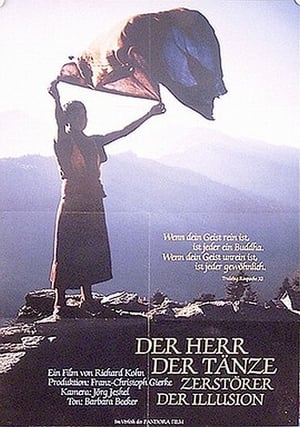
Lord of the Dance/Destroyer of Illusion(en)
The documentary focuses on the annual Mani Rimdu festival of Tibet and Nepal, an event which encapsulates the Himalayan Buddhist experience.


A Gesar Bard's Tale(bo)
As a boy, Dawa was an illiterate Tibetan nomad whose life revolved around herding yaks. At 13, his life changed: through a series of visions, Dawa acquired the gift of telling the epic story of Tibet’s King Gesar. Now, at 35, Dawa receives a salary from the government as a guardian of national cultural heritage and is regarded as a holy man by his community. When an earthquake reduces his hometown to rubble, redevelopment of the region takes a giant leap forward. In the midst of such seismic shifts, Dawa seeks healing from King Gesar and other divine protectors of the land.
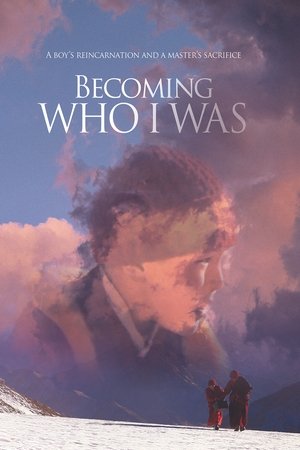
Becoming Who I Was(bo)
Angdu is no ordinary boy. Indeed, in a past life he was a venerated Buddhist master. His village already treats him like a saint as a result. The village doctor, who has taken the boy under his wing, prepares him to be able to pass on his wisdom. Alas, Tibet, Angdu’s former homeland and the centre of his faith, lies far away from his current home in the highlands of Northern India. On top of that, the conflict between China and Tibet makes the prospect of a trip there even more daunting. Undeterred by these harsh facts, the duo set off for their destination on foot, accompanied by questions of friendship and the nature of life. With its narrative approach steeped in a serene sense of concentration, this documentary film, composed over a period of eight years, stands as a fundamental experience in its own right.
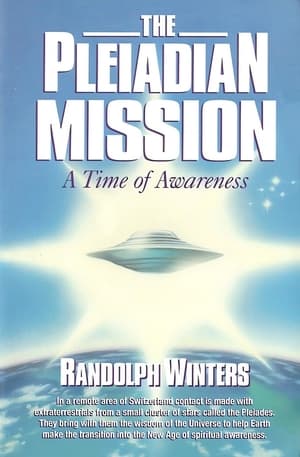
UFO: The Pleiadian Mission - Billy Meier Case(en)
Randolph J Winters presents incredible information about the Billy Meier Contacts with Extraterrestrial Light Beings from the Pleiades in this fascinating documentary of what Randy calls a 'Fringe Meeting' sharing notes from his book 'The Pleiadian Mission - A Time of Awareness'.Billy Meier, born February 3, 1937, is a citizen of Switzerland who claims to be a UFO contactee. He is also the source of many controversial UFO photographs, which he states are evidence of his encounters. Meier reports regular contact with extraterrestrials who impart spiritual and philosophical wisdom. He describes the Plejaren (aliens from the Pleiades) as humanoid.
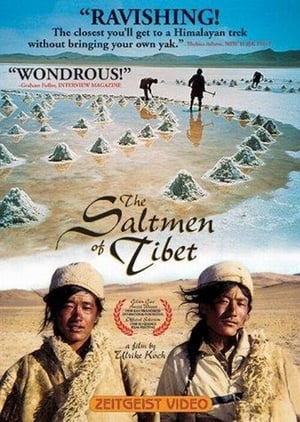
The Saltmen of Tibet(en)
Four men from a nomadic Tibetan tribe undertake their annual, ritualistic pilgrimage to a sacred salt lake. Salt gathered in this traditional fashion will be sold to provide the economic livelihood of the tribe for the coming year. The journey, necessary for the group's survival, also incorporates a number of rituals necessary for their culture to survive in the modern world.

Wheel of Time(de)
Wheel of Time is Werner Herzog's photographed look at the largest Buddhist ritual in Bodh Gaya, India.
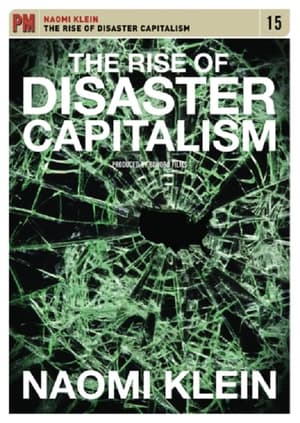
The Rise of Disaster Capitalism(en)
In this revealing program, noted author and economic activist Naomi Klein offers a lecture and a candid interview in which she expounds on the ideas at the heart of her best-selling book.
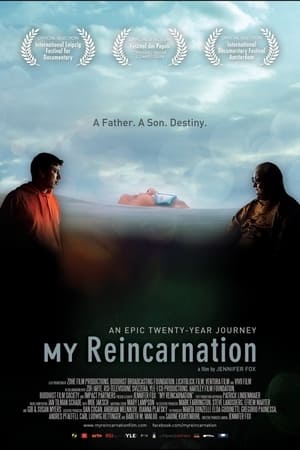
My Reincarnation(en)
Filmed over twenty years, Tibetan Buddhist Master Choogyal Namkhai Norbu watches as his western-born son, Yeshi, who was recognized at birth as the reincarnation of a famous spiritual master, considers departing from tradition to embrace the modern world.
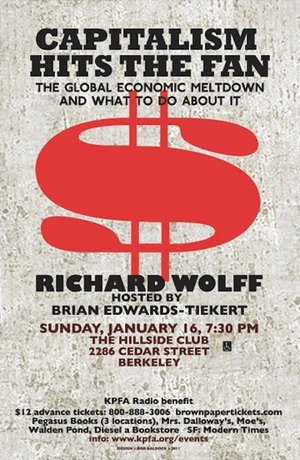
Capitalism Hits the Fan(en)
With breathtaking clarity, renowned University of Massachusetts Economics Professor Richard Wolff breaks down the root causes of today's economic crisis, showing how it was decades in the making and in fact reflects seismic failures within the structures of American-style capitalism itself. Wolff traces the source of the economic crisis to the 1970s, when wages began to stagnate and American workers were forced into a dysfunctional spiral of borrowing and debt that ultimately exploded in the mortgage meltdown. By placing the crisis within this larger historical and systemic frame, Wolff argues convincingly that the proposed government "bailouts," stimulus packages, and calls for increased market regulation will not be enough to address the real causes of the crisis, in the end suggesting that far more fundamental change will be necessary to avoid future catastrophes.
Recommendations Movies

My Mom Jayne(en)
Through deeply personal interviews with her siblings and an examination of the photographs, letters, and belongings left behind, Mariska assembles a new portrait of her mother Jayne Mansfield, an extraordinary and complex woman.

Wormwood(en)
In this genre-bending tale, Errol Morris explores the mysterious death of a U.S. scientist entangled in a secret Cold War program known as MK-Ultra.
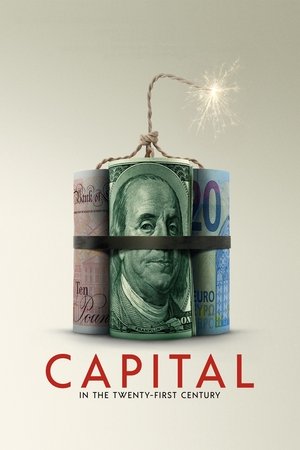
Capital in the Twenty-First Century(en)
Film adaptation of French economist Thomas Piketty's ground-breaking global bestseller of the same name: an eye-opening journey through wealth and power.
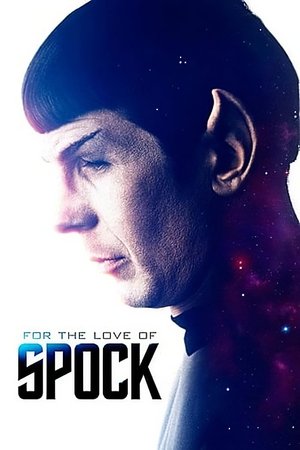
For the Love of Spock(en)
The life of Mr. Spock, as well as that of Leonard Nimoy, the actor who played him for almost fifty years, written and directed by his son: Adam.

The U.S. vs. John Lennon(en)
A documentary on the life of John Lennon, with a focus on the time in his life when he transformed from a musician into an antiwar activist.

That's Entertainment!(en)
Various MGM stars from yesterday present their favorite musical moments from the studio's 50 year history.
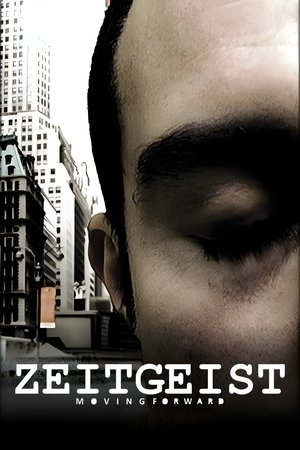
Zeitgeist: Moving Forward(en)
A presentation of a case for a needed transition out of the current socioeconomic monetary paradigm which governs the entire world society. This subject matter will transcend the issues of cultural relativism and traditional ideology and move to relate the core, empirical 'life ground' attributes of human and social survival, extrapolating those immutable natural laws into a new sustainable social paradigm called a 'Resource-Based Economy'.
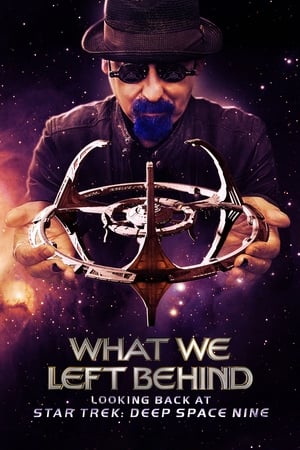
What We Left Behind: Looking Back at Star Trek: Deep Space Nine(en)
A documentary exploring the legacy of Star Trek: Deep Space Nine, the reasons it went from the black sheep of Star Trek to a beloved mainstay of the franchise, and a brainstorm with the original writers on what a theoretical eighth season of the show could look like.
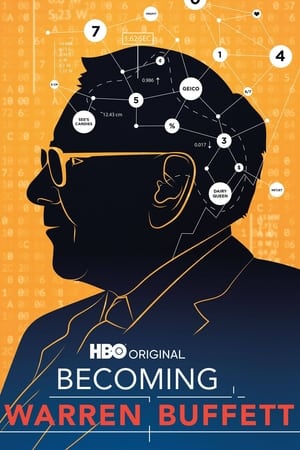
Becoming Warren Buffett(en)
The story of the evolution of a boy from Nebraska who became one of the most respected men in the world, and the heroes who helped guide him along the way. By allowing access to his life and never-before-released home videos, Buffett offers a glimpse into his unique mind to help us understand what is truly important when money no longer has meaning.

God Bless Ozzy Osbourne(en)
Featuring never before seen footage uncovered from the archives and interviews with Paul McCartney, Tommy Lee and others, God Bless Ozzy Osbourne is the first documentary to take viewers inside the complex mind of rock's great icon.
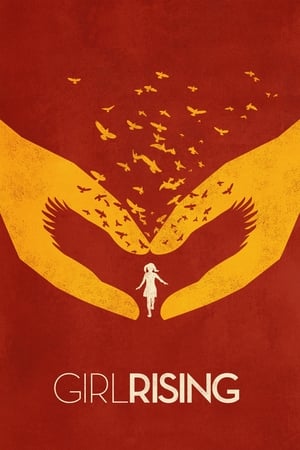
Girl Rising(en)
Nine filmmakers each profile a young girl from a different part of the world to weave a global tapestry of youth in the 21st century.
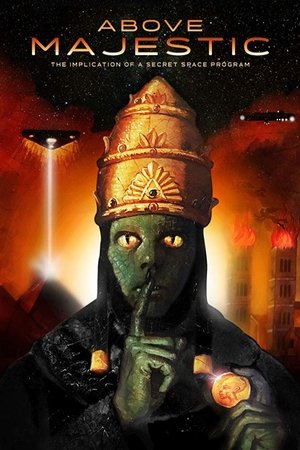
Above Majestic(en)
A look at the origins, history and conspiracies behind the "Majestic 12", a clandestine group of military and corporate figureheads charged with reverse-engineering extraterrestrial technology.

Hannah Montana & Miley Cyrus: Best of Both Worlds Concert(en)
In this concert film, 'Hannah Montana' star Miley Cyrus performs a slew of hit songs, including 'Just Like You' and 'Life's What You Make It.'

The Secret(en)
Interviews with leading authors, philosophers and scientists, with an in-depth discussion of the Law of Attraction. The audience is shown how they can learn and use 'The Secret' in their everyday lives.

Naqoyqatsi(en)
A visual montage portrait of our contemporary world dominated by globalized technology and violence.
Lake of Fire(en)
An unflinching look at the how the battle over abortion rights has played out in the United States over the last 15 years.
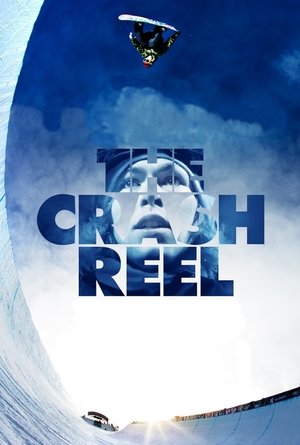
The Crash Reel(en)
The Crash Reel tells the story of a sport and the risks that athletes face in reaching the pinnacle of their profession. This is Kevin Pearce’s story, a celebrated snowboarder who sustained a brain injury in a trick gone wrong and who now aims, against all the odds, to get back on the snow.

I Am Ali(en)
Unprecedented access to Muhammad Ali's personal archive of "audio journals" as well as interviews and testimonials from his inner circle of family and friends are used to tell the legend's life story.
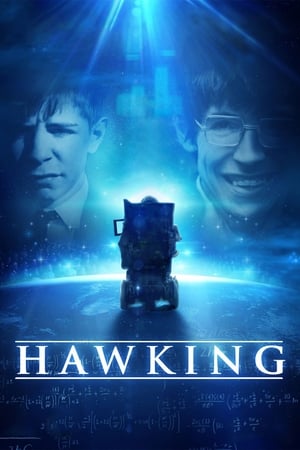
Hawking(en)
The extraordinary story of the planet’s most famous contemporary scientist, told in his own words and by those closest to him. Made with unique access to Hawking’s private life, this is an intimate and moving journey into Stephen's world, both past and present.