Ettarfa(1971)
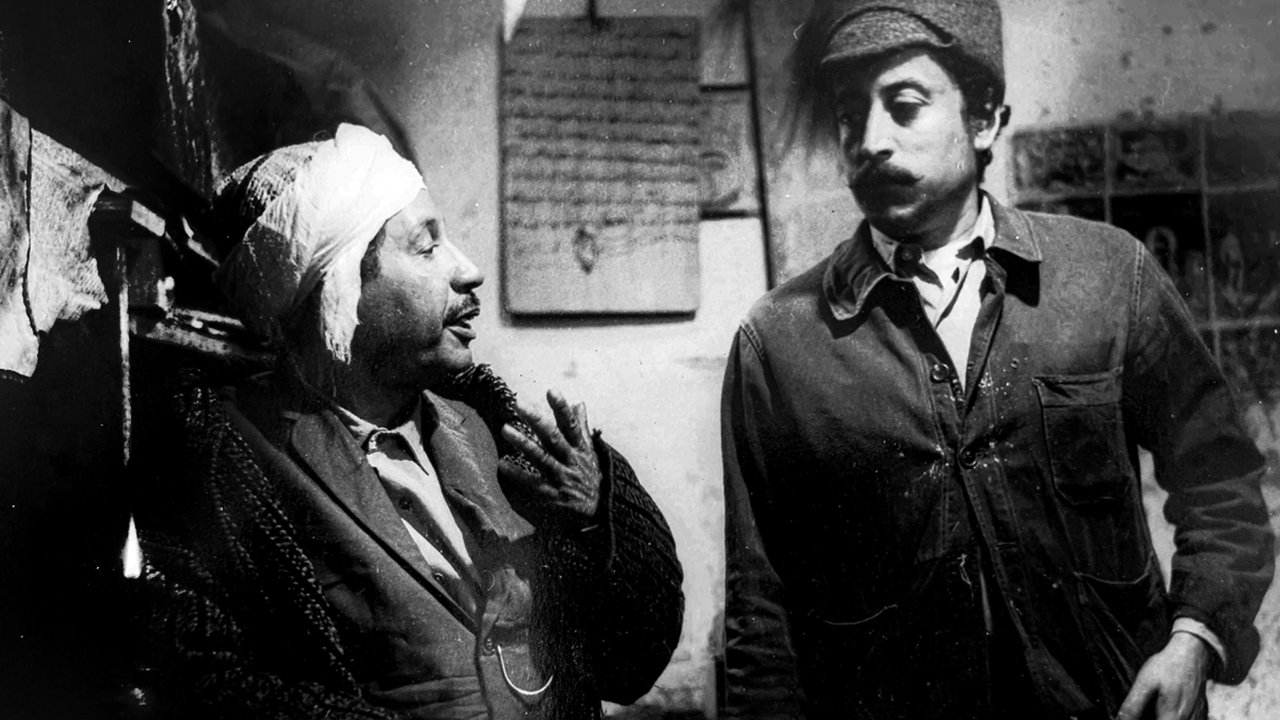
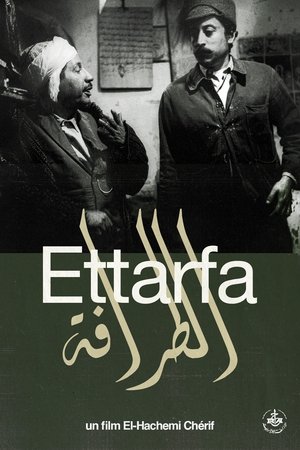
“Ettarfa” is a film by El-Hachemi Chérif produced by RTA, released in 1971.

Movie: Ettarfa
Top 3 Billed Cast
HomePage
Overview
“Ettarfa” is a film by El-Hachemi Chérif produced by RTA, released in 1971.
Release Date
1971-01-01
Average
10
Rating:
5.0 startsTagline
Genres
Languages:
العربيةKeywords
Recommendations Movies
The Man Who Sold His Skin(ar)
To be able to travel to Europe and find the love of his life, Sam Ali, a Syrian refugee, accepts to have his back tattooed by one of the most sulfurous contemporary artist; becoming that way a precious work of art.
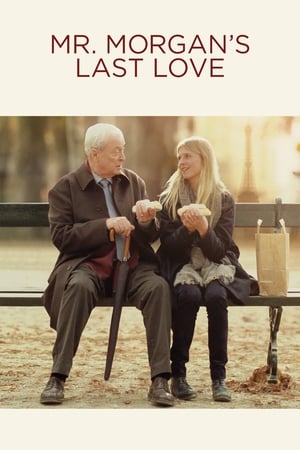
Mr. Morgan's Last Love(en)
A widowed professor living in Paris develops a special relationship with a younger French woman.
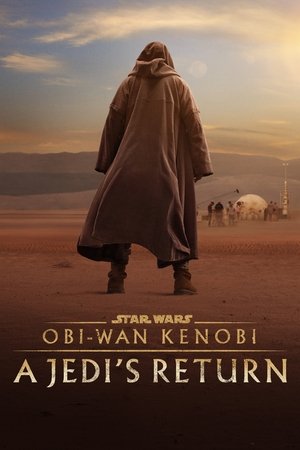
Obi-Wan Kenobi: A Jedi's Return(en)
This special explores the return of Obi-Wan Kenobi and Anakin Skywalker to the screen, as well as Ewan McGregor and Hayden Christensen to their classic roles. Director Deborah Chow leads the cast and crew as they create new heroes and villains that live alongside new incarnations of beloved Star Wars characters, and an epic story that dramatically bridges the saga films.
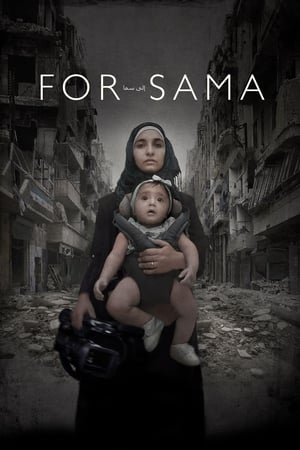
For Sama(en)
A love letter from a young mother to her daughter, the film tells the story of Waad al-Kateab’s life through five years of the uprising in Aleppo, Syria as she falls in love, gets married and gives birth to Sama, all while cataclysmic conflict rises around her. Her camera captures incredible stories of loss, laughter and survival as Waad wrestles with an impossible choice– whether or not to flee the city to protect her daughter’s life, when leaving means abandoning the struggle for freedom for which she has already sacrificed so much.
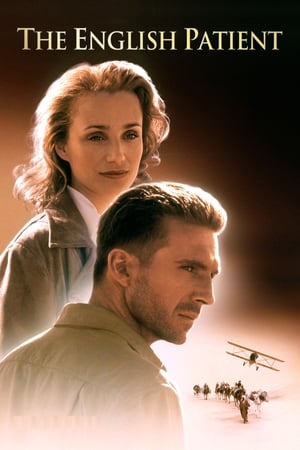
The English Patient(en)
In the 1930s, Count Almásy is a Hungarian map maker employed by the Royal Geographical Society to chart the vast expanses of the Sahara Desert along with several other prominent explorers. As World War II unfolds, Almásy enters into a world of love, betrayal, and politics.
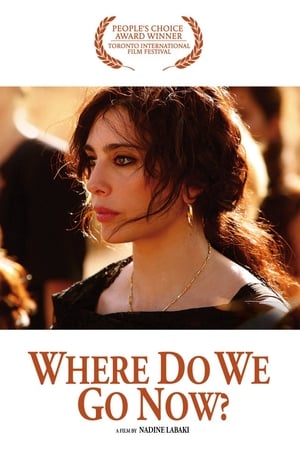
Where Do We Go Now?(ar)
In a remote, isolated Lebanese village surrounded by land mines, Muslims and Christians live together in peace. As civil strife starts to engulf the country around them, the women in the village try, by various means and to varying success, to keep their men in the dark by sabotaging the village radio, and then destroying the village TV.
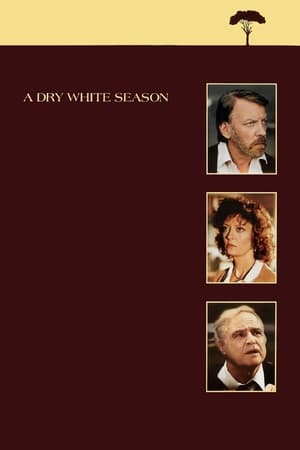
A Dry White Season(en)
During the 1976 Soweto uprising, a white school teacher's life and values are threatened when he asks questions about the death of a young black boy who died in police custody.
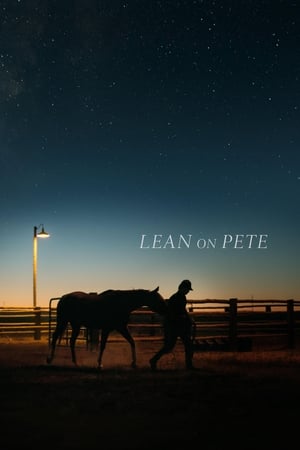
Lean on Pete(en)
Charley Thompson, a teenager living with his single father, gets a summer job working for horse trainer Del Montgomery. Bonding with an aging racehorse named Lean on Pete, Charley is horrified to learn he is bound for slaughter, and so he steals the horse, and the duo embark on an odyssey across the new American frontier.
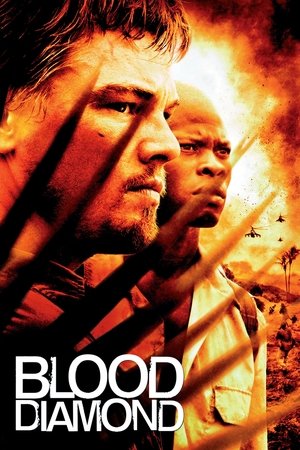
Blood Diamond(en)
An ex-mercenary turned smuggler. A Mende fisherman. Amid the explosive civil war overtaking 1999 Sierra Leone, these men join for two desperate missions: recovering a rare pink diamond of immense value and rescuing the fisherman's son, conscripted as a child soldier into the brutal rebel forces ripping a swath of torture and bloodshed countrywide.
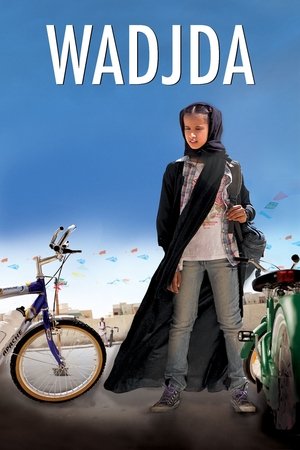
Wadjda(ar)
An enterprising Saudi girl signs on for her school's Quran recitation competition as a way to raise the remaining funds she needs in order to buy the green bicycle that has captured her interest.
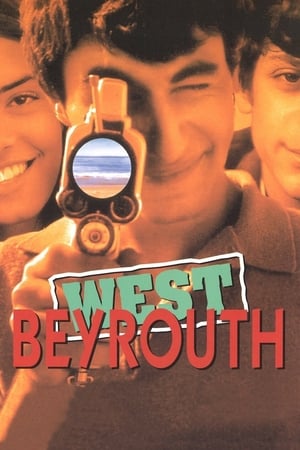
West Beirut(ar)
In 1975, the long slog of civil war has recently begun in Beirut. Two friends, Tarek and Omar, suffer during the Lebanese civil war. Conflicts arise when they decide to cross from West to East, crossing the Muslim-Christian line that divides Beirut.
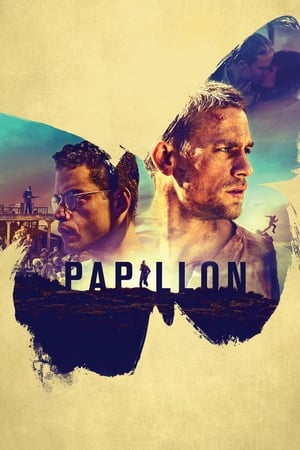
Papillon(en)
Henri “Papillon” Charrière, a safecracker from the Parisian underworld, is wrongfully convicted and sentenced to life imprisonment in the penal colony of French Guiana, where he forges a strong friendship with Louis Dega, a counterfeiter who needs his protection.
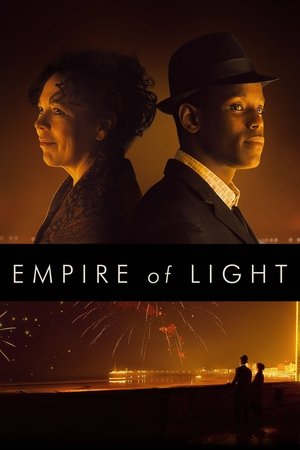
Empire of Light(en)
The duty manager of a seaside cinema, who is struggling with her mental health, forms a relationship with a new employee on the south coast of England in the 1980s.
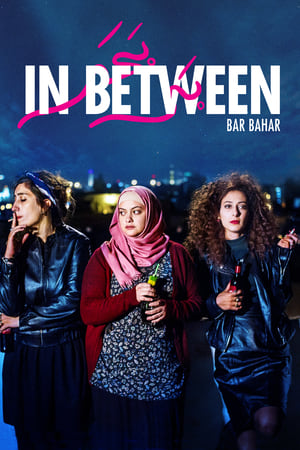
In Between(ar)
The film captures the daily duality of three young Palestinian women in Tel Aviv, caught between hometown tradition and big city abandon, and the price they must pay for a lifestyle that seems obvious to many: the freedom to work, party, have sex, and choose.
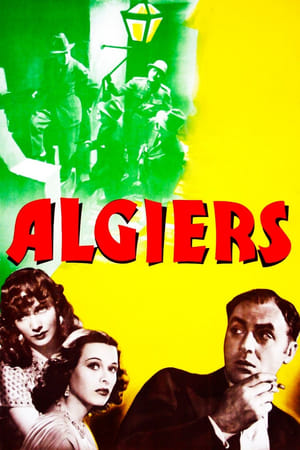
Algiers(en)
Pepe Le Moko is a notorious thief, who escaped from France. Since his escape, Moko has become a resident and leader of the immense Casbah of Algiers. French officials arrive insisting on Pepe's capture are met with unfazed local detectives, led by Inspector Slimane, who are biding their time. Meanwhile, Pepe meets the beautiful Gaby, which arouses the jealousy of Ines.
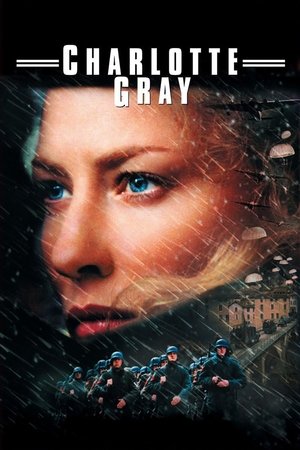
Charlotte Gray(en)
This is a drama set in Nazi-occupied France at the height of World War II. Charlotte Gray tells the compelling story of a young Scottish woman working with the French Resistance in the hope of rescuing her lover, a missing RAF pilot. Based on the best-selling novel by Sebastian Faulks.
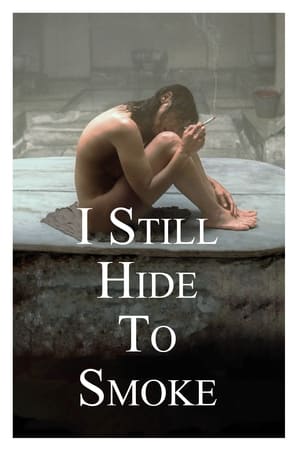
I Still Hide to Smoke(ar)
Α tragi-comedy about 9 women of different ages and various backgrounds that gather in an Algerian hammam to talk about their lives.
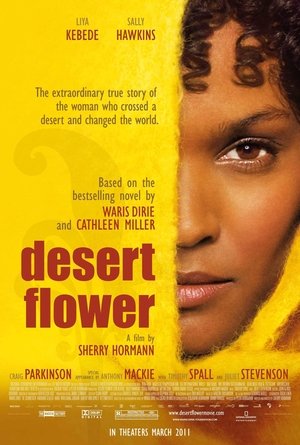
Desert Flower(en)
The autobiography of a Somalian nomad who was sold in marriage at 13, fled from Africa a while later to become finally an American supermodel and is now at the age of 38, the UN spokeswoman against female genital mutilation.
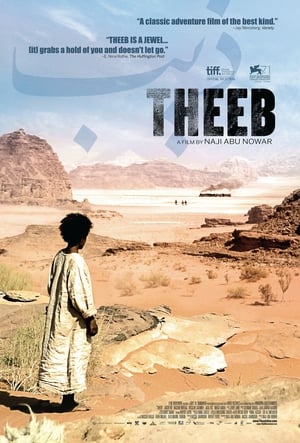
Theeb(ar)
Set in the Arabian Desert of 1916, the film follows Theeb, a young Bedouin boy, and his brother Hussein as they leave the safety of their tribe to venture on a treacherous journey at the dawn of the Great Revolt. If Theeb is to survive he must quickly learn about adulthood, trust and betrayal.
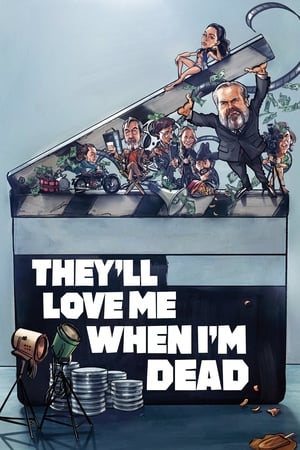
They'll Love Me When I'm Dead(en)
As his life comes to its end, famous Hollywood director Orson Welles puts it all on the line at the chance for renewed success with the film The Other Side of the Wind.
Similar Movies
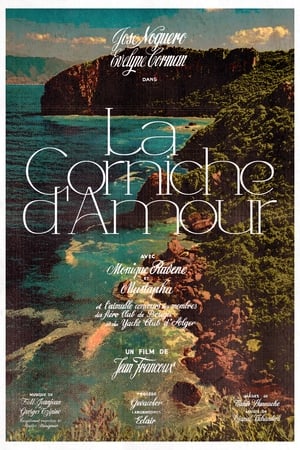
La Corniche d'Amour(fr)
Two rich tourists, a photographer and a painter, meet during a walk in Kabylia. Their wanderings are an opportunity to highlight the many tourist and picturesque places on the Algerian coast. This film commissioned by the Defense Communication and Audiovisual Production Establishment (ECPAD), attempts to sell a tourist destination when Algeria was in flames with the outbreak of the Algerian national liberation war. Filmed with the colonial lens of the time, the natives are only one element of a picturesque setting, and the final kiss between a French woman and an Arab man is an attempt to demonstrate a pacified country. Despite everything, the film constitutes a precious archive for Béjaïa, which is the subject for the first time of a film which immortalizes a moment in its history, and to introduce the work of Tahar Hannache, actor, cinematographer and director, one of the pioneers of Algerian cinema.

Bouzareah(fr)
Arriving aboard the liner “Ville d’Alger”, young French citizens go to Bouzareah to follow a one-year professional training course at the École Normale. After acquiring the basics of the Arabic language and culture, the future teachers are trained to teach the population the basics of modern agriculture, manual work and hygiene. A study trip concludes the training. The teachers are then sent to the regions of their choice, where they will put their knowledge at the service of the inhabitants.
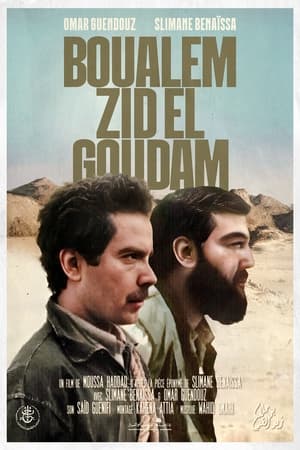
Boualem Zid El Goudam(ar)
Two travelers, Boualem and Sekfali, cross the hostile and endless desert. Boualem pulls a cart on which old books, pictures, relics and memories of Sekfali are piled up. Two men, two attitudes towards life, two visions of the world. Where do they come from, where are they going? The journey would be completely calm and happy if each of them were not inhabited by their pasts, determining their different visions of the future. Boualem's childhood was marked by the Algerian war of liberation. His dream is to achieve a socialist society, which is for him the only path to salvation. Sekfali, who tries to dissuade Boualem from continuing the journey, has the attitude of an aristocrat. For him, socialism is a heresy and people do not like responsibility, they only act if a leader gives them the injunction.
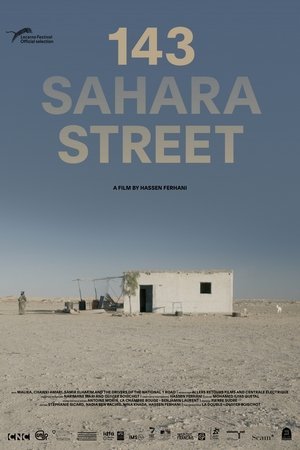
143 Sahara Street(fr)
Alone in a small white house on the edge of national road 1, the Trans-Saharan road, which connects Algiers to Tamanrasset crossing the immensity of the desert, Malika, 74, one day opened her door to the director Hassen Ferhani, who came there to scout with his friend Chawki Amari, journalist at El Watan and author of the story Nationale 1 which relates his journey on this north-south axis of more than 2000 km. The Malika of Amari's novel, which Ferhani admits to having first perceived as a "literary fantasy", suddenly takes on an unsuspected human depth in this environment naturally hostile to man. She lends herself to the film project as she welcomes her clients, with an economy of gestures and words, an impression reinforced by the mystery that surrounds her and the rare elements of her biography which suggest that she is not from the region, that she left the fertile north of Algeria to settle in the desert where she lives with a dog and a cat.

The Cork(ar)
On his return to Algeria, Belkacem Hadjadj, a young graduate of INSAS in Brussels, joined Algerian television and signed "Le Bouchon", his first feature in the register of an Italian comedy, around the misadventures of a tenant experiencing a water leak.
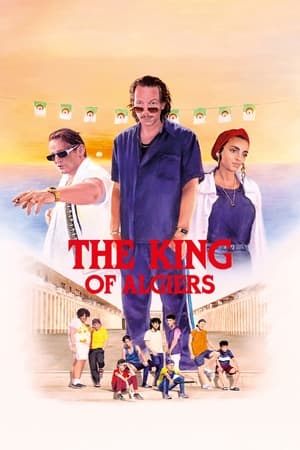
The King of Algiers(fr)
Omar, better known as Omar the Strawberry, is an old-fashioned bandit. Forced to flee to Algeria, he makes a living out of petty crime, accompanied by his famous sidekick Roger. After decades of ruling the French criminal underworld, they must come to terms with their new life together, which until now has been one of debauchery and violence.
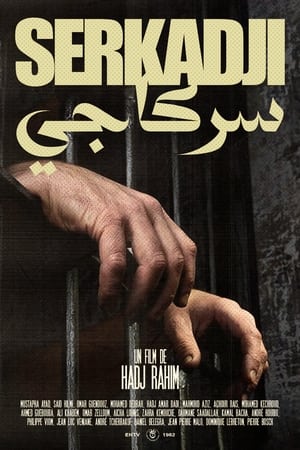
Serkadji(ar)
In 1982, Hadj Rahim directed "Serkadji", a fiction film about the men's quarters of the Barberousse military prison in Algiers, where hundreds of FLN fighters were incarcerated and executed during the war of independence. Algeria between 1954 and 1962.
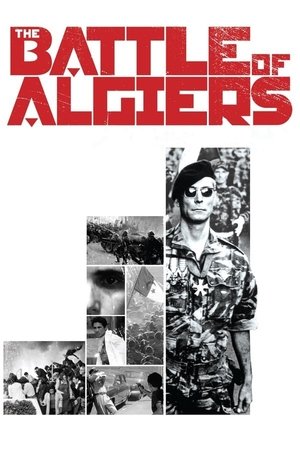
The Battle of Algiers(it)
Paratrooper commander Colonel Mathieu, a former French Resistance fighter during World War II, is sent to Algeria to reinforce efforts to squelch the uprisings of the Algerian War. There he faces Ali la Pointe, a former petty criminal who, as the leader of the Algerian Front de Liberation Nationale, directs terror strategies against the colonial French government occupation. As each side resorts to ever-increasing brutality, no violent act is too unthinkable.

Lumières(ar)
Long quest for a director specializing in commissioned films, who after a depression rediscovers his loved ones, his Casbah district, himself. Taken in hand, for a while, by his Islamist neighbor, it is above all the meeting with an old projectionist giving him a censored history of cinema and Algeria, which helps him to change, and to accept his own fantasies, embodied by Marilyn Monroe and the Andalusian.
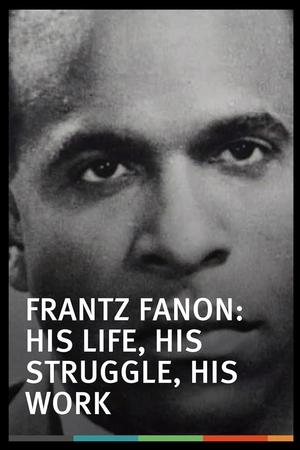
Frantz Fanon: His Life, His Struggle, His Work(fr)
It is the evocation of a life as brief as it is dense. An encounter with a dazzling thought, that of Frantz Fanon, a psychiatrist of West Indian origin, who will reflect on the alienation of black people. It is the evocation of a man of reflection who refuses to close his eyes, of the man of action who devoted himself body and soul to the liberation struggle of the Algerian people and who will become, through his political commitment, his fight, and his writings, one of the figures of the anti-colonialist struggle. Before being killed at the age of 36 by leukemia, on December 6, 1961. His body was buried by Chadli Bendjedid, who later became Algerian president, in Algeria, at the Chouhadas cemetery (cemetery of war martyrs ). With him, three of his works are buried: “Black Skin, White Masks”, “L’An V De La Révolution Algérien” and “The Wretched of the Earth”.
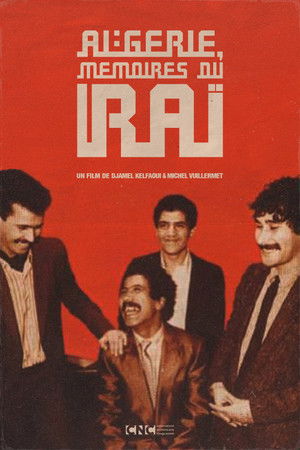
Algeria, Memoirs of Raï(fr)
In the 1980s, Algeria experienced a tumultuous social context which reached its peak during the riots of October 88. This wave of protest, with youth as its figurehead, echoed the texts of raï singers. Thirst for freedom, misery of life and the aspirations of youth are among the main themes of their works which will inspire an entire generation. More than music, raï celebrates the Arabic language and becomes a vector of Algerian culture, thus providing the cultural weapons of emerging Algerian nationalism With Cheb Khaled, Cheb Mami and Chaba Fadela as leaders of the movement, raï is also a way of telling and reflecting the essence of Algeria in these difficult times. While the threat weighs on artists in Algeria, their exile allows raï to be exported internationally and thus, to bring the colors of Algeria to life throughout the world.
لحن الأمل (Lahn El-Almel)(ar)
Abderrahim is a mechanic and singer in his spare time. One day, he receives a car to repair, driven by a very beautiful girl. It's love at first sight. They want to get married and start a family, but the girl's parents do not view this love favorably. They decide to marry their daughter to another man. Subsequently, Abderrahim became a famous singer. The loss of her love leaves the young girl in a state of silence from which only Abderrahim can break her.
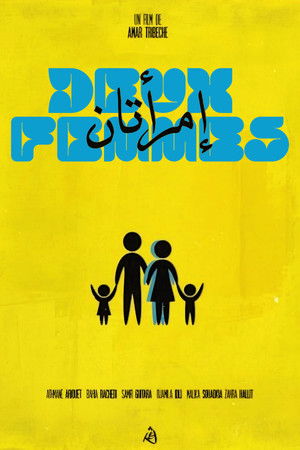
Deux Femmes(ar)
An Algerian social satire that tells the story of Boujemaa, who marries a second wife in addition to his first wife, who is ill and with whom he has a son and a daughter. Living all under the same roof, the new wife imposes her authority in the house. The lives of the family members are then turned upside down.
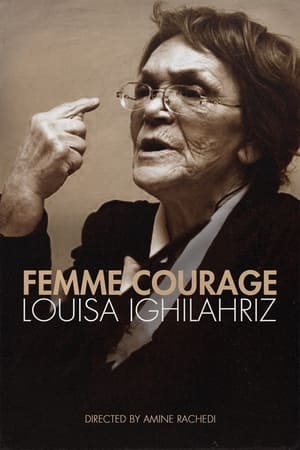
Woman of Courage - Louisa Ighilahriz(ar)
The autobiographical account of the tormented life of a witness of the century: Louisa Ighilahriz, activist and leading figure in Algerian independence. A student, she joined the independence struggle at the age of 20, joining the ranks of the FLN on the eve of the Battle of Algiers in late 1956 under the name Lila. She took part in the high school students' strike, then fled into the maquis when she was actively sought after. She was part of the French FLN support network of "suitcase carriers" during the Battle of Algiers. Seriously wounded alongside her network leader, Saïd Bakel, during an ambush in 1957, hospitalized and then imprisoned, she suffered numerous tortures in French prisons. She will be saved from certain death by an anonymous person, she will seek, for forty years, to find him just to show him her gratitude... Emblematic of the painful Franco-Algerian history, Louisa's story is poignant and imbued with humanism.
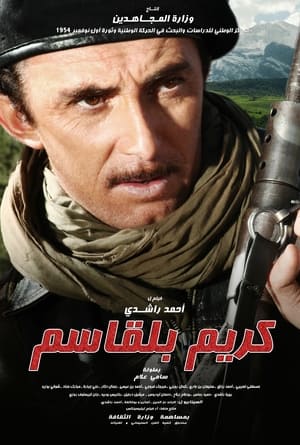
Krim Belkacem(ar)
This film retraces the combat journey of Krim Belkacem, one of the leading figures of the Algerian War. When he left the Dellys barracks in October 1945, the day after the Second World War, Krim Belkacem was 23 years old. He is a man revolted by the May massacres in Sétif, Guelma, Kherrata and several other localities in the ravaged country. But it is also and above all a young Algerian who questions the future of Algeria. On March 21, 1947, Krim at the age of 25, he dug up his "Sten" submachine gun, he took action against the boss of his douar who was none other than his cousin. He goes into hiding with six companions. He meshes this entire part of Algeria with a dense and dense network with the sole objective of taking action which will lead to the outbreak of the armed struggle on November 1, 1954.
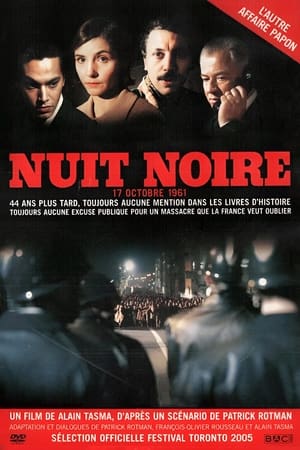
Dark Night, October 17, 1961(fr)
Parisian authorities clash with the Front de Libération Nationale (FLN) in director Alain Tasma’s recounting of one of the darkest moments of the Algerian War of Independence. As the war wound to a close and violence persisted in the streets of Paris, the FLN and its supporters adopted the tactic of murdering French policemen in hopes of forcing a withdrawal. When French law enforcement retaliated by brutalizing Algerians and imposing a strict curfew, the FLN organizes a peaceful demonstration that drew over 11,000 supporters, resulting in an order from the Paris police chief to take brutal countermeasures. Told through the eyes of both French policemen as well as Algerian protestors, Tasma’s film attempts to get to the root of the tragedy by presenting both sides of the story.
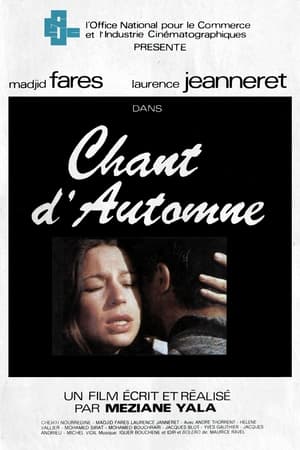
Song of Autumn(ar)
Chants d’Automne (Song of Autumn), is a story of daily life on a colonial farm, at the start of the war of liberation in Algeria, describing individual and group behavior in this context. An unthinkable, even dangerous, romantic relationship, born in this context between Catherine, daughter of a settler, and Abdelmalek, son of a blacksmith. Managing his vast property in a feudal manner, Monsieur Marcel whose only ambition is his personal enrichment to the detriment of the community. Everyone fears his authority except his daughter Catherine, a student in France, who returns home during the holidays. She does not stop herself from expressing to him her ideas of justice which go against family and colonial practices. Catherine and Abdelmalek's romance makes relationships increasingly strained, but the call for freedom will be stronger than a woman's love.
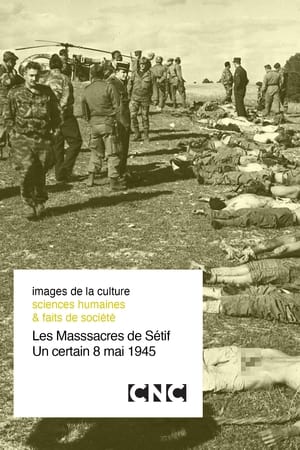
The Setif Massacres, a certain May 8, 1945(fr)
May 8, 1945, the day of victory over Nazism, is also a day of mourning. In Algiers, thanks to demonstrations for victory, the Algerian flag appears for the first time, thus claiming independence. But in Sétif, the standard bearer is shot dead at the head of the procession and a riot breaks out. The colonial massacre that followed would extend to all of Constantine. The commission of inquiry never delivered its conclusions and an amnesty law erased the traces of this savage repression. Fifty years later, the file is open.
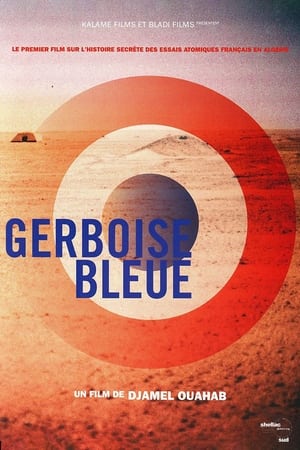
Gerboise Bleue(fr)
"Gerboise bleue", the first French atomic test carried out on February 13, 1960 in the Algerian Sahara, is the starting point of France's nuclear power. These are powerful radioactive aerial shots carried out in areas belonging to the French army. Underground tests will follow, even after the independence of Algeria. From 1960 to 1978, 30,000 people were exposed in the Sahara. The French army was recognized recognized nine irradiations. No complaint against the army or the Atomic Energy Commission has resulted. Three requests for a commission of inquiry were rejected by the National Defense Commission. For the first time, the last survivors bear witness to their fight for the recognition of their illnesses, and revealed to themselves in what conditions the shootings took place. The director goes to the zero point of "Gerboise Bleue", forbidden access for 47 years by the Algerian authorities
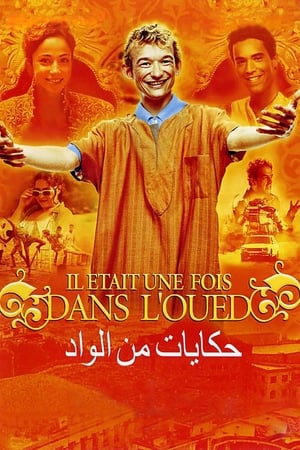
Once Upon a Time in the Oued(fr)
In 1988, Johnny Leclerc, the son of a Norman mother and an Alsatian father, lives in a suburban housing estate with his friends. He behaves like a Muslim, observes Ramadan and wears a djelaba. He's even convinced that his name is Abdelbachir and that he was born in a small village in the bled. When his friend Yacine gets into trouble with a local kaid and decides to return to Algeria for the vacations, he smuggles himself into the Sabri family's luggage to fulfill his dream and finally get to know his "roots". As soon as he arrived on the Algerian coast, Johnny felt right at home. But Yacine is opposed to his father, who wants to arrange his marriage.