Loading Page

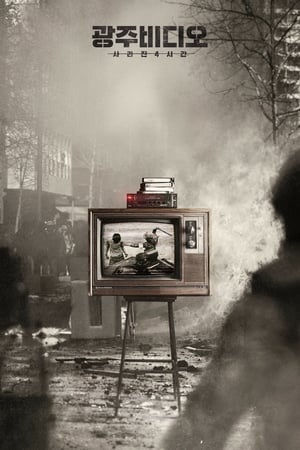
Gwangju Video: The Missing(2020)
Status: Released
Date: 2020-07-16
55%
2 Votes
Overview:
There are people whose lives have been shaken by the 'Gwangju Video'. On May of 1980, the course of their lives changed in front of a huge wave of truth in Gwangju. The people who made and spread the 'Gwangju Video' are also the people who had their bodies on the waves. The hidden stories of these people, the 40th anniversary of the Gwangju Uprising, and the pursuit to trace the missing 4 hours of mass shooting will be revealed for the first time.
Languages: Korean.
Countries:
South Korea
ProductionCompanies: 
Hoonpro
Movie: Gwangju Video: The Missing
Top 2 Billed Cast
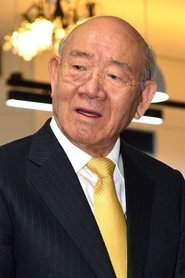
전두환
Self (archive footage)

문재인
Self (archive footage)
HomePage
Overview
There are people whose lives have been shaken by the 'Gwangju Video'. On May of 1980, the course of their lives changed in front of a huge wave of truth in Gwangju. The people who made and spread the 'Gwangju Video' are also the people who had their bodies on the waves. The hidden stories of these people, the 40th anniversary of the Gwangju Uprising, and the pursuit to trace the missing 4 hours of mass shooting will be revealed for the first time.
Release Date
2020-07-16
Average
5.5
Rating:
2.8 startsTagline
Genres
Languages:
한국어/조선말Keywords
Recommendations Movies

65%
Downloaded(en)
2013-06-20
A documentary that explores the downloading revolution; the kids that created it, the bands and the businesses that were affected by it, and its impact on the world at large.

71%
We Are Legion: The Story of the Hacktivists(en)
2012-01-20
Takes us inside the world of Anonymous, the radical "hacktivist" collective that has redefined civil disobedience for the digital age. The film explores early hacktivist groups like Cult of the Dead Cow and Electronic Disturbance Theater, then moves to Anonymous' raucous beginnings on the website 4chan. Through interviews with current members, people recently returned from prison or facing trial, writers, academics, activists and major players in various "raids," the documentary traces Anonymous’ evolution from merry pranksters to a full-blown movement with a global reach, the most transformative civil disobedience of our time.
71%
Jonestown: The Life and Death of Peoples Temple(en)
2006-04-26
Featuring never-before-seen footage, this documentary delivers a startling new look at the Peoples Temple, headed by preacher Jim Jones who, in 1978, led more than 900 members to Guyana, where he orchestrated a mass suicide via tainted punch.
59%
South of the Border(en)
2009-09-07
A road trip across five countries to explore the social and political movements as well as the mainstream media's misperception of South America while interviewing seven of its elected presidents.

61%
Naqoyqatsi(en)
2002-09-02
A visual montage portrait of our contemporary world dominated by globalized technology and violence.
65%
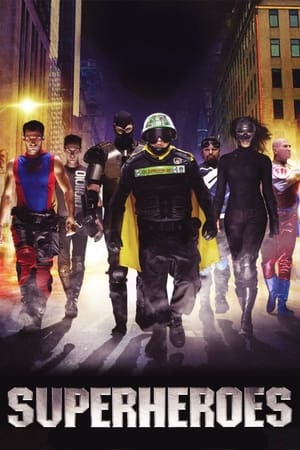
Superheroes(en)
2011-08-08
A journey inside the world of real life caped crusaders. From all over America, these self-proclaimed crime fighters, don masks, homemade costumes and elaborate utility belts in an attempt to bring justice to evildoers everywhere.
71%
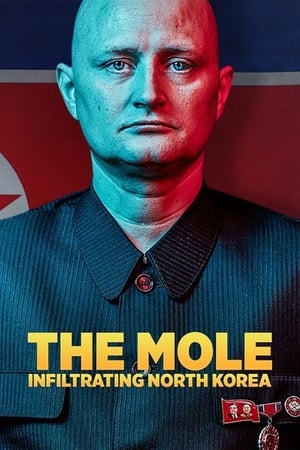
The Mole: Undercover in North Korea(en)
2020-10-11
A real-life undercover thriller about two ordinary men who embark on an outrageously dangerous ten-year mission to penetrate the world's most secretive and brutal dictatorship: North Korea.

65%
Heart of a Dog(en)
2015-10-21
Lyrical and powerfully personal essay film that reflects on the deaths of her husband Lou Reed, her mother, her beloved dog, and such diverse subjects as family memories, surveillance, and Buddhist teachings.
72%
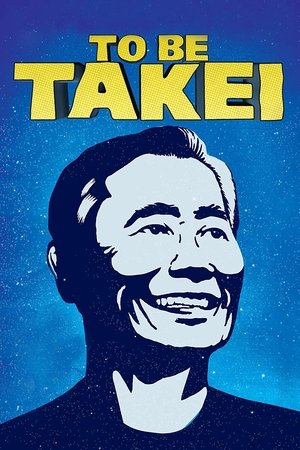
To Be Takei(en)
2014-08-22
Over seven decades, actor and activist George Takei journeyed from a World War II internment camp to the helm of the Starship Enterprise, and then to the daily news feeds of five million Facebook fans. Join George and his husband, Brad, on a wacky and profound trek for life, liberty, and love.
75%
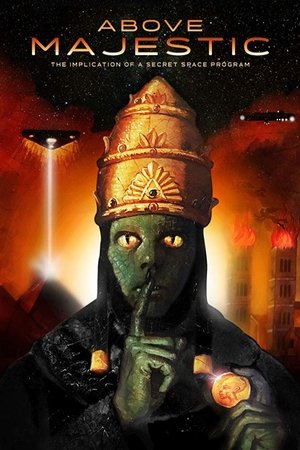
Above Majestic(en)
2018-10-30
A look at the origins, history and conspiracies behind the "Majestic 12", a clandestine group of military and corporate figureheads charged with reverse-engineering extraterrestrial technology.
83%
Bring the Soul: The Movie(ko)
2019-08-07
A glimpse into K-pop group BTS’ world away from the stage, featuring intimate group discussions alongside spectacular concert performances from their world tour.
71%
Zeitgeist: Moving Forward(en)
2011-01-15
A presentation of a case for a needed transition out of the current socioeconomic monetary paradigm which governs the entire world society. This subject matter will transcend the issues of cultural relativism and traditional ideology and move to relate the core, empirical 'life ground' attributes of human and social survival, extrapolating those immutable natural laws into a new sustainable social paradigm called a 'Resource-Based Economy'.
71%
The Summers of It - Chapter Two: It Ends(en)
2019-12-10
This documentary focuses on the actors and their journey over two summers to create the remake to the original IT, by Stephen King. The documentary originally released as bonus material, bundled with IT: Chapter Two.
72%
Life in a Day(en)
2011-01-27
A documentary shot by filmmakers all over the world that serves as a time capsule to show future generations what it was like to be alive on the 24th of July, 2010.
73%
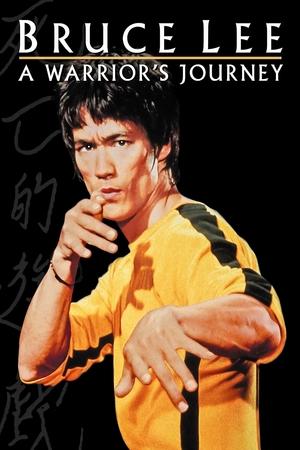
Bruce Lee: A Warrior's Journey(en)
2000-10-22
Documentary on the legendary martial artist Bruce Lee, with a focus on the production of his unfinished film Game of Death. Using interviews and behind-the-scenes footage, Lee aficionado John Little paints a portrait of the world's most famous action hero, concluding with a new cut of Game of Death's action finale, reconstructed from Lee's notes and recently-recovered footage.

80%
Making Squid Game: The Challenge(en)
2023-12-06
Go behind the scenes and witness how the "Squid Game"-inspired reality show transformed from a scripted drama to a cutthroat, nail-biting competition.

75%
Guillermo del Toro's Pinocchio: Handcarved Cinema(en)
2022-12-09
With mesmerizing footage and time lapses of animators at work, this behind-the-scenes special captures the artistry of a unique tale years in the making.

80%
Avicii: True Stories(en)
2017-10-26
Documentary about the arena-packing Swedish DJ, chronicling his explosive rise to fame and surprising decision to retire from live performances in 2016.

74%
Sidney(en)
2022-09-10
This revealing documentary honors the legendary Sidney Poitier—iconic actor, filmmaker, and civil rights activist. Featuring interviews with Denzel Washington, Spike Lee, Halle Berry, and more.

70%
Lake of Fire(en)
2006-09-09
An unflinching look at the how the battle over abortion rights has played out in the United States over the last 15 years.
Similar Movies
73%
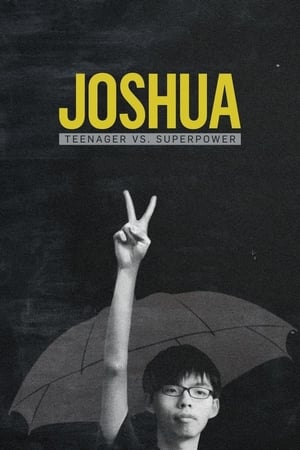
Joshua: Teenager vs. Superpower(en)
2017-01-20
When the Chinese Communist Party backtracks on its promise of autonomy to Hong Kong, teenager Joshua Wong decides to save his city. Rallying thousands of kids to skip school and occupy the streets, Joshua becomes an unlikely leader in Hong Kong and one of China’s most notorious dissidents.
60%
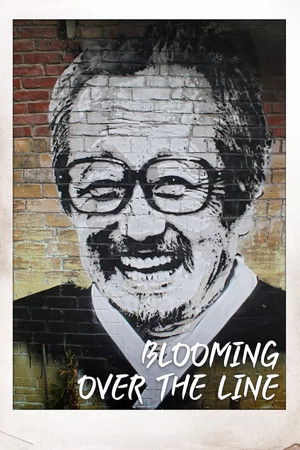
Blooming over the line(ko)
2022-02-10
Born in 1918 in the ideal village of independence activists in the northern part of Manchuria, pastor Moon Ik-hwan lost his childhood friend Yun Dong-ju under Japanese oppression and Chang Chun-ha during the Yusin regime. Moon survived the mass of modern Korean history, giving hope everywhere suffering.
100%
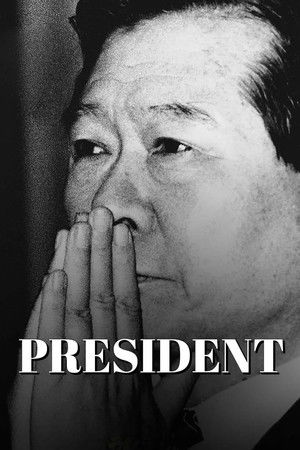
President(ko)
2019-11-07
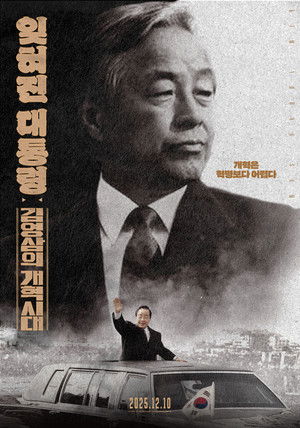
This documentary celebrates the life of former President Kim Dae-joong, who fought for democracy in South Korea and peace in the Korean Peninsula. It marks the 10th anniversary of his passing and covers his challenging journey, from his childhood on an island to his imprisonment, exile, near-death experiences, and ultimately becoming the president.
82%
Kim Dae Jung Must Not Die(ko)
2024-01-10
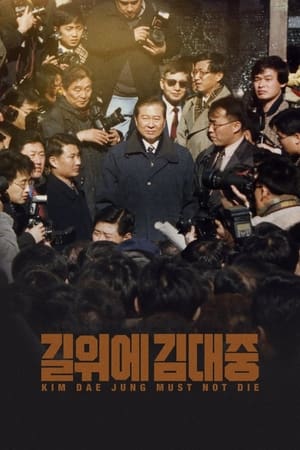
Kim Dae Jung, who stands next to people in the middle of caotic history! A young businessman Kim Dae Jung recognized the victims of ideology. He decided to be a politician to make his country where people's politic and democracy are rooted. The price of being leave from a guaranteed future and take the first step on a bumby road was kidnapping, death threats, imprisonment, and a death sentence that shook him to the core, but even in his final moments, when he was sentenced to death, Kim never wavered. "Democracy will be recovered. I believe in it." The life of President Kim Dae-jung, a death row inmate who survived from the throes of death, four parliamentary elections, and three unsuccessful presidential campaigns, is etched into the modern history of South Korea.
50%
Names of Revolution(ko)
2021-10-09
Names of Revolution recalls the memories of those who participated in the struggle to rewrite the history of the “Busan-Masan Democratic Protests,” which has been under-represented in modern Korean history. As the then college students, seamstresses, mold technicians, combat police, workers, bus drivers, advertising planners, and photojournalists pour out their memories from over 40 years ago before the camera, vivid words come to life.
0%
The Price of Democracy(zh)
2020-03-06
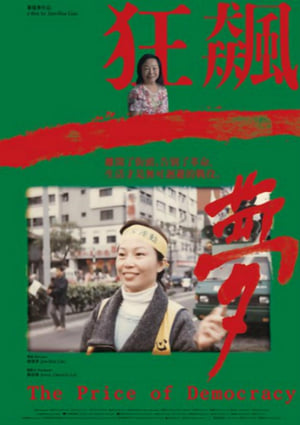
The expressions of democratization are usually interpreted by elites from two different parties but neglect the real faces/ life of every individual among the resistance rally. The director (a confused twenty-something) looks back upon the 40-year-history of democratization of Taiwan through the life experiences of two old-timers (who are grass-root rebels). He attempts to discover what causes their actions and decisions to be lefties, and what are their limitations.

0%
Beyond Now, Nyein(ko)
2025-09-13
Choi Jinbae from Korea and Nyein Thazin from Myanmar are an international couple. They married seven years ago in Mandalay and, after a ceremony in Korea, planned to return. But COVID-19 left them stranded in Seoul. One day, a photo arrives from Myanmar showing a village destroyed by the coup. Urged by fellow Myanmar people to share their country's reality with the world, Choi picks up a camera. An ordinary family's life is suddenly thrust into questions of pain, solidarity, and the ethics of bearing witness.
80%
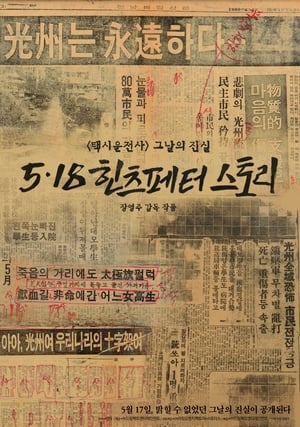
The Hinzpeter Story(ko)
2018-05-17
In May of 1980, the city is locked down and phone lines are dead because of protests and struggles in demand of democracy. Just when Gwangju was being ignored by the media, Jurgen Hinzpeter, a reporter from Germany, sneaks in despite the danger!
0%
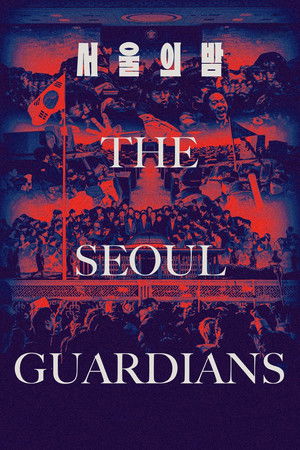
The Seoul Guardians(ko)
2026-01-30
On December 3, 2024, in Seoul, the President of South Korea Yoon Sukyeol declares the martial law. Troops move toward the National Assembly to seize control. Meanwhile, citizens rush to the National Assembly to block the troops, while lawmakers break through police's barricades at the main gate, climb over the walls to attend the session that lifts the martial law.
80%
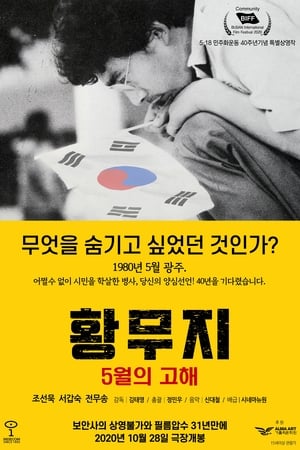
The Confessions of May in the Wilderness(ko)
2020-10-28
The movie is a compilation of the movie "Wilderness" in which a member of the airborne unit who killed a girl during the Gwangju Democratization Movement burned himself to death with remorse and "Mr. Kant's Presentation", the story of a man who wanders around as a result of torture after participating as a civilian army.
80%
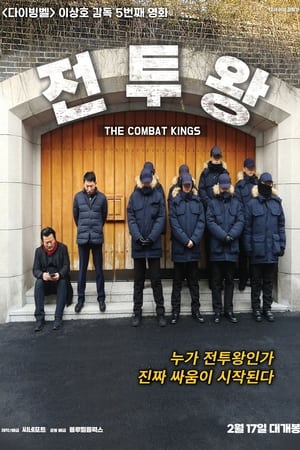
The Combat Kings(ko)
2022-02-17
The Chun Doo-hwan regime seized power in a coup d'etat, massacred peaceful protesters. People from all walks of life have been fighting the military dictatorship in their own way. And the story of reporter Lee Sang-ho, who has been covering for over 30 years, begins.
0%
Let's be Together(ko)
2024-03-28

0%
Good Light, Good Air(ko)
2021-04-28
The title Good Light, Good Air is oddly paradoxical. Keenly working at the point where his artistic identity and persistent attention on modern Korean history meet, director Im in this film focused on where the history of oppression and struggle intersect between Gwangju and Buenos Aires. In both cities, a great number of people who fought against the dictatorship were slaughtered and disappeared. The people of both societies still live with that trauma. When the testimonies of the victims of the two cities cross over, the film gives us chills as the eerie history of the two is very similar. Through Good Light, Good Air, director Im asks us how we will remember the past from where we stand right now.
0%
존경하고 사랑하는 국민여러분(ko)
2022-01-27
80%
Kim-Gun(ko)
2019-05-23
KIM-GUN searches for the whereabouts of a young man whose identity has sparked a national controversy over the 1980 May 18 Gwangju Uprising. Starting with the vague memories of those who had crossed paths with him during that time, the film tracks down those who participated in the Uprising as “Citizen Soldiers.” It also traces KIM’s final steps, based on photographic clues found in the firearms he carried and the “Surveillance Truck No. 10” in which he rode. By identifying KIM-GUN, we believe that we can find valuable leads to resolving the ongoing controversy over May 18. Why did a nameless young man join the Uprising? Why did he take up arms? Where has he gone afterwards? It is the answers to these questions that the film seeks.
0%
No Name Stars(ko)
2011-05-12
This year is the 30th anniversary of the Gwangju Democratization Movement. Though the country commemorates the event as the official historical records, it does not include any 'real' accounts of the people who experienced it firsthand. The students who were part of the movement; the female vendors who made rice balls for the students; the female high school students cooked at the government building; now, past their middle age, they live as ordinary citizens in Gwangju city. How is the event remembered by these people?
0%
The Yearbook: Waiting for the Teacher(ko)
2026-05-18
On May 27, 1980—the last day of the Gwangju Uprising—students at Sinheung High School in Jeonju defied martial law. Their teacher disciplined them to protect them, but this act of love left forty years of misunderstanding. Now in his nineties, the teacher reunites with his former students to finally offer each other the reconciliation they had long set aside.
0%
The Blue Roof from the Window(ko)
2025-12-24
My family has lived in a house across from the Blue House, the presidential palace, for 50 years. During the era of military dictatorship, the Blue House was a place of fear and inaccessibility. But as South Korea democratized, more and more people were allowed to approach it. I had grown up surrounded by countless protests, but it was the first time their sound followed me home. The never-ending noise made the house where I was born and raised feel unfamiliar. But the place they now stood was the very spot where I had held a candle to protest just months before. My right to raise my voice also guarantees theirs.
0%
When the Pomegranate Flowers Bloom(ko)
2021-09-17